A revolution in surveying: How drones are changing land surveying
In recent years, drone technology has revolutionized many fields, including surveying, introducing new possibilities for field measurements. Traditional surveying methods, while still effective, often require significant time and financial resources. Drones, with their mobility and ability to accurately collect data, have become an invaluable tool for surveyors. In this article, we’ll take a look at how drones are impacting surveying, the benefits they bring to the industry, and the challenges of using them. We invite you to discover how this new technology is transforming the face of surveying.
A new era in surveying
The introduction of drones into surveying has significantly changed the way land surveys are conducted. Thanks to their versatility, drones offer new opportunities that are unattainable by traditional methods.
Introduction of drones into surveying
Drones have gained popularity as a surveying tool due to their ability to collect data accurately and quickly. Their versatility allows them to take measurements in hard-to-reach areas, which is invaluable in a variety of surveying projects.
One of the key strengths of drones is their ability to map large areas in a short period of time. Equipped with advanced sensors and cameras, drones can capture terrain details with high accuracy.
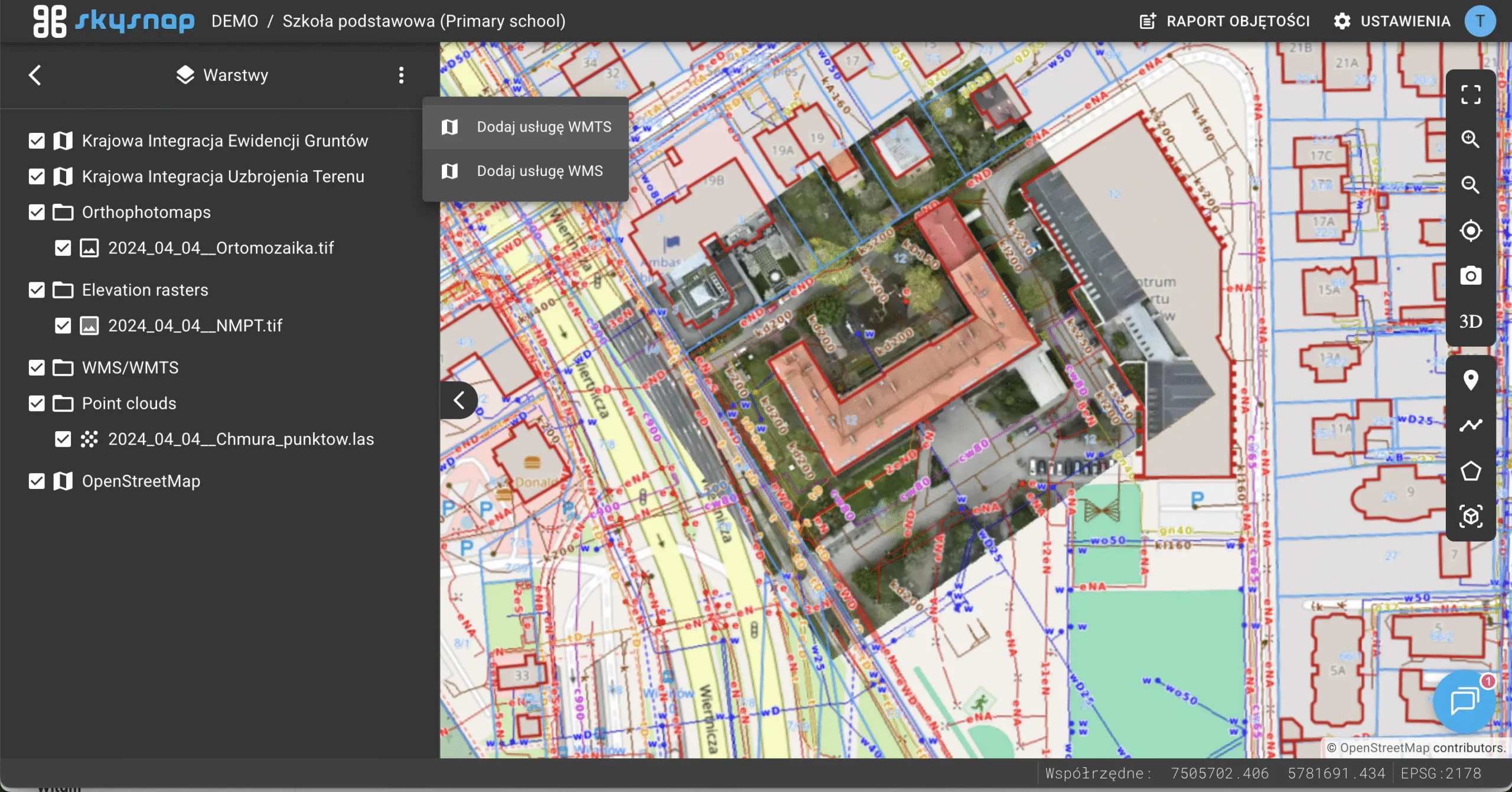
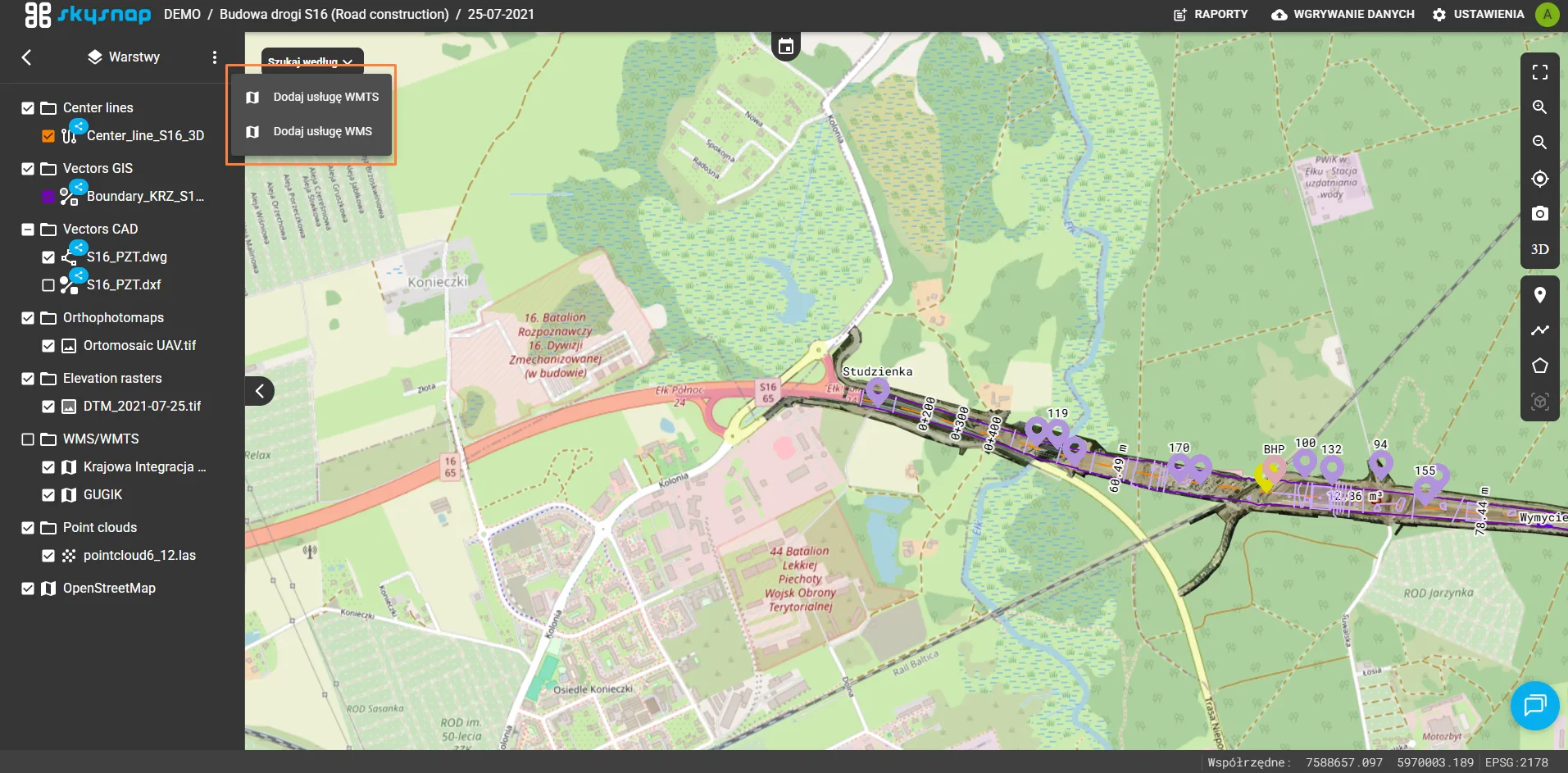
Drone technology is constantly evolving, opening up new opportunities for measurement. Integration with GIS systems and other databases allows for even more efficient data management.
History and development of technology
The history of drones in surveying goes back several decades, when the first models began to be used for simple surveying tasks. Over time, thanks to technological advances, their use has greatly expanded.
- 1990s: First use of drones for limited surveying.
- The 2000s: The development of GPS technology and HD cameras, which increased the precision and utility of drones.
- Today: drones are an integral part of many surveying projects around the world.
The rapid development of drone technology has made them an integral part of modern surveying, offering unparalleled precision and efficiency.
Advantage of drones over traditional methods
Drones offer many advantages over traditional surveying methods, making them an attractive solution for surveyors.
- Speed: Drones can cover large areas much faster than field crews.
- Accessibility: They can reach hard-to-reach places without the need for infrastructure.
- Costs: Reduce costs related to human resources and labor time.
The advantage of drones also lies in their ability to integrate with modern data analysis systems to better understand and interpret measurement results.
Drone applications in surveying
Drones have found wide application in various aspects of surveying. Their ability to collect data accurately and quickly opens up new possibilities in mapping and terrain analysis.
3D mapping and modeling
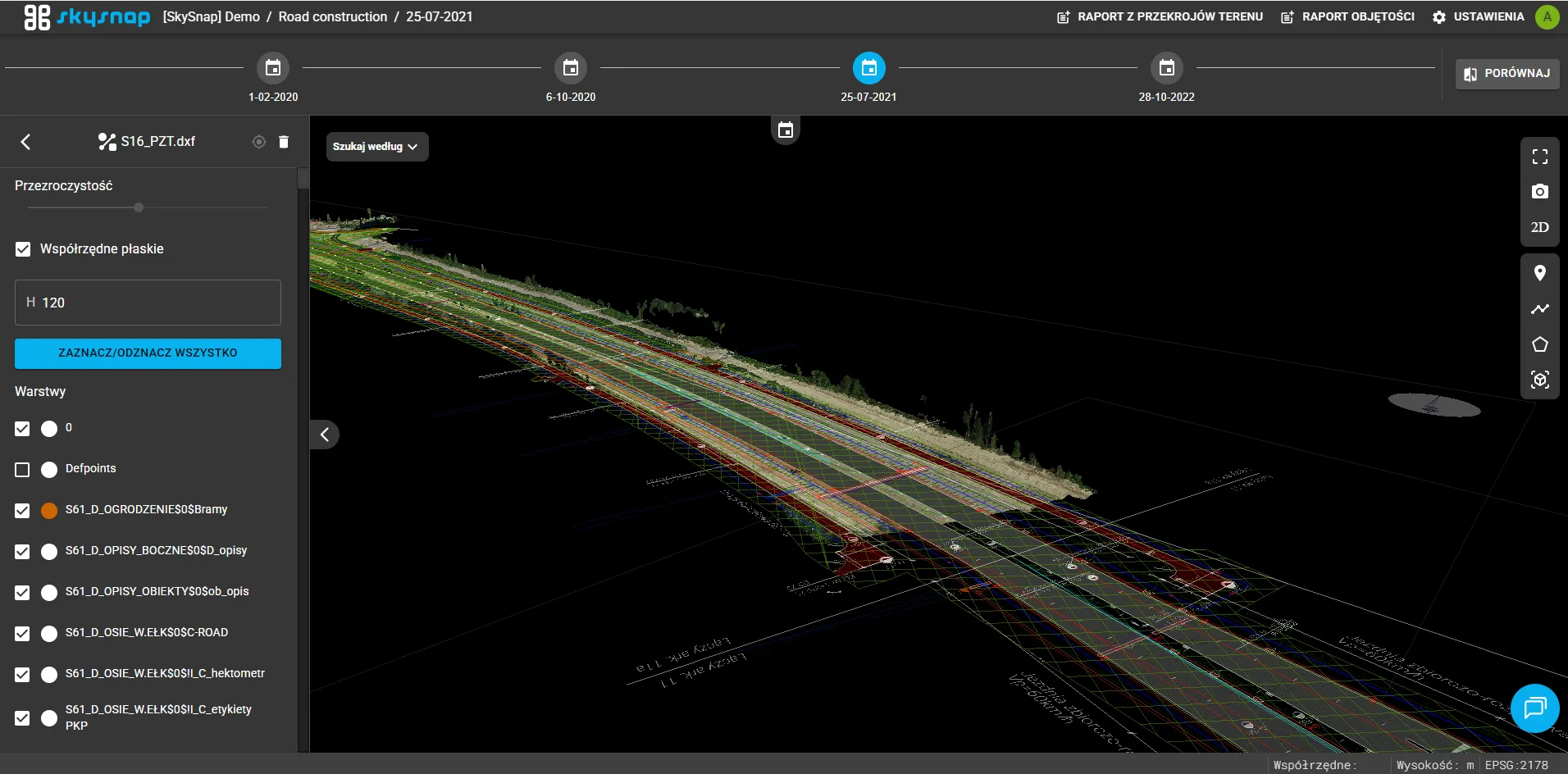
Drones are extremely effective in creating detailed maps and 3D models of terrain. Using advanced software, it is possible to generate accurate representations of topography.
- Photogrammetry: Drones take photos from different angles, which are then processed into 3D models.
- LIDAR: This technology allows accurate measurements of terrain elevation, which is particularly useful in infrastructure planning.
3D mapping using drones allows understanding complex terrain structures and supports decision-making in engineering projects.
Monitoring environmental changes
Drones play a key role in monitoring environmental change, offering fast and accurate data that can help understand ecosystem dynamics.
Benefits include:
- Tracking climate change: Analyzing drone data makes it possible to observe changes in nature.
- Environmental protection: Drones can monitor protected areas, identifying threats to ecosystems.
In this way, drones support environmental protection efforts, enabling rapid response to negative changes.
Data analysis and management
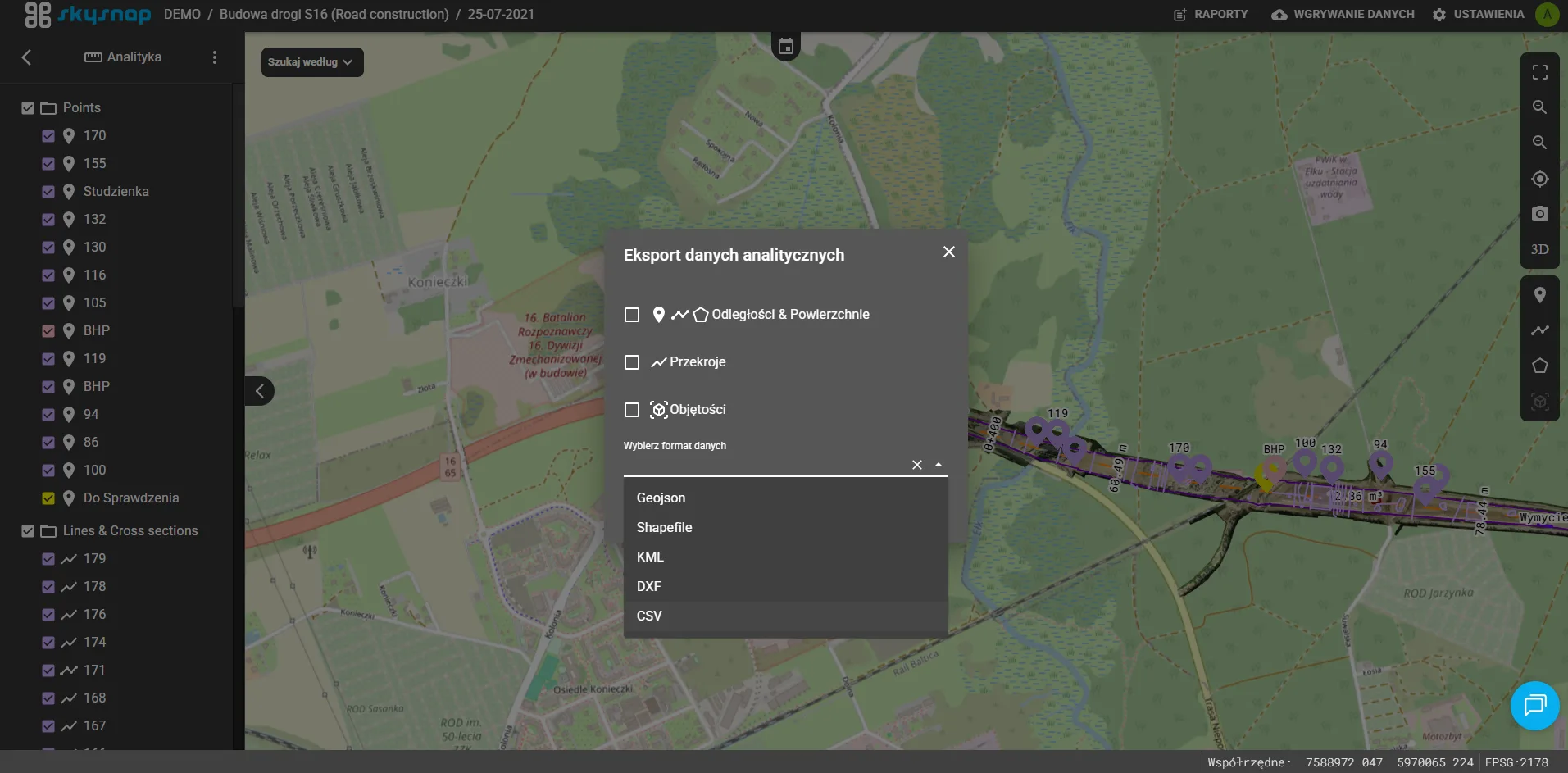
Drones generate huge amounts of data, which require proper management and analysis. Integration with advanced software allows for effective use of the collected information.
- Data collection: Drones collect detailed field data.
- Processing: Data is analyzed and processed into useful information.
- Visualization: the results of the analysis are presented in an attractive graphical form.
Drone data management is key to optimizing decision-making and planning in surveying.
Benefits of using drones
The use of drones in surveying brings with it a number of benefits that greatly affect the efficiency and effectiveness of surveying operations.
Speed and precision of measurements
Drones offer unparalleled speed and precision, making them the preferred choice for many surveying projects.
- Time savings: Drones can significantly speed up the survey process.
- Data accuracy: Precision sensors ensure high accuracy of measurements.
With these advantages, drones are able to deliver results faster and with greater precision than traditional methods.
Reduction of operating costs
Drones can significantly reduce operational costs associated with field surveys.
Financial benefits:
- Reduce labor costs: Fewer people needed to handle measurements.
- Less wear and tear on equipment: Drones require less infrastructure.
This allows companies to focus on optimizing budgets and reinvesting savings in technological development.
Increase worker safety
The use of drones in surveying contributes to worker safety by eliminating the need to work in dangerous conditions.
- Risk avoidance: Drones can take measurements in hard-to-reach and dangerous areas.
- Safety: Reduction in field work incidents.
As a result, the risks associated with surveying field measurements are significantly reduced.
Impact on entrepreneurship in surveying
Drones are opening up new opportunities for entrepreneurs in the surveying industry, enabling the development of innovative solutions and increasing competitiveness in the market.
New business opportunities
The introduction of drones into surveying has created new business opportunities that can be used by entrepreneurs to expand their operations.
- Drone services: new companies can offer specialized measurement services.
- Technology integration: The ability to develop new products and services based on drone data.
Drones are opening doors to new markets and enabling entrepreneurs to take innovative approaches to surveying.
Drones as a tool for startups
Drones have become an invaluable tool for startups, allowing them to quickly enter the market and offer cutting-edge solutions.
Advantages for startups:
- Low cost of entry: Less investment in infrastructure.
- Innovation: The ability to offer unique services.
With drones, startups can effectively compete with larger companies by offering modern and affordable solutions.
Support for small and medium-sized companies
Small and medium-sized companies can benefit from implementing drones into their operations, increasing efficiency and expanding services.
- Optimization of processes: Reduce operating costs.
- Expanding offerings: Enabling new measurement services to be offered.
Drones provide these companies with the tools to compete with larger companies on a level playing field.
The future of drones in surveying
The future of drones in surveying looks promising, with further innovations and technological developments opening up new opportunities and challenges for the industry.
Innovation and technological development
Drones will continue to evolve, introducing new technologies that will improve their efficiency and capabilities.
- AI and machine learning: applying artificial intelligence to data analysis.
- New sensors: Development of sensors to increase precision of measurements.
These innovations will be key to the future of drones in surveying, enabling even more advanced and efficient measurements.
Potential challenges and barriers
Despite their many advantages, drones also pose some challenges that must be overcome to realize their full potential.
Challenges include:
- Regulations: Need to adapt to changing regulations.
- Data security: Managing large amounts of data and protecting privacy.
Overcoming these challenges will be key to the continued development and acceptance of drones in surveying.
Vision of the future surveying market
The future surveying market will certainly be shaped by drone technology, which will become the industry standard.
- Automation: More automation in measurement processes.
- Systems integration: Combining data from different sources to provide a more complete picture.
Drones will play a key role in the future of surveying, transforming the way field data is collected and analyzed.

Free E-book
Learn what services to offer, who to sell them to, and how to write an effective offer email. Ready-made templates, tips and examples of campaigns that really work.
Table of Contents:
Podoba Ci się artykuł? Podziel się nim z innymi!
Podoba Ci się artykuł? Podziel się nim z innymi!
Tips, news, insights
Related articles
Check out our articles and get the latest industry news.