The future of aviation: How pilotless aircraft are changing the rules of the game
Aviation is standing at the threshold of a huge revolution. Unmanned aerial vehicles are entering the mainstream and beginning to realistically change the way we think about mobility, transportation and aerial surveillance. Technologies such as BVLOS (beyond visual line-of-sight flight) are opening up entirely new possibilities – from transportation and logistics to rescue and infrastructure surveillance. In this article, you’ll see how UAVs are transforming aviation and what challenges and benefits their growing popularity brings.
Revolution in aviation
The changes driven by drones are so great that they are already defining a new era in aviation. Here are the technologies that are driving this revolution.
Unmanned aircraft
Unmanned aerial vehicles (UAVs), also known as drones, are devices that are controlled remotely or autonomously, without a pilot on board. Their capabilities are growing every year.
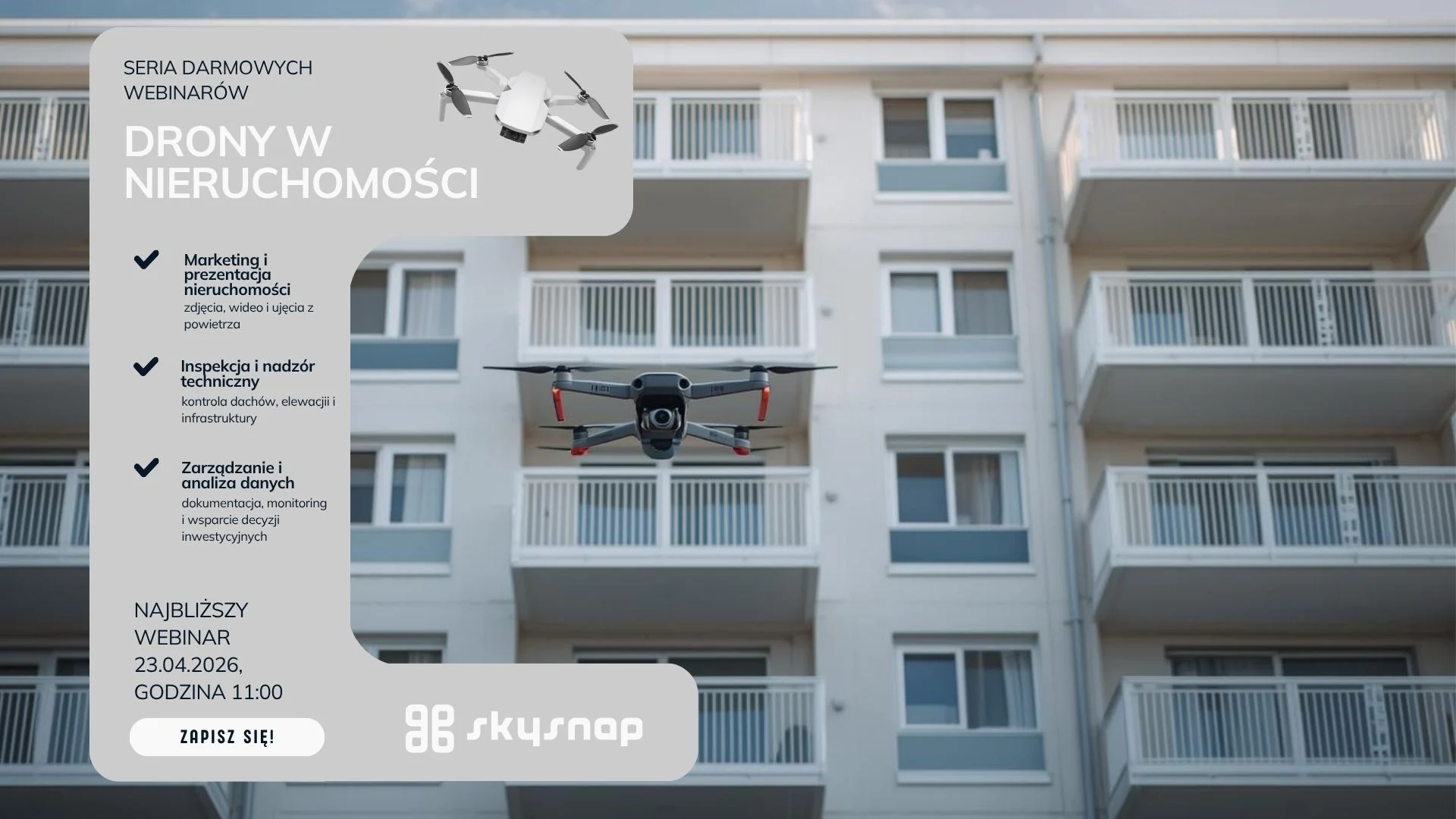
Drones increase flexibility, safety and operational efficiency. They can perform tasks that are dangerous or difficult for humans, such as inspecting buildings, inspecting infrastructure or patrolling in hazardous areas.
Their biggest advantages are:
- The ability to operate in difficult conditions,
- low operating costs,
- Rapid response in dynamic situations.
All this makes drones one of the most important tools of modern aviation.
BVLOS technologies
BVLOS (Beyond Visual Line of Sight) technologies allow drones to fly beyond the operator’s line of sight. This opens up entirely new applications.
With BVLOS, drones can:
- cover long distances,
- operate more autonomously,
- Perform transportation tasks and infrastructure monitoring on a large scale.
At the same time, this technology brings challenges – it requires advanced communication systems, precise navigation and appropriate regulations. Nevertheless, BVLOS remains a key direction for future aviation.
Drone applications in industry
Drones are widely used in various industries. Thanks to their versatility and advanced technologies, they can effectively support inspection, transportation and logistics activities.
Inspections and security
Drones are changing the way companies perform infrastructure inspections:
- Energy – review of high-voltage lines, wind turbines.
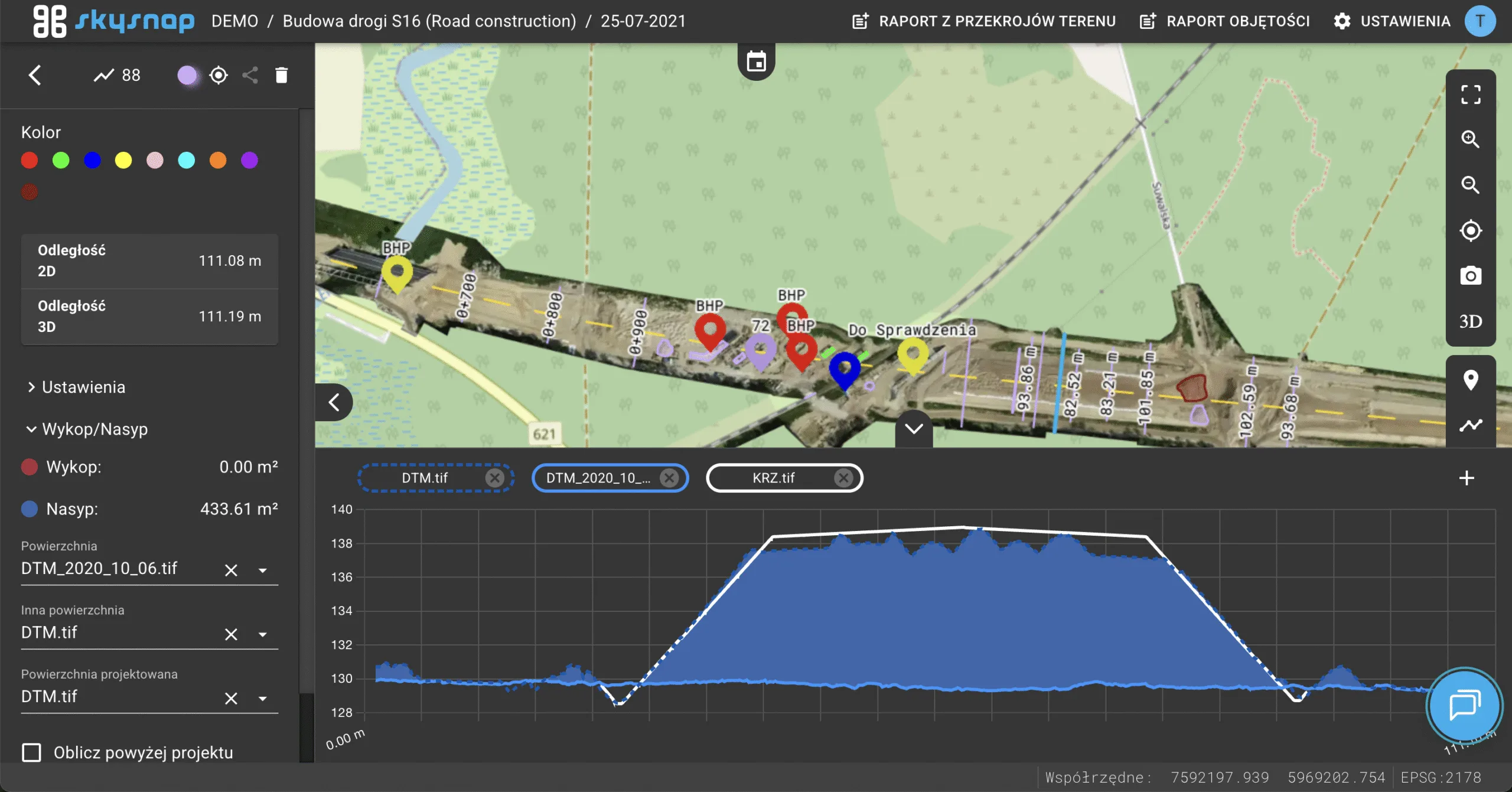
- Construction – monitoring the progress of work and the condition of construction.
- Oil and gas – checking pipelines and oil rigs.
This makes inspections cheaper, faster and safer – without risky work at heights.
Logistics and transportation
This is one of the most revolutionary areas.
Drones can:
- deliver packages to hard-to-reach areas,
- Reduce delivery times,
- Support logistics during natural disasters,
- Transport medicines and medical samples.
Many courier companies are already testing drone deliveries, seeing great potential in them.
Economic and social impact
The development of drone technology is having a broad impact on the economy and society. We analyze how drones contribute to cost reduction and job creation.
Reduction of operating costs
Drones drastically reduce costs compared to traditional means of transportation.
Lower fuel costs, no need for pilots and rapid deployment mean companies can operate much more efficiently.
New jobs and skills
Drone development is creating new professions and changing the job market:
- Drone operators – demand continues to grow.
- UAV engineers – design and technology development.
- Specialists in data analysis – drones generate a mass of information that needs to be processed.
This is a completely new branch of the economy.
Challenges and regulations
With the development of drone technology comes new challenges and the need for appropriate regulations to ensure safety and compliance.
Flight safety
The key challenges are:
- The risk of collision with other aircraft,
- The need for advanced obstacle avoidance systems,
- Integration with air traffic control.
As the number of drones grows, managing their movement becomes more complex.
Regulatory framework and certification
The law must keep up with the rapid development of technology.
Highlights of the regulation:
- operator licensing,
- Definition of permitted and prohibited zones,
- privacy and data protection,
- Certification of equipment and procedures.
Creating consistent rules is the basis for the safe development of UAV technology.
The future of drone technology
The future of drone technology looks promising. Innovation and sustainability will play a key role in shaping this sector.
Technological innovations
Drones will be developed through:
- Artificial intelligence that enhances autonomy,
- New lightweight materials,
- Improved navigation and communication systems.
This will allow for more advanced operations and broader applications.
Environmental impact and sustainability
Drones can play a huge role in environmental protection:
- climate monitoring,
- ecosystem analysis,
- Reducing emissions by replacing traditional transportation.
The ecological dimension of drones will be one of the pillars of their future.

Free E-book
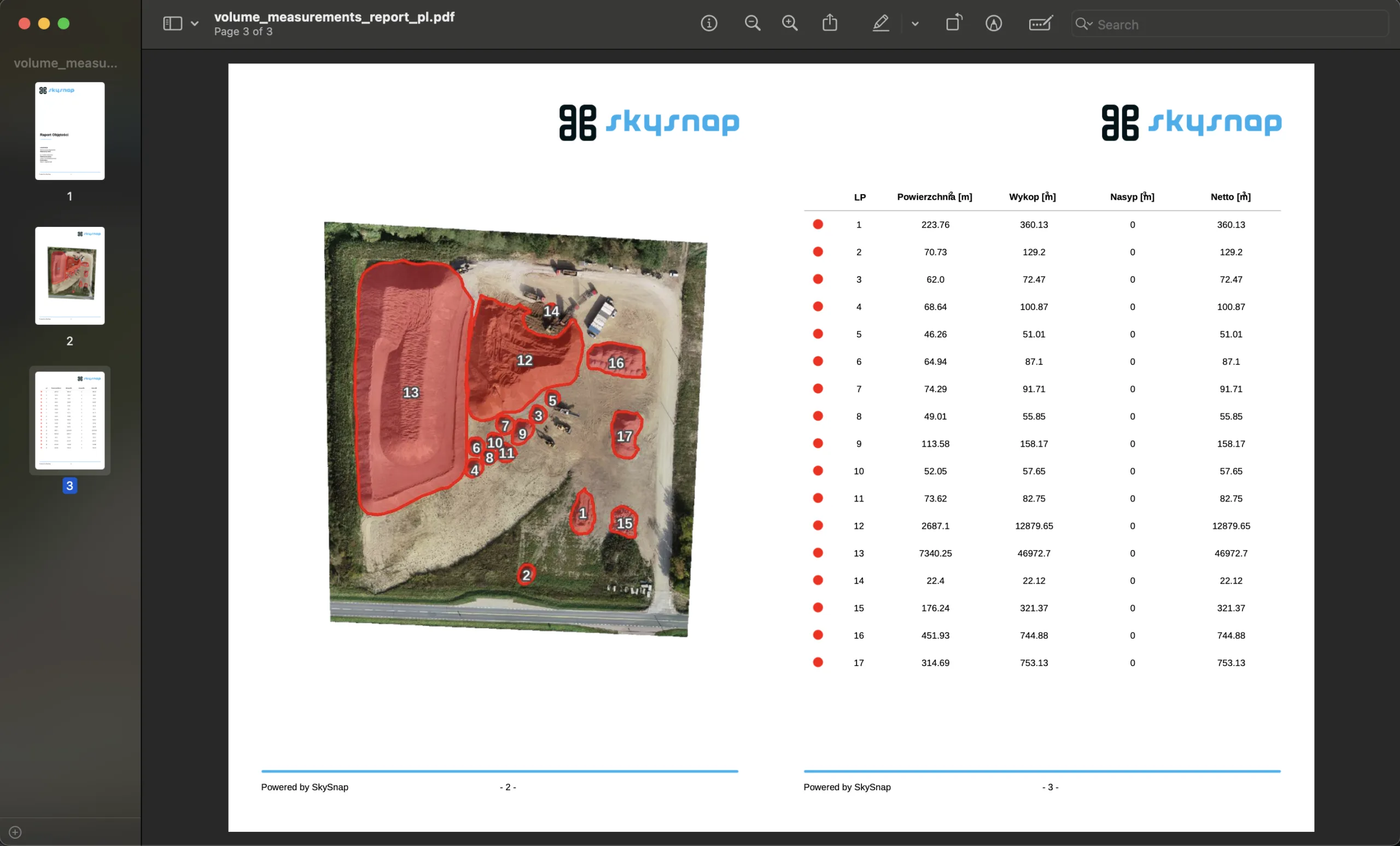
Measuring the volume of materials, aggregates and earthworks on a construction site is one of the most important uses of drones. Why? Because it’s time and money! Download our short e-book and learn how you can monetize your passion with drones.
Table of Contents:
Podoba Ci się artykuł? Podziel się nim z innymi!
Podoba Ci się artykuł? Podziel się nim z innymi!
Tips, news, insights
Related articles
Check out our articles and get the latest industry news.