Professional drone services: How they can revolutionize your industry
Nowadays, drones are becoming an integral part of many industries, offering new opportunities and changing the way we do business. Thanks to their versatility and advanced technology, drones can be used in a variety of applications, from monitoring and inspection to cargo delivery. As their popularity grows, more and more companies are discovering their potential to optimize processes and increase efficiency. In this article, we take a look at how professional drone services can revolutionize your industry, offering practical examples and inspiring ideas to implement in your business.
Introduction to drone services
An introduction to drone services provides an understanding of how these technologies are changing the way various industries operate on a daily basis. Drones offer many new opportunities that previously seemed impossible.
What are professional drone services?
Professional drone services include a variety of applications of drone technology for commercial and industrial purposes. Unlike the drones used by amateurs, the professional ones are equipped with advanced navigation systems, high-resolution cameras and sensors to perform tasks with precision.
With these technologies, drones can be used for monitoring, inspection, mapping and many other tasks that require accuracy and speed. Many companies are investing in these services to optimize their operational processes and increase efficiency.
Drones can also collect data that is difficult to obtain by other methods. Their ability to operate in harsh weather conditions and in areas inaccessible to humans makes them an invaluable tool in many industries.
History and development of drone technology
The history of drones dates back to the early 20th century, when the first prototypes of unmanned aerial vehicles were developed. Since then, the technology has evolved into the advanced devices we know today.
In the 1980s and 1990s, drones were mainly used by the military. However, in recent decades, their use has expanded into civilian sectors, including agriculture, construction and film.
Today, drones are not only more affordable, but also more technologically advanced, making their use increasingly broad and diverse. Thanks to rapid technological advances, drones are becoming more and more common in various areas of life.
Drone applications in various industries
Drones are used in a wide range of industries, each using the unique characteristics of these devices to achieve their goals. Here are some key areas where drones play a special role.
Drones in agriculture
Drones in agriculture are revolutionizing the way crops are managed. They enable precise land mapping, plant health monitoring and efficient resource management.
With aerial imaging capabilities, farmers can monitor plant growth and identify areas that need intervention. This, in turn, allows precise application of fertilizers and pesticides, which increases yields and reduces costs.
Drones also make it possible to quickly and accurately map farmland, which is crucial for crop planning and optimization. This allows farmers to make more informed decisions based on real data.
The use of drones in the construction industry
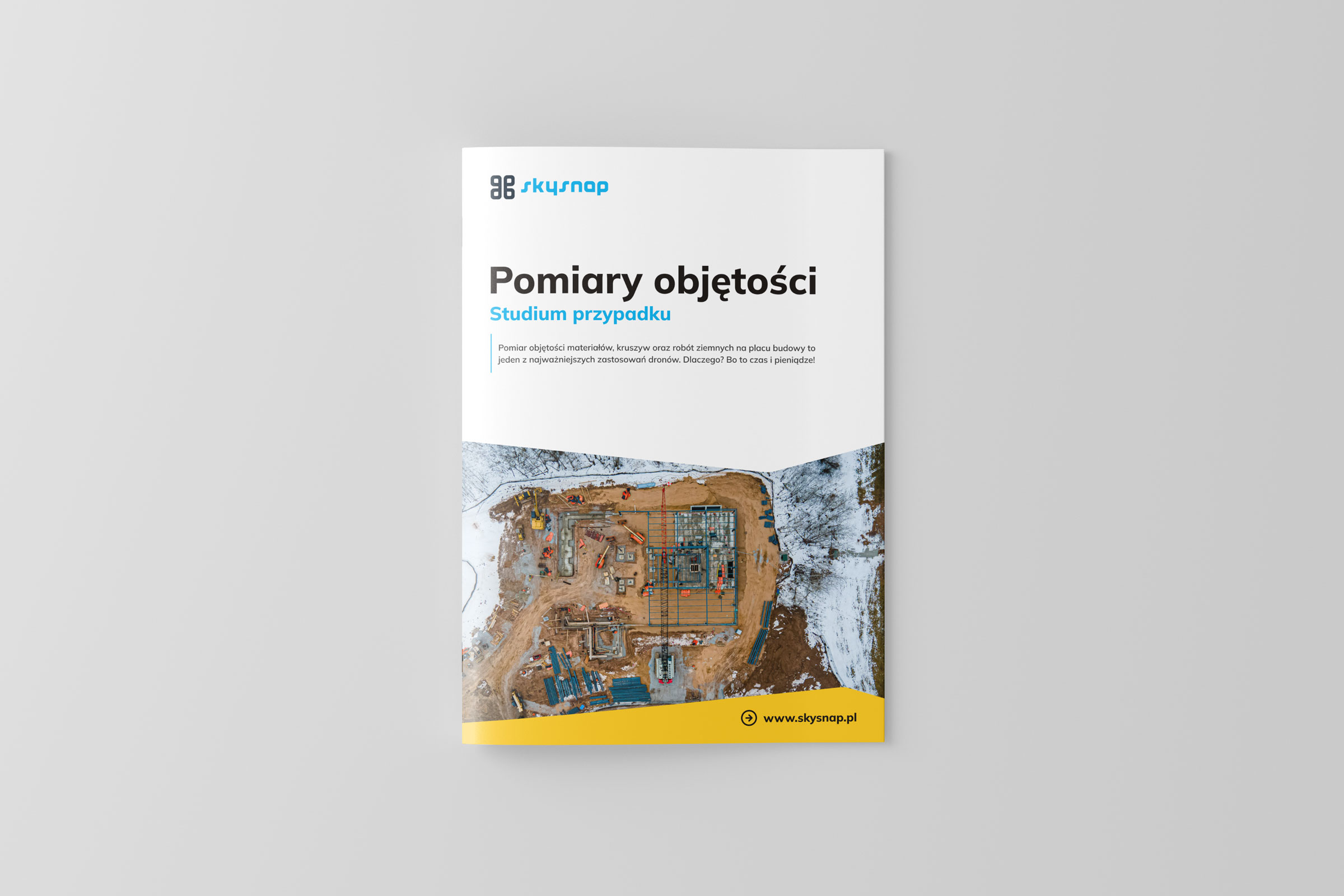
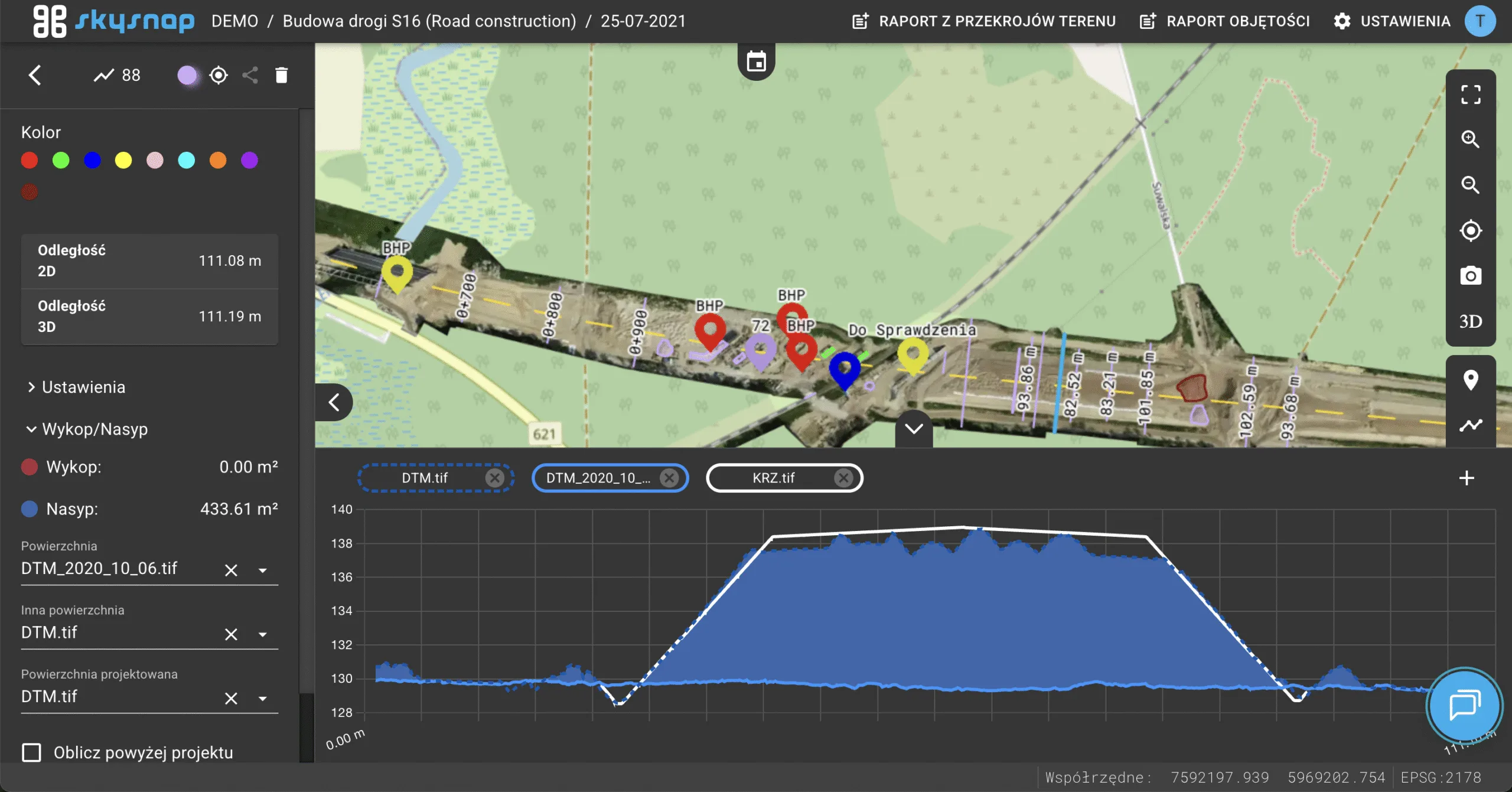
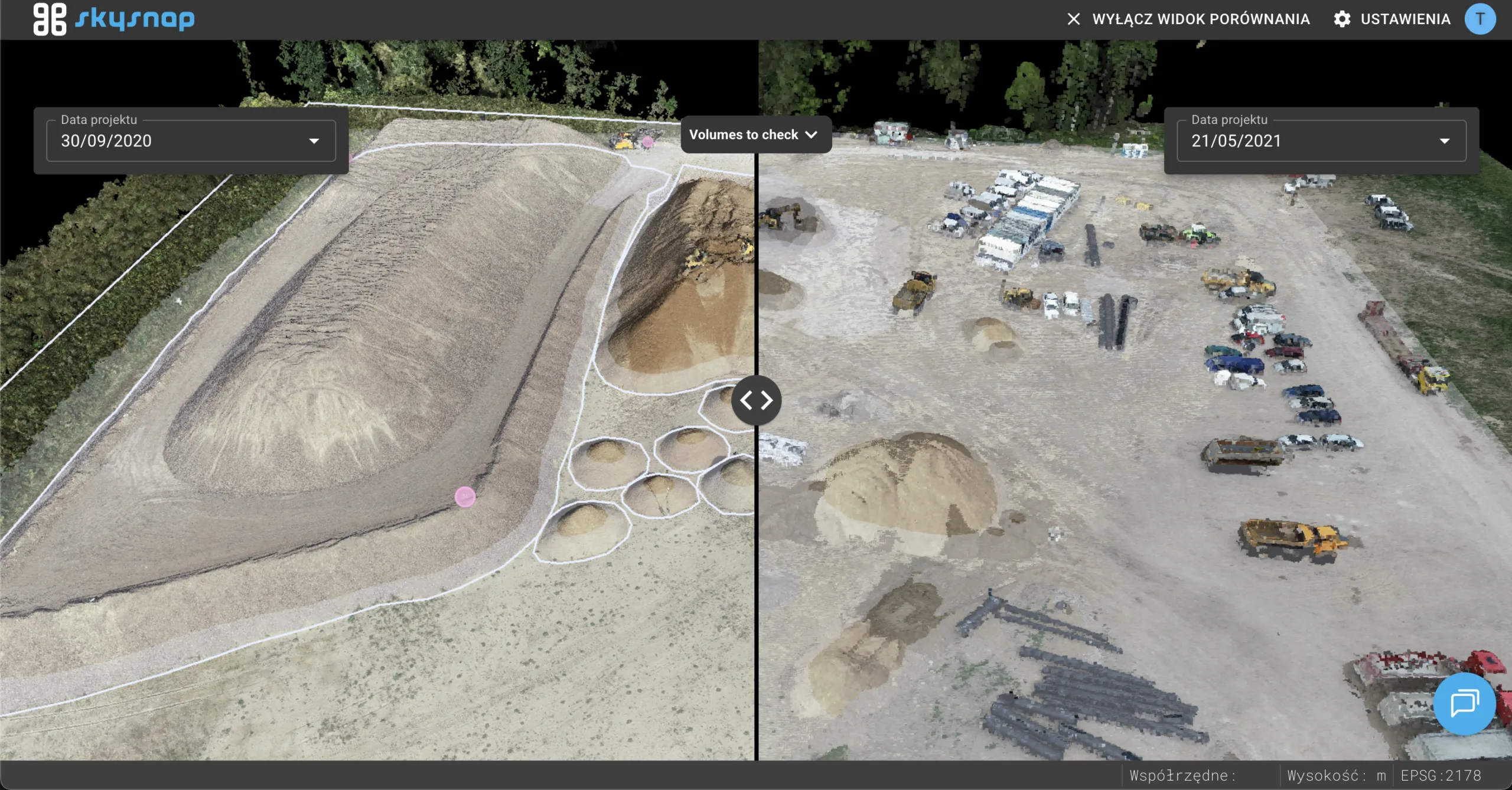
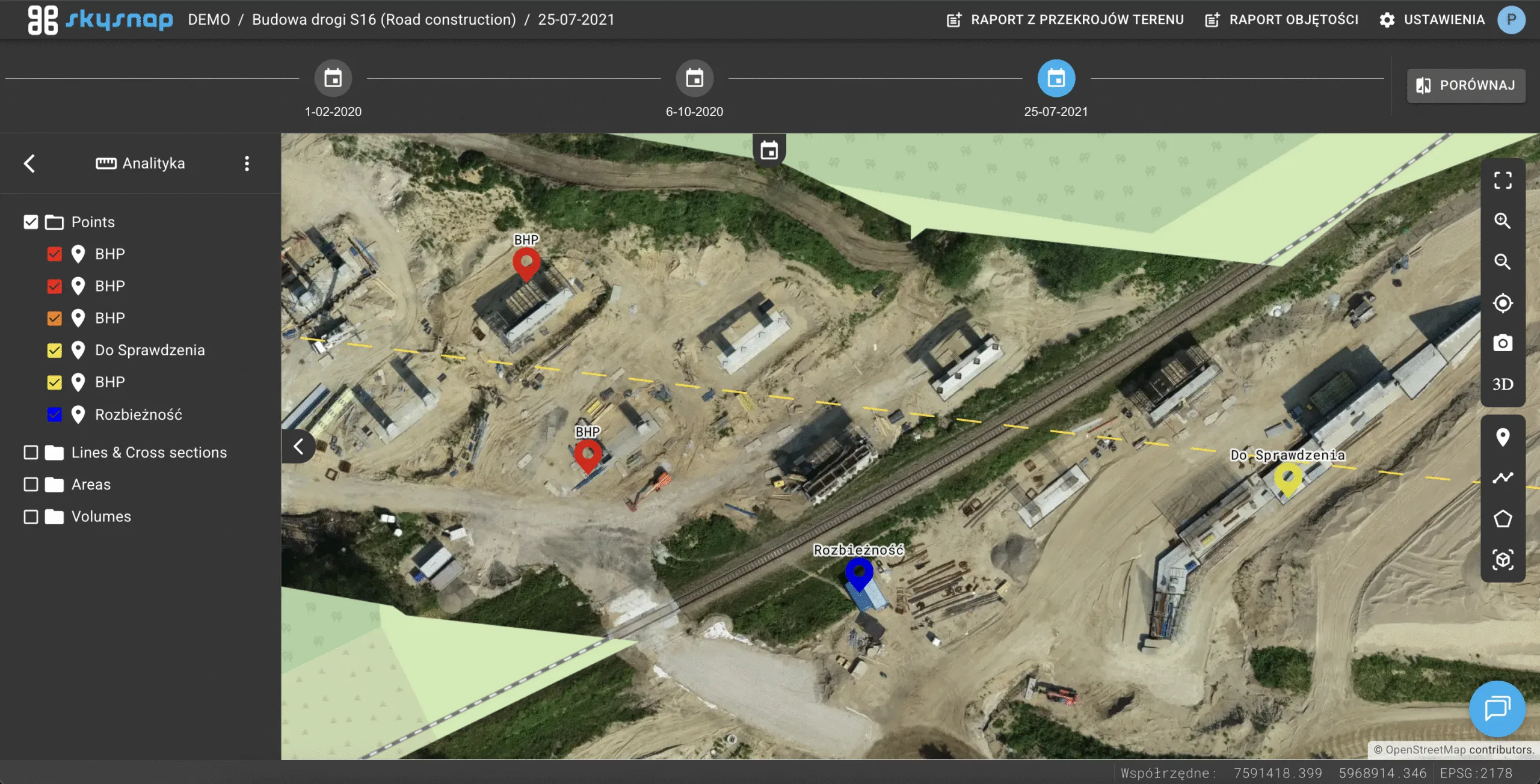
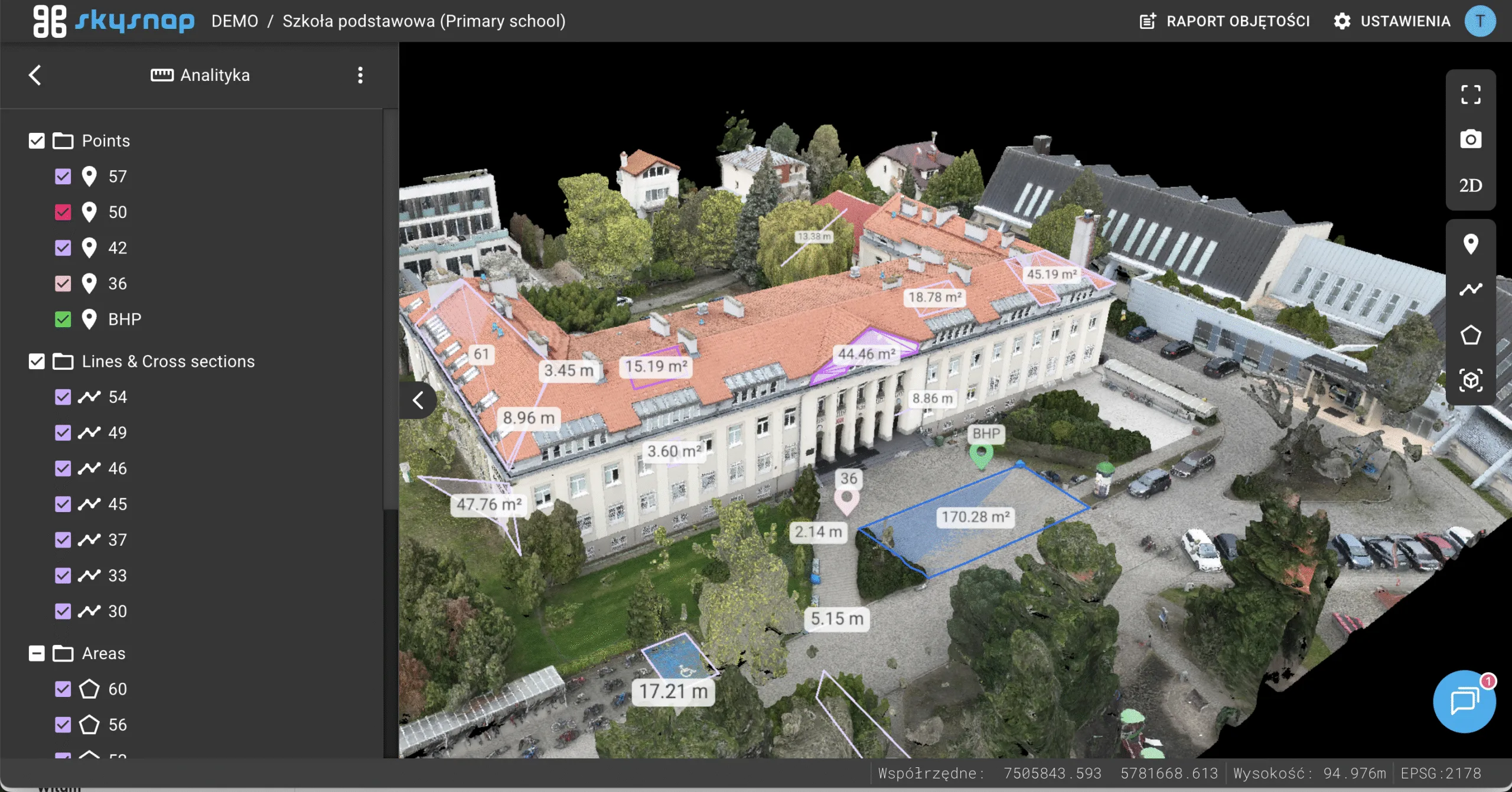
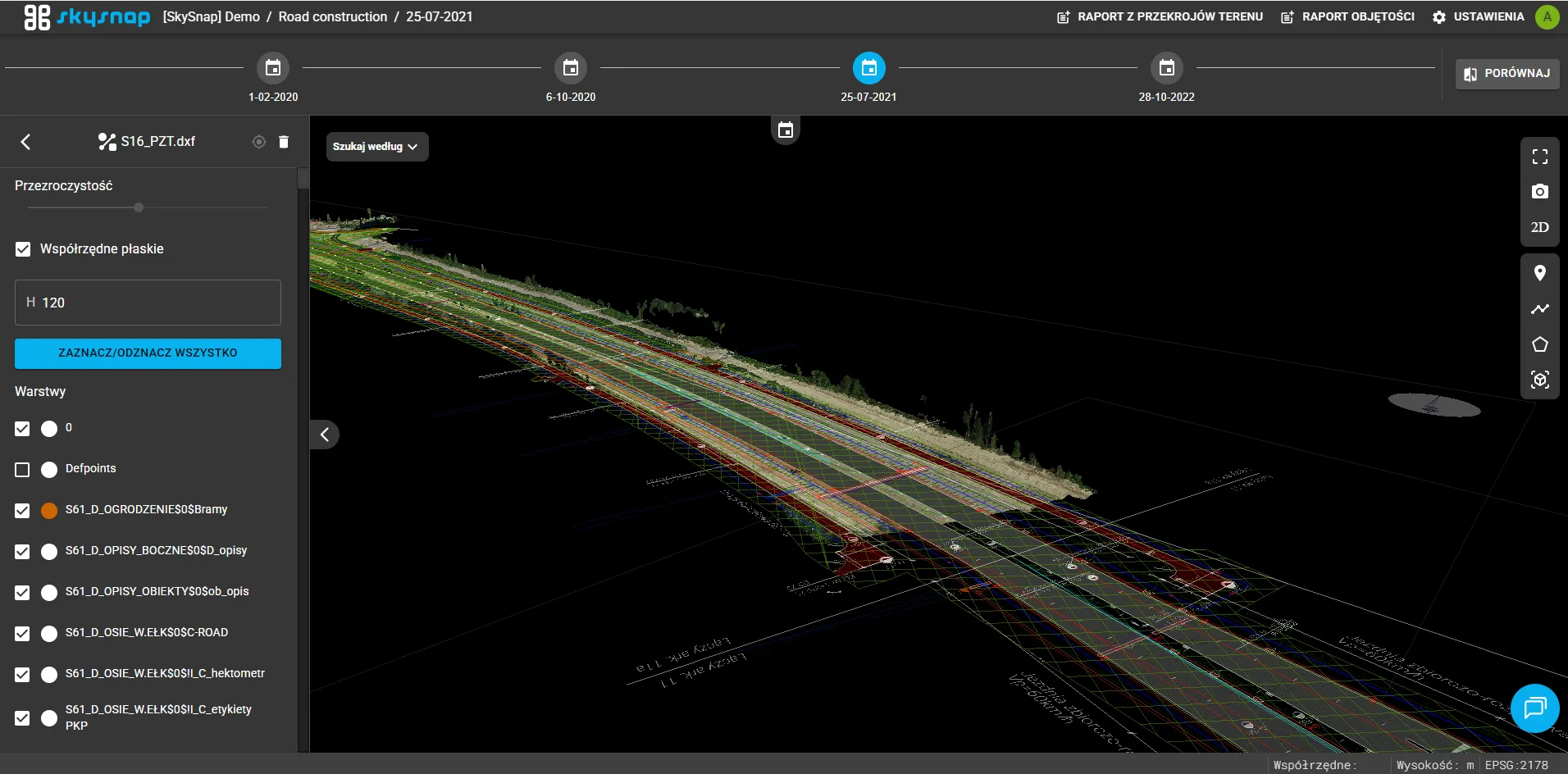
In the construction sector, drones play a key role in monitoring the progress of work and ensuring safety on construction sites. They enable the creation of accurate 3D maps and site models, which are essential for project planning.
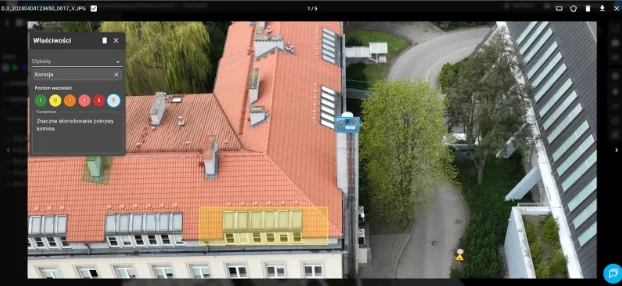
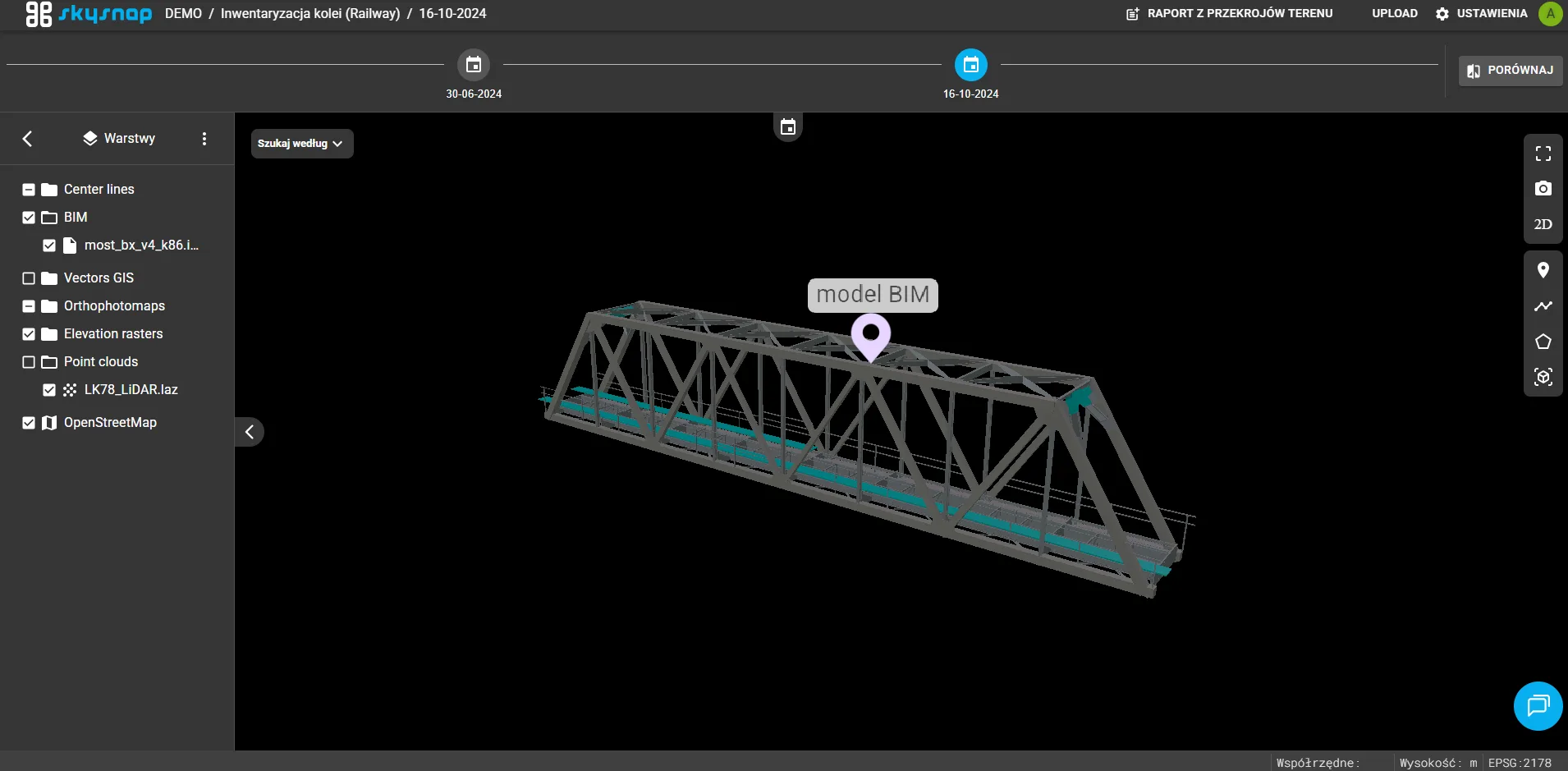
Drones can be used to inspect structures, allowing them to quickly detect defects and prevent costly repairs. As a result, construction companies can increase efficiency and reduce project completion times.
Drones are also being used to monitor safety at construction sites. They can identify potential hazards and enable rapid response to dangerous situations, increasing worker safety.
Drones in the film industry
In the film industry, drones have changed the way movies are made. They make it possible to get unique aerial shots that were previously reserved for high-budget productions.
Drones make it possible to film in hard-to-reach places, allowing for more diverse and impressive scenes. They also make it possible to reduce production costs, as they eliminate the need to hire helicopters or cranes.
Many films and TV productions use drones to provide viewers with an unforgettable visual experience. This makes drones an integral part of modern cinematography.
Benefits of using drones
There are many benefits to using drones, which can greatly improve efficiency and savings in various industries. Here are some of the major advantages.
Time and cost savings
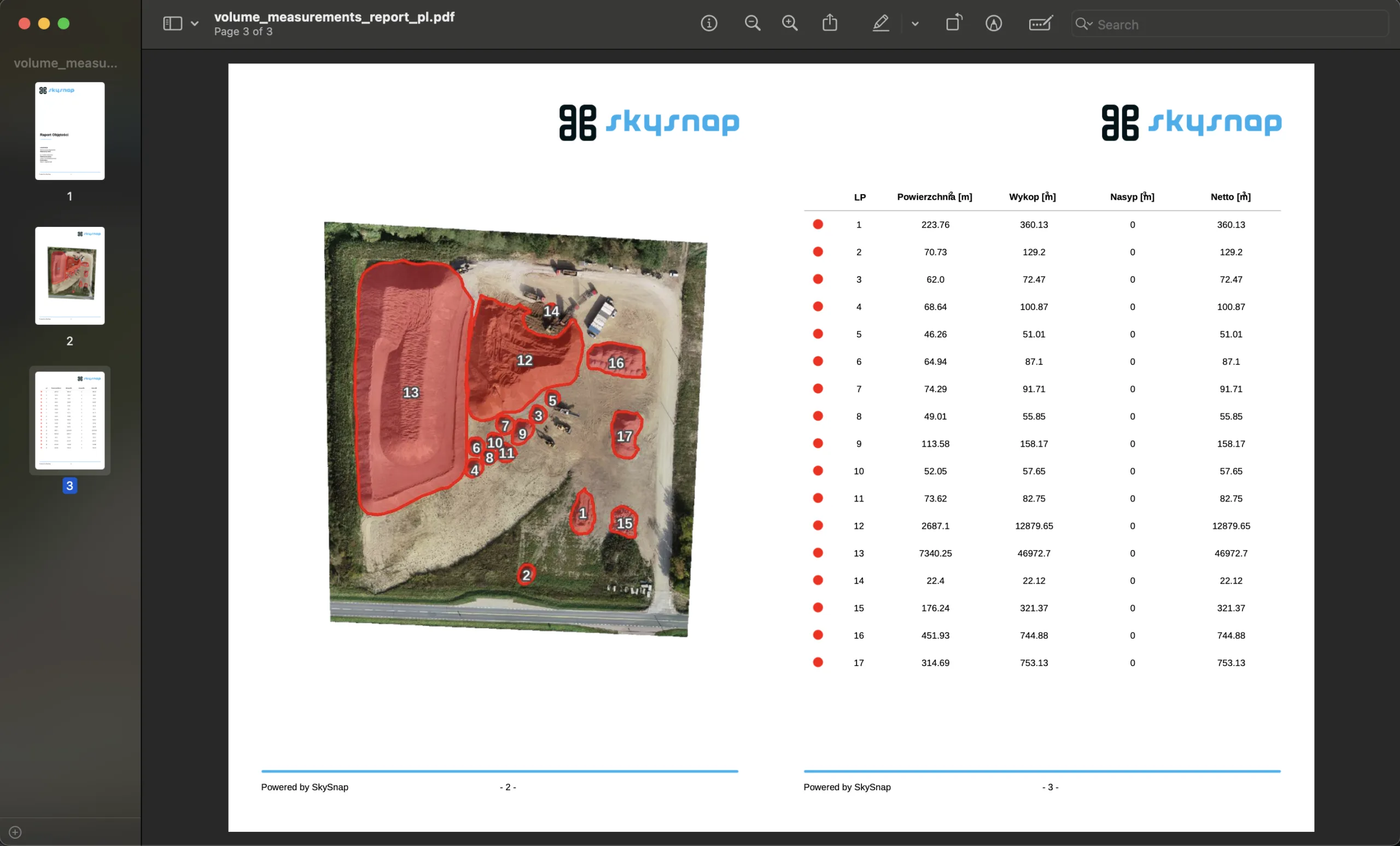
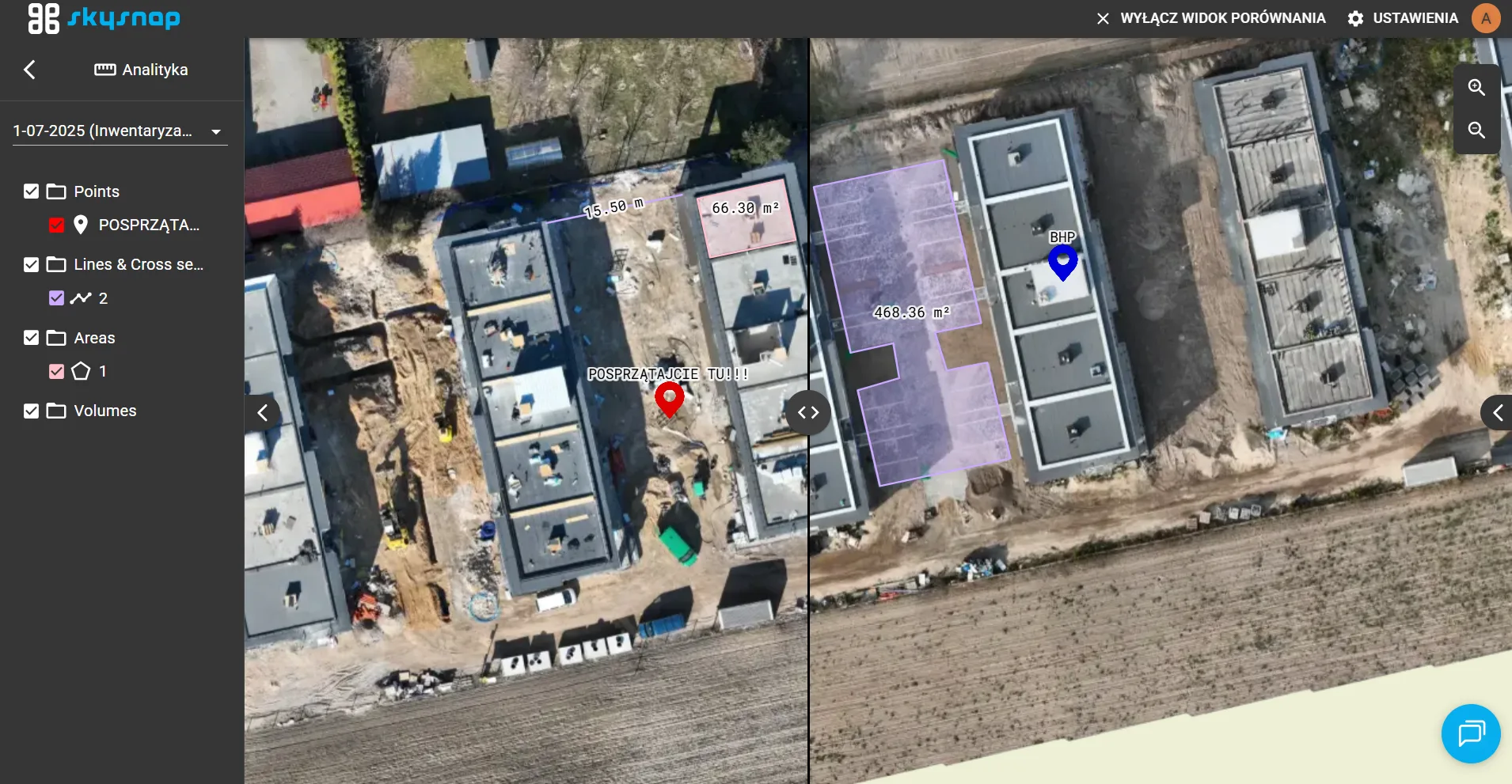
Drones allow significant time and cost savings compared to traditional methods. They allow inspections, mapping and other tasks to be carried out quickly and efficiently.
- Inspections: Drones enable fast and accurate inspections of sites and structures, allowing for earlier detection of defects and prevention of escalation.
- Mapping: the process of mapping land using drones is faster and more accurate, allowing for better planning and resource management.
- Cost reduction: Drones eliminate the need to rent expensive equipment, resulting in significant financial savings.
Precision and accuracy of measurements
Drones offer exceptional precision and accuracy, which is crucial for many applications. They make it possible to collect data that is difficult to obtain by other methods.
With advanced sensors and cameras, drones can provide accurate data that is essential for making informed decisions. Precise measurements allow for better management of resources and optimization of processes.
In many industries, such as surveying and engineering, the precision of drones is invaluable. It can help you achieve better results and increase the efficiency of your operations.
Challenges and regulations
While drones offer many benefits, their use also comes with challenges and regulations that must be addressed to ensure safe and lawful operations.
Regulations on drone use
The use of drones is regulated by laws designed to ensure safety and protect privacy. Anyone planning to use drones needs to be aware of the regulations in place.
- Flight rules: Drone flights must comply with local regulations, which specify where and when drones can fly. Avoid prohibited zones and observe maximum flight altitudes.
- Drone registration: Many countries require drones to be registered, especially those with heavier weights. Registration allows drones to be tracked and ensures that they are being used legally.
Security and privacy
Security and privacy are key aspects to consider when using drones. Operators need to be responsible for their actions and look out for the safety of others.
Drones must be operated by qualified operators who are properly trained. This helps avoid potential hazards and incidents.
Privacy issues are also important. Operators need to be aware that the collection of data and aerial images can violate the privacy of others. Therefore, it is important to comply with relevant data protection rules and regulations.
The future of drone services
The future of drone services looks promising, with many new technologies and innovations on the horizon. We present forecasts and potential directions for this rapidly growing field.
New technologies and innovations
New drone technologies and innovations are constantly evolving, opening up new opportunities for various industries. Thanks to them, drones are becoming more advanced and versatile.
For example, autonomous flight technologies are developing, which allow drones to perform complex tasks without human intervention. This, in turn, increases their efficiency and application in various fields.
Drones are also being equipped with increasingly sophisticated sensors and cameras for even more accurate data collection. In the future, we can expect drones to be even more integrated with other technologies, opening up new possibilities for applications.
Forecasts and potential development directions
Predictions for the future of drones are optimistic, and their potential development directions are extremely diverse. As drone technology evolves, we can expect to see new applications and solutions.
- Delivery of goods: Drones could become a common means of delivering shipments, especially in hard-to-reach areas.
- Rescue and humanitarian aid: Drones can be used in rescue and humanitarian operations, delivering vital supplies quickly.
- Environmental protection: Drones can monitor and protect the environment by collecting data on climate change and biodiversity.
The potential for drone services is enormous, and their future looks extremely promising, with many new opportunities and challenges to explore.
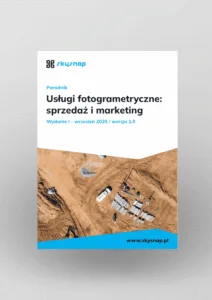
Free E-book
Learn what services to offer, who to sell them to, and how to write an effective offer email. Ready-made templates, tips and examples of campaigns that really work.
Table of Contents:
Podoba Ci się artykuł? Podziel się nim z innymi!
Podoba Ci się artykuł? Podziel się nim z innymi!
Tips, news, insights
Related articles
Check out our articles and get the latest industry news.