Guide to NSTS-05 authority in the context of drone use
As drone technology continues to develop at a rapid pace, the need to understand the regulations and authorizations associated with their use is also growing. One of the key authorizations that is gaining popularity among drone operators is NSTS-05. This specific authorization allows drones to be operated in a more advanced manner, opening up new opportunities for amateurs and professionals alike. In this article, we’ll take a closer look at what exactly the NSTS-05 entitlement is, what requirements must be met to obtain it, and the benefits of having it in the context of the growing drone market.
Introduction to NSTS-05 powers
The NSTS-05 credential is an essential qualification for drone operators to conduct advanced flight operations. They are becoming increasingly important as drone technology develops, opening up new opportunities in many sectors.
Purpose and meaning of powers
The NSTS-05 credentials are crucial for anyone pursuing professional drone use. They enable more complex and specialized missions that require an advanced level of knowledge and skills.
Having these credentials is not only proof of competence, but also opens the door to new career opportunities. In a world where drones are becoming a tool for work in a variety of industries, having the right qualifications is extremely important.
With the NSTS-05, operators can participate in projects that require greater precision and commitment, increasing their value in the job market.
Who can apply for NSTS-05
The NSTS-05 qualification can be used by both individuals and company representatives. It is important that candidates have a basic knowledge of how drones work and how to operate them.
There are no strict age requirements, but it is recommended that potential candidates be at least 16 years old. For younger operators, the consent of a legal guardian may be required.
In addition, those seeking these licenses should be in good physical and mental condition, which is important in terms of flight safety.
Conditions for obtaining rights
In order to obtain an NSTS-05 rating, it is necessary to meet certain formal conditions and go through an application and training process. Each of these steps is important to properly prepare a drone operator.
Formal requirements
In order to obtain an NSTS-05 rating, several formal requirements must be met. First of all, the candidate must submit the appropriate application to the relevant civil aviation authority.
It is necessary to present proof of identity and documents proving completion of the necessary theoretical and practical courses. Candidates must also pass an exam that tests their knowledge of aviation law and operational techniques.
It is worth adding that these requirements may vary from country to country, so it is important to familiarize yourself with local regulations.
Application and training process
The process of obtaining NSTS-05 authorization consists of several steps:
- Submit an application to the relevant authority and present the required documents.
- Completion of a theoretical course that covers legal and aviation safety issues.
- Practical training to gain the skills necessary to operate a drone in a variety of conditions.
- The final exam, which includes both theoretical and practical parts.
Upon successful completion of all stages, the candidate will receive a certificate of eligibility NSTS-05.
Operational use of drones with NSTS-05
NSTS-05-qualified drones are widely used in many fields. With the ability to conduct advanced operations, a variety of application areas are opening up to them.
Application areas for drones
NSTS-05-qualified drones can be used in a variety of industries:
- Agriculture: crop monitoring, spraying and plant health analysis.
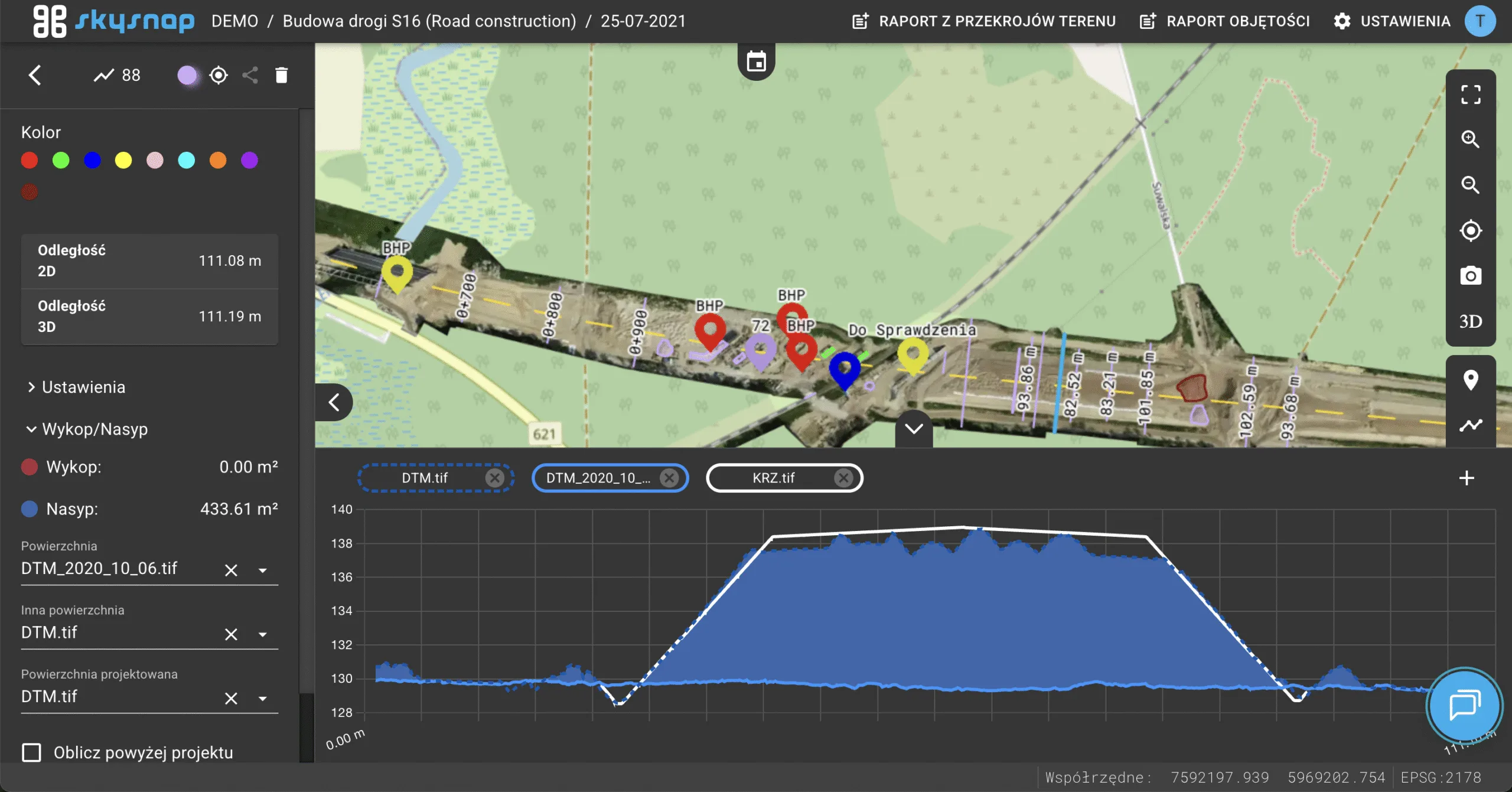
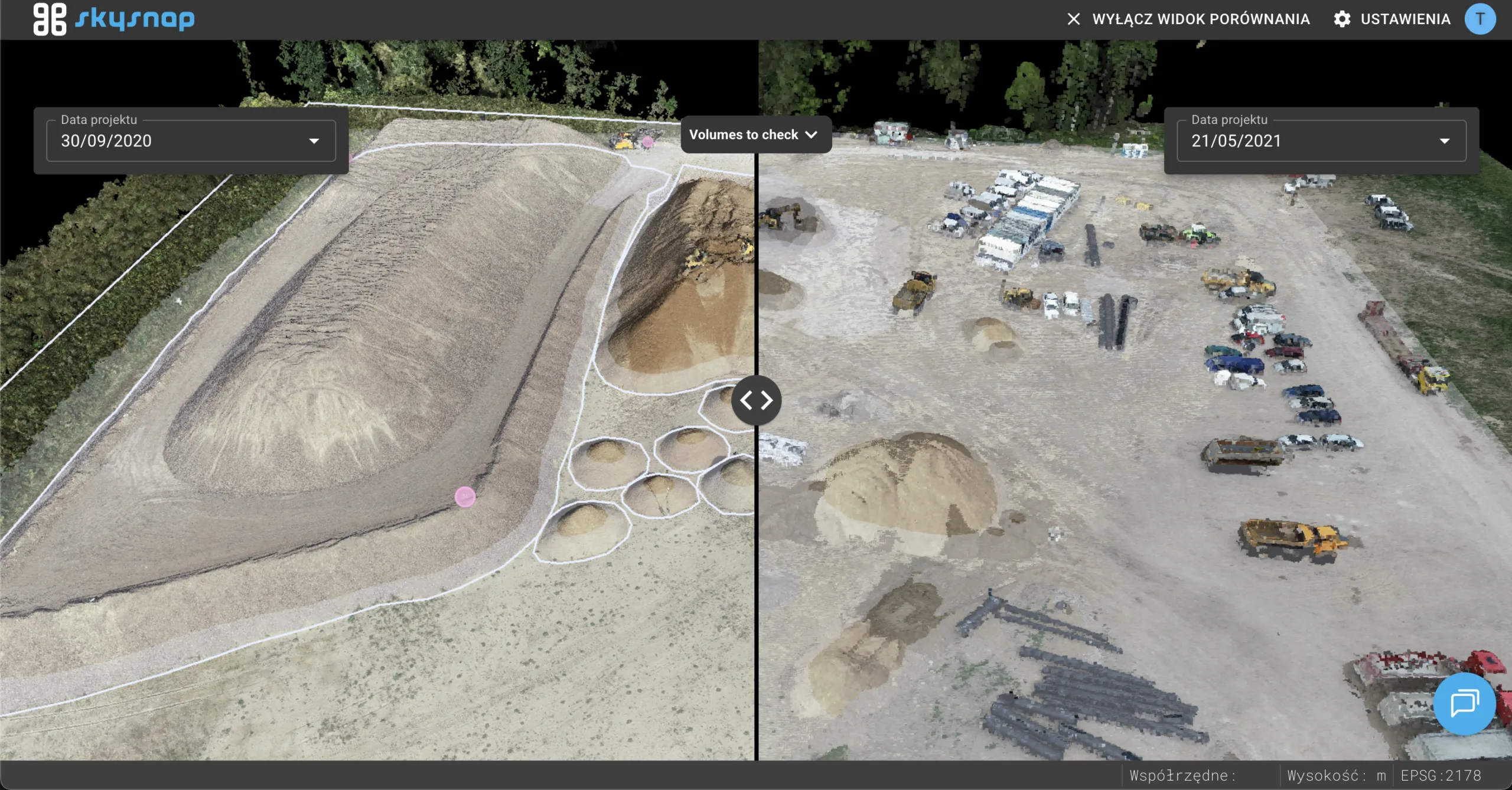
- Construction: building inspections, site surveys, documentation of work progress.
- Rescue: searching for missing persons, delivering supplies to hard-to-reach areas.
Each of these applications requires precise drone handling and industry-specific knowledge.
Practical examples of use
In agriculture, drones from the NSTS-05 are used to spray fields with precision, saving time and resources.
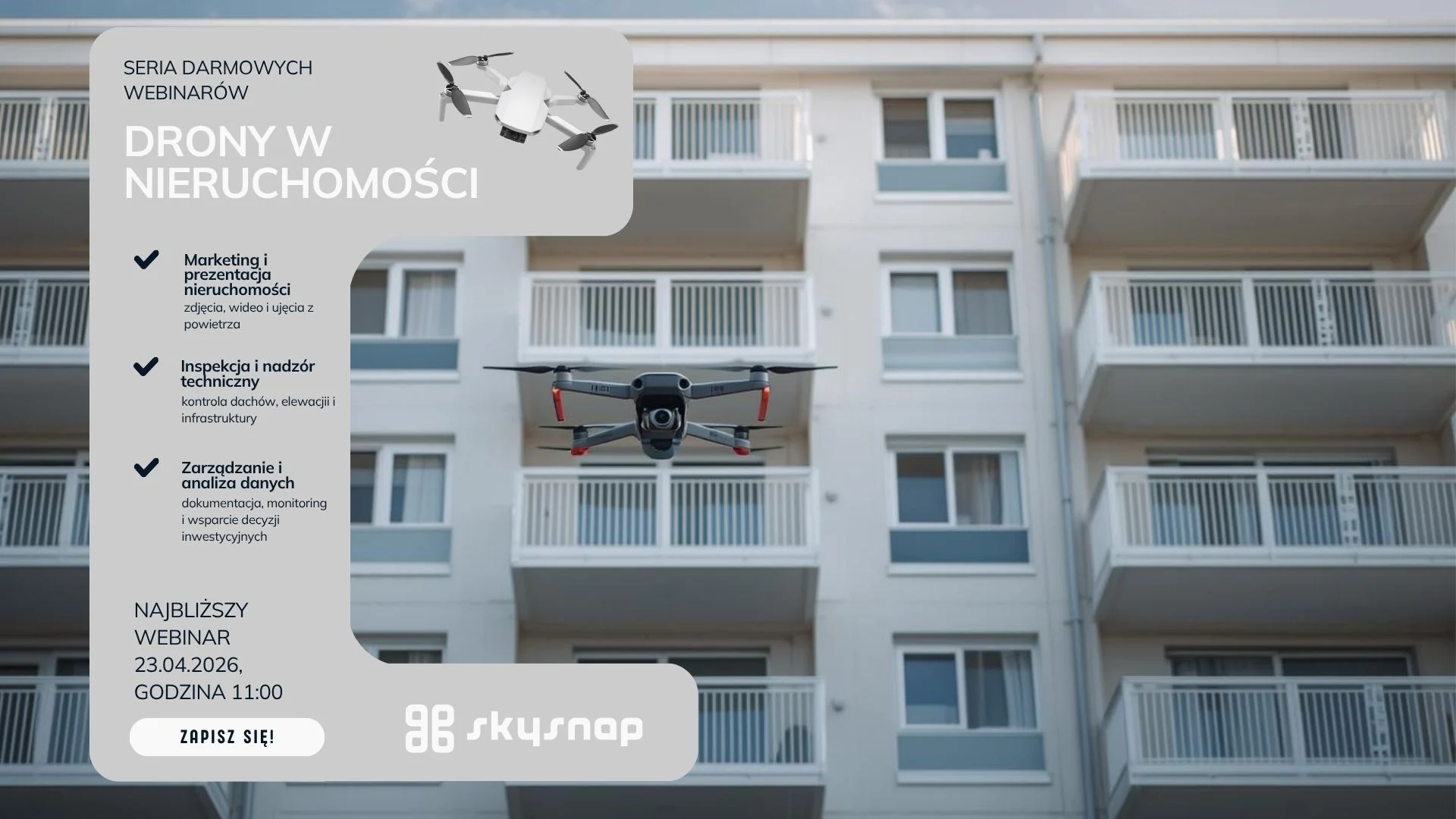
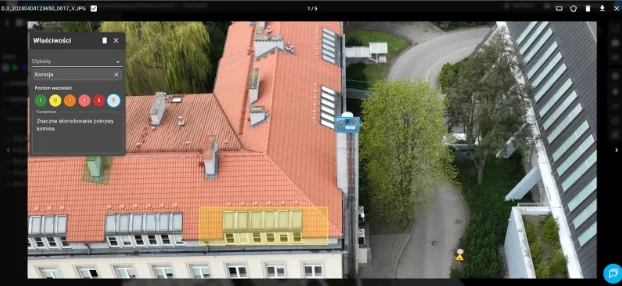
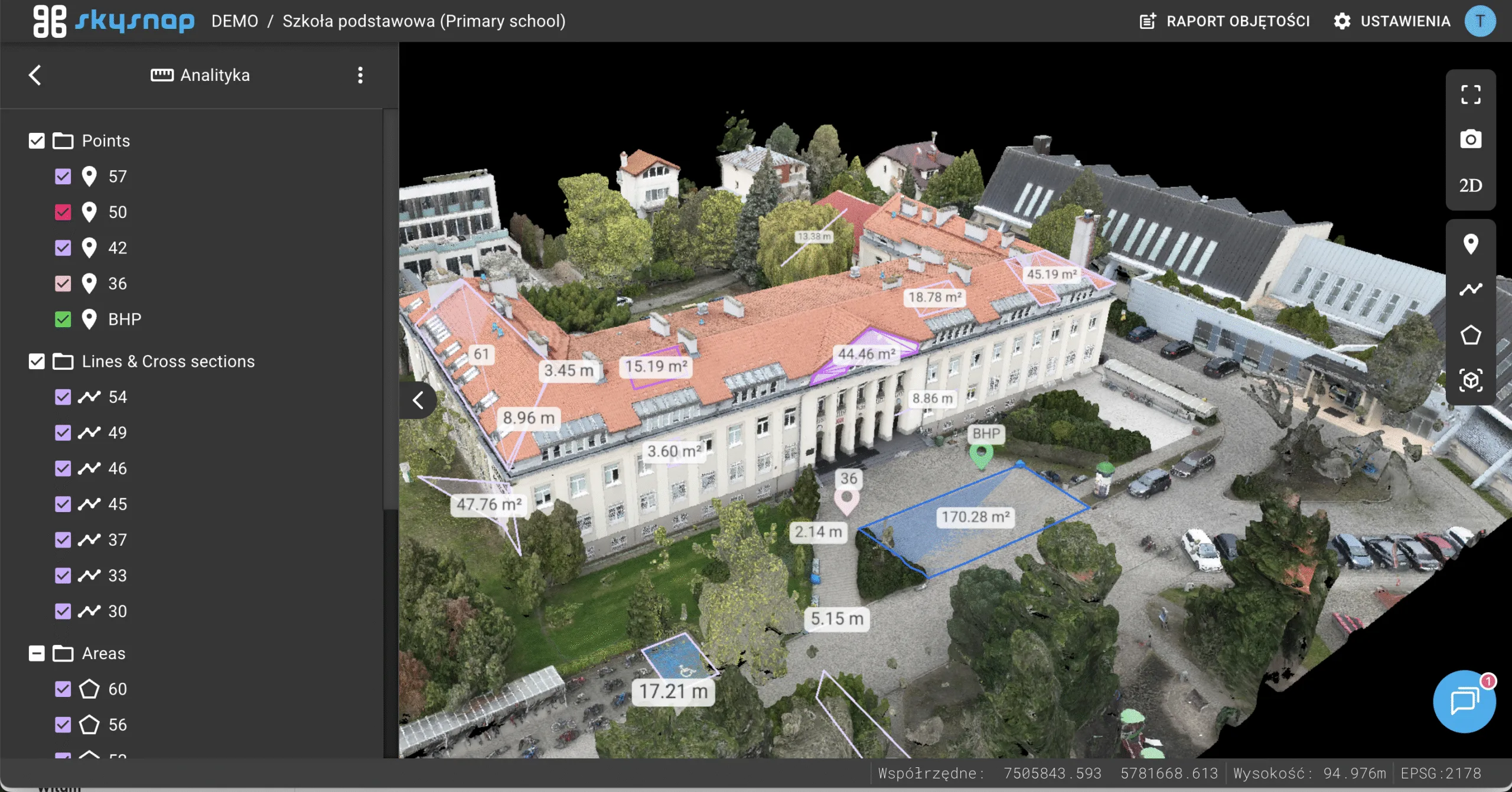
In the construction industry, operators are using drones to inspect roofs and elevations, increasing the speed and safety of the work.
In rescue, drones can quickly reach hard-to-reach areas, delivering essential supplies.
Each of these cases demonstrates the importance of proper authority in terms of security and efficiency of operations.
Laws and regulations
Safety and regulatory compliance are key aspects of drone operations. Current regulations and legal standards define the framework for operators.
Current standards and regulations
Current drone regulations are detailed in the various laws that govern them:
- Flight altitude
- No-fly zones
- Public safety
Operators must be aware of these regulations and act in accordance with them to avoid potential sanctions and security risks.
Operator safety and responsibility
Drone operators with NSTS-05 are responsible for the safety of their operations. This includes not only complying with regulations, but also taking care of the equipment’s technical condition.
The concern for safety includes:
- Regularly inspect the technical condition of the drone.
- Adherence to flight rules and zone restrictions.
- Proper preparation for each mission to minimize the risk of accidents.
The responsibility of the operator is not only a legal issue, but above all a moral one.
The future of NSTS-05 entitlements
The future of the NSTS-05 credential promises promising opportunities in the context of drone technology development and the professional market.
Trends and developments in technology
Drone technology is evolving at a dizzying pace, presenting operators with new challenges and opportunities. NSTS-05 permissions will need to adapt to these changes, embracing new technologies and methods of operation.
Trends in drone technology include:
- Automation and autonomous flight
- Augmented reality (AR) in navigation
- Integration with Internet of Things (IoT) systems
Adherence to these changes will be crucial to the future of NSTS-05 entitlements.
Professional and market opportunities
The drone market is offering more and more professional opportunities for NSTS-05-certified operators.
- Work in government agencies: inspection and monitoring of sites.
- Private sector: film, mapping, or security services.
- Drone start-ups: developing new applications and services using drones.
Each of these career paths requires appropriate qualifications, which are evidenced by NSTS-05 credentials.
Free E-book
Find out how UAV and AI support investment supervision, facilities management and the daily work of engineers. Learn about real-world applications of technology in construction and real estate.
Table of Contents:
Podoba Ci się artykuł? Podziel się nim z innymi!
Podoba Ci się artykuł? Podziel się nim z innymi!
Tips, news, insights
Related articles
Check out our articles and get the latest industry news.