How to make money with drones: A Comprehensive Guide for Beginners
Drones have become an integral part of modern technology, finding applications in many areas of life. From photography and filming to crop monitoring and construction inspections, the income opportunities offered by drones are almost limitless. For those new to these flying devices, understanding how to turn a passion into a profitable business can be crucial. In this article, we take a look at the various ways you can make money from drones, providing practical tips and ideas for growing your own business. With this comprehensive guide, any beginner will be able to start their drone journey with the confidence and knowledge needed to succeed.
Introduction to Earning with Drones
Drones offer innovative ways to make money due to their versatility and growing popularity. Understanding the various uses of drones and being prepared to use them commercially is the first step to success. In this section, we’ll discuss why drones are profitable, what regulations apply to them, and what skills and equipment are necessary to start making money from them.
Why drones are profitable
Drones bring significant economic benefits due to their ability to perform tasks faster and more efficiently than traditional methods. The operating costs of drones are significantly lower compared to other technologies, such as helicopters, making them attractive to many sectors.
The use of drones covers a wide range of fields, from photography to industrial inspections.Their versatility and ease of adaptation to different tasks increase their value in the market.
The drone market is growing rapidly, creating new income opportunities. Investing in drones is a chance to enter a growing market with great profit potential.
Fundamentals of law and regulation
Every drone operator must be aware of local regulations in order to legally use the device for commercial purposes. Compliance with regulations is crucial for safety and legal compliance.
- Obtain the appropriate license. In Poland, a UAVO license is required for drones above a certain weight.
- Familiarize yourself with airspace restrictions to avoid dangerous situations.
- Regularly update your knowledge on changing regulations.
Knowledge of regulations not only protects you from legal consequences, but also increases customer confidence in your services.
Required skills and equipment
To successfully make money from drones, both technical and practical skills are required. Operating a drone requires precision and knowledge of its functions.
Basic equipment includes a high-quality drone with appropriate cameras, a controller and data analysis software. It is important to regularly update the hardware and software to keep up with new technologies.
Skills that may be useful include knowledge of photography, familiarity with video editing software, and basic technical knowledge of equipment maintenance.
Photography and filming from a drone
Drone photography and filming are some of the most popular and profitable uses of drones. With them, it is possible to capture unique aerial shots that are impossible to achieve by traditional means. In this section, we’ll cover how to get started as a drone photographer, what filming techniques are worth using, and present successful projects that can serve as inspiration.
How to get started as a photographer
When starting out as a drone photographer, it’s worth investing in a drone with a high-quality camera. Image composition and proper camera settings are key to getting professional results.
Gain experience by practicing in different weather and lighting conditions. This will give you a better understanding of how to get the best results in any situation.
Build a portfolio by documenting your work on social media platforms. This will help you gain visibility and attract potential clients.
Tips for drone filmmakers
Filming with a drone requires the ability to plan shots and know post-production techniques. The stability of the shots is crucial, so learn how to maneuver the drone smoothly.
- Always plan your flight route to avoid unforeseen obstacles.
- Use the right filters and camera settings to get the best image quality.
- Work with video editing software to enhance footage and add effects.
Creating a unique style will help you stand out from the competition and attract customers looking for unique solutions.
Examples of successful projects
Many companies and freelancers are finding success through the creative use of drones. These examples can serve as inspiration for your own projects.
One of them is the project of a photographer who used a drone to document the changing urban landscape. The results of his work have been used by the media and exhibited in galleries.
Another example is a company that films weddings from a bird’s eye view, which has gained wide recognition and a steady customer base thanks to its unique shots.
Each of these projects shows how diverse drone applications can be in the creative industry.
Inspection and monitoring services
Drones have become an invaluable tool in inspection and monitoring, making them effective in a variety of sectors. From construction to agriculture, the possibilities are vast. In this section, we take a look at how drones can be used for construction inspections, energy infrastructure and crop monitoring, offering valuable data and saving time and resources.
The use of drones in the construction industry
Drones enable fast and accurate construction inspections, significantly speeding up construction processes. Safety is a priority, and drones help identify potential hazards at an early stage.
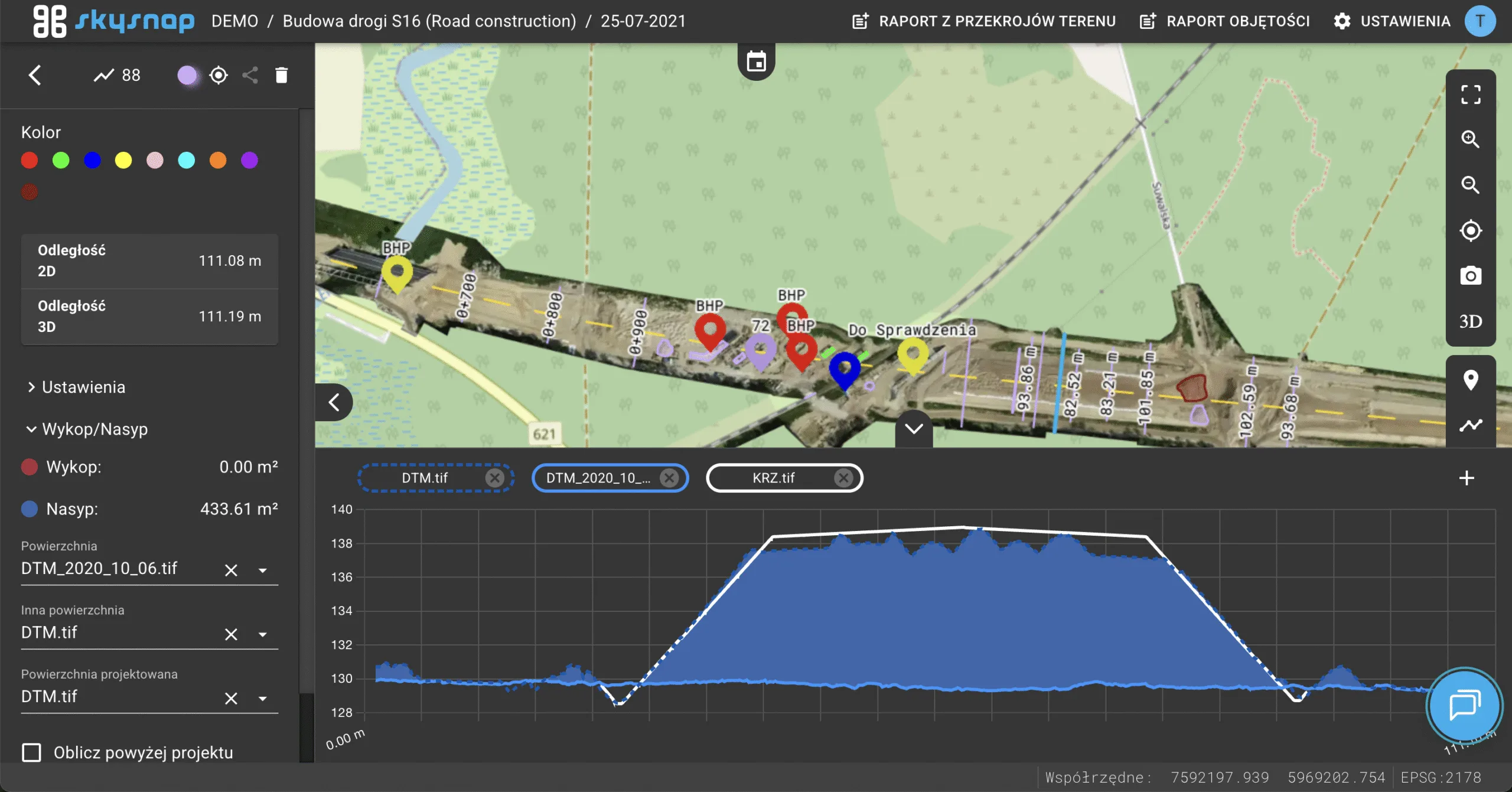
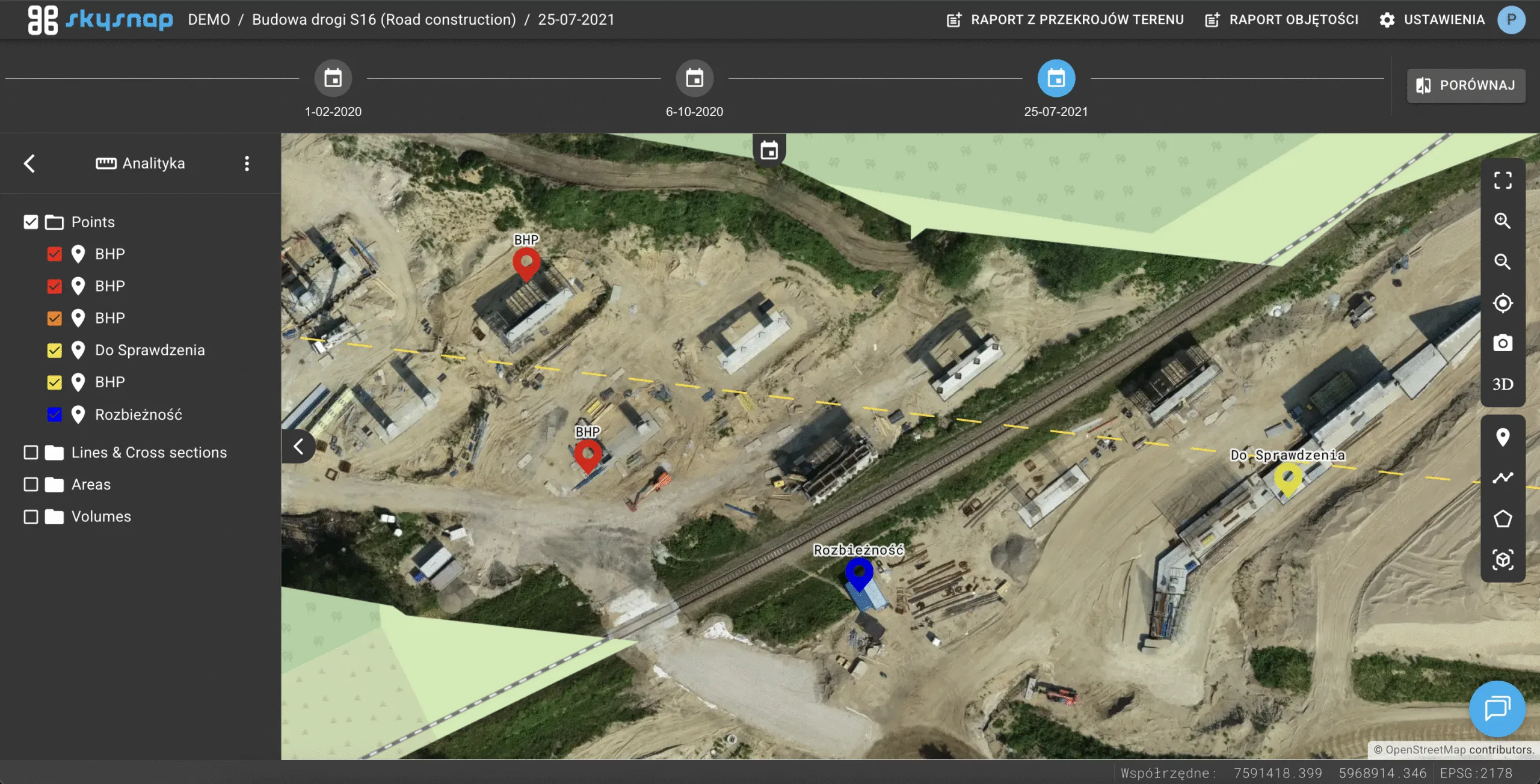
- Use a drone to create detailed maps of construction sites.
- Perform regular inspection flights to monitor progress and identify problems.
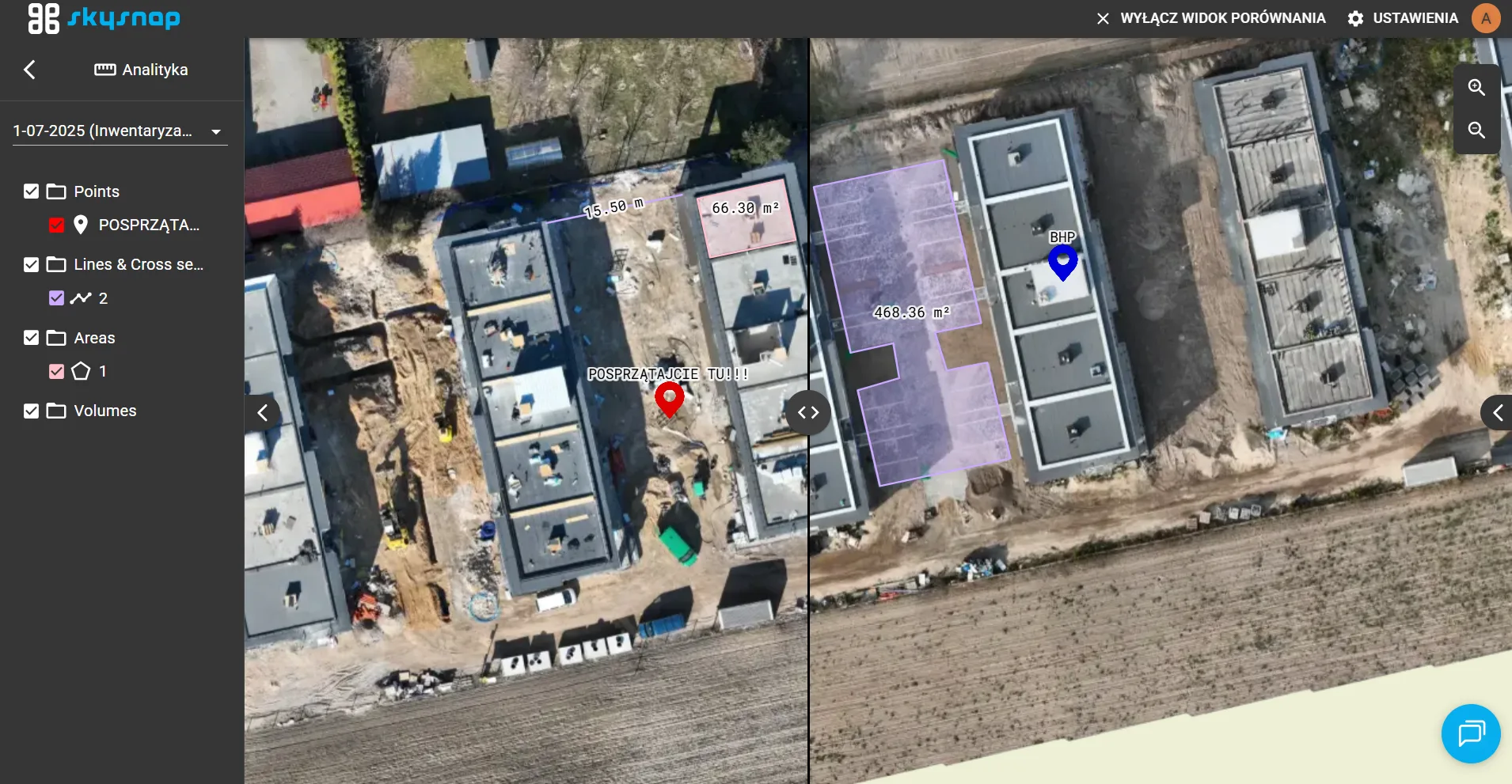
- Document project changes and communicate with your team using visual data.
Drones help optimize work by reducing inspection time and increasing data accuracy.
Energy infrastructure inspections
Drone inspections have become the standard for monitoring energy infrastructure, such as high-voltage lines and wind farms. Precise drone data allows for quick detection of faults.
- Drones can safely approach hard-to-reach areas, providing accurate images.
- Regular inspections can prevent failures and minimize downtime.
- Drone data can be easily integrated with other analytical systems.
With drones, inspections are safer, faster and more accurate, resulting in lower operating costs.
Crop and agricultural monitoring
Drones have revolutionized agriculture, enabling precise crop monitoring. Analyzing drone data allows farmers to make better crop management decisions.
Drones can provide information on plant health, soil moisture and potential hazards. This allows farmers to respond quickly to changing conditions.
Drones also help optimize water and fertilizer use, leading to greater efficiency and savings.
Drone mapping and cartography
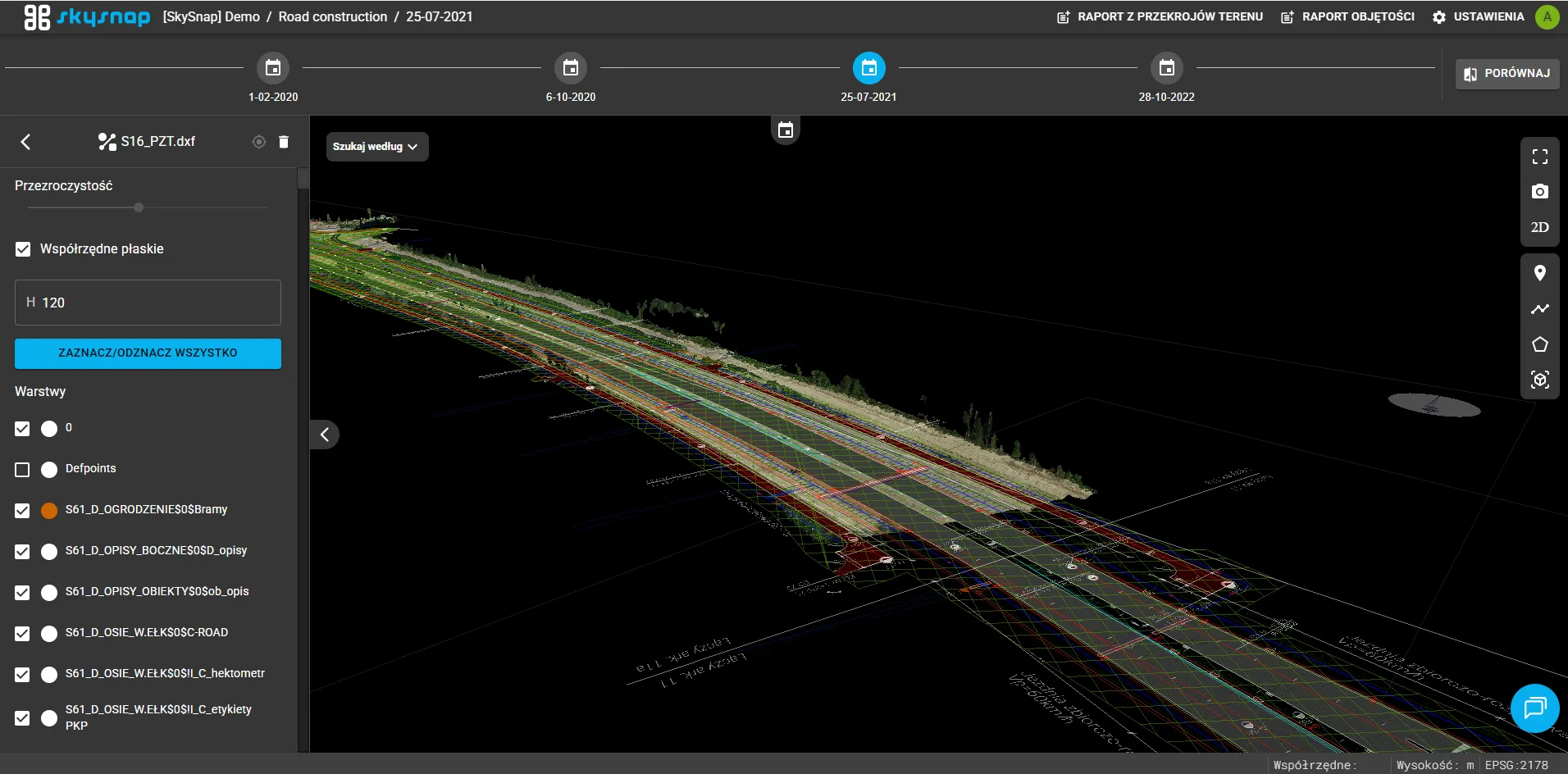
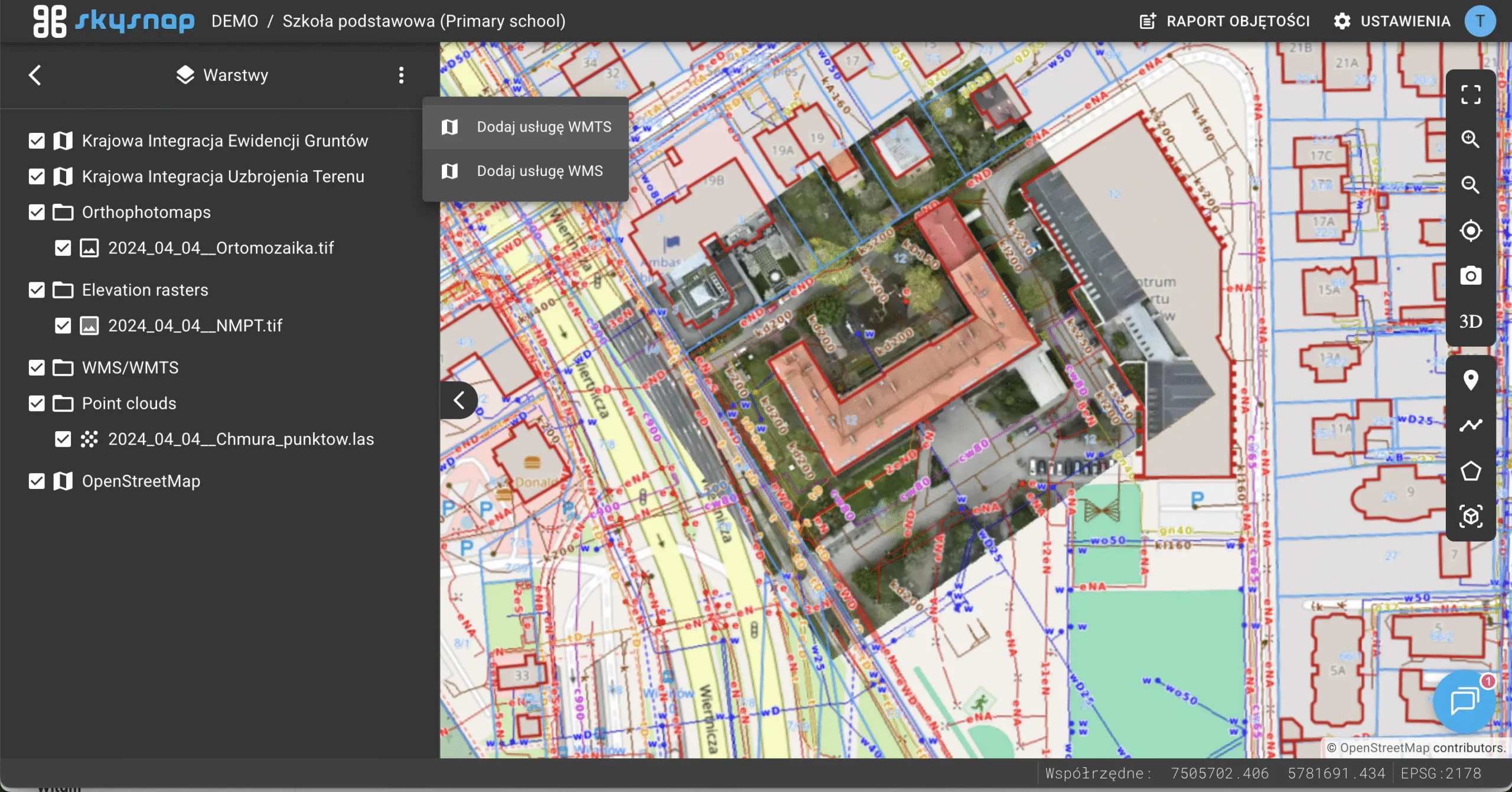
Drones are successfully replacing traditional mapping methods, offering fast and accurate solutions for mapmaking. The application of drone technology in cartography opens up new opportunities for professionals in the field. Let’s take a look at what technologies are used in drone mapping, practical applications and how such services can be offered.
Overview of mapping technologies
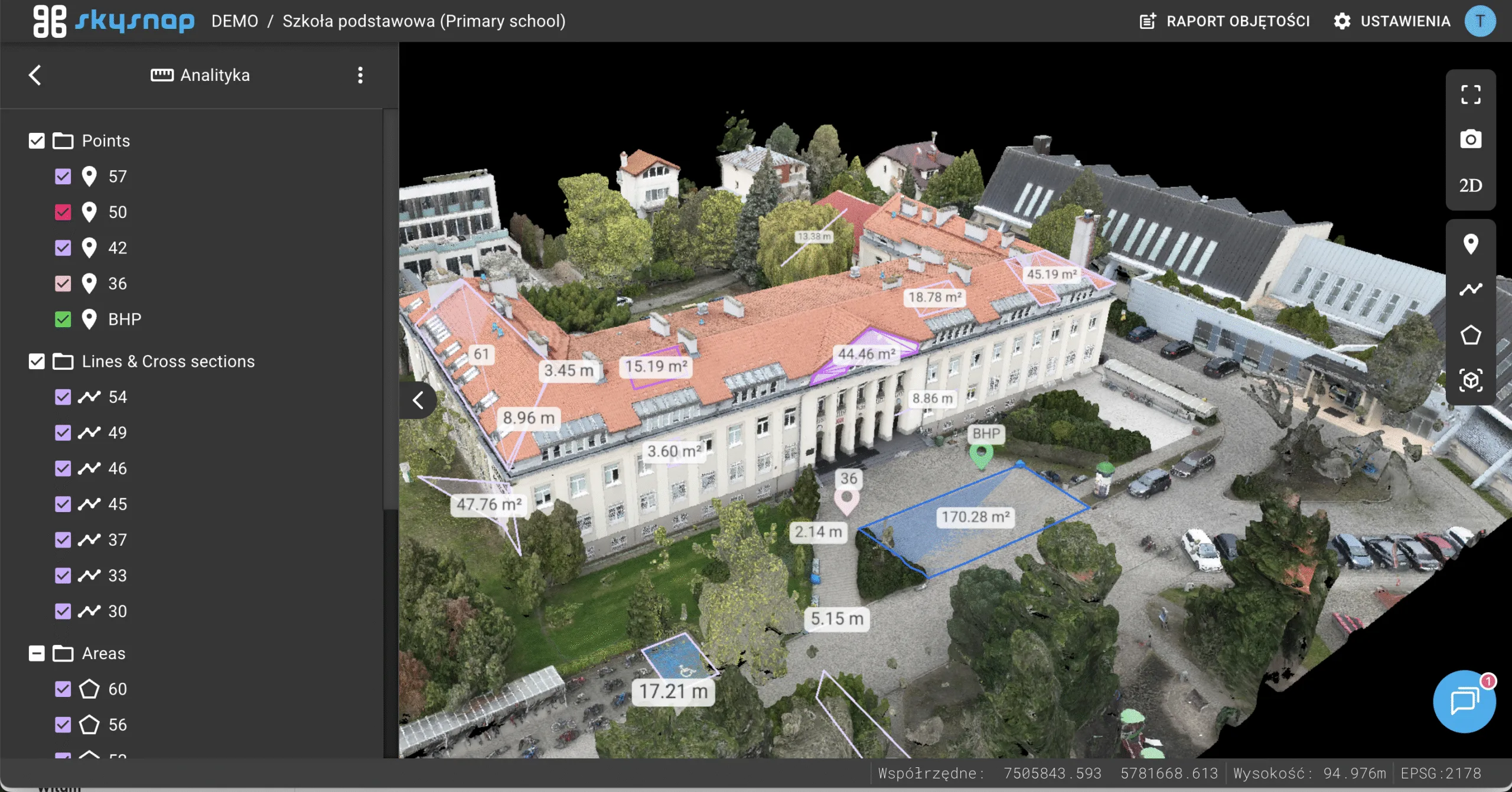
Drone mapping technology includes a variety of techniques that enable the creation of precise maps and 3D models. Photogrammetry is one of the most commonly used methods, allowing the mapping of terrain with high accuracy.
Drones equipped with multispectral and thermal imaging cameras can provide additional data that is invaluable in terrain analysis. The combination of these technologies can provide detailed information about the analyzed area.
Today’s mapping software offers advanced functions for analyzing and visualizing data, providing new opportunities in cartography.
Examples of applications in cartography
Drones are widely used in cartography, enabling the creation of maps with high precision. Examples of applications include both commercial and scientific projects.
- Creating 3D models of cities for urban planning.
- Monitoring coastal erosion and ecosystem changes.
- Archaeological documentation of hard-to-reach areas.
Each of these applications shows how drones can revolutionize the way we view traditional mapping methods.
How to offer mapping services
To start offering mapping services, you need to invest in the right hardware and software. Understanding customer needs is the key to success in this industry.
- Invest in drones with the right modules for mapping and data analysis.
- Offer comprehensive services that include both data collection and analysis.
- Build relationships with customers by offering personalized solutions tailored to their needs.
Offering mapping services with drones provides an opportunity to gain a competitive edge and enter a fast-growing market.
The future and development of the drone market
The drone market is growing at a rapid pace, offering new technologies and applications. In this section, we will take a look at what the latest trends in drone technology are, what opportunities the drone industry presents, and what innovations we can expect to see in the future. This will give you a better understanding of the potential developments in this dynamic industry.
New trends in drone technology
Drone technology is constantly evolving with innovations that increase their functionality and range of applications. Autonomy of flight is one of the key innovations, allowing for more complex operations without direct supervision.
Drones equipped with AI systems can make decisions on their own based on sensor data, making them more effective in various tasks.
Advances in battery technology and construction materials are also helping to increase the flight time and durability of drones, opening up new possibilities for their use.
Opportunities in the transportation industry
Drones are revolutionizing the transportation industry, offering fast and efficient logistics solutions. Delivery drones are becoming increasingly popular, enabling quick deliveries to hard-to-reach places.
- Ability to deliver pharmaceutical products to remote regions.
- Use inrapid distribution of goods in cities.
- Reduce operating costs through process automation.
The use of drones in transportation not only speeds up logistics processes, but also reduces their impact on the environment.
Innovations and future applications of drones
Innovations in drones are opening up new application perspectives that could transform many industries. Niche markets are beginning to use drones for specialized tasks.
Future applications include rescue drones that can deliver aid in emergency situations, and drones for scientific research in extreme conditions.
Drones can also find applications in the creation of smart cities, monitoring traffic and air quality. The possibilities are almost endless, and the development of drone technology continues to surprise with new and creative solutions.

Free E-book
Learn what services to offer, who to sell them to, and how to write an effective offer email. Ready-made templates, tips and examples of campaigns that really work.
Table of Contents:
Podoba Ci się artykuł? Podziel się nim z innymi!
Podoba Ci się artykuł? Podziel się nim z innymi!
Tips, news, insights
Related articles
Check out our articles and get the latest industry news.