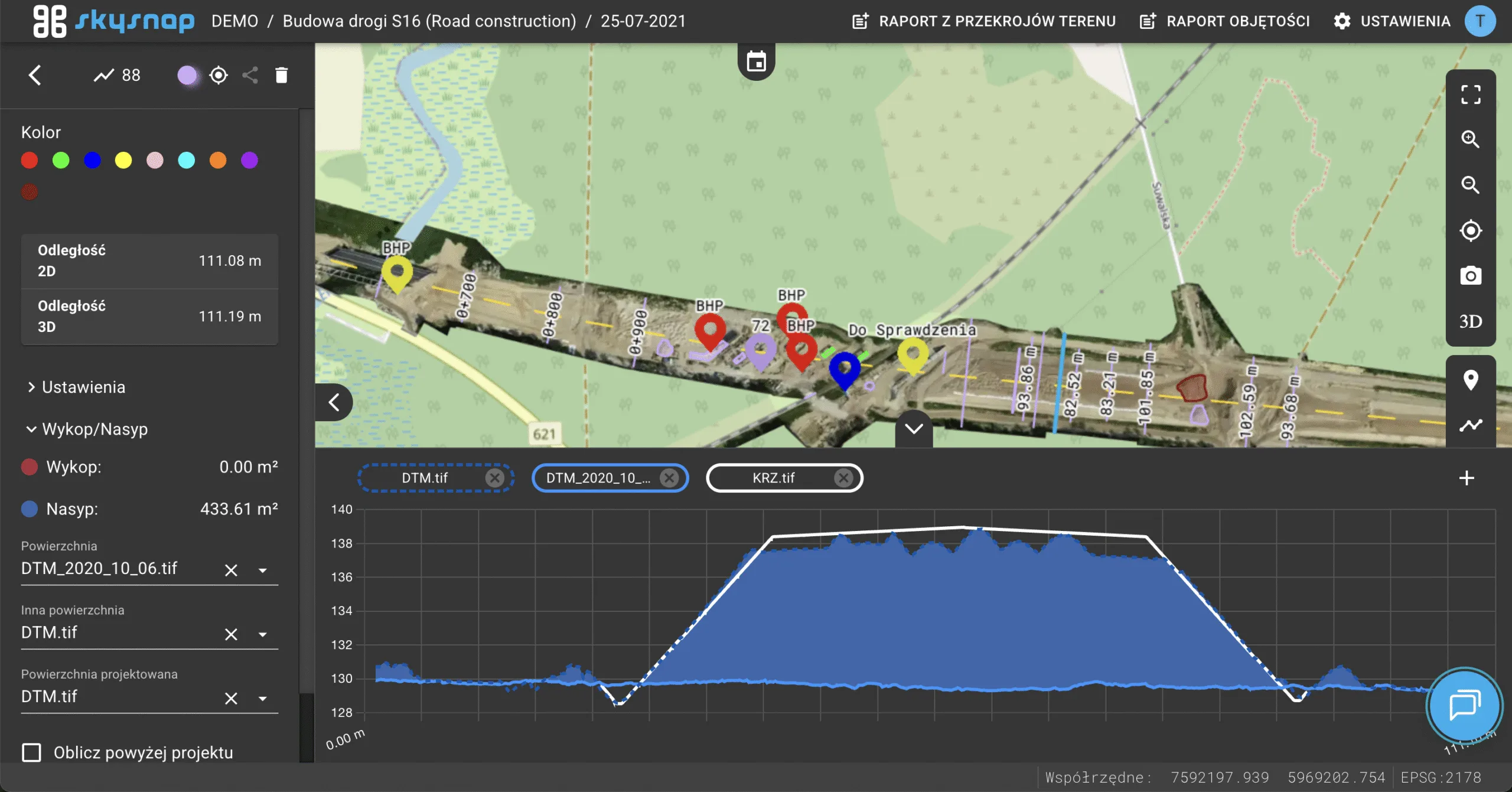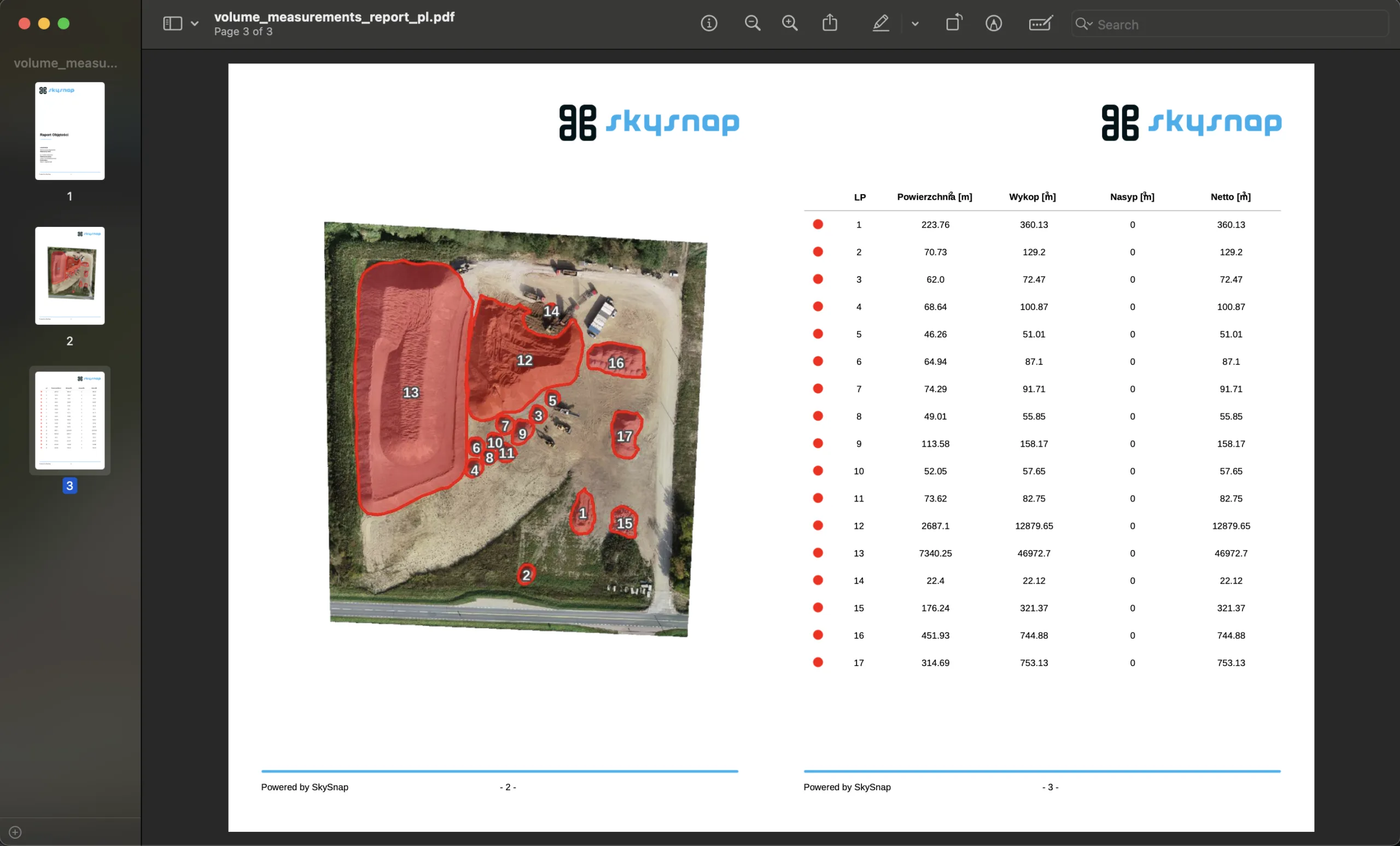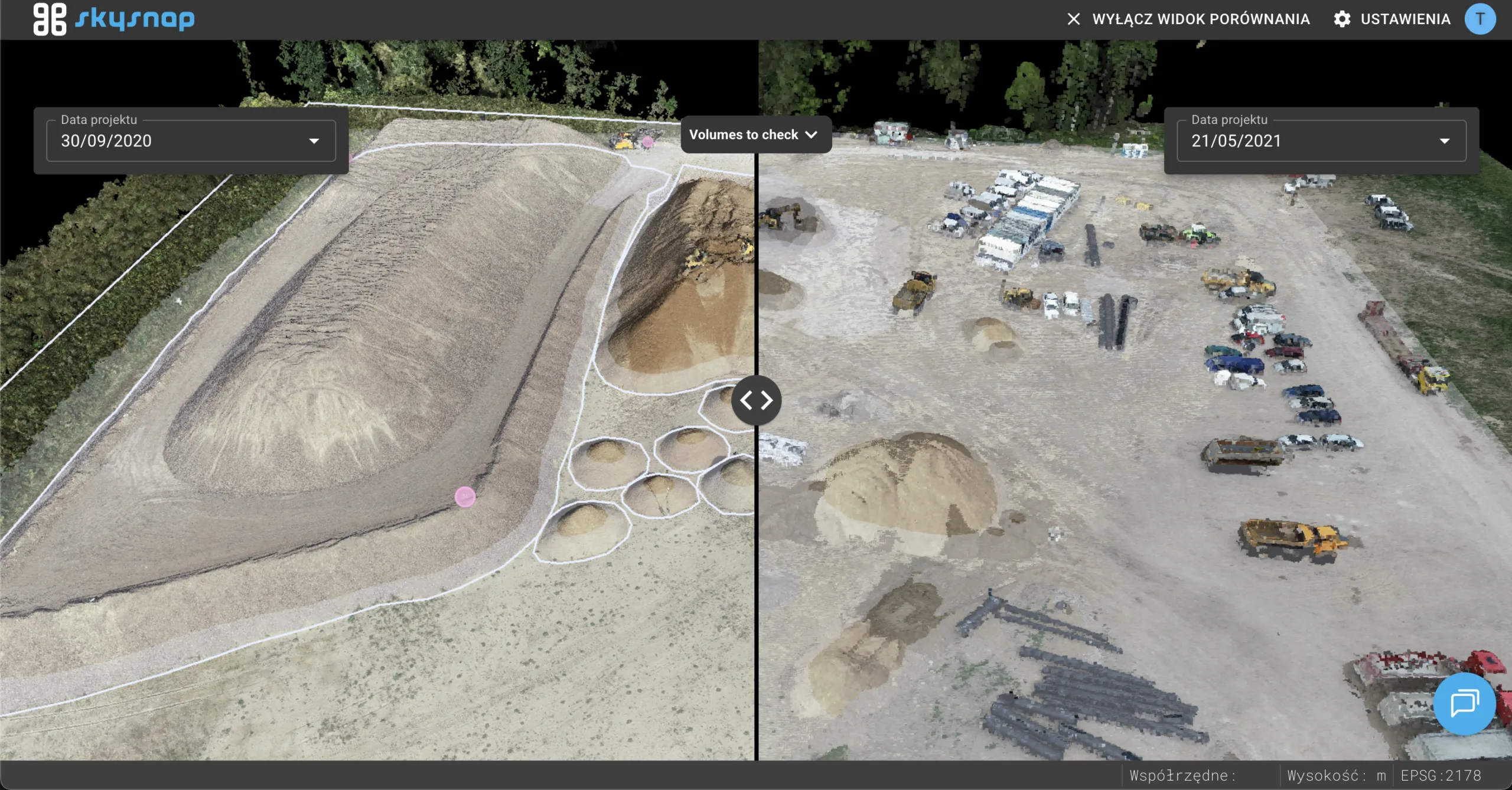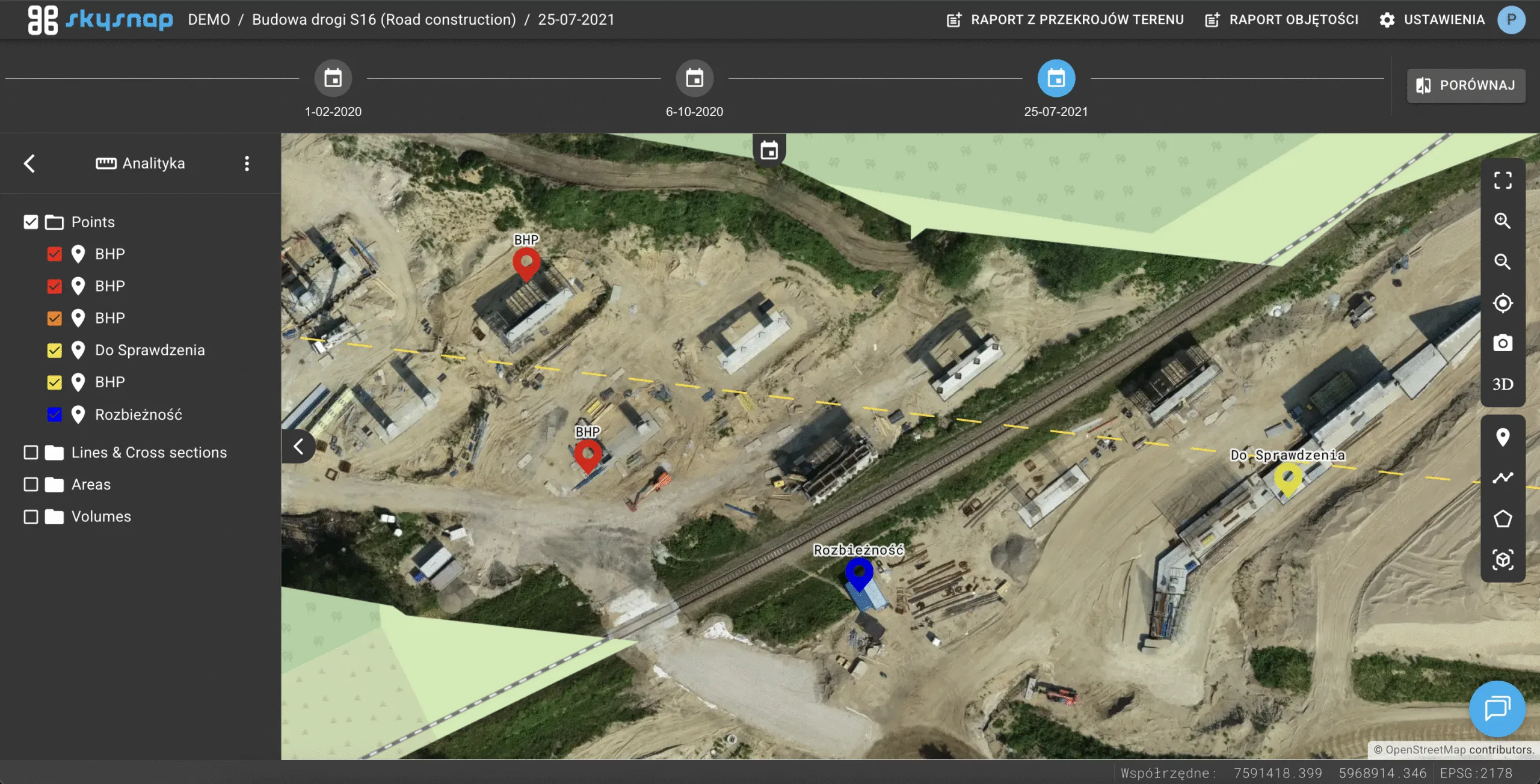
How to Effectively Manage Inventory: A Practical Guide
Skuteczne zarządzanie stanami magazynowymi to kluczowy aspekt prowadzenia biznesu, który może znacząco wpłynąć na jego sukces. Niezależnie od wielkości firmy, posiadanie dobrze zorganizowanego systemu monitorowania i kontrolowania zasobów jest niezbędne do utrzymania płynności operacyjnej. W dobie dynamicznie zmieniających się rynków i rosnących oczekiwań klientów, umiejętność przewidywania potrzeb oraz optymalizowania stanów magazynowych staje się coraz bardziej istotna. W tym przewodniku przedstawimy praktyczne metody i narzędzia, które pomogą Ci efektywnie zarządzać magazynem, minimalizując jednocześnie koszty i zwiększając satysfakcję klientów.
Introduction to warehouse management
Effective inventory management is essential to the smooth operation of any company involved in logistics or sales. Starting with the basics, it is useful to understand how inventory management affects operating costs and customer satisfaction.
The importance of effective management
Effective warehouse management is about maintaining the right level of inventory to meet customer needs while minimizing storage costs. Striking a balance between product availability and storage costs is key.
Proper warehouse management helps avoid situations where products are in short supply, which can lead to loss of customers. At the same time, excess inventory increases operating costs. Efficiency in this area translates into greater financial flexibility for the company.
It is worth emphasizing that warehouse management is not just a logistical issue, but also a strategic one. The right decisions in this area can affect the entire business, adapting it to changing market conditions.
Basic warehouse concepts
Basic warehouse concepts include terms such as safety stock, product life cycle, and ordering point.
Safety stocks are additional quantities of products kept in stock in case of an unexpected increase in demand.
The product life cycle refers to the various phases a product goes through – from launch, growth, maturity and decline. Understanding this cycle helps in planning inventory in the most efficient way.
The ordering point is the point at which a new order must be placed to replenish inventory before it runs out. Putting these concepts into practice enables better planning and management of the warehouse.
Inventory analysis
Analiza stanów magazynowych jest kluczowym elementem efektywnego zarządzania magazynem. Polega ona na monitorowaniu i ocenie zapasów w celu optymalizacji procesów logistycznych.
Tools for analysis
Do analizy stanów magazynowych stosuje się różnorodne narzędzia, zarówno nowoczesne oprogramowanie, jak i tradycyjne metody. Systemy ERP i oprogramowanie do zarządzania zapasami umożliwiają dokładne śledzenie i kontrolowanie stanów magazynowych w czasie rzeczywistym.
- Wybierz odpowiednie oprogramowanie dostosowane do potrzeb Twojej firmy.
- Regularnie aktualizuj dane, aby zapewnić ich dokładność.
- Analizuj raporty, aby zidentyfikować trendy i potencjalne problemy.
Narzędzia te pozwalają na automatyzację wielu procesów, co z kolei prowadzi do oszczędności czasu i zmniejszenia ryzyka błędów ludzkich. Dzięki nim możliwe jest także generowanie dokładnych prognoz dotyczących przyszłego zapotrzebowania.
Key indicators for monitoring
W zarządzaniu stanami magazynowymi istotne jest śledzenie kluczowych wskaźników efektywności (KPI). Do najważniejszych należą: wskaźnik rotacji zapasów, czas realizacji zamówienia oraz stopień realizacji zamówień.
Wskaźnik rotacji zapasów mierzy, jak często zapasy są wymieniane w określonym czasie. Wyższy wskaźnik wskazuje na większą efektywność.
Czas realizacji zamówienia to okres od złożenia zamówienia do jego dostarczenia klientowi. Krótszy czas oznacza lepszą obsługę klienta.
Stopień realizacji zamówień określa, w jakim stopniu zamówienia są realizowane zgodnie z planem. Monitorowanie tych wskaźników pomaga w identyfikacji obszarów wymagających poprawy.
Inventory management strategies
Inventory management is not only about maintaining the right level of inventory, but also implementing strategies that will ensure efficiency and cost reduction.
Methods to minimize costs
Minimizing inventory costs is a key objective of inventory management. This can be achieved by implementing appropriate strategies.
- Just-in-time (JIT): Products are ordered only when they are needed, minimizing storage costs.
- Dropshipping: goods are shipped directly from the supplier to the customer, reducing the need for storage.
- ABC analysis: Products are classified based on their value and frequency of turnover to better manage the most valuable inventory.
Implementing these methods can significantly reduce operating costs and increase the efficiency of warehouse operations.
Optimize inventory levels
Optimizing inventory levels is key to ensuring product availability without generating excessive storage costs. Various techniques are used to do this.
The Economic Order Quantity (EOQ) system determines the order quantity that minimizes total ordering and storage costs.
Model Q (fixed order) and Model P (fixed ordering period) are other tools that help determine optimal inventory levels.
By using these techniques, a balance between product availability and maintenance costs can be achieved.
Management support technologies
Modern technologies significantly facilitate warehouse management, increasing its efficiency and precision. Their use helps reduce errors and optimize logistics processes.
Information systems in the warehouse
Systemy informatyczne to podstawa nowoczesnego zarządzania magazynem. Dzięki nim możliwe jest automatyczne śledzenie stanów magazynowych, co zwiększa dokładność i ogranicza ryzyko błędów.
Systemy WMS (Warehouse Management System) umożliwiają zarządzanie ruchem towarów i optymalizację przestrzeni magazynowej. Ich zastosowanie pozwala na lepsze planowanie i organizację pracy.
Dzięki integracji z innymi systemami, takimi jak ERP, możliwe jest uzyskanie pełnego obrazu operacji logistycznych, co przekłada się na lepsze podejmowanie decyzji.
Automation of warehouse processes
Automating warehouse processes is another step toward increasing the efficiency of logistics operations. It reduces errors and increases the speed of order processing.
- Warehouse robots: Used to transport goods, increasing the speed of operations.
- Automatic sorting systems: Facilitate organization and speed up order processing.
- RFID technology: Helps track goods and maintain accurate inventory.
Implementation of these technologies can significantly improve the efficiency and precision of warehouse operations.
Challenges and solutions
Warehouse management involves various challenges that can affect the efficiency of operations. Identifying these problems and finding effective solutions is key.
Dealing with excess inventory
Excess inventory is one of the most common challenges in warehouse management. It can lead to increased storage costs and waste.
- Regular inventory: Helps identify excess inventory.
- Promotions and sales: Effective methods to reduce excess.
- Demand analysis: Helps to better plan future orders and avoid excess.
Managing excess inventory requires constant monitoring and proactive measures.
Predicting demand and its impact
Przewidywanie popytu jest kluczowym elementem zarządzania magazynem, który wpływa na efektywność operacji i dostępność produktów.
- Analiza trendów rynkowych: Pomaga w identyfikacji wzorców konsumpcji.
- Prognozowanie statystyczne: Umożliwia dokładniejsze przewidywanie przyszłego popytu.
- Integracja danych rynkowych: Pozwala na lepsze dostosowanie poziomów zapasów do zmieniających się potrzeb klientów.
Odpowiednie przewidywanie popytu pozwala na optymalizację stanów magazynowych, minimalizując ryzyko braków i nadmiarów.

Free E-book
Learn what services to offer, who to sell them to, and how to write an effective offer email. Ready-made templates, tips and examples of campaigns that really work.
Table of Contents:
Podoba Ci się artykuł? Podziel się nim z innymi!
Podoba Ci się artykuł? Podziel się nim z innymi!
Tips, news, insights
Related articles
Check out our articles and get the latest industry news.