Innovations in drone design: How research is influencing the future of unmanned aviation
Drones are changing the way we think about aviation and automation. UAV design research is focused on three key pillars: materials, propulsion systems and autonomy. It is these innovations that are shaping their future in industry, logistics, energy and public safety.
Lighter, stronger, more efficient
The introduction of modern materials – such as carbon fiber, titanium alloys and composites – allows drones to be built with greater range and longer flight times. Miniaturization of components and the use of 3D printing are speeding up prototyping and enabling rapid implementation of improvements without adding weight.
Hybrid drives and alternative energy
Modern propulsion systems combine combustion and electric power sources, allowing drones to operate longer, with greater payloads. A growing number of projects are testing fuel cells and solar panels, which can significantly extend mission autonomy – crucial for surveillance of vast infrastructure facilities.
Autonomy and AI on board
Artificial intelligence algorithms enable drones to analyze data in real time and make decisions on their own. LIDAR sensors, thermal imaging cameras, obstacle avoidance systems – these are standard in the industrial-grade UAV industry today. Their integration increases precision, reduces mission time and improves safety.
From agriculture to energy
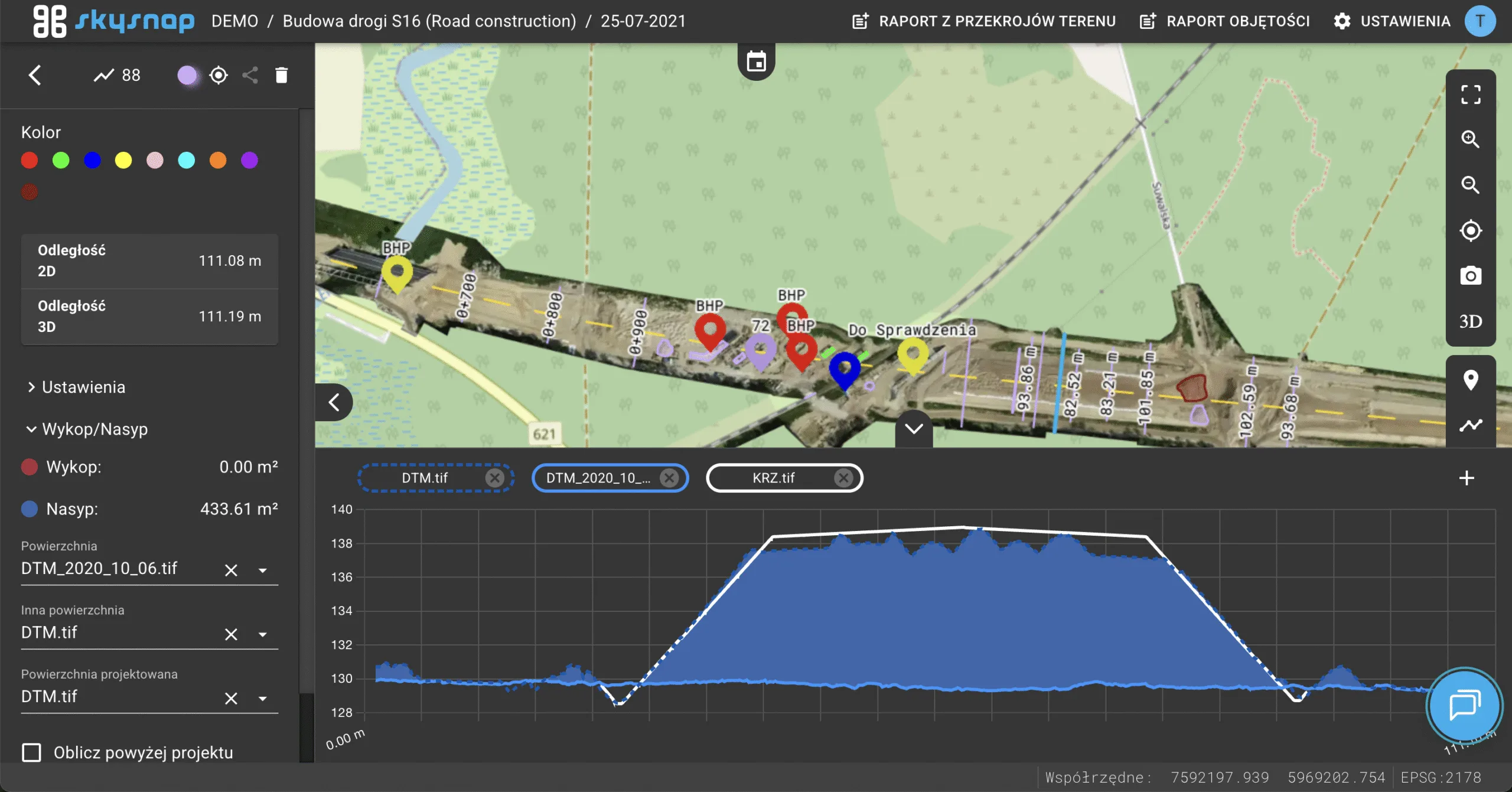
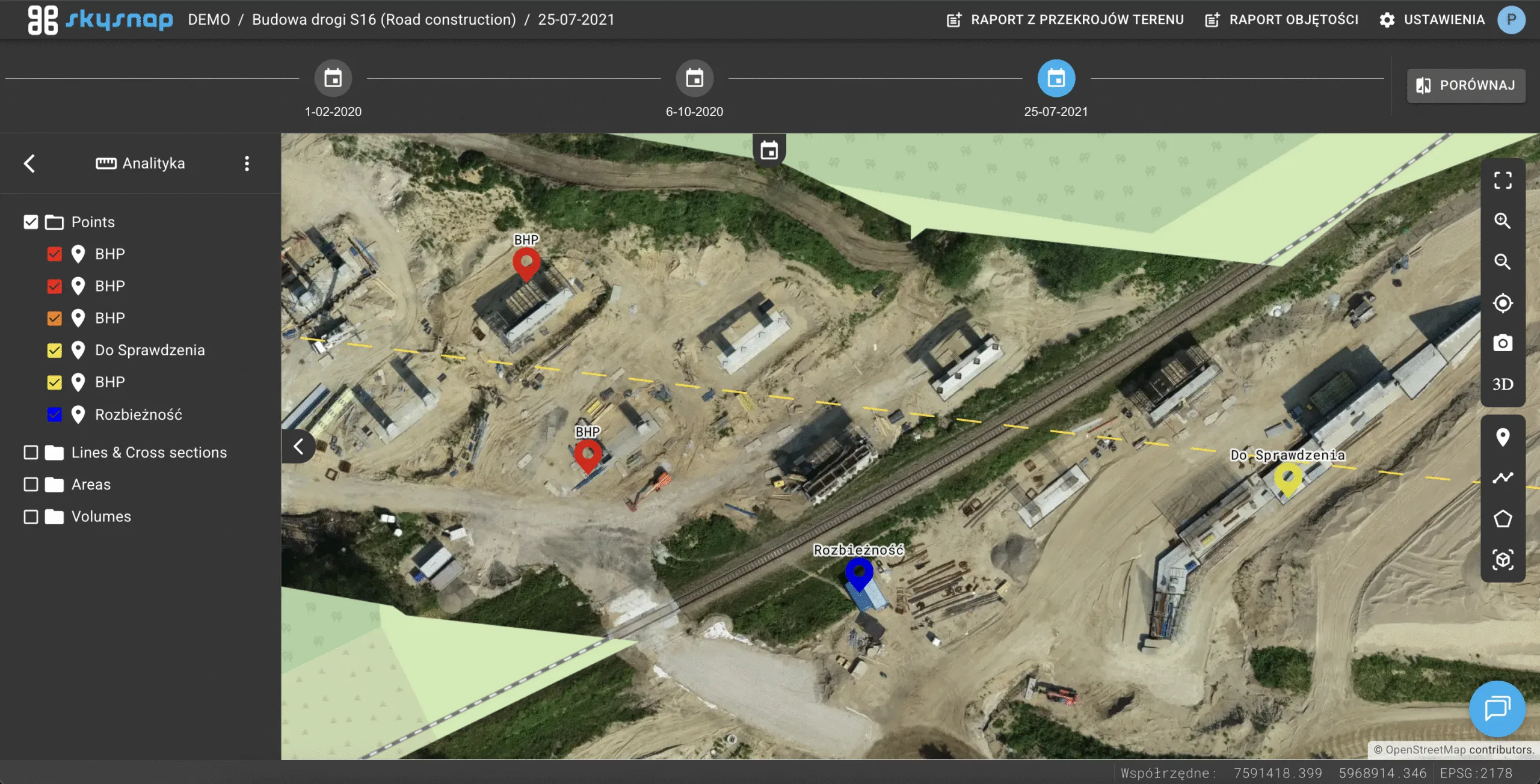
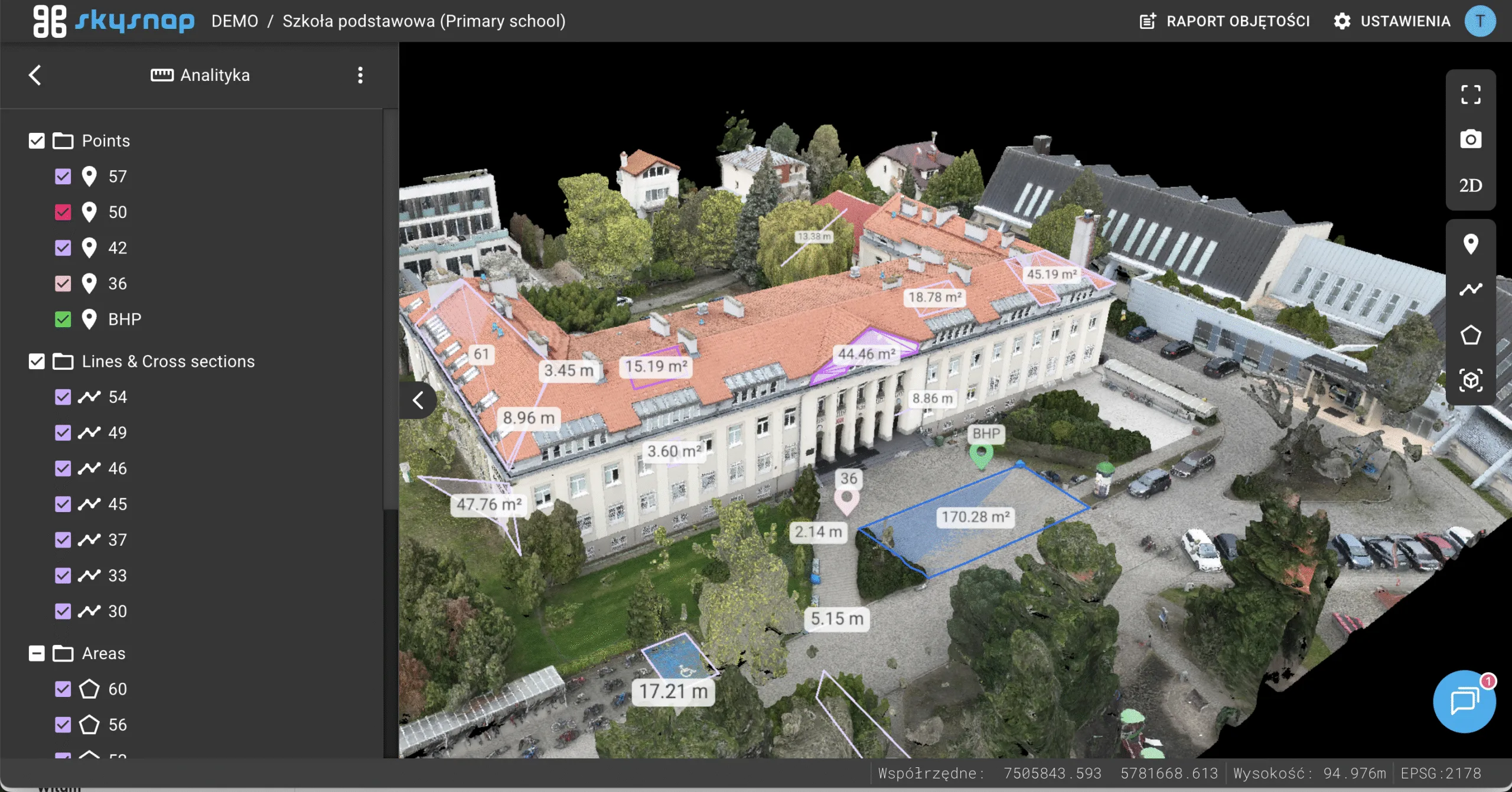
In agriculture, drones monitor crop health, optimize irrigation and fertilization. In logistics – they support warehouses and make deliveries. In the industrial and energy sectors – they conduct infrastructure inspections, detect thermal anomalies, measure emissions and assess the health of structures that humans cannot safely access.
Challenges: regulation, integration, security
In order to fully realize the potential of drones, clear aviation legislation, airspace integration and the development of UAV traffic management systems are needed. Equally important are issues of cyber security and protection of data collected by autonomous units.
Summary
Design innovations are making drones not just an observation tool, but an active part of operational processes. Their development is not a futuristic vision, but a reality that is already influencing investment decisions in many sectors of the economy.
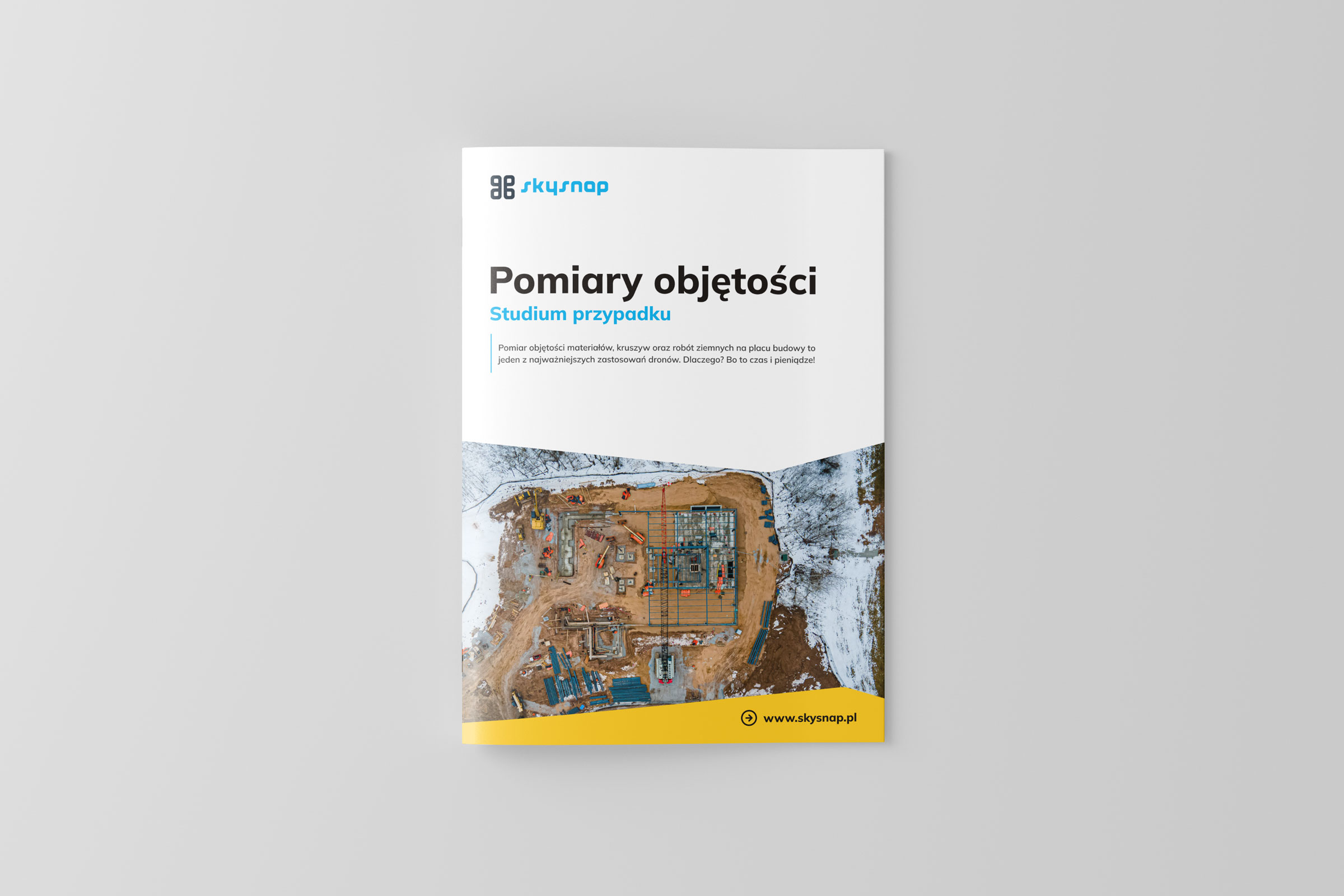
Free E-book
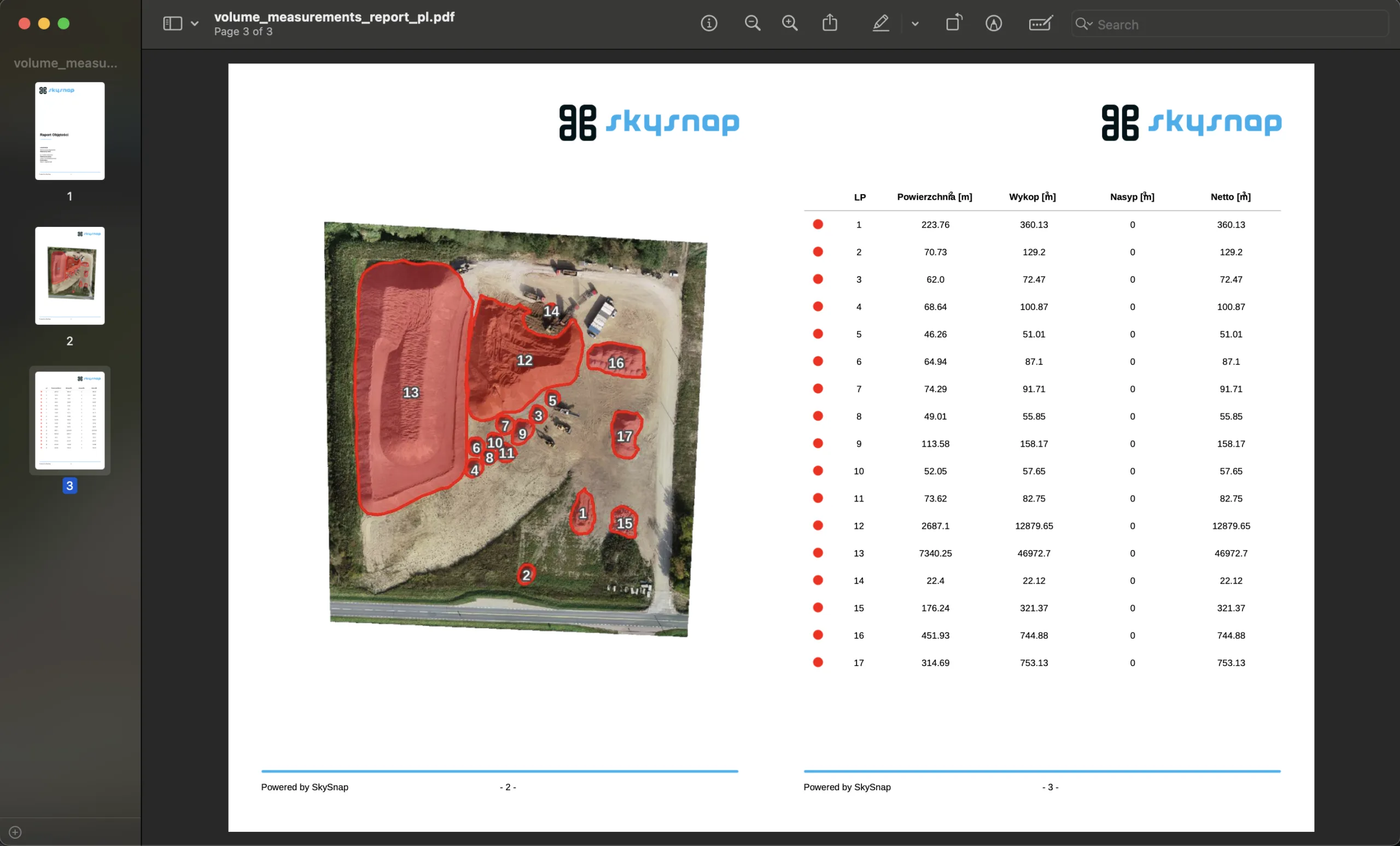
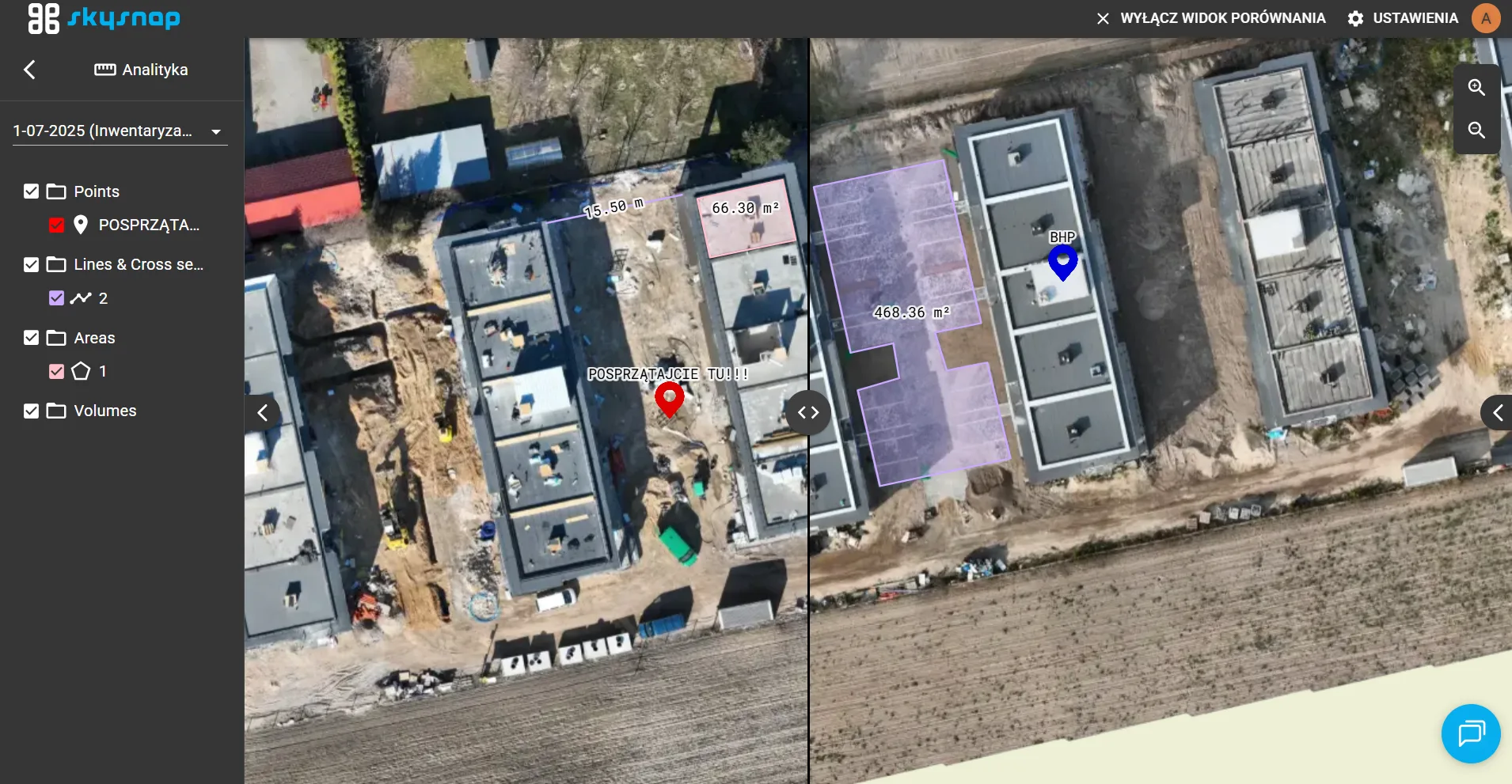
Measuring the volume of materials, aggregates and earthworks on a construction site is one of the most important uses of drones. Why? Because it’s time and money! Download our short e-book and learn how you can monetize your passion with drones.
Table of Contents:
Podoba Ci się artykuł? Podziel się nim z innymi!
Podoba Ci się artykuł? Podziel się nim z innymi!
Tips, news, insights
Related articles
Check out our articles and get the latest industry news.