Everything you need to know about the UAVO qualification certificate
The development of drone technology in recent years has made more and more people interested in obtaining a UAVO qualification certificate. This is an essential document for those who want to legally operate drones weighing more than 250 grams for commercial or recreational purposes. The process of obtaining this certificate includes both the theoretical and practical parts, and its possession opens the door to many professional opportunities. In this article, we take a look at the details of the requirements, the examination procedure and the benefits of having a UAVO qualification certificate. We invite you to read on to learn everything you need to start your drone adventure.
Introduction to the UAVO certificate
The UAVO qualification certificate is an essential document for drone operators who want to legally use drones in a more professional manner. But why is it so important and what exactly does it cover? In this section, we take a look at what a UAVO certificate is and why it’s worth having one.
What is a UAVO certificate?
A UAVO certificate of qualification is a document that certifies the ability to operate drones safely and in accordance with regulations. It is required for operators who want to fly drones weighing more than 250 grams, especially for commercial purposes.
Drones are becoming increasingly popular, with applications ranging from photography and filming to monitoring agricultural crops and inspecting infrastructure. A UAVO certificate ensures that the operator has the appropriate theoretical and practical knowledge to conduct such operations.
Holding this certificate also gives access to more advanced courses and training, which can be crucial for those planning to pursue a career in this fast-growing industry.
Why do you need a UAVO?
Having a UAVO certificate opens up many opportunities for drone operators. First, it ensures legal compliance, allowing commercial and recreational flights to be conducted legally. Without this document, an operator can face serious legal consequences.
Another reason is safety. Those with a UAVO certificate are better equipped to deal with potential hazards and incidents, reducing the risk of accidents.
The professional benefits also cannot be underestimated. Many employers in the drone technology industry require their employees to have this certification, making it essential for a career in this field.
History and development of UAVO
The history of UAVO certification is closely linked to the development of drone technology. Initially, drones were used mainly for military purposes, but over time their use has expanded into many civilian fields.
As drones have become more accessible, there has been a need to regulate their use. In response, many countries, including Poland, have introduced a certification system for drone operators, from which UAVO was derived.
The evolution of this system was necessary to meet the growing demand for drones in various industries, from photography to agriculture. Today, UAVO is the standard in many countries, helping to maintain high standards of safety and professionalism.
The process of obtaining a certificate
Obtaining a UAVO certificate is a process involving several key steps. Candidates must meet certain initial requirements, receive the appropriate training, and then pass exams to prove their skills. Let’s take a closer look at each of these steps.
Prerequisites and qualifications
To apply for a UAVO certificate, candidates must meet certain prerequisites. First of all, they must be of legal age and have a valid ID card.
Ensuring adequate health is also a key element. Candidates must demonstrate their ability to operate a drone safely, which often requires providing a medical certificate.
Theoretical knowledge of aviation law, meteorology, and drone technology is essential to move forward with the certification process.
Courses and training
Courses and training are a key part of the process of obtaining a UAVO certificate. They are divided into theoretical and practical parts, which together prepare candidates for the final exams.
- Theoretical part: This covers topics related to aviation law, safety rules and the basics of meteorology. These courses are often delivered through lectures and online classes.
- Practical part: Focuses on learning how to operate a drone in various conditions. Candidates learn how to maneuver, respond to malfunctions and comply with regulations.
Taking courses is not only mandatory, but also extremely valuable, providing a solid foundation for further skill development as a drone operator.
Examinations and certification
The exam for obtaining a UAVO certificate consists of a theoretical and practical part. It requires solid knowledge and skills that candidates acquire during courses.
The theoretical exam tests knowledge of aviation law, safety and technical issues related to drones. Candidates must answer a set of choice questions.
The practical part of the exam is a test of the ability to operate a drone in simulated real-world conditions. Candidates must demonstrate their ability to control the drone and respond to unexpected situations.
After successfully passing the exams, candidates receive a UAVO qualification certificate, which is an official document confirming their skills.
Laws and regulations
Laws and regulations governing drone use are integral to UAV operation. Understanding and complying with these regulations is crucial for any operator. In this section, we will look at current regulations, restrictions and future changes in the law.
Current aviation regulations
Current aviation regulations for drones are constantly being updated to keep up with technological advances. In Poland, and many other countries, drone operation is strictly regulated by law.
These regulations specify where and how a drone can be flown, what the registration requirements are, and what safety rules must be followed. They also include restrictions on flying over specific areas, such as airports or residential zones.
Knowledge of these regulations is crucial for operators to avoid violations of the law and the associated consequences.
Limitations and liability of the operator
Drone operators must be aware of the limitations and responsibilities associated with the use of these devices. The regulations are clear about the need to follow safety and privacy rules.
Restrictions include flight altitudes, distance from people and buildings, and areas over which flying is prohibited. Operators are required to avoid collisions with other aircraft and to ensure that flying does not disturb public order.
The operator’s responsibilities include bothcompliance with regulations and responding appropriately to emergencies. Ignoring these responsibilities can lead to serious legal consequences.
Future regulatory changes
Drone regulations are dynamic and can change as technology evolves and society’s needs change. As a result, operators need to stay abreast of new regulations.
It is anticipated that stricter regulations on drone registration and identification may be introduced in the future, especially in the context of privacy and public safety.
These changes may also apply to more advanced drones, which will require additional qualifications. Operators should regularly check legal updates to remain compliant with the latest requirements.
Practical applications of UAVO
A UAVO certificate opens the door to many practical applications for drone operators. From commercial tasks to ensuring the safety of operations, the possibilities are almost endless. In this section, we take a look at how UAVO can be used in practice.
Commercial and professional applications
Drones with certified operators are widely used in various industries, offering new commercial opportunities. They can be used for aerial photography and filming, infrastructure inspection, agricultural crop monitoring and package delivery.
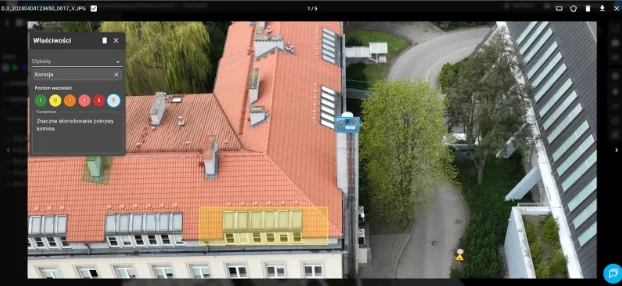
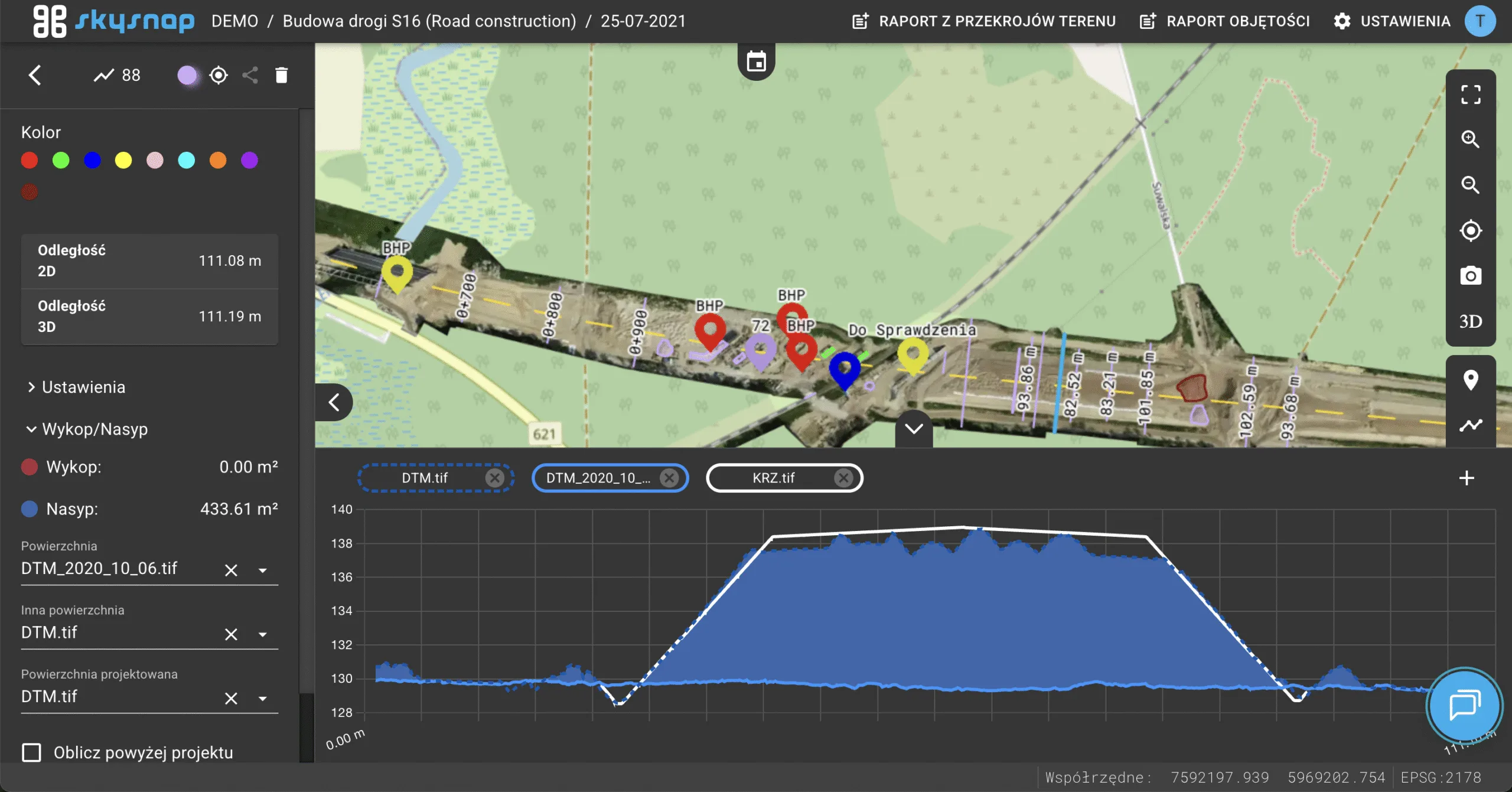
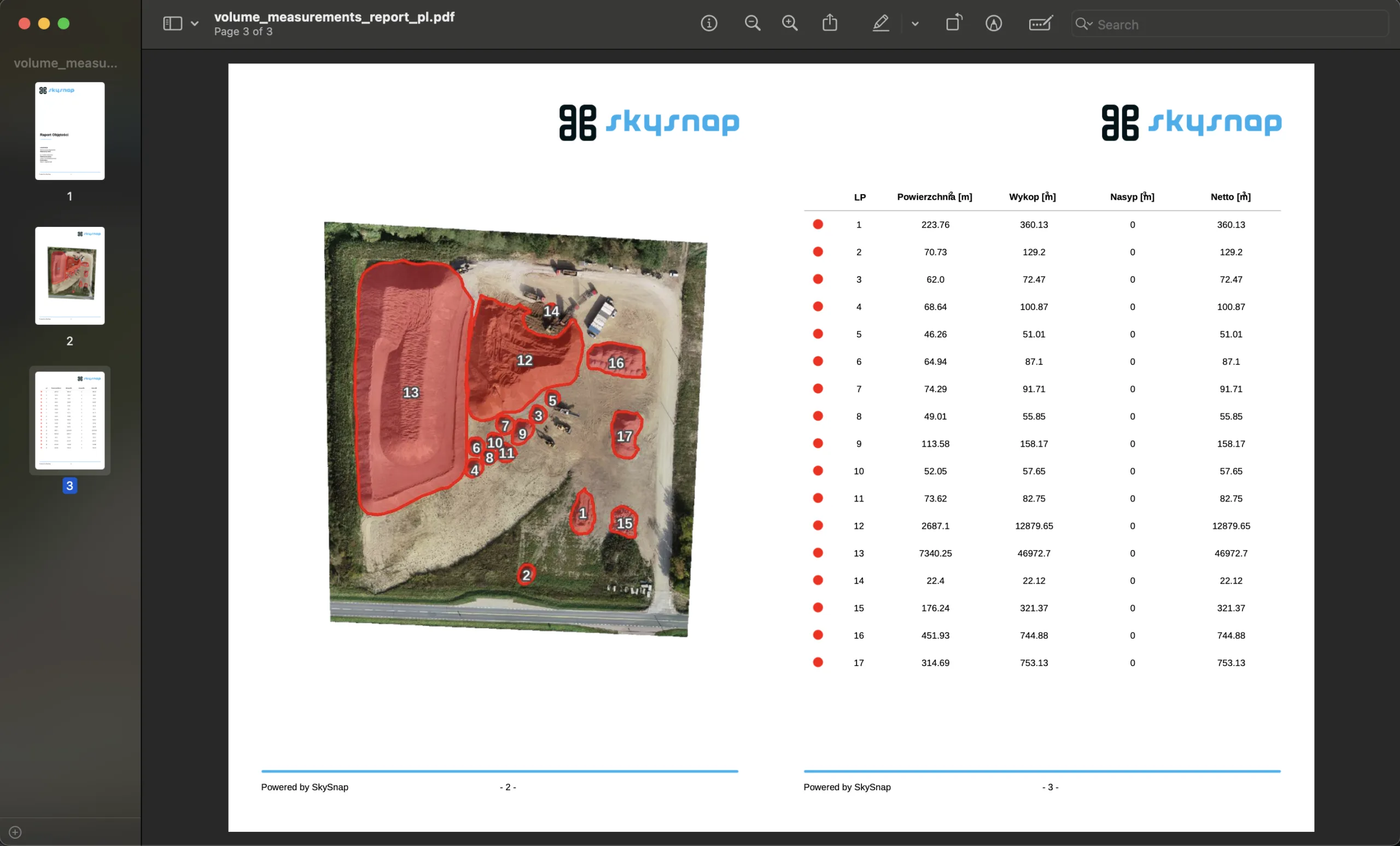
In the construction industry, drones are used to create accurate 3D models and monitor the progress of work. In agriculture, they help analyze plant health and plan conservation treatments.
Professional opportunities for drone operators with a valid UAVO certificate abound. Many employers are looking for professionals with drone operating skills, making this qualification very valuable.
Safety and regulations in practice
Operating drones requires not only technical skills, but also adherence to safety rules and regulations. Operators must be aware of the dangers of flying a drone and know how to prevent them.
Safe operations depend on proper flight planning, collision avoidance and emergency response. Compliance with regulations, such as flight altitude and distance from built-up areas, is key.
In practice, operators must also be prepared for checks and inspections by aviation authorities, which can verify flights’ compliance with regulations and safety rules.
Real life examples
The practical applications of UAVO can be seen in many real-life examples. UAVO-certified drone operators perform complex tasks that require precision and knowledge of regulations.
- Photography and filming: Drones are used to create spectacular bird’s-eye shots that are used in commercials, films and documentaries.
- Infrastructure inspections: In the energy industry, drones help inspect power lines and wind turbines to quickly identify damage.
- Agriculture: With drones, farmers can monitor crops more closely and make better decisions about fertilization and crop protection.
Each of these applications demonstrates how versatile drones are and how important it is to be qualified to operate them.
The future and development of UAV technology
Drone technology is developing at a dizzying pace, opening up new opportunities for UAVO-certified operators. In this section, we take a look at innovations in drone technology, their impact on various industries, and the future of the UAVO market.
Innovations in drone technology
Drone technology is evolving rapidly, with innovations that are changing the way drones are used. Modern drones are equipped with advanced navigation systems, sensors and high-resolution cameras.
Autonomous drones, which can perform flights without operator intervention, are gaining popularity. Hybrid drones are also being introduced, which combine the advantages of different types of drones, increasing their versatility.
These innovations are helping to expand the applications of drones, allowing them to be used in increasingly complex tasks, from environmental monitoring to goods delivery.
UAV’s impact on various industries
Drones are making a significant impact in various industries, transforming traditional ways of working. In construction, they are facilitating inspections and measurements, in agriculture they are helping precision farming, and in energy they are speeding up infrastructure inspections.
The film industry is using drones to create breathtaking shots that were previously impossible. Drones have also become an integral part of rescue operations, enabling faster and more efficient search operations.
The impact of drones on various industries is enormous, and the increasing miniaturization and technological development will certainly drive further innovation.
UAVO market predictions
The UAVO market will continue to grow, with forecasts showing an increasing demand for certified drone operators. The market’s growth is driven by the increasing use of drones in various sectors of the economy.
In the future, drones are expected to be integrated with technologies such as artificial intelligence and the Internet of Things, increasing their capabilities and applications.
Operators with a valid UAVO certificate will have an advantage in the job market, as their skills will become even more in demand as drones penetrate new areas of life and the economy.
Free E-book
Learn what services to offer, who to sell them to, and how to write an effective offer email. Ready-made templates, tips and examples of campaigns that really work.
Table of Contents:
Podoba Ci się artykuł? Podziel się nim z innymi!
Podoba Ci się artykuł? Podziel się nim z innymi!
Tips, news, insights
Related articles
Check out our articles and get the latest industry news.