How drones are revolutionizing the construction industry
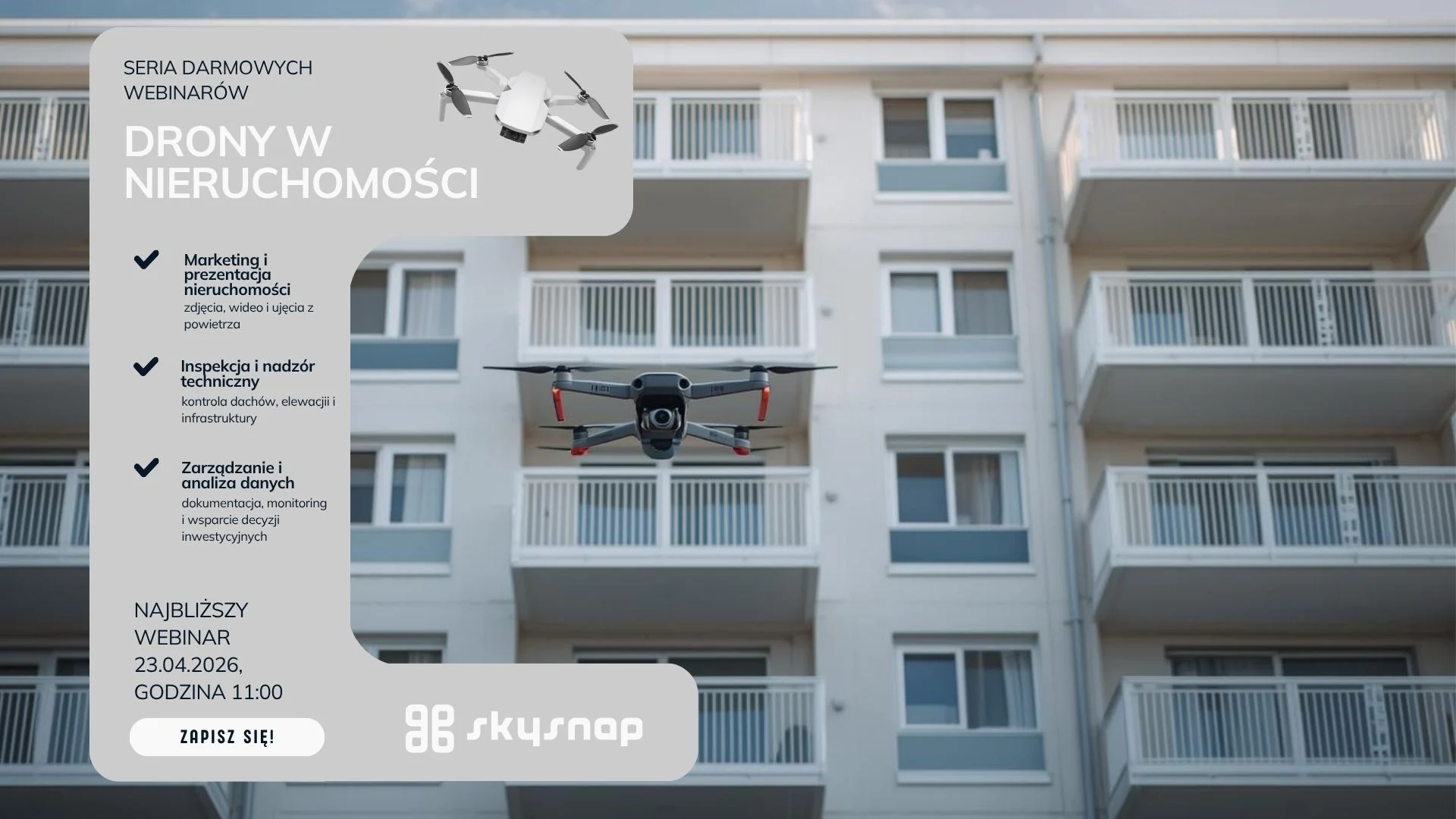
The construction industry is undergoing dynamic changes thanks to modern technologies, and one of the key elements of this transformation is drones. These small, remote-controlled devices have gained popularity in recent years, bringing a new quality to the design and construction process. Thanks to drones, engineers and architects can now easily monitor the progress of work, control the quality of workmanship and create precise site maps. As a result, project turnaround times are shortened, and costs associated with errors and corrections are significantly reduced. We invite you to discover how drones are changing the face of modern construction and the benefits they bring to companies in the industry.
Introduction to drones in construction
Drony, znane również jako bezzałogowe statki powietrzne (BSP), zyskują na znaczeniu w budownictwie. Pozwalają one na szybkie i efektywne zarządzanie projektami budowlanymi, co czyni je nieodłącznym elementem nowoczesnej technologii w tej branży.
History and development of technology
Historia dronów sięga początków XX wieku, kiedy to były one używane głównie do celów wojskowych. Początkowo miały zastosowanie w rozpoznaniu wojskowym, lecz z czasem technologia ta zaczęła przenikać do innych sektorów, w tym budownictwa.
Rozwój dronów był napędzany przez postępy w miniaturyzacji technologii oraz spadek kosztów. Dzięki temu drony stały się bardziej dostępne dla firm budowlanych. Dzisiejsze drony są wyposażone w zaawansowane czujniki i kamery, co umożliwia tworzenie dokładnych modeli 3D oraz mapowanie terenu z lotu ptaka.
Kolejnym etapem w rozwoju technologii dronów jest integracja z systemami sztucznej inteligencji. Pozwoli to na jeszcze bardziej zaawansowane analizy i automatyzację wielu procesów budowlanych. To właśnie te innowacje sprawiają, że drony są coraz częściej wykorzystywane w innowacyjnych projektach budowlanych.
Why drones are gaining popularity
Drones are gaining popularity due to their versatility and efficiency. They can easily reach hard-to-reach places, which is especially important on construction sites. This allows engineers to monitor the progress of work in real time.
Cost and time are other factors contributing to the growing popularity of drones. Operations that previously required a lot of resources can now be accomplished faster and cheaper with drones.
Drones also contribute to safety on construction sites, as they can replace humans in potentially dangerous tasks. As a result, the risk of accidents and property damage is reduced, which is crucial in any construction project.
Drone applications on construction sites
Drones are used on construction sites for a wide variety of tasks that help streamline and optimize construction processes. They are an invaluable tool in project management.
Monitoring of work progress
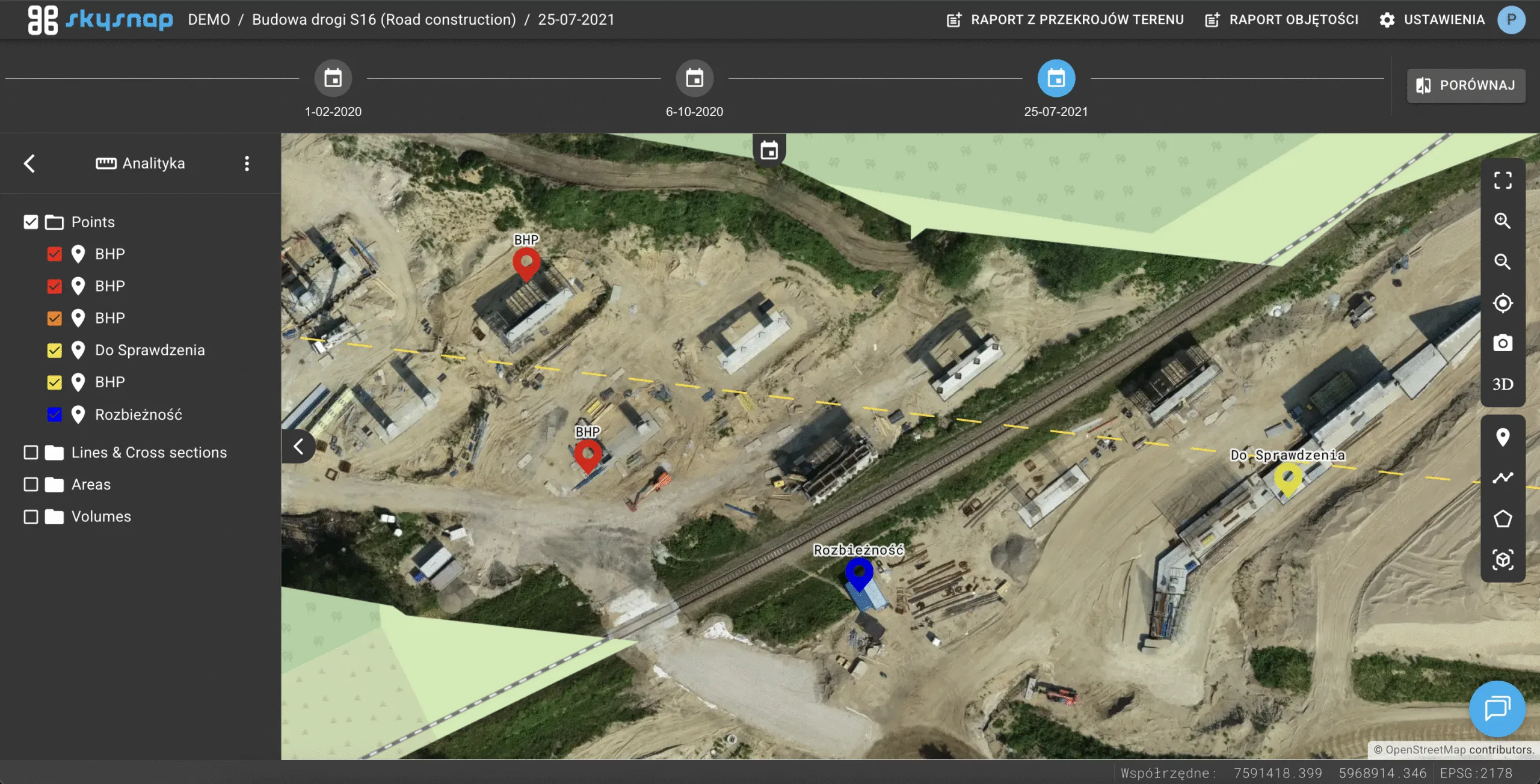
Drones make it possible to monitor the progress of work in real time. This allows project managers to keep track of the various stages of construction in real time. This allows them to quickly identify any delays and make necessary adjustments.
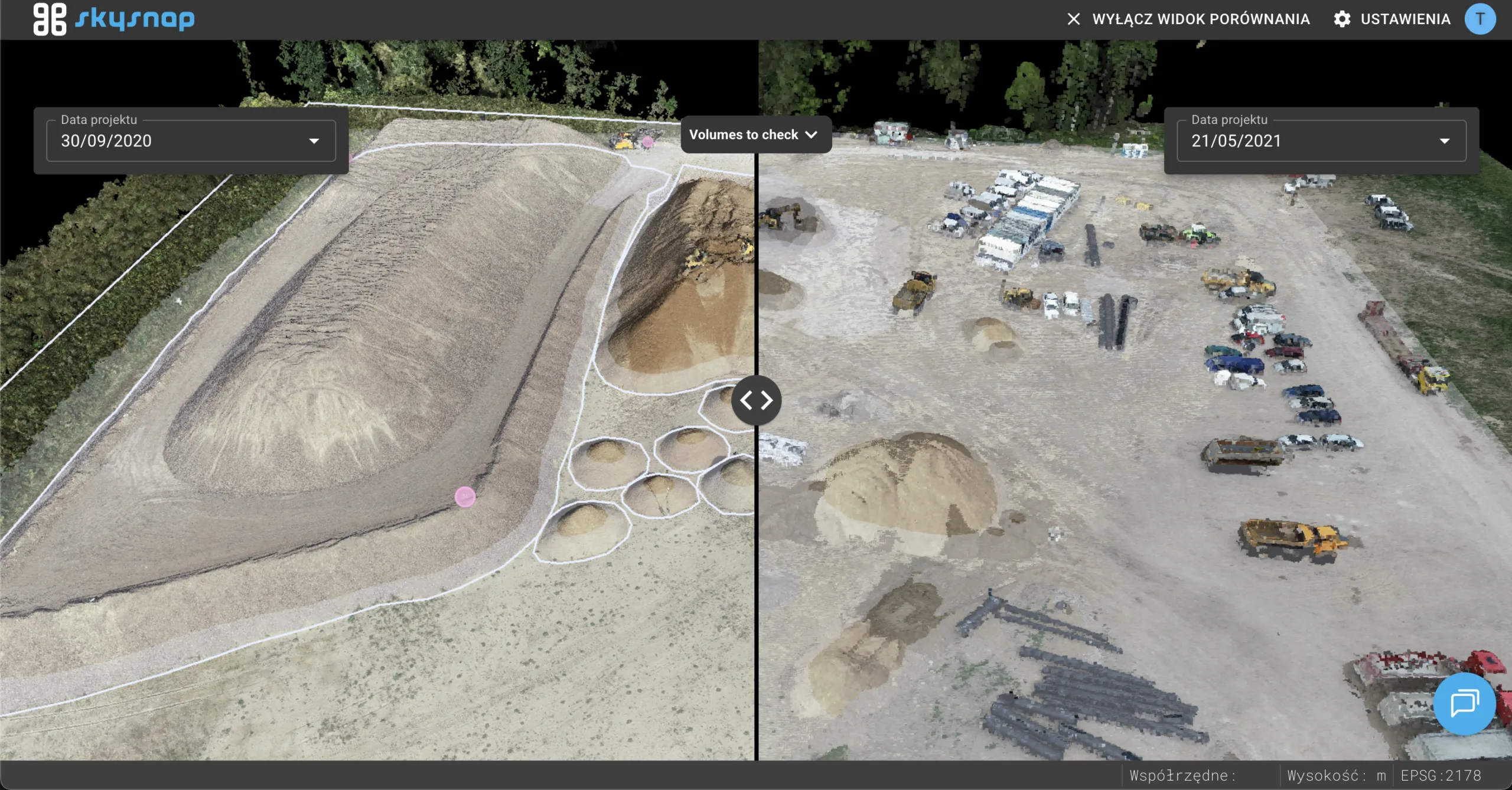
Drones can also be used to document the progress of work. Aerial photos and videos provide valuable information that helps retrospectively analyze the entire construction process. This type of documentation is also useful in case of disputes or the need to verify compliance with the design.
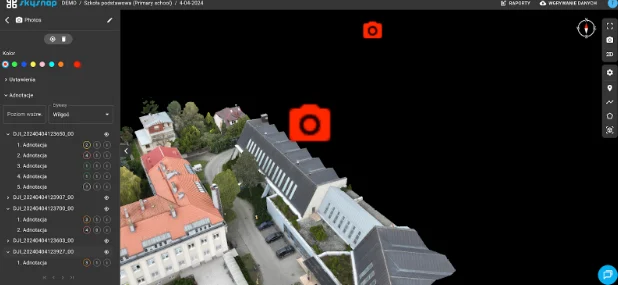
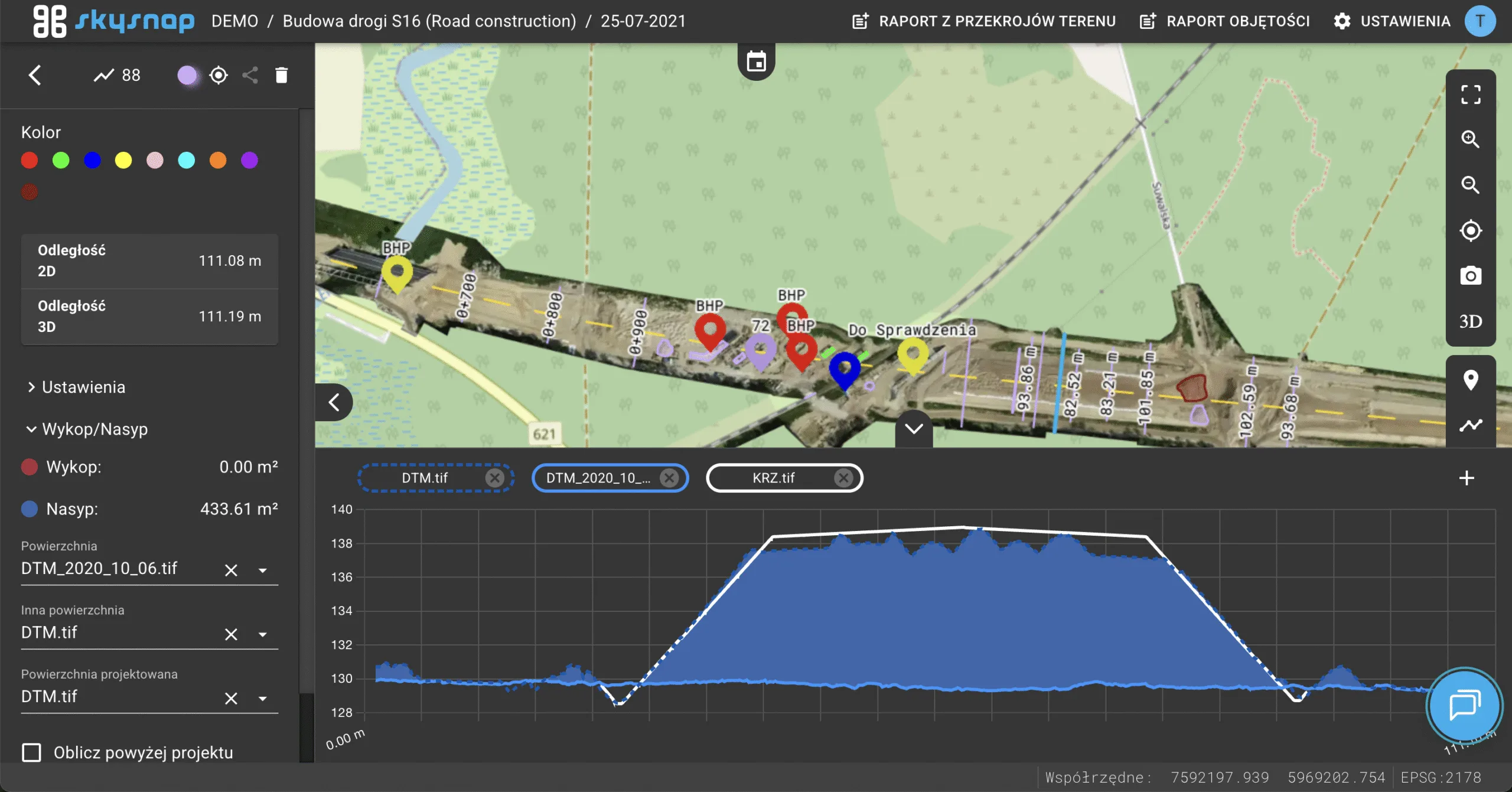
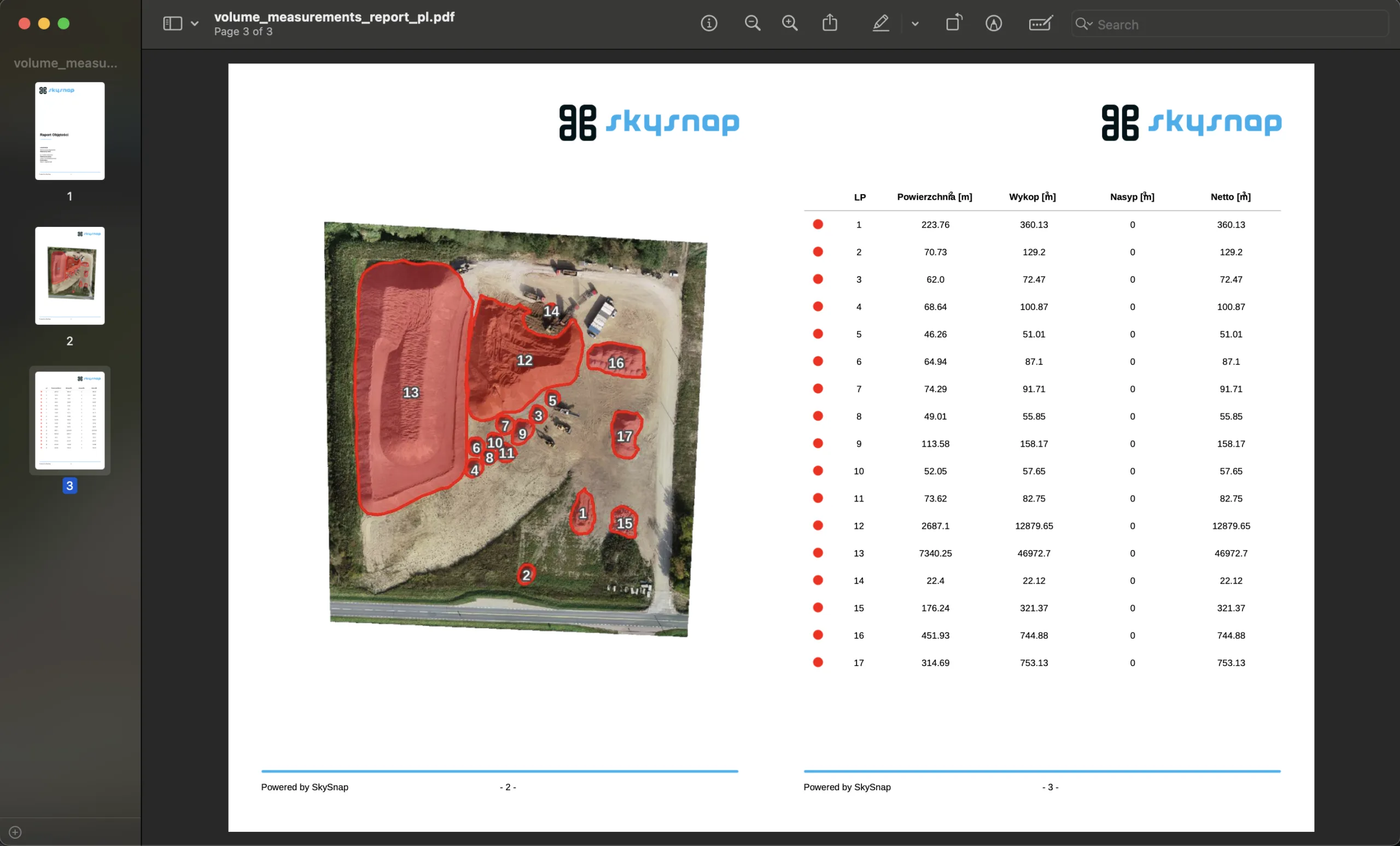
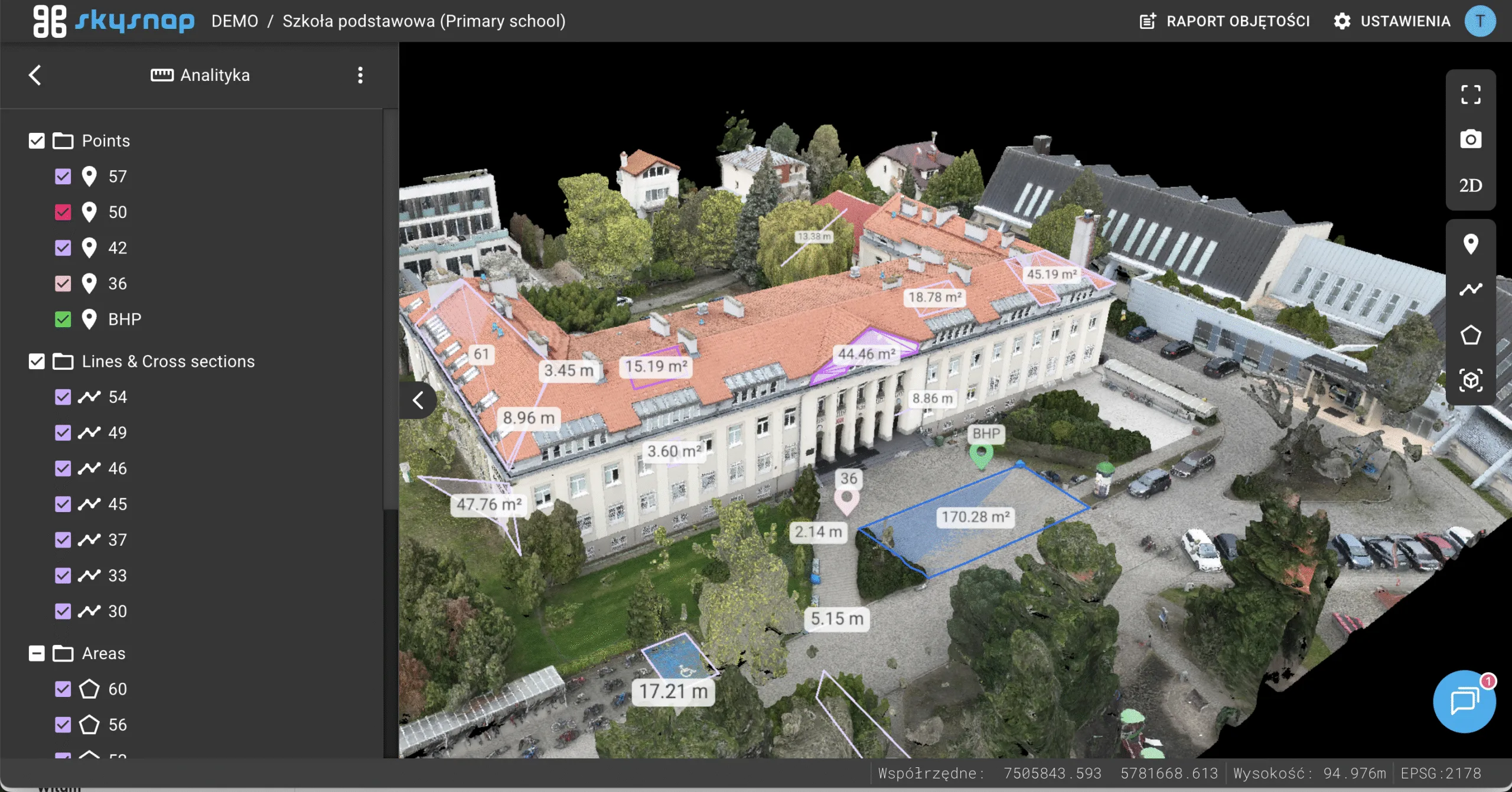
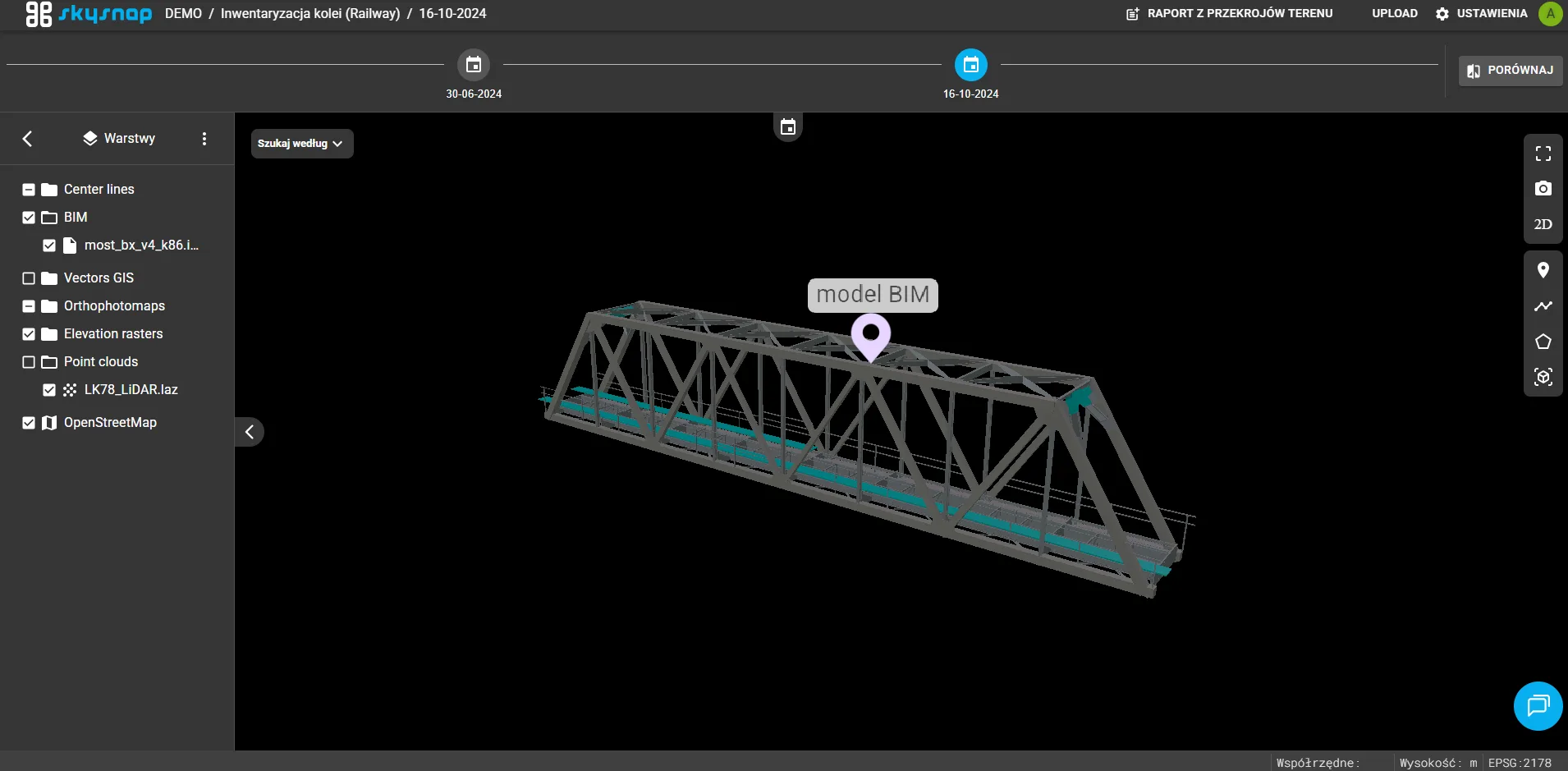
With drones, it is also possible to create site maps and 3D models. This makes it easier to plan the next stages of construction and ensures better coordination between the various teams involved in the project.
Inspection and security
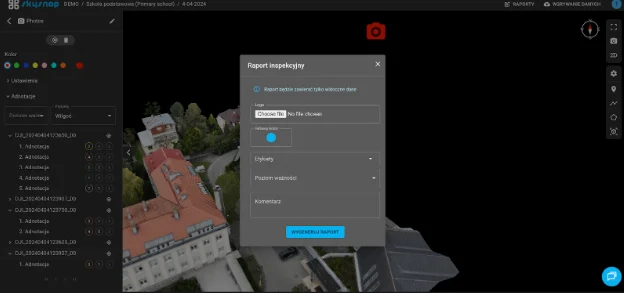
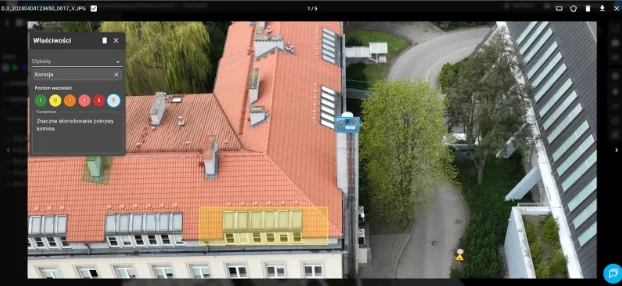
Drone inspections are one of the most important applications on construction sites. Drones can perform inspections faster and more accurately than traditional methods. They can also reach areas that are difficult or dangerous for humans to reach.
In terms of safety, drones can monitor a construction site in real time, identifying potential hazards. This allows them to react quickly to dangerous situations and minimize the risk of accidents.
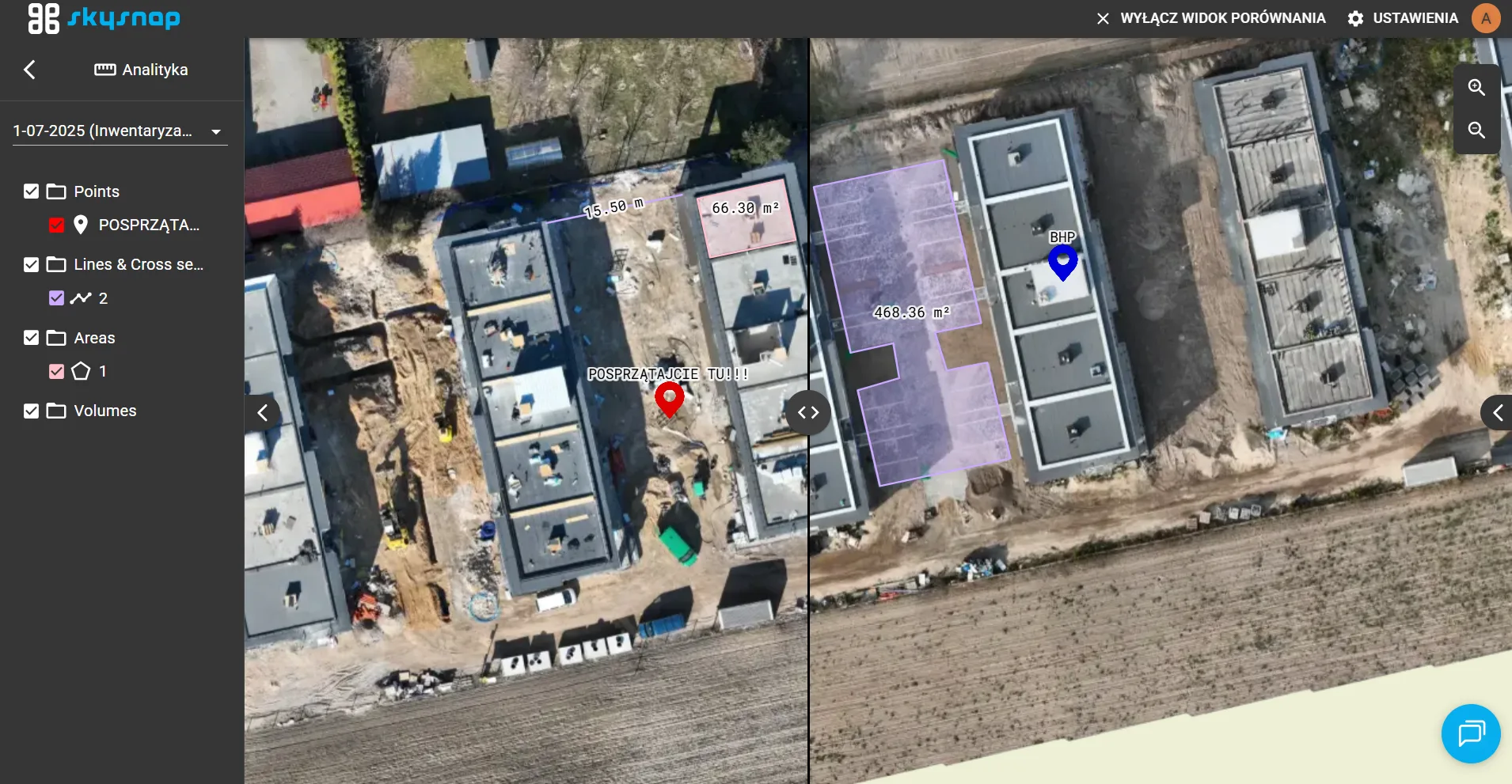
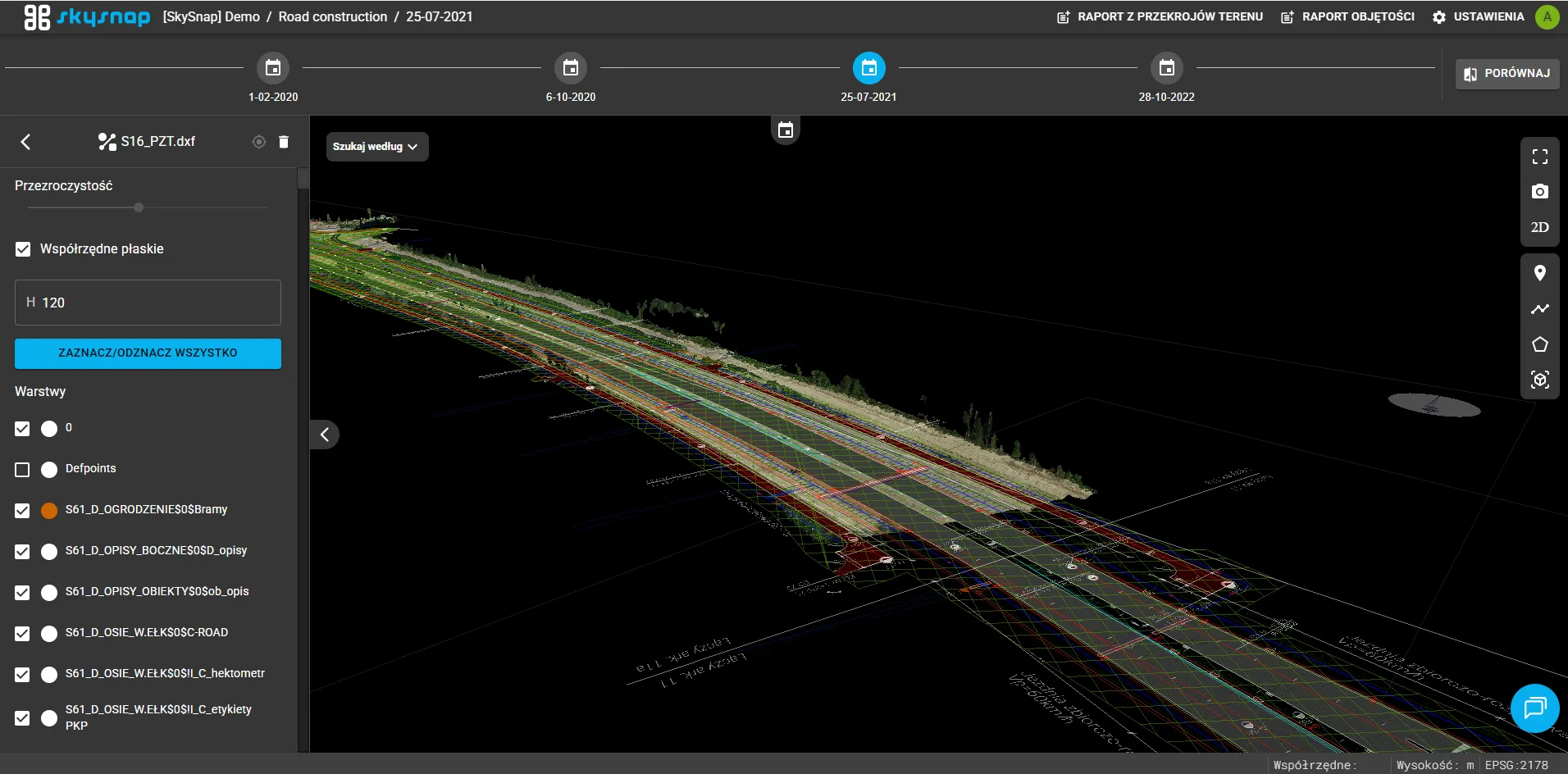
Drones can also be used to check the quality of workmanship. They can easily compare the current state of construction with the design plans, allowing quick detection of possible deviations and execution errors.
Advantages of using drones
Korzystanie z dronów w budownictwie przynosi wiele korzyści, które przekładają się na efektywność i rentowność projektów. Zastosowanie tej technologii jest coraz bardziej powszechne.
Cost and time reduction
Drones help reduce costs by reducing the need for human resources and shortening project times. With rapid inspection and monitoring, problems can be identified at an early stage and costly fixes can be avoided.
Costs associated with hiring heavy equipment or wages for additional workers can be significantly reduced. Drones carry out tasks that previously required large work teams.
In terms of time, drones enable faster field analysis and inspections, helping to speed up the entire construction process. This enables faster response to changing conditions and real-time decision-making.
Increase precision and efficiency
Drones offer high precision in data collection. Thanks to advanced sensors and cameras, the information collected by drones is extremely accurate. This allows the creation of detailed models and terrain maps.
Operational efficiency is also significantly enhanced by the use of drones. They can operate in difficult weather and terrain conditions, providing data regardless of the time of day or weather.
Drones also contribute to better coordination of teams on the construction site. They allow all parties involved to have access to the same up-to-date data, allowing for more efficient decision-making and better project management.
Challenges and limitations
Mimo wielu zalet, zastosowanie dronów w budownictwie napotyka również na pewne wyzwania i ograniczenia. Warto je zrozumieć, aby efektywnie wdrażać tę technologię.
Regulations and licenses
One of the main challenges is regulation. Drone use requires knowledge of airspace regulations and obtaining the appropriate licenses. The process can be time-consuming and complicated.
Non-compliance can lead to fines and other penalties. Therefore, construction companies need to ensure that their employees are properly trained and have the necessary licenses to operate drones.
Increasingly restrictive regulations on drone use are being enacted in many countries, which could affect the feasibility of drone use in construction. Awareness of the regulations is key to avoiding legal problems.
Technical and logistical problems
The use of drones also comes with technical and logistical challenges. Drones are sophisticated devices that require regular maintenance and software updates to function properly.
The range and flight time of drones can also be a problem. Depending on the model, drones may be limited in how long they can operate on a single battery charge, requiring planning and coordination of site activities.
Logistical challenges also apply to managing the data collected by drones. Processing large amounts of information and integrating it with other project management systems can be complicated and require additional resources.
The future of drones in the construction industry
Przyszłość dronów w budownictwie rysuje się obiecująco. Innowacje i nowe technologie ciągle rozwijają ich możliwości, co otwiera nowe perspektywy dla tej branży.
Innovation and new technologies
Drones are becoming more and more advanced thanks to continuous innovation and technology development. The introduction of modern AI and machine learning systems will allow for even more automated operations and analysis.
Another innovation is the use of LiDAR technology, which makes it possible to map terrain even more accurately and create precise 3D models. This opens up new possibilities in the design and planning of construction projects.
Autonomous drones that can operate without constant human supervision are also increasingly being developed. This increases the flexibility and efficiency of their use on construction sites, which is crucial in the context of large and complex projects.
Potential development directions
In the future, drones may become an integral part of smart cities, where they will monitor and manage urban infrastructure. As a result, they will be able to improve the quality of life for residents and increase the efficiency of city management.
Drones may also find application in new areas of construction, such as green building and sustainable development. They will enable projects with low environmental impact.
Another development is the integration of drones with the Internet of Things (IoT), which will allow even better management of data and construction processes. This could create new business models and make construction companies more competitive.

Free E-book
Learn what services to offer, who to sell them to, and how to write an effective offer email. Ready-made templates, tips and examples of campaigns that really work.
Table of Contents:
Podoba Ci się artykuł? Podziel się nim z innymi!
Podoba Ci się artykuł? Podziel się nim z innymi!
Tips, news, insights
Related articles
Check out our articles and get the latest industry news.