How drone inspections are revolutionizing the construction industry
Inspekcje z drona zyskują na popularności w przemyśle budowlanym, przynosząc ze sobą szereg korzyści, które rewolucjonizują sposób, w jaki prowadzone są projekty. Dzięki zaawansowanej technologii drony umożliwiają szybkie i dokładne przeglądy placów budowy, eliminując potrzebę czasochłonnych i kosztownych tradycyjnych metod inspekcji. Operatorzy mogą teraz z łatwością monitorować postęp prac, identyfikować potencjalne problemy i zapewniać bezpieczeństwo na placu budowy bez konieczności fizycznego przebywania na terenie. W tym artykule omówimy, jak inspekcje z drona wpływają na efektywność, precyzję i oszczędność w przemyśle budowlanym, a także jakie wyzwania i możliwości niesie za sobą ta nowoczesna technologia. Przyjrzymy się również przyszłości dronów w budownictwie i ich potencjalnemu wpływowi na rozwój branży.
Introduction to Inspection from a Drone
Inspekcje z drona w budownictwie to nowoczesna metoda zwiększająca efektywność i bezpieczeństwo pracy na placach budowy. Drony umożliwiają szybki przegląd terenu, minimalizując ryzyko i czas potrzebny na tradycyjne inspekcje.
History and development of technology
The history of drones dates back to the 1960s, when the first unmanned aerial vehicles were used primarily for military purposes. Over the years, the technology began to be adapted to civilian needs, including construction.
In the past two decades, drones have grown in popularity due to technological advances and reduced production costs.
Today, drones are equipped with advanced cameras, sensors and navigation systems, allowing them to be widely used in various industries. Construction applications have become one of the key areas where drones are making significant improvements.
The development of drone technology continues to advance, and their capabilities are becoming more advanced. This allows them to be used for more complex inspection tasks, which is the subject of much research and investment.
Basic applications in construction
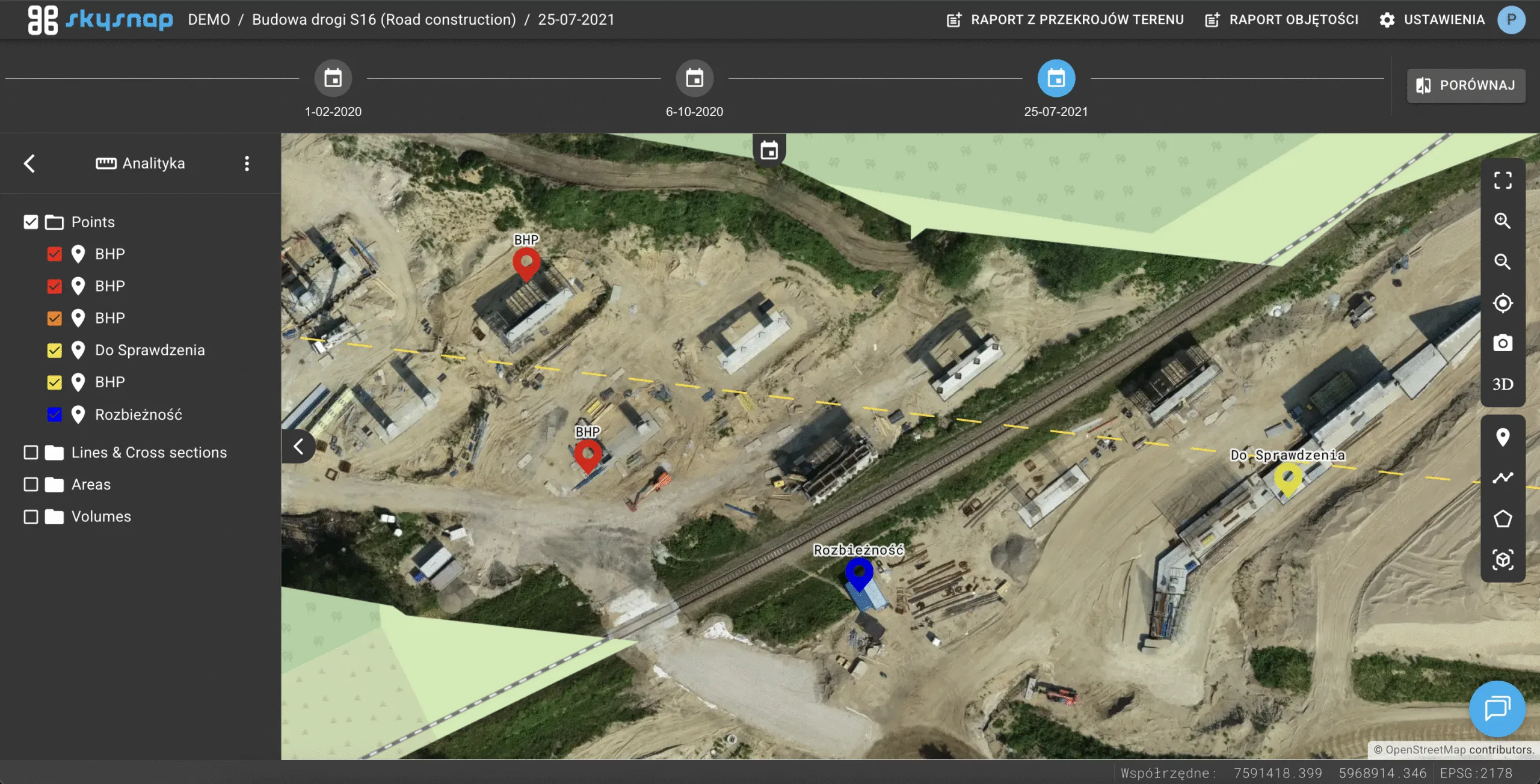
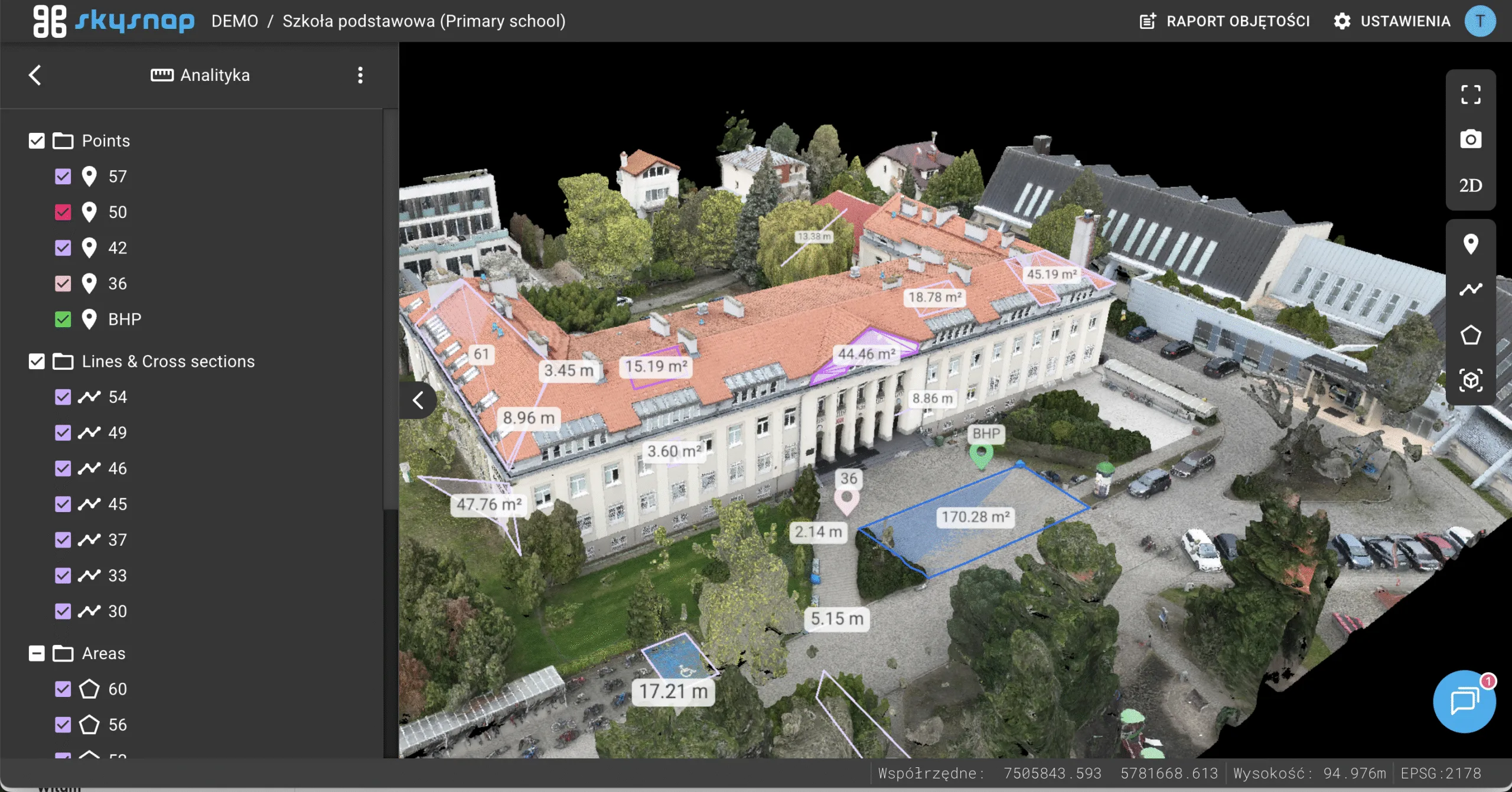
W budownictwie drony odgrywają kluczową rolę w monitorowaniu postępów prac i wykonywaniu inspekcji. Mogą być używane do skanowania terenu, co pozwala na tworzenie dokładnych map 3D, które są nieocenione w planowaniu i zarządzaniu projektami budowlanymi.
Drony pozwalają na szybkie i bezpieczne inspekcje miejsc trudno dostępnych, takich jak dachy budynków czy konstrukcje mostów. Dzięki temu minimalizują ryzyko dla pracowników i pozwalają na dokładne ocenienie stanu technicznego obiektów.
Wykorzystanie dronów przyspiesza także proces inspekcji, co jest istotne w kontekście terminowości realizacji projektów budowlanych. Dodatkowo, dzięki nowoczesnym kamerom termowizyjnym, drony mogą wykrywać problemy z izolacją lub wycieki ciepła.
Advantages of Drone Use
The use of drones in the construction industry brings many benefits that translate into efficiency and cost savings for projects. The technology is becoming an integral part of modern construction sites.
Speed and efficiency
Drony znacznie przyspieszają proces inspekcji i monitorowania budowy. Dzięki nim operatorzy mogą w krótkim czasie zdobyć dokładne informacje na temat stanu obiektu, co pozwala na szybką reakcję na ewentualne problemy.
- Drony mogą wykonać szczegółowy przegląd placu budowy w ciągu zaledwie kilku godzin, co tradycyjnie zajmowałoby dni lub nawet tygodnie.
- Dzięki technologii GPS i kamerom o wysokiej rozdzielczości, drony dostarczają dokładne dane, które można natychmiast analizować.
- Monitorowanie w czasie rzeczywistym umożliwia zarządzanie projektem na bieżąco, co znacznie zwiększa jego efektywność.
Efektywność dronów sprawia, że są one coraz częściej wybierane jako narzędzie inspekcyjne, co pozwala na optymalizację pracy i zasobów.
Reducing costs and risks
Drony znacząco obniżają koszty inspekcji, eliminując potrzebę angażowania dużej liczby pracowników do wykonywania zadań manualnych, które są czasochłonne i kosztowne.
- Koszty związane z użyciem dronów są niższe niż tradycyjne metody inspekcji, co jest istotne dla budżetu projektu.
- Redukcja ryzyka związanego z pracą na wysokościach przekłada się na większe bezpieczeństwo pracowników.
- Dzięki dronom można szybko wykrywać potencjalne zagrożenia, co pozwala na ich eliminację zanim staną się poważnym problemem.
Wprowadzenie dronów na plac budowy to także mniejsze ryzyko dla firmy, zwiększając jej konkurencyjność na rynku.
How Drones Are Changing the Construction Process
Drones are revolutionizing the construction process, introducing modern solutions that are not only more efficient, but also safer. They offer quick insight into the progress of work and inspection capabilities that were previously difficult to achieve.
Real-time monitoring of progress
With drones, it is possible to monitor progress on a construction site in real time. Operators can keep track of changes and adjust action plans based on current data.
Live monitoring allows for faster decision-making, which speeds up projects. Drones provide accurate images and data that can be analyzed by 3D modeling software.
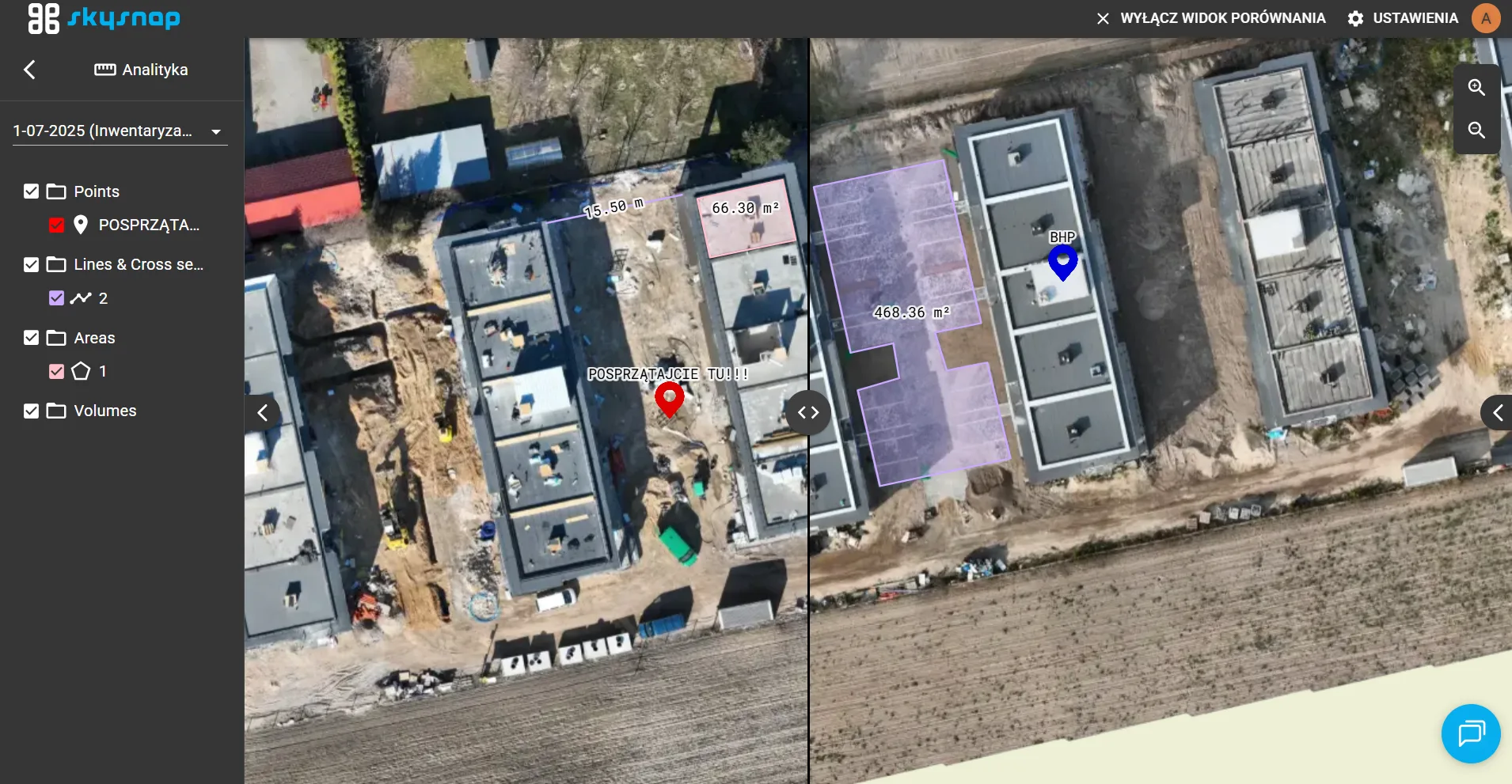
Regular drone surveys also make it possible to track milestones achieved, which is crucial for effective project management.
Inspections of hard-to-reach areas
Drony umożliwiają inspekcje miejsc, które są trudne lub niebezpieczne do osiągnięcia dla ludzi. Dzięki temu pozwalają na ocenę stanu technicznego konstrukcji bez narażania pracowników na ryzyko.
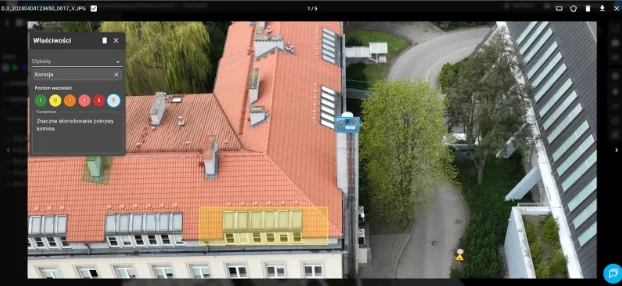
- Pozwalają na ocenę stanu dachów, kominów czy wysokich konstrukcji bez potrzeby użycia rusztowań czy dźwigów.
- Dzięki kamerom o wysokiej rozdzielczości i termowizyjnym, drony mogą wykrywać uszkodzenia niewidoczne gołym okiem.
- Zastosowanie dronów eliminuje konieczność wstępnej oceny stanu z ziemi, co przyspiesza proces inspekcji.
Dzięki tym możliwościom, drony stają się nieocenionym narzędziem w kontekście inspekcji budowlanych, zwiększając bezpieczeństwo i wydajność pracy.
The Future of Drone Inspection in the Construction Industry
The future of drone inspection in the construction industry looks promising. Advances in technology and integrations with other systems are creating new opportunities for the industry.
Technological innovations
Technologia dronów stale się rozwija, co otwiera nowe możliwości ich zastosowania w budownictwie. Wprowadzenie nowych funkcji i udoskonaleń sprzętowych zwiększa potencjał ich wykorzystania.
Nowoczesne drony są wyposażane w coraz bardziej zaawansowane sensory, kamery o lepszej rozdzielczości i bardziej wydajne systemy nawigacji. Technologie takie jak sztuczna inteligencja i uczenie maszynowe pozwalają na automatyzację niektórych zadań inspekcyjnych.
Wprowadzenie innowacji technologicznych przyczynia się do jeszcze większej dokładności i efektywności inspekcji, co jest kluczowe dla rozwoju budownictwa przyszłości.
Integration with other technologies
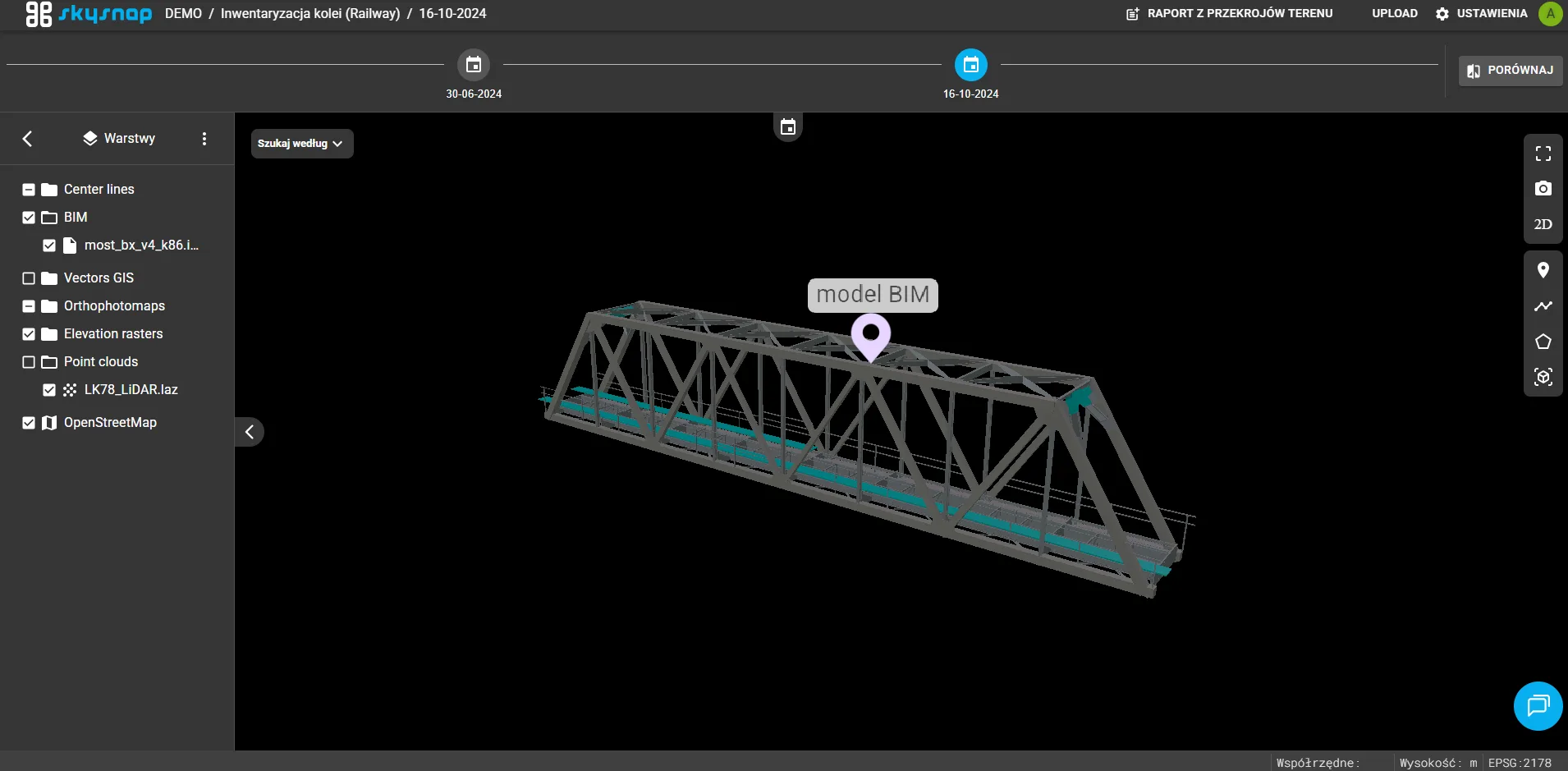
The integration of drones with other technologies, such as BIM (Building Information Modeling) and IoT (Internet of Things), opens up new opportunities for their use in construction.
- Drone data can be directly integrated into BIM models, speeding up the design and construction management process.
- The combination with IoT technologies enables automatic monitoring and response to changes on the construction site.
- Integration with project management systems allows even better coordination of site activities.
These integrations increase work efficiency and enable better management of construction projects.
Challenges and Future Prospects
Despite the many benefits that drone use brings, there are also challenges to consider. Legal issues and the need for personnel training are just some of them.
Legal restrictions and security
One of the biggest challenges of using drones in construction is regulatory issues. Regulations on drone use can be complex and vary from country to country.
Companies must comply with local regulations on drone flights, which can involve obtaining permits and licenses. In addition, the security of data collected by drones is crucial, making it challenging for companies to protect sensitive information.
These issues require attention and caution to ensure the legal and safe use of drones in construction.
Training and adaptation of personnel
The use of drones requires proper training of personnel. Drone operators must be familiar with both the technical and legal aspects of drone use.
- Companies need to invest in training to ensure that their employees are proficient in operating drones.
- Adapting to the new technology may take time, but it is essential to realize the full potential of drones.
- Employees also need to be aware of best practices and safety procedures related to drone operations.
With the right approach, staff training can bring significant benefits and contribute to the success of construction projects.
Free E-book
Learn proven methods for pricing jobs: From building structures to large linear and space raids. This guide will help you earn effectively and confidently.
Table of Contents:
Podoba Ci się artykuł? Podziel się nim z innymi!
Podoba Ci się artykuł? Podziel się nim z innymi!
Tips, news, insights
Related articles
Check out our articles and get the latest industry news.