How to Prepare for the Drone Exam: A Complete Guide for Beginners
Technology enthusiasts and those interested in new career prospects alike are increasingly opting to obtain a drone operator’s license. The drone exam is not just a formality, but a key step towards safe and professional operation of these advanced devices. In this article, we take a look at how to effectively prepare for this challenge by reviewing the necessary educational materials, safety rules and regulations that every future operator should know. Let’s discover together the most important steps that will lead to passing the drone exam successfully and open the door to new opportunities.
Introduction to the Drone Exam
The drone exam is not just a formality, but an important step on the road to professional drone operation. Earning a license is a validation of the skills and knowledge that are necessary for safe and effective piloting.
Why get a license?
Earning a drone operator’s license opens many doors, both in a professional and hobbyist context. The main advantages are the ability to perform commercial assignments and access to advanced functions and airspace.
Having a license also makes operations safer, so operators can better avoid potential hazards. This is crucial when working in harsh environments.
For many, the license is also a way to advance a career in a technology industry that is growing rapidly. The rise in popularity of drones in industries such as photography, agriculture and engineering makes this skill extremely attractive.
Basic exam requirements
Every drone operator candidate must meet certain requirements before taking the exam. The basic criteria are being at least 16 years old and having no health contraindications to operating a drone.
The exam consists of a theoretical part, which covers knowledge of regulations, and a practical part, where piloting skills are tested. It is worth taking the time to prepare so that each of these parts is successful.
It is also important to make sure that all the paperwork for registering for the exam is completed accurately. Documents such as proof of identity and training certificates are required.
Understanding the Rules and Regulations
Knowledge of laws and regulations is a must for any drone operator. Without it, it is difficult to carry out flights legally and avoid problems with relevant authorities.
Important aviation regulations
Aviation regulations govern how drones can be used in public spaces. They include rules on maximum flight altitudes, distances from airports and specific safety guidelines.
It is critical to understand how these regulations affect daily operations. Operators need to be aware of restrictions on flying over people or buildings.
Knowledge of regulations is also the ability to anticipate changes in the law. Regularly following updates and new regulations allows you to adapt to changing conditions.
Airspace restrictions
Airspace is divided into different zones, and each zone has its own restrictions on drone use. These zones include areas controlled by air towers and prohibited zones.
For example, flying near airports is strictly regulated and special approval is required. Operators need to understand how to navigate in these spaces to avoid problems.
Understanding the airspace map and using apps that help identify prohibited zones are integral parts of preparing for the exam.
Theoretical Preparation
Sound theoretical preparation is the basis for passing the drone exam. It includes both learning the regulations and understanding the technical aspects of operating a drone.
Key exam topics
The theoretical exam covers a wide range of topics that every candidate must master. These include the principles of aerodynamics, the operation of navigation systems, and aviation laws.
This knowledge is essential to understand how a drone works and what its limitations are. Safety issues are also key, so it is worth paying close attention.
It’s a good idea to create a list of topics to master and regularly test your knowledge with mock tests to help identify areas for improvement.
Learning tools and materials
Choosing the right study tools and materials is the key to success on the exam. Textbooks, online courses and mobile apps offer different methods of learning.
It’s worth investing in materials that are up-to-date and aligned with the latest regulations. Regular use of online tests allows you to keep track of your progress.
And don’t forget online forums and discussion groups where you can exchange experiences with other drone operator candidates. This is a great way to get practical tips.
Practical Exercises
Practical exercises are an integral part of preparing for the exam. They allow you to apply theoretical knowledge in practice and improve your piloting skills.
Simulations and field practice
Drone flight simulations are a great way to gain confidence before the practical exam. They allow you to safely experiment with different maneuvers and flight scenarios.
Field practice is equally important. Regular flights in various weather and terrain conditions prepare the operator for the unexpected.
It is a good idea to have a training plan that includes both simulations and actual flights. This way you can systematically develop your piloting skills.
Tips for maneuvering the drone
Successfully maneuvering a drone is a skill that takes practice. Here are some tips that can help you master it:
- Be careful during takeoff and landing – these are the most difficult moments of flight.
- Keep the drone stable, especially in high winds.
- Practice precise control in tight spaces, which is crucial in many commercial tasks.
Regular application of these principles allows for more precise and safer operations.
Exam Day
The final day of the exam requires not only knowledge and skills, but also proper logistical preparation. Every detail matters.
How to dress and what to bring?
The right outfit for the exam is not only about comfort, but also about safety. Clothing should be comfortable and weather-appropriate to avoid distractions during the flight.
Don’t forget equipment such as a temporary license, extra batteries for the drone and necessary tools. Every detail can make a difference, so it’s a good idea to have everything on hand.
It’s a good idea to prepare a list of things to take and check it before going to the exam. This way you can avoid the stress of missing items.
Best strategies for the exam
Approaching the exam with the right strategy can significantly increase your chances of success. Here are some tips that may come in handy:
- Check the location of the exam in advance so you don’t stress about getting there.
- Relax before the exam – stress can negatively affect concentration.
- Start with simple maneuvers and gradually move to more difficult ones to build confidence.
Using these strategies allows you to focus better and increase your chances of successfully passing the exam.
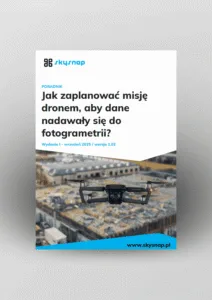
Free E-book
Learn how to prepare a mission step-by-step, avoid raid mistakes and create accurate orthophotos and 3D models. The perfect guide before your first commercial assignments.
Table of Contents:
Podoba Ci się artykuł? Podziel się nim z innymi!
Podoba Ci się artykuł? Podziel się nim z innymi!
Tips, news, insights
Related articles
Check out our articles and get the latest industry news.