Why is drone site inventory the future of the construction industry?
W ostatnich latach drony zyskały na popularności w różnych branżach, a budownictwo nie jest tu wyjątkiem. Wykorzystanie dronów do inwentaryzacji placów budowy staje się coraz bardziej powszechne, przynosząc liczne korzyści. Dzięki nim można z łatwością monitorować postępy prac, zapewnić bezpieczeństwo na miejscu oraz dokładnie planować kolejne etapy projektu. Te latające urządzenia pozwalają na szybki i precyzyjny zbiór danych, co przekłada się na oszczędności czasu i kosztów. W tym artykule przyjrzymy się, dlaczego inwentaryzacja placu budowy dronem jest nie tylko nowoczesnym rozwiązaniem, ale także przyszłością całej branży budowlanej.
Introduction to drone technology
The introduction of drone technology in various areas of the economy is bringing a revolution in the way tasks are carried out. In construction, drones are enabling more precise and efficient management of construction sites.
What is a drone inventory?
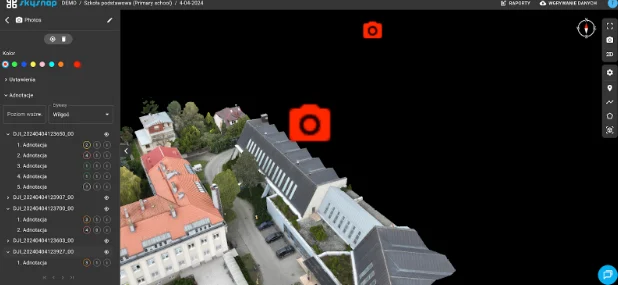
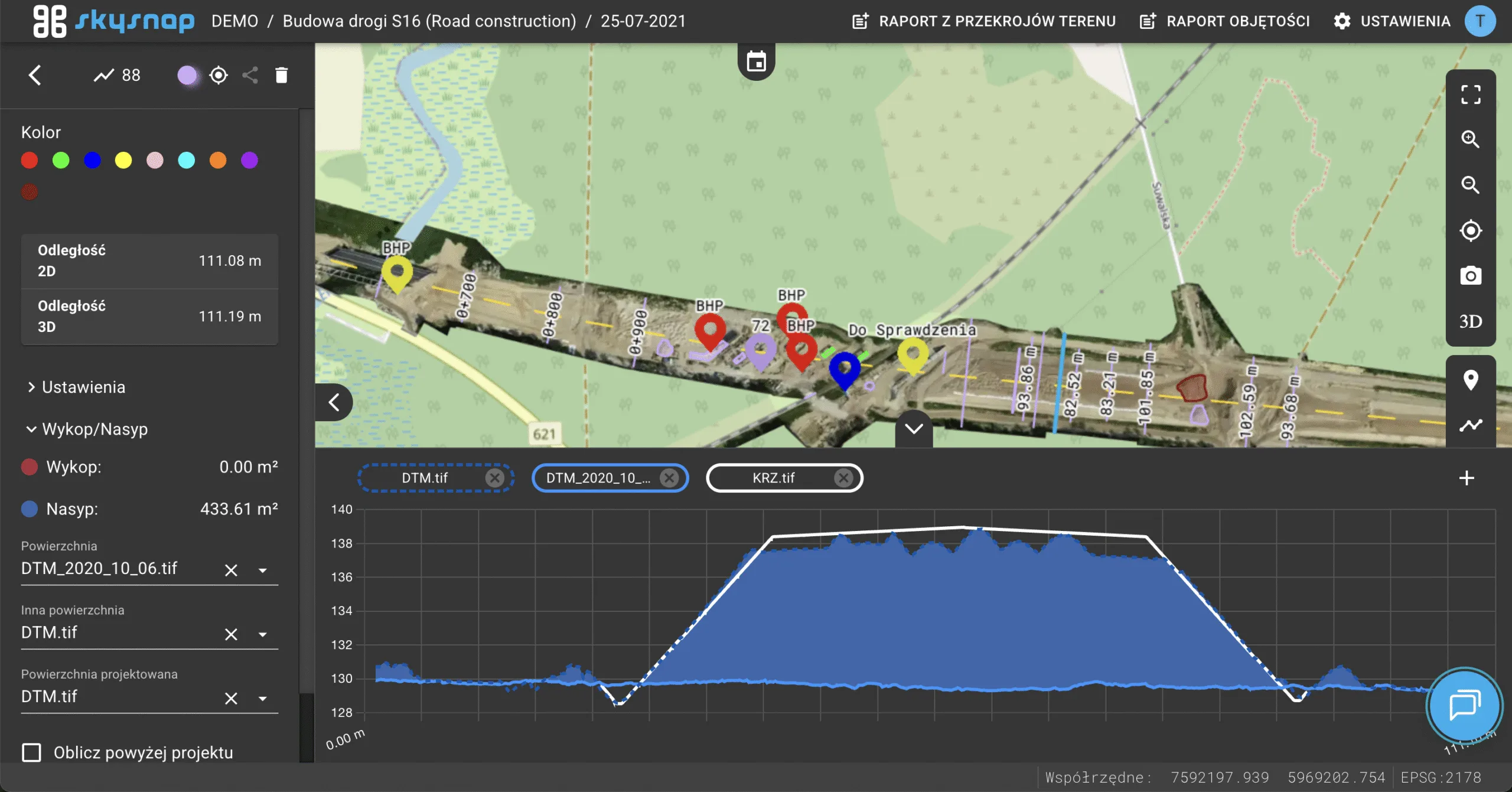
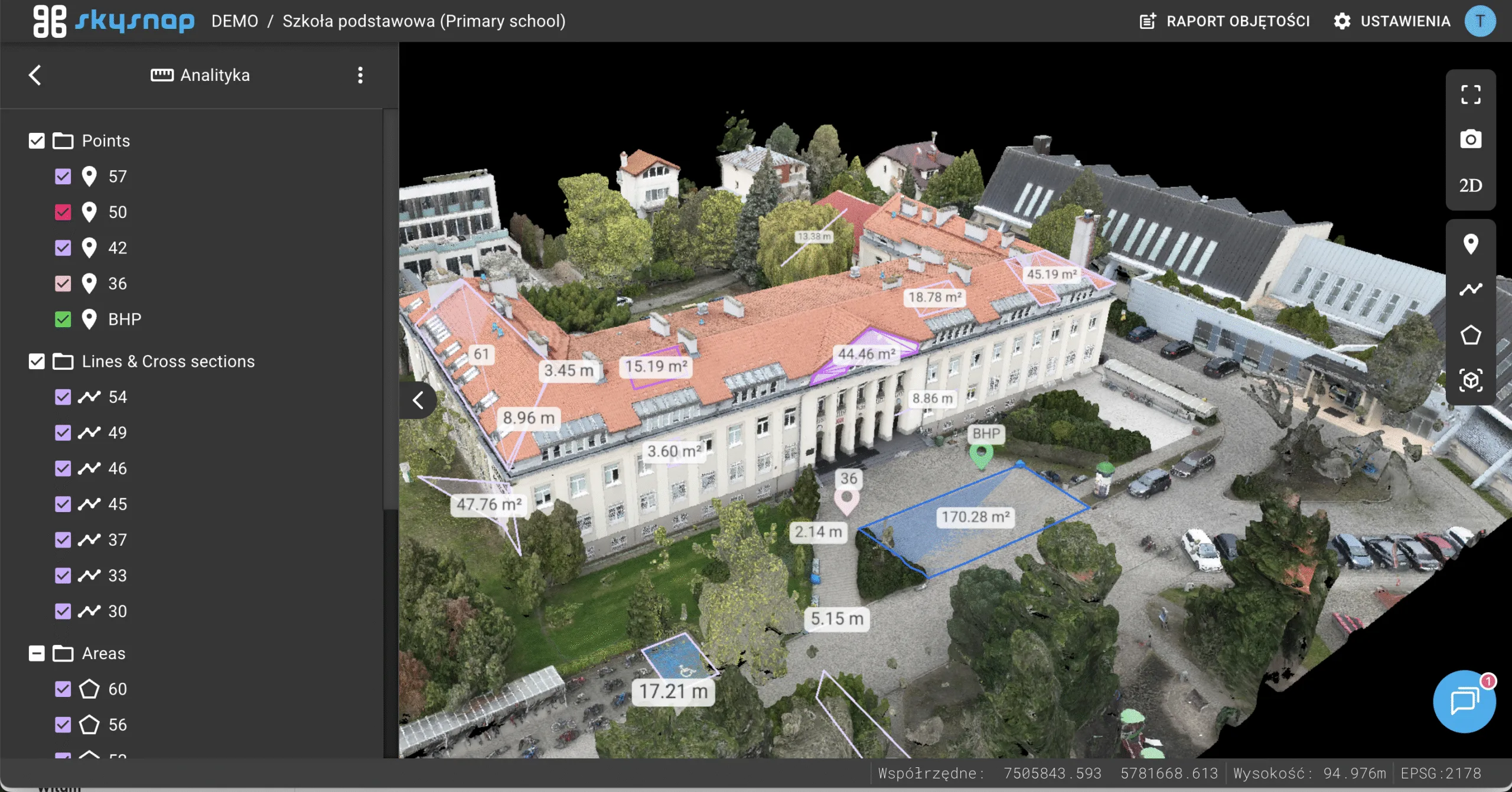
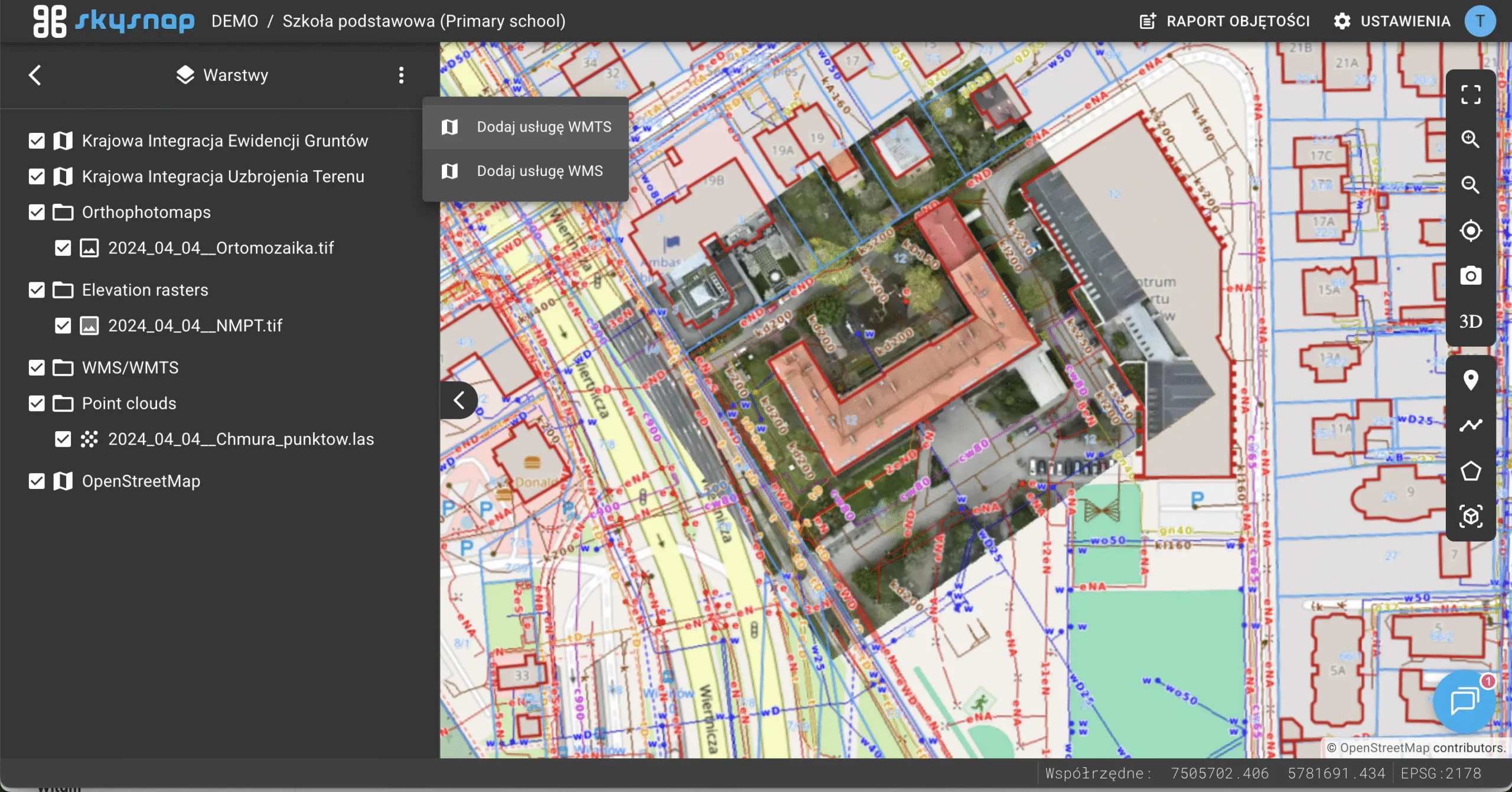
Inwentaryzacja dronem to proces używania dronów do zbierania danych o placu budowy. Drony wyposażone w kamery i sensory latają nad terenem, rejestrując obrazy i inne dane, które następnie są przetwarzane w celu uzyskania trójwymiarowego modelu terenu.
Dzięki temu można monitorować postępy prac i identyfikować potencjalne problemy z dużą dokładnością. Inwentaryzacja dronem pozwala na szybkie uzyskanie szczegółowych informacji bez potrzeby przerywania prac budowlanych.
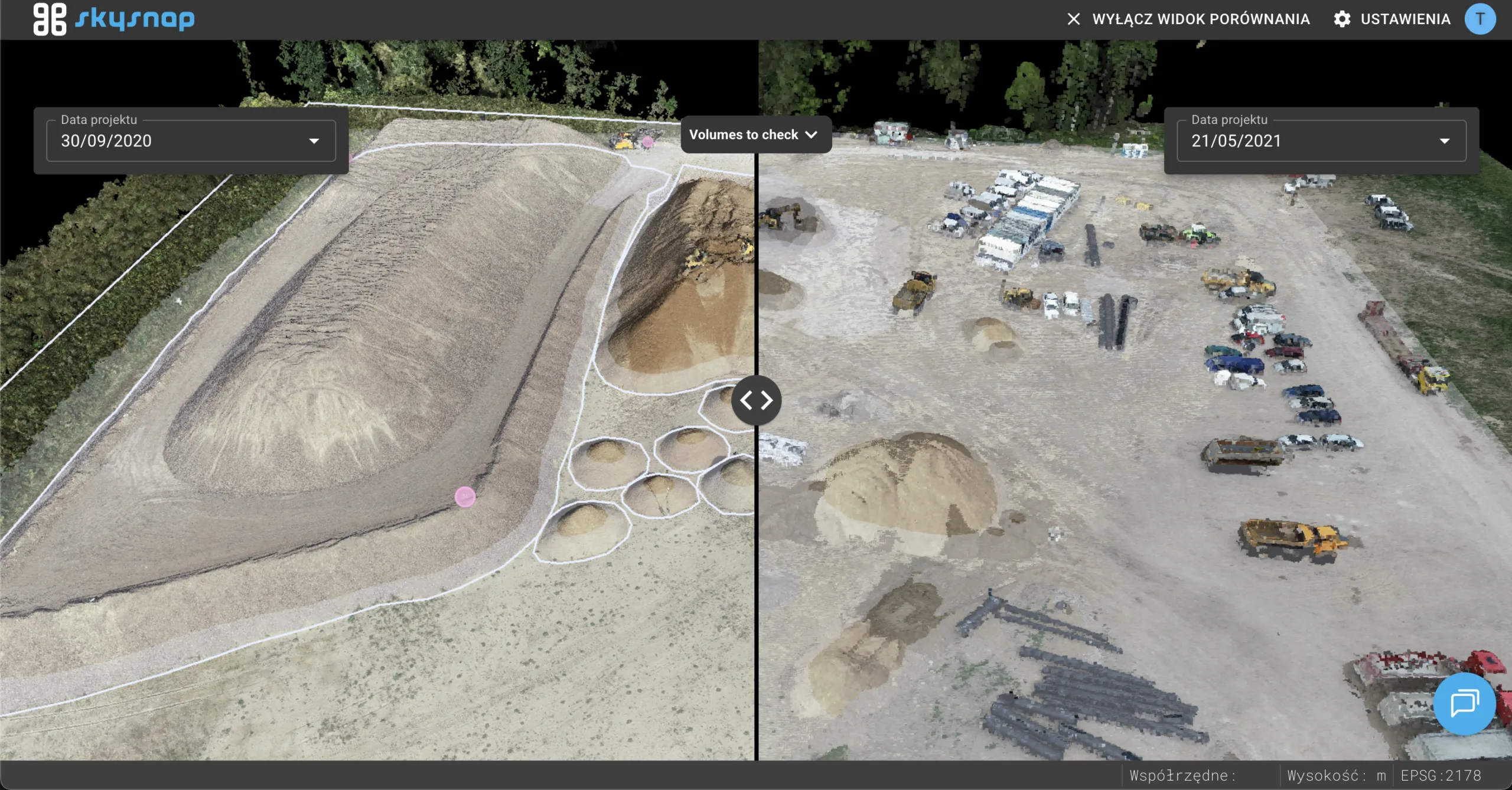
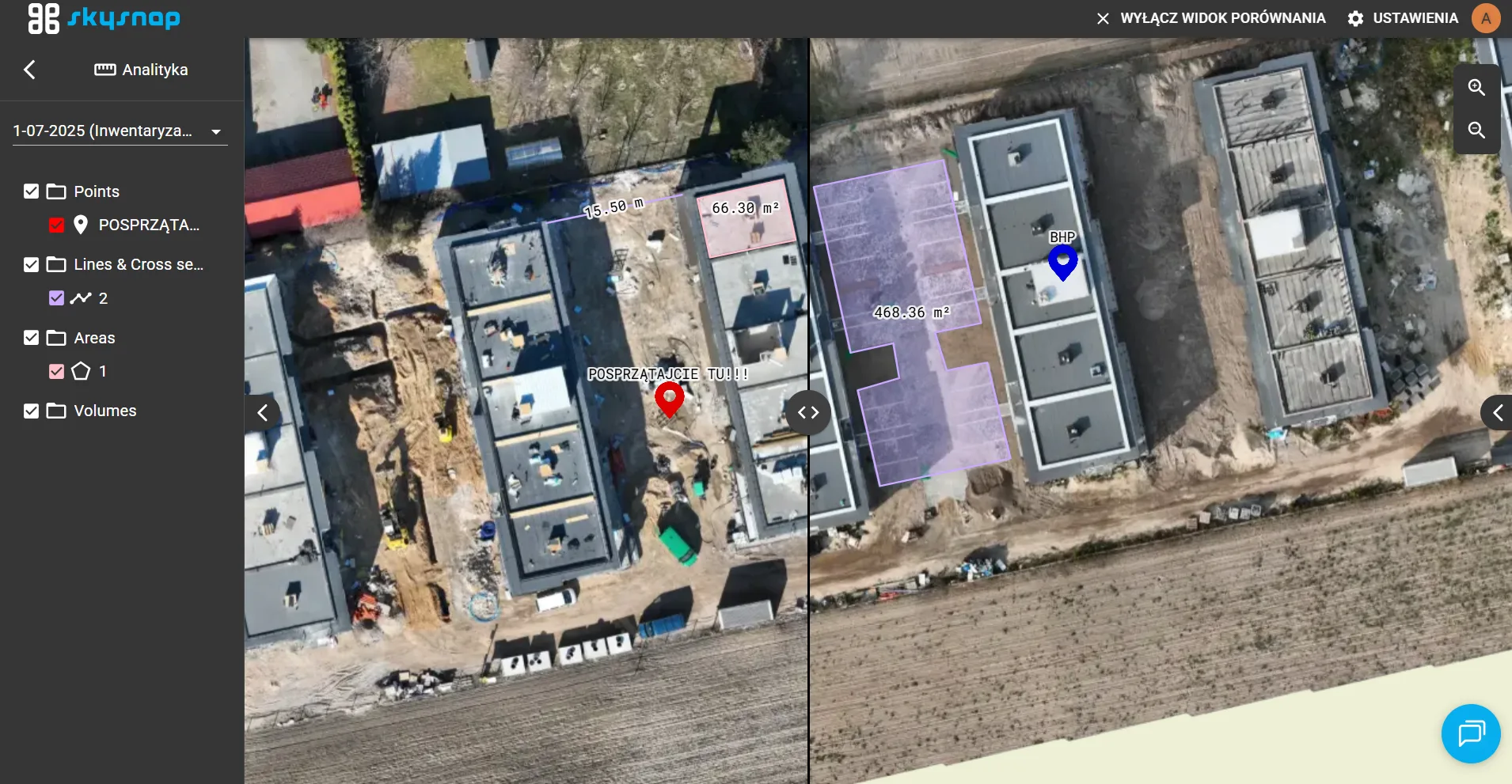
Jednym z kluczowych aspektów jest możliwość porównania aktualnego stanu budowy z planem projektowym, co pozwala na wykrycie ewentualnych odchyleń i ich szybkie korygowanie.
History and development of drone technology
The development of drone technology began in the 1920s, initially for military applications. Over time, thanks to technological advances, drones became available to civilians and began to be used in various sectors.
The use of drones in construction has become possible due to the miniaturization of sensors and the development of advanced data analysis software. These developments have made drones not only more affordable, but also more functional.
In recent years, drones have evolved from simple flying toys into advanced engineering tools capable of performing complex tasks with great precision and efficiency.
Benefits of using drones on construction sites
Drones on construction sites bring many benefits that translate into improved quality and safety of work. Their use allows to optimize processes and increase the efficiency of the entire project.
Increase work efficiency
Drones make it possible to significantly increase the efficiency of work on a construction site. They make it possible to collect data quickly and accurately, which speeds up the decision-making process.
- Speed of data collection: Drones can cover a large area in a short period of time, providing up-to-date information in minutes.
- Precision: Modern drones are equipped with advanced sensors that provide accurate data about terrain and structures.
- Automation: Processes that previously required many employees can now be automated, reducing operating costs.
Improving site safety
Drones significantly improve construction site safety by eliminating the need for humans to perform dangerous tasks.
- Worker safety: Drones are able to conduct inspections in hard-to-reach or dangerous areas, minimizing the risk of accidents.
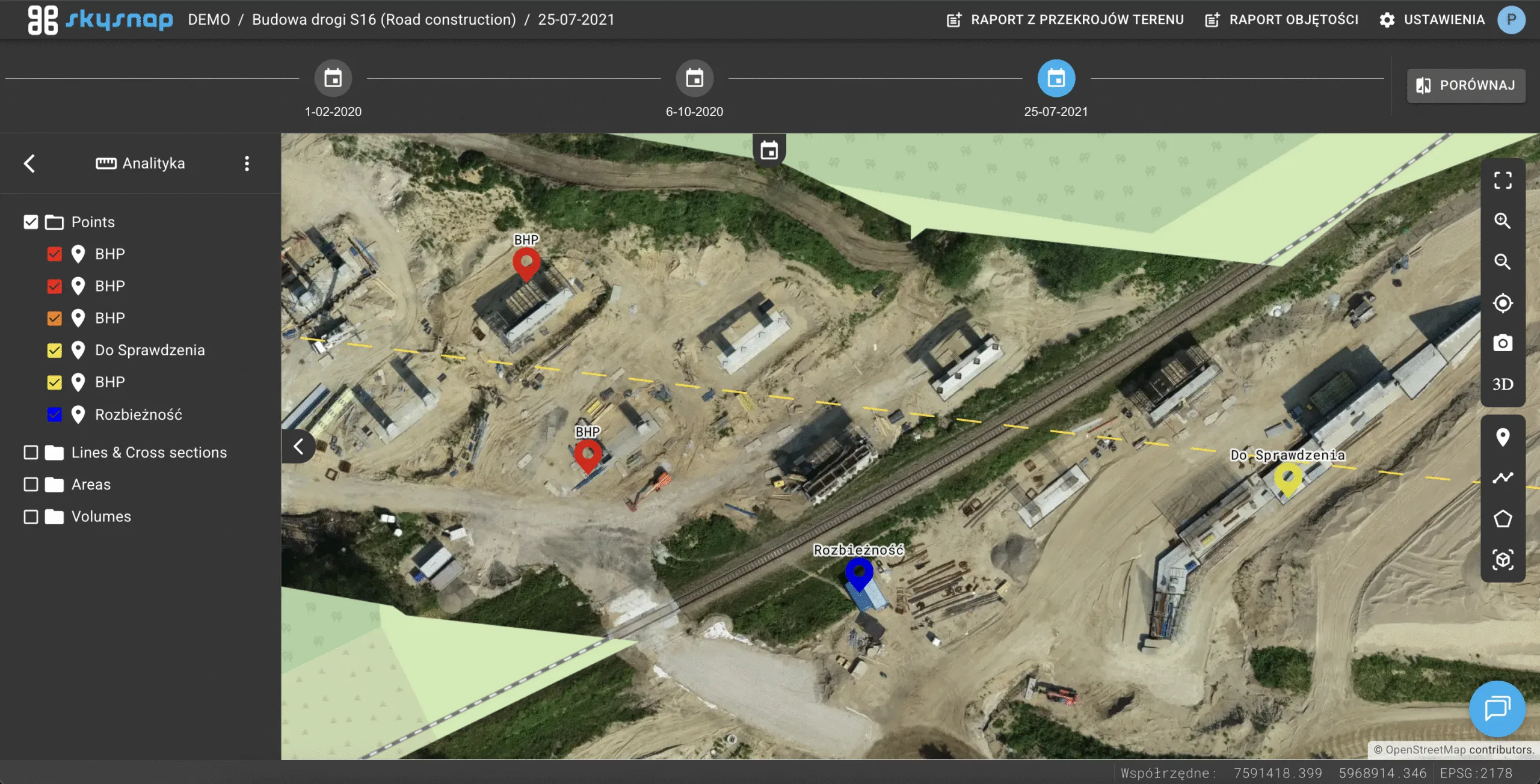
- Remote monitoring: The ability to remotely monitor a construction site allows potential risks to be identified in real time.
- Documentation: With regular walkthroughs and visual documentation, you can easily track the progress of the work and make sure safety standards are being met.
Technical aspects of drone inventories
Wykorzystanie dronów do inwentaryzacji wymaga zrozumienia pewnych technicznych aspektów, takich jak wybór odpowiednich dronów i oprogramowania do analizy zebranych danych.
Types of drones and their applications
There are many types of drones, each with its own specific use on a construction site. Choosing the right model depends on the tasks to be performed.
- Multi-rotor drones: Ideal for short flights over a small area, often used for inspecting buildings and bridges.
- Wing drones: Designed for longer flights, they are great for mapping large areas.
- Hybrid drones: They combine the features of both of the above, offering versatility and long-lasting flight.
Data analysis software
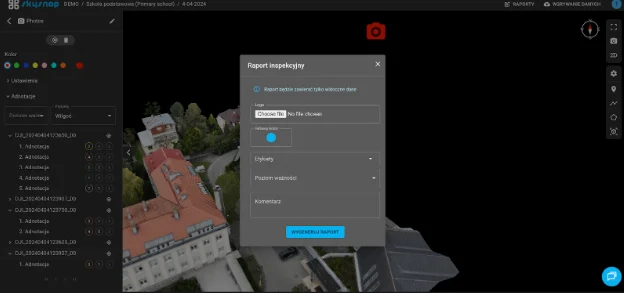
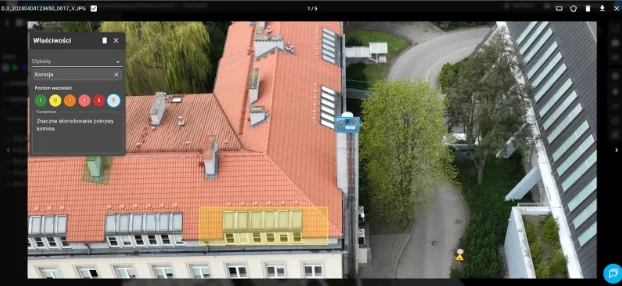
Kluczowym elementem inwentaryzacji dronem jest oprogramowanie do analizy danych, które przekształca zebrane informacje w użyteczne modele i raporty.
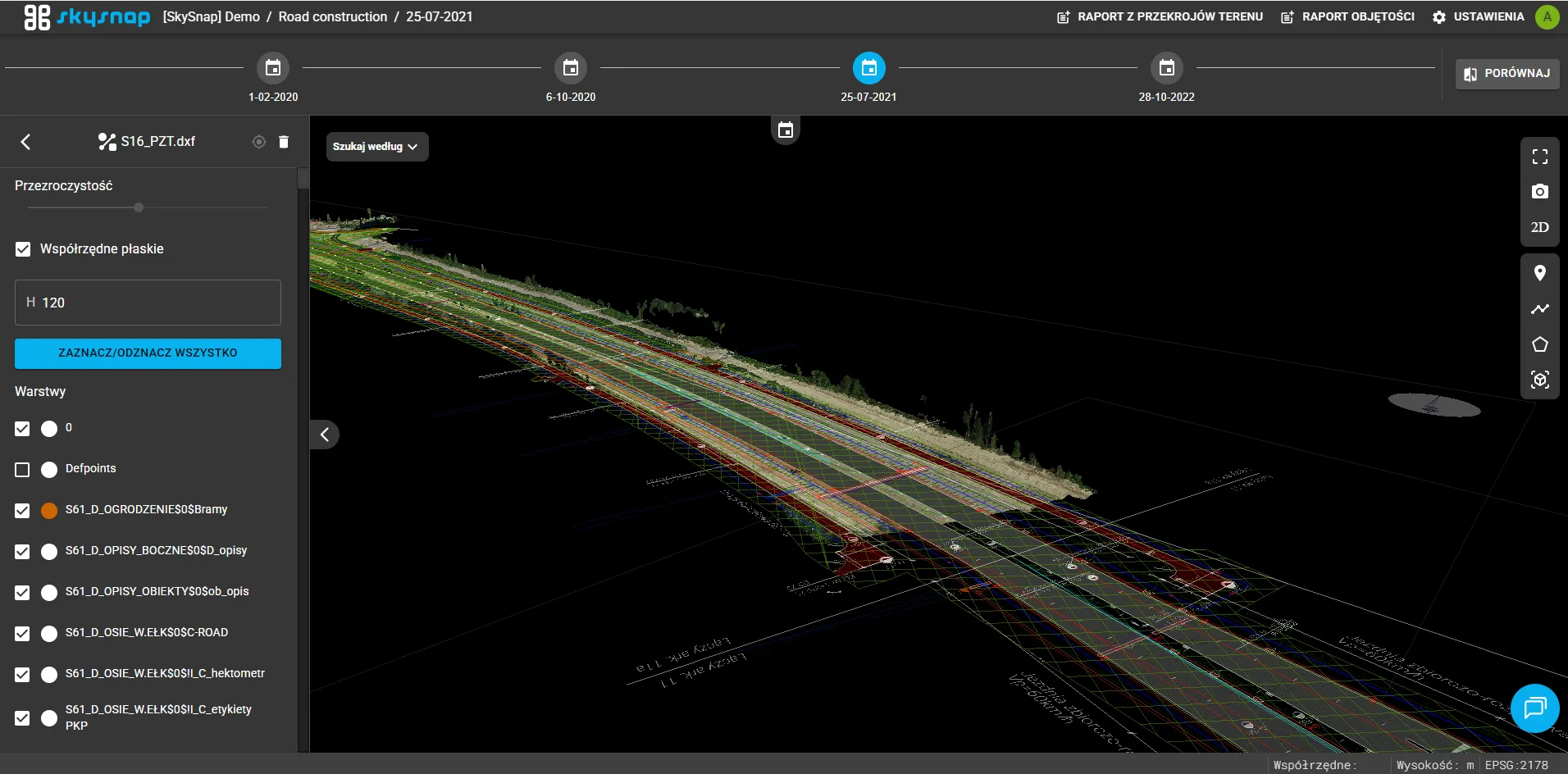
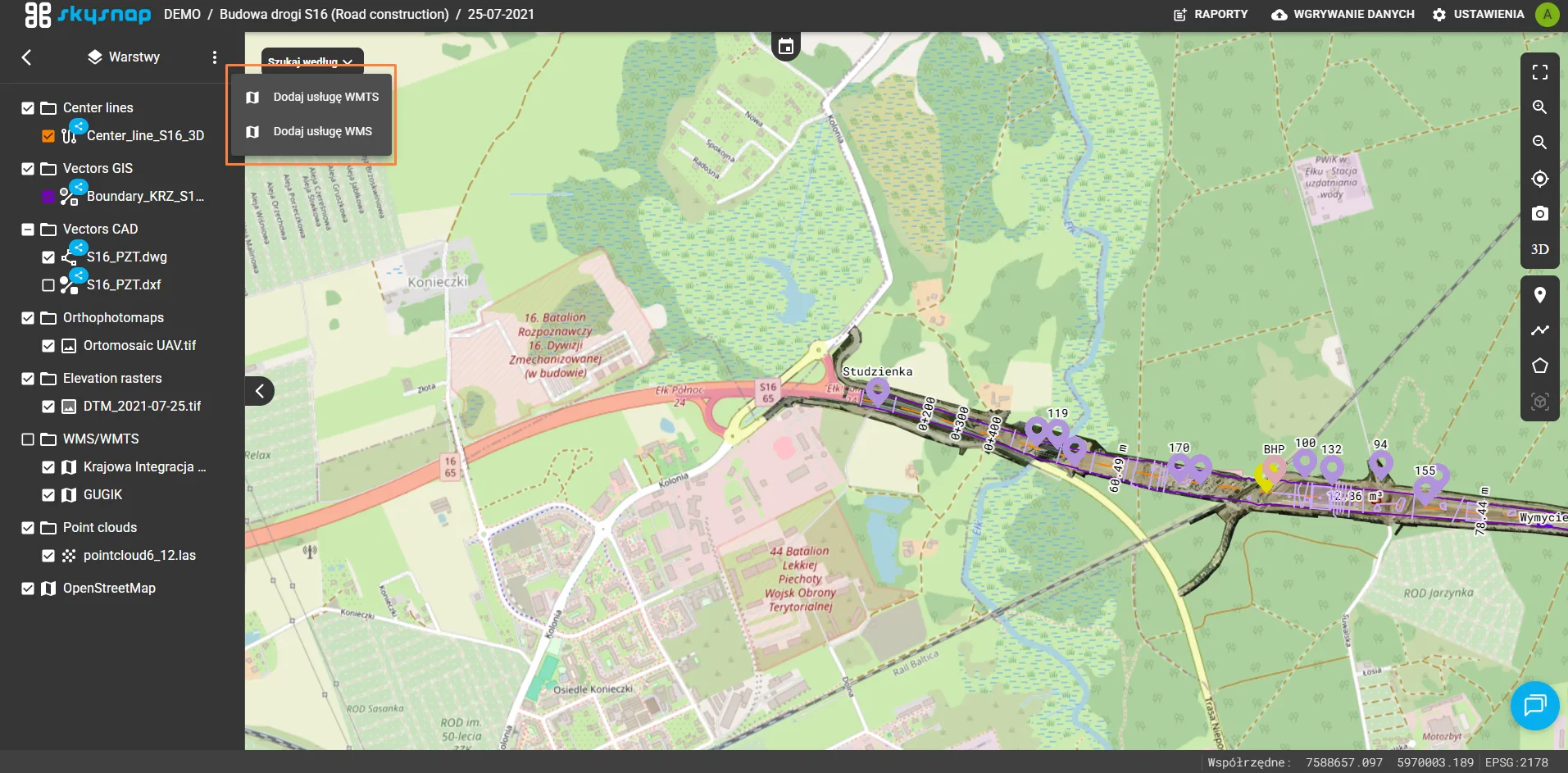
- Modelowanie 3D: Oprogramowanie takie jak Pix4D lub DroneDeploy pozwala na tworzenie trójwymiarowych modeli terenu.
- Analiza danych: Narzędzia te umożliwiają analizę danych geodezyjnych, co jest nieocenione w planowaniu i zarządzaniu projektami budowlanymi.
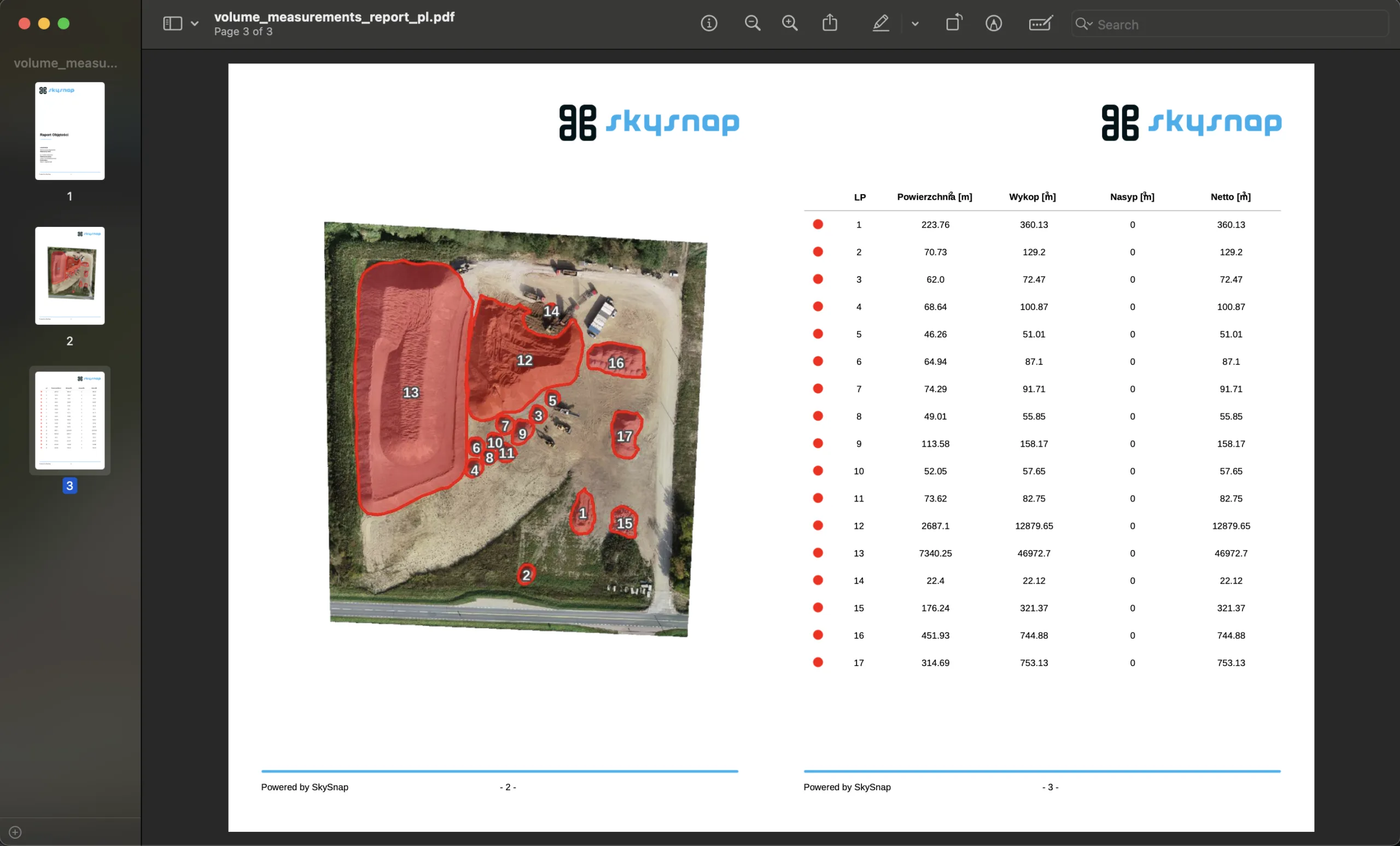
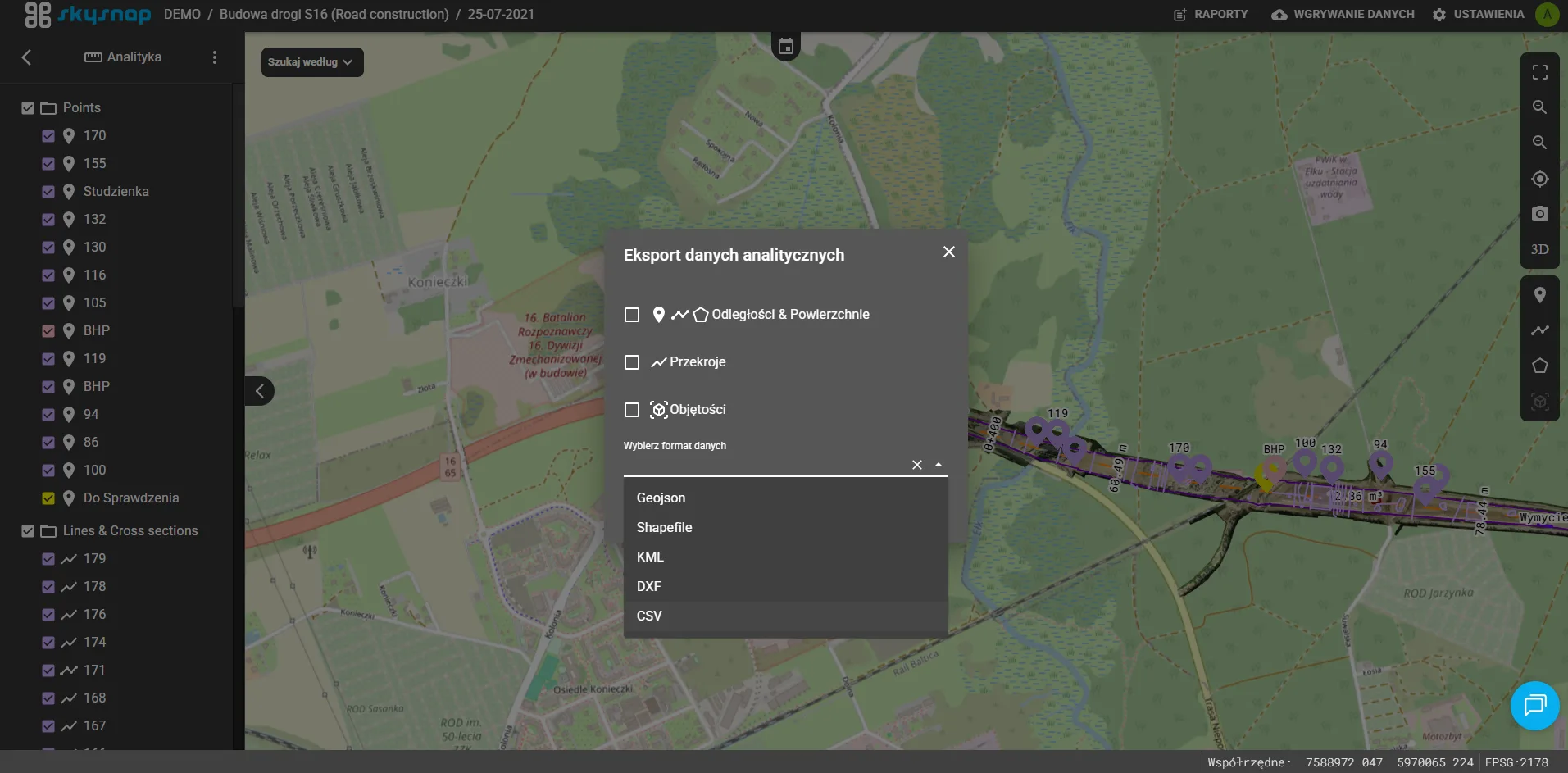
- Raportowanie: Automatyzacja generowania raportów pozwala na szybkie dzielenie się wynikami z zespołem projektowym.
The future of drones in construction
The future of drones in construction is bright, with continued innovation and evolving capabilities that are changing the way projects are managed.
Innovation and new opportunities
Drone technology continues to evolve, bringing new features and capabilities that can significantly impact the efficiency of construction projects.
- Autonomous drones: Drones may soon become fully autonomous, with the ability to plan and execute missions on their own.
- Integration with AI: Artificial intelligence can analyze collected data, predicting potential problems and optimizing construction processes.
- New sensors: Developments in sensor technology will enable even more precise data collection, which will translate into better planning and execution of projects.
Legal guidelines and regulations
The use of drones involves compliance with regulations designed to ensure safety and privacy.
- Aviation regulations: Drones must be operated in accordance with the guidelines of local aviation control authorities, such as the ULC in Poland.
- Data protection: Operators must take care to protect the data they collect by complying with RODO regulations.
- Operator training: Proper licensing and training is required for drone operators to ensure safe and effective use.
Exceptional cases of drone use
Drones have found their use in many unique cases that inspire and demonstrate their potential in the construction industry.
Inspiring examples from the industry
Many construction companies around the world are already using drones to improve their processes, with tangible benefits.
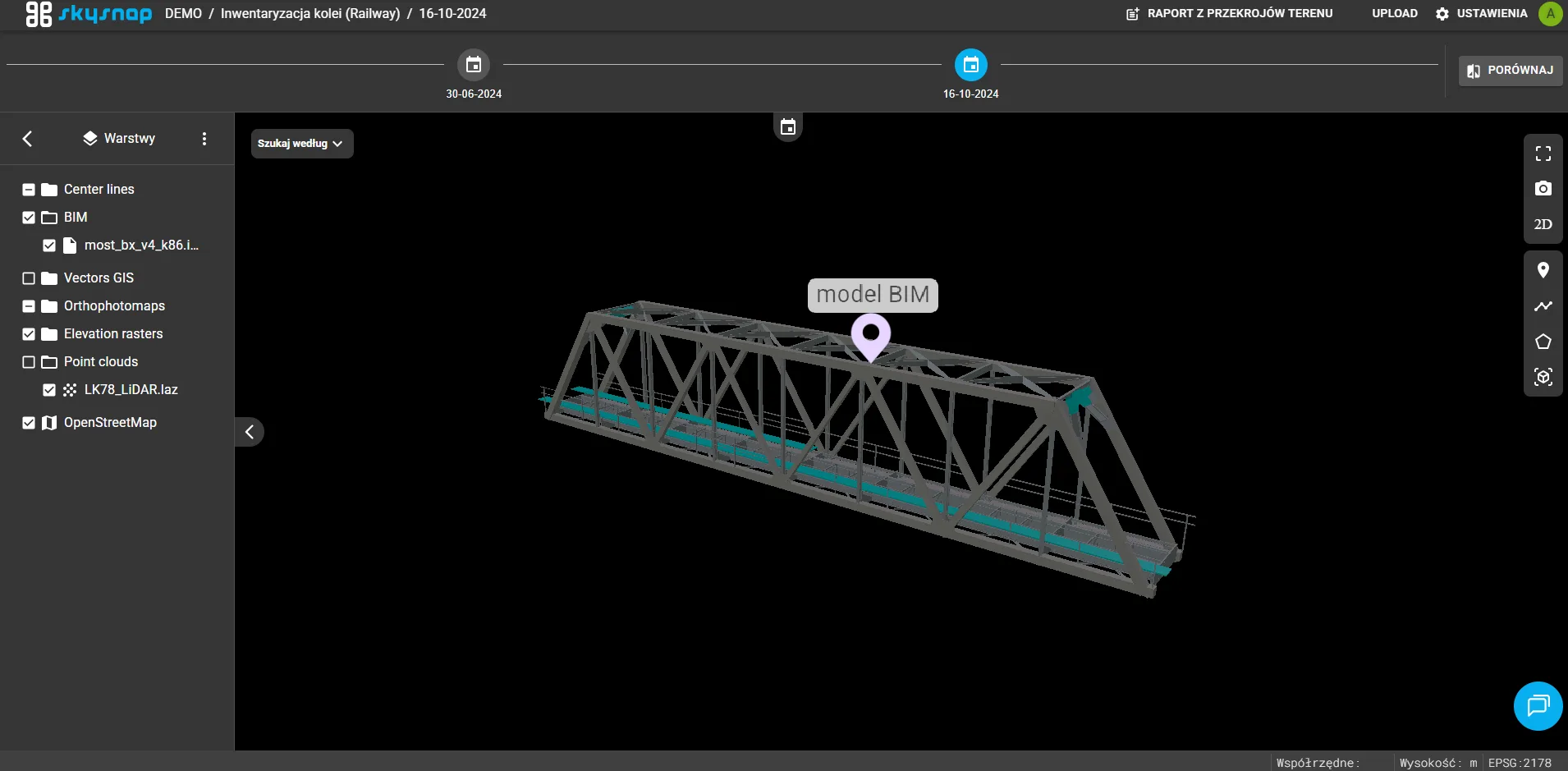
- Bridge construction: Drones are being used to inspect and monitor bridge structures, allowing faster detection of damage.
- Building Renovation: Accelerate the process of assessing the condition of buildings before renovation by providing detailed data on their current condition.
- Construction monitoring: regular drone overflights provide up-to-date information on the progress of work, making it easier to manage projects.
Conclusions and future prospects
Drones have firmly established themselves in the construction industry, offering many benefits and opportunities. Their development and integration with new technologies make them the future of construction.
- Efficiency: Drones significantly increase work efficiency, resulting in time and cost savings.
- Safety: Improve worker safety by eliminating many dangerous tasks.
- Innovation: With continued innovation, drones will play an increasingly important role in construction project management.
The future of drones in construction is promising, and their use will only expand.

Free E-book
Learn how to prepare a mission step-by-step, avoid raid mistakes and create accurate orthophotos and 3D models. The perfect guide before your first commercial assignments.
Table of Contents:
Podoba Ci się artykuł? Podziel się nim z innymi!
Podoba Ci się artykuł? Podziel się nim z innymi!
Tips, news, insights
Related articles
Check out our articles and get the latest industry news.