What is BIM and what is its significance for the construction industry?
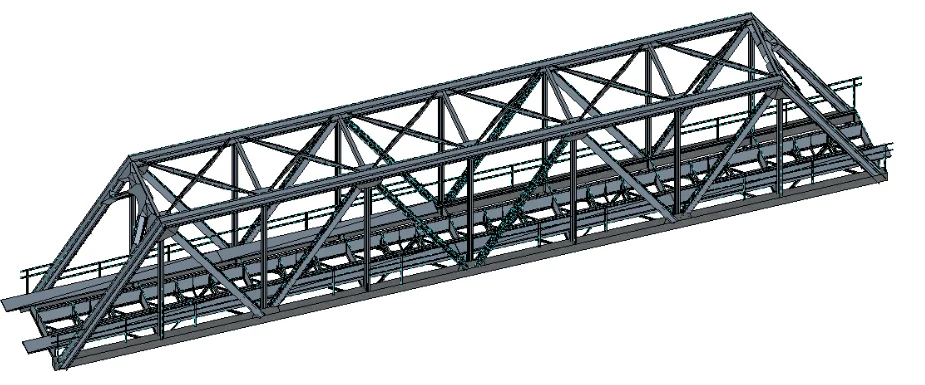
BIM (Building Information Modeling), or building information modeling, is a modern method of managing information in the investment process. Unlike traditional 2D documentation, BIM is based on an intelligent 3D model, which includes not only the geometry of the building, but also technical, material, cost and schedule data.
In practice, this means that BIM acts as a common source of information for all participants in the construction process, such as designers, contractors, investors and facility managers. Every change made to the model is automatically updated, which significantly reduces the risk of errors, design collisions and misunderstandings resulting from working on outdated documentation.
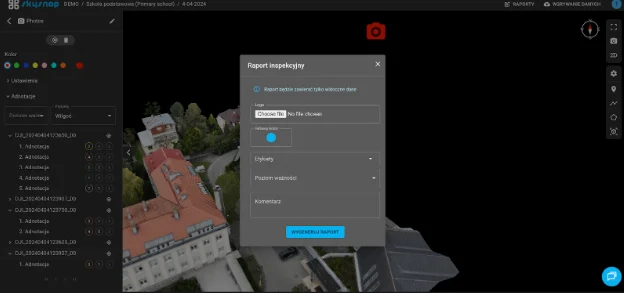
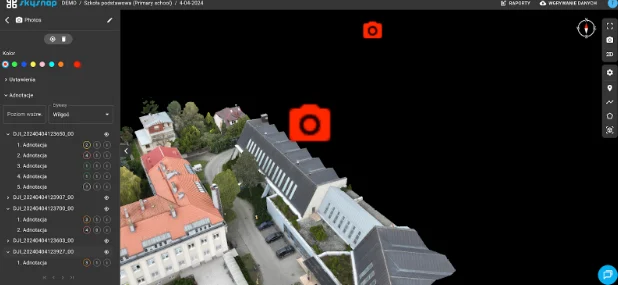
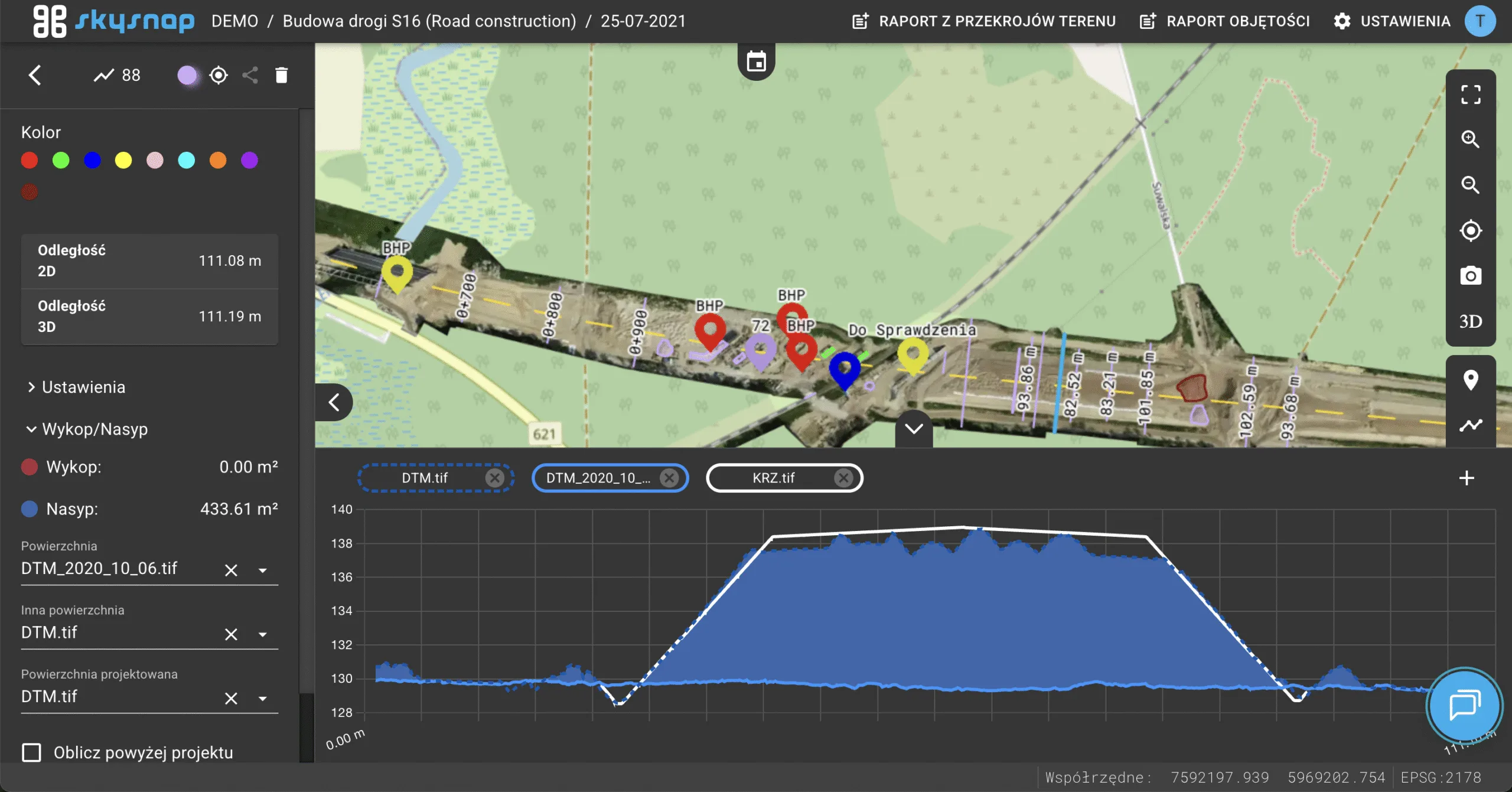
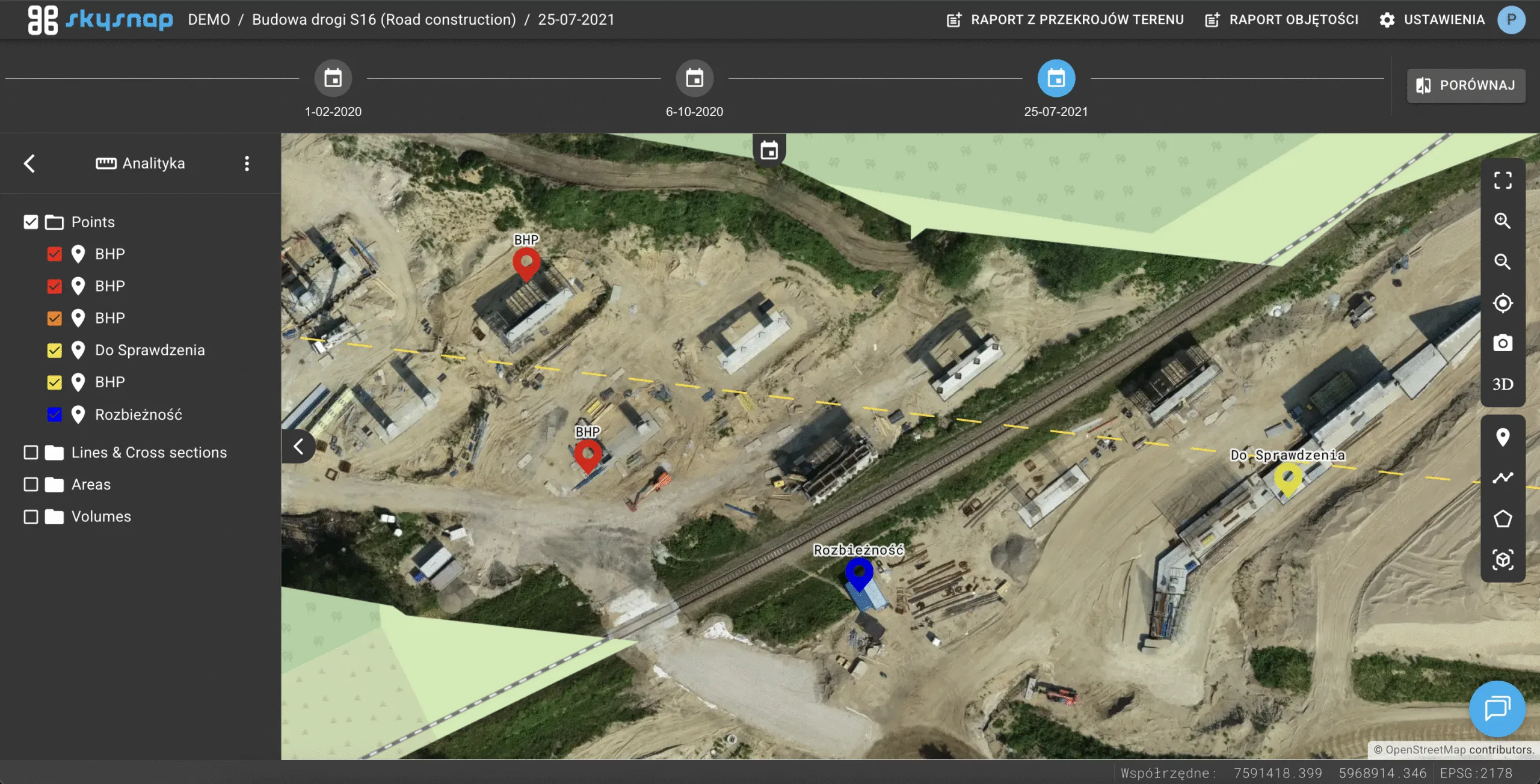
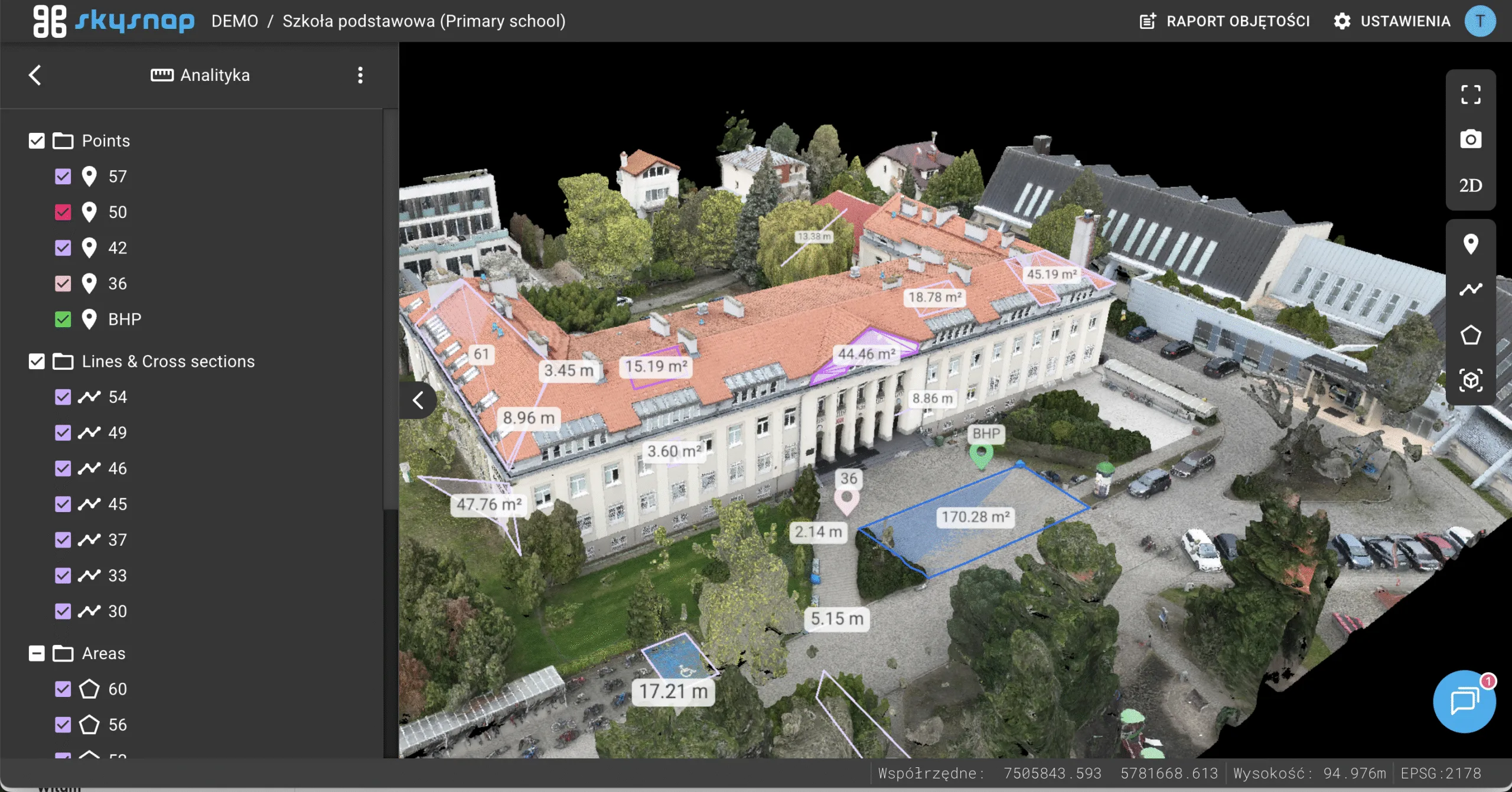
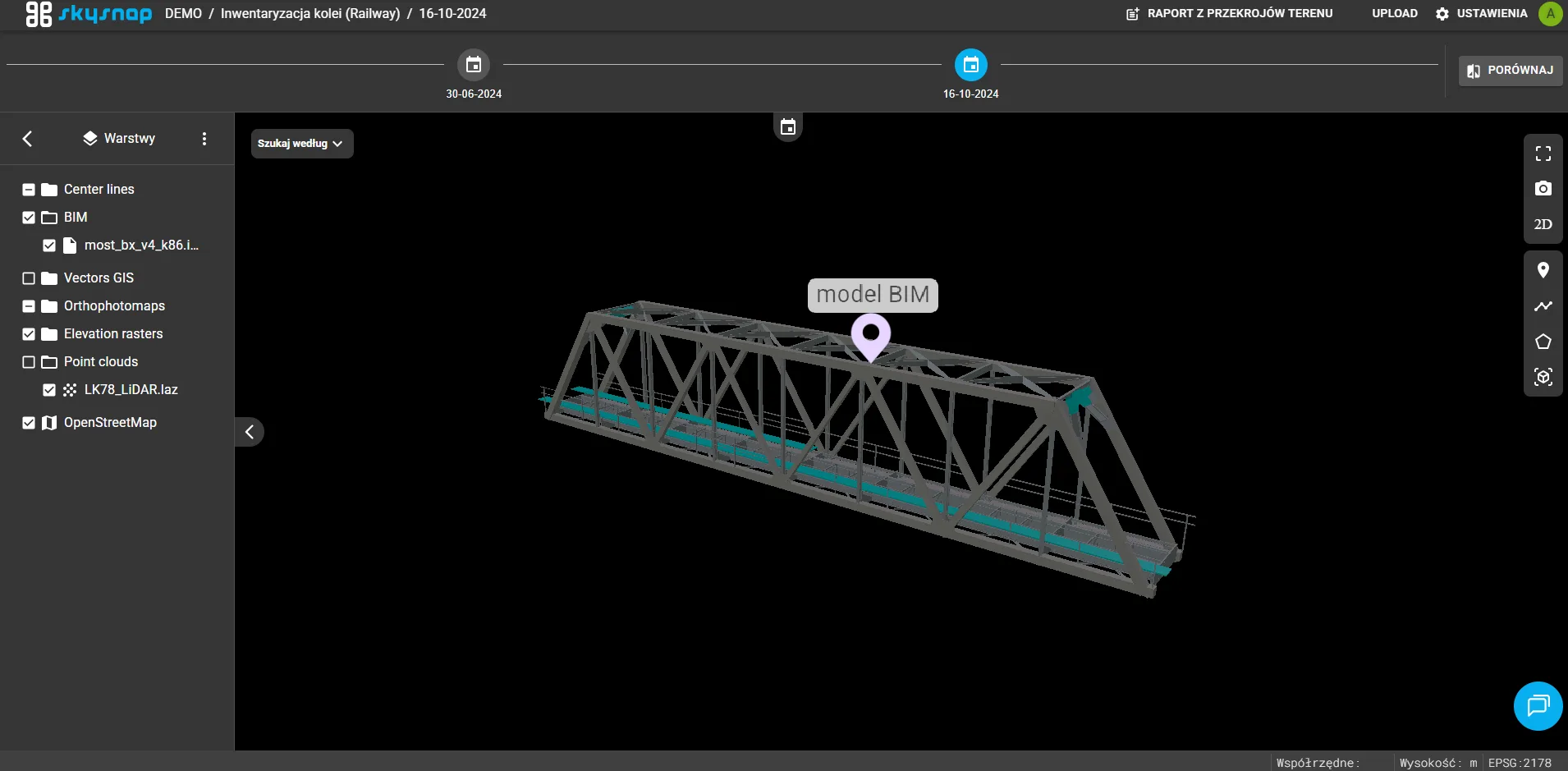
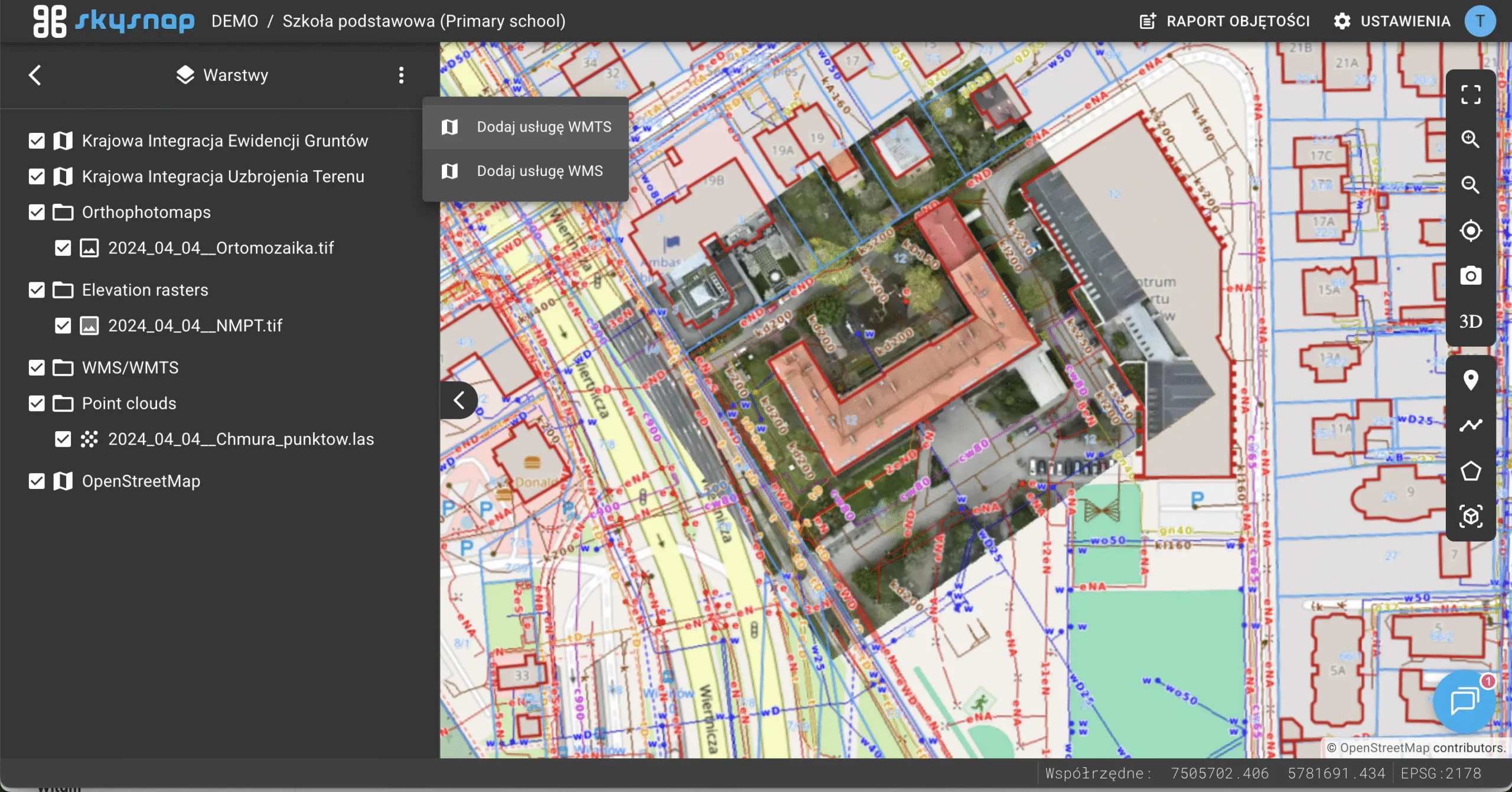
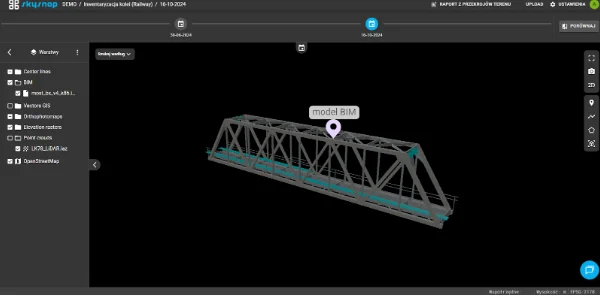
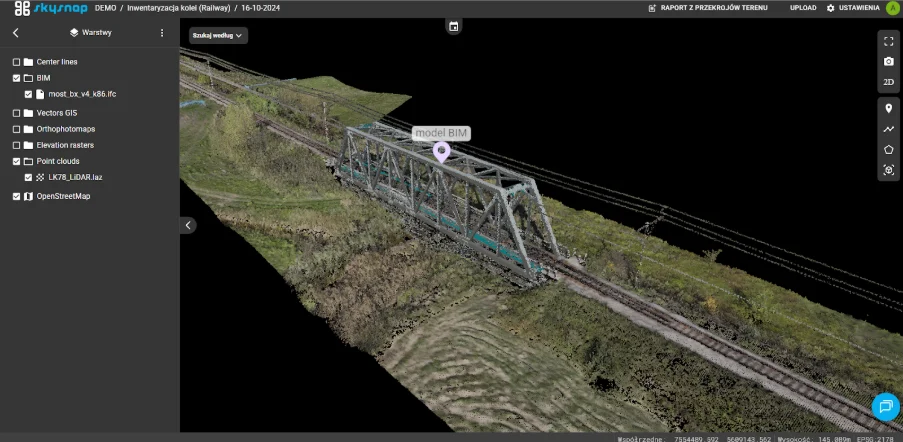
BIM technology is gaining particular importance in the context of the digitization of construction. More and more companies are using it not only at the design stage, but also directly on site, integrating the model with field data and measurements from drones. An example is the SkySnap Portal, which allows BIM models to be viewed in IFC* format, combined with up-to-date orthophotos, point clouds, photo documentation and surveying measurements – in a single digital environment accessible online from a web browser.
*IFC (Industry Foundation Classes) – the most important and widely used file format of the openBIM ecosystem; a key component of this environment.
The use of BIM on construction sites – what does it look like in practice?
BIM at the design stage
At the design stage, BIM makes it possible to coordinate architecture, construction and installation simultaneously within a single coherent model. This approach allows early detection of clashes between the various trades, which in the traditional design process often only become apparent during the execution of construction work.
From a construction practice perspective, this means fewer design errors and better quality documentation, among other things. Importantly, modern platforms – such as SkySnap – also make it possible for people who do not work in advanced engineering tools on a daily basis to access BIM models. With IFC’s browser-based functionality, designers and builders can jointly analyze models, comment on elements and better manage documentation. All this without having to install specialized software.
BIM in the course of development
On the construction site today, the BIM model serves as a digital reference point – not only for the design office, but also for construction managers, engineers and contractors. Increasingly, solutions are being used to juxtapose the model with the actual state of the works, using data from drone photogrammetry or scanning.
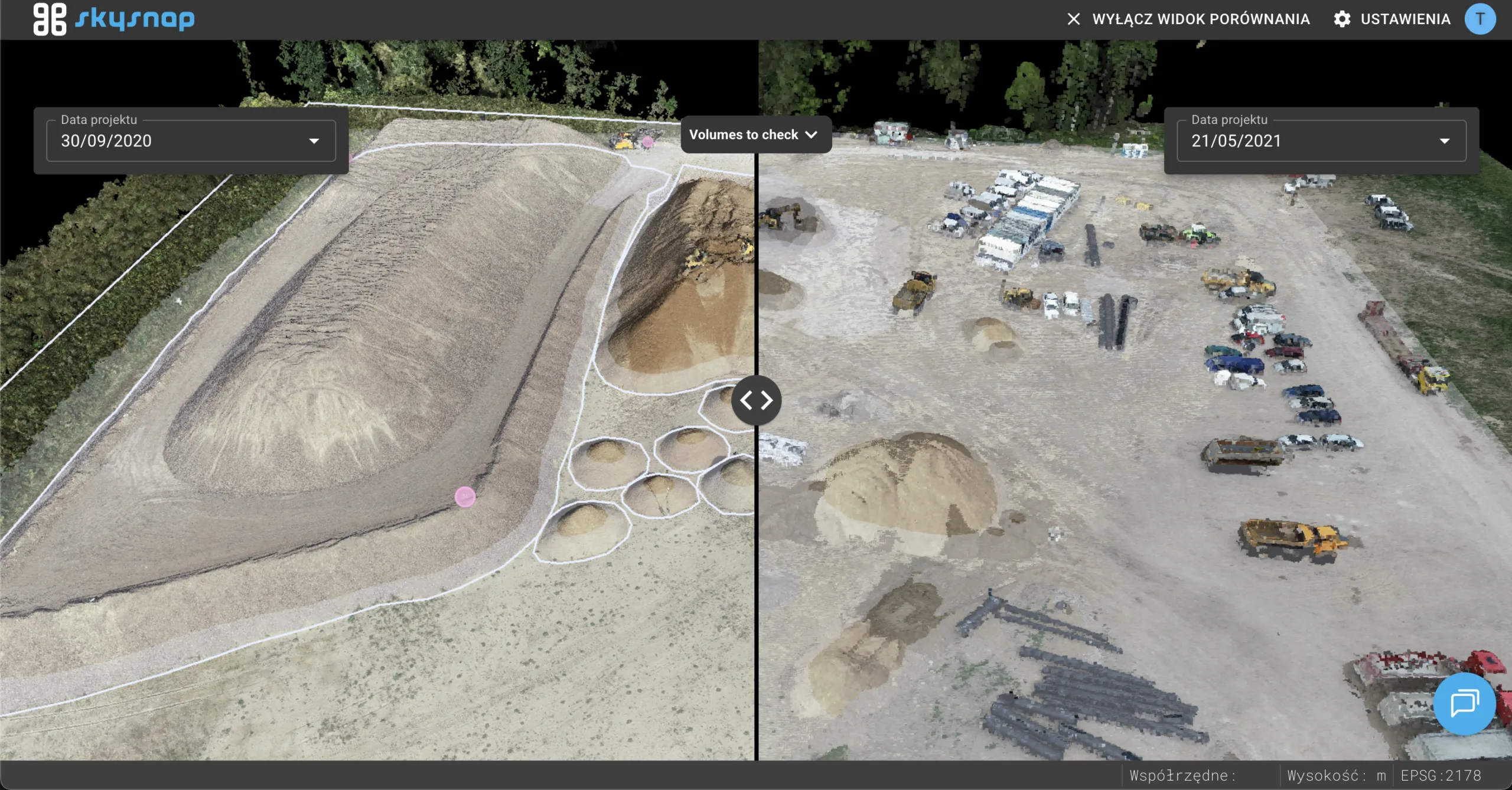
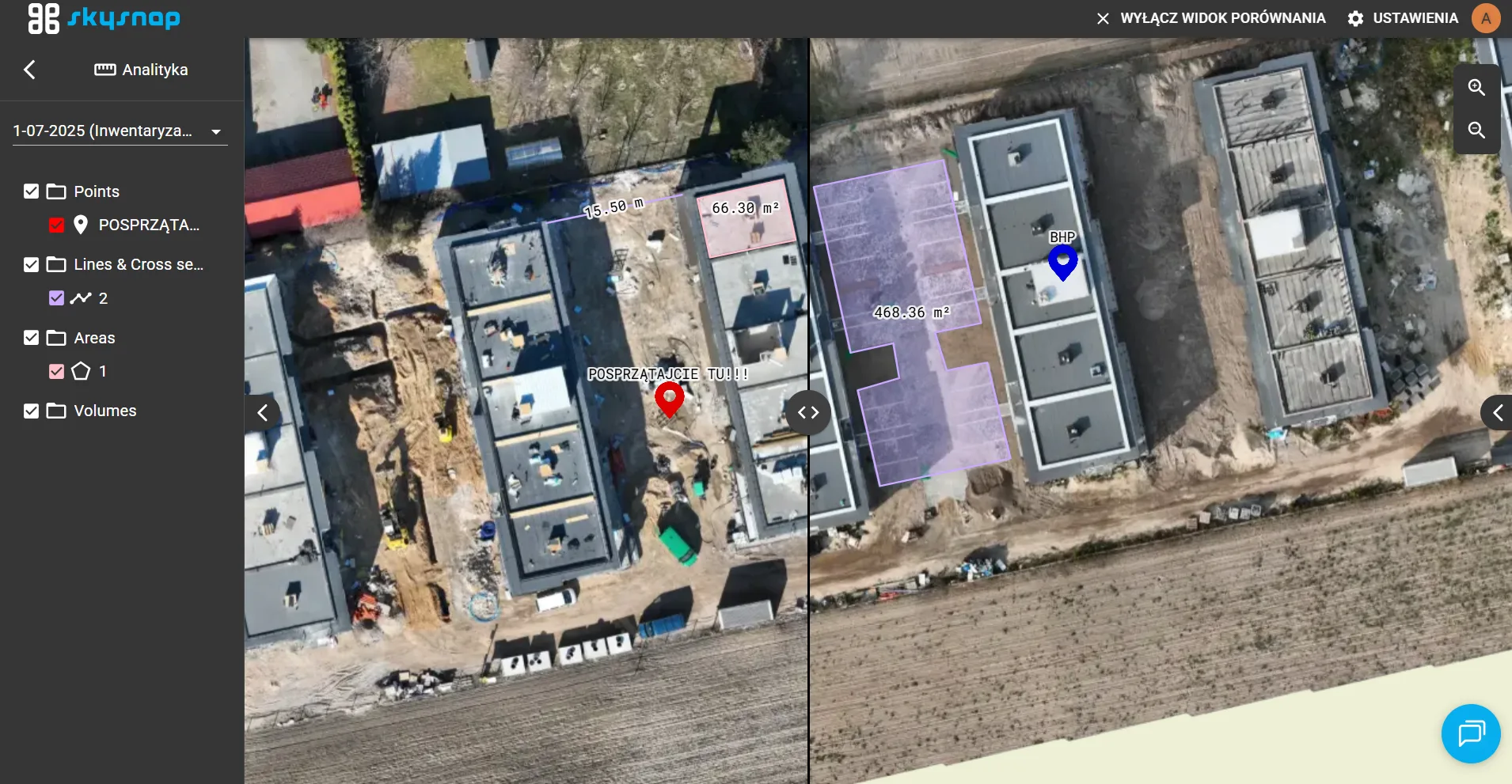
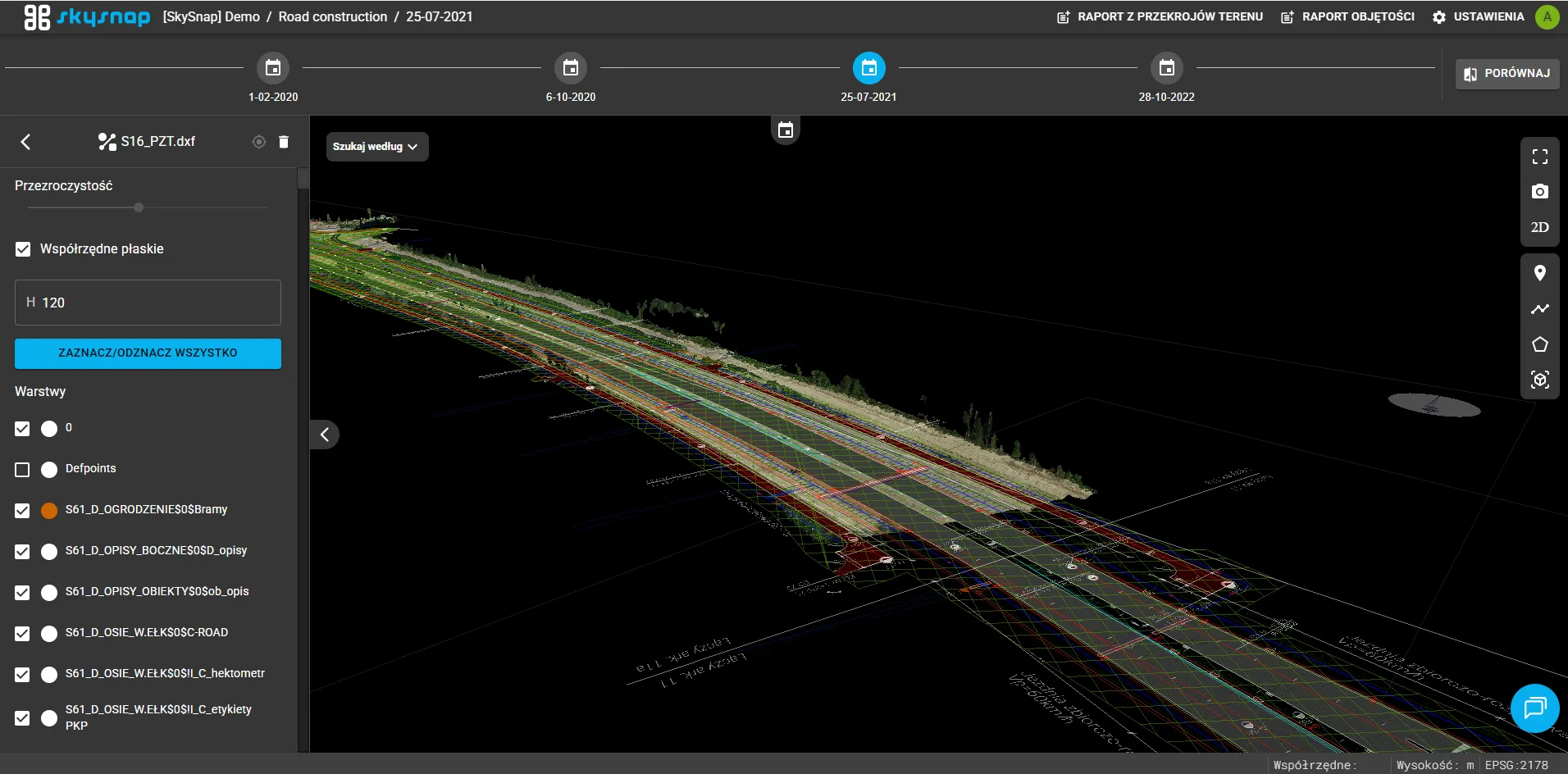
SkySnap enables just such juxtapositions. Users can overlay BIM models on top of actual point clouds, comparing the designed object with the actual state, for example, based on drone images taken periodically during construction. What’s more, advanced AI algorithms analyze this data and automatically detect key elements, (such as structural elements, heaps or earthwork scopes), making it easier to inspect and faster to verify that workmanship matches the model.
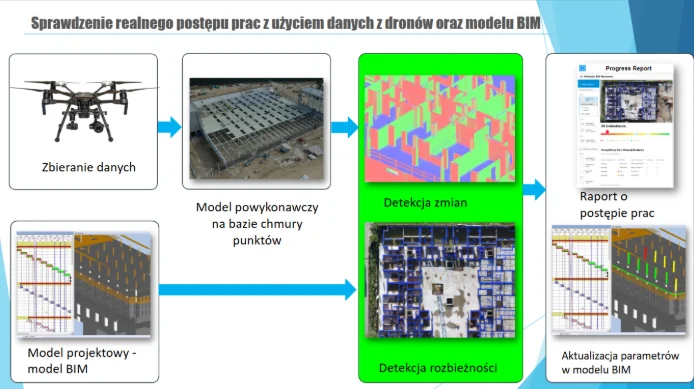
With such tools, BIM becomes a real support in the ongoing execution of work, not just a reference document “in theory.” It is also a step towards building a fully digital construction site, supported by automation and artificial intelligence.
BIM model after construction
With the completion of the work, the BIM model does not lose its importance – on the contrary, it becomes the starting point for effective facility management. The data contained in the model makes it possible to plan maintenance, optimize maintenance costs or perform operational analyses.
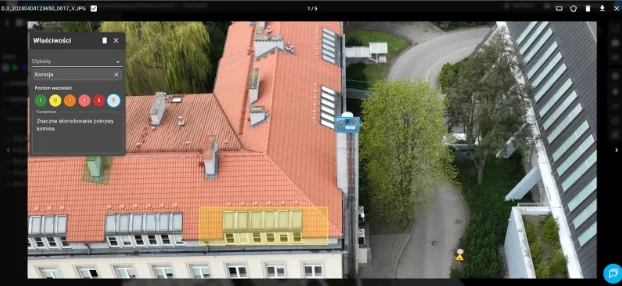
If the model was supplemented with field data during construction – as is the case in projects using SkySnap – it is also possible to accurately represent the actual construction of the facility, which significantly increases the value of as-built documentation. Automated AI detection can be used here, for example, to identify items that need inspection or for ongoing monitoring of infrastructure.
BIM integration with drone data
In SkySnap, IFC file handling is done directly in the browser. Simply load the model and you can view it, analyze object properties, comment on individual elements, or compile it with field data. It’s a solution available to BIM specialists as well as technical people on the contractor or developer side.
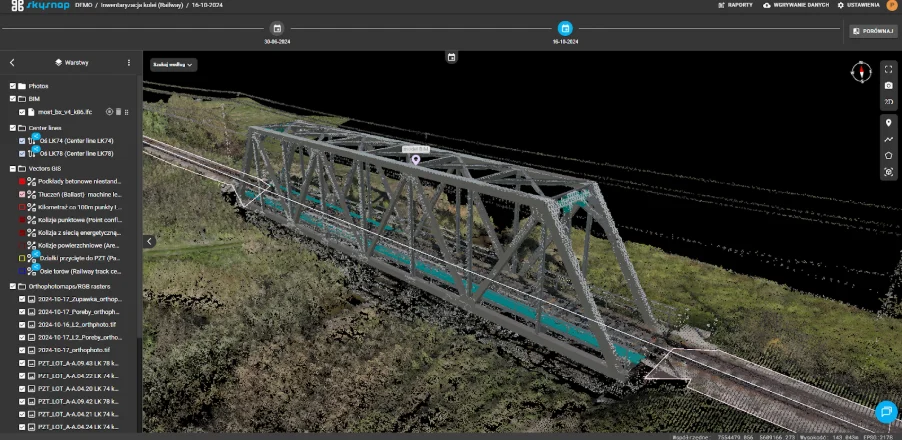
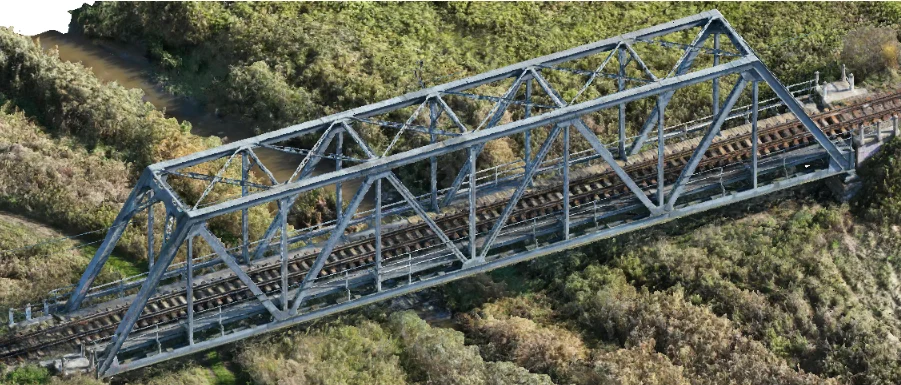
What sets SkySnap apart from other tools is its ability to integrate BIM models with real data from the construction site: orthophotos, surveying measurements and drone photo documentation. This makes it possible to monitor investments from the air, precisely control the progress of works and quickly detect discrepancies between design and execution.
In addition, the AI-based system makes it possible to automatically classify detected objects and analyze changes over time – for example, detecting differences in object geometry between consecutive weeks of construction. This is a huge convenience for teams responsible for supervision, as-built documentation and reporting to the investor.
Summary
BIM technology supports construction processes at every stage: from design to construction to facility management. It enables better interdiscipline coordination, reduces errors, and allows for ongoing control of schedules and costs.
The SkySnap platform extends the capabilities of working with BIM by integrating IFC models with actual data from the construction site (drone images, orthophotos, surveying). This allows users to compare the project with reality and react faster to discrepancies.
Additional support is provided by the use of artificial intelligence algorithms that automatically detect objects and changes on site, supporting the analysis of construction progress and updating the BIM model. As a result, SkySnap facilitates the daily work of technical teams and allows them to use the potential of digital tools on site more effectively.
See for yourself how geospatial data can improve your investment.
You can do it completely free of charge. You are invited to test the SkySnap Portal. Create an account and upload your own data: orthophotos, point clouds and BIM models in IFC format to see what a digital construction site looks like in practice.
You may also be interested in:
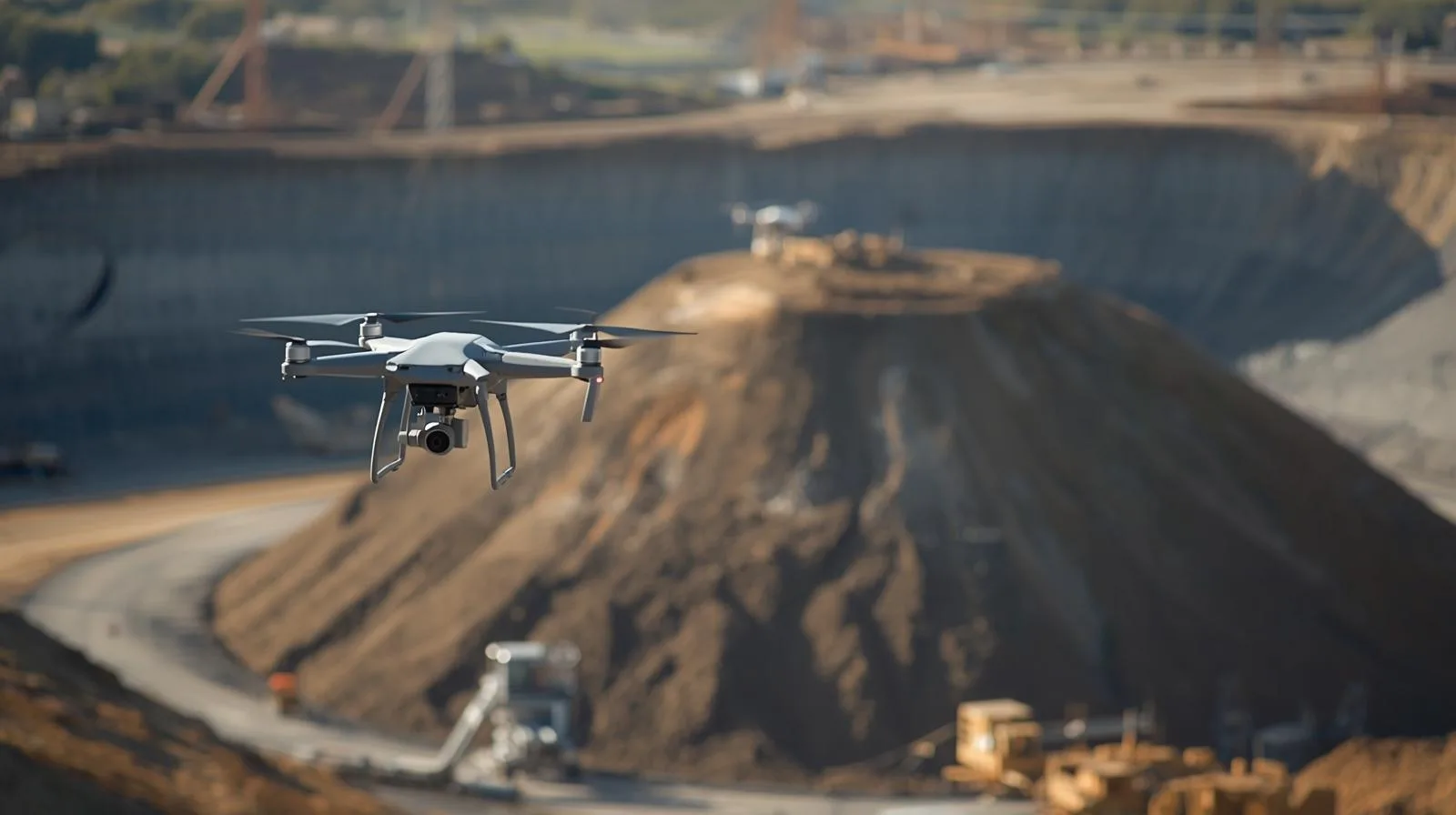
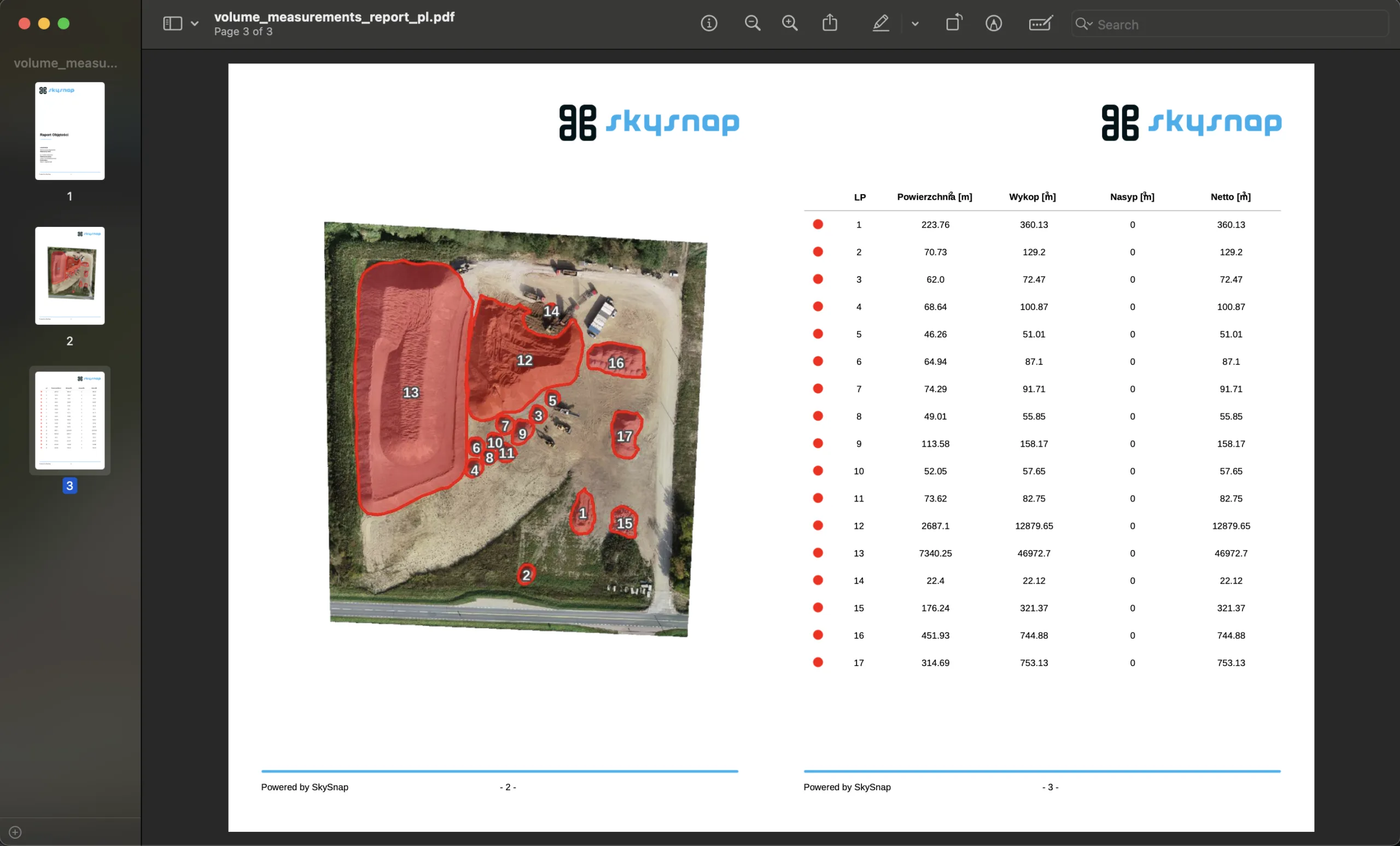
In the construction and investment sector, inspection of earth masses, including heaps, is a key component of project management. Traditional surveying methods are time-consuming, costly and prone to human error. That's why more and more companies are choosing to digitize the process using drone technology and tools such as SkySnap Portal. Up until now, due to the time-consuming and complicated nature of traditional methods, and thus the cost of the service, they have taken place much less frequently than they should. Thanks to new technologies, today it is much easier and more accessible than before.

Wondering how to save time and money when inspecting bulk material dumps? Traditional measurement methods often take days and are prone to error. See how, with the SkySnap Portal, construction companies can perform fast, accurate and frequent heap volume calculations at a fraction of the cost to date.
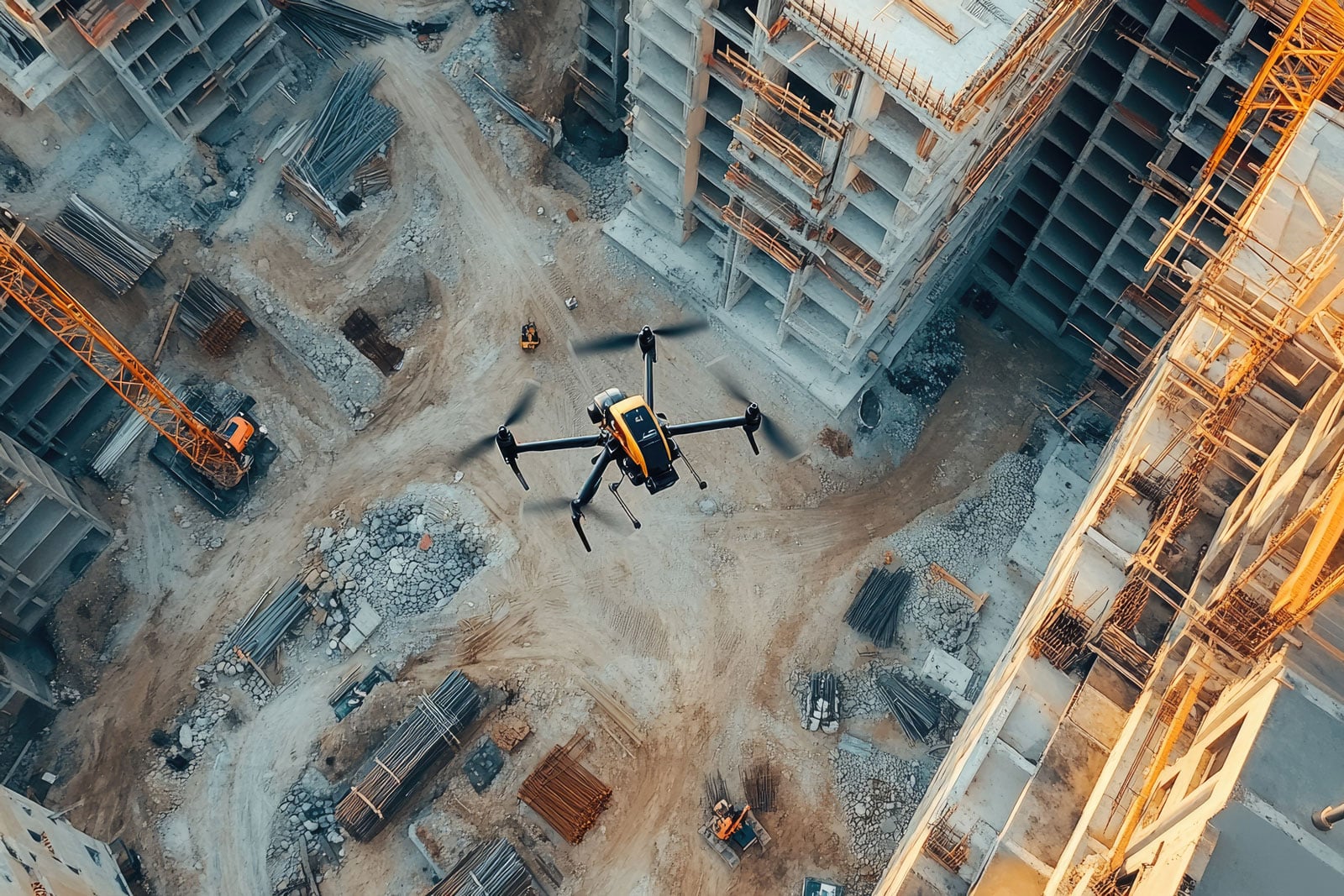
Discover how a subscription model in drone services - modeled after giants like Netflix - can transform an operator's offering. In this step-by-step guide, we'll show how to use the SkySnap platform to create compelling subscription packages, automate mission processes and build a loyal customer base.
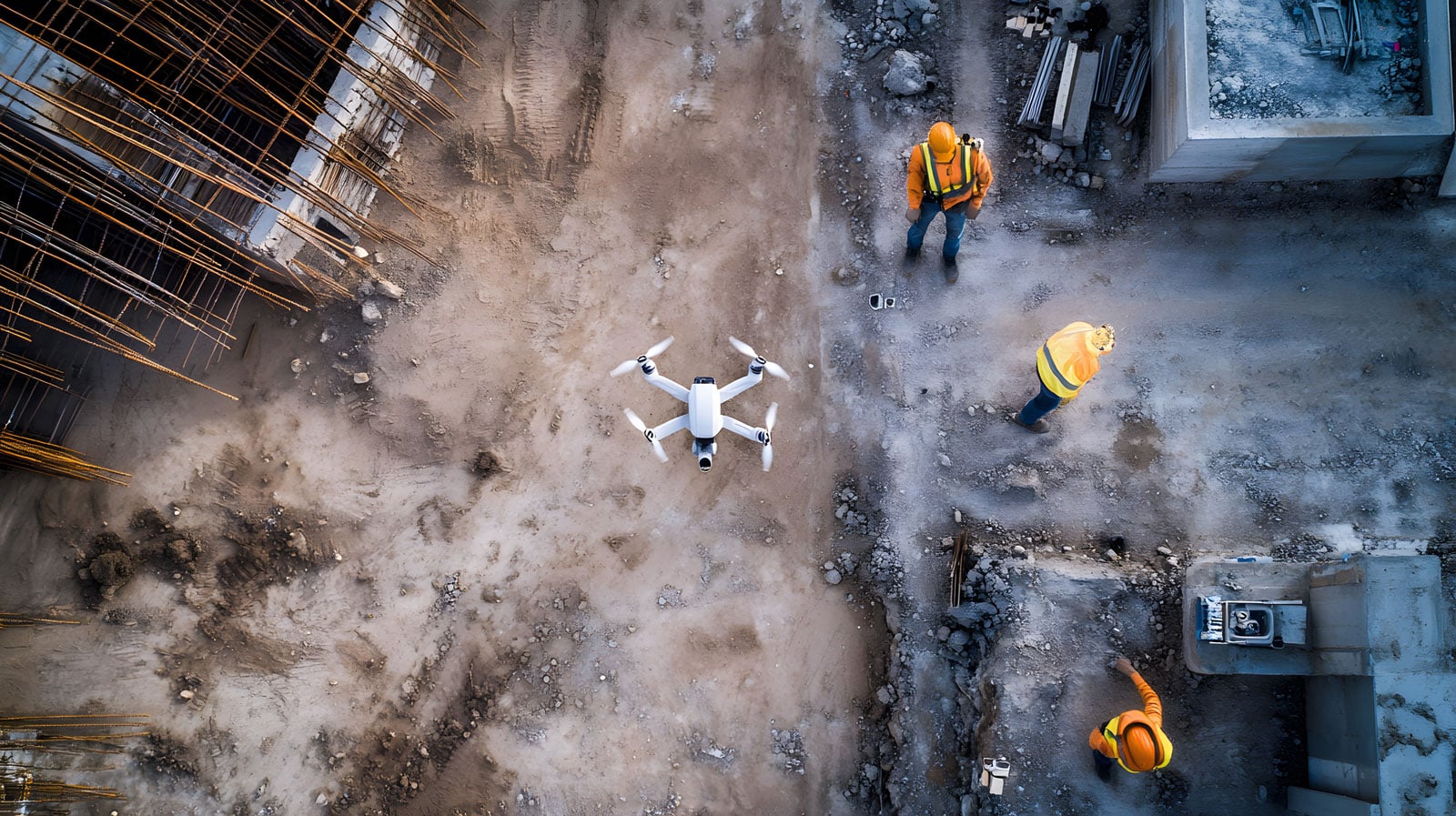
Drones have gained immense popularity in recent years, and their use in various fields continues to expand. One area that particularly benefits from this technology is surveying, where drones are revolutionizing laser scanning. They make it possible to collect field data quickly and accurately, which significantly affects the efficiency and accuracy of surveys. In this article, we will take a look at how drones are changing the approach to laser scanning, what benefits they bring, and what challenges surveyors may face when using this modern technology. So let's explore how these flying devices are transforming traditional methods of working in this field.
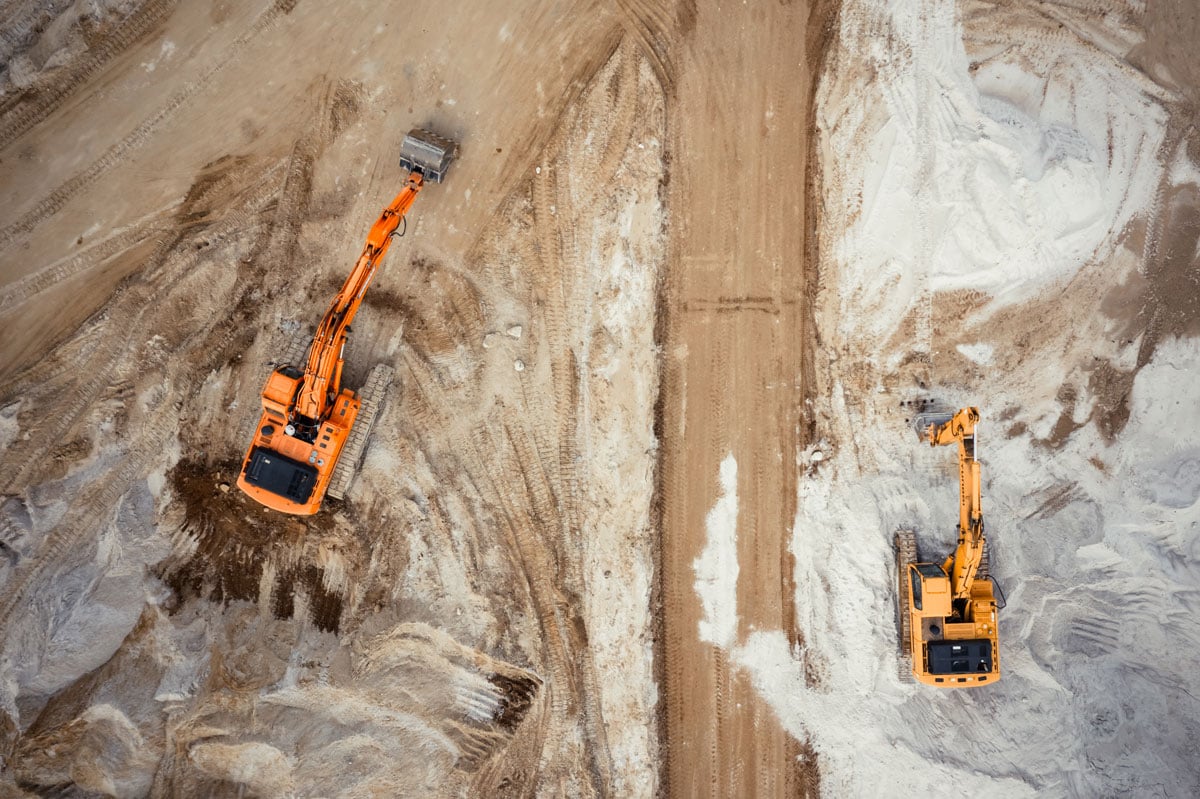
Do you own a drone and are wondering how to make money from it? Or are you already performing commercial flights, but want to expand your offerings to more profitable services? If so, you might be interested in heap counting - a service that opens up new opportunities for cooperation with the mining, construction or recycling industries.
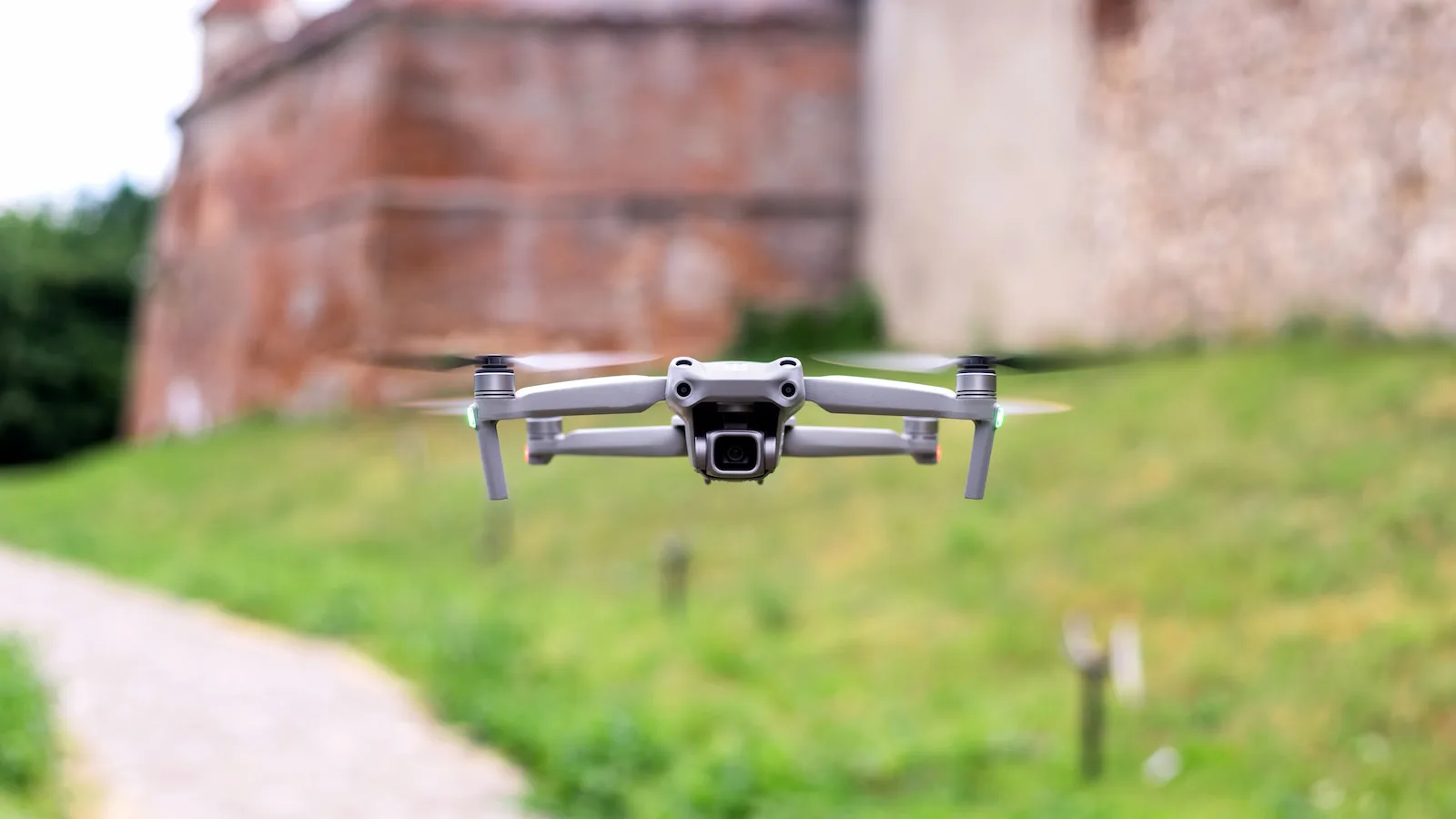
Many drone operators provide services on a one-time basis. Meanwhile, services such as heap counting, monitoring of construction projects or cyclical inspection flights offer the possibility of steady income in a subscription model. But how to collect regular payments, issue invoices and automate the process - especially if you operate in Poland? Read our guide and learn an easy way to implement professional billing with the Stripe platform.

Discover how drones can revolutionize inspections in the engineering industry. Learn about the best solutions and their applications.

We are pleased to announce that SkySnap was among the technology companies invited to participate in the latest "Technology on the Construction Site" report compiled by Digital Real Estate. The publication is an independent overview of tools that realistically support construction processes - from planning to execution to operation.
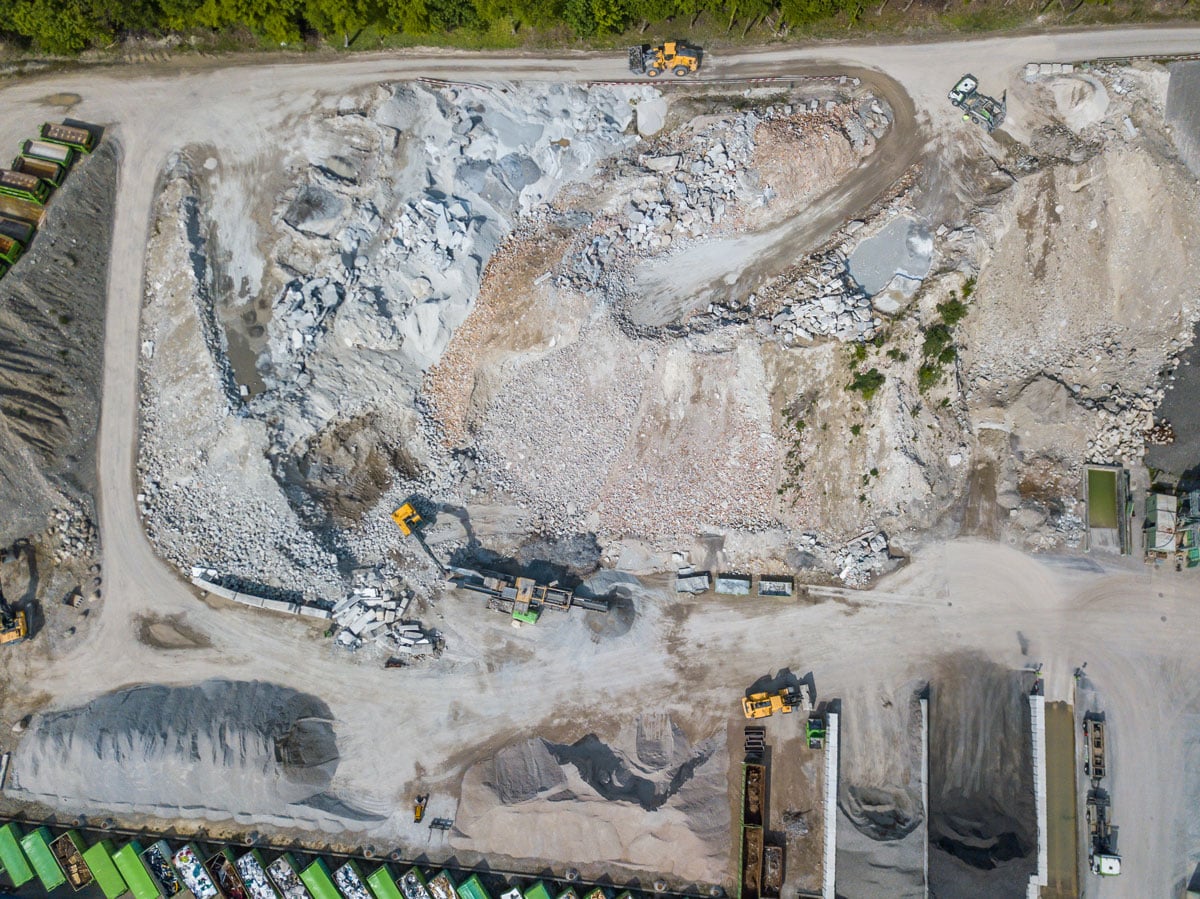
The profession of drone operator is gaining ground. Find out how to start a career in drone inspection and what steps are worth taking.

Drones are changing inspection - faster, safer and more precise. See how they support infrastructure monitoring.

Free E-book
Find out how UAV and AI support investment supervision, facilities management and the daily work of engineers. Learn about real-world applications of technology in construction and real estate.
Table of Contents:
Podoba Ci się artykuł? Podziel się nim z innymi!
Podoba Ci się artykuł? Podziel się nim z innymi!
Tips, news, insights
Related articles
Check out our articles and get the latest industry news.