Introduction to drones in construction
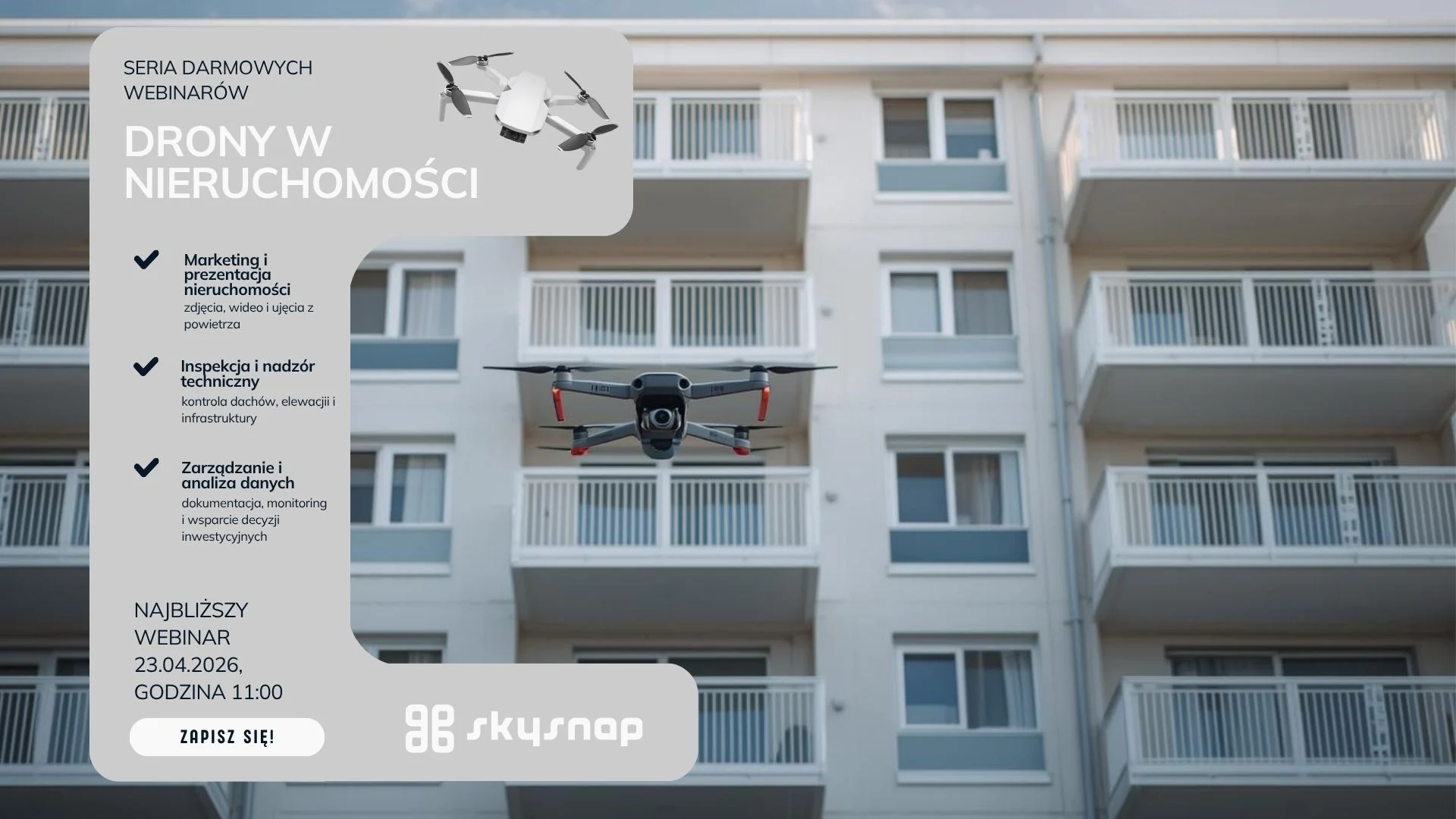
Drones, as a technology, have gained significant recognition in recent years in many industries, including construction. Their versatility and ability to perform tasks that were previously difficult or time-consuming make them invaluable.
History and development of drone technology
Drones, also known as unmanned aerial vehicles, have a long history that dates back to World War I. They were initially used mainly for military purposes, but over time their use has expanded to other fields.
In the 1980s, technological advances made it possible to miniaturize components and increase the maneuverability of drones. This paved the way for their commercial use in various sectors, including construction. Today, drones are not only more advanced, but also more accessible to companies of all sizes.
Developments in drone technology have contributed to their popularity in the construction industry, enabling quick inspections and accurate site mapping. As a result, construction companies can now benefit from more precise data and increase the efficiency of their projects.
First applications in construction
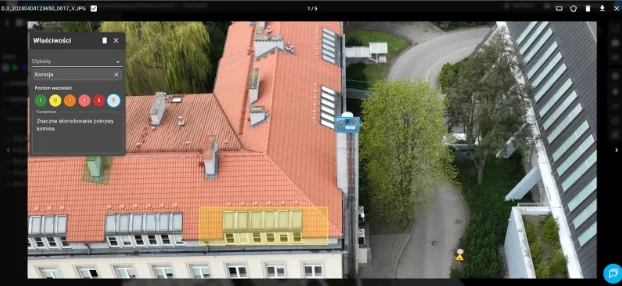
The initial use of drones in the construction industry focused on inspections of roofs and hard-to-reach areas. With their mobility and ability to capture detailed images, drones have become an ideal tool for fast and safe monitoring.
It soon became clear that drones could do much more. They began to be used for land mapping, structural analysis of buildings and surveillance of work progress. Early adopters of the technology showed how much benefit its implementation could bring.
A breakthrough in drone use was also the ability to take photos and videos from a bird’s eye view, allowing for more accurate planning and documentation of construction projects. These early applications paved the way for more advanced methods of drone use.
Groundbreaking drone applications
Today, drones are playing a key role in transforming construction processes, introducing a range of innovative solutions that significantly improve efficiency and safety.
Monitoring of construction sites
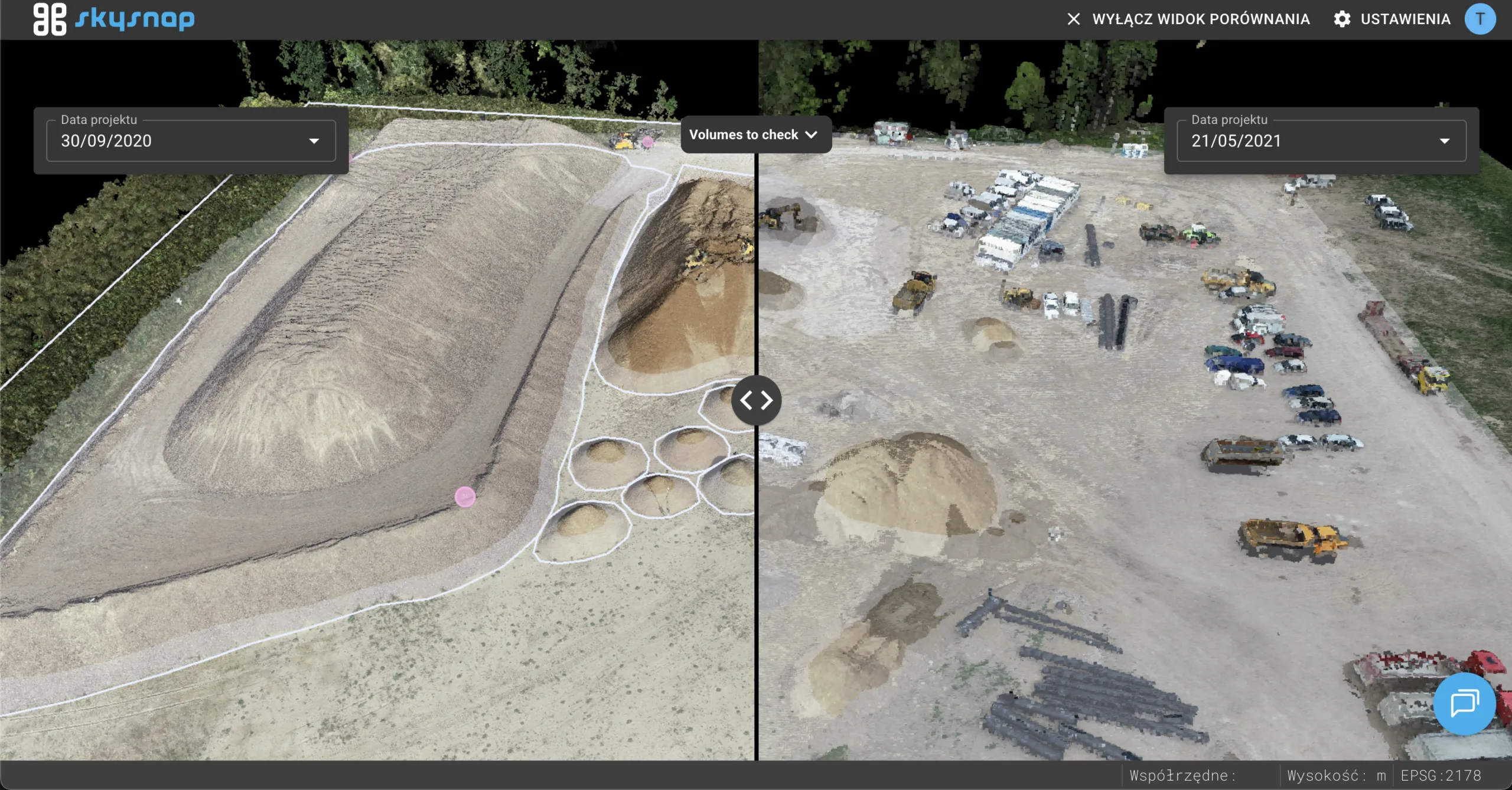
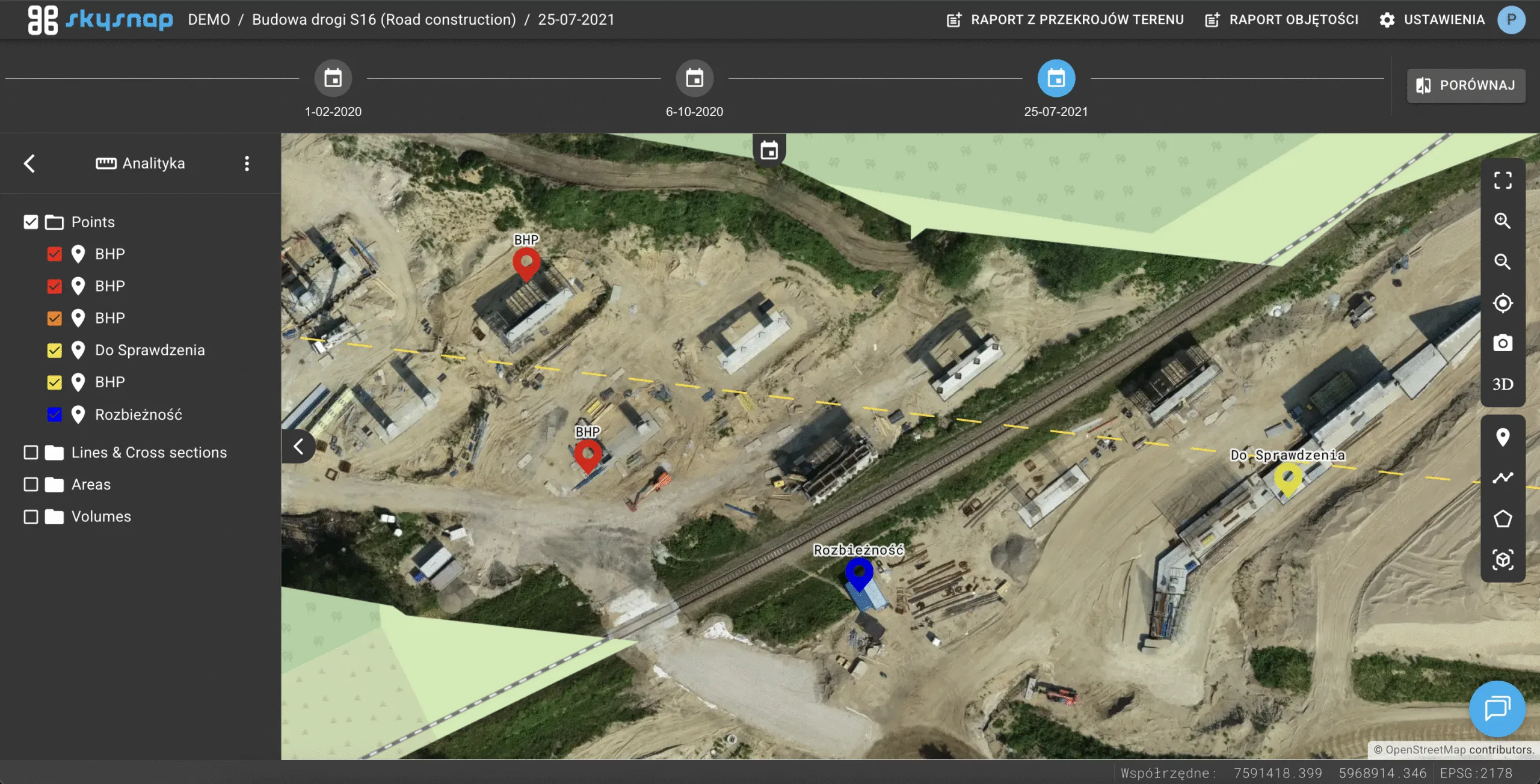
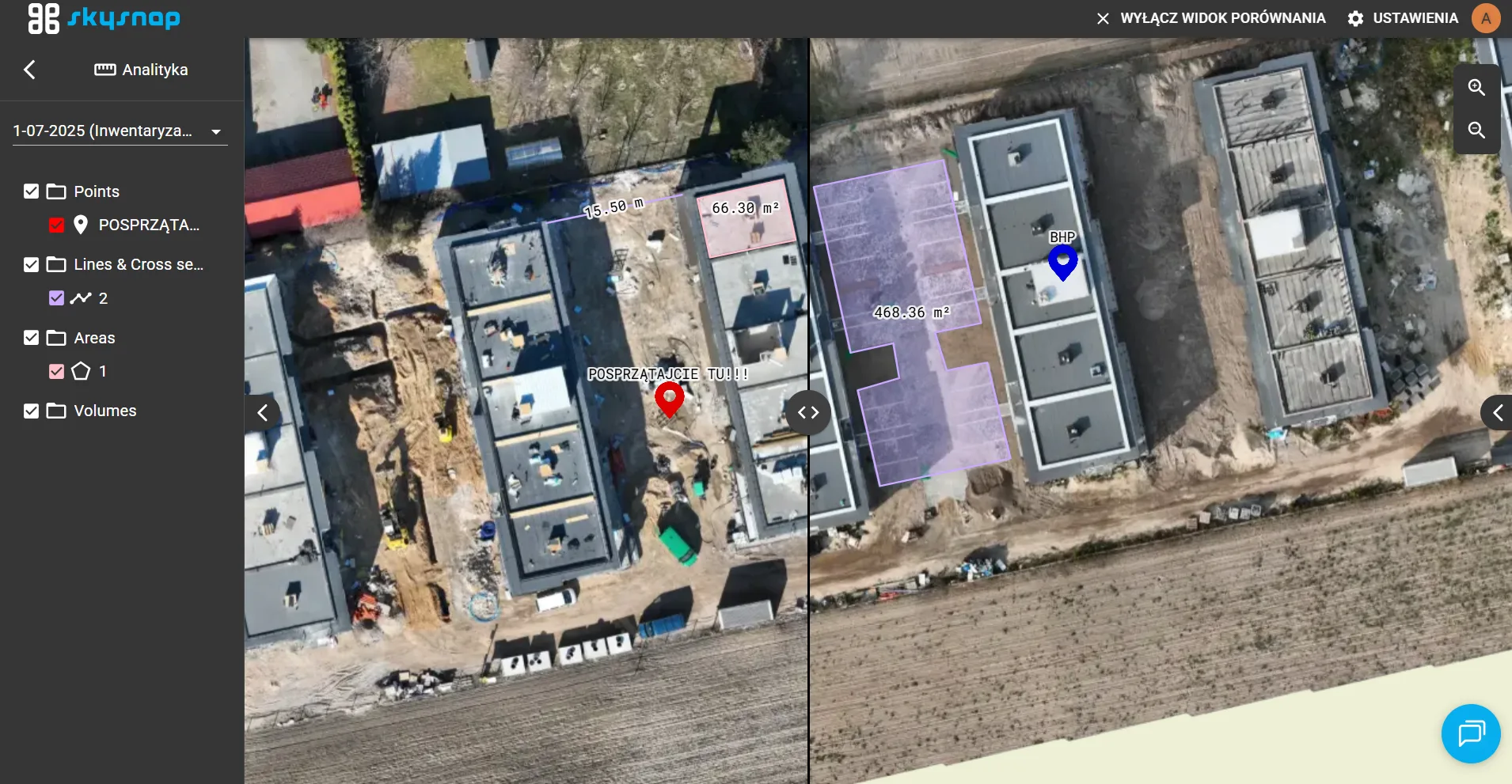
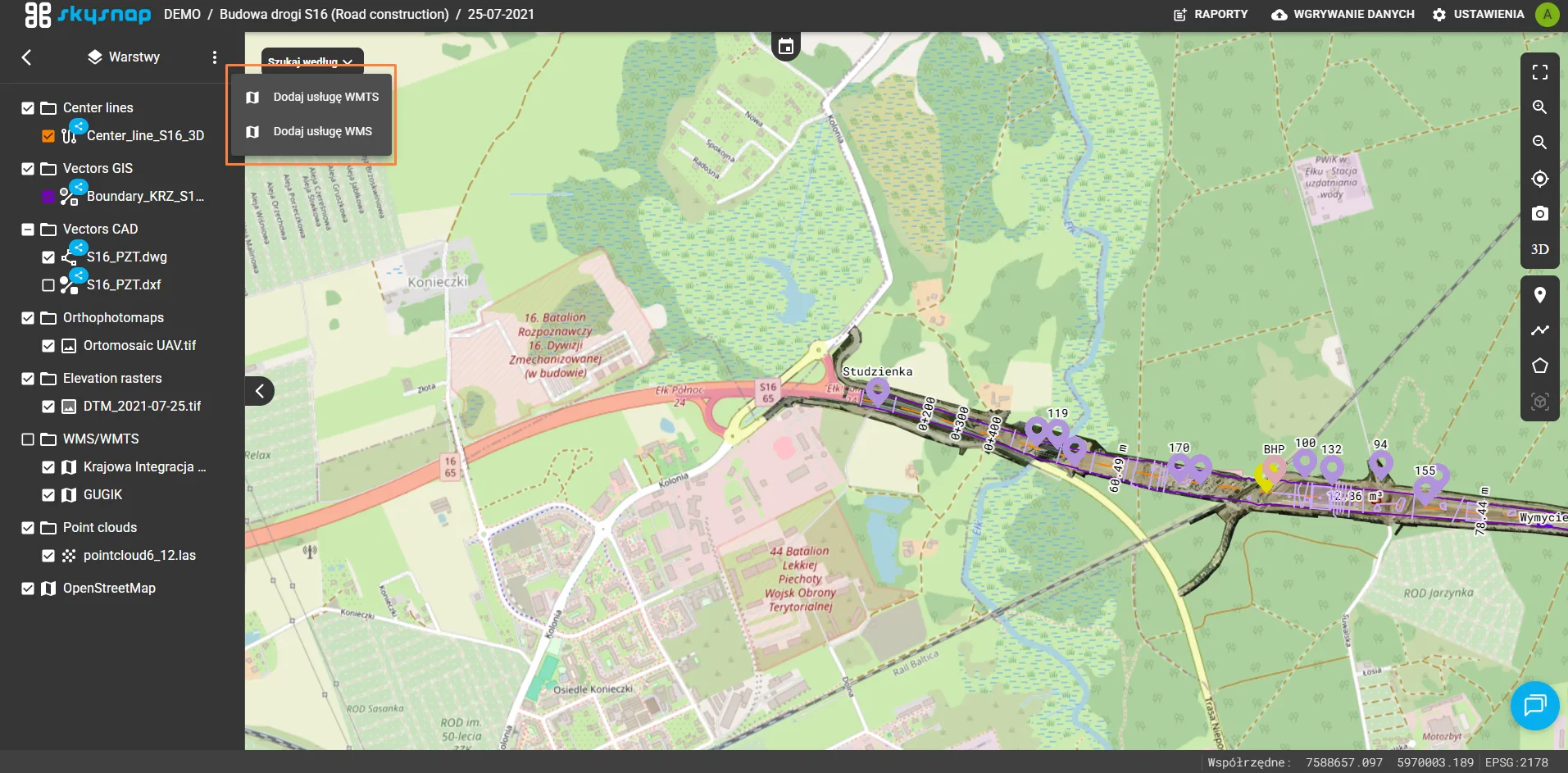
Monitoring construction sites with drones makes it possible to continuously track the progress of work without interrupting operations. Drones can fly over the construction site daily or even several times a day, recording detailed data.
- Video recording: Drones provide real-time footage, allowing project managers to quickly identify problems.
- Data collection: With advanced sensors, drones can collect data on construction progress and identify potential hazards.
- Reporting: Drones enable rapid preparation of progress reports for more efficient planning of activities.
Drone monitoring not only makes projects more efficient, but also improves site safety by eliminating the need for physical surveillance in dangerous areas.
Site mapping and data analysis
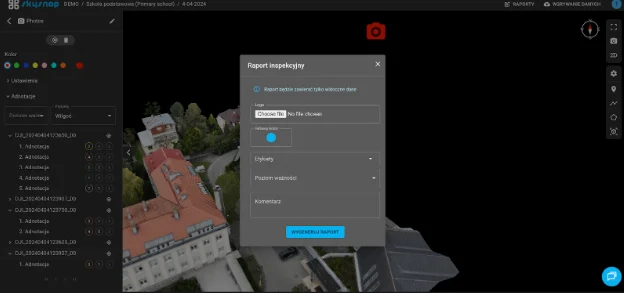
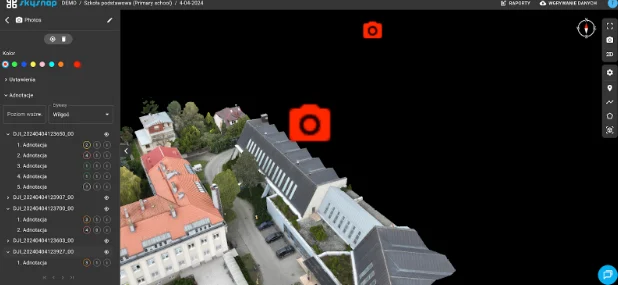
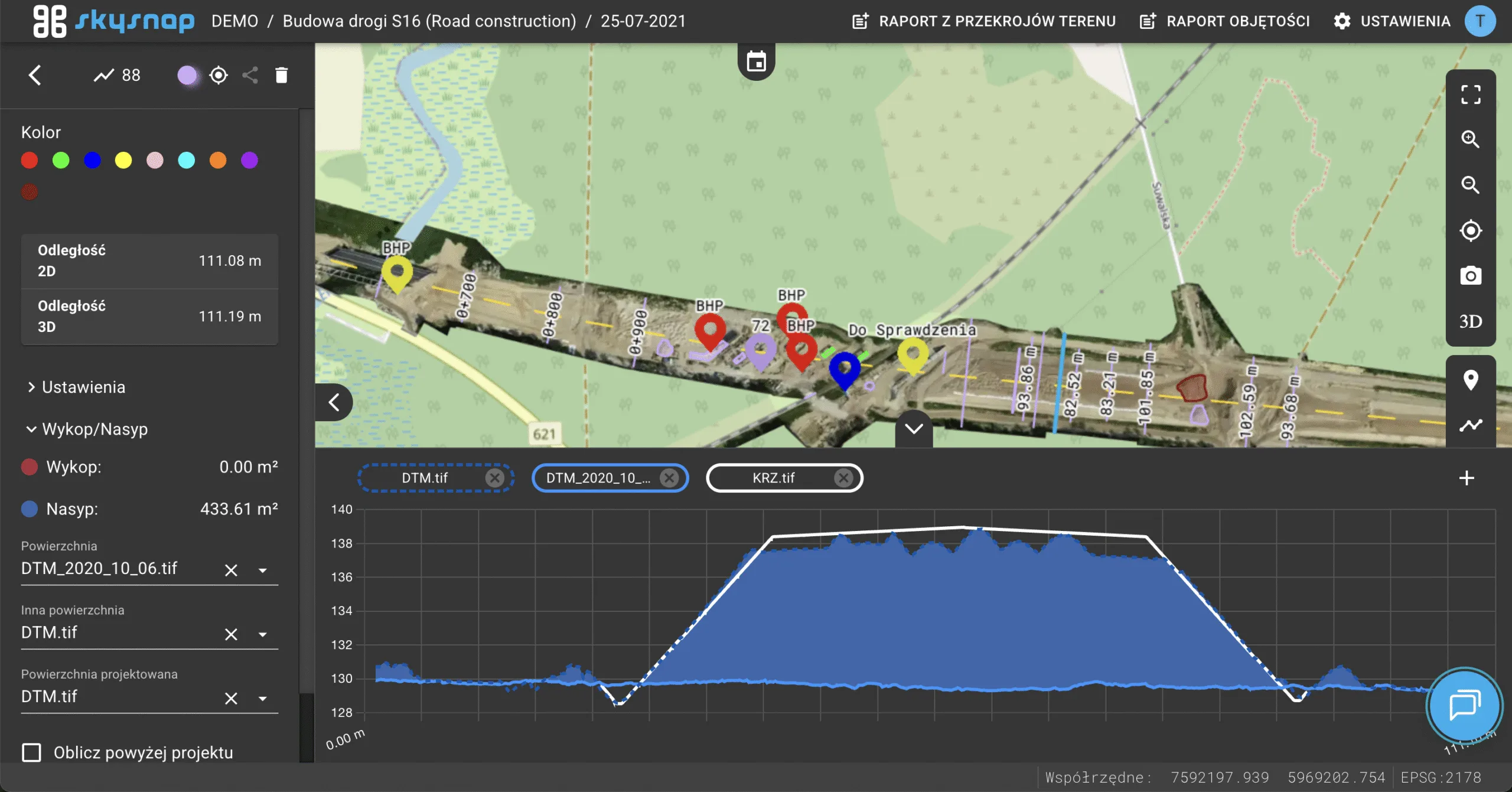
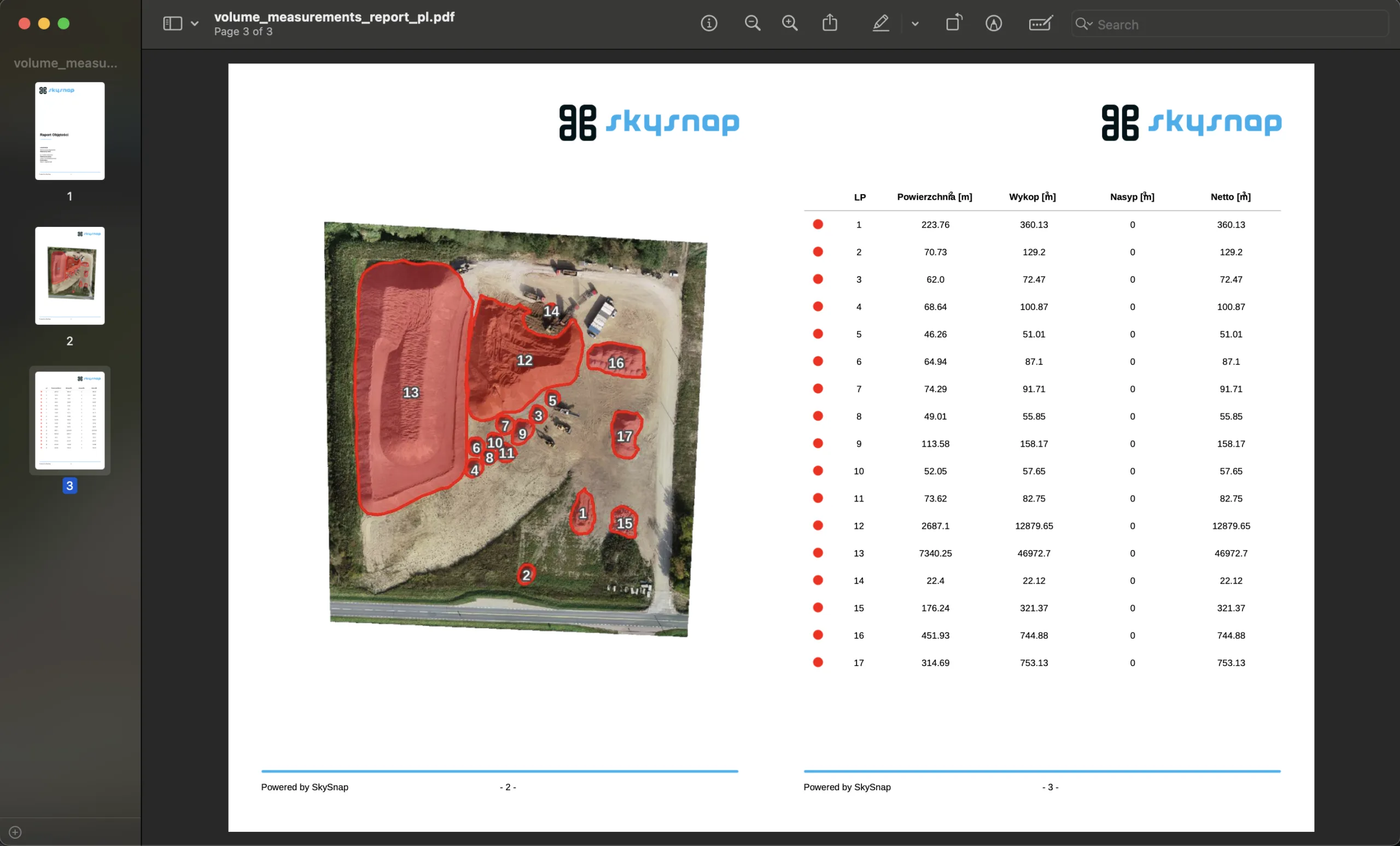
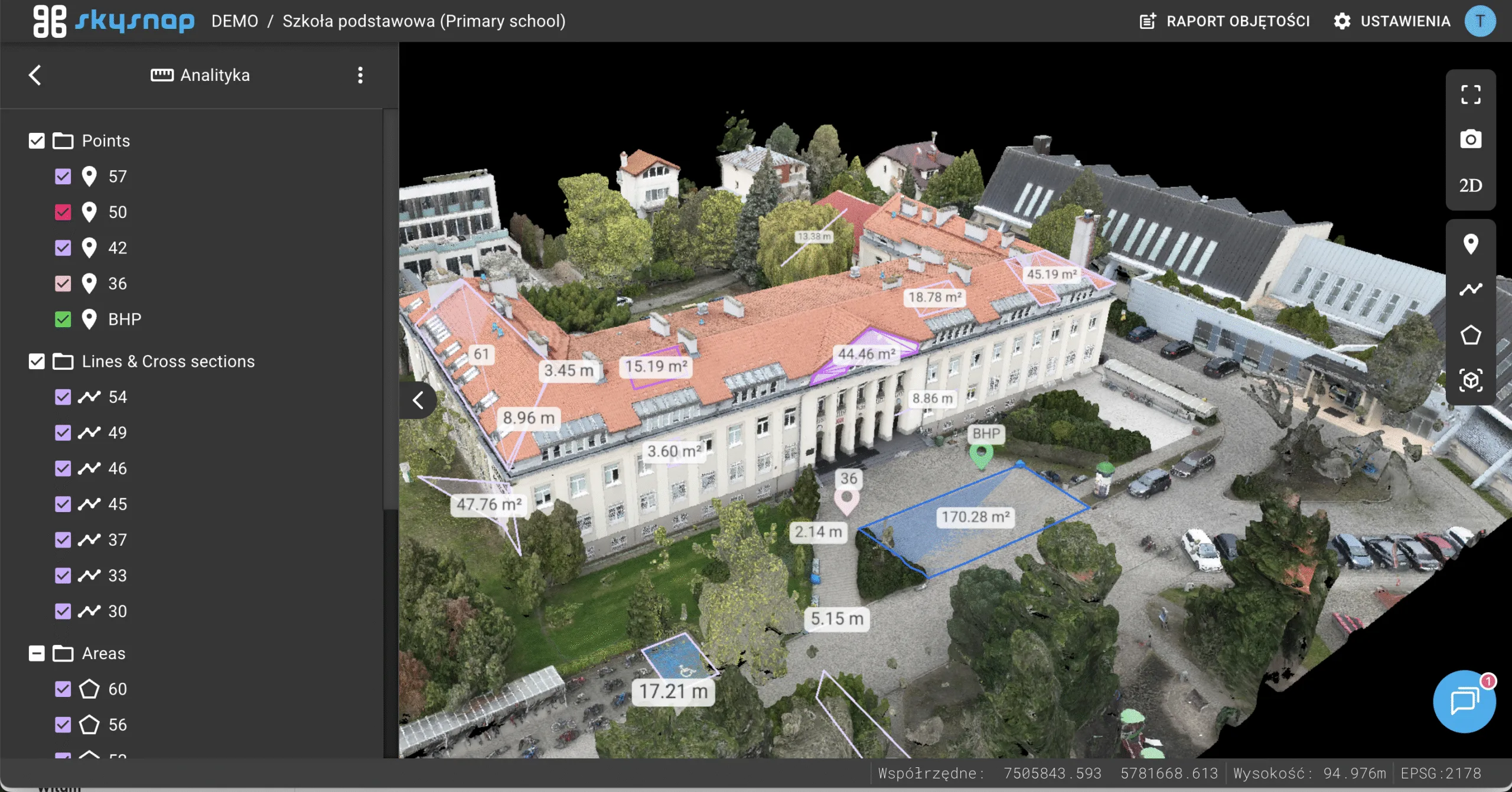
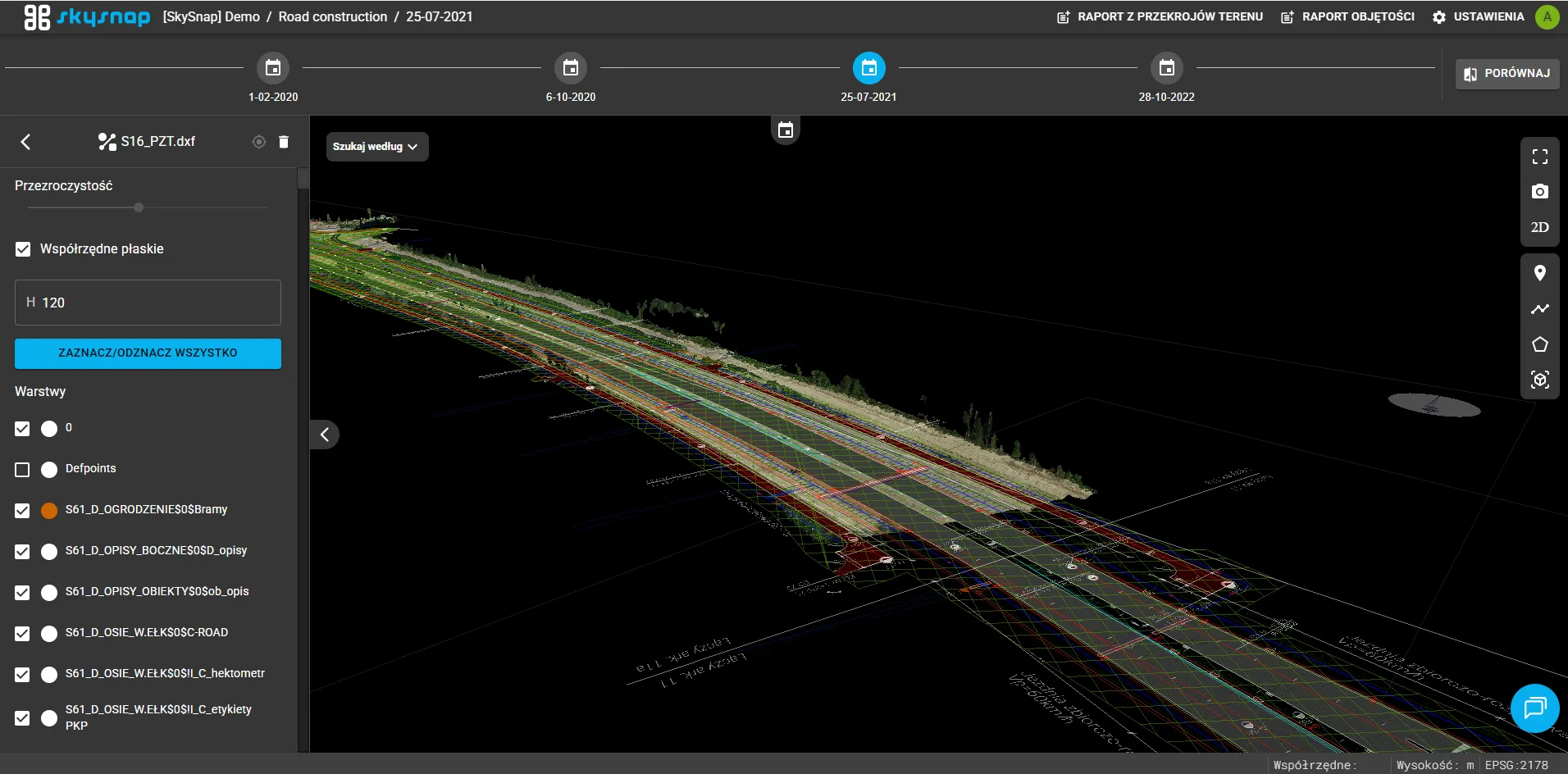
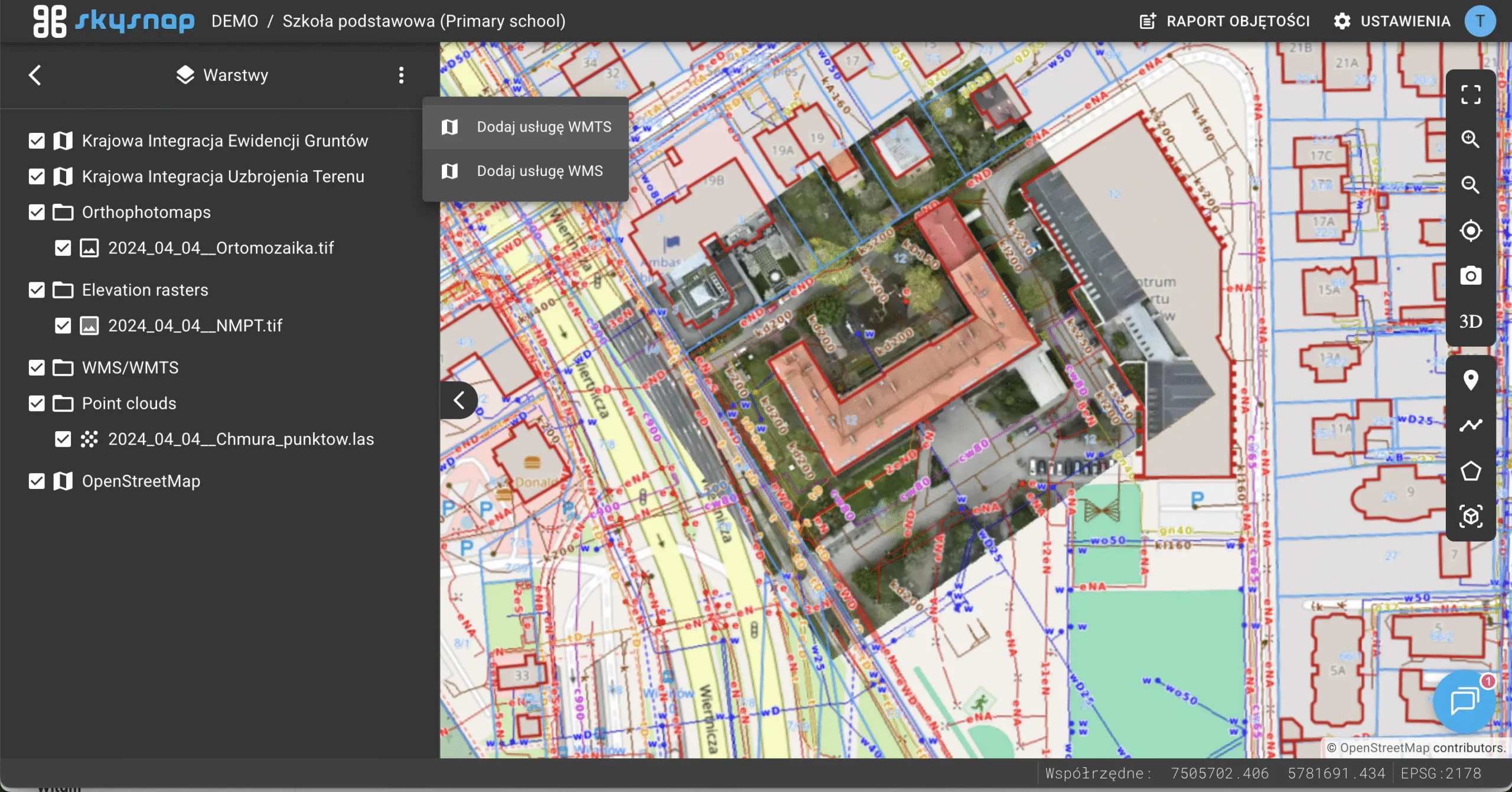
Drones are invaluable for site mapping and data analysis, allowing construction companies to better understand the topography and conditions of a site. With LiDAR technology and photogrammetry, drones can create accurate 3D maps. Drones are also being used to accurately survey land, which is crucial for precise planning of construction projects.
- Accuracy: Drones can provide data with an accuracy of several centimeters, which is unattainable by traditional methods.
- Speed: A mapping process that previously took days or weeks can now be completed in a matter of hours.
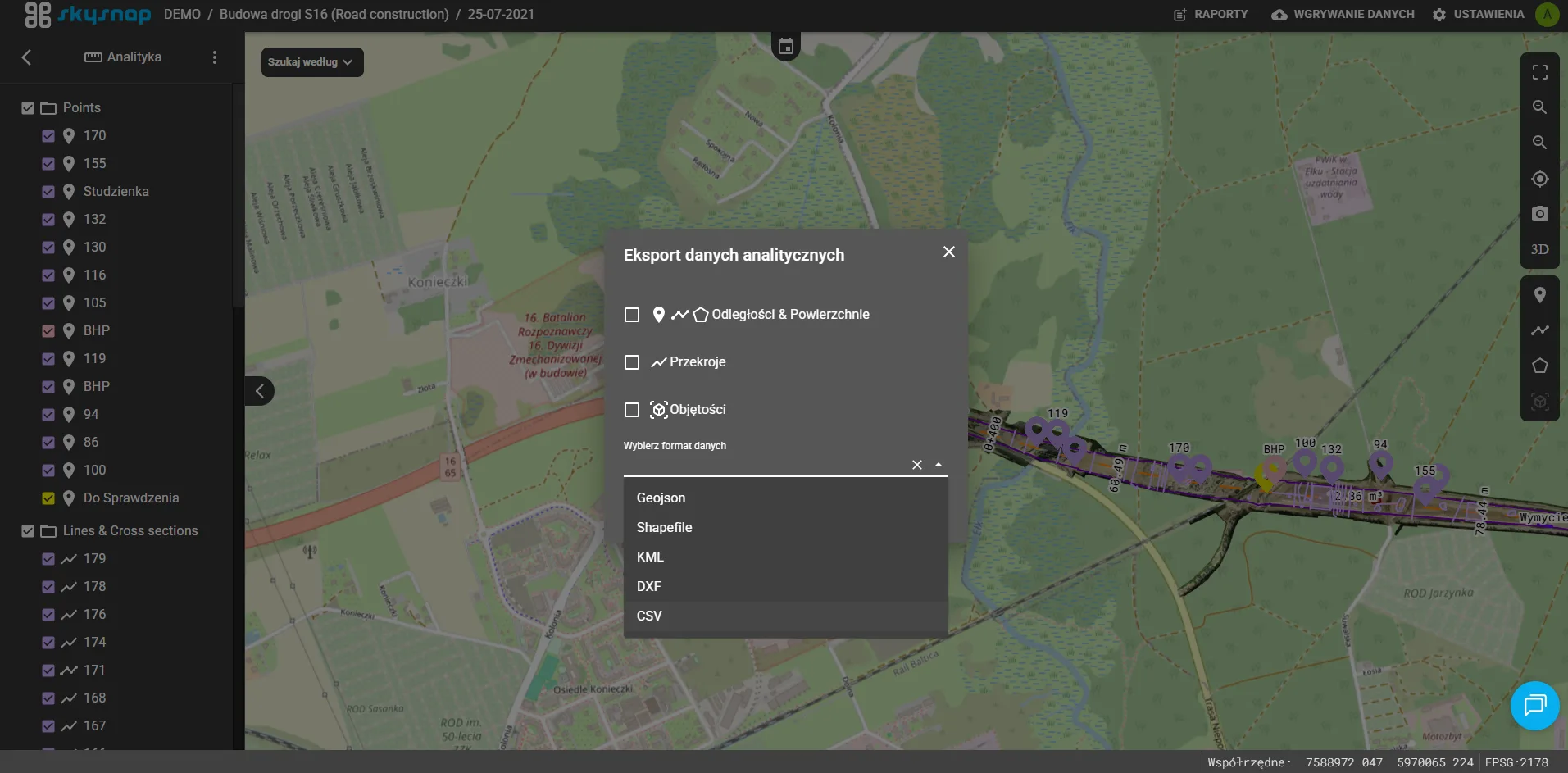
- Data availability: Collected data can be quickly shared with project teams, facilitating decision-making.
With drones, data analysis and interpretation have become simpler, allowing for more precise planning and execution of construction projects.
Thermal imaging inspections
Thermal imaging inspections are one of the most important drone applications in the construction and industrial sectors. Drones equipped with advanced thermal imaging cameras can quickly and accurately detect thermal bridges, leaks and other thermal insulation problems. This makes it possible to take appropriate corrective action, resulting in time and cost savings.
Thermal imaging drones allow accurate mapping of temperature distribution on the surface of buildings, which is extremely useful in identifying areas of heat loss. Thermal imaging inspections conducted with drones are much faster and more efficient than traditional inspection methods, allowing problems to be identified quickly and resolved immediately.
Through the use of drones, construction companies can monitor the condition of thermal insulation in real time, allowing them to control the quality of the work performed in real time and prevent potential problems. Thermal imaging inspections with drones are a modern solution that significantly raises standards in the construction industry.
Advantages of drones in the construction process
Investing in drones can bring numerous benefits. Drones are widely used in various fields of construction, which increases their value and efficiency. They not only increase the efficiency of work, but also reduce the costs and risks associated with construction projects.
Increase work efficiency
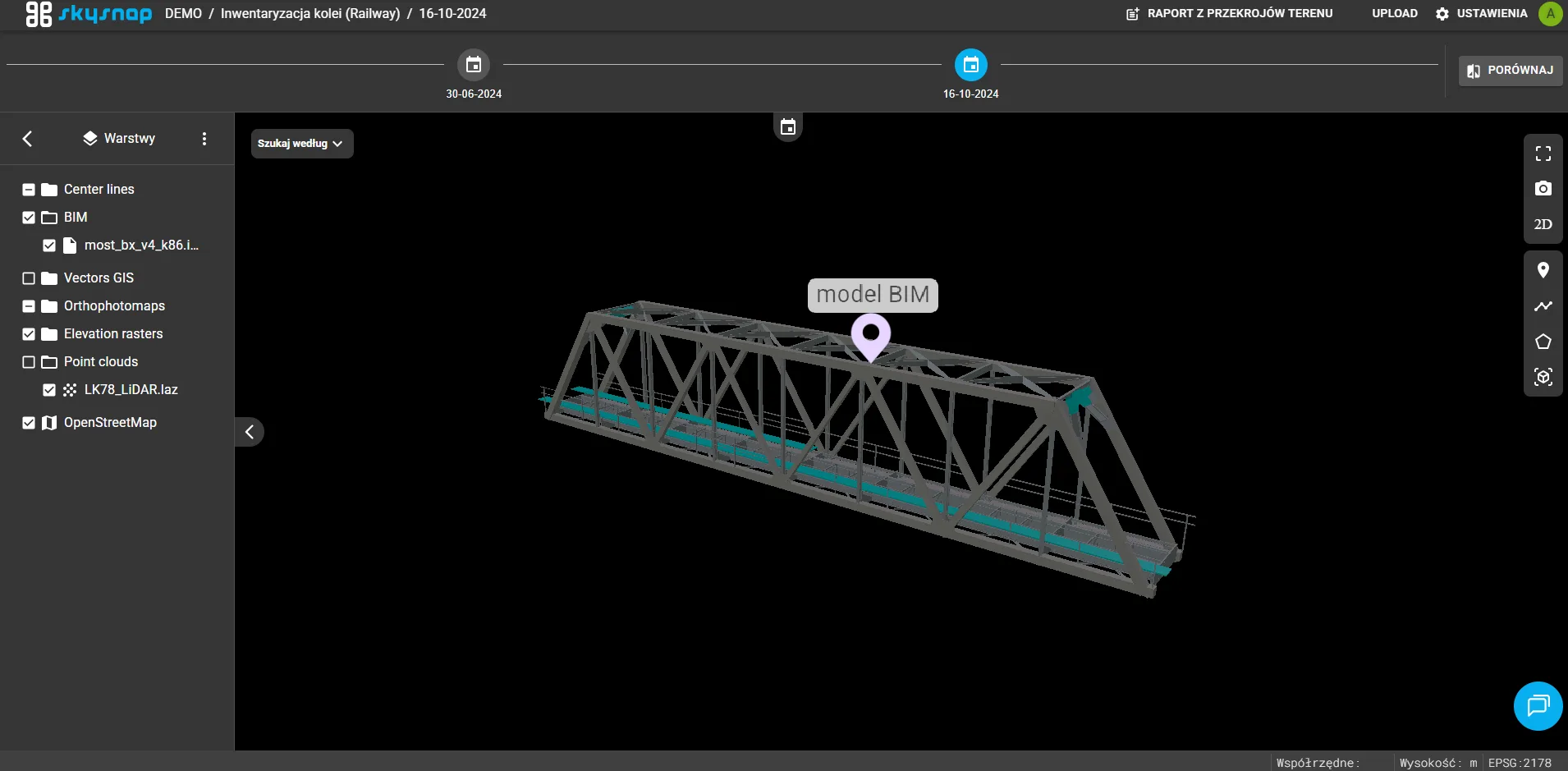
Drones make it possible to significantly increase the efficiency of construction site work by automating many processes. With their help, data can be quickly collected and processed, speeding up projects. Drones are also used for industrial purposes, especially in monitoring various structures and infrastructure, such as buildings and bridges.
- Task automation: Drones can perform repetitive tasks such as inspections or measurements, freeing workers from routine tasks.
- Reduced lead time: With quick access to data, decision-making is more efficient, reducing project execution time.
- Increased productivity: Employees can focus on more demanding tasks while drones take over less complex activities.
Increased labor efficiency through drones translates into better financial and quality results for construction projects.
Reducing costs and risks
Drones significantly reduce the costs associated with inspections, transportation and logistics on a construction site. Their use also reduces the risk of accidents.
- Reducing inspection costs: Drones can perform large-scale inspections in less time, reducing operational costs.
- Risk reduction: Aerial monitoring reduces the need for people to work in dangerous areas.
- Resource optimization: Efficient resource management with precise drone data allows for better planning.
Drones are an effective tool for managing construction projects, reducing costs and improving safety.
Safety and regulation
Safety and regulation are key aspects of using drones for thermal imaging inspections. In order to conduct inspections in accordance with regulations, drones must be registered with the Civil Aviation Authority, and operators must be properly licensed and insured. These requirements ensure that drone operations are conducted in a safe and legal manner.
Drones must also be equipped with advanced safety systems, such as automatic landing in the event of a malfunction, to minimize the risk of accidents. In addition, drone operators must follow certain procedures and rules to ensure the safety of employees and third parties during inspections.
Drone regulations are constantly being updated to keep up with the rapid development of technology. Therefore, it is important for drone operators to stay abreast of the latest regulations and standards so that drones can be used safely and effectively in thermal imaging inspections.
Training and certification of drone operators
Training and certification of drone operators is essential for top-level thermal imaging inspections. Operators must have in-depth knowledge of drone design, operation and risk management. In addition, they must be proficient in operating thermal imaging cameras and interpreting the data collected.
Training for drone operators covers both theoretical and practical aspects, providing comprehensive preparation for the task. Certification confirms that operators have the necessary skills and knowledge, which is key to ensuring safe and effective inspections.
With proper training and certification, drone operators are able to perform thermal imaging inspections with the highest precision, resulting in better results and greater customer satisfaction. In the construction industry, where quality and safety are priorities, professionally trained drone operators play a key role in project execution.
The future of drones in the construction industry
Drones will play an increasingly important role in the construction industry, introducing new technologies and contributing to sustainable development.
Combining drones with advanced technologies opens up new prospects for applications in various fields of construction.
Innovative technologies coming
The future of drones in the construction industry promises to be bright, thanks to ever-evolving technologies. The implementation of artificial intelligence and automation will allow for even more complex applications. Advanced drone technology is contributing to more complex and precise applications in the construction industry, enabling analysis and visualization of infrared emissions and improved energy efficiency.
- AI integration: AI-equipped drones will be able to make decisions autonomously, speeding up projects.
- IoT application: drones connected to the Internet of Things will be able to communicate with other devices, creating integrated management systems.
- LiDAR technology development: improvements in LiDAR technology will enable even more accurate mapping and data analysis.
Innovative drone technologies will become key elements of future construction projects, affecting their efficiency and quality.
Impact of drones on ecology and sustainability
The impact of drones on ecology and sustainability is becoming increasingly apparent. Through precise measurement and analysis, drones can contribute to greener construction practices. Drones support sustainable practices through accurate monitoring and reporting, leading to further environmental efforts.
- Reduce resource consumption: With accurate data, you can better plan and optimize resource use.
- Reducing CO2 emissions: Fewer inspection trips mean fewer emissions into the atmosphere.
- Promoting sustainable practices: Drones can monitor and report on sustainable practices in support of environmental goals.
The use of drones in construction not only increases efficiency, but also supports environmental protection and sustainability efforts.

Free E-book
Learn how to use drones in BRD analysis, environmental monitoring or resource distribution. Check out proven deployment models and key digital tools for local government.
Table of Contents:
Podoba Ci się artykuł? Podziel się nim z innymi!
Podoba Ci się artykuł? Podziel się nim z innymi!
Tips, news, insights
Related articles
Check out our articles and get the latest industry news.