Most common reasons for getting a fine for flying a drone
Flying drones has become a popular hobby as well as a work tool, but not all users are aware of the regulations that apply to them. In Poland, as in many other countries, there are regulations that are designed to ensure safety and protect privacy. Failure to comply with them can result in a fine, which is quite common among drone operators. In this article, we’ll take a look at the most common reasons why you might get a fine for flying a drone, and how to avoid them in order to enjoy this activity without worrying about legal consequences.
Introduction to drone regulation
Drone regulations in Poland are aimed at ensuring safety in the airspace and protecting the privacy of third parties. These regulations are not only important for drone operators, but also for society as a whole, which may be at risk from irresponsible use of these devices.
Fundamentals of aviation law
The legal basis for regulating drones in Poland is the Aviation Law, which defines the rules for using airspace. This law emphasizes the need to comply with certain air zones where flying is prohibited or requires special permits. Every drone operator should be aware of these regulations to avoid violations.
Understanding the basics of aviation law is crucial to flying a drone safely and legally. Without knowledge of these rules, operators run the risk of receiving fines and other legal penalties.
Legal awareness in this area also allows for better cooperation with other airspace users, which is important for overall safety.
History of drone regulation
The development of drone technology over the years has forced changes in legislation. The first regulations were relatively simple and limited. With the growing popularity of drones, regulations have become more detailed and stringent.
In the early years, drones were seen mainly as toys, resulting in less stringent regulations. However, with their development and the rise of commercial applications, there has been a need for stricter regulations.
The evolution of regulations shows the importance of adapting laws to changing technologies and user behavior. Today, the regulations are more complex and cover many aspects of security and privacy.
Impact of regulation on users
Regulations affect how users can use drones. The need to comply with regulations means that operators need to be aware of restrictions and legal requirements.
Regulations may seem onerous, but they are essential for the safety of all airspace users. Compliance with regulations is key to avoiding penalties and possible legal problems.
Understanding and complying with regulations can also influence the development of drone piloting skills by encouraging continuous learning and improvement of one’s operational capabilities.
The most common violations of the law
Despite existing regulations, many drone operators unknowingly or knowingly violate them. These violations can lead to serious legal and financial consequences. In this section, we will discuss the most common cases of such violations.
Flying in prohibited zones
One of the most common violations is flying a drone in zones where it is prohibited. Such zones can include airports, military areas, or places of special public interest.
To avoid such problems, always check maps of prohibited zones before each drone flight. There are mobile apps that can help identify these areas.
Flying in prohibited areas carries the risk not only of legal consequences, but also of potential threats to public safety. It is always worthwhile to make sure that the chosen place to fly complies with current regulations.
Lack of required permits
Some flights require special permits, especially if they involve large drones or take place under specific conditions. Lack of proper permits is another common reason for receiving a ticket.
- Check if your flight requires a permit.
- Apply for a permit well in advance.
- Make sure you have all the necessary documents with you during the flight.
Failure to comply can lead to significant financial penalties and legal problems. Operators need to be aware of their responsibilities and properly prepared before each flight.
Failure to maintain a safe distance
A safe distance from people, buildings and vehicles is a key aspect of flying a drone safely. Failure to follow this rule can lead to accidents and property damage.
Operators must know the minimum required distances and adhere to them under all conditions. Maintaining a safe distance is important not only from a legal standpoint, but also to ensure the safety of all air traffic participants.
Failure to follow these rules can result not only in fines, but also in increased risk to the operator and the environment. That’s why it’s always a good idea to adhere to established safety standards.
Legal and financial implications
Violations of drone flying regulations carry serious consequences. These can range from financial aspects to future restrictions. In this section, we will discuss the most important of these.
Fines and fines
One of the most common consequences of a violation is receiving a fine. The fines can be high, depending on the severity of the violation and its potential consequences.
Operators need to be aware that even minor violations can result in significant costs. Enforcement is strict to discourage irresponsible drone use.
Avoiding penalties is possible by carefully complying with all applicable regulations and acquiring adequate knowledge of current regulations.
Possibility of confiscation of equipment
In some cases, legal consequences may include confiscation of equipment. Drones can be confiscated if violations are serious or repeated.
Confiscation of equipment means not only loss of material value, but also restriction of further use of the drone. This is one of the harshest sanctions that irresponsible operators can face.
In order to avoid such a situation, it is important to always keep in mind the regulations and avoid actions that may lead to violations.
Impact on future entitlements
Violations may also affect future opportunities to obtain drone flying privileges. Records of violations may be taken into account when issuing new licenses or permits.
Operators should be aware that their actions can have long-lasting consequences that will affect their future operational capabilities. It is worth taking care of your reputation and complying with regulations to avoid negative entries in the registries.
Taking care to comply with regulations is an investment in the future and an opportunity to further develop in the field of drone piloting.
How to avoid getting a ticket
Avoiding fines for flying a drone is possible by taking an informed and responsible approach to this hobby or job. Here are some key steps that can help you avoid legal problems.
Knowledge of local regulations
Understanding and complying with local regulations is the cornerstone of safe drone flying. Operators need to be aware of all applicable regulations in the region.
- Regularly update knowledge of regulatory changes.
- Using apps and websites that provide information on local regulations.
- Consultation with experts in the field of aviation law.
Knowing the regulations not only protects you from fines, but also allows you to use your drone more consciously and responsibly.
Drone registration and insurance
Registering and insuring your drone are the next steps that can help you avoid legal problems. In Poland, registration is required for most drones.
- Check if your drone requires registration.
- Register the drone with the relevant authority.
- Make sure you have liability insurance.
Following these rules is not only a legal requirement, but also a way to protect yourself and others in the event of an accident.
Compliance with safety rules
Safety is a priority when flying a drone. Following safety rules is key to avoiding accidents and potential legal problems.
- Maintain a safe distance from people and buildings.
- Avoiding flying in adverse weather conditions.
- Regular maintenance and inspection of the drone’s condition.
Following safety rules not only protects you from fines, but also ensures that the health and property of others are protected.
The future of drone regulation
Drone regulation will continue to evolve as technology advances and societal needs change. In this section, we look at the future of regulation and its potential impact on users.
New Technologies and Their Impact
Developments in drone technology are driving the need to adjust regulations. New drone functions and capabilities require revision of existing regulations.
Technology for autonomous d rones or drones that deliver packages can introduce new regulatory challenges. Operators need to stay abreast of the new developments in order to adapt to them.
Technological awareness will provide a better understanding of future regulatory changes and their impact on daily drone use.
Changes in legislation
Legislative changes are inevitable as new technologies become more prevalent. Adapting regulations to the changing reality is key to maintaining safety.
- Introducing new privacy regulations.
- Changes in registration and licensing rules.
- Safety and environmental updates.
Keeping abreast of changes in legislation is important for any operator to be able to adapt to new requirements and avoid legal problems.
The role of education and public awareness
Education and public awareness are key to the future of drone regulation. Raising awareness about safe and responsible drone use can prevent many problems.
- Organization of courses and training for operators.
- Public campaigns on security.
- Cooperation with NGOs and industry organizations.
Education is not only a tool to prevent violations, but also a way to build a culture of responsible drone use.
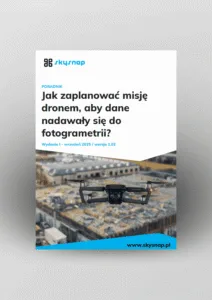
Free E-book
Learn how to prepare a mission step-by-step, avoid raid mistakes and create accurate orthophotos and 3D models. The perfect guide before your first commercial assignments.
Table of Contents:
Podoba Ci się artykuł? Podziel się nim z innymi!
Podoba Ci się artykuł? Podziel się nim z innymi!
Tips, news, insights
Related articles
Check out our articles and get the latest industry news.