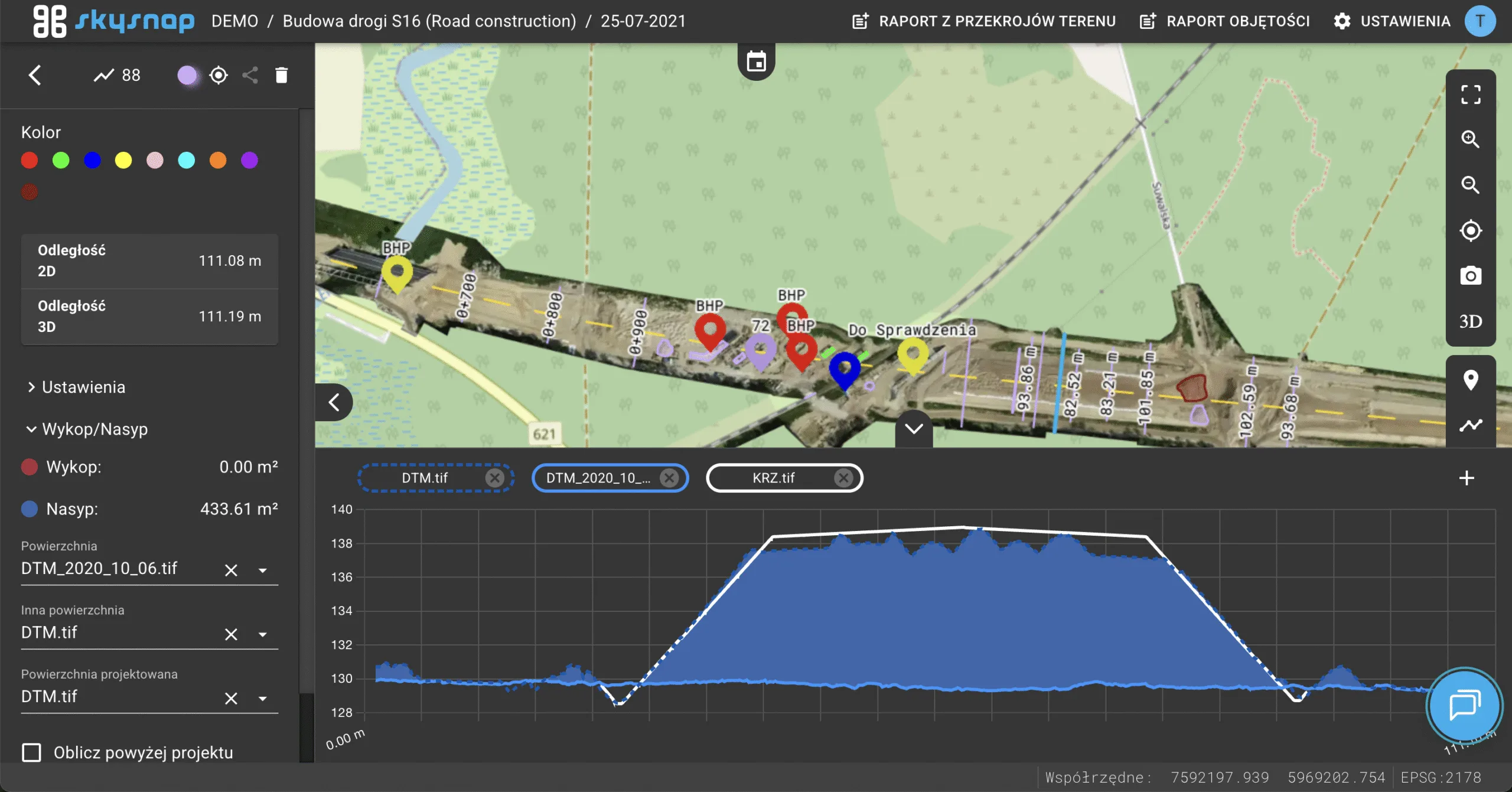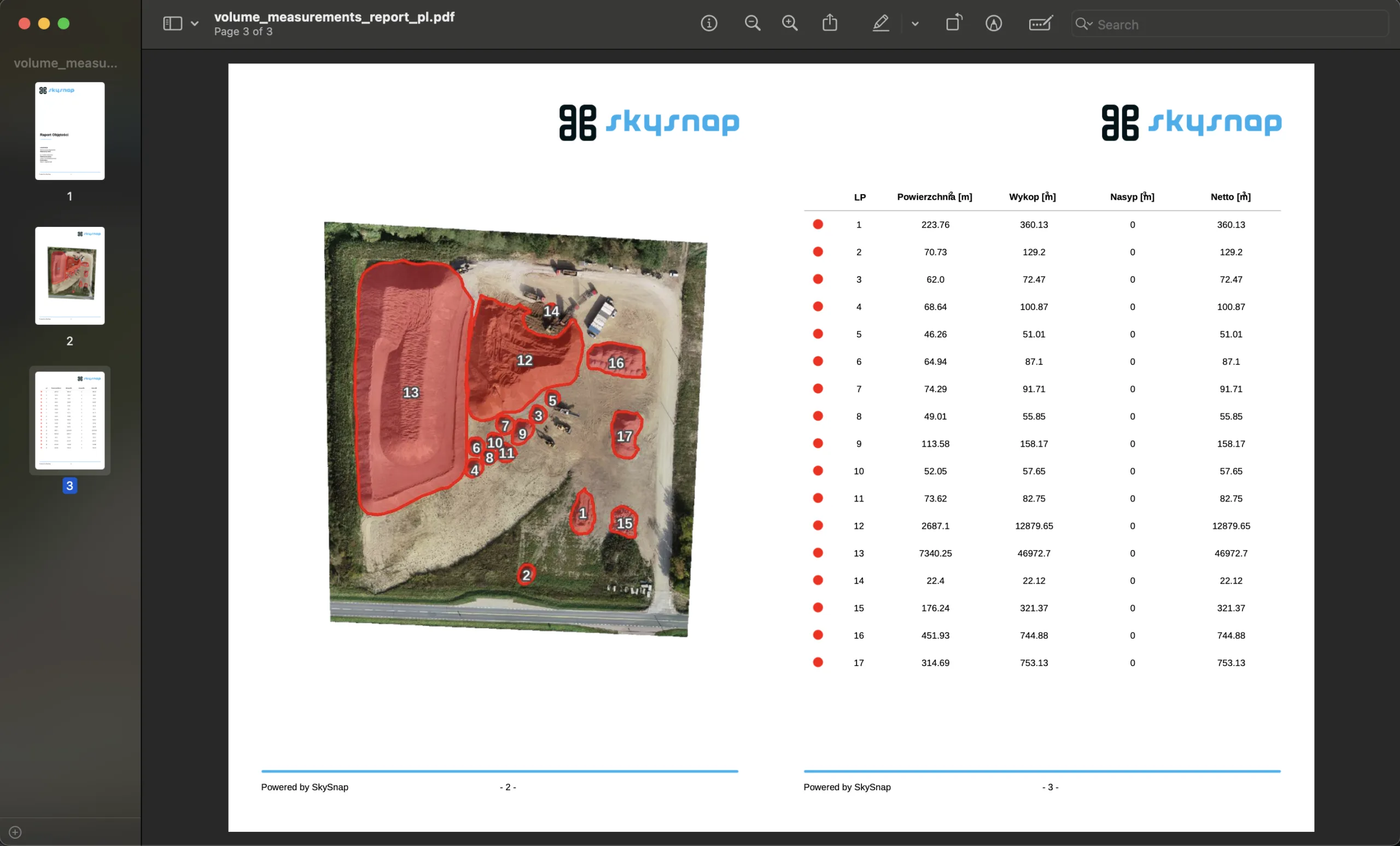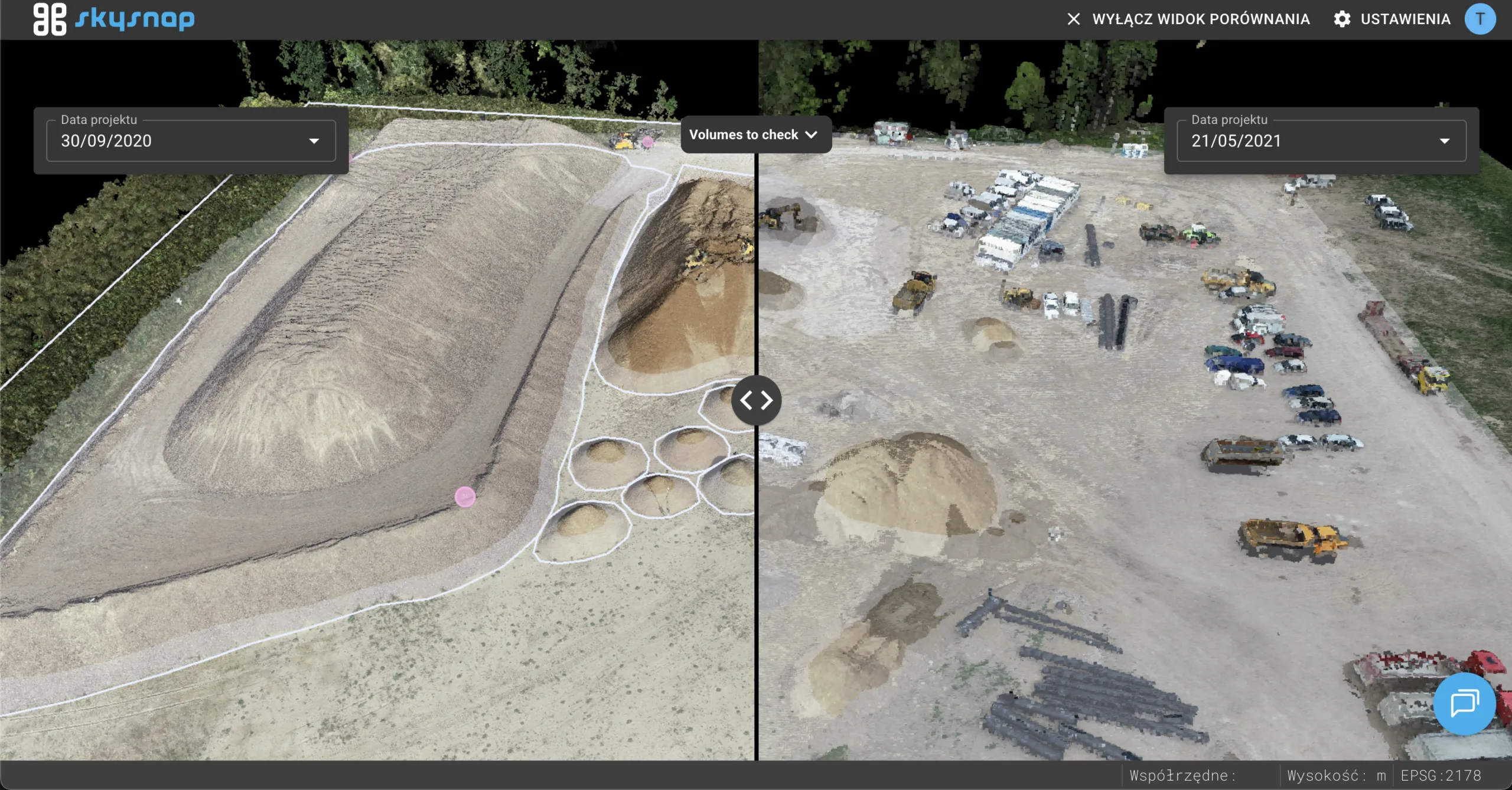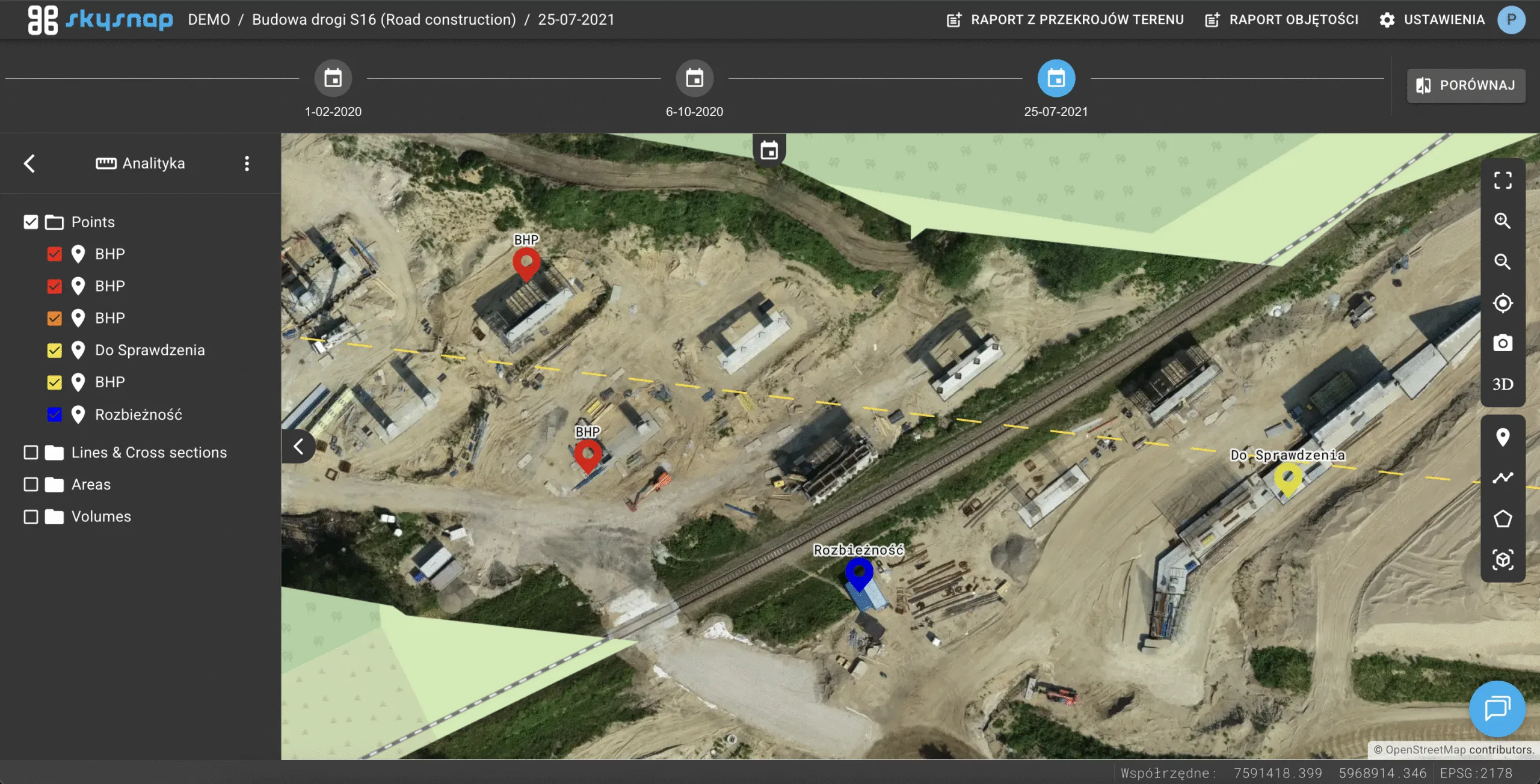
Why is post-construction monitoring crucial to security?
Po zakończeniu budowy, gdy kurz opada i ekipa budowlana opuszcza teren, dla wielu właścicieli nieruchomości, poczucie spokoju towarzyszy poczuciu osiągnięcia. Jednakże, aby zapewnić długoterminowe bezpieczeństwo i ochronę nowo wybudowanego obiektu, niezbędne jest wdrożenie skutecznego systemu monitoringu. Nie tylko pomaga on w zapobieganiu kradzieżom i aktom wandalizmu, ale także umożliwia szybkie reagowanie na wszelkie nieprzewidziane zdarzenia i awarie. W niniejszym artykule omówimy, dlaczego monitoring po zakończeniu budowy jest nie tylko zalecany, ale wręcz kluczowy dla zachowania bezpieczeństwa oraz spokoju ducha wszystkich użytkowników obiektu.
The role of monitoring in construction
W dzisiejszych czasach monitoring w budownictwie odgrywa kluczową rolę w zapewnieniu bezpieczeństwa i trwałości obiektów. Dzięki nowoczesnym technologiom i narzędziom, możliwe jest skuteczne zarządzanie i ochrona inwestycji od momentu zakończenia budowy. W tej sekcji omówimy znaczenie bezpieczeństwa po budowie oraz długoterminowe korzyści wynikające z monitoringu.
The importance of safety after construction
Bezpieczeństwo po zakończeniu budowy jest niezwykle istotne. Obiekt musi być chroniony przed kradzieżami i wandalizmem. Systemy monitoringu wizyjnego mogą skutecznie odstraszać potencjalnych intruzów.
Infrastruktura monitoringu pozwala na stałe nadzorowanie nieruchomości. Reagowanie na zagrożenia w czasie rzeczywistym minimalizuje ryzyko szkód. Dzięki temu właściciele mogą spać spokojnie.
Monitoring umożliwia także szybką identyfikację problemów technicznych. Niespodziewane awarie mogą być natychmiast wykrywane i naprawiane, co zmniejsza ryzyko kosztownych napraw w przyszłości.
Long-term benefits of monitoring
The long-term benefits of monitoring can be significant. First and foremost , they allow you to increase the value of your property by improving security.
Surveillance systems are also cost-effective. By automating surveillance processes, owners can reduce costs associated with physical security.
The use of modern technology also brings environmental benefits. Energy-efficient cameras and management systems help reduce energy consumption.
Elements of effective monitoring
Skuteczny monitoring nie polega jedynie na zainstalowaniu kamer. Wymaga zastosowania odpowiednich technologii i narzędzi oraz umiejętnego radzenia sobie z wyzwaniami. Omówimy kluczowe elementy, które decydują o efektywności monitoringu.
Key technologies and tools
The technologies used in surveillance are diverse. IP cameras are currently popular , offering high image quality and remote access.
Modern tools make it possible to integrate different systems into one coherent platform. This allows all data to be centrally managed and analyzed.
Intelligent image analysis systems can automatically identify threats. To do this, they use artificial intelligence algorithms that learn to detect suspicious situations.
Frequent challenges and their solutions
Monitoring w budownictwie niesie ze sobą wyzwania. Jednym z najczęstszych jest kwestia prywatności. Należy zapewnić, że monitoring nie narusza praw osób w otoczeniu.
Problemy techniczne, takie jak zakłócenia sygnału, mogą być trudne do rozwiązania. Regularne konserwacje sprzętu i aktualizacje oprogramowania pomagają w ich minimalizacji.
Właściwe szkolenie personelu jest kluczowe. Przeszkoleni pracownicy mogą lepiej obsługiwać systemy i reagować na niespodziewane sytuacje.
Monitoring use cases
Monitoring w budownictwie znajduje zastosowanie w różnych sytuacjach. W tej części przyjrzymy się przykładom sukcesów oraz analizie błędów, które mogą być lekcją dla przyszłych inwestycji.
Successes of completed projects
Many construction projects have been successful because of effective monitoring. For example, one residential project introduced advanced systems that significantly reduced the number of security incidents.
- Reduction of theft: Use of motion detection cameras.
- Improved response: Faster interventions through remote access to monitoring.
- Satisfaction among residents: Increased sense of security among tenants.
Error and lesson analysis
Not all projects were trouble-free. Error analysis is invaluable to avoid similar ones in the future. For example, one project lacked the right number of cameras, which limited the field of view.
- Insufficient number of devices: Need for additional installations.
- Coverage problems: Improving network infrastructure.
- Imperfect image analysis: software updates for better threat recognition.
The future of monitoring in construction
The future of monitoring in the construction industry is promising thanks to technological advances and changing trends. In this section, we take a look at innovations and anticipated changes.
Technological innovations
Technological innovations are driving the development of modern monitoring systems. Thermal imaging cameras are becoming more accessible and allow monitoring in difficult lighting conditions.
Cloud systems offer new possibilities for data storage. They make it easier to access and analyze recordings from anywhere in the world.
Artificial intelligence-based solutions are also being developed for even more precise image analysis and threat prediction.
Anticipated trends and developments
Predicted trends in monitoring point to further development of integrated systems. Increasing emphasis is being placed on automation and intelligent management.
- Cybersecurity is growing in importance: Protecting data from attacks.
- IoT integration: linking monitoring to other building systems.
- Continuous technological improvements: transformations in data analysis and information management.

Free E-book
Learn what services to offer, who to sell them to, and how to write an effective offer email. Ready-made templates, tips and examples of campaigns that really work.
Table of Contents:
Podoba Ci się artykuł? Podziel się nim z innymi!
Podoba Ci się artykuł? Podziel się nim z innymi!
Tips, news, insights
Related articles
Check out our articles and get the latest industry news.