How far can drones fly? A practical guide for everyone
Drones have become an integral part of modern technology, offering endless possibilities for amateurs and professionals alike. One of the key aspects of interest to users is the range these devices can achieve. From filming beautiful landscapes to delivering packages, drones need to cover a variety of distances in order to fulfill their tasks. In this article, we’ll take a look at what affects drone range and how it can be maximized, taking into account factors such as technology, regulations and weather conditions. We invite you to explore a topic that could change the way we view drones in everyday life.
Introduction to Drone Range
Understanding the concept of drone range is crucial for any operator. Knowing how far and how high a drone can fly will help in planning effective flights and avoiding potential problems.
What is a drone range?
The range of a drone refers to the maximum distance a drone can move away from an operator while maintaining stable communication and control. The range can vary depending on the model of the drone, its purpose and the technology used in its manufacture.
Range is not just a function of radio signal strength, but also the quality of the antenna and communication system. Modern drones often use advanced GPS and GLONASS systems to increase range.
Various conditions can affect range, including terrain obstacles and electromagnetic interference. That’s why it’s important to understand the technical specifications of your equipment to get the most out of it.
Why is outreach important?
Knowing the range of a drone is important for several reasons. First, range determines a drone’s ability to perform certain tasks, such as field inspections or mapping.
Security is another key aspect. Drones that lose their signal can become dangerous and difficult to control. Therefore, always keep your drone within its range.
Range also affects the efficiency of operations. Drones with greater range can cover larger areas in less time, which is beneficial in industries such as agriculture and construction.
Factors Affecting Reach
There are many elements that affect how far a drone can fly. From technical specifications to weather conditions to terrain, each of these factors can affect a drone’s ultimate performance.
Types of drones and their specifications
Drones vary in design and purpose, which affects their range. Recreational drones typically have a shorter range compared to professional drones used in industry.
Technical specifications play a key role. Models with better communication systems and more powerful batteries can reach greater distances. It is important to read the manual and technical specifications before flying.
There are drones on the market equipped with specialized technologies, such as enhanced noise immunity and advanced navigation systems that can significantly increase range.
Weather conditions and terrain
Weather conditions have a huge impact on a drone’s range. Strong wind, rain and even high humidity can affect a drone’s ability to fly and communicate stably.
Drones also have to deal with terrain obstacles. Dense buildings, forests or hilly terrain can limit range by interfering with radio signals.
It is a good idea to check the current weather forecast and topography of the area before planning a flight to minimize the risk of unforeseen problems.
Technology and Range
Modern technologies play a key role in extending the reach of drones. Thanks to them, operators can carry out increasingly ambitious projects.
Modern technological solutions
Technological innovations have significantly affected drone range. Systems such as intelligent power management and advanced navigation algorithms allow more efficient use of available energy.
Lithium-polymer batteries are now the standard for drones, offering greater performance and longer flight times. Manufacturers are constantly working on new developments that will enable even longer flights.
Thanks to the continuous development of technology, drones are becoming more autonomous, which translates into greater range and less risk of losing control.
Communication and transmission systems
Communication systems are key to maintaining drone coverage. Most drones use Wi-Fi or radio connections, which can be sensitive to interference.
Modern communication systems offer better protection against interference and greater connection stability. It is worth investing in drones with advanced transmission systems to improve reliability.
Using the right antennas and signal boosters can also help improve the quality of communication, which directly affects the range of the drone.
Rules and Regulations
Drone flight regulations are key to ensuring safety in the airspace. Knowledge of these regulations is essential for any operator.
Legal restrictions on coverage
Many countries have regulations limiting the range of drones to prevent collisions and other hazards. Drones must always be visible to the operator (“line of sight”).
Legal restrictions may vary from region to region, so check local regulations before flying. In some cases, special permits are required.
Violations of drone range regulations can lead to severe penalties, including fines or even confiscation of equipment.
How regulations affect drone use
Regulations affect how drones can be used in various fields. Range limitations may hinder some commercial projects.
Operators must adjust their flight plans to comply with current regulations, which may require additional planning and investment in more advanced technology.
Regulations are necessary to ensure safety, but can challenge innovation and technological advances in the drone industry.
Practical Tips for Operators
Proper preparation and knowledge of range enhancement techniques can significantly improve the efficiency of drone flights.
How to effectively extend the range of a drone
- Install high-quality antennas to improve signal coverage.
- Choose launch sites free of terrain obstacles and electromagnetic interference.
- Update your drone’s software to take advantage of the latest technologies and fixes.
Also keep your batteries in good shape and maintain them regularly, which will extend your drone’s flight time and range. Following these practices will help you get the most out of your equipment.
Safety and responsibility during flights
Safety should always come first. Before each flight, check weather conditions and make sure the area is safe for drone operations.
Be sure to follow local regulations and avoid flying near airports and other prohibited areas. It is the responsibility of the operator to maintain safety.
By following these rules, you’ll minimize the risk of accidents and gain more confidence during your projects.
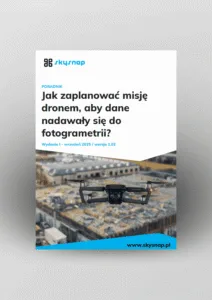
Free E-book
Learn how to prepare a mission step-by-step, avoid raid mistakes and create accurate orthophotos and 3D models. The perfect guide before your first commercial assignments.
Table of Contents:
Podoba Ci się artykuł? Podziel się nim z innymi!
Podoba Ci się artykuł? Podziel się nim z innymi!
Tips, news, insights
Related articles
Check out our articles and get the latest industry news.