Surveying accuracy: why is it so important?
The accuracy of surveying plays a key role in many fields, from construction to urban planning. Modern technologies make it possible to achieve extremely precise results, which is essential for the safety and sustainability of engineering projects. Without accurate measurements, it is hard to imagine mapmaking, road design or bridge construction. In our article, we’ll take a look at why precise surveying data is so important and the consequences that can result from inaccuracy. We invite you to discover how surveying affects our daily lives and infrastructure development.
Introduction to surveying
Surveying is a basic science that enables accurate measurements and mapping of the Earth. These measurements are essential in many fields, such as construction, urban planning and engineering.
The field of surveying looks at various aspects, such as the accuracy and repeatability of measurements, which are fundamental to a surveyor’s work, as well as the importance of laws governing standards in the field. This section looks at how surveying has developed over the centuries and which concepts are key to understanding it.
History and importance of geodesy
The history of geodesy dates back to antiquity, where it was used to divide land and construct buildings. In ancient Egypt, surveying was used to determine boundaries after the flooding of the Nile. Over the years, advances in technology have improved surveying processes, increasing their accuracy and precision.
Modern surveying plays a key role in infrastructure, from road design to land resource management. Today’s technologies, such as GPS and remote sensing, allow for fast and accurate measurements on a large scale.
The importance of surveying is not limited to construction. It is also crucial in scientific research, such as geology, and in urban planning, where accurate maps are essential for effective land management.
Basic geodetic concepts
A control point is a place with known coordinates that serves as a reference in measurements. Azimuth is the angle measured in the horizontal plane from the direction of north.
A level is a line on a map that connects points with the same height above sea level. It is essential in the creation of topographic maps. Triangulation is a measurement method of determining distances and angles in a triangle, which makes it possible to determine the exact position of points.
Satellite geodesy is a modern measurement method that uses satellites to determine precise coordinates on the Earth’s surface. It is widely used in navigation and urban planning.
Why is accuracy crucial?
The accuracy of surveying is essential to the safety and efficiency of many projects. In this section, we discuss how accurate data affects various fields such as construction and urban planning. It is also important to consider field details in determining the location and height of objects on the ground.
Impact on construction projects
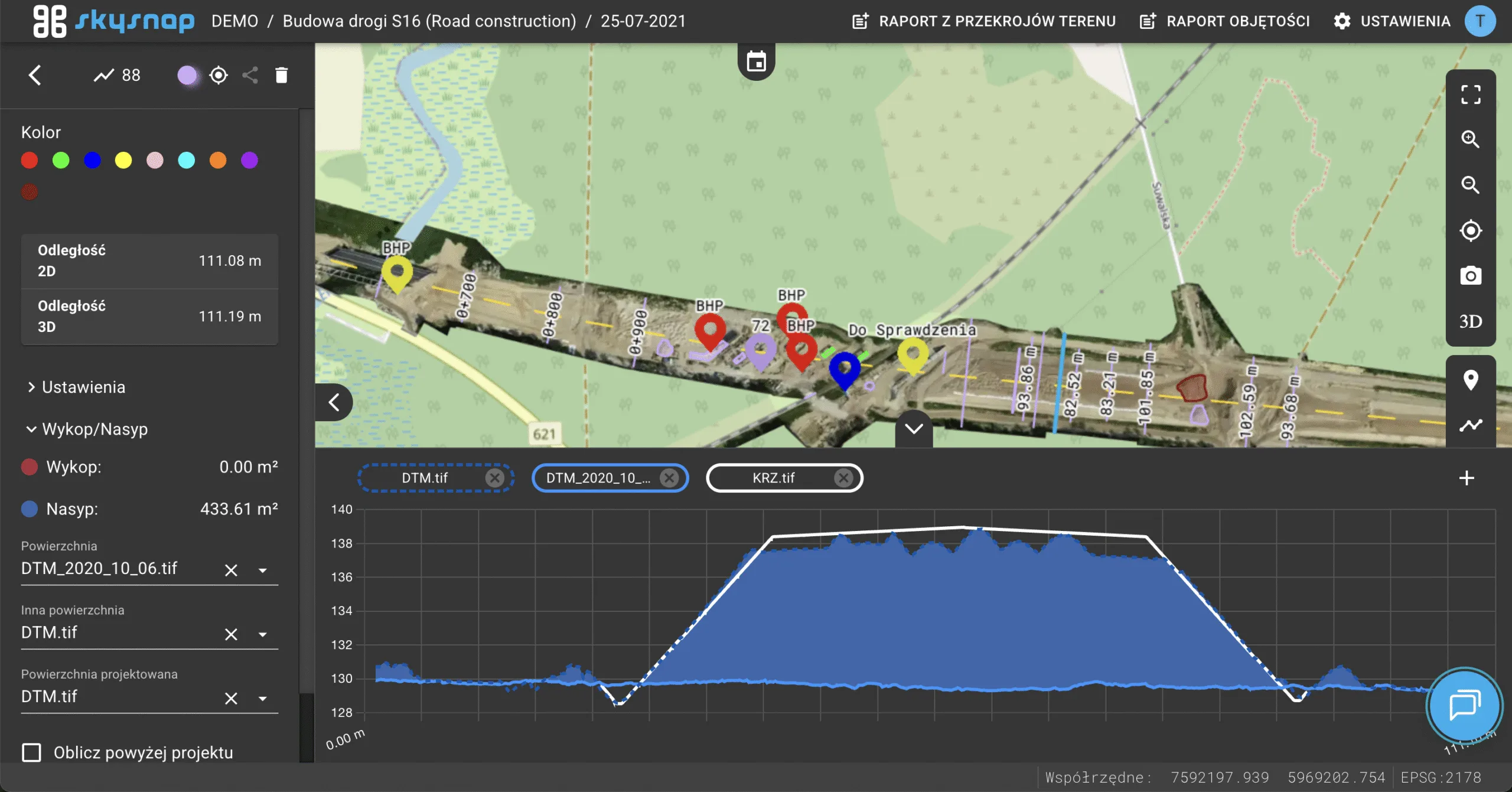
Accurate measurements are crucial to structural safety. Even minimal deviations can lead to serious problems, such as building settlement or cracks. Therefore, surveyors must ensure the highest precision in measurements. Technical standards regulate the performance of situational surveying, which is crucial for developing and submitting the results to the state surveying resource.
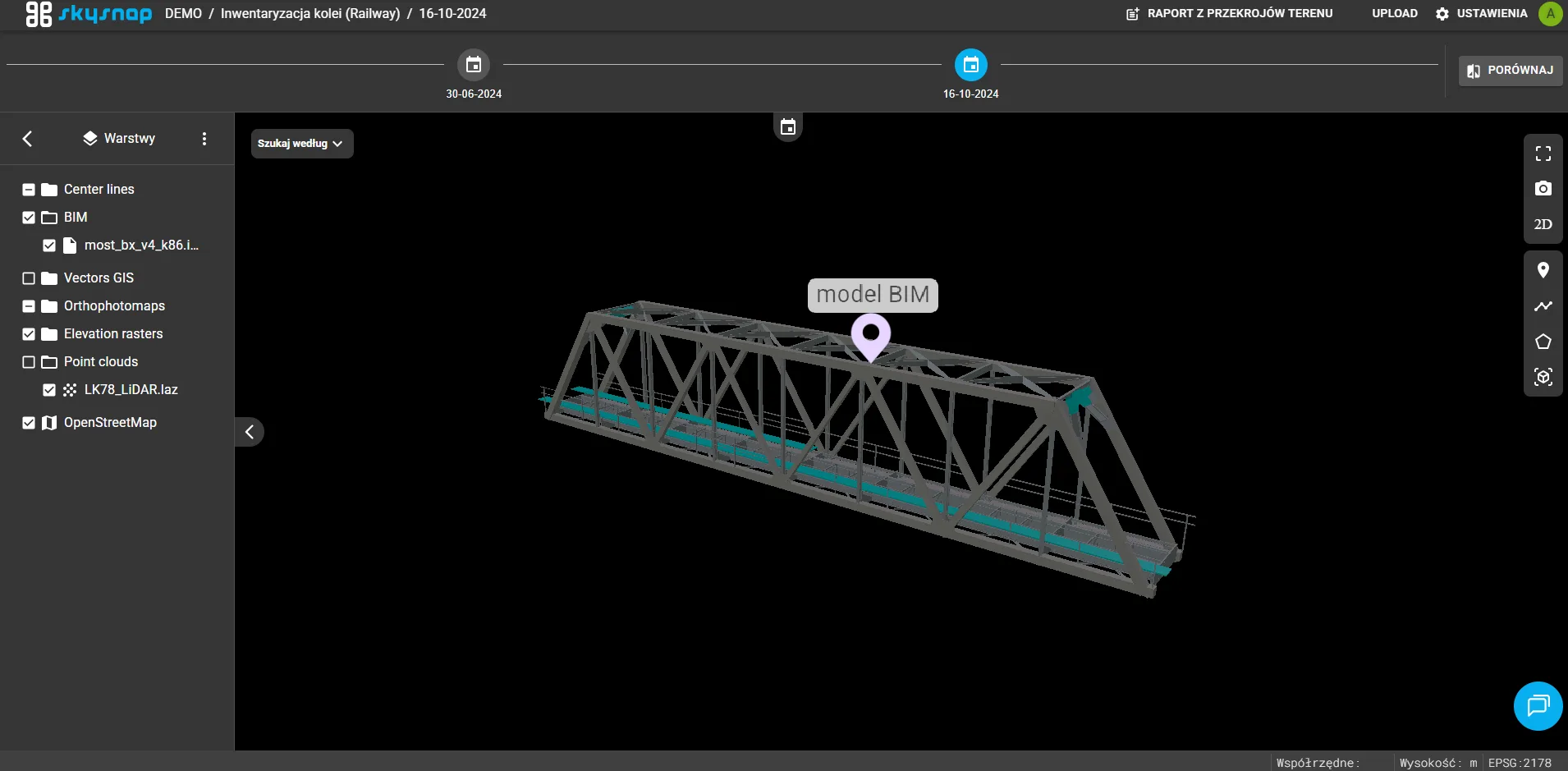
When building bridges, each element must be accurately placed to ensure the stability and durability of the structure. Surveying provides the necessary data to help accurately place structural elements.
In residential construction, accuracy is equally important. Errors in measurements can lead to improper foundation placement, increasing the risk of future damage.
Importance in urban planning
Urban planning requires accurate maps that reflect the actual location and size of objects on the ground. With accurate surveying, urban planning can be carried out efficiently and with future social needs in mind.
In cities where space is limited, every square meter matters. Surveying allows for optimal use of available space, which is crucial for sustainable urban development.
The accuracy of measurements is also essential in the creation of land use plans that regulate development and land use, taking into account the needs of local residents and environmental protection.
Techniques for improving measurement accuracy
To ensure the highest precision in surveying, surveyors use advanced technologies and software. In this section, we will discuss tools and methods that improve the accuracy of surveying measurements. Measuring the heights of survey points can be done using kinematic technology, which allows accurate height determination based on spatial vectors, determined in real time from data derived from satellite systems.
Modern surveying technologies
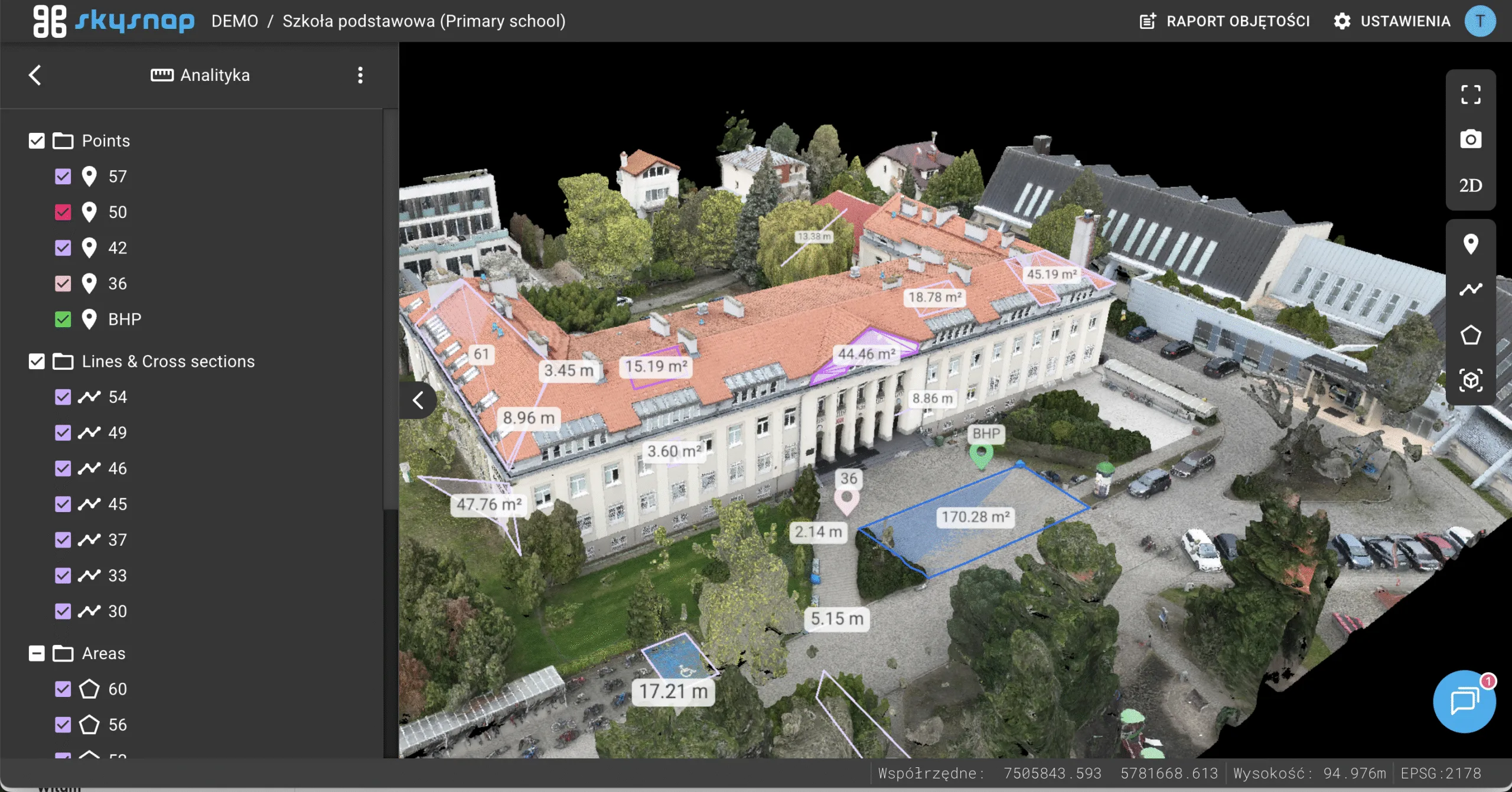
Modern technologies such as LiDAR and laser scanning are revolutionizing the way surveying is done. LiDAR uses laser light to measure distances, making it possible to create detailed 3D models of the terrain.
Drones equipped with LiDAR cameras and sensors enable the rapid collection of data from large areas, which is extremely useful in hard-to-reach areas. With them, surveyors can take measurements in less time and with greater accuracy. However, it is important that all measurements are referenced to the survey altitude matrix, which ensures the required accuracy of no less than 0.05 meters in accordance with current standards.
GPS is another technology that has greatly improved surveying accuracy. Thanks to satellites, surveyors can determine location to within a few centimeters, which is crucial in many engineering projects.
The role of software in surveying
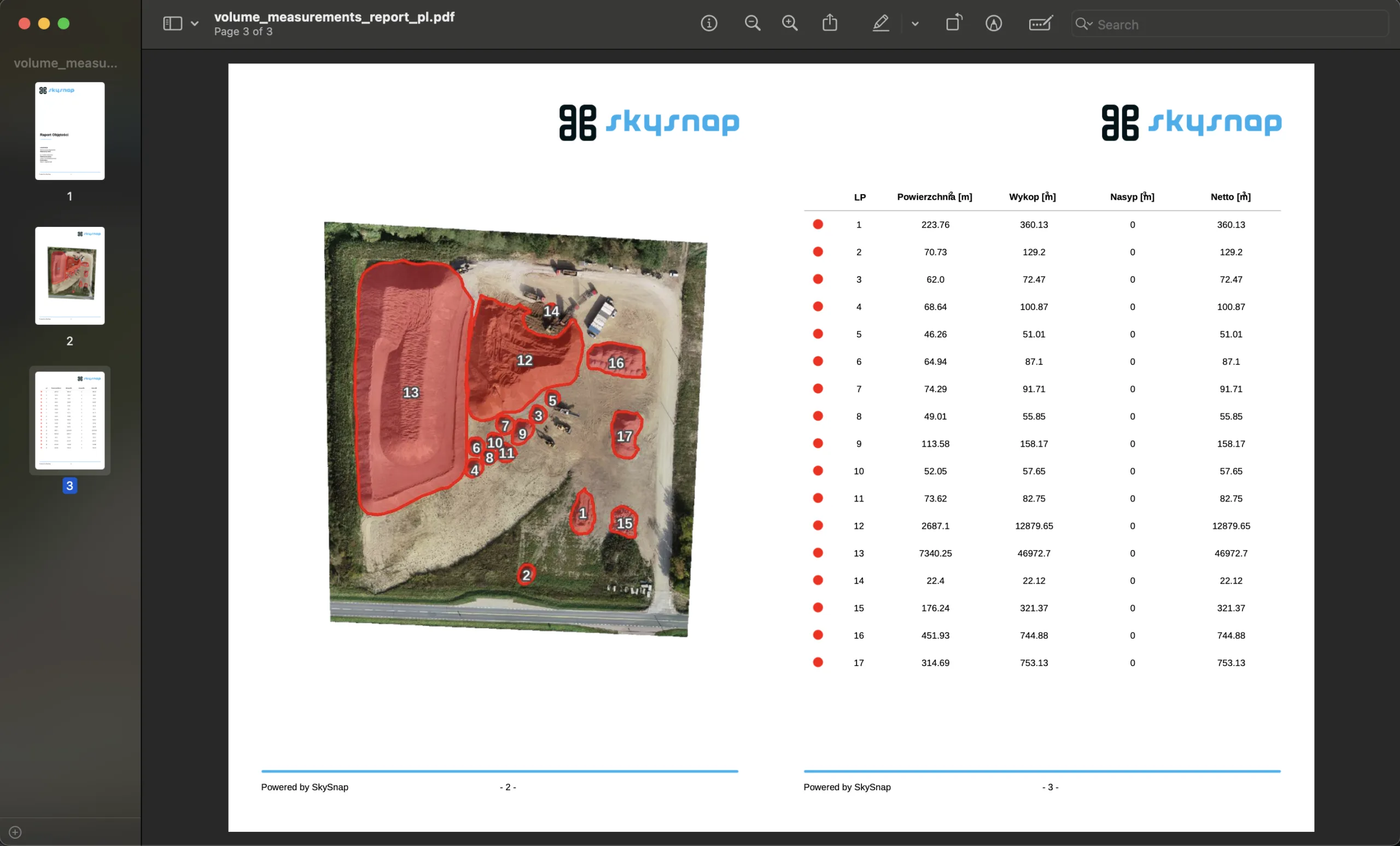
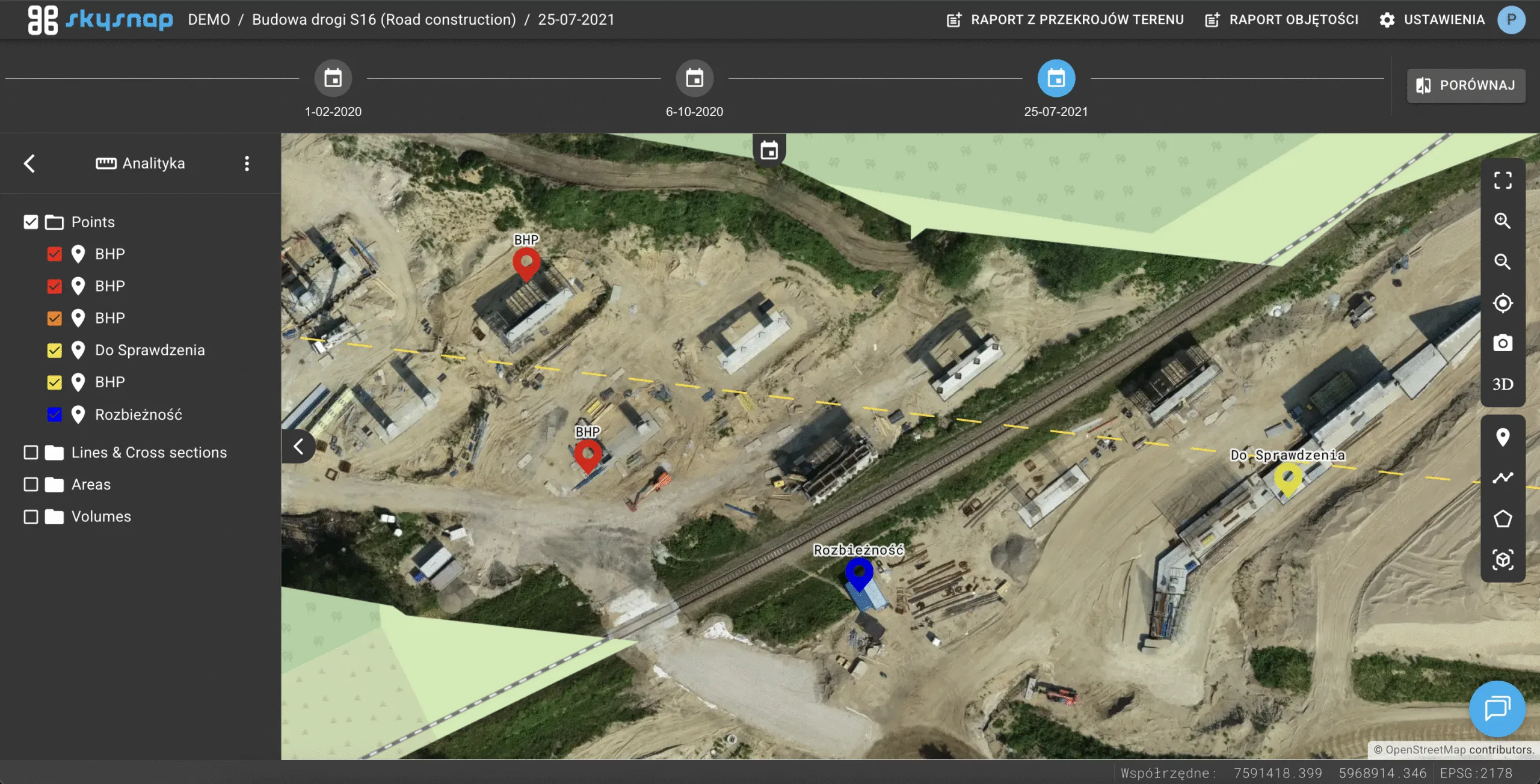
Surveying software plays a key role in processing and analyzing survey data. Tools such as AutoCAD and GIS allow surveyors to create accurate maps and models.
Situation and elevation surveys are used to update maps and prepare project documentation, which is key to achieving design goals.
Automating measurement processes reduces the risk of human error and increases productivity. With specialized software, data can be quickly analyzed and presented in graphical form.
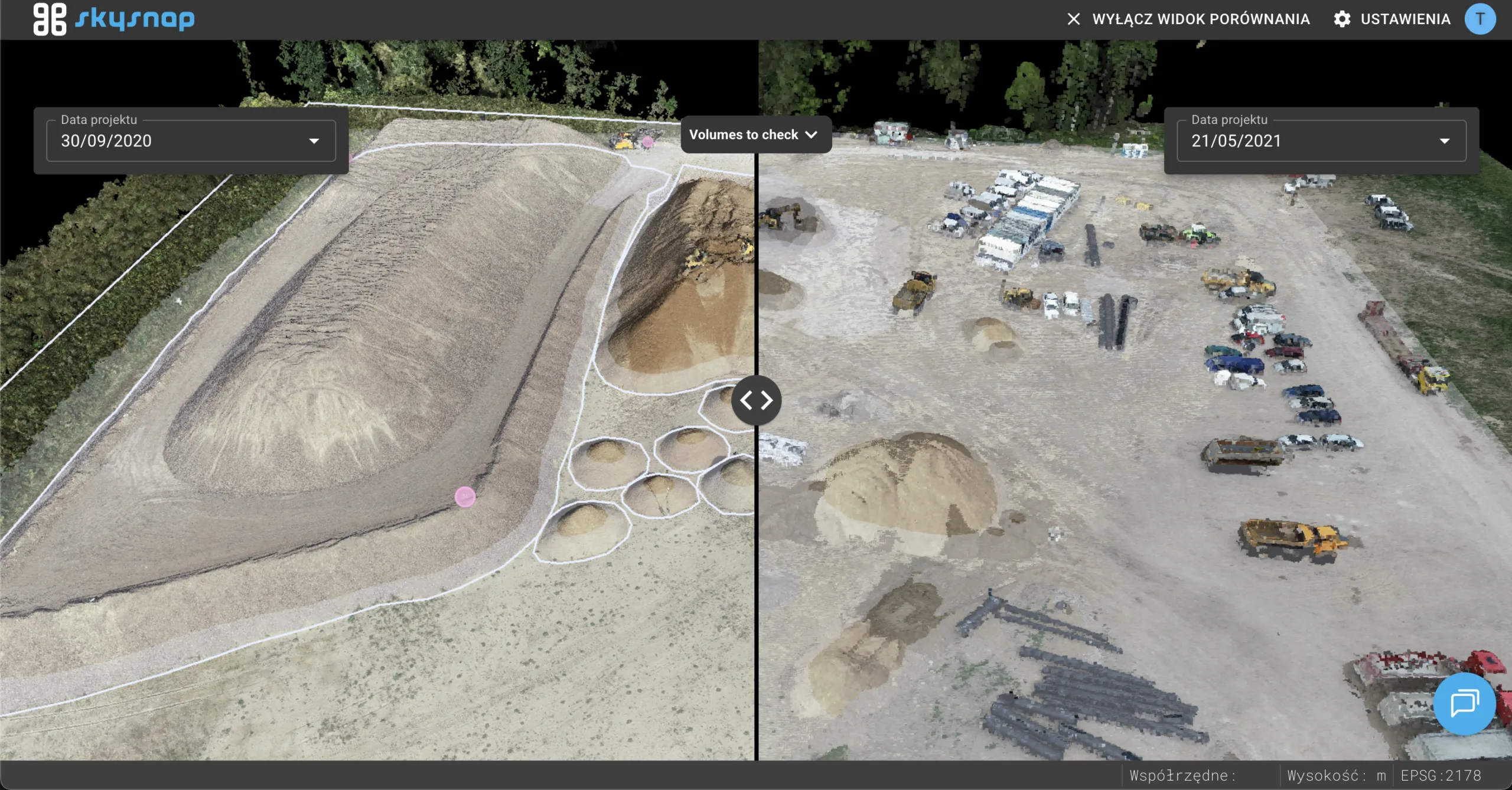
Computer simulations are used to predict the effects of various scenarios, which is useful in project planning and management. With them, engineers can test various solutions before implementing them in reality.
Challenges in ensuring accuracy
Despite advances in technology, surveyors still face challenges in ensuring survey accuracy. In this section, we will discuss factors affecting inaccuracies and how to minimize them. An important aspect is meeting the conditions for making measurements, which includes choosing the right methods and technology to ensure the required accuracy and that measurements are carried out correctly.
Factors affecting inaccuracies
Weather conditions can have a significant impact on the accuracy of surveying measurements. Rain, fog or high winds can interfere with the performance of surveying equipment such as theodolites and laser scanners. In the context of surveys requiring higher accuracy, precise measurements are key to obtaining reliable data on the location of objects on the ground.
Terrain factors, such as terrain or the presence of physical obstacles, can also affect measurement results. In difficult terrain, measurements may be less accurate due to limited visibility or difficulty in accessing control points.
Hardware errors are another factor to consider. Even the most advanced equipment can fail or require calibration, affecting data quality.
How to minimize measurement errors
To minimize measurement errors, surveyors should follow several rules.
Above all, regular equipment calibration is key. Regular inspection and maintenance of measuring equipment ensures its reliability and precision.
The use of modern technology, such as drones and GPS, helps provide more accurate data. Using several measurement methods simultaneously increases the chance of obtaining reliable results. It is also important that the selection of appropriate measurement methods be made using methods that will ensure the required accuracy and that field measurements are carried out correctly.
Finally, surveyors should be aware of the impact of weather conditions and avoid measuring in severe weather whenever possible. Good planning and preparation are key to minimizing errors.
The future of surveying and accuracy
Surveying is constantly evolving, and new technologies and innovations have the potential to make surveying even more accurate. In this section, we take a look at what changes await the surveying industry in the future. Ensuring the required accuracy rests with surveying managers, who must use appropriate surveying methods and techniques.
Innovation and technological development
The surveying industry continues to evolve with new technologies that improve surveying accuracy and efficiency. Artificial intelligence (AI) is beginning to play a significant role in surveying data analysis. AI can help identify patterns and automate surveying processes. In doing so, it is important to maintain a measure of the accuracy of the measurement result, which is crucial to the precision of the measurements.
The Internet of Things (IoT) is another area that has the potential to revolutionize surveying. By connecting various surveying devices, more detailed data can be obtained in real time.
New technologies, such as 3D printing, make it possible to create field models with high accuracy, which is useful for designing and visualizing engineering projects.
Anticipated changes in the surveying industry
In the coming years, the surveying industry can expect to see a number of changes that will affect the way measurements are carried out. Automation of surveying processes is expected to increase, reducing the amount of time it takes to conduct measurements.
Sustainability will become increasingly important, and surveyors will have to adapt to new environmental and sustainable urban planning regulations.
Finally, collaboration between different disciplines, such as surveying , engineering and earth sciences, will become crucial for creating comprehensive solutions to complex spatial management and infrastructure planning challenges.

Free E-book
Learn how to prepare a mission step-by-step, avoid raid mistakes and create accurate orthophotos and 3D models. The perfect guide before your first commercial assignments.
Table of Contents:
Podoba Ci się artykuł? Podziel się nim z innymi!
Podoba Ci się artykuł? Podziel się nim z innymi!
Tips, news, insights
Related articles
Check out our articles and get the latest industry news.