How an IR camera drone is changing the way we see the world
In recent years, drone technology has revolutionized many fields, and one of its latest developments is the integration of thermal imaging cameras. These advanced devices make it possible to monitor temperatures and identify problems that are invisible to the naked eye. The use of drones with thermal imaging cameras opens up new opportunities in areas such as public safety, industrial inspections and environmental protection. They allow us to respond more quickly and efficiently to potential threats, while minimizing risks to people. In this post, we’ll take a look at how these innovative solutions are changing the face of surveillance around the world.
Introduction to drone technology
Introduction to Drone Technology is a fascinating journey through the history and development of these devices, which today play a key role in many fields. Understanding their versatile applications helps you see their impact on modern technology and everyday life.
History and development of drones
The history of drones dates back to the early 20th century, when the first unmanned aerial vehicles were used primarily for military purposes. Over time, their technology has evolved, allowing them to be used in a variety of civilian fields. Today, drones are more advanced than ever.
In the second half of the 20th century, work began on drones used for scientific and industrial purposes. Using them for environmental research became a key area where the technology was widely used.
Today, drones are being used in areas such as photography, transportation and even package delivery. Their development potential continues to inspire innovators and entrepreneurs around the world.
Application of drones in various fields
Drones have found applications in many fields, increasing the efficiency and safety of operations. One of the most important applications is monitoring, which allows for faster and more accurate data collection.
In agriculture,drones are used to monitor crops, allowing for precise resource management. They also help detect plant diseases and optimize irrigation.
In the film industry, drones have opened up new possibilities for capturing spectacular aerial shots. They allow unique perspectives that were previously unavailable or very expensive.
Thermal imaging capabilities of drones
Drones with thermal imaging cameras greatly expand the range of applications for these devices. With the ability to visualize heat, users can identify problems invisible to the naked eye, which is particularly useful for monitoring and diagnostics.
How does thermal imaging work?
Thermal imaging is a technology that allows visualization of temperature differences. It works by detecting infrared radiation emitted by objects. Thermal imaging cameras convert this information into images that show different levels of heat.
- Radiation detection: The thermal imaging camera detects infrared radiation emitted by objects.
- Signal conversion: the detector converts radiation into electrical signals.
- Image generation: Signals are processed and converted into an image visible on the screen.
Thermal imaging is particularly useful in low-visibility conditions such as night or fog, making it an indispensable tool in monitoring.
Advantages of using thermal imaging in monitoring
Thermal imaging offers many advantages in the context of monitoring, making the process more efficient and safer. One of the main benefits is the ability to work in conditions where other technologies fail.
Thermal imaging cameras make it possible to detect problems with infrastructure, such as heat leaks or insulation damage. They also make it possible to quickly identify hazards, which is crucial in the case of fires or industrial accidents.
Thanks to drones with thermal imaging cameras, it is possible to monitor large areas in a short period of time, reducing costs and increasing the efficiency of operations. All this makes thermal imaging indispensable in modern monitoring.
Practical applications of thermal imaging drones
Thermal imaging drones are widely used in various industries. Their ability to detect temperature differences allows for effective monitoring and diagnostics, resulting in greater safety and savings.
Monitoring of infrastructure and buildings
Thermal imaging drones are revolutionizing the way we monitor infrastructure. With the ability to detect temperature differences, they are able to quickly identify problems invisible to traditional inspection methods.
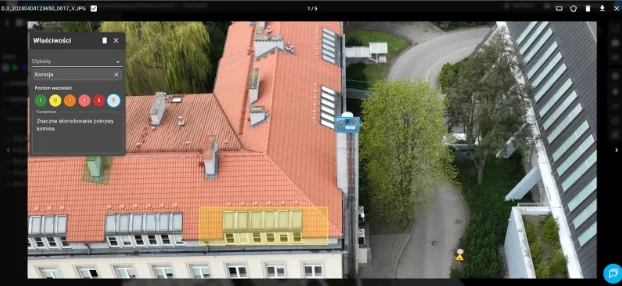
- Inspection of roofs: Detecting insulation damage and heat leaks.
- Inspection of power lines: Identifying overloads and potential failures.
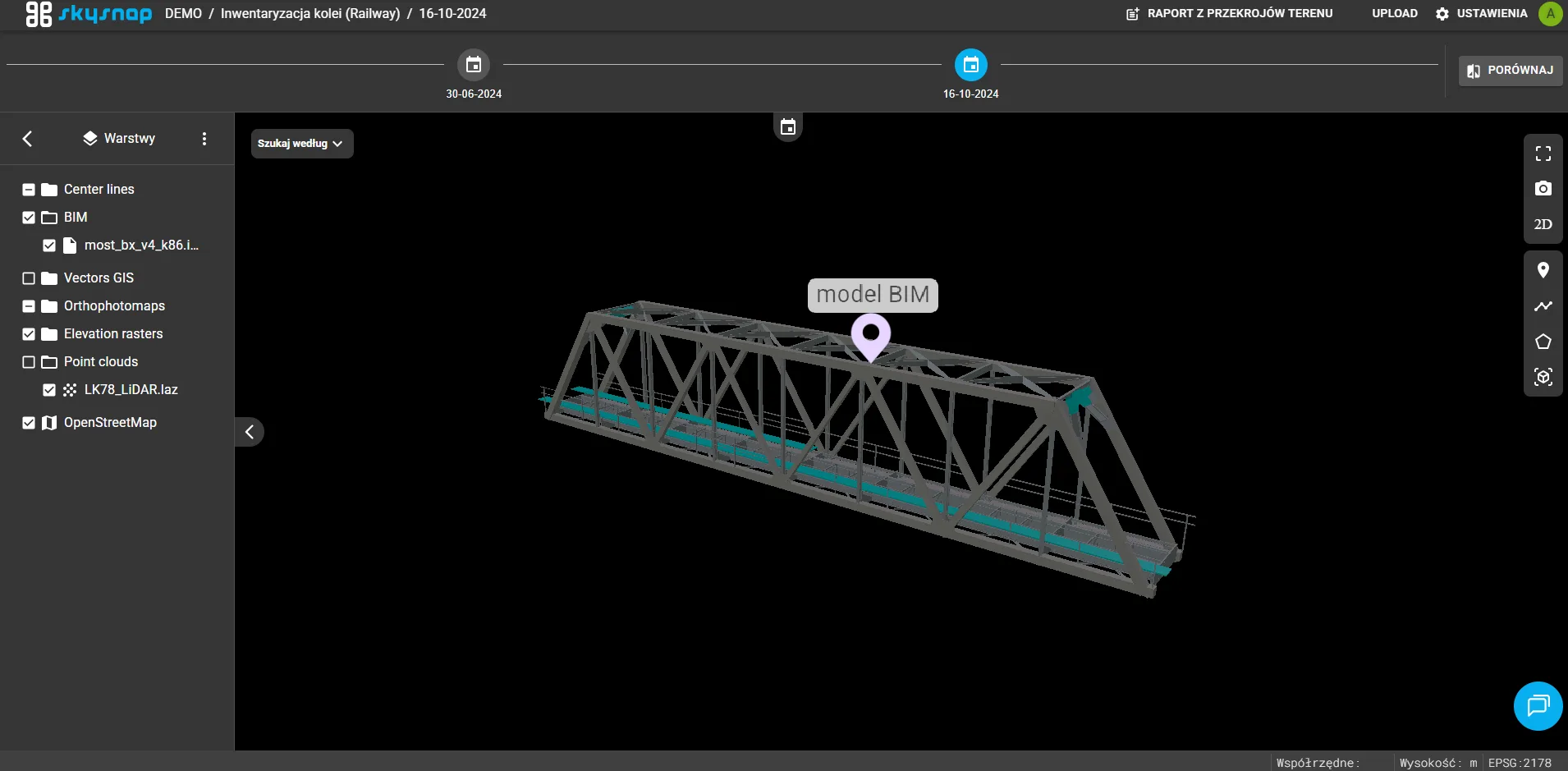
- Monitoring of bridges and overpasses: Early detection of cracks and corrosion.
These applications allow quick repair decisions, which can prevent costly failures and enhance public safety.
Applications in rescue and security
Drones with thermal imaging cameras play a key role in the field of rescue and security. Their ability to operate in harsh conditions makes them an indispensable tool in rescue operations.
In the search for missing persons, drones can quickly search large areas, increasing the chances of quickly finding those in need of help. They are also used to monitor emergency situations such as fires or natural disasters.
With thermal imaging drones, rescue teams can take more precise and effective actions, making rescue operations safer and more efficient.
Impact of drones on the future of surveillance
Drones with thermal cameras have the potential to significantly impact the future of surveillance. Their development opens up new opportunities, but also poses new technological and regulatory challenges.
New opportunities and technological challenges
The development of drone technology brings many new opportunities, but also challenges. One of the main directions is to increase the autonomy of drones, allowing more complex operations without human involvement.
- Advanced algorithms: The development of artificial intelligence in drones enables more precise analysis and decisions in flight.
- Increasing range: Work on longer-life batteries allows for longer missions.
- Integration with IoT: Connecting drones to other devices increases their functionality and efficiency.
While these innovations are promising, they also pose data security and privacy challenges.
Potential changes in laws and regulations
The impact of drones on the future of surveillance involves adjusting laws and regulations. Increasing drone use requires clear regulations to ensure safety and privacy.
The introduction of airspace regulations is essential to avoid collisions and threats to civil aviation. In addition, data protection aspects require precise regulations to minimize the risk of abuse.
Drone regulations must evolve with the technology to ensure the sustainability and use of these devices in a responsible and safe manner.
Summary and future of drone technology
In conclusion, drones with thermal imaging cameras are opening new horizons in surveillance and other fields. Their rapid development points to a future full of innovation, but also requires thoughtful regulation and adaptation to the changing technological environment.
Predictions for drone development
The future of drones seems promising, with a number of developments that could change the way we view surveillance. One key area will be the further development of artificial intelligence, which will allow drones to be more autonomous and efficient.
Innovations in batteries and materials will also be key, as they will allow drones to increase range and durability, which is essential for more advanced applications.
Future drone applications could include even more complex operations, such as autonomous delivery or real-time monitoring of large areas, which will affect many industries.
Conclusions and key observations
In summary, thermal drones are already changing the face of many industries, and their future looks just as promising. Here are some key findings:
- Efficiency and security: Drones greatly increase the efficiency of monitoring while enhancing security.
- Technological innovation: The development of drone technology is dynamic, bringing new opportunities and challenges.
- Regulations: The need for new regulations is imperative to ensure safe and responsible drone use.
In the future, the key to success will be the sustainable development of the technology along with the appropriate regulations that will allow drones to realize their full potential in various fields.
Free E-book
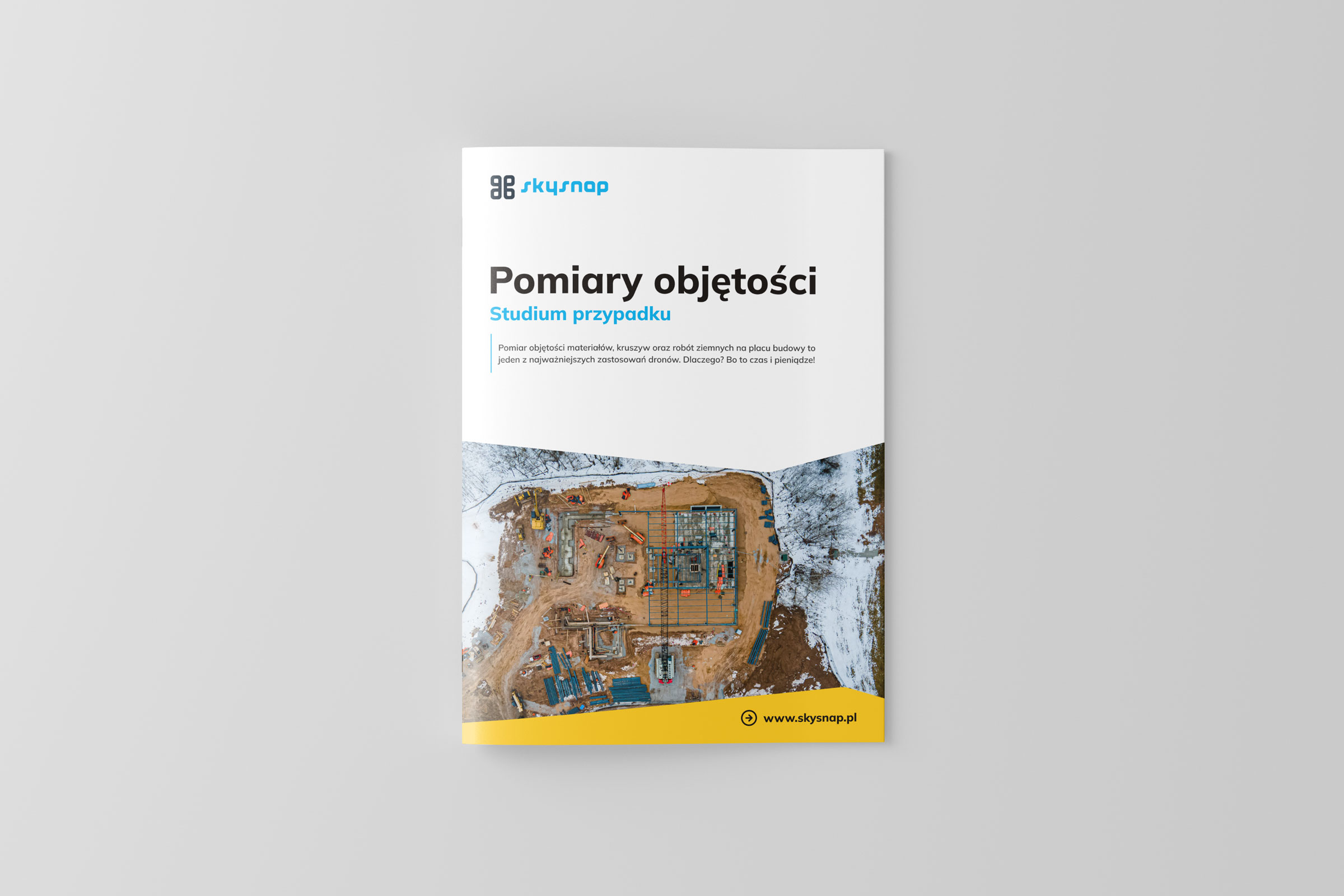
Measuring the volume of materials, aggregates and earthworks on a construction site is one of the most important uses of drones. Why? Because it’s time and money! Download our short e-book and learn how you can monetize your passion with drones.
Table of Contents:
Podoba Ci się artykuł? Podziel się nim z innymi!
Podoba Ci się artykuł? Podziel się nim z innymi!
Tips, news, insights
Related articles
Check out our articles and get the latest industry news.