Ground checkpoints and drones: how they work together for precise measurement
Nowadays, precise field measurements are becoming increasingly available thanks to a combination of advanced drone technology and ground-based checkpoints. These two tools, working together, make it possible to not only collect data quickly, but also accurately, which is crucial in many fields such as construction, agriculture and natural resource management. In this article, we’ll look at how drones work with ground-based checkpoints to provide detailed terrain information. Understanding this process can help you make better use of modern technologies that are changing the way we look at the world around us and meeting a variety of customer needs.
Introduction to ground checkpoints
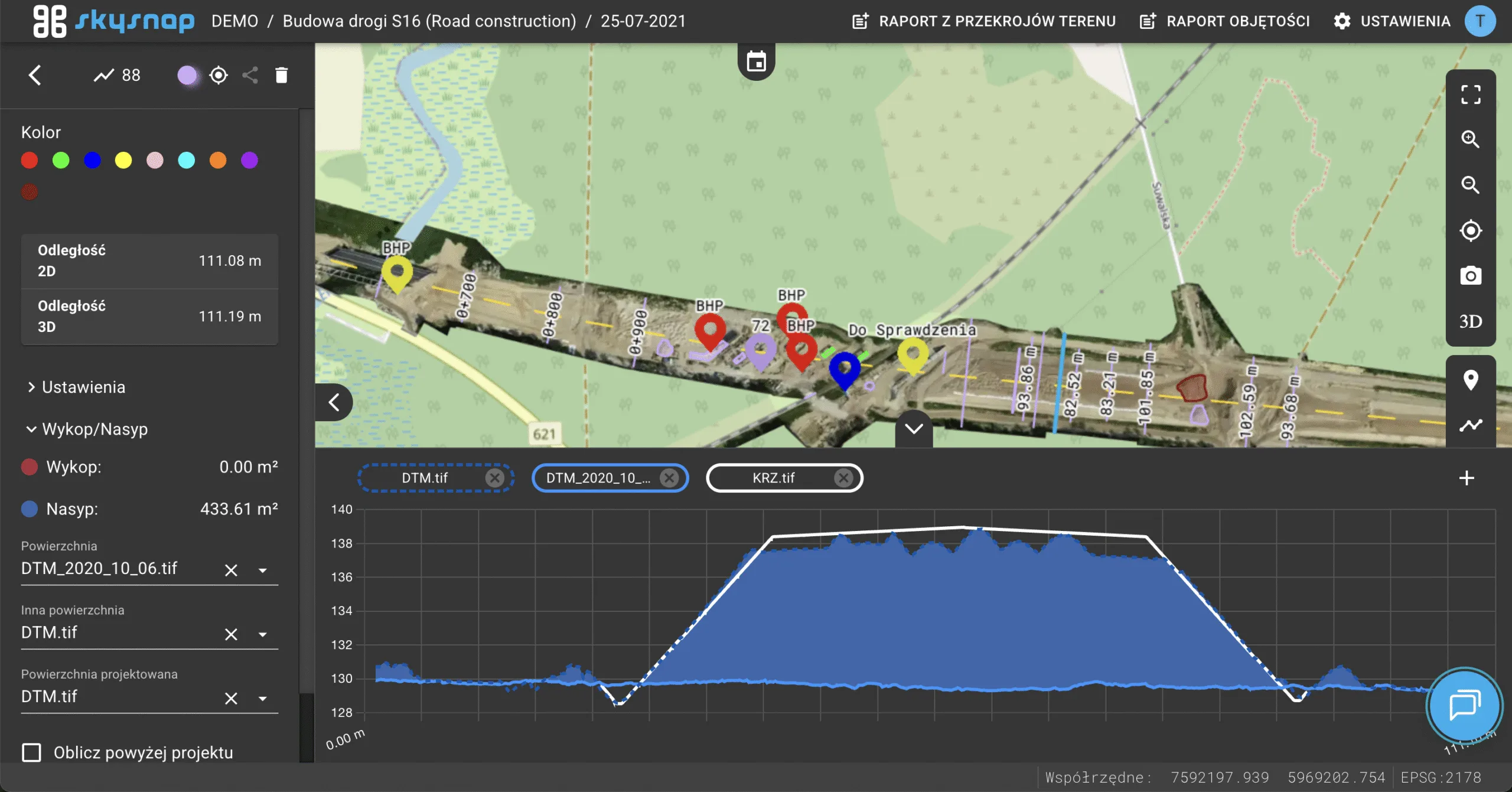
Ground control points (GCPs) play a key role in the field survey process. They serve as a reference for data collected by drones, ensuring precision and accuracy. In this section, we will discuss the basics of GCPs and their importance in the context of modern surveying technologies.
Understanding the basics of GCP
Ground checkpoints are physical markers placed on the ground that are used to calibrate and verify data collected by drones. Their main purpose is to ensure that geolocation data is accurate and consistent.
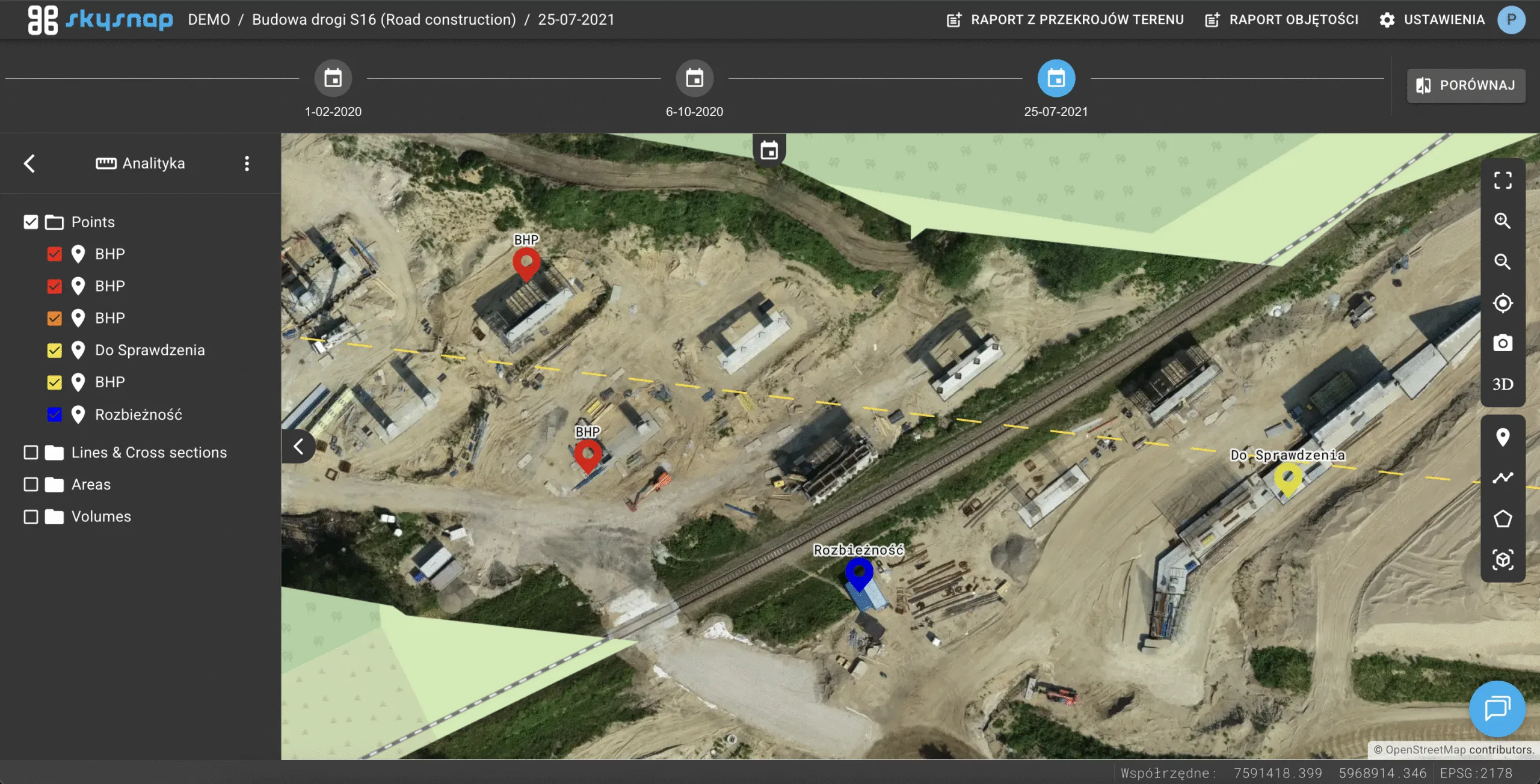
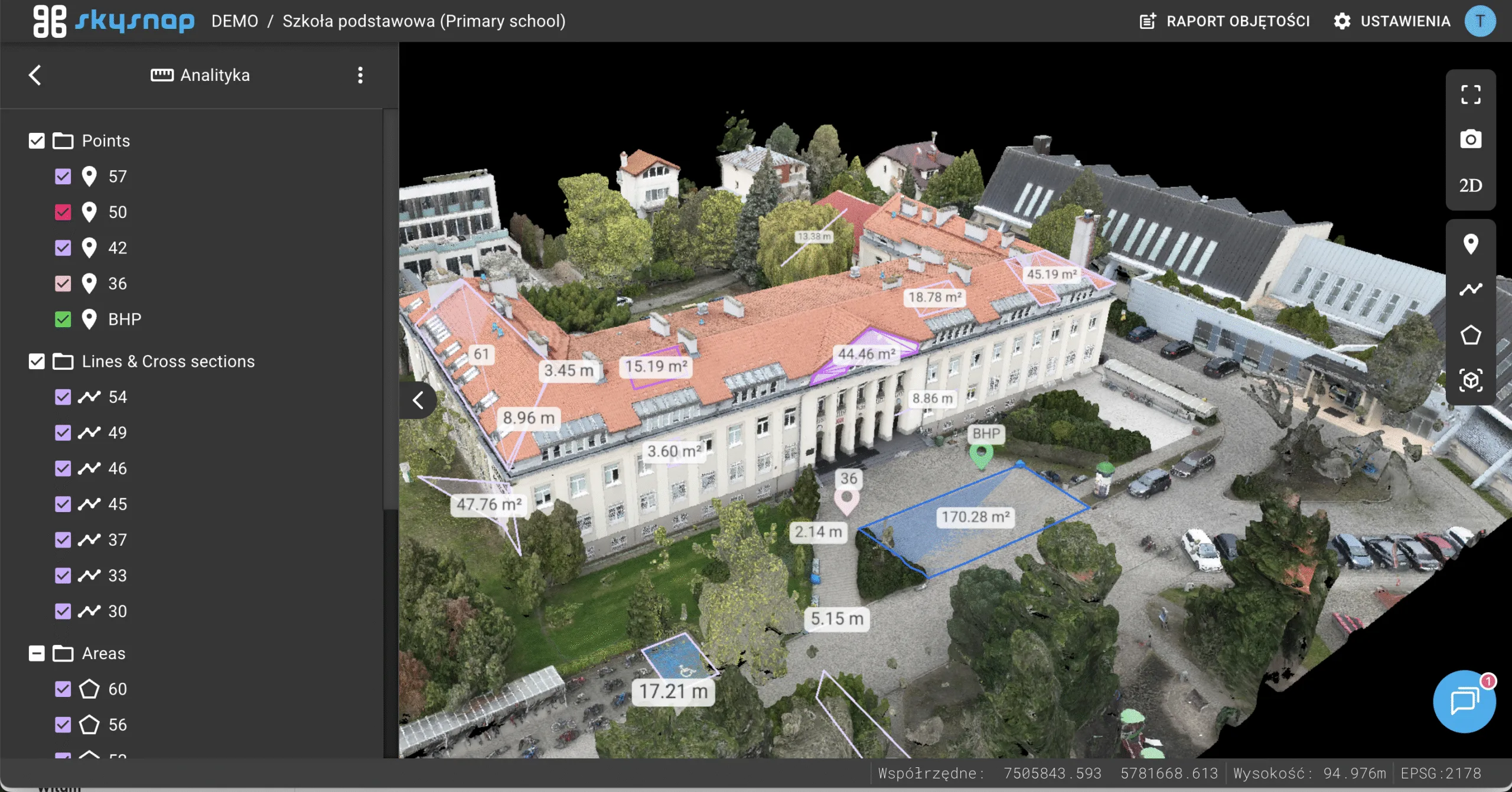
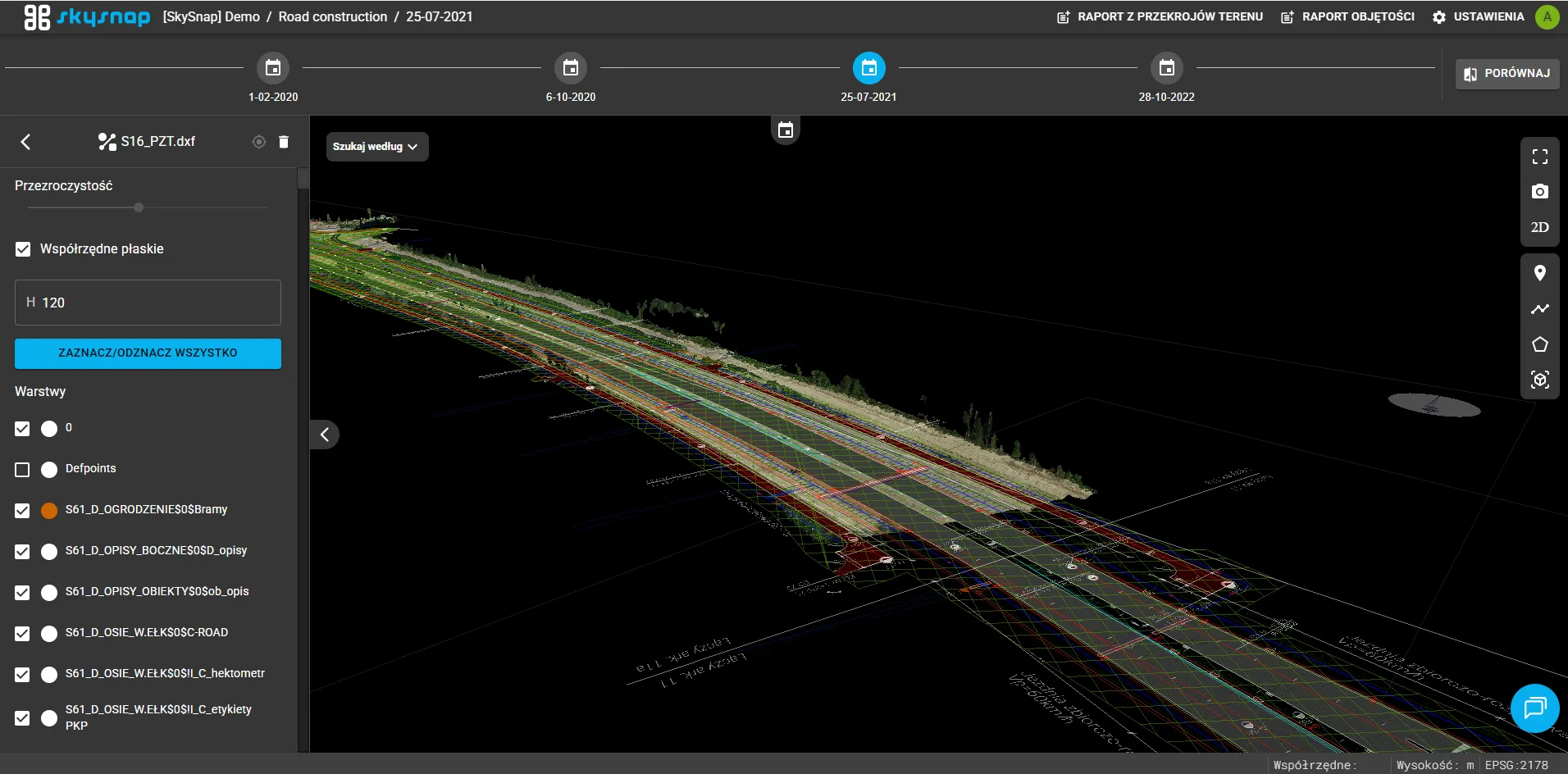
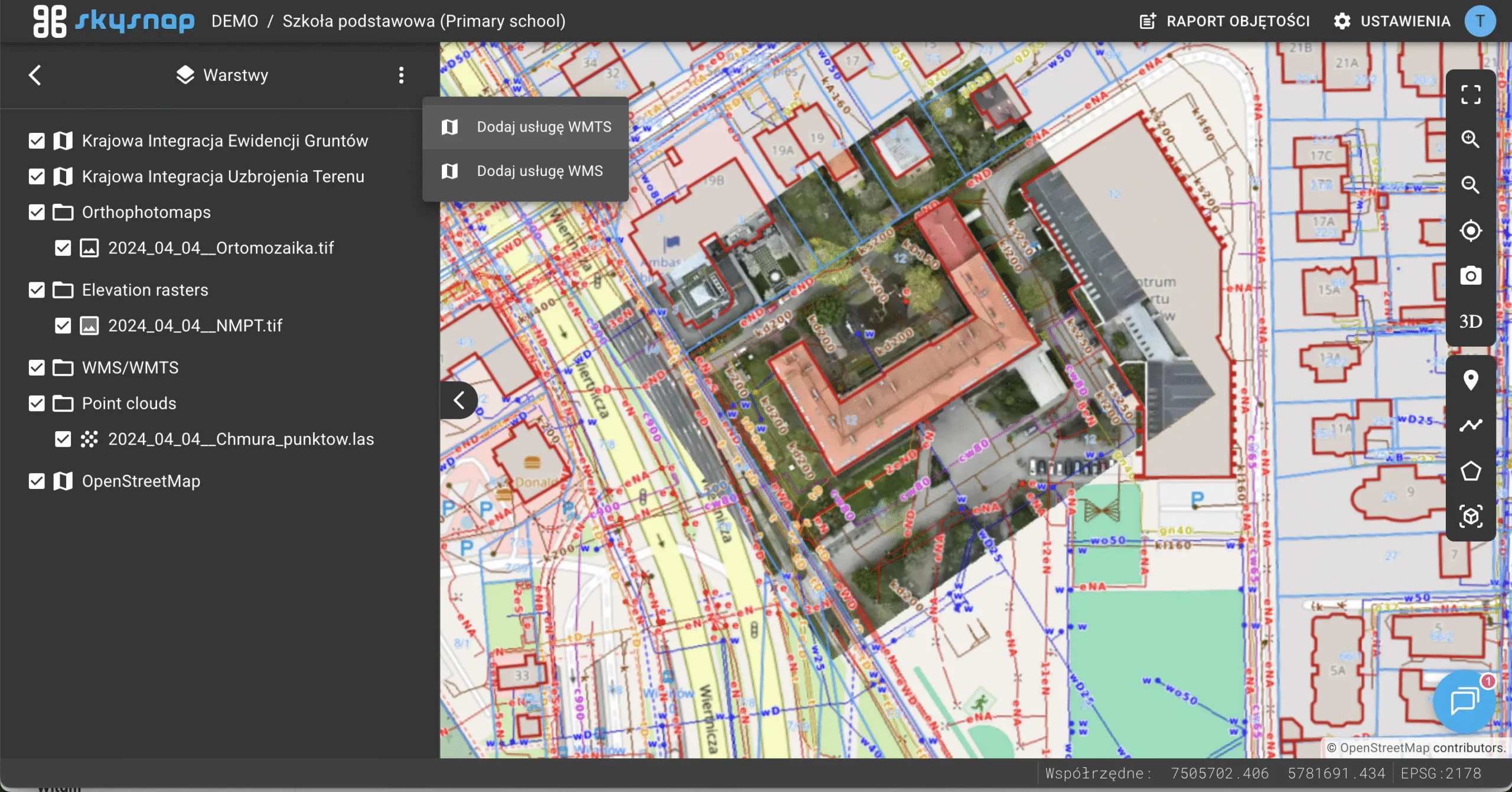
Typically, GCPs are placed at strategic locations in the mapped area. This allows for later comparison of the drone data with the actual coordinates of the control points. This process requires precise placement and documentation of GCPs, which is crucial for reliable results. Integrating GCP data with CAD environments enables the creation of precise digital models.
With GCPs, it is possible to scale and correct errors that can occur during drone data collection. Acting as reference points, GCPs ensure that all measurements are consistent with the actual lay of the land.
Why are GCPs essential?
GCPs are necessary because without them it would be difficult to achieve high accuracy in field measurements. Their presence makes it possible to calibrate data obtained from drones, which is crucial for various applications.
In construction, for example, the accuracy of measurements can affect the success of an entire project. Even small errors can lead to costly corrections and changes in plans. With GCP, these errors are minimized and the data is more reliable.
GCPs are also essential in precision agriculture, where they determine efficient resource management. By ensuring data consistency, GCPs help farmers make better crop decisions.
The role of drones in precision measurement
Drones have become an integral part of the survey process due to their potential to collect data quickly and efficiently. Drones can quickly and accurately collect data in a given area, which is crucial for airspace protection and enables effective real-time response. In this section, we will take a look at modern drone technologies and their advantages in the context of precise measurements.
Modern drone technologies
Modern drones are equipped with advanced technologies that enable them to collect data with unprecedented precision. Equipped with high-resolution cameras and sensors, drones can map terrain in great detail.
With GPS technology, drones can accurately track their location and provide geolocation data. This combination of technologies allows for the creation of accurate 3D models of areas, which is extremely helpful in various industries.
Many modern drones also have autonomous functions, meaning they can perform tasks with minimal human intervention. This greatly increases efficiency and allows for data collection in hard-to-reach areas.
Advantages of using drones
There are many benefits to using drones in the surveying process, including the speed and accuracy of data collection. Drones can work in difficult field conditions where human access is limited.
- Speed: Drones can cover large areas in a short period of time, which is unattainable by traditional survey methods.
- Accuracy: Thanks to advanced sensors, the drones provide detailed data that matches reality.
- Safety: It is safer for drones to work in difficult terrain because they minimize the risks associated with human labor.
Drones can also collect and analyze data on the fly, providing real-time insights.
Thanks to these advantages, drones are becoming increasingly popular in various industries, from construction to agriculture.
Drone collaboration with GCP
Combining drones with ground-based checkpoints creates a powerful tool for precise land measurement. In this section, we discuss how the two work together to ensure data consistency and accuracy. This collaboration also helps identify and manage the various drone models, which is key to effective airspace management and ensuring safety.
Data synchronization
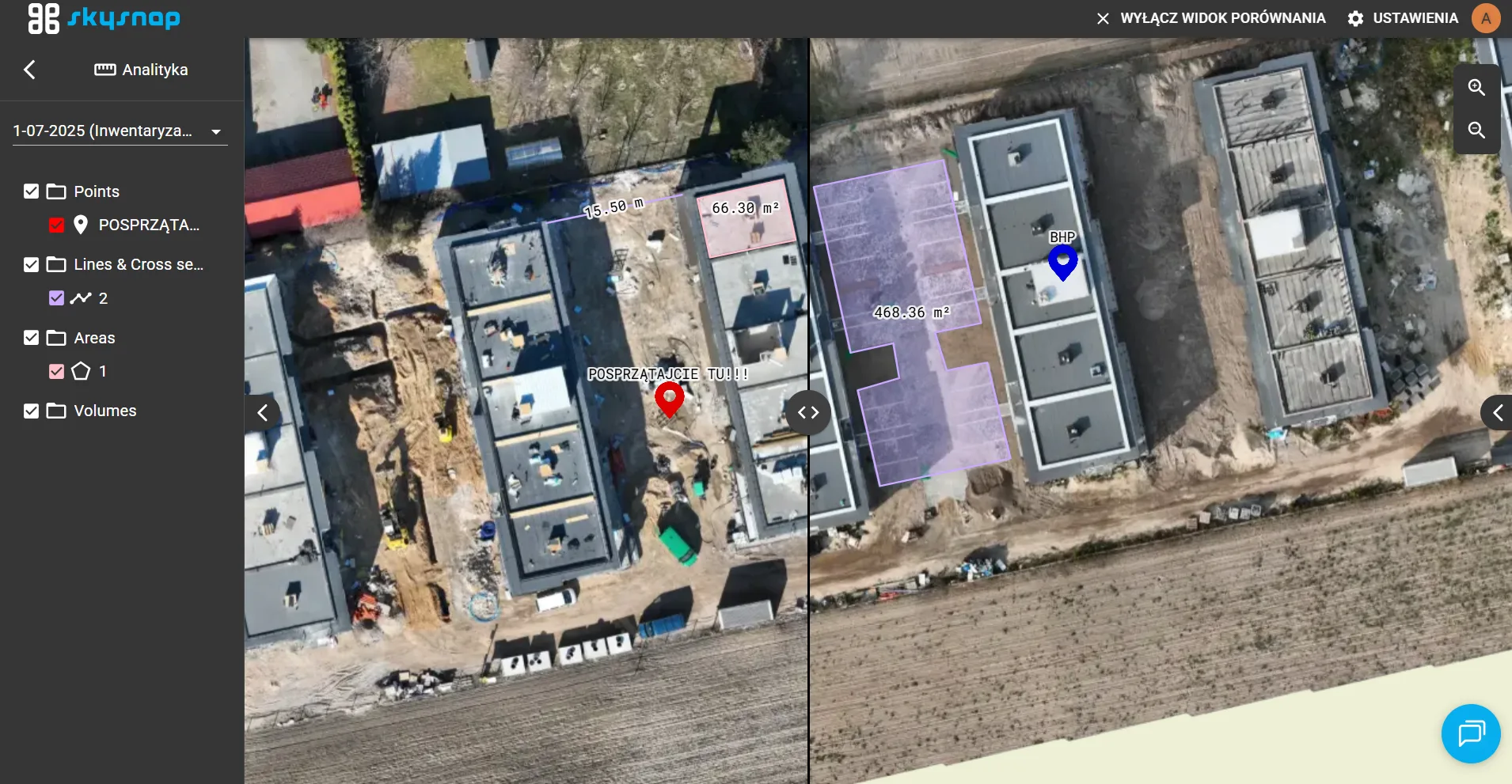
Real-time synchronization of data between the drones and the GCP is crucial to obtaining accurate measurements. This process involves comparing the data collected by the drones with the actual coordinates of the GCP.
- Data collection: Drones collect geolocation data as they fly over terrain.
- Comparison: drone data is compared with GCP coordinates for calibration.
- Correction: any inaccuracies are corrected based on GCP, ensuring the accuracy of the data.
By synchronizing the data, consistency and precision can be achieved, which is key to the reliability of the measurements.
Examples of practical application
The collaboration of drones with GCPs has practical applications in many fields.
- Construction: Accurate land surveys are essential for planning and implementing construction projects.
- Agriculture: Precise field mapping allows for crop optimization and resource management.
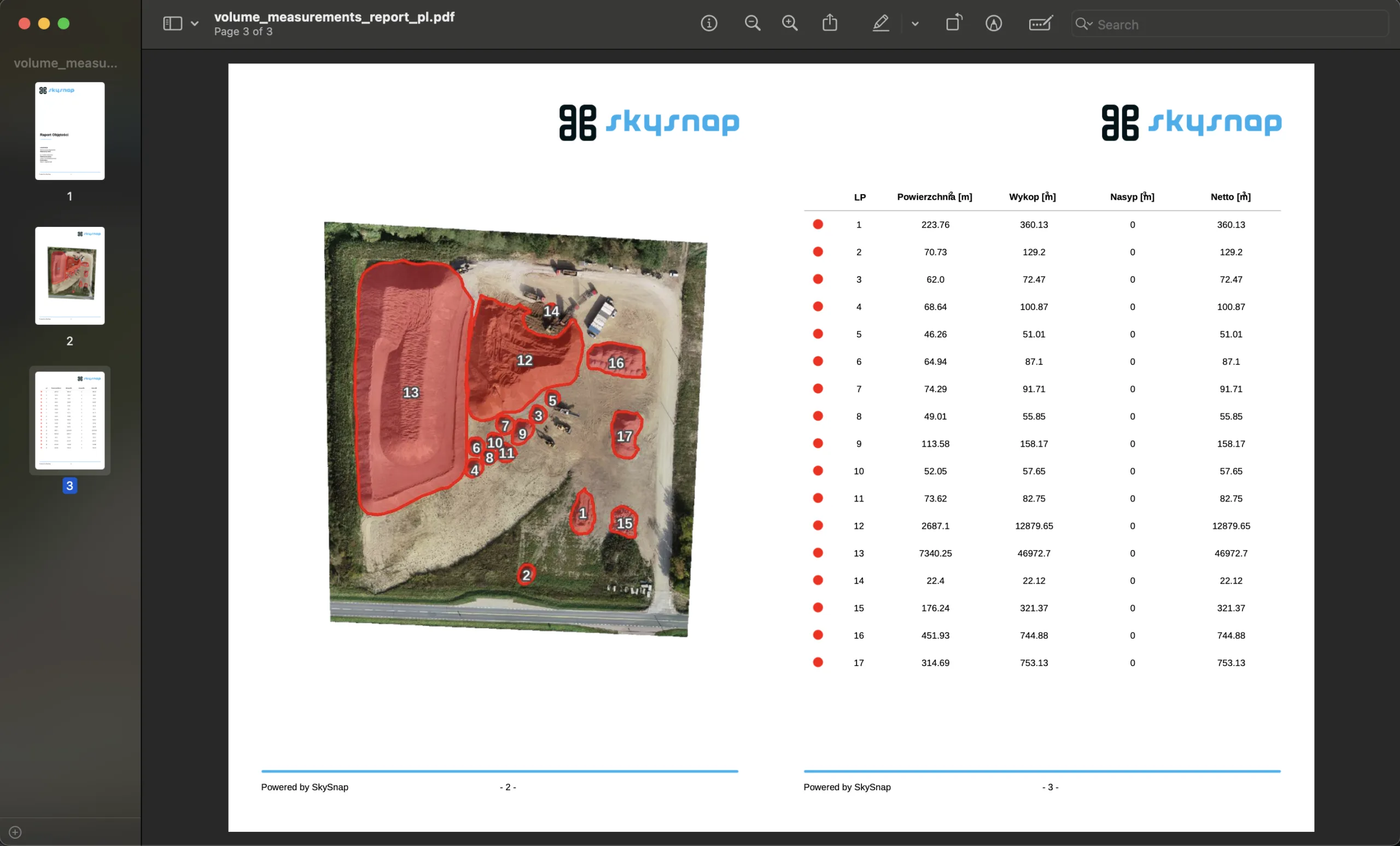
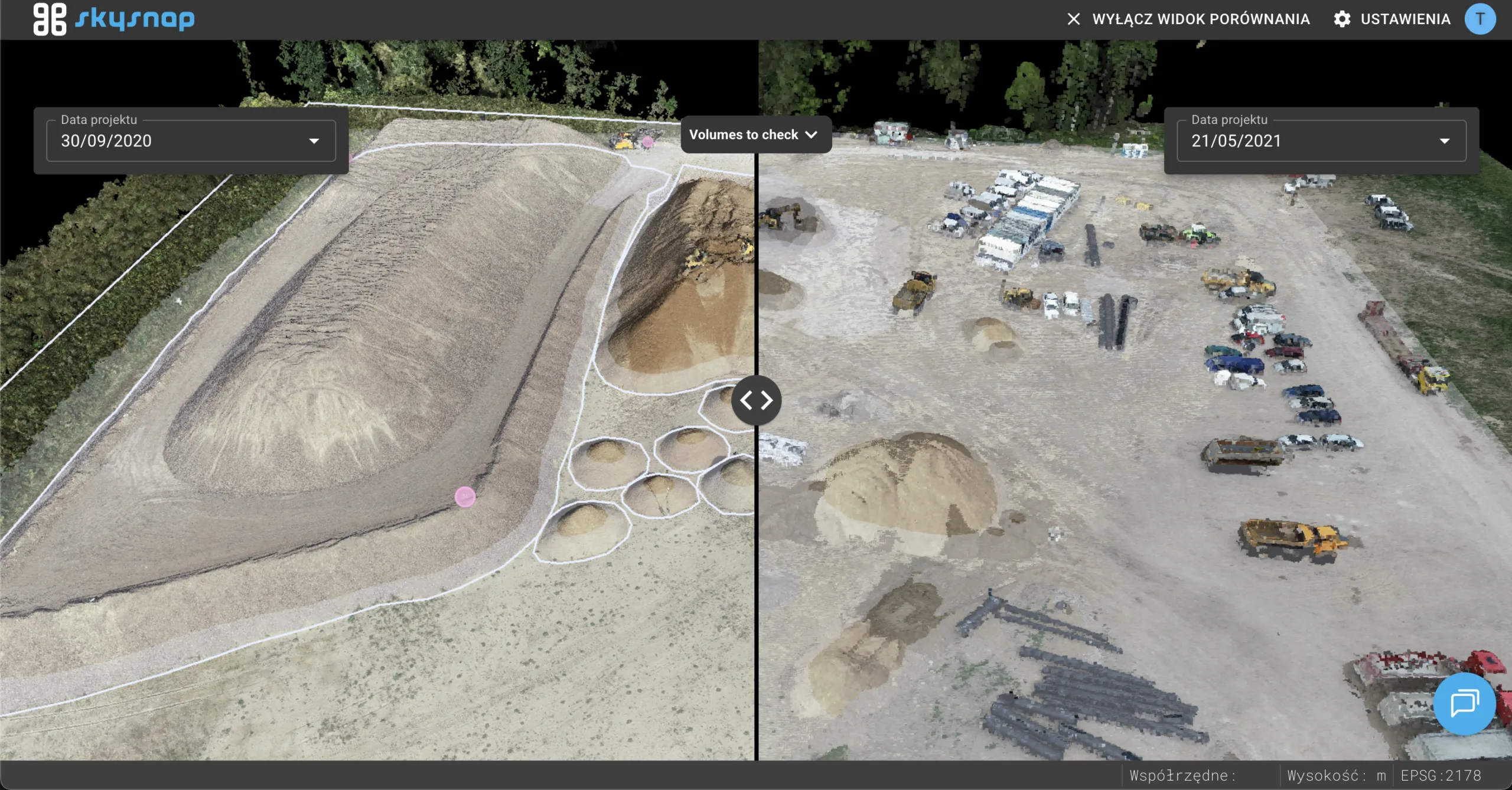
- Natural resource management: Monitoring environmental change requires accurate data. Collaboration between drones and GCPs is key to monitoring environmental change, which includes the use of orthophotos, 3D models and LIDAR measurements.
In each of these cases, combining drones with GCPs ensures the accuracy and efficiency of measurement processes, which contributes to better resource management.
Challenges and solutions
Despite the advantages that come with using drones and GCPs, there are some challenges related to their accuracy and integration. In this section, we will outline the problems and possible solutions. Data processing plays a key role in solving these challenges, making it possible to analyze communication signals between the controller and aircraft, and to locate and identify specific drone models.
Problems with accuracy
One of the main challenges is the accuracy of the data obtained from drones and GCPs. Sometimes there can be inaccuracies that affect data quality.
Causes of problems:
- GPS signal interference during drone flights.
- Errors in GCP deployment and documentation.
Compared to drone data, GCP data can help identify and correct errors, which improves system accuracy and efficiency. The solution may be to use advanced data correction techniques that minimize the impact of noise. Regular calibrations and careful planning of GCP deployment can also help address these issues.
Innovation and the future of technology
Drone and GCP technology is constantly evolving, and innovations in the field promise to make measurements even more precise and efficient.
- AI algorithm development: improvements in artificial intelligence enable better calibration of data and minimization of errors.
- New materials and sensors: Advances in sensor technology are improving measurement accuracy. Regardless of project scale or conditions, future technologies will ensure high precision and reliability.
Over time, these innovations could revolutionize the way we use drones and GCPs, offering new opportunities in many industries.
The future of precision measurement
The future of precision surveying is promising thanks to advances in technology and the growing importance of drones and GCPs, which allows for minimal field error. In this section, we take a look at the growth prospects and the impact on various industries.
Development prospects
The use of drones and GCPs in precision measurement will evolve as technology advances. We can expect that in the coming years:
- The accuracy of measurements will increase thanks to new technologies.
- The range of drone and GCP applications in various industries will expand.
- The process of integrating data from different sources will be accelerated, making decision-making easier. In addition, technological advances will make future measurement systems easier to use.
Impact on various industries
The impact of drones and GCPs on various industries is already evident and will intensify in the future.
- Construction: Faster and more accurate measurements will contribute to better project execution.
- Agriculture: Precise data will enable more efficient crop management.
- Environmental management: Better monitoring of ecological changes and conservation of natural resources.
With these technologies, various industries can expect to improve the efficiency and profitability of their operations.
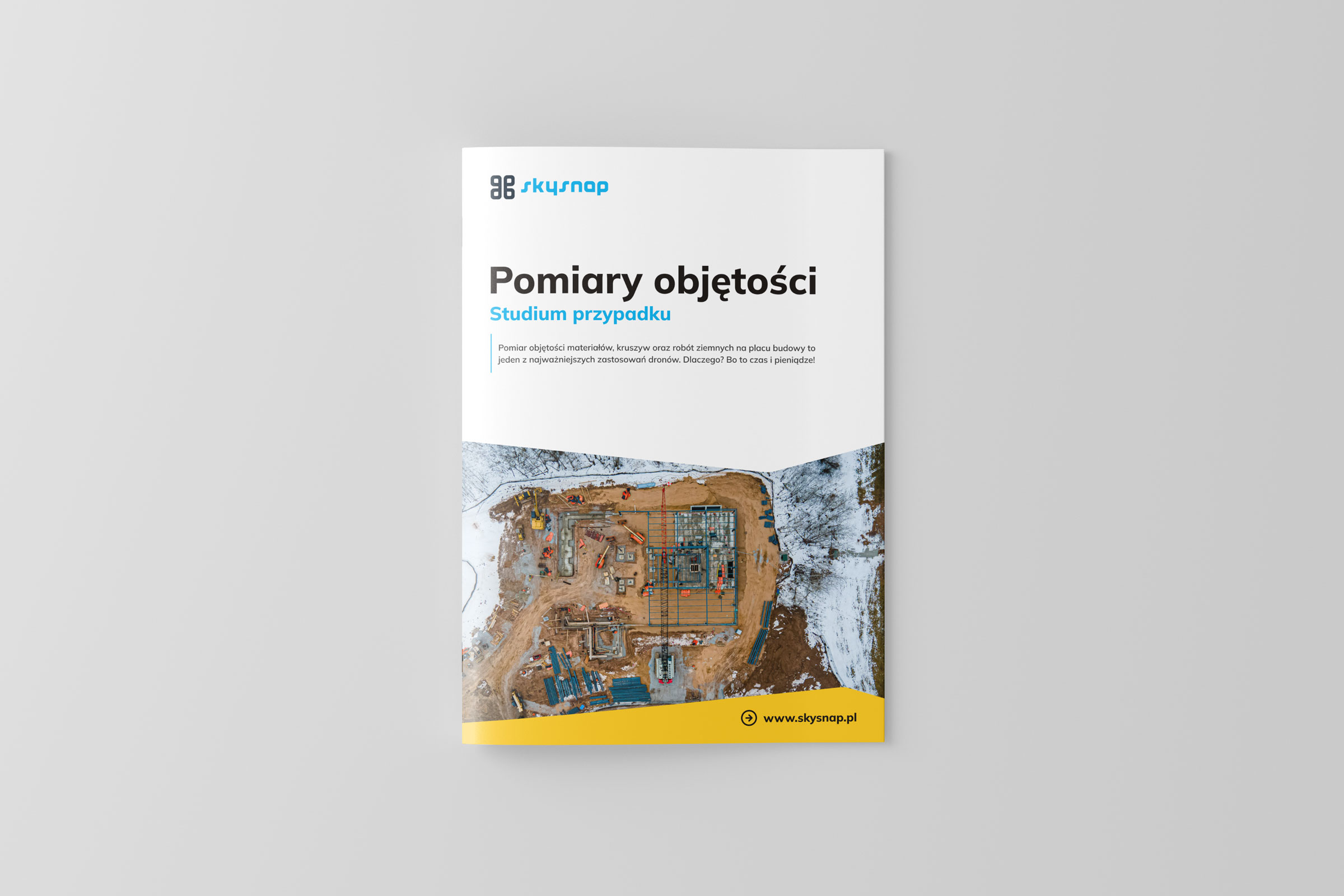
Free E-book
Measuring the volume of materials, aggregates and earthworks on a construction site is one of the most important uses of drones. Why? Because it’s time and money! Download our short e-book and learn how you can monetize your passion with drones.
Table of Contents:
Podoba Ci się artykuł? Podziel się nim z innymi!
Podoba Ci się artykuł? Podziel się nim z innymi!
Tips, news, insights
Related articles
Check out our articles and get the latest industry news.