5 Key Principles of Drone Inspection: What You Need to Know
Drone inspections are gaining popularity as a modern and effective method of monitoring various facilities and sites. Thanks to advanced technology, drones can provide detailed visual data that is invaluable to industries such as construction, agriculture and energy. Introducing drones into inspections not only increases safety by eliminating the need to work at heights, but also speeds up the entire process. In this article, we’ll outline five key principles that anyone who intends to use drones for inspections should know. Learn how to get the most out of this technology for precise and reliable results.
Choosing the Right Drone
Choosing the right drone is the first step to a successful inspection. There are many factors to consider, including technical specifications and the environmental conditions in which the drone will operate. Understanding these aspects allows you to better match the equipment to the specific mission.
Technical Specifications of the Drone
The technical specifications of a drone are crucial when planning an inspection. It is essential that the drone has the right carrying capacity, flight time and camera quality.
Carrying capacity affects the type of equipment a drone can carry. Higher-capacity drones can accommodate more advanced cameras and sensors.
Flight time is equally important; longer flight time allows for more comprehensive inspections without the need for frequent landings and battery recharging.
In addition, the quality of the camerais key to obtaining detailed visual data. High resolution and the ability to record in a variety of lighting conditions are invaluable.
Climate and Environmental Factors
During a drone inspection, climatic and environmental factors can significantly affect the inspection. Weather conditions such as wind, rain or fog can limit a drone’s ability to fly safely.
It is important that the drone is resistant to changing weather conditions. Proper drone design and moisture protection are key here.
The environment in which the inspection will take place must also be considered. Drones with advanced obstacle avoidance systems are needed in densely forested areas.
Planning an Inspection Mission
Effective mission planning is the foundation of any drone inspection. Route mapping and risk analysis are key elements that enable an inspection to be carried out accurately and safely.
Drone Route Mapping
Mapping a drone’s route is the process of planning its movement through the airspace. It is important to accurately determine the start and end points, as well as the flight paths.
- Determine the purpose of the inspection and adjust the route as needed.
- Take into account terrain obstacles and plan maneuvers to avoid them.
- Plan checkpoints to make sure the drone stays on its route.
It is also worth using route planning software that can automatically generate optimal flight paths.
Risk and Safety Analysis
Risk analysis is a key element of any inspection mission. Potential risks must be identified and strategies developed to minimize them.
Flight safety is a priority, therefore:
- Carefully analyze weather conditions before the flight.
- Ensure that the drone is technically sound and ready to fly.
- Have a contingency plan for unexpected problems.
This analysis minimizes risk and increases the chances of a successful inspection.
Compliance with Legal Regulations
Any drone operation must comply with local laws and regulations. This includes both obtaining proper licenses and complying with airspace restrictions.
Licenses and Permits
In order to legally conduct drone inspections, it is necessary to have the appropriate licenses and permits. The process involves several steps.
- Get your drone operator certification, which often requires passing an exam.
- Apply for a flight permit at the relevant authorities.
- Update your documentation so that it always complies with current regulations.
Note that requirements may vary by country and region.
Airspace restrictions
Airspace restrictions are another important issue. Before each flight, it is important to understand exactly which areas are accessible to drones.
- Familiarize yourself with airspace maps that identify prohibited or restricted zones.
- Make sure to fly only in permitted areas.
- Strictly comply with regulations to avoid financial penalties and other legal consequences.
Use of Modern Technologies
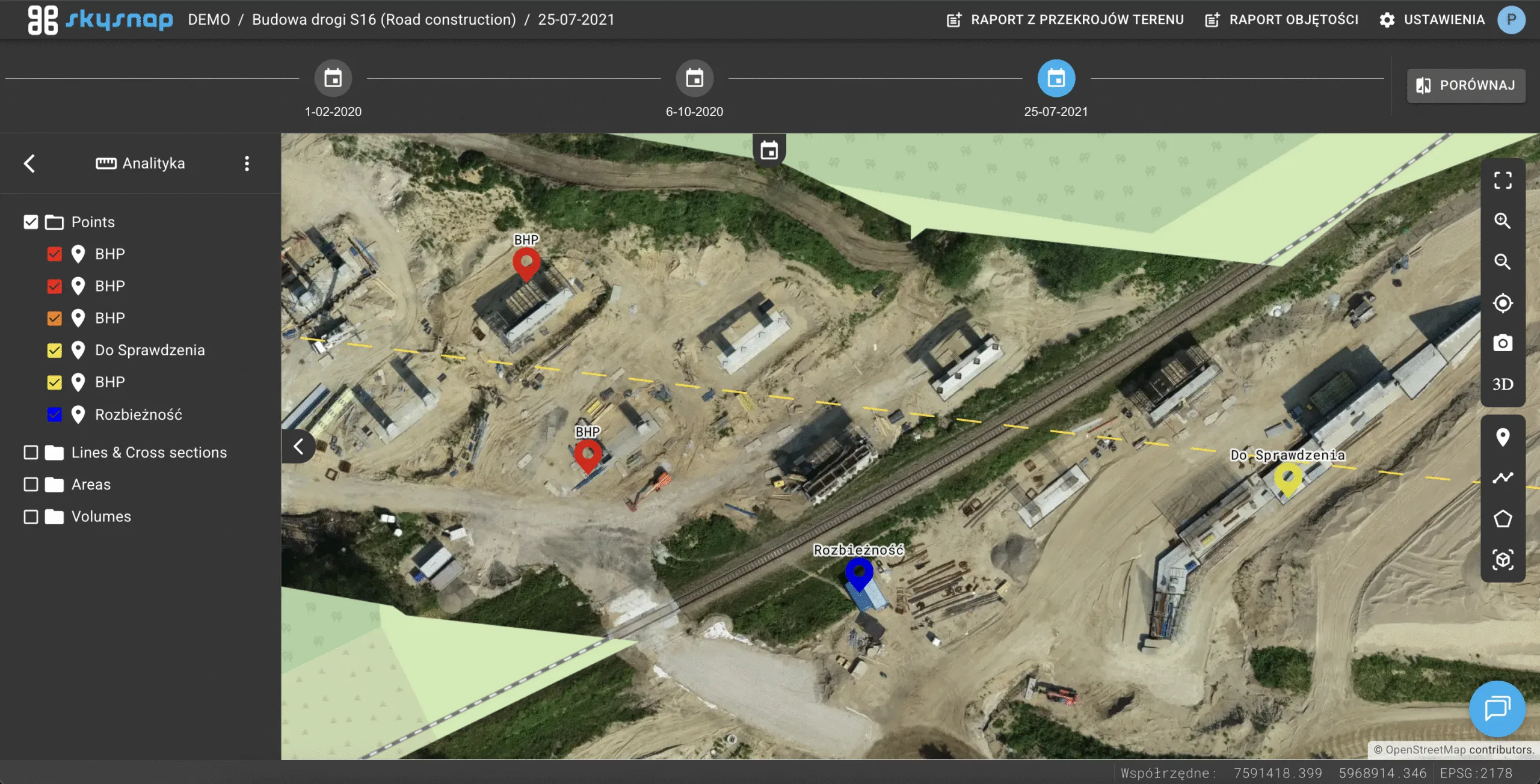
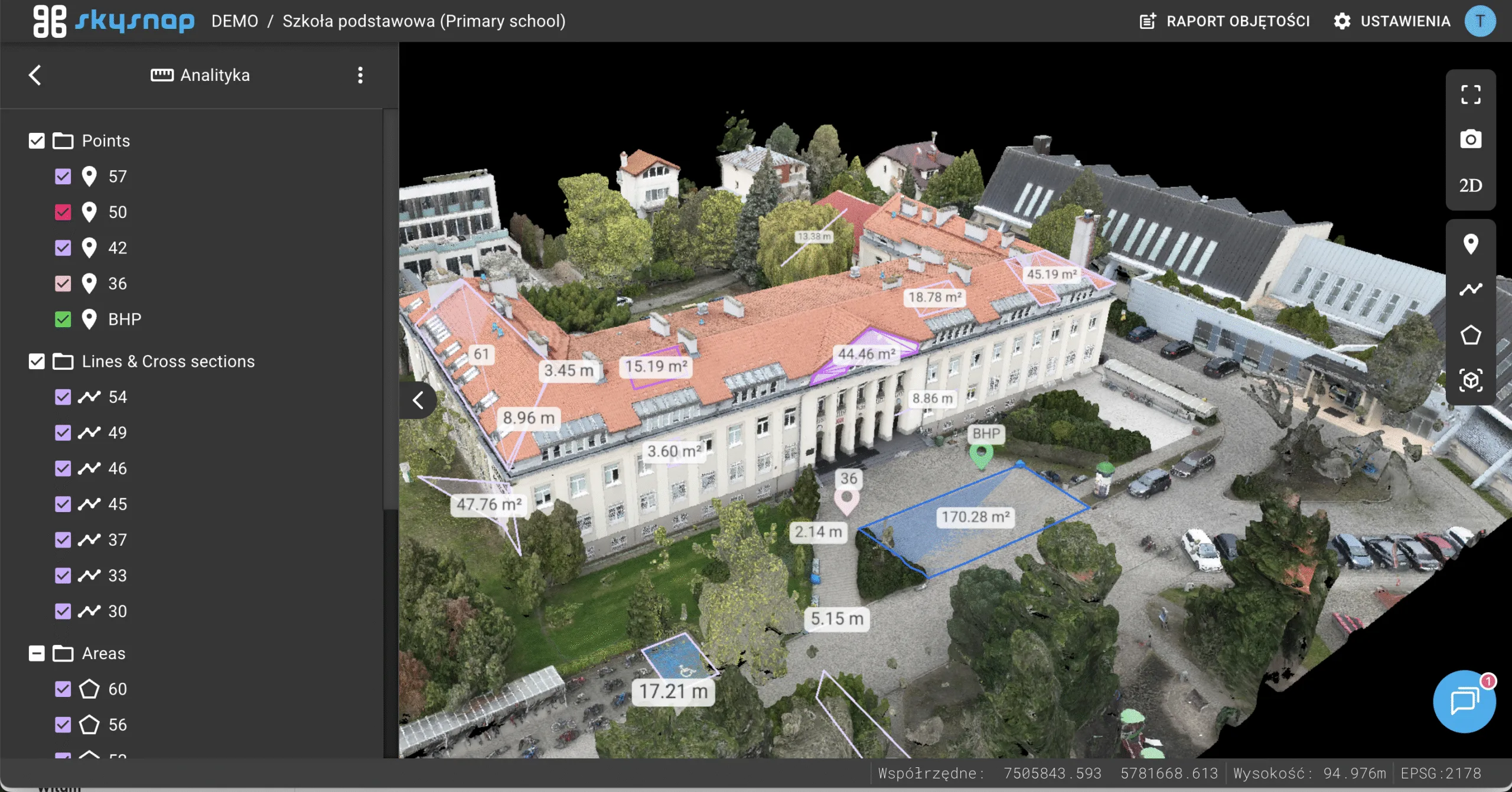
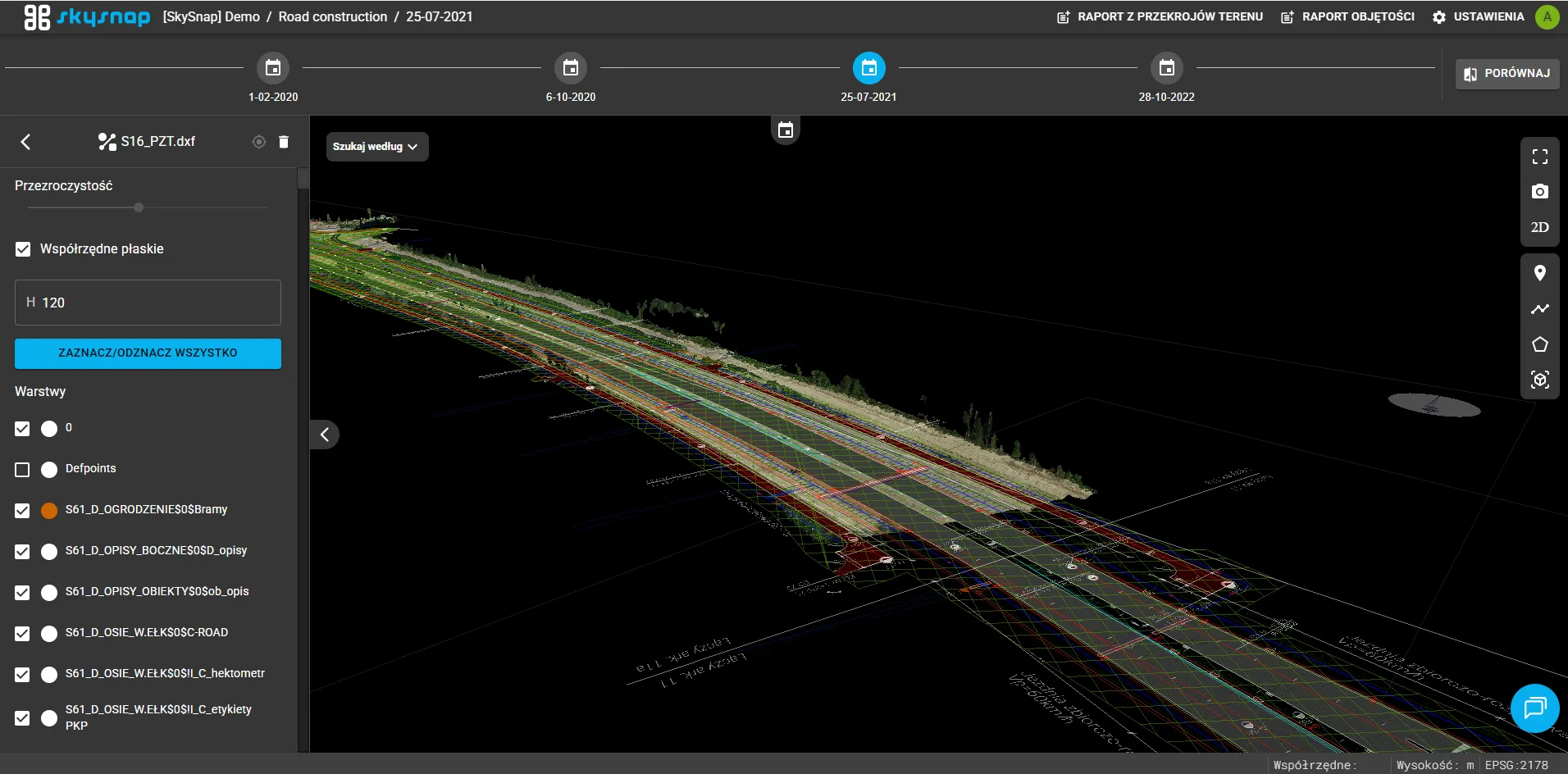
Modern technology plays a key role in drone inspections. With advanced cameras and sensors and cloud-based data analysis, extremely precise information can be obtained.
Cameras and Sensors
Choosing the right cameras and sensors is crucial to the quality of data collected by drones.
High-resolution cameras can capture the detailed images needed for accurate analysis.
- Thermal imaging can detect temperature differences, which is useful in the energy industry.
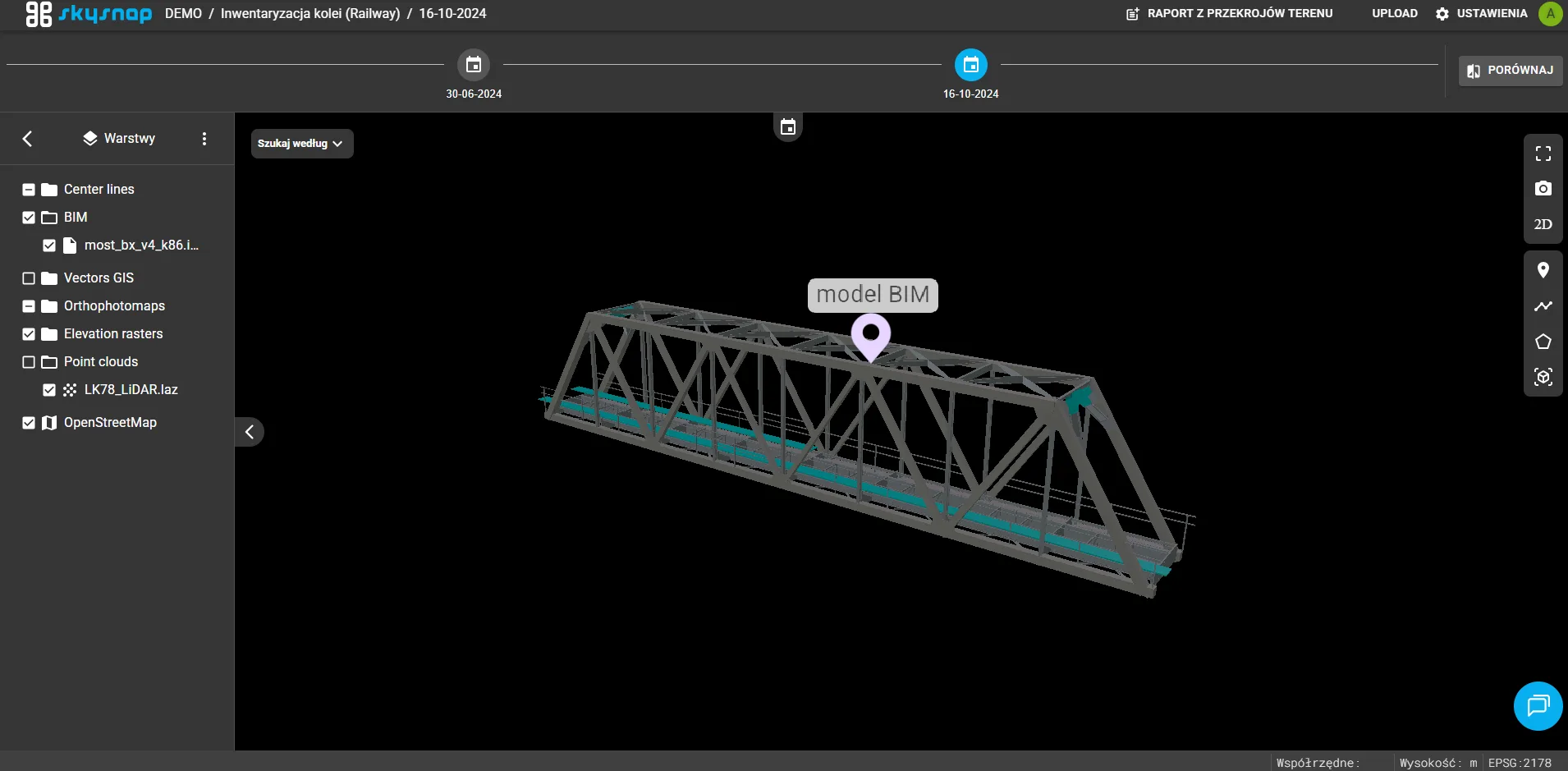
- Lidar is used to create precise 3D terrain models.
The right selection of cameras and sensors increases inspection efficiency and allows for better interpretation of data.
Data Analytics in the Cloud
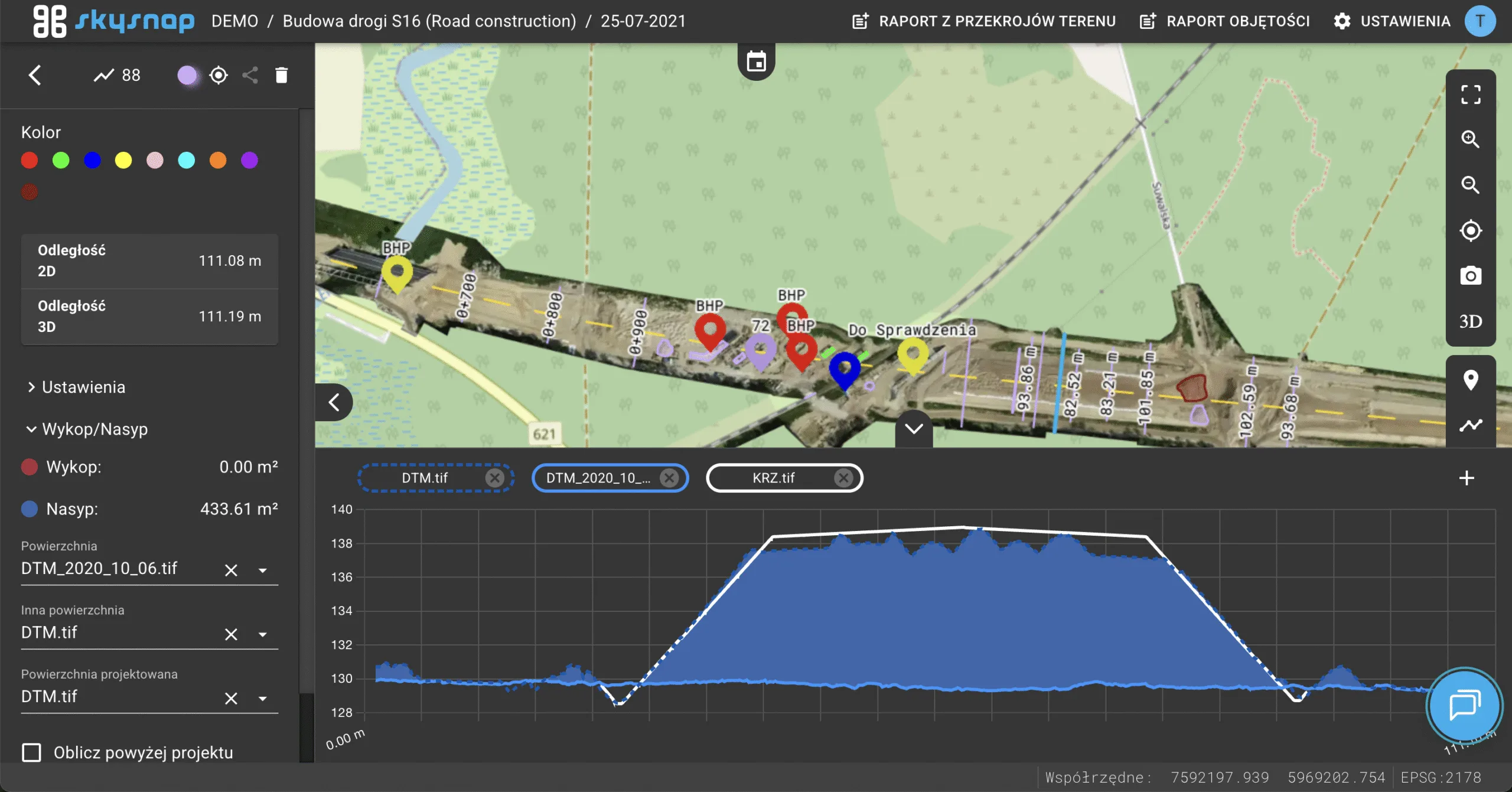
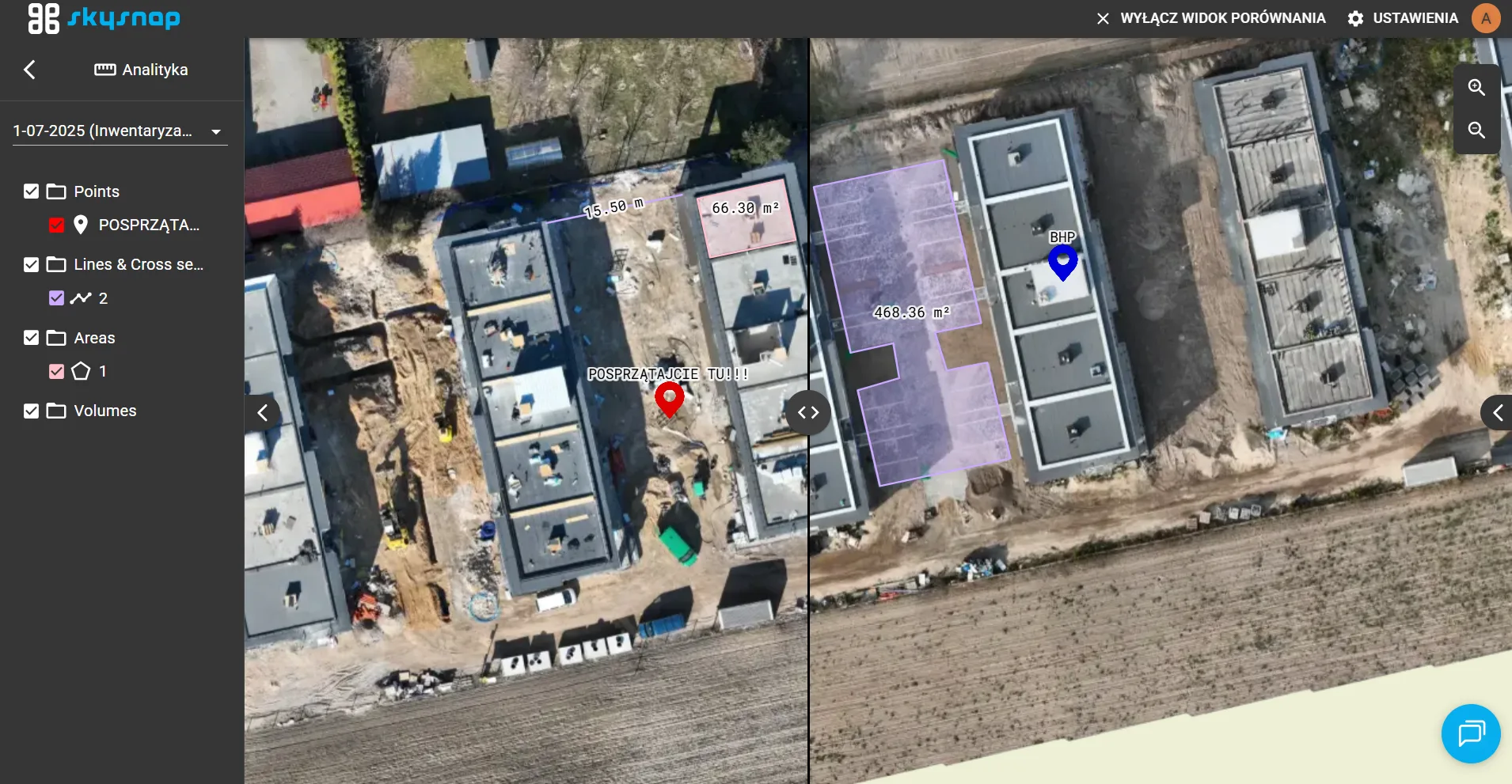
Cloud-based data analysis is a modern approach to managing information collected by drones. It enables fast and efficient processing of large amounts of data.
Advantages of cloud computing:
- Quick access to data from anywhere in the world.
- Secure data storage with advanced protocols.
- Ability to easily share results with distributed teams.
With analytics in the cloud, teams can react quickly to the information gathered.
Operator Training and Competence
Having a qualified drone operator is crucial to the success of any inspection mission. Education, certification and practice are indispensable components of building competence.
Importance of Certification
Drone operator certification is essential to effectively and safely conduct inspection flights.
- Ensures knowledge of security regulations and procedures.
- It allows you to fully understand the equipment and its capabilities.
- Improves skills, increasing competitiveness in the labor market.
Certified operators are more trusted and competent professionals.
Practice and Continuous Improvement
Practice and continuous improvement of skills is the foundation of any drone operator’s career. Regular practice helps maintain high operational standards.
- Regular training flights allow you to improve your piloting technique.
- Keeping up-to-date on technological innovations is key to efficiency.
- Learning from mistakes and analyzing the missions carried out help avoid future problems.
This allows operators to continuously improve their skills and adapt to the changing technological environment.

Free E-book
Learn how to prepare a mission step-by-step, avoid raid mistakes and create accurate orthophotos and 3D models. The perfect guide before your first commercial assignments.
Table of Contents:
Podoba Ci się artykuł? Podziel się nim z innymi!
Podoba Ci się artykuł? Podziel się nim z innymi!
Tips, news, insights
Related articles
Check out our articles and get the latest industry news.