Do you need a drone permit? A practical guide to the regulations
Owning a drone is becoming increasingly popular, but many users still don’t know if flying requires special permits. From small recreational models to professional film drones, each is subject to certain rules. There are clear regulations to ensure safety in the airspace and to protect privacy.
In this article, we explain when you need a permit, what rules apply and how to fly a drone legally.
Introduction to drone regulations
Drone regulations are essential to ensure the safe and responsible use of these devices. Understanding the basics of regulations is the first step for any operator.
Definition of a drone and its use
Drones, or unmanned aerial vehicles (BSPs), can be recreational or commercial.
- Recreational ones are used for fun and amateur recording.
- Commercial ones are used in filming, agriculture, monitoring or inspections.
Modern models offer autonomy, advanced navigation and data analysis, so regulations must keep up with their capabilities. Security and third-party privacy are key.
Why are regulations needed?
Regulations are meant to strike a balance between technology and security. Without regulation, drones could threaten aircraft, human privacy or infrastructure.
They specify:
- Where you can fly,
- At what height,
- What skills the operator must have.
This allows drones to expand, but in a safe and controlled manner.
When is a permit required?
Depending on the purpose of drone use, different permits may be required. Regulations differentiate between recreational and commercial flying, and address issues related to altitude and prohibited zones.
Recreational versus commercial flying
Recreational flights are usually less restrictive. For such flights, it is often sufficient to meet basic safety requirements. These regulations mainly concern maximum flight altitude and distance from buildings.
For commercial flights, the situation is more complex. Operators must have special licenses and undergo appropriate training. It is also necessary to obtain an operator’s certificate, which certifies piloting skills and knowledge of regulations.
The table below shows the differences between recreational and commercial flying:
| Type of Flight | Requirements |
|---|---|
| Recreational | Basic regulations |
| Commercial | License and certificate |
Height restrictions and prohibited zones
- The maximum altitude for recreational flight is about 120 meters.
- In commercial flying, the limits depend on the specific tasks and permits.
Prohibited zones include:
- areas around airports,
- military installations,
- some protected areas.
Cities have additional rules to protect residents. Failure to comply with them can end in serious penalties.
Permit process
Obtaining a permit to fly a drone can be a complicated process, but one that is necessary to ensure compliance with the law. Here are the steps to take to legally operate a drone.
Step by step: How to Apply
Step by step: How to Apply
- Check the requirements – make sure you meet the criteria.
- Prepare documents – proof, certificates, flight plan.
- Submit an application – you can find the forms on the websites of the ULC and supervisory institutions.
- Undergo training – theory + practice.
- Wait for a decision – institutions analyze the application and documents.
Cost and waiting time
Costs depend on the type of drone and purpose. Commercial flights require more expensive courses and certifications.
The procedure can take anywhere from a few weeks to several months, depending on the institution’s workload and the complexity of the application.
Consequences of not having a permit
Flying a drone without the required permits can expose you to numerous legal consequences. We provide examples of possible penalties and rules for responsible drone use.
Possible penalties and fines
You can receive:
- hefty fines,
- Criminal penalties (e.g., when entering airport areas),
- Civil liability for damage and destruction.
Knowing the consequences helps avoid risks and legal problems.
Safety and responsibility
The drone operator must take care:
- safety of third parties,
- technical condition of the drone,
- Regular software updates,
- Liability insurance – especially for commercial flights.
This minimizes the risk of breakdowns and accidents.
The future of drone regulations
When considering the future of drone regulation, it is worth noting the rapidly developing technologies and their impact on regulation.
New technologies and regulations
With the development of drones equipped with:
- autonomy,
- AI,
- advanced navigation systems,
The law must change. The new regulations will address, among other things:
- data privacy,
- cyber security,
- The coexistence of drones with other aircraft.
Impact on drone development in Poland
Good regulations can:
- Accelerate market development,
- attract investment,
- strengthen innovation,
- Increase the use of drones in the economy.
Understanding the rules is key to flying legally and safely, taking advantage of the full potential of this technology.
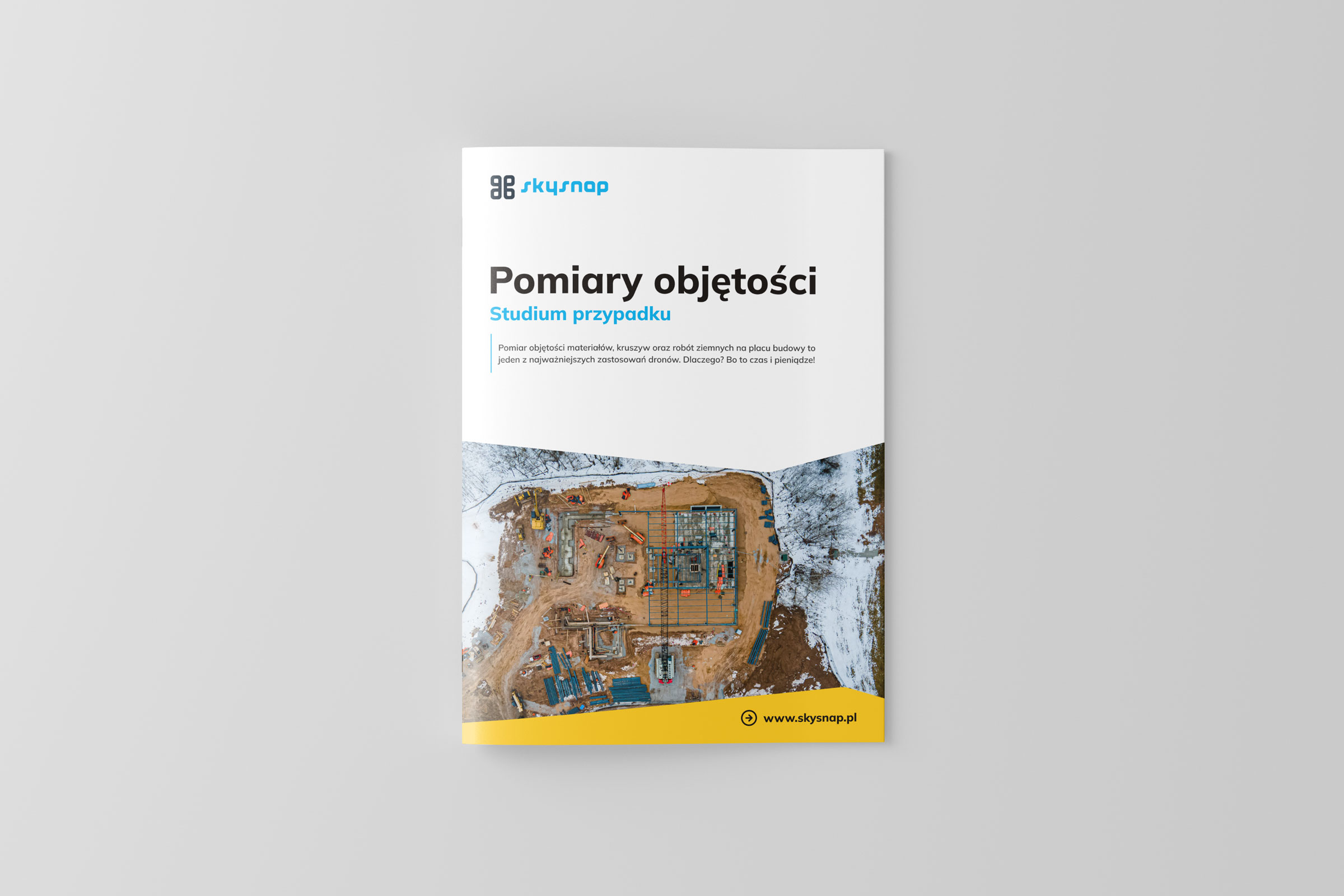
Free E-book
Measuring the volume of materials, aggregates and earthworks on a construction site is one of the most important uses of drones. Why? Because it’s time and money! Download our short e-book and learn how you can monetize your passion with drones.
Table of Contents:
Podoba Ci się artykuł? Podziel się nim z innymi!
Podoba Ci się artykuł? Podziel się nim z innymi!
Tips, news, insights
Related articles
Check out our articles and get the latest industry news.