3D drone filming: A new dimension of video creation
In the digital age, where technology is advancing at a dizzying pace, 3D drone filming is becoming the new standard in video creation. With drones, it is possible to capture incredible aerial shots that would be unattainable with traditional methods. 3D drone filming opens the door to entirely new possibilities for video makers, allowing them to create immersive, three-dimensional images that capture viewers’ attention. 3D drone filming technology is gaining more and more recognition in the film industry and among viewers. In this article, we take a look at how 3D technology combined with drones is changing the way we tell stories and document the world around us. We invite you to discover how 3D drone filming can enhance your film projects.
Introduction to 3D drone filming
3D drone filming is a dynamic and innovative method of video creation that is gaining popularity. It makes it possible to create realistic, three-dimensional images that offer viewers a unique visual experience. In this section, we’ll take a look at what exactly 3D drone filming entails and the benefits of using it.
What is 3D drone filming?
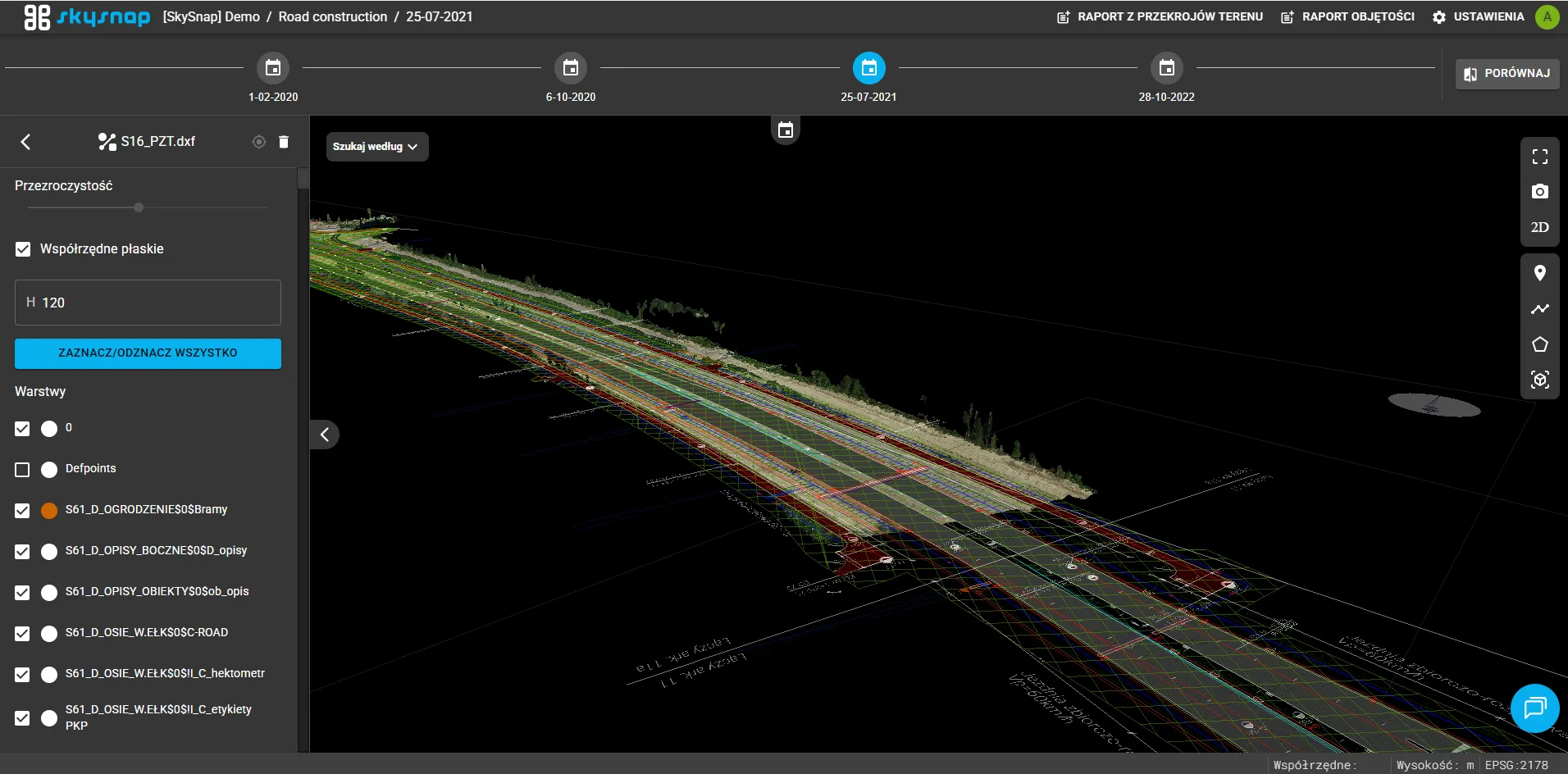
3D drone filming involves the use of drones equipped with special cameras capable of capturing images in three dimensions. 3D technology allows to capture the depth of scenery and realistically depict movement and space. This allows video makers to create a more engaging and immersive experience for viewers.
Drones used for 3D filming are equipped with advanced stereoscopic cameras that capture images from two different viewpoints, allowing the 3D effect to be reproduced. Modern drone models also offer advanced image stabilization features, which is crucial for smooth and clear shots.
All in all, 3D drone filming is an innovative approach to video creation that opens up a whole new range of possibilities for creators and allows them to take their projects to a whole new level of quality and creativity.
Why use 3D filming?
The use of 3D filming with a drone brings a number of benefits that can significantly enhance video production. First of all, a 3D image increases the realism and depth of the scenes depicted, making viewers feel more involved in the material they are watching.
Another advantage is the ability to create more complex and dynamic scenes that would be difficult to achieve with traditional methods. Drones can move in ways that are inaccessible to ground cameras, allowing unique perspectives and frames to be captured.
As a result, 3D filming can be particularly useful in the film or advertising industry, where innovative approaches to visualization are key. In addition, the technology is finding applications in education, architecture or even scientific research, offering new ways to present data and information.
3D drone filming equipment
To get started with 3D drone filming, it is essential to have the right equipment. In this section, we’ll discuss how to choose the right drone and what cameras and accessories you’ll need to get the best results.
Choosing the right drone for 3D filming
Choosing a drone for 3D filming is crucial for getting quality shots. First of all, you should pay attention to the flight stability and image quality offered by the drone. Modern drones are equipped with advanced stabilization systems and high-resolution cameras, which is essential for 3D filming.
When buying a drone, you should also pay attention to the flight range and battery life, which affect the ability to take long and complex shots. It’s also worth checking whether the drone offers auto-tracking and obstacle avoidance functions, which significantly facilitates the work during filming.
There are various models of drones on the market dedicated to 3D filming, from the more advanced to beginner models. The choice of the right model should depend on the individual needs and experience of the user.
Cameras and accessories necessary for 3D filming
Cameras are the heart of the 3D drone filming process. For this purpose, stereoscopic cameras are most often used, which capture images from two different points, creating a three-dimensional effect. Camera quality and resolution are key to getting clear and detailed shots.
In addition to the camera itself, it is also important to have the right accessories, such as stabilizing gimbals to prevent shake and ensure smooth images. Lens filters can also come in handy, especially for adjusting exposure in difficult lighting conditions.
The kit can also be completed with additional batteries and chargers that will allow longer operation in the field, and spare propellers to protect the drone in case of damage. All these elements together form a complete kit, ready for professional 3D filming.
3D drone filming techniques
Knowledge of 3D filming techniques with a drone allows you to fully exploit the potential of this technology. Let’s take a look at the basic and advanced techniques that will help create impressive 3D footage. Knowledge of these techniques is key to successfully navigating this modern field.
Basic techniques in 3D filming
Basic 3D drone filming techniques include setting up the right frames and controlling the drone’s movement. For starters, it’s a good idea to learn simple maneuvers, such as longitudinal and transverse flights, which allow you to capture scenes from different perspectives.
Basic techniques also include setting the right flight altitude and camera angle for optimal image composition. It is important to keep the drone stable during flight, which ensures better quality of captured footage. There are key principles to follow when filming 3D with a drone to achieve the best results.
It is also important to pay attention to weather conditions, which can affect the quality of recordings. Drones work best in moderate conditions, without strong winds or precipitation, allowing the filming set to be completed without interference.
Advanced drone filming techniques
Advanced 3D drone filming techniques involve the use of specialized features and maneuvers that can significantly enhance the footage. One such maneuver is called “orbiting,” or circling the drone around the subject, which allows for dynamic shots from different angles.
Advanced techniques also include the use of automatic modes, such as motion tracking and flight path programming, which enable precise and repeatable shots. This makes it easier to control the composition and dynamics of scenes.
It’s also worth experimenting with different flight speeds, which allows you to create dramatic or subtle effects, depending on the needs of your project. Advanced techniques require practice, but mastering them opens up new creative possibilities. By gaining comprehensive experience, creatives can take full advantage of advanced 3D drone filming techniques.
Applications of 3D drone filming
3D drone filming is finding its way into many industries, offering new ways to present content. Let’s take a look at how this technology is being used in the film industry and other fields. 3D drone filming is a valuable tool for filmmakers to create spectacular scenes.
3D filming in the film industry
The film industry is one of the main places where 3D drone filming technology is being successfully used. It makes it possible to create spectacular sets that would not be achievable using traditional methods.
In film productions, drones enable action scenes that require fast and precise camera movements. The use of 3D helps deepen the audience’s experience, giving them a sense of participation in the story being presented. 3D drone filming is another step in the long line of cinema history, introducing new visual possibilities.
Drones are also used in documentary productions, where they allow landscapes and natural environments to be shown in three dimensions, adding realism and authenticity. As a result, filmmakers can provide viewers with an unforgettable visual experience.
Applications in other industries
In addition to the film industry, 3D drone filming is used in many other fields.
In the real estate industry, for example, drones allow the creation of realistic visualizations and virtual walks around buildings. 3D drone filming is also available for low-budget film productions, offering new creative possibilities.
In education, 3D filming makes it possible to create interactive teaching materials that help improve understanding of complex topics.
Also in archaeology, drones are used to document sites and create 3D models of finds.
In the advertising industry, 3D drone filming allows for creative promotional campaigns that attract attention and stand out from the competition. The possibilities for using this technology are almost limitless, making it a valuable tool in many sectors.
The future of 3D filming with a drone
Drone technology and 3D filming are constantly evolving, opening up new opportunities for video makers. In this section, we’ll take a look at what innovations may emerge in the future and how they may affect video production. Creators looking to expand their knowledge should keep an eye on the latest innovations in drone technology.
Innovations in drone technology
Advanced technologies in the drone field are constantly evolving. One of the directions innovation is heading is to improve the autonomy and intelligence of drones. The modern models will be able to avoid obstacles on their own and execute complex flight paths without pilot intervention.
Another innovation is camera enhancements that allow even higher resolution video recording and in difficult lighting conditions. This will make it possible to create more detailed and clearer three-dimensional recordings. Bernard Mendibur’s publication is a valuable resource on innovations in drone technology.
Developments in batteries and propulsion will allow for longer flights and greater energy efficiency, which in turn will affect the possibilities for more complex film projects. The future of drone technology promises many exciting developments that are sure to revolutionize the way video is created.
Impact on the future of video production
The impact of 3D drone filming on the future of video production is significant. First and foremost, the technology makes it possible to create more engaging and realistic productions that more effectively capture viewers’ attention.
The development of this technology is also leading to a change in the approach to filmmaking, where filmmakers have more freedom to experiment with different forms and narrative styles. 3D filming can also contribute to lower production costs, eliminating the need to hire expensive equipment and film crews.
As the technology continues to evolve, we can expect new film formats and genres to emerge that take full advantage of the potential of 3D drone filming. This is an exciting time for the film industry, which stands on the threshold of a new video revolution.
Free E-book
Learn what services to offer, who to sell them to, and how to write an effective offer email. Ready-made templates, tips and examples of campaigns that really work.
Table of Contents:
Podoba Ci się artykuł? Podziel się nim z innymi!
Podoba Ci się artykuł? Podziel się nim z innymi!
Tips, news, insights
Related articles
Check out our articles and get the latest industry news.