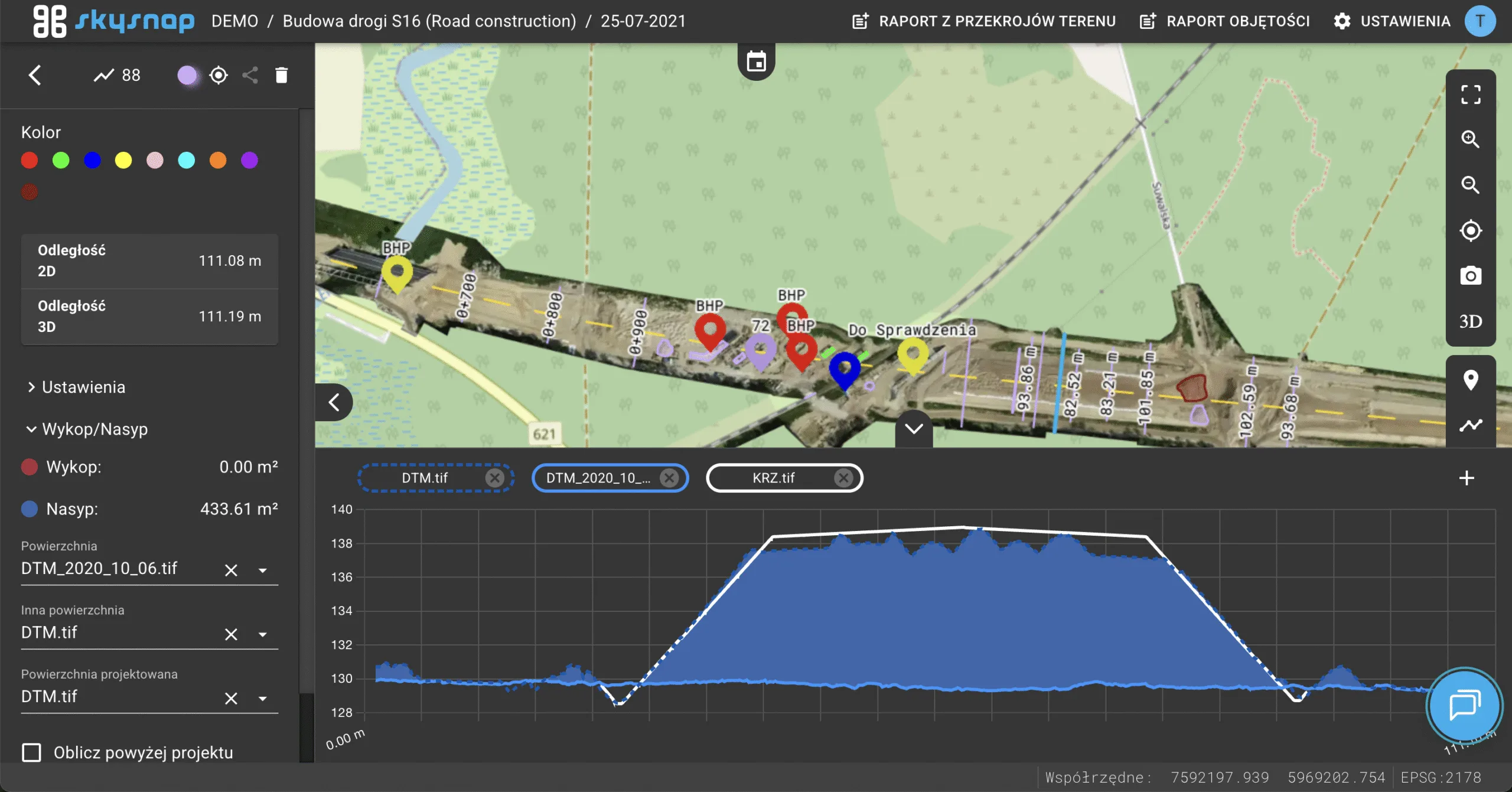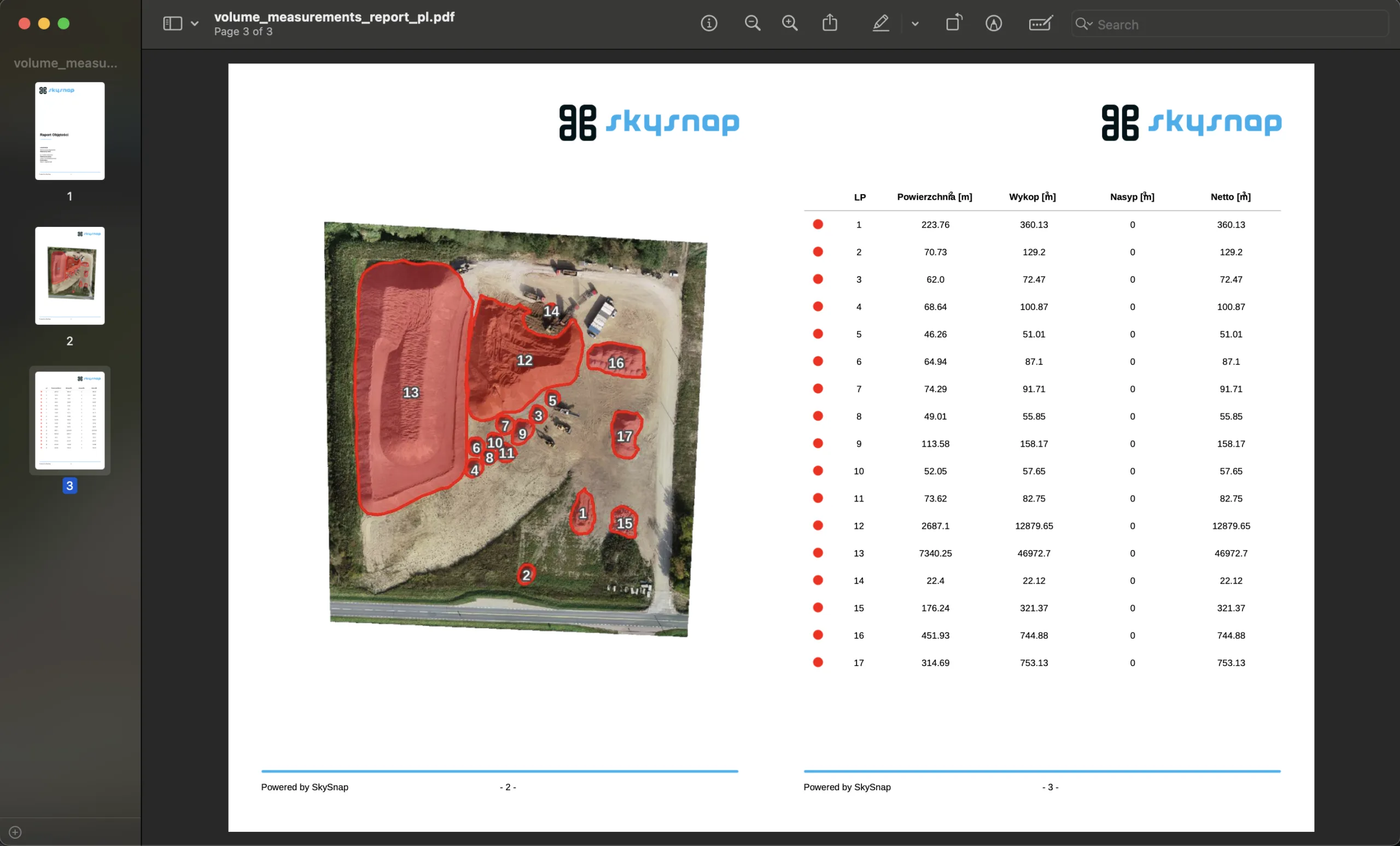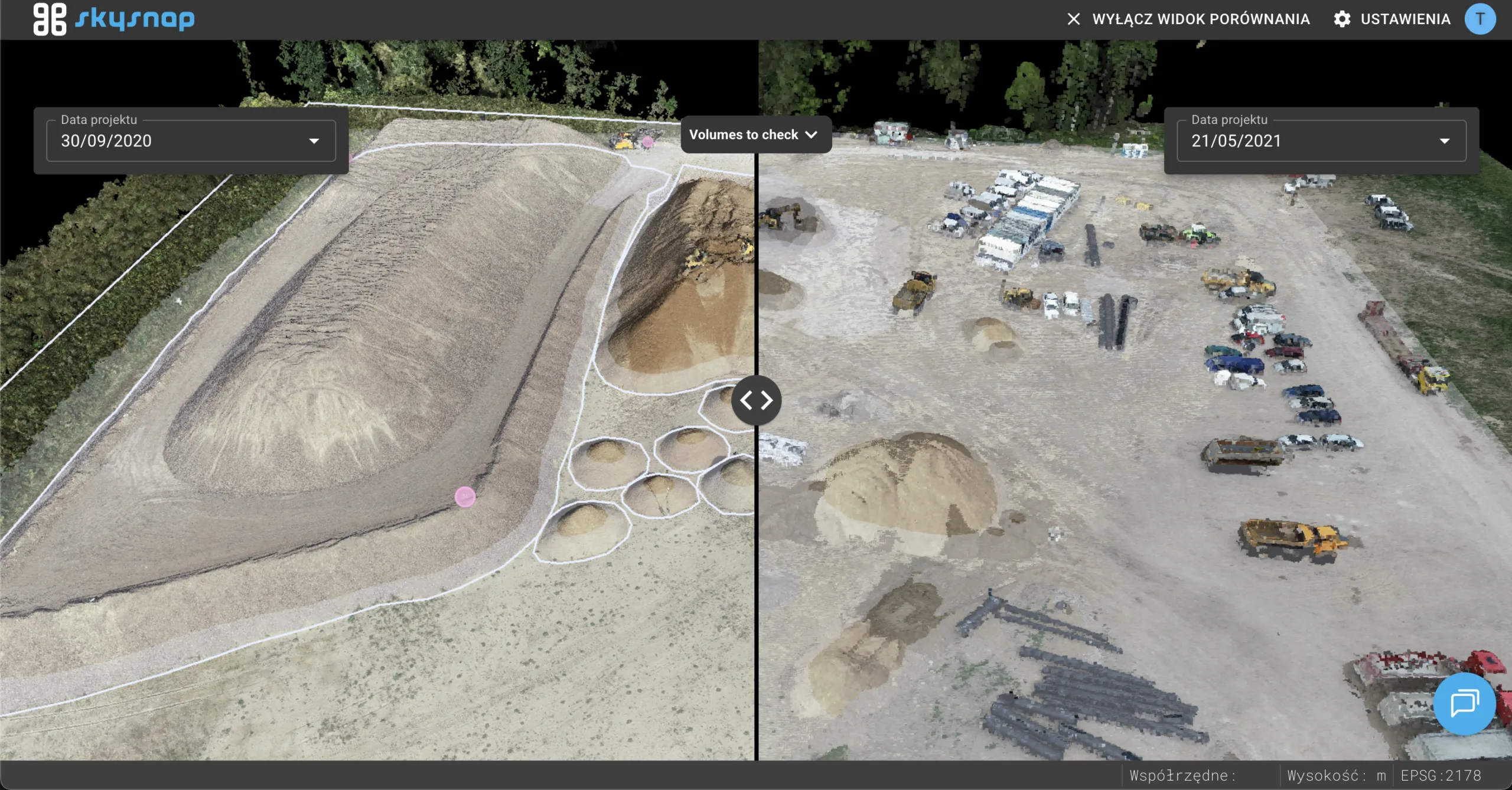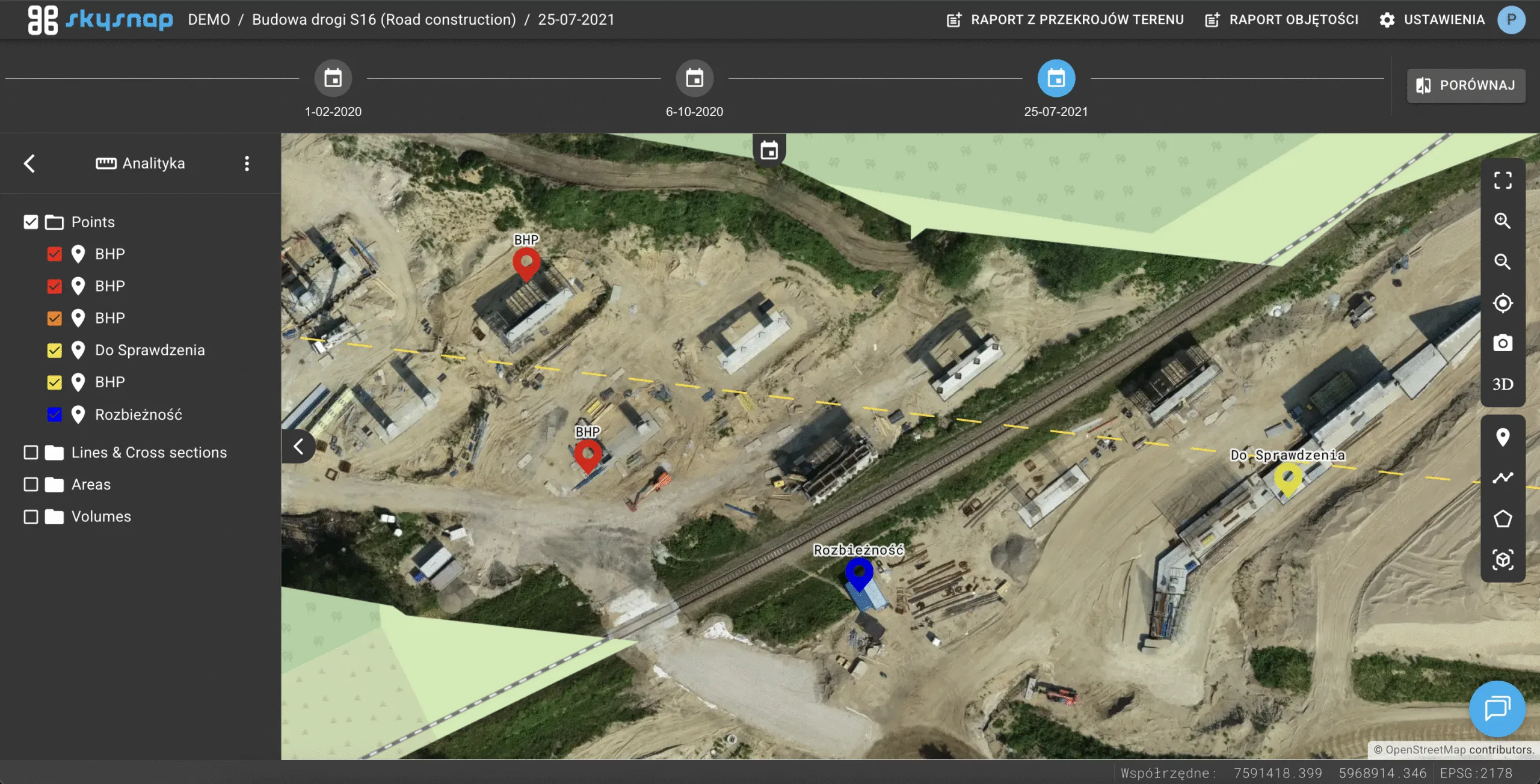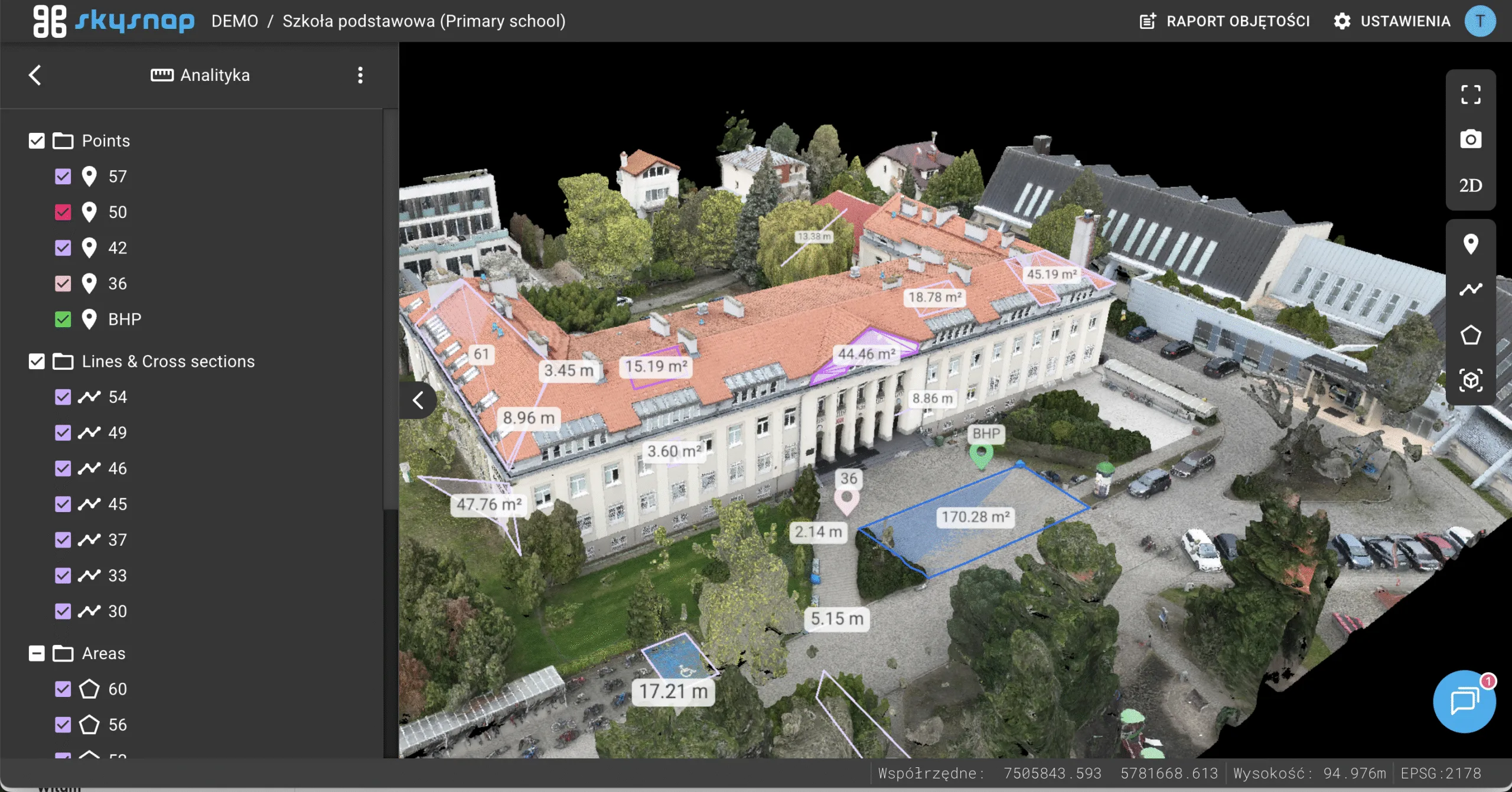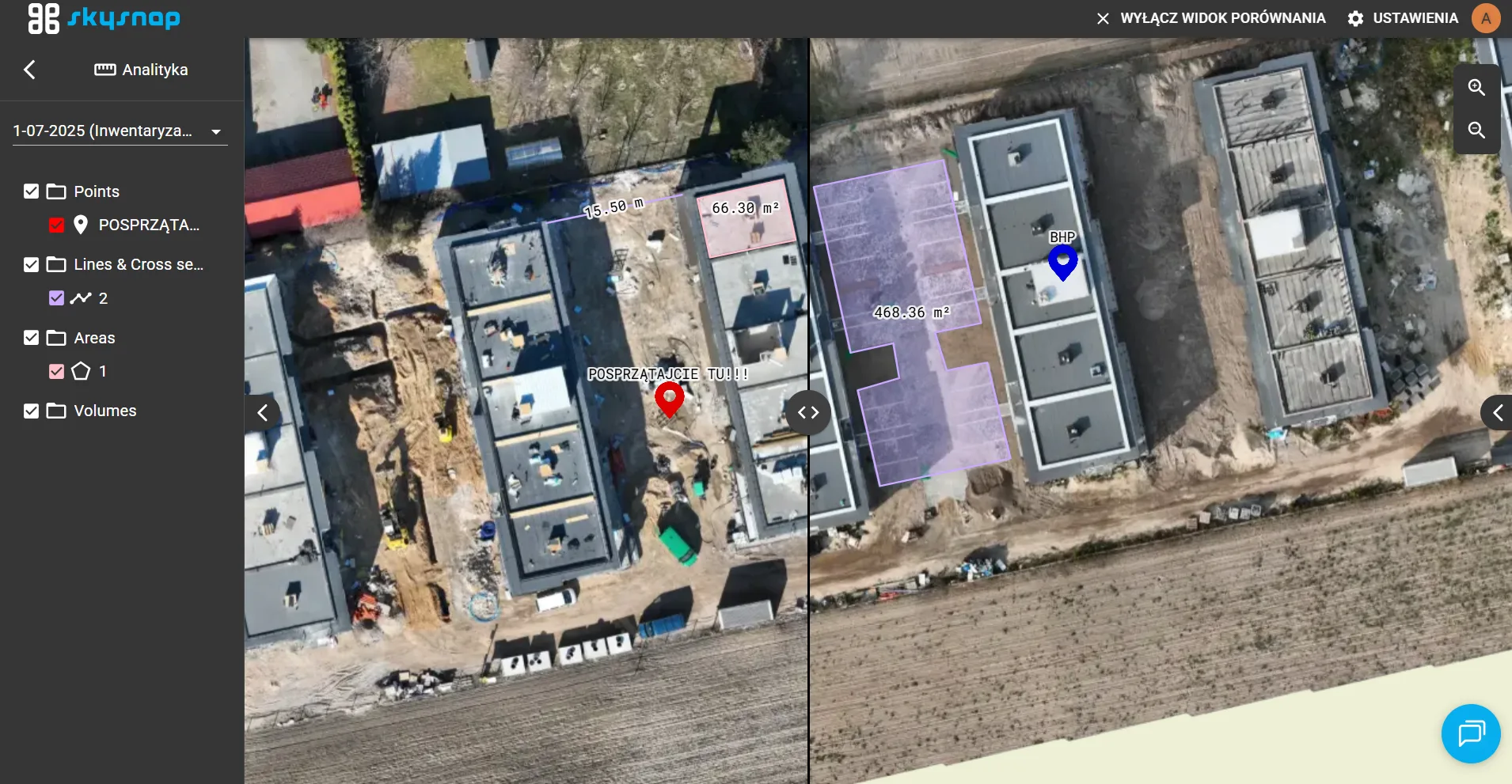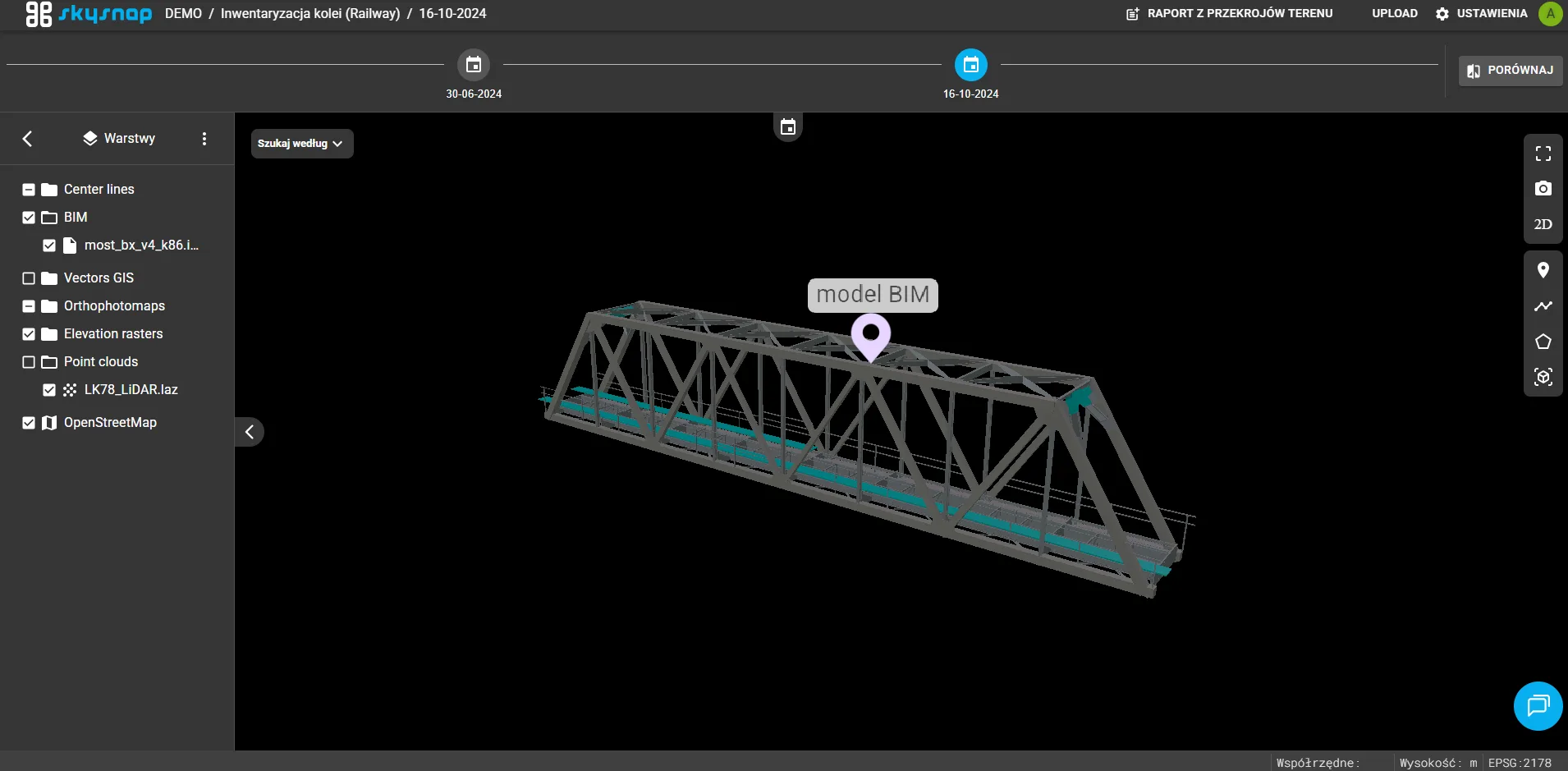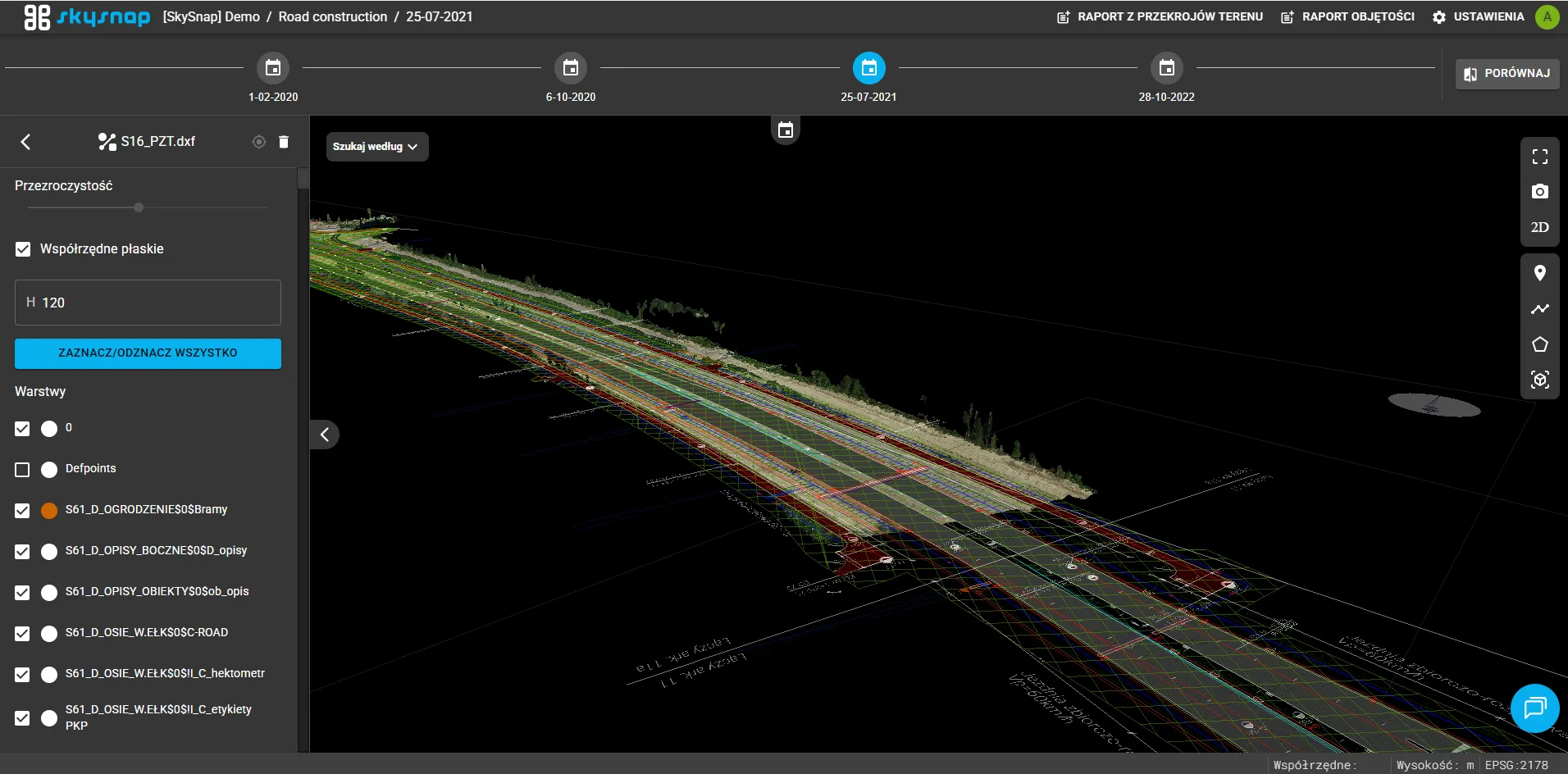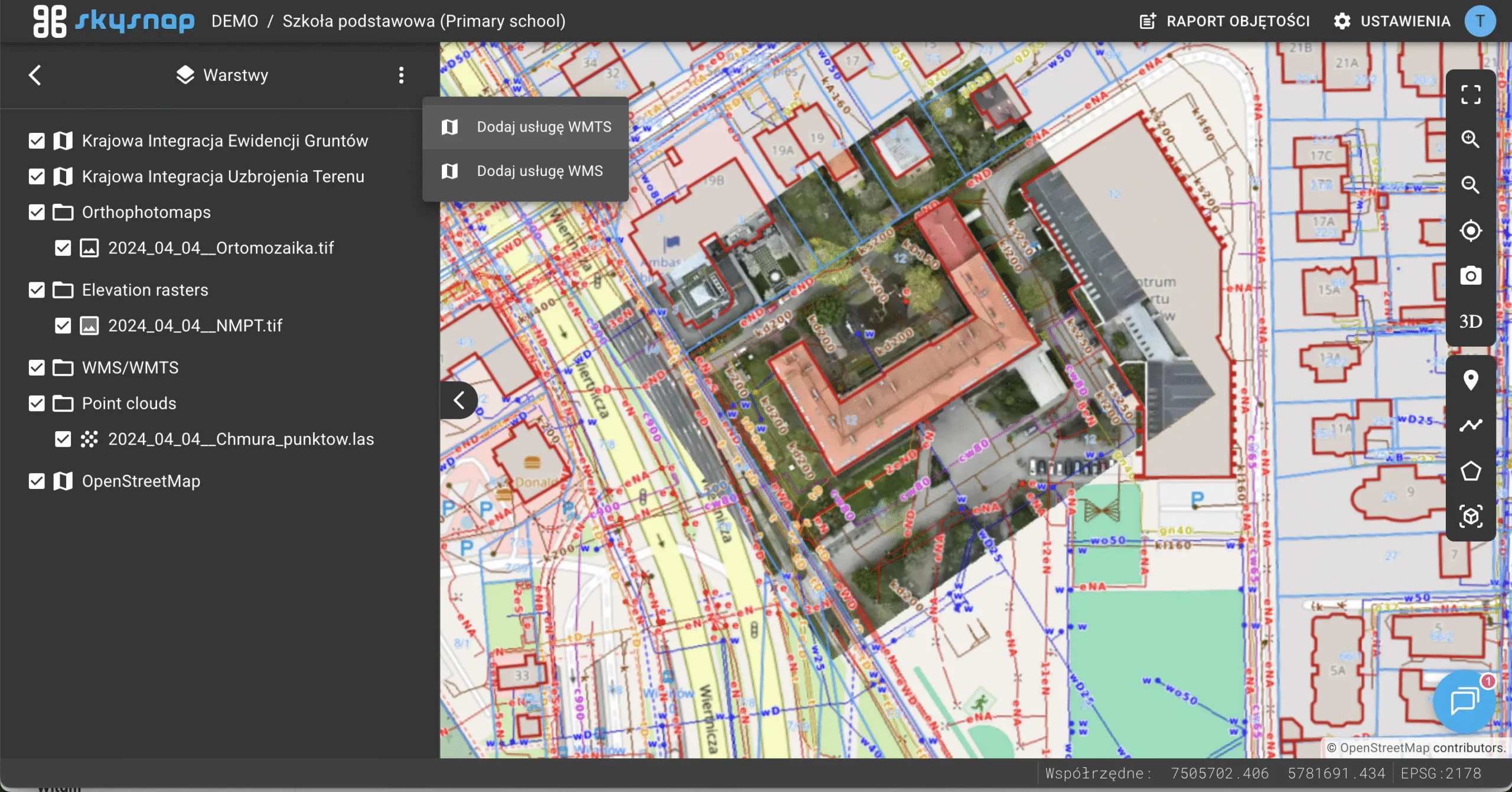
In the age of new technologies, we are able to perform many tasks remotely, often using drones. One such task is photogrammetry, which is gaining in popularity thanks to the use of these small, remote-controlled machines. Photogrammetry from a drone is a modern solution used in many fields of science and business.
What is photogrammetry?
When we hear the word “photogrammetry,” we may think it is a complicated technical term. In reality, it is a simple method used to capture information about physical objects and environments through the use of photography. Photogrammetry from a drone involves the creation of maps and 3D terrain models based on photos taken from high altitude.
How does photogrammetry from a drone work?
To get the data it needs, the drone takes a series of photos of the terrain, usually from a height of several hundred meters. Then, these photos are analyzed and processed with specialized software that can create a detailed terrain model based on them. In this way, photogrammetry from a drone allows us to get information that would otherwise be very difficult or impossible to obtain.
What data can be obtained from photogrammetry from a drone?
Using photogrammetry from a drone can provide a lot of valuable data. One of the most important is the creation of an accurate, three-dimensional map of the area. This can be particularly useful in urban planning, surveying, agriculture, as well as the construction industry. The data obtained can include:
- Terrain elevation: Detailed terrain elevation information can be obtained, which is crucial for creating elevation maps and 3D models.
- Object outlines: With photogrammetry from a drone, we can get accurate information about the outlines of buildings, trees, or other structures.
- Land cover information: This is particularly useful in agriculture, where photogrammetry from a drone makes it possible to monitor the condition of crops and assess the effectiveness of agrotechnical measures.
- Area measurement: the data obtained will allow accurate calculation of the area of a specific site, which is important, for example, when planning construction projects.
Photogrammetry from a drone is a tool that is sure to find application in many fields. Its ability to provide accurate and detailed terrain data makes it increasingly used in practice.
Tips, news, insights
Related articles
Check out our articles and get the latest industry news.