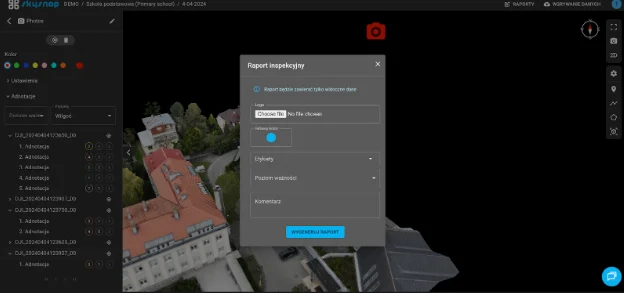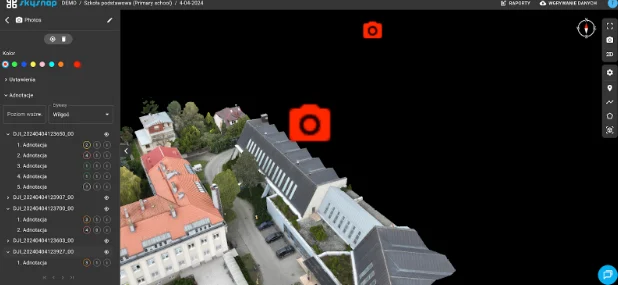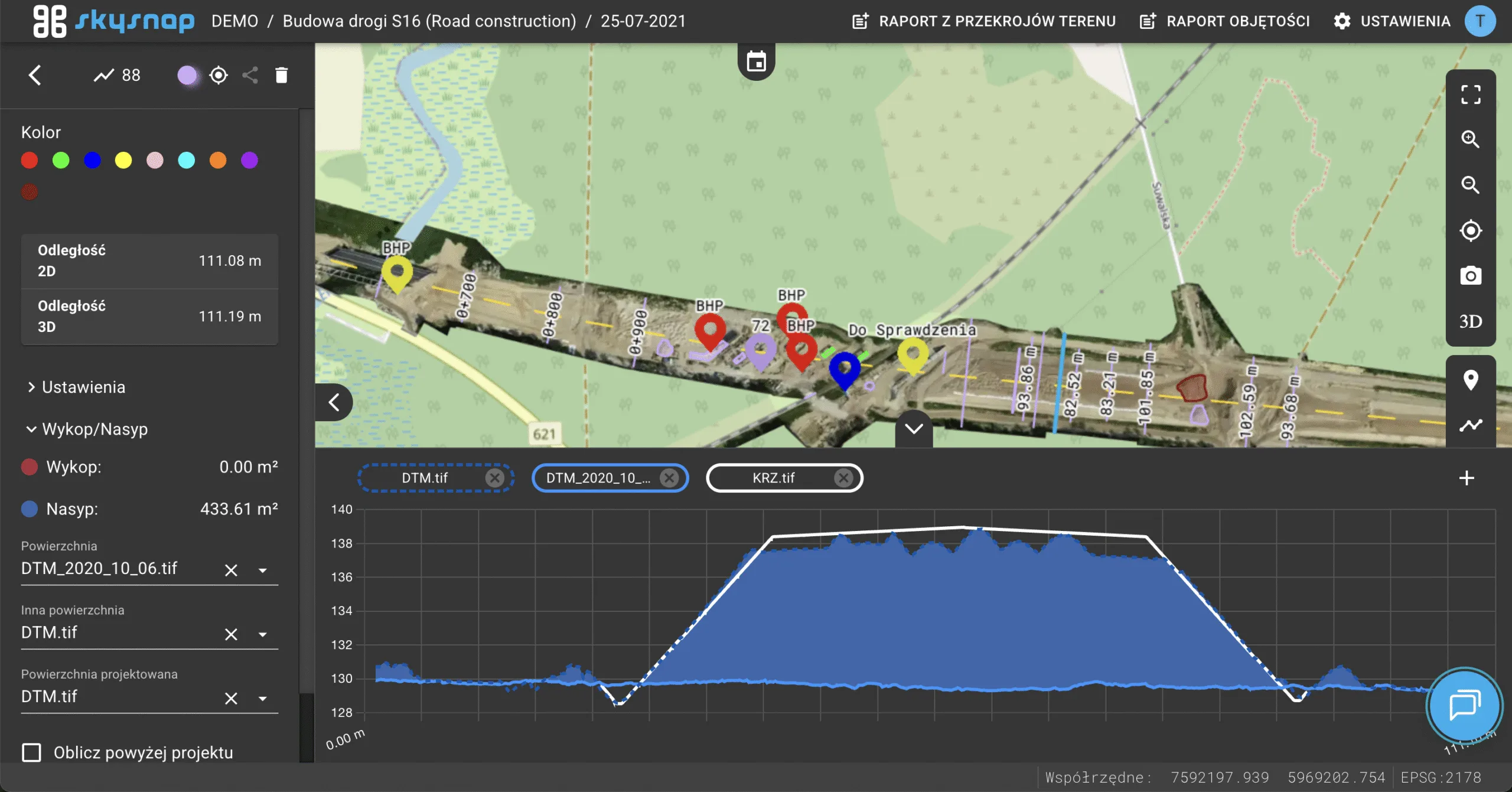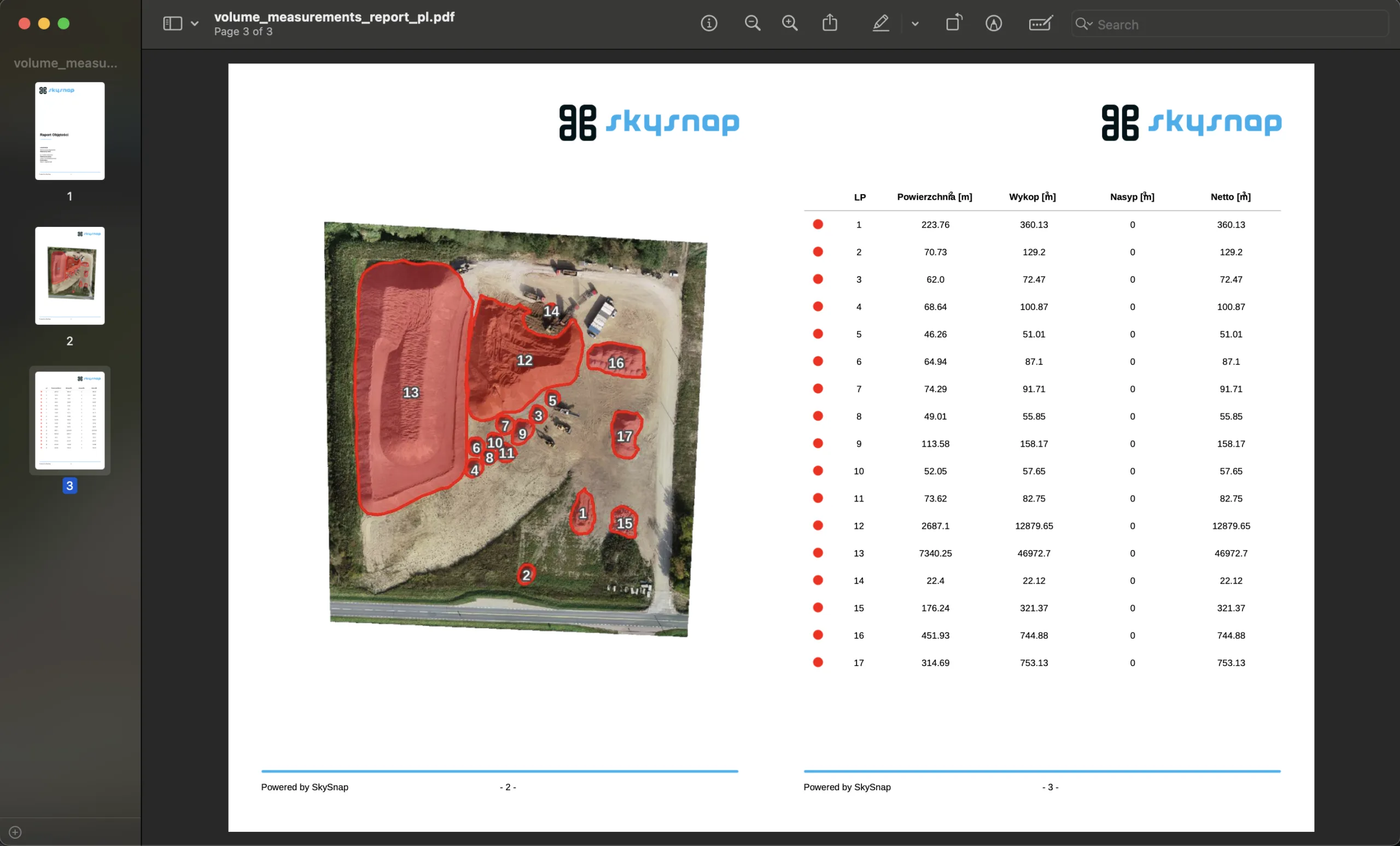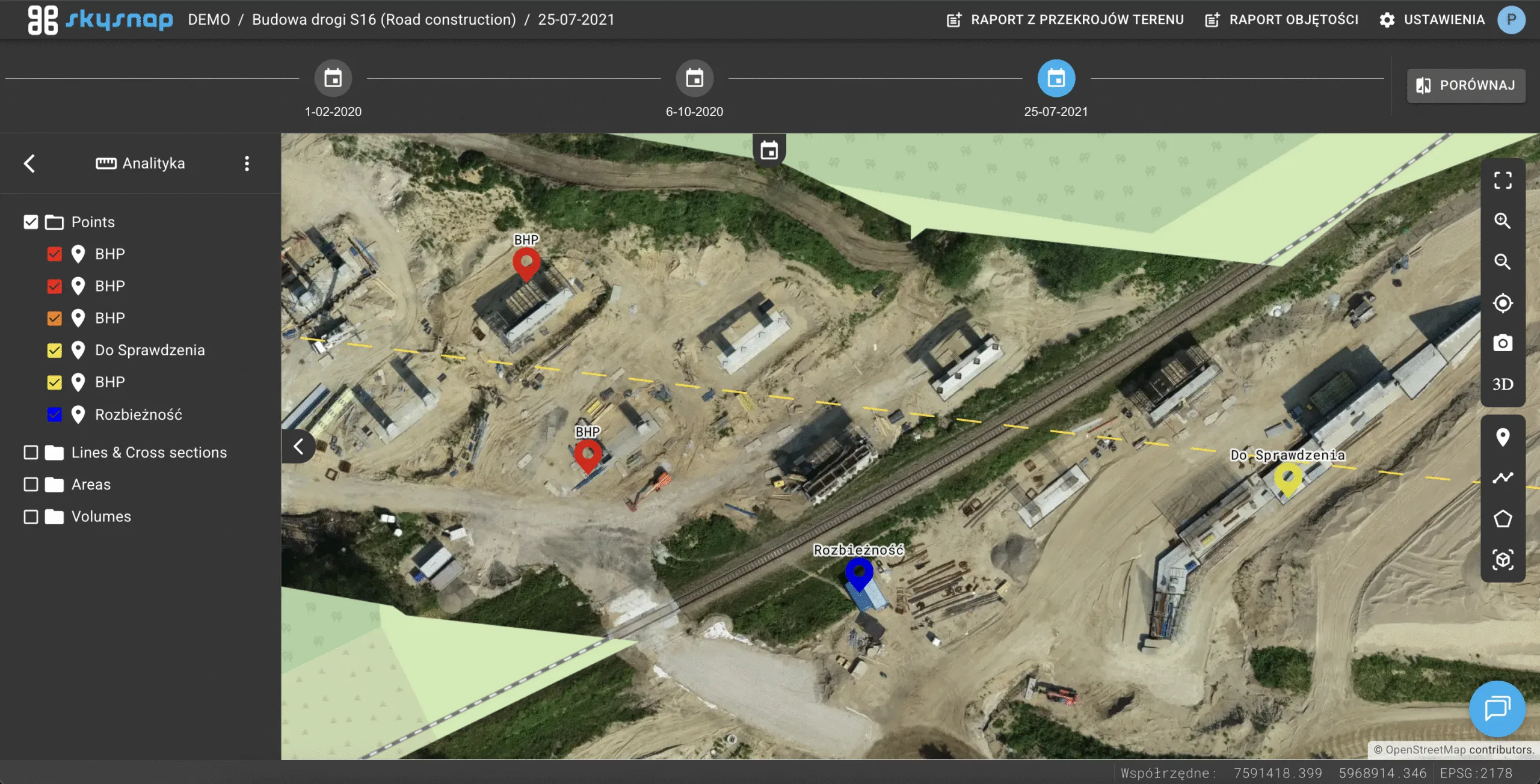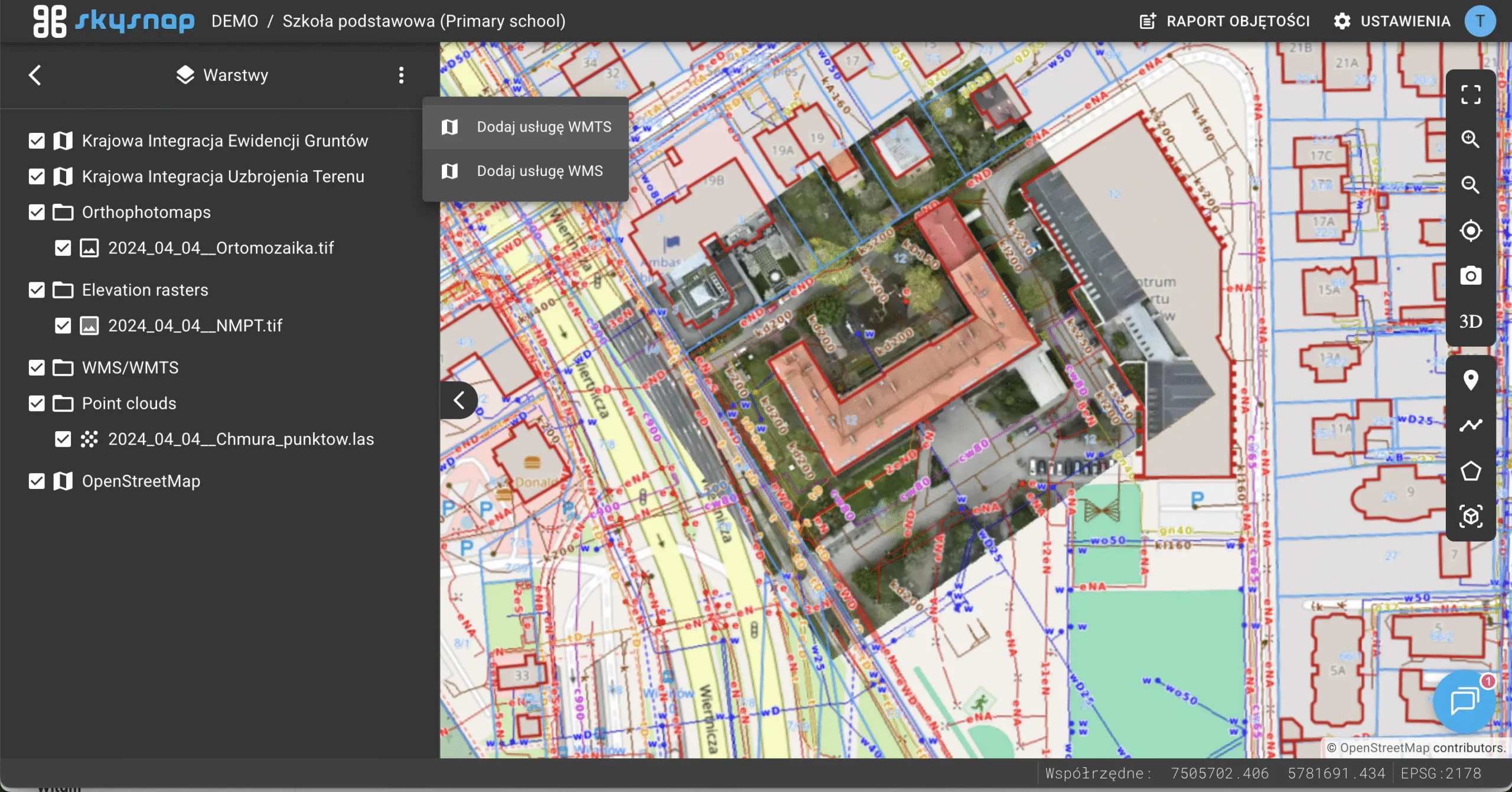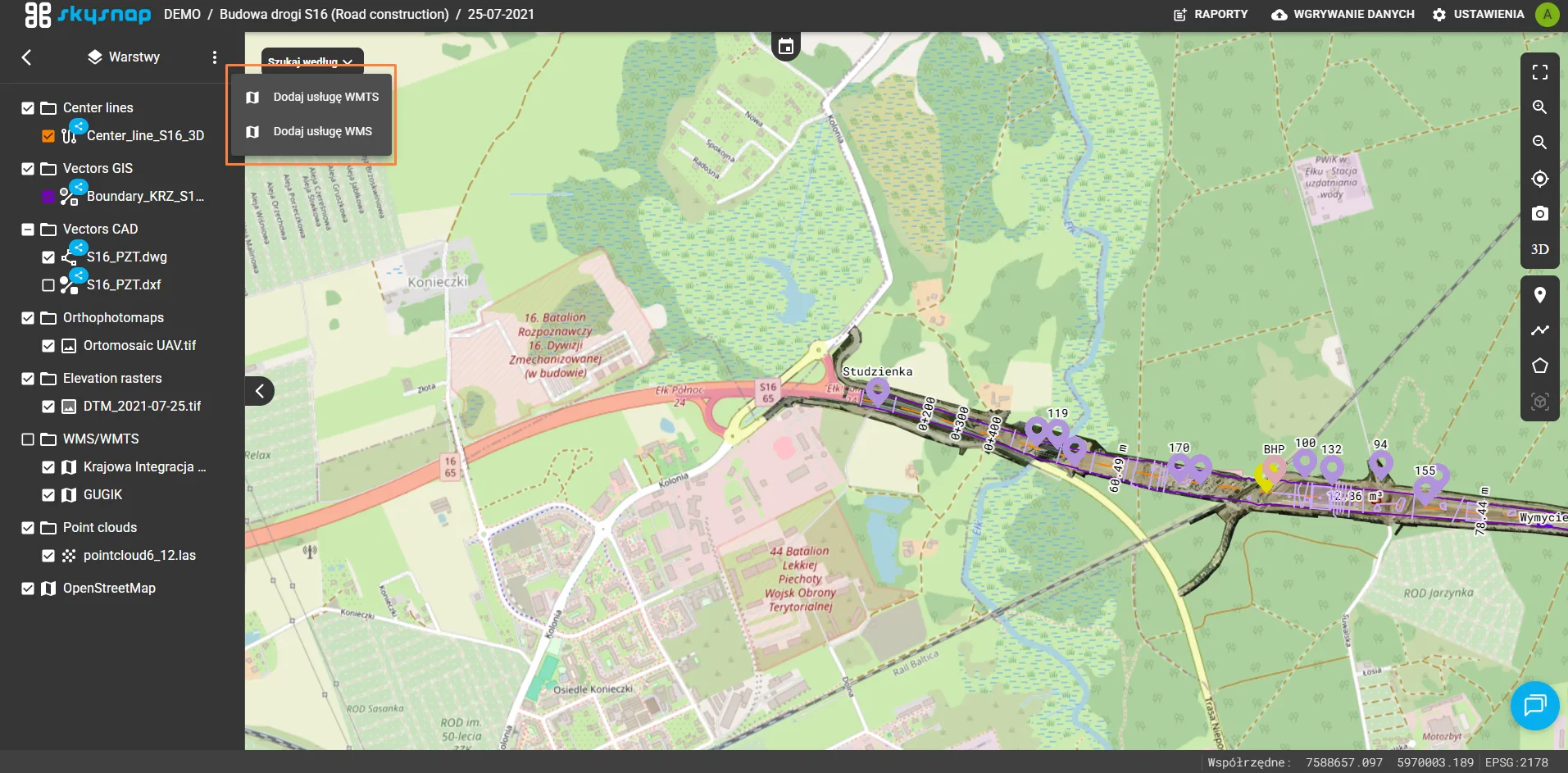
An orthophoto map is a type of map that is created from aerial photos, or more specifically, photos taken by a drone. It is one of the most advanced technologies used in the construction, surveying and agricultural industries. Conducting measurements using orthophotos from a drone is much more precise and efficient than traditional methods.
What is the process of creating an orthophoto from a drone?
Creating an orthophoto from a drone is a process that consists of several steps. First, the drone takes a series of photos from an appropriate height, covering the entire area to be surveyed. The photos taken are then combined into one, creating an accurate image of the area. Computer programs then transform this image into a map, using technologies such as photogrammetry and GIS technologies.
What are the advantages of using orthophotos from a drone?
Orthophoto mapping from a drone offers a number of advantages that make it an indispensable tool in modern construction. The use of drones for mapping makes it possible to quickly and accurately obtain information about the terrain, without having to physically traverse it. Thanks to the high resolution of the images, the details of the terrain are clearly visible, making it possible to analyze even the smallest elements.
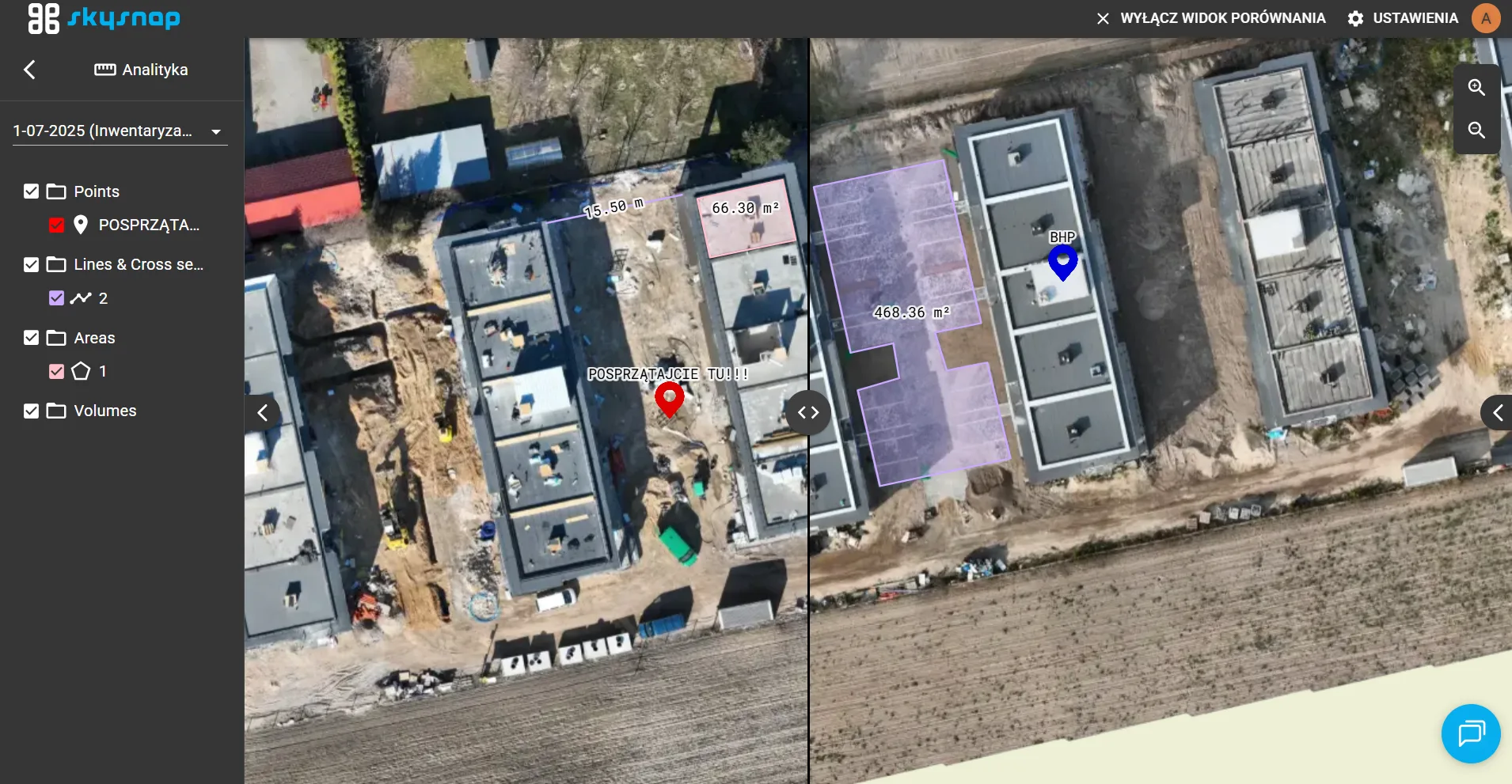
In addition, with the help of an orthophoto from the drone, it is easy to identify potential obstacles and hazards that may affect the construction process, which greatly increases safety on the site. It is also an excellent tool for monitoring the progress of construction work and for inspecting the quality of the completed work.
Orthophotomapping from a drone in practice
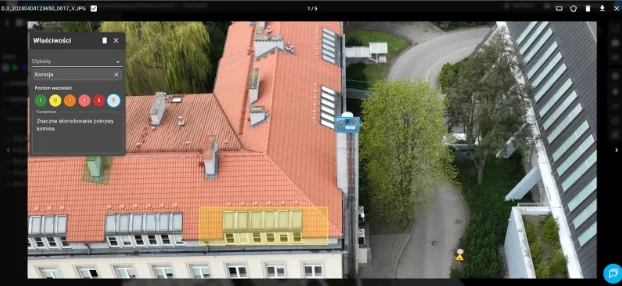
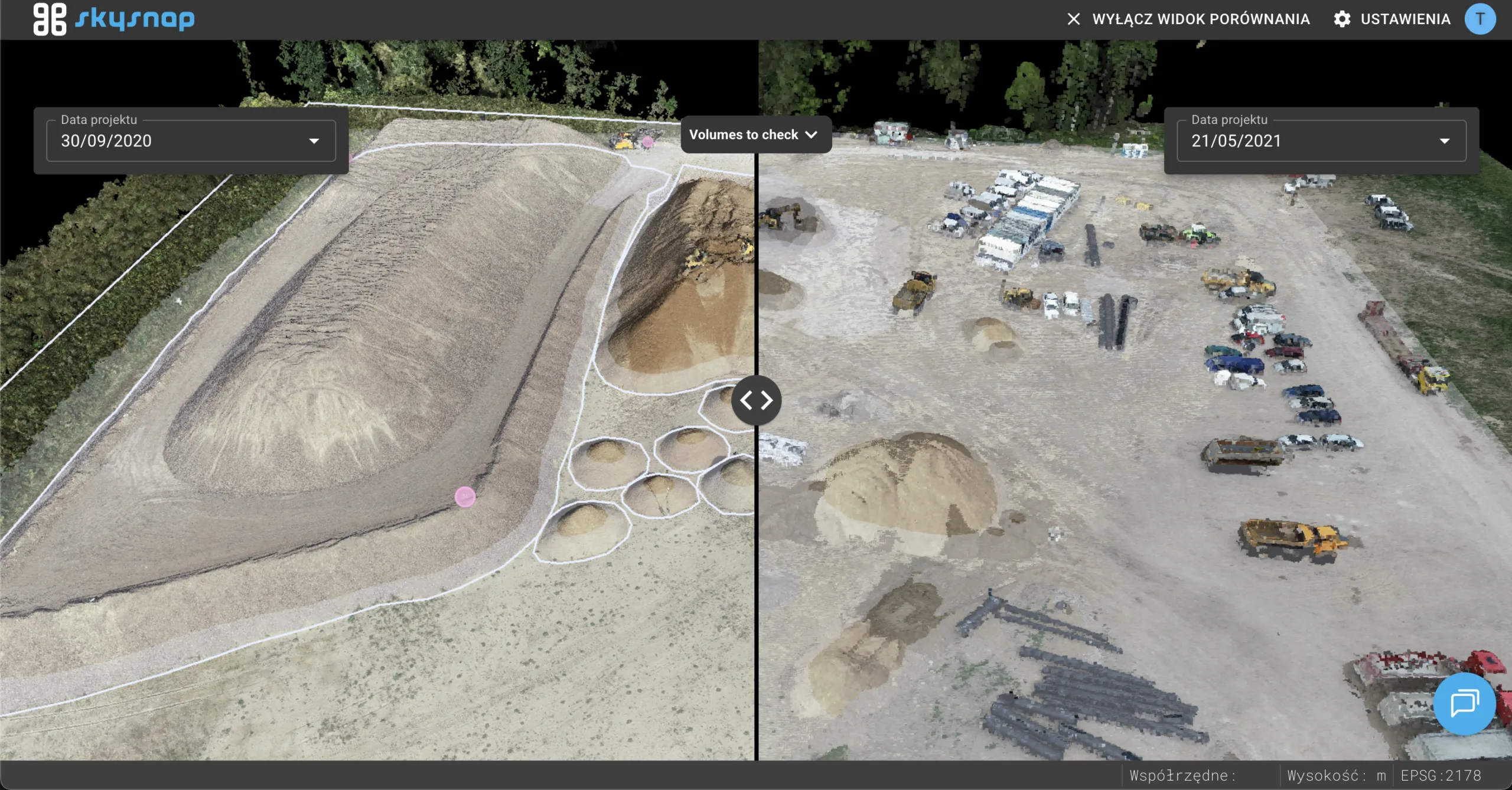
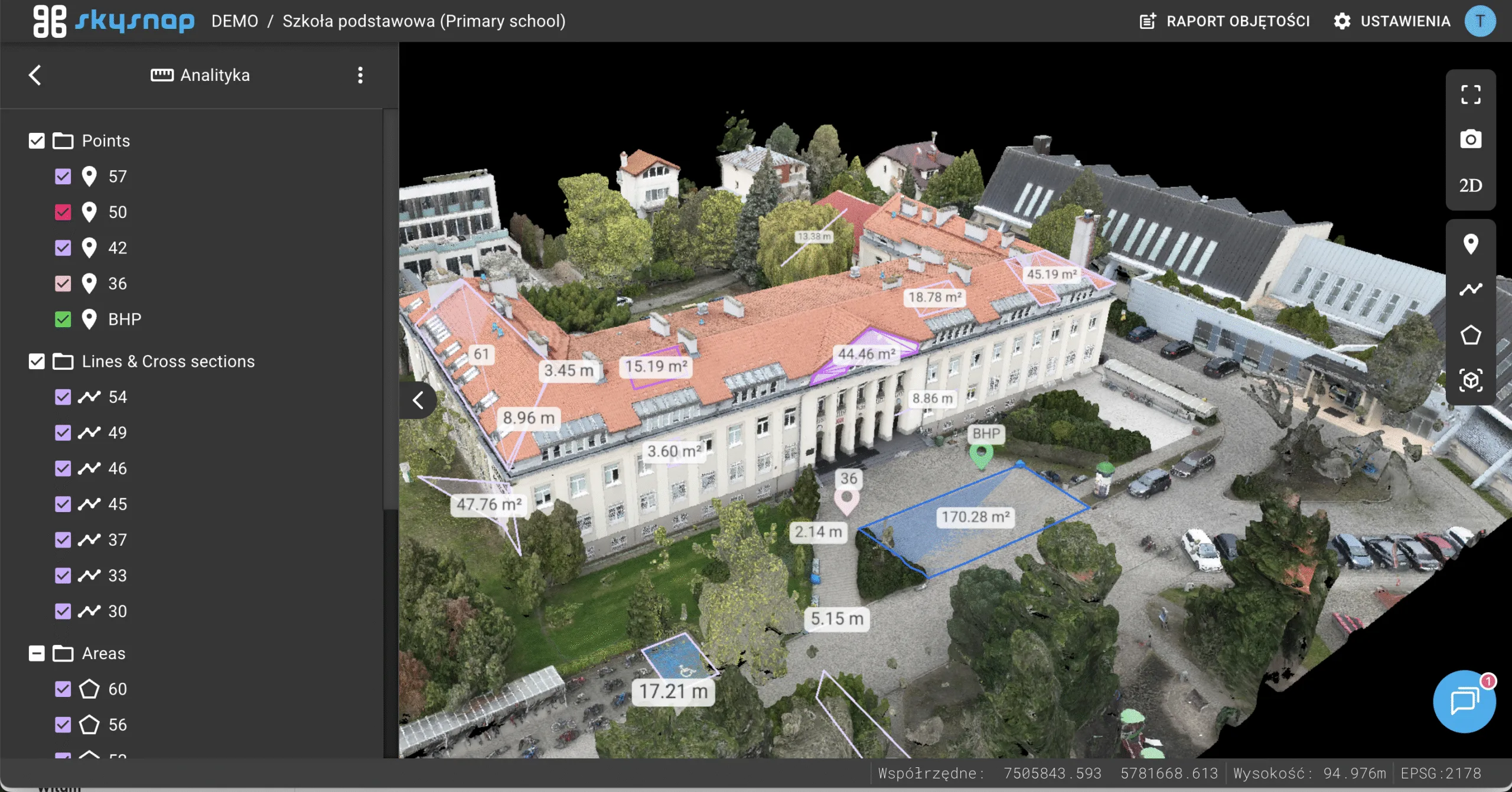
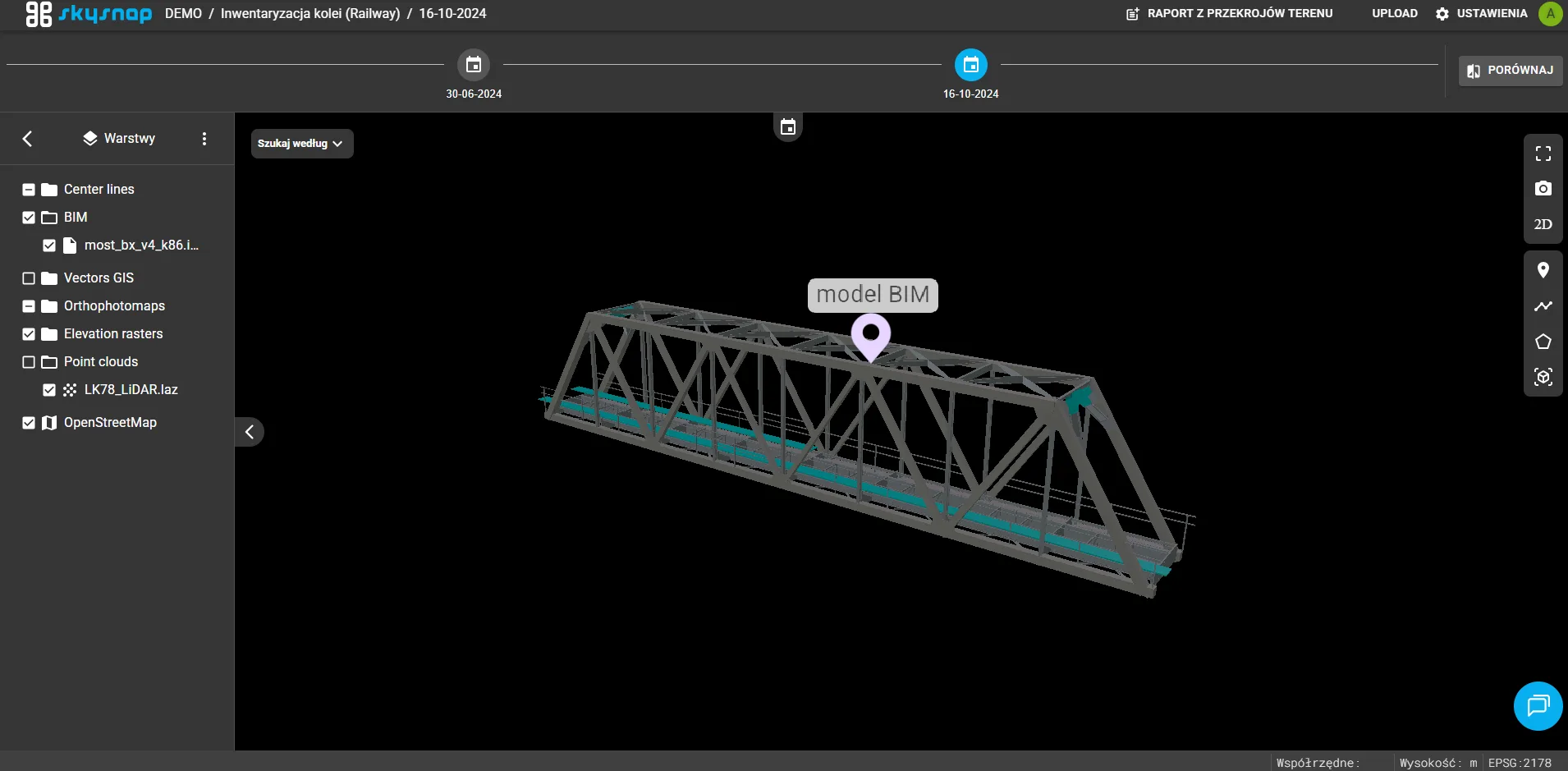
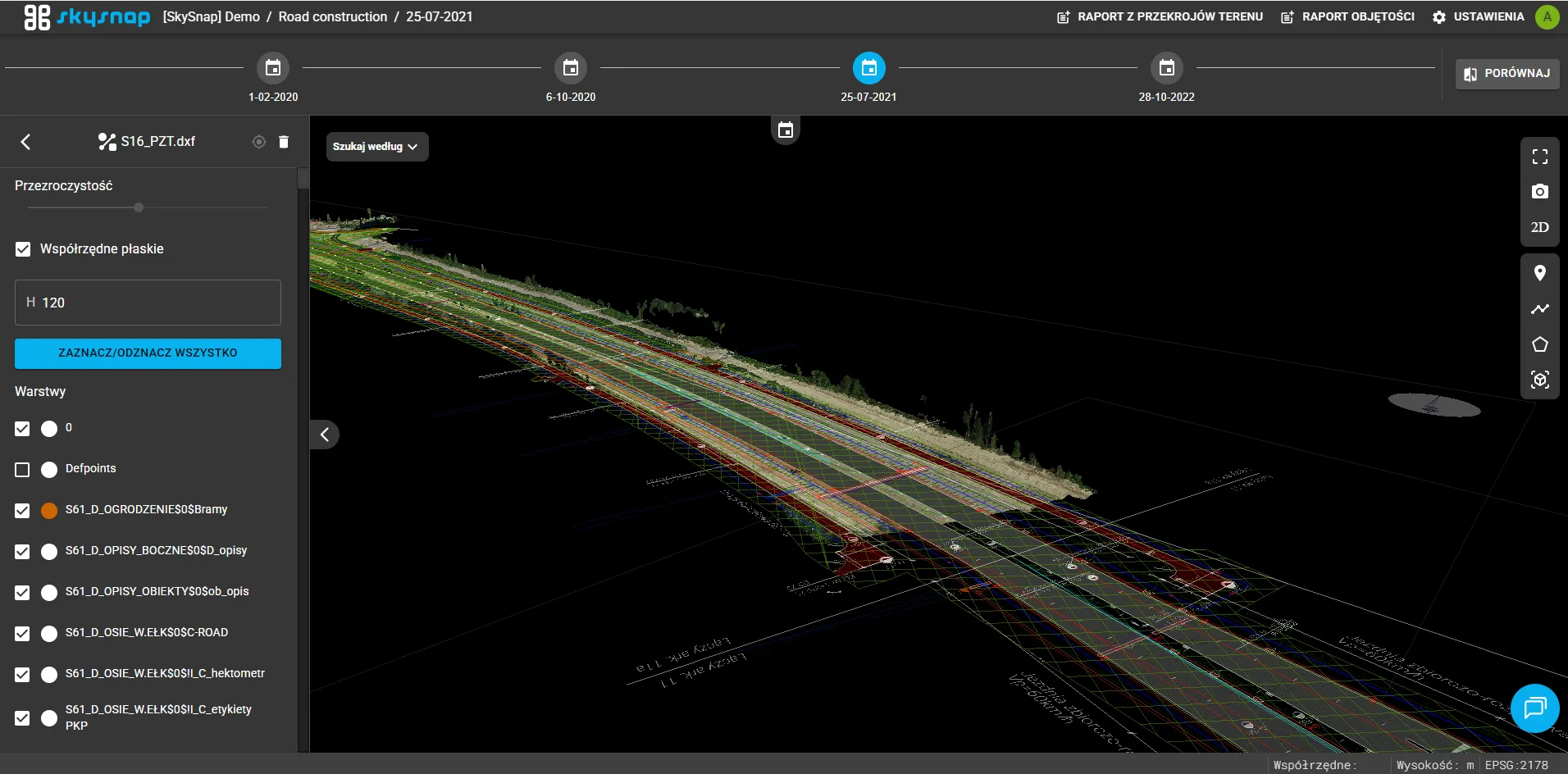
Examples of applications for orthophotos from a drone include performing pre-construction site analysis, monitoring construction progress, inspecting buildings and structures, photographic documentation of construction, creating 3D models of the site and buildings, and quality control of completed construction work, among others.
Orthophotos from a drone are also used in agriculture to analyze crop health, identify areas in need of more fertilizer or water, and to monitor plant health.
Tips, news, insights
Related articles
Check out our articles and get the latest industry news.