Drones in the telecommunications industry – the future is here
Technology is developing at a remarkable pace. Today, even an ordinary citizen can purchase a device that was once reserved for the military or aerospace sectors – drones. From use in movies and photography, to transporting goods, drones have become ubiquitous in our lives. One sector that is definitely benefiting from this development is the telecommunications industry. Drones in the telecommunications industry are already playing a key role.
Inspection of towers, masts and installations
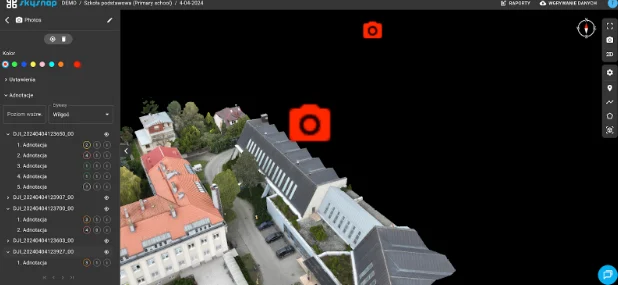
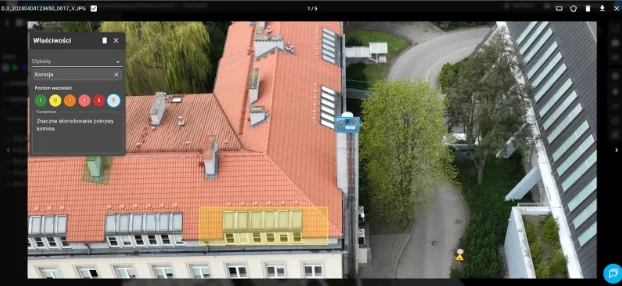
The use of drones to inspect towers, masts and installations is bordering on a bright future. Previously, this required workers to take risks and be exposed to heights. Now this dangerous work can be outsourced to drones. Thanks to 4K technology, these small, handy devices are able to provide detailed, high-quality images of telecommunications infrastructure from all sides, making it possible to thoroughly inspect and monitor the condition of structures without risk to human personnel
Time and cost savings
In the aforementioned respect, drones in the telecommunications industry not only reduce the complexity of the task, but are also cost-effective. Manual inspection of communication towers is time-consuming and costs a lot of money. Drones can perform these inspections faster, and can easily reach areas that are difficult for humans to reach. In addition, there is also less loss due to human error.
Improving security standards
The mere use of drones for inspecting towers and masts is already significantly raising safety standards. Workers no longer have to risk their health and lives by climbing structures that may prove unstable. This also helps when evacuation is needed in the event of a disaster – a drone can quickly and safely reach areas that are dangerous to humans.
Drones in the telecommunications industry – the future that is already here
The telecommunications sector has already recognized the potential that drones have. Using them to inspect towers, masts and installations is just the tip of the iceberg. As drone technology continues to develop, so will their use. In the near future, we could see drones performing maintenance work, delivering spare parts, and perhaps even building new towers.
Free E-book
Learn how to prepare a mission step-by-step, avoid raid mistakes and create accurate orthophotos and 3D models. The perfect guide before your first commercial assignments.
Table of contents
Tips, news, insights
Related articles
Check out our articles and get the latest industry news.