Introduction to drone mapping
Land mapping with drones is becoming increasingly popular and accessible to a wide range of users. Thanks to modern technology, drones offer precise and fast ways to create accurate maps, something previously reserved for specialized teams with expensive equipment. In this guide, we’ll look at how drones are changing the way we map terrain, and the benefits they bring to those new to the field. Understanding the basics of how drones work and what they can do will help anyone get started on the adventure of mapping terrain effectively and safely.
Why drones are gaining popularity
Drones are gaining popularity in land mapping for several key reasons.
- First, their availability and relatively low purchase cost make them attractive to a wide range of users, including individual hobbyists and small businesses.
- Secondly, drones offer high precision in data collection, which allows the creation of detailed maps and 3D models of areas.
- In addition, the technology makes it possible to quickly and efficiently perform tasks that previously required much more time and human resources.
- The drones are also equipped with advanced cameras and sensors that can capture data in different light spectra, which is invaluable for geographic analysis and environmental studies.
- Finally, their mobility and ease of use make them ideal tools for exploring hard-to-reach areas.
Basic applications of mapping
Drone mapping is widely used in various fields.
- One of the main areas is surveying, where drones are used to precisely measure and create topographic maps.
- Another important application is agriculture, where drones help monitor crops, analyze plant health and plan fertilization.
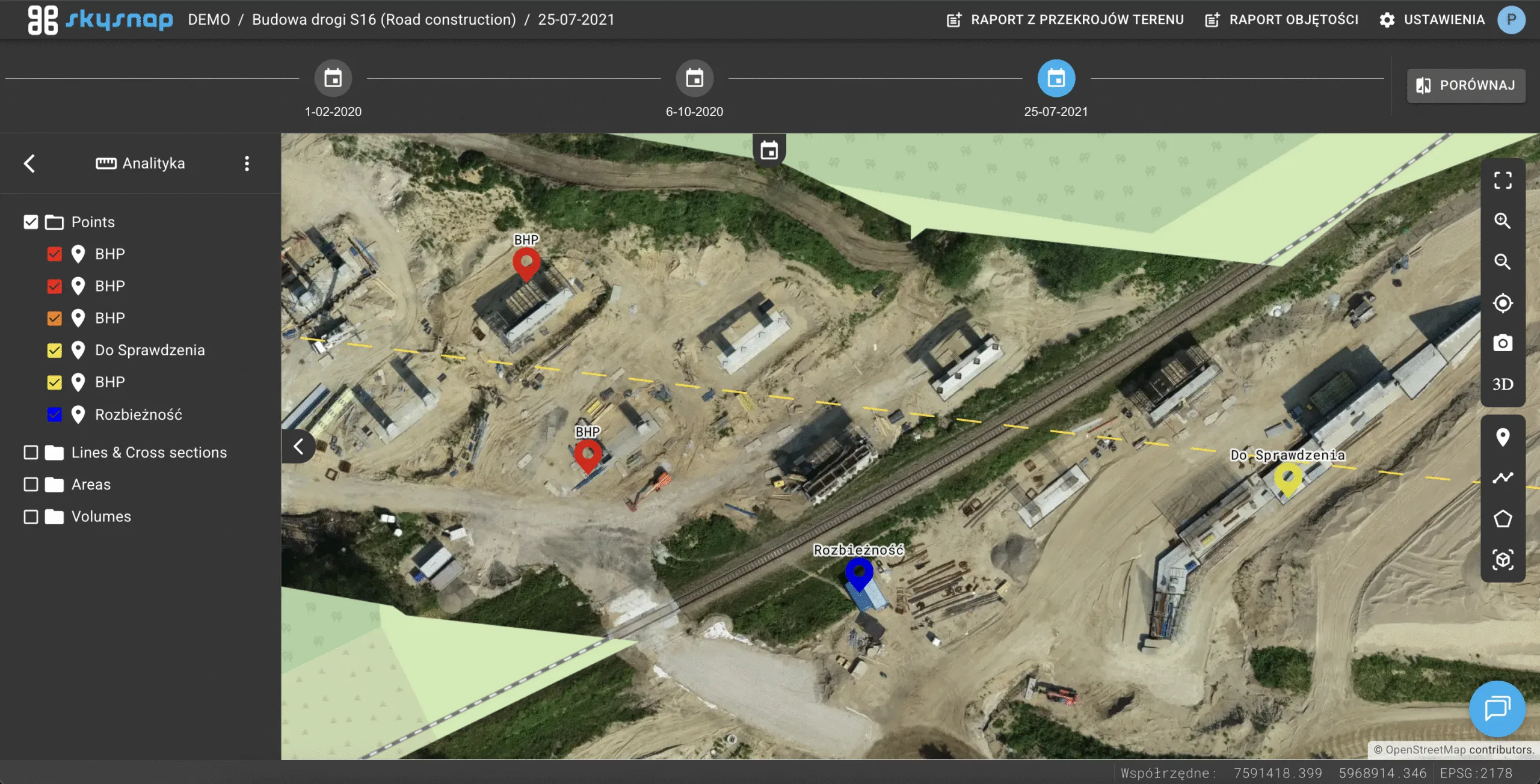
- In the construction industry, drones are used to inspect construction sites, create 3D models and assess the progress of work.
- In addition, in natural resource management, drones make it possible to monitor reforestation, survey biodiversity, and assess damage caused by natural disasters.
- In archaeology, too, drones play an important role, facilitating the discovery and documentation of archaeological sites without destroying the land.
With these versatile applications, drones are becoming an invaluable tool in many industries, helping to increase the efficiency and precision of field work.
Benefits of using drones
The use of drones in land mapping brings many benefits that significantly affect the efficiency and quality of work.
Above all, drones allow quick and precise data collection from hard-to-reach locations, which is invaluable in situations where traditional methods would be time-consuming or dangerous. Drones can operate over large areas in a short period of time, reducing operational costs associated with mapping.
In addition, equipped with high-quality cameras and sensors, the drones provide accurate visual data that can be used to create detailed 3D models and geographic analysis.
Drones are also flexible in their applications, able to quickly adapt to different tasks and user needs. As a result, drone mapping is not only becoming more efficient, but also more accessible to a wide range of users, from professionals to amateurs.
Technologies used in drones
Camera and sensors
The camera and sensors are key components of a drone, determining its ability to collect data. Modern drones are equipped with high-resolution cameras to capture detailed aerial images and videos. As a result, it is possible to create precise maps and 3D models of areas.
In addition, drones often have multispectral sensors that allow them to analyze various aspects of the environment, such as plant health or changes in land cover. These sensors can also measure temperature, humidity or pollution levels, which is particularly useful for environmental studies.
Depending on their needs, drones can be equipped with different types of sensors, making them versatile tools in many fields. Thanks to advanced camera and sensor technology, drones provide the high-quality data necessary for accurate analysis and evaluation of the field situation.
Data analysis software
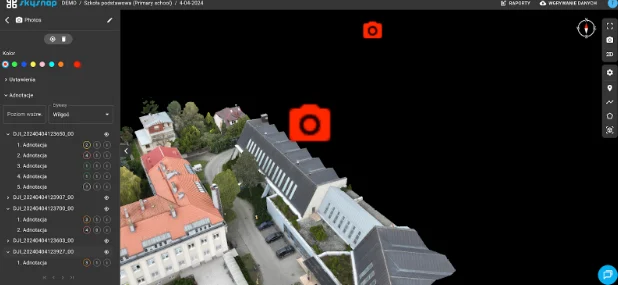
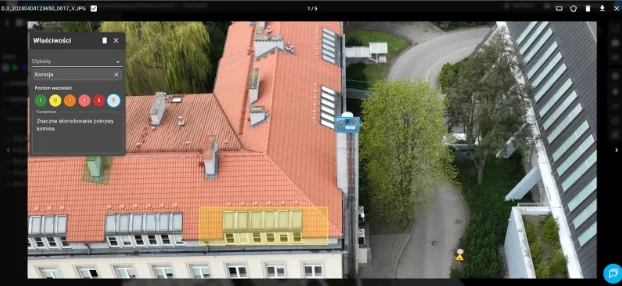
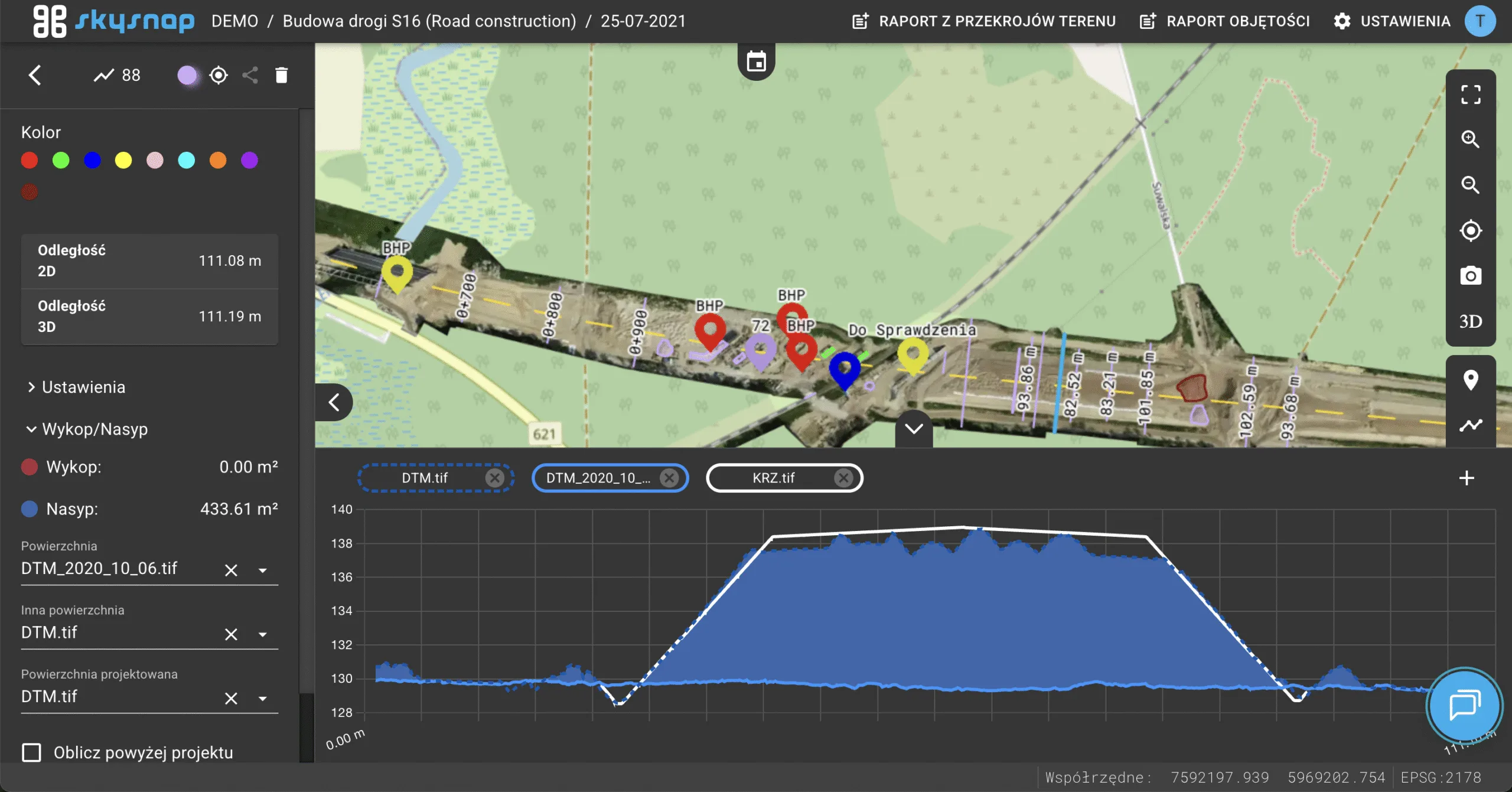
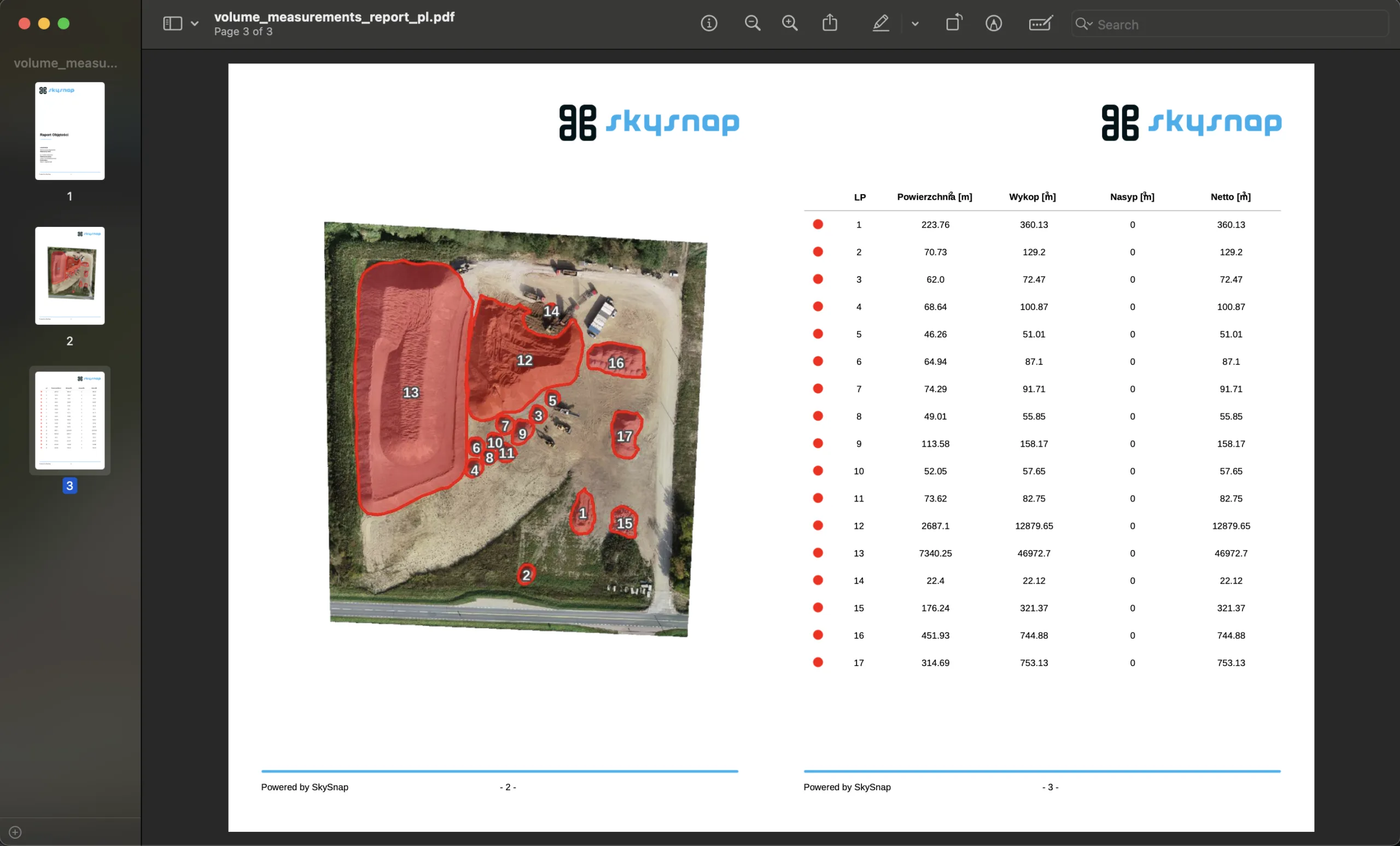
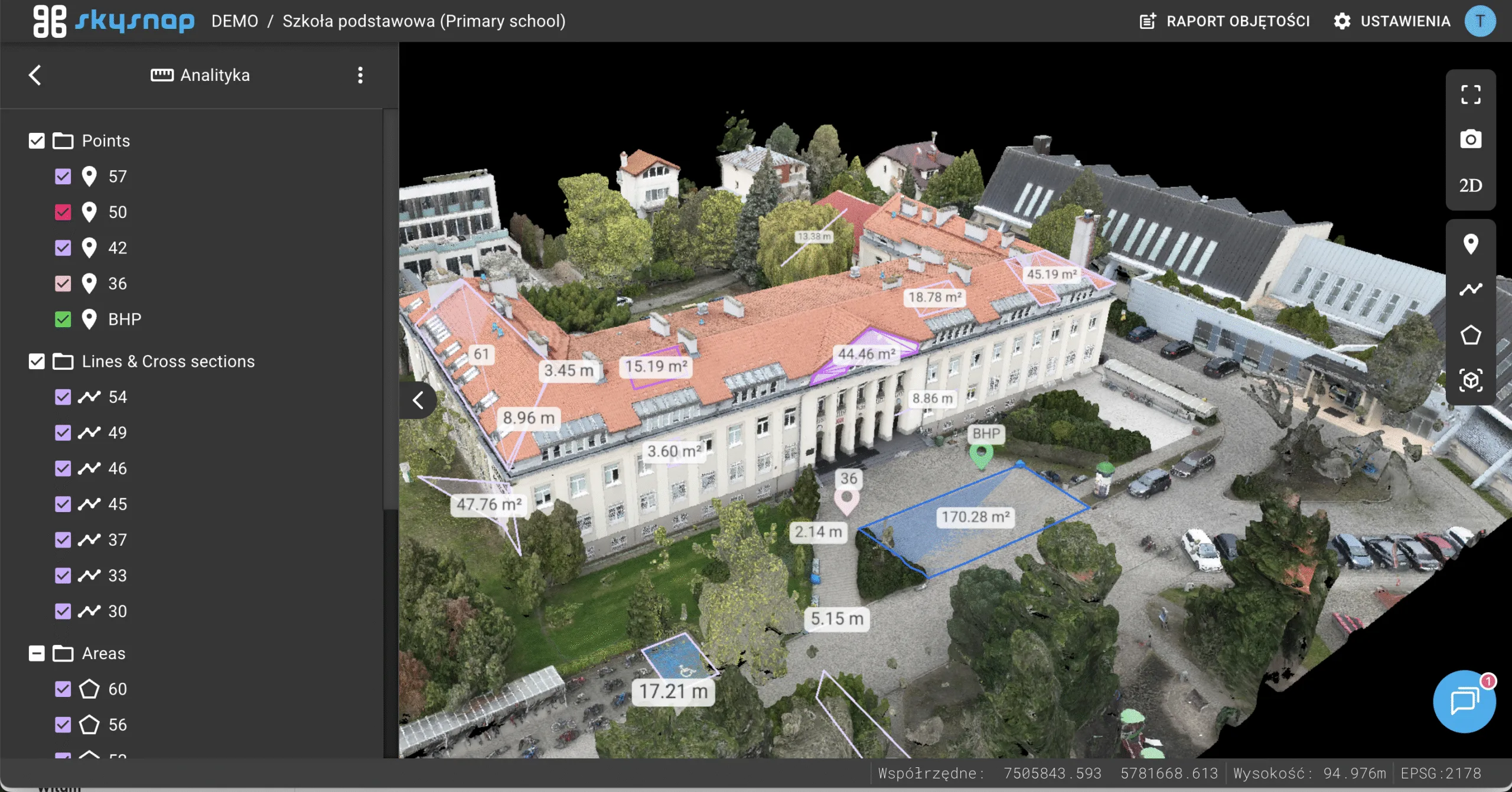
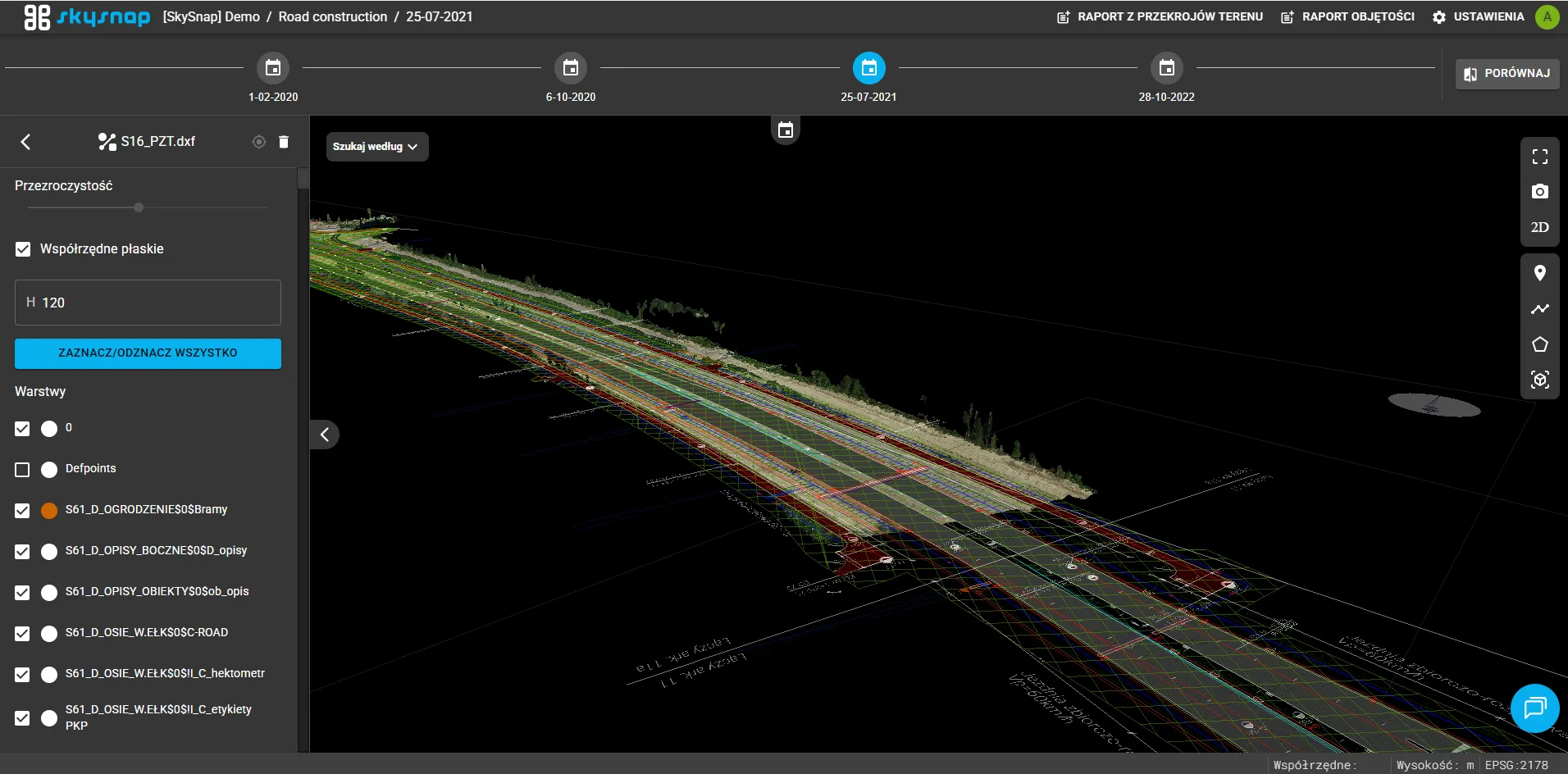
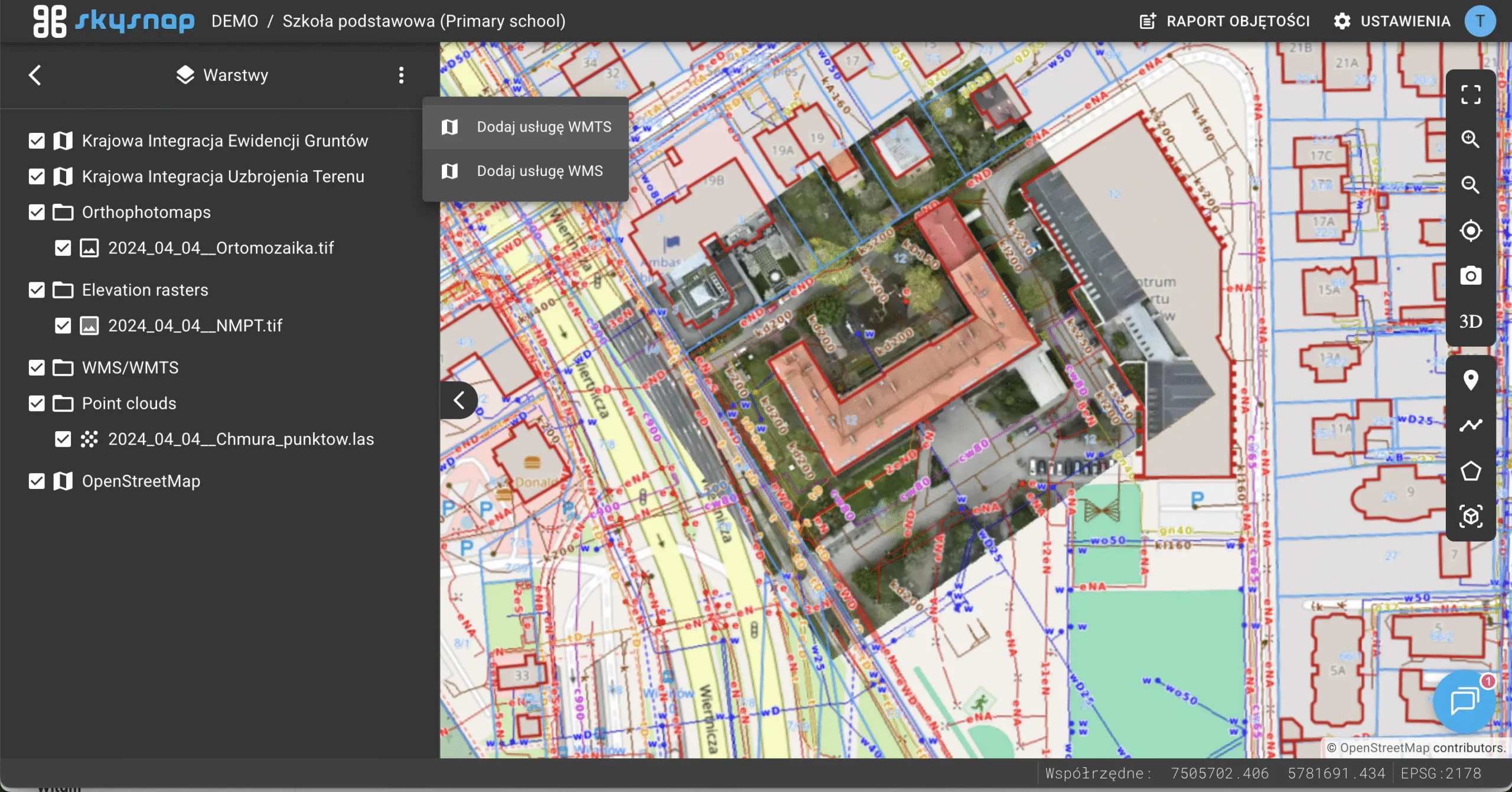
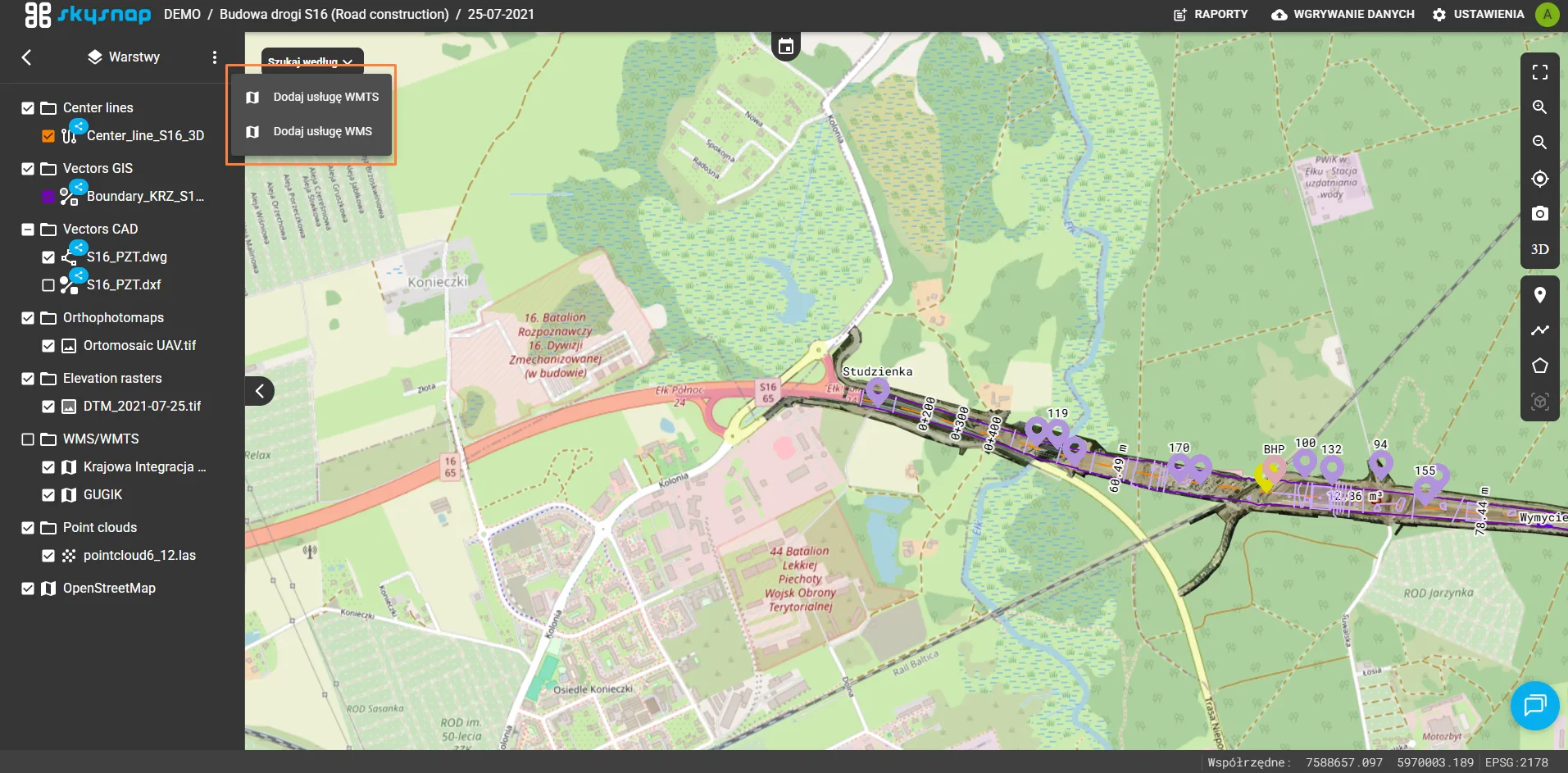
Data analysis software plays a key role in processing the information collected by drones. Once the raw data is collected, the software enables processing, analysis and visualization, which is essential for creating accurate maps and terrain models.These programs offer a variety of functions, such as creating orthophotos, generating 3D models and geographic analysis. Thanks to advanced algorithms, it is also possible to automatically detect changes in terrain or monitor vegetation health. Many software providers also offer cloud-based solutions, which allows for the rapid processing of large data sets and their easy sharing and team collaboration.
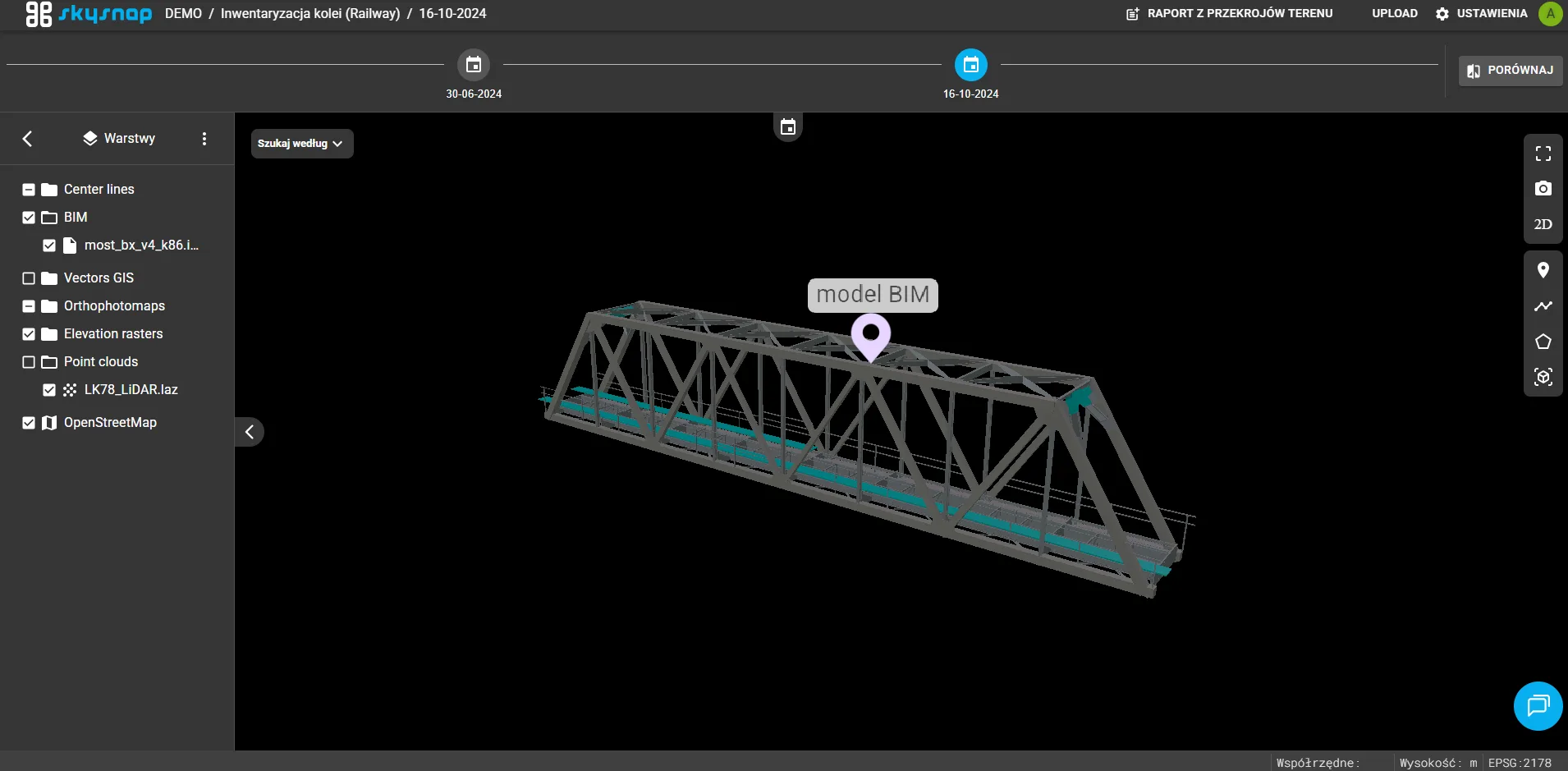
In addition, some programs integrate with GIS platforms, enabling even more advanced spatial analysis. As a result, drone users can take full advantage of the potential of the collected data, transforming it into useful information and conclusions.
GPS systems and navigation
GPS systems and navigation are indispensable components of drones for precise control and flight path planning. GPS provides drones with accurate location data, which is crucial for mapping and creating terrain models. With satellite navigation, drones can autonomously navigate along pre-programmed paths, avoiding obstacles and adjusting flight to changing environmental conditions. Advanced navigation systems allow for precise landings and takeoffs, which is especially important in difficult terrain.
In addition, some drones use additional technologies, such as GLONASS or Galileo, to improve navigation accuracy and reliability. With these systems, drones are able to perform complex mapping missions efficiently and safely, minimizing the risk of errors and collisions. As a result, GPS and advanced navigation systems are the foundation of modern drone mapping, enabling precise and safe tasks.
Site mapping process
Drone mission planning
Drone mission planning is a key stage that determines the success of the entire mapping process.
- At the outset, the mission objective and the area to be mapped must be defined. For this purpose, specialized software is used to determine the route of flight, altitude and landmarks. It is important to take into account terrain and potential obstacles, such as trees or buildings, to minimize the risk of collisions.
- A well-planned mission should also take into account weather conditions, which can affect the quality of the data collected and the safety of the flight.
- In addition, care should be taken to ensure that the batteries are properly charged and the equipment is prepared for the mission. With careful planning, the drone is able to collect data efficiently and safely, which translates into the accuracy and reliability of the maps obtained.
Such a process allows for optimal use of resources and achievement of mapping goals.
Collecting data in the field
Data collection in the field is a key stage in which the drone carries out its planned mission, recording the necessary information. During the flight, the drone takes a series of photos and measurements using mounted cameras and sensors. It is essential that the drone follows a predetermined route to ensure the completeness and accuracy of the data. During data collection, the drone’s technical condition and battery level should be monitored to avoid mission interruption. The drone should operate in stable weather conditions to ensure the quality of the collected materials. Collected data may include photos, videos, as well as environmental measurements, which are crucial for later analysis. Once the mission is completed, the collected data is transferred to software for further processing and analysis. Proper management of the data collection process is essential for accurate and valuable mapping results.
Analysis and interpretation of results
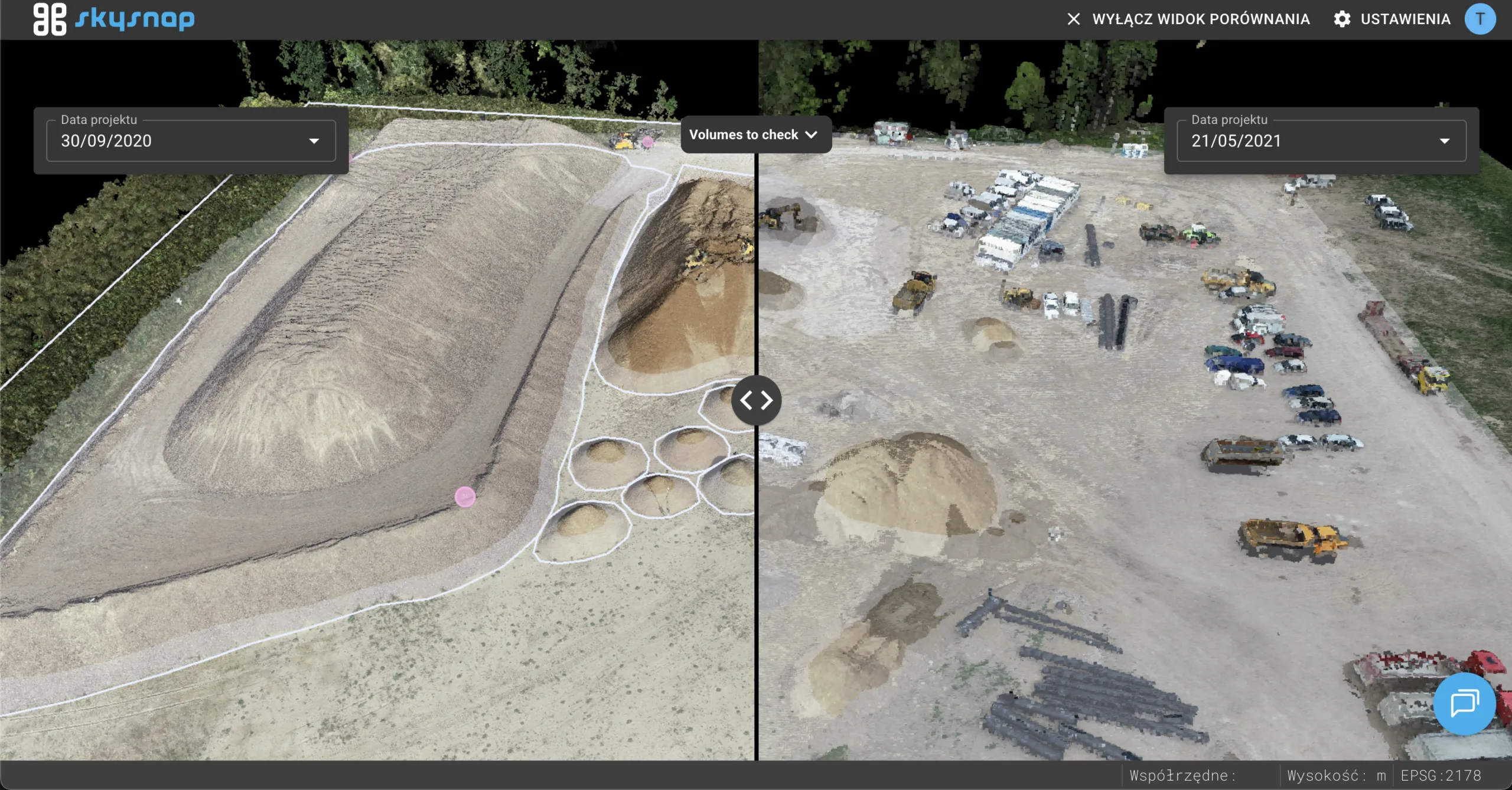
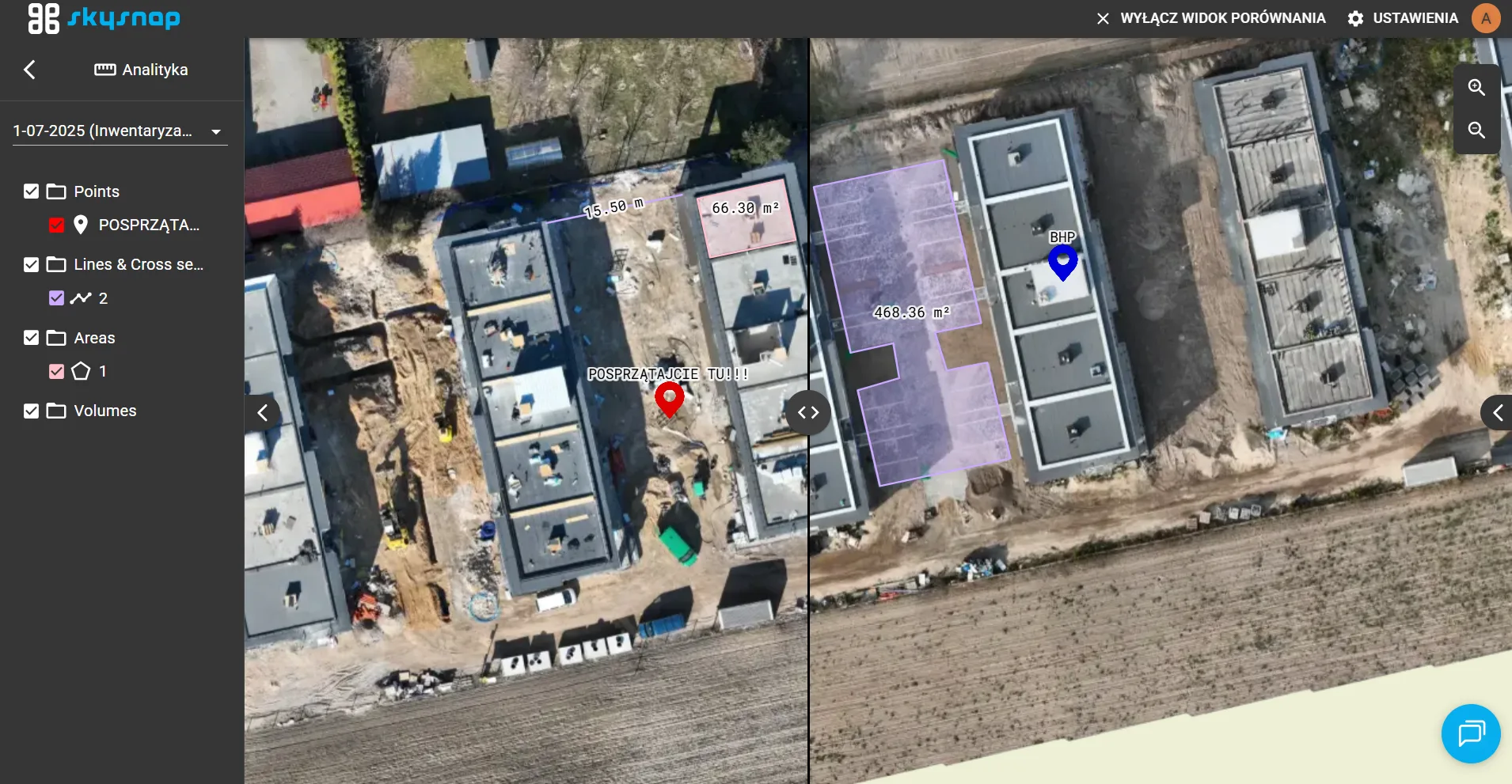
Analysis and interpretation of the results is the stage where the collected data is transformed into useful information. Once the data is transferred to the appropriate software, the processing process begins, which includes the creation of orthophotos, 3D models and spatial analysis. A key aspect is the accurate correlation and calibration of the data to produce precise results. With advanced analytical tools, it is possible to detect changes in the terrain, assess the condition of vegetationor identify potential environmental hazards.
Interpretation of the results also requires consideration of the territorial context and specific project objectives, which allows for the formulation of accurate conclusions. When mapping for commercial or scientific purposes, it is important to present the results in a way that is understandable to the audience, which often requires the preparation of reports and visualizations. Proper analysis and interpretation of results is essential to maximize the potential of data collected with drones.
Challenges and limitations
Legal issues and regulations
One of the main challenges of using drones to map land is legal and regulatory issues. Many countries have strict regulations on drone operations to ensure the safety of airspace and protect citizens’ privacy. Drone operators often need to obtain the appropriate licenses and permits, especially if they intend to fly near populated or strategically important areas.
In addition, regulations may include restrictions on flight altitudes, hours of use, and insurance and registration requirements for drones. Failure to comply with these regulations can result in serious legal and financial penalties. Therefore, it is crucial to carefully review local regulations and obtain the necessary approvals before embarking on any mapping mission. This is the only way to ensure the legality and safety of drone operations, minimizing the risk of violating the law.
Weather conditions and their impact
Weather conditions play a key role in the planning and execution of drone missions, affecting the safety and quality of the data collected.
- Strong wind, rain or fog can significantly hamper flight operations, causing the risk of losing control of the drone or damaging the equipment. Rain and moisture can not only interfere with electronics, but also reduce the quality of photos and recordings.
- On the other hand, sun and shadow can affect the contrast and detail of images, making it difficult to analyze them later. Therefore, before any mission, it is essential to carefully check the weather forecast and adjust plans to the prevailing conditions.
- In case of unfavorable conditions, it is best to reschedule the flight to ensure the safety of the operation and get the best results.
Adequate preparation and flexibility in planning can minimize the impact of weather on drone mapping of areas.
Hardware and technical limitations
Hardware and technical limitations pose significant challenges in mapping terrain with drones.
- First, thedrone’s flight time is limited by its battery capacity, which can affect its ability to cover large areas during a single mission.
- Second, the quality of cameras and sensors can vary from one drone model to another, affecting the precision and accuracy of the data collected.
- In addition, some drones may have flight altitude and range limitations, affecting their ability to operate in hard-to-reach areas.
- Another aspect is the complex configuration and calibration of the equipment, which requires technical knowledge and experience.
- Finally, data analysis software may have limitations in terms of features and compatibility with different data formats.
To overcome these barriers, operators must carefully select hardware and software for specific projects, and regularly update their technical skills.
The future of mapping with drones
New technologies and innovations
The future of drone mapping looks promising thanks to the rapid development of new technologies and innovations.
- One key area is the development of artificial intelligence and machine learning to automate data analysis and make operations more precise and efficient. Drones equipped with advanced algorithms can independently identify objects and changes in the terrain, speeding up the mapping process.
- In addition, developments in LiDAR sensors and photogrammetry technology are making it possible to create even more accurate 3D models and high-resolution maps.
- The introduction of hybrid drones, combining the features of different types of designs, allows for greater distances and longer flight times.
- At the same time, developments in wireless connectivity and IoT (Internet of Things) technologies are enabling drones to be better integrated with other data collection and processing systems, expanding their use in various industries.
Potential development directions
The future of drone mapping opens up a number of potential developments that could revolutionize the way we view and use unmanned technologies.
- One such direction is the integration of drones with artificial intelligence systems, which will enable automatic analysis of real-time data and decision-making without an operator.
- Another potential development is the miniaturization of technology, which will allow the creation of smaller, more mobile drones capable of operating in tight and hard-to-reach places.
- The development of power technologies, such as fuel cells and solar panels, can significantly extend flight time and increase the operational efficiency of drones.
- In addition, the growing popularity of drones in the private and public sectors may lead to more advanced regulations and standards to support their safe and efficient use.
These developments, combined with technological innovations, could significantly impact the future of mapping and terrain exploration.
Impact on various industries
The use of drones in mapping has the potential to impact many industries, bringing innovation and increasing operational efficiency.
- In agriculture, drones enable precise crop monitoring to optimize fertilization and crop protection, helping to increase yields and reduce costs.
- In the construction industry, drones are speeding up design processes and inspecting the progress of work through rapid 3D mapping and construction site inspections.
- In the energy sector, inspections of infrastructure such as high-voltage lines and wind turbines are becoming safer and more efficient with the use of drones.
- In the environmental field, drones help monitor pollution and climate change, enabling better protection of ecosystems.
- Also in rescue, drones are used to quickly search areas and locate missing persons.
Thanks to their versatility, drones have the potential to become an indispensable tool in many sectors of the economy.

Free E-book
Learn how to use drones in BRD analysis, environmental monitoring or resource distribution. Check out proven deployment models and key digital tools for local government.
Table of Contents:
Do you like the article? Share it with others!
Do you like the article? Share it with others!
Tips, news, insights
Related articles
Check out our articles and get the latest industry news.