How drones are changing land mapping: A Practical Guide
In recent years, drones have become an indispensable tool in many fields, including land mapping. Their ability to quickly and accurately collect data from the air makes them indispensable for creating accurate maps. Thanks to drones, we can now see the world from a whole new perspective, which opens the door to innovative solutions in urban planning and environmental management. In this article, we’ll take a look at how drones are revolutionizing land mapping and the benefits this brings to various industries and users. Get ready for a practical guide that will reveal the fascinating world of drone technology in mapping.
Introduction to drone mapping
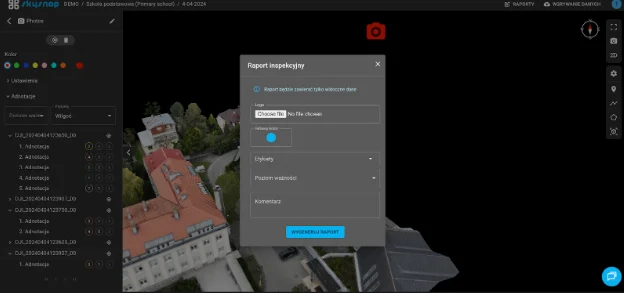
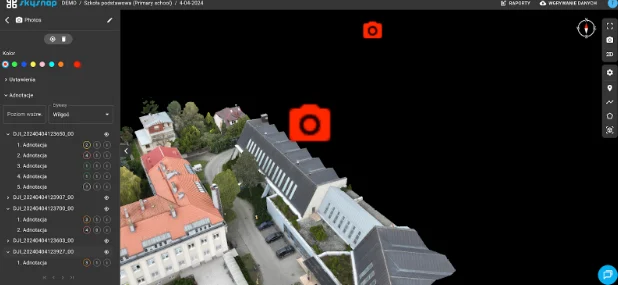
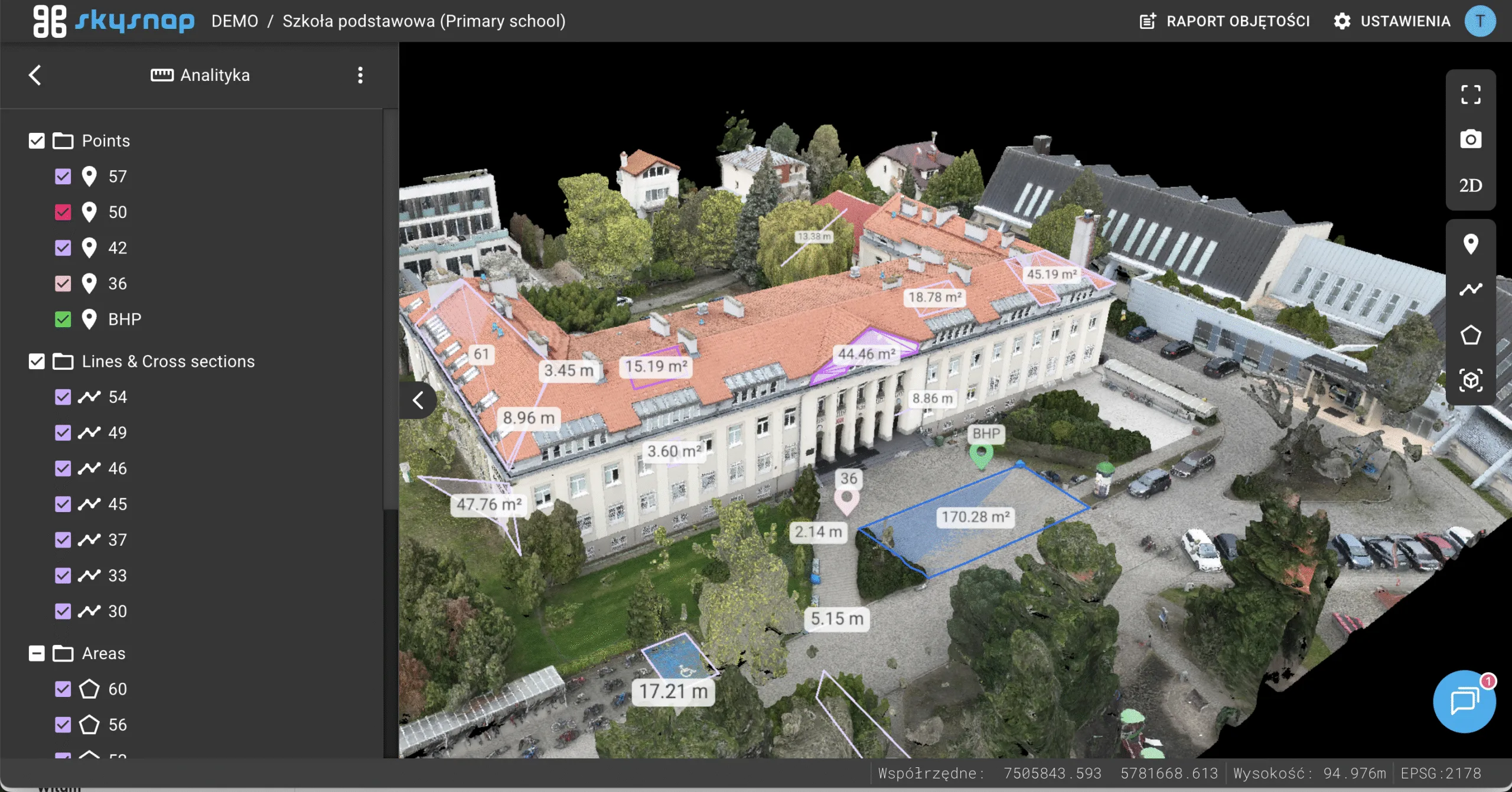
Drone mapping is a modern technology that is significantly changing the way we create and interpret maps. The point cloud, generated from data collected by drones, plays a key role in spatial modeling and analysis such as mapping and detection. With drones, we can obtain accurate data from hard-to-reach places and quickly convert it into useful information.
History and development of technology
The history of drones dates back several decades, when they were mainly used for military purposes. Over time, the technology has evolved and gained applications in various civilian fields.
In the 1980s and 1990s, drones began to become available to the private sector, which in turn contributed to their rapid technological development.
Today’s drones are equipped with advanced navigation systems and high-definition cameras, enabling precise mapping of areas.
The popularization of drones in mapping began about a decade ago, and since then their role in the field has been growing steadily, especially in analyzing precise data and assessments in various fields such as agriculture and construction.
Why drones are changing mapping
Drones are revolutionizing mapping due to their versatility and technological capabilities. They allow the rapid and accurate collection of accurate data, which was previously unattainable by traditional methods.
The advantage of drones lies in their ability to traverse difficult terrain without the need for physical human presence. This makes it possible to map areas that are difficult to access or dangerous.
With drones, data can be collected in real time and processed quickly, allowing it to be used almost immediately.
Drones also offer greater flexibility compared to other methods, making them an ideal tool for many industries.
Benefits of using drones
The use of drones in mapping has many benefits that translate into efficiency and accuracy.
- Precision: The drones are capable of collecting data to within a few centimeters.
- Time: The speed of information processing saves time.
- Safety: minimize the risks associated with people being in harsh environments.
- Costs: Reduce the costs associated with traditional mapping methods, including materials and on-site labor.
Drones also offer the ability to collect different types of data, adding to their versatility.
Drone technology in mapping
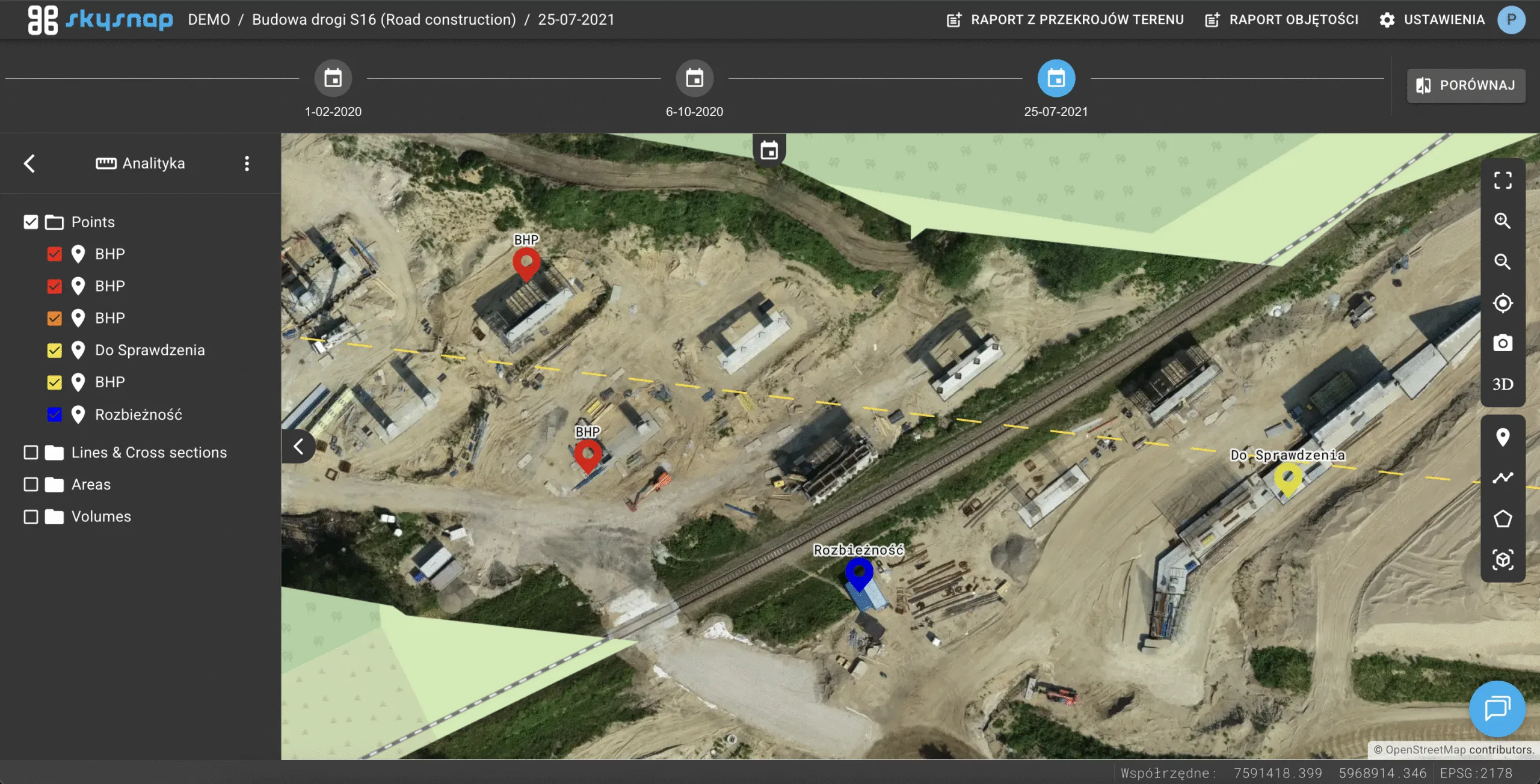
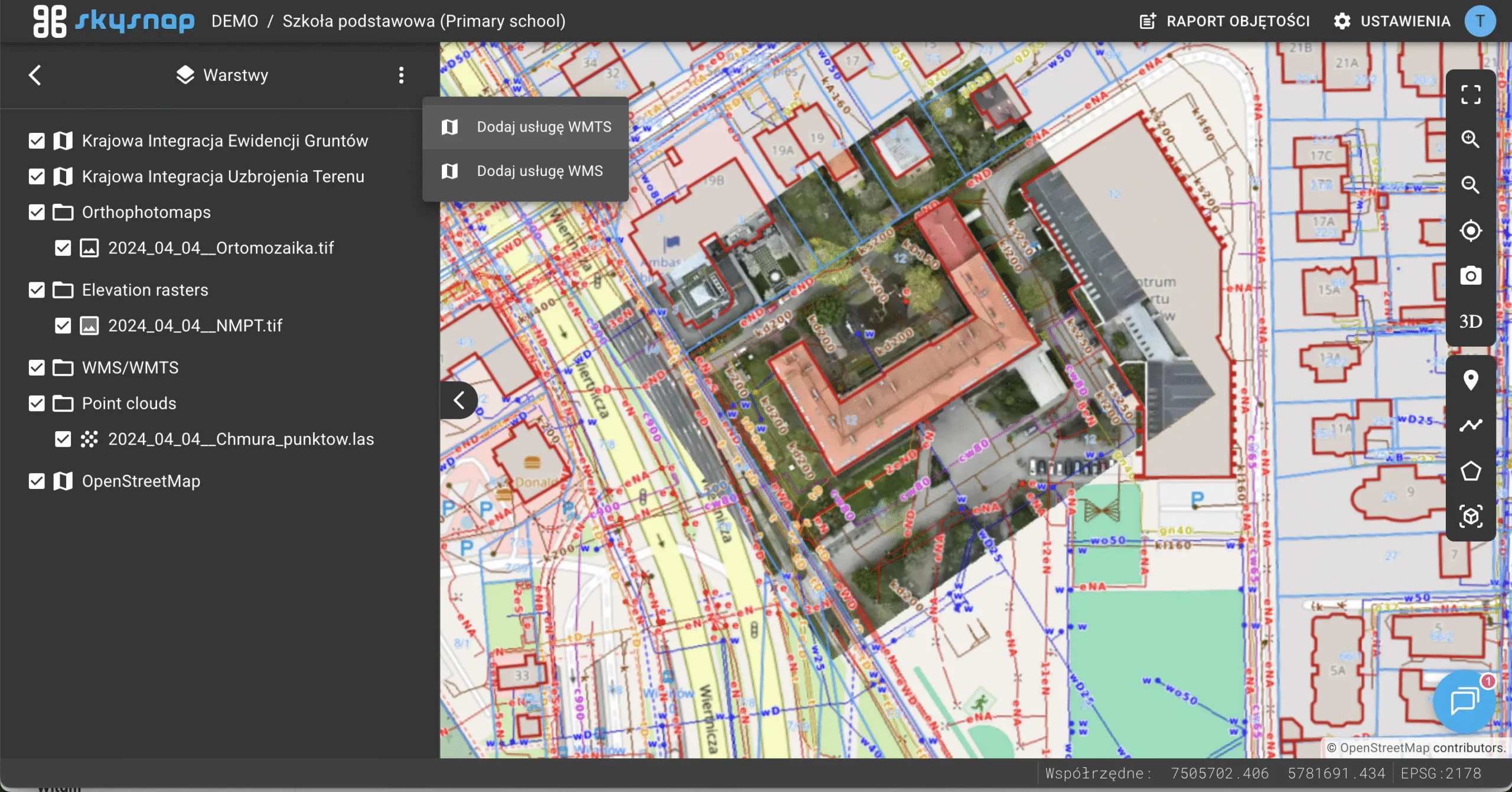
The technology used in drones is advanced and constantly developing. An orthophoto map is generated from collected data and images to create detailed maps in various formats. In this section, we will look at how mapping drones work and what features are key to their use.
How mapping drones work
Mapping drones work by collecting data from the air using cameras and sensors. The process can be divided into several key stages:
- Mission planning: Defining the area to be mapped and establishing the flight route.
- Data collection: Taking pictures and measurements with mounted equipment.
- Processing: Passing data to software for analysis.
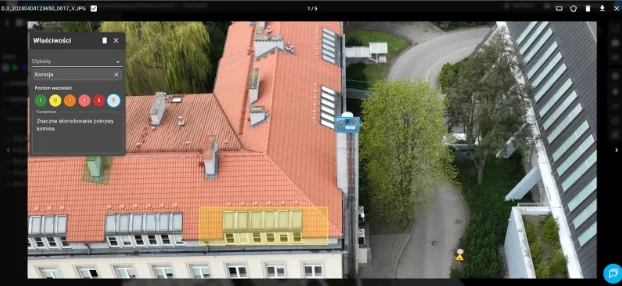
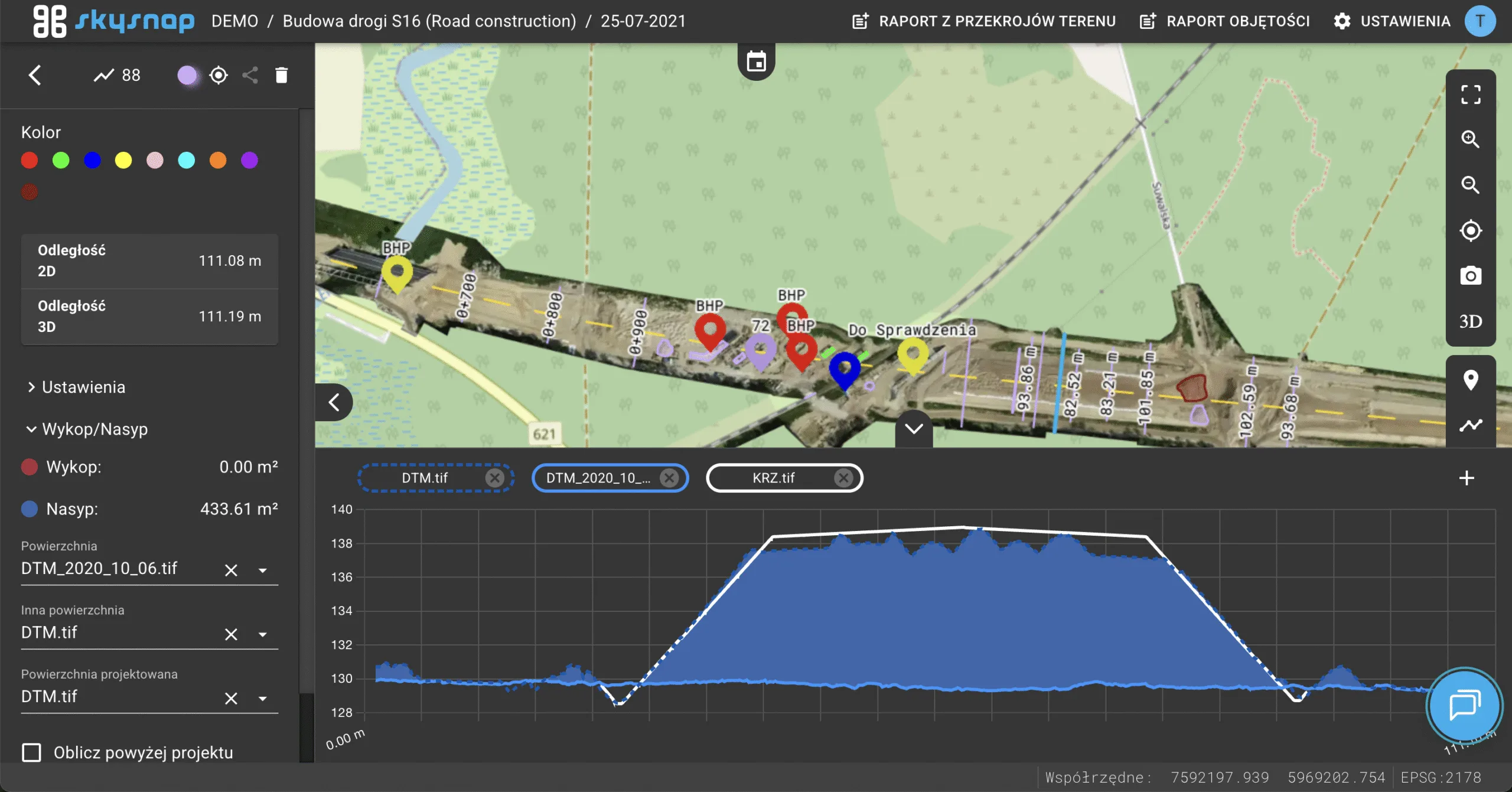
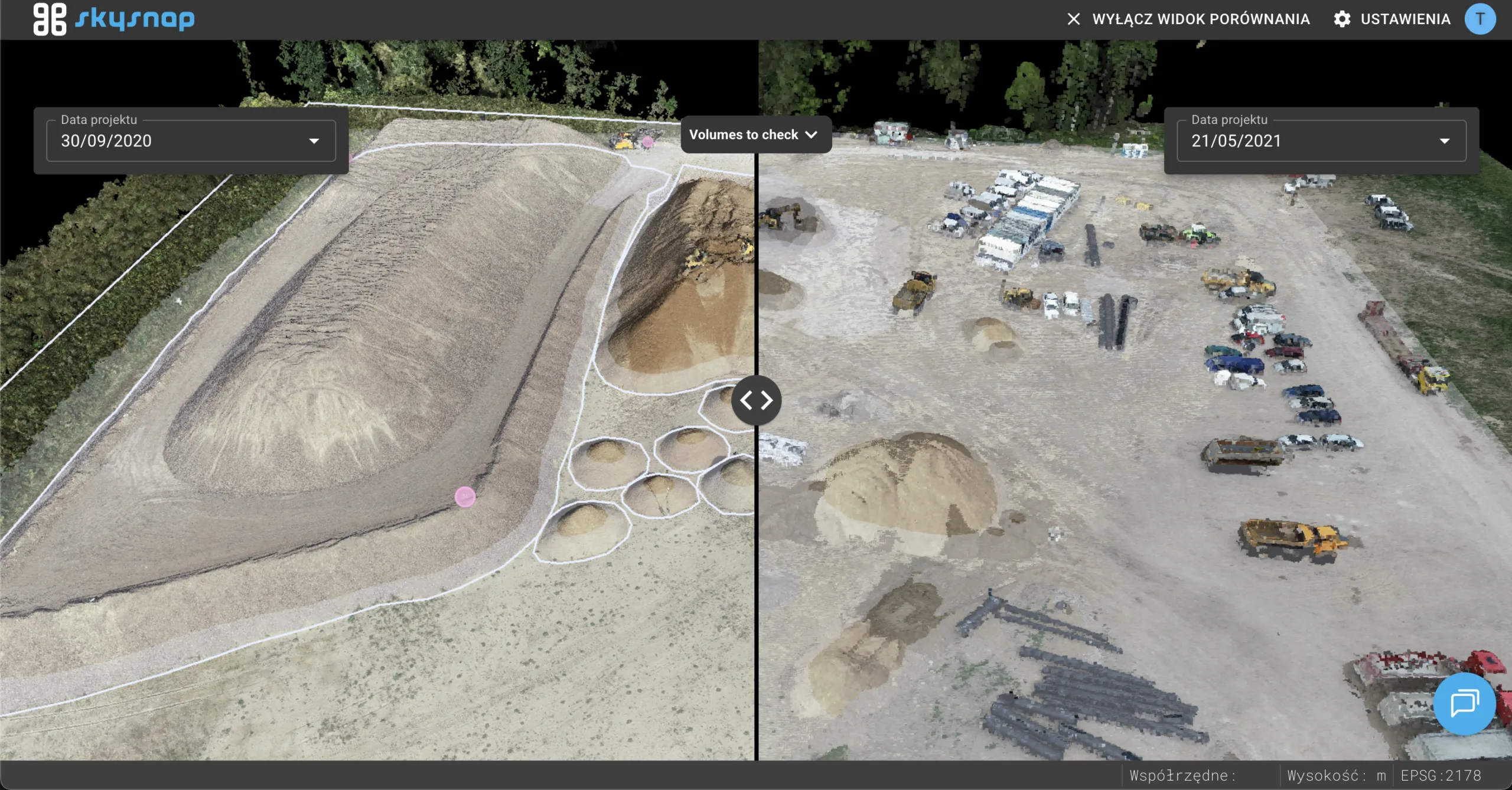
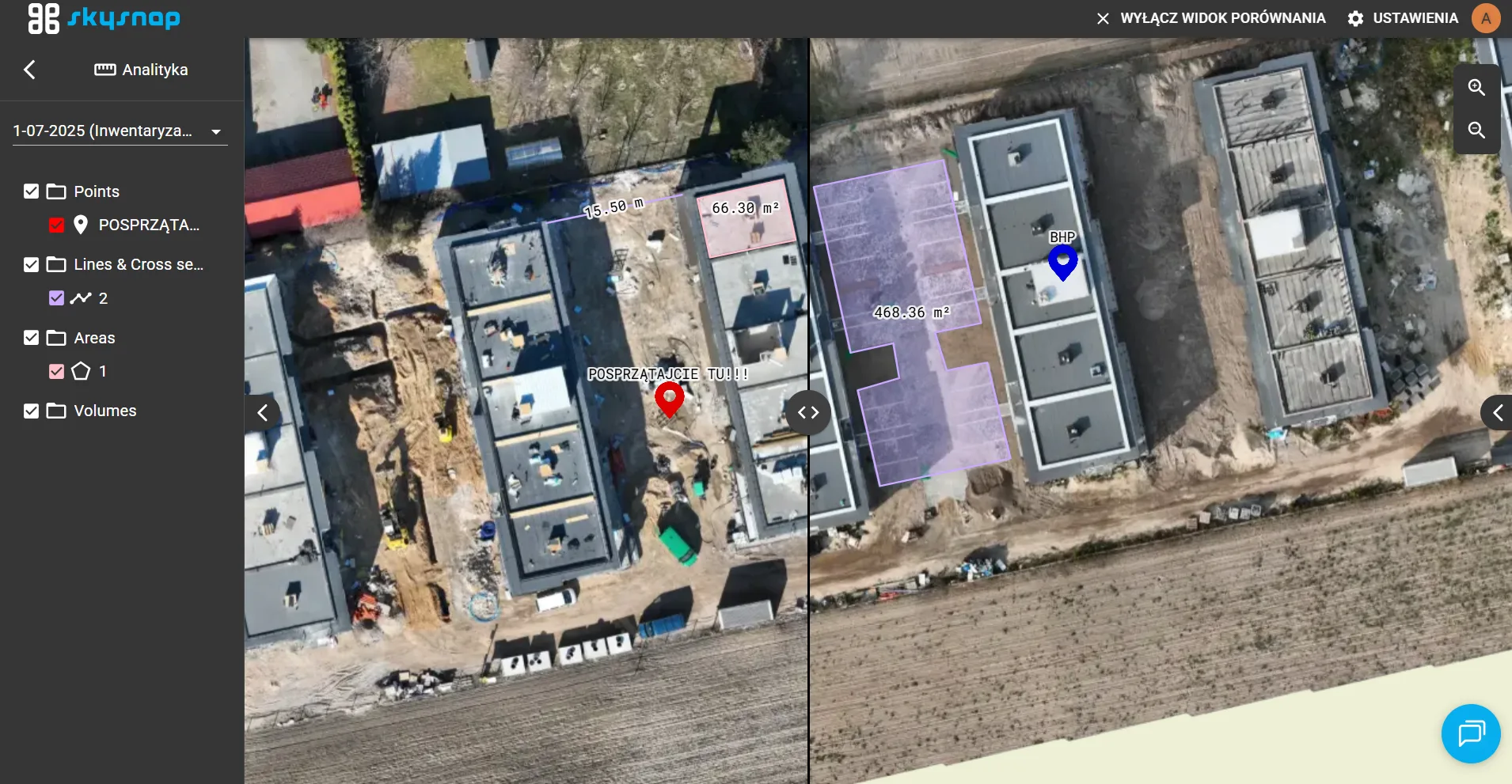
- Analysis: Develop maps and 3D models based on the collected data, which provide information on soil structure and landforms.
Each of these stages is aimed at obtaining the highest possible quality of data that can later be used in practice.
Key features and equipment
Mapping drones are equipped with a range of functions that allow precise and efficient data collection. The drones record topographic data and soil composition to generate accurate maps and reports that support farmers in making crop management decisions.
High-resolution cameras: Allow for detailed images of the area.
LIDAR sensors: Enable creation of precise 3D models and elevation maps.
GPS and navigation: Provide accurate positioning and route planning.
Drones can also be equipped with additional sensors, such as thermal imaging or multispectral, increasing their capabilities.
Data processing software
The software is integral to the drone mapping process, enabling the processing of large amounts of detailed data.
Photogrammetry: Transforming images into 3D models.
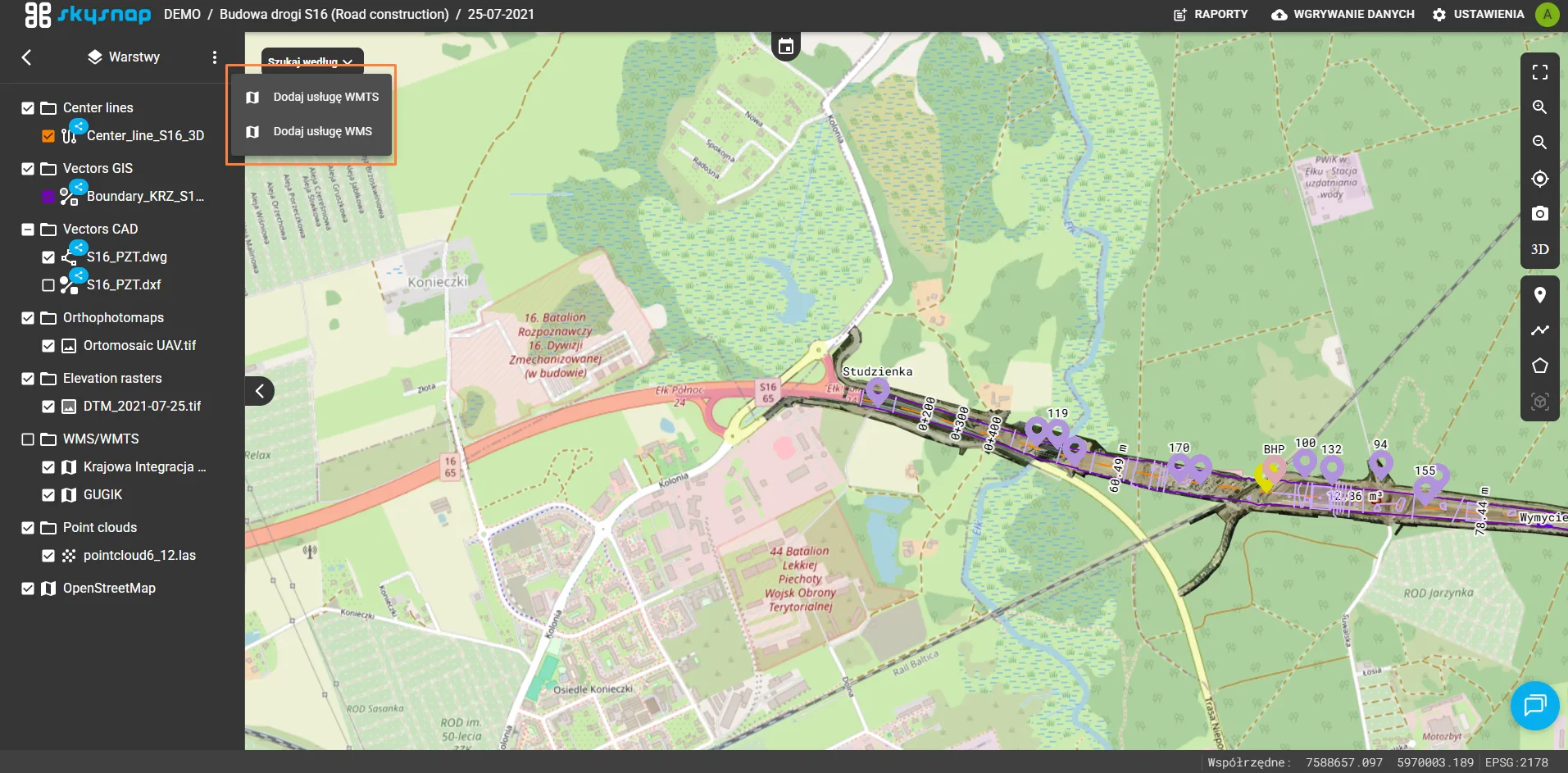
GIS analysis: Integrating data with geographic information systems.
Process automation: Fast and efficient data processing.
Programs such as Pix4D and DroneDeploy are widely used in the industry, offering advanced tools for data analysis and visualization.
Practical aspects of drone use
Before proceeding with drone mapping, there are several key practical aspects to consider, including checking zones in the airspace. In this section, we will discuss preparation, safety and data analysis.
Preparing for the mapping mission
Preparing for drone mapping involves several key steps:
- Route planning: Determine the area and route of the flight, taking into account the requirements for obtaining approvals from relevant institutions and weather factors.
- Checking the hardware: Making sure the drone and software are working properly.
- Weather conditions: Monitor forecasts to ensure flight safety.
Each of these steps is important to ensure a successful mission and high-quality data.
Security and regulation
Safety and legal compliance are the most important aspects when working with drones. Here’s what to keep in mind:
- Licenses and permits: Make sure you have the required documents.
- Aviation regulations: always follow local drone flight regulations according to your different needs and equipment capabilities.
- Public safety: Avoid flying over densely populated areas.
Following these rules is key to avoiding legal problems and ensuring safety.
Data analysis and interpretation
Once the drone data is collected, it is necessary to analyze and interpret it. This process involves several key steps:
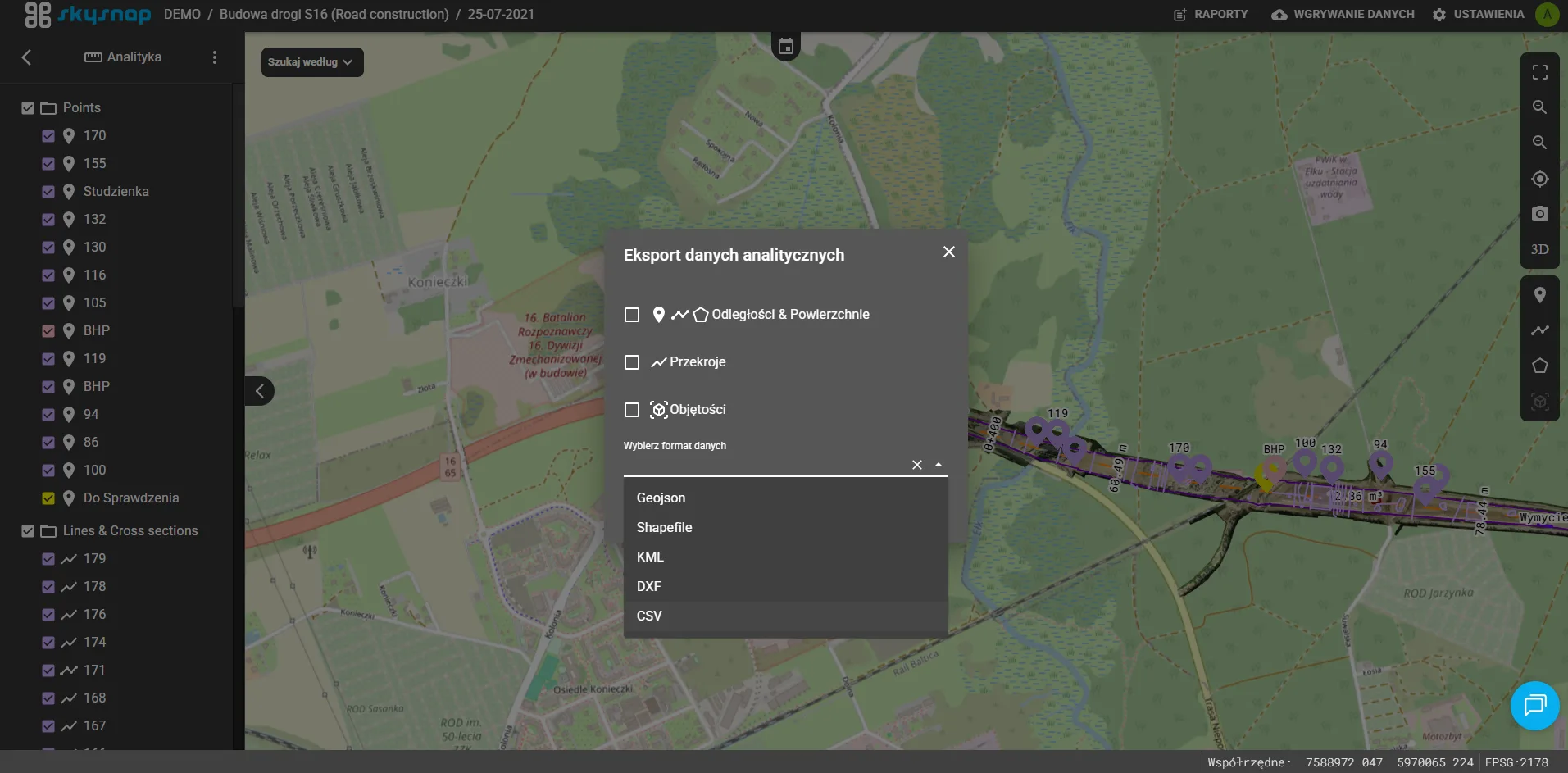
- Data import: Transferring data into analytics software.
- Processing: Create models and maps based on collected data.
- Analysis of results: Evaluation and interpretation of results in the context of the project.
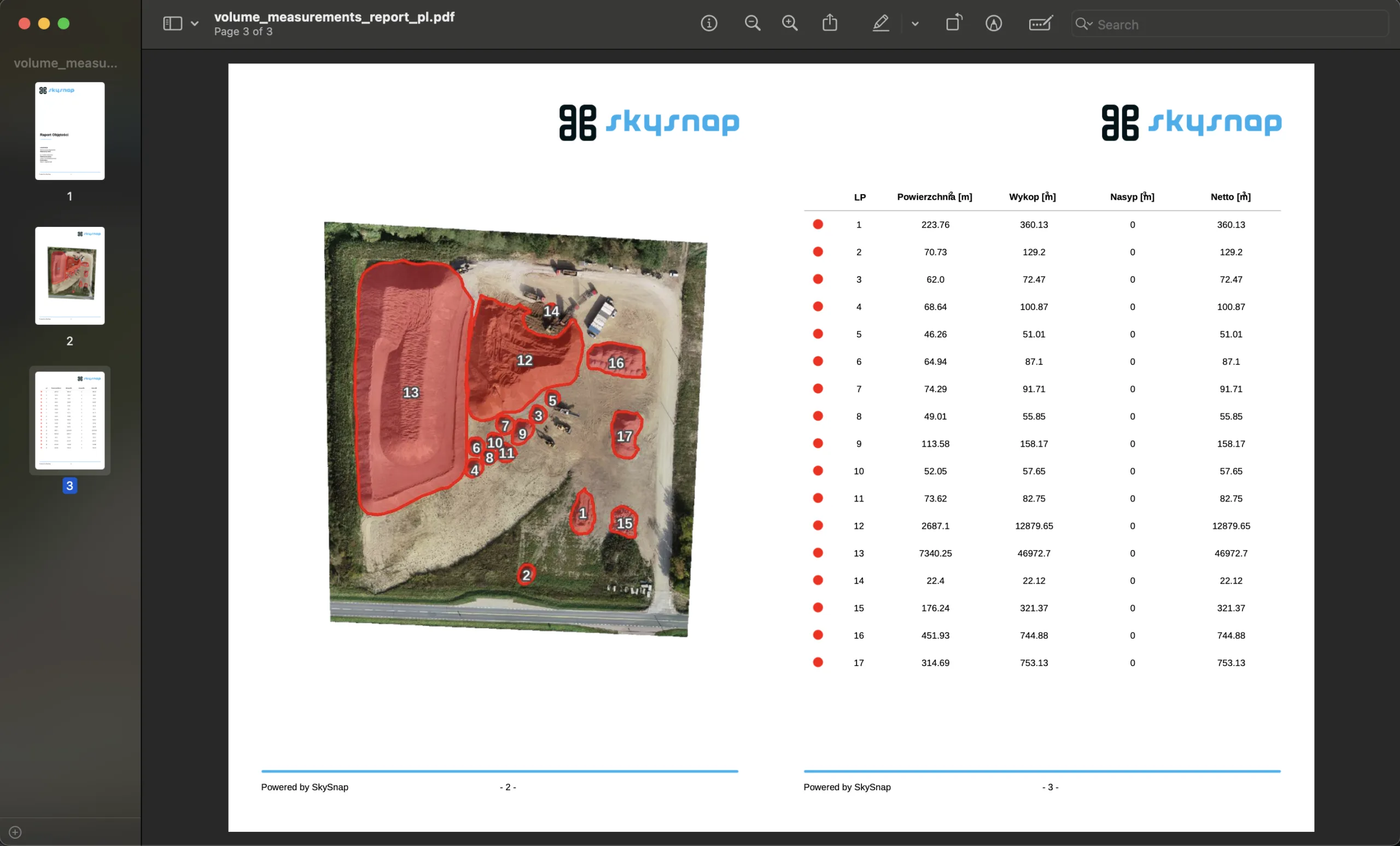
Reliable data analysis is key to obtaining valuable and useful information from missions, which is then presented to farmers in the form of detailed reports.
The future of drone mapping
Drone technology continues to evolve, and its future in mapping looks promising. Let’s take a look at the new opportunities and trends that could impact this field, especially in terms of the benefits they can bring to farmers.
New opportunities and innovations
Drones are opening up many new opportunities. Here are some innovations that could revolutionize mapping:
- Flight autonomy: Increasing mission automation and autonomy.
- Advanced sensors: Introducing new technologies such as hyperspectral cameras.
- AI integration: Using artificial intelligence to analyze data in real time.
- Sustainability: New technologies allow for greener decisions that reduce environmental impact.
These innovations can greatly increase the efficiency and precision of drone mapping.
Impact on various industries
Drone mapping is impacting many industries, bringing benefits in a variety of fields:
- Agriculture: Crop monitoring and production optimization. Modern farm management through the use of drones and mapping technology allows for the precise collection of crop and soil condition data, which is crucial for farmers to make informed decisions and effectively manage their resources.
- Construction: Create precise plans and supervise the progress of work.
- Environmental protection: Monitoring environmental change and resource management.
Each of these industries can benefit from the opportunities offered by modern drones.
Future trends and developments
The future of drone mapping looks promising, and here are some trends that could shape its development:
- 5G technology development: Increasing data processing and communication speeds.
- Miniaturization: Reducing the size of drones and their components.
- Ecology: Increasing emphasis on green solutions in drone technology.
These trends may influence the further development and applicability of drones in mapping.
Summary and conclusions
The use of drones in mapping opens up new perspectives and opportunities. In this section, we will summarize the key points and look at how drones can change the future of mapping.
Key points to remember
When working with drones in mapping, keep a few key aspects in mind:
- Precise planning: thorough mission preparation is key.
- Safety and regulations: Always comply with regulations.
- Data analysis: Sound analysis and interpretation is the cornerstone, supporting decision-making on crop interventions.
Maintaining these principles will allow the effective use of drones in mapping.
How drones could change the future of mapping
Drones have the potential to completely change the approach to mapping. Here are some of the ways they can do so:
- Increased data availability: Faster and easier access to information.
- New methods of analysis: Introduction of advanced data processing technologies.
- Versatility: Can be used in various fields and industries.
Drones could become an essential tool in the future of mapping.
Encouragement for further exploration of the topic
Drone technology in mapping is a fascinating topic worth exploring further. We encourage you to deepen your knowledge and discover new opportunities offered by drones. You can learn more about this topic by visiting websites and following the latest publications in the field.
Free E-book
Learn what services to offer, who to sell them to, and how to write an effective offer email. Ready-made templates, tips and examples of campaigns that really work.
Table of Contents:
Do you like the article? Share it with others!
Do you like the article? Share it with others!
Tips, news, insights
Related articles
Check out our articles and get the latest industry news.