Introduction to surveying drones
The surveying drone has become an indispensable tool in modern surveying, offering innovative ways to collect field data. Thanks to its versatility and precision, the surveying drone enables quick and accurate measurements that used to be time-consuming and labor-intensive. Whether you’re a novice technology enthusiast or an experienced surveyor, understanding the functions and capabilities of surveying drones is key to being effective in the field. In this guide, we’ll examine how surveying drones are revolutionizing the way surveyors work, taking a closer look at their applications and the benefits they bring to each user.
What is a surveying drone?
A surveying drone is an advanced tool that enables precise measurements and mapping of terrain from the air. It uses GPS technology and high-resolution camera systems to collect terrain data quickly and with high accuracy. As a result, surveying drones are revolutionizing traditional surveying methods by eliminating the need to measure large areas manually. They are used in various fields such as construction, agriculture and environmental protection. Compared to conventional methods, drones save significant time and resources, while increasing work safety by eliminating the need to physically be in hard-to-reach places. It’s a widely used tool that is gaining popularity among professionals looking for innovative solutions for spatial data collection and analysis.
History and development of technology
The origins of surveying drone technology can be traced back to the 1980s, when the first unmanned aerial vehicles were used primarily for military purposes. Over time, the technology began to adapt to civilian applications, including surveying, thanks to the miniaturization of components and lower production costs.
In the 1990s, the development of GPS systems and advances in electronics made it possible to create more precise and reliable drones.
In the 21st century, with the development of digital technology and the availability of high-quality cameras, drones have become a widely used tool in surveying.
Today, surveying drones are constantly evolving in terms of performance, precision and range, making them an indispensable tool for surveyors. Their evolution shows how technology can transform traditional methods of work, offering new opportunities and improvements in daily tasks.
Applications of surveying drones
Field map and analysis
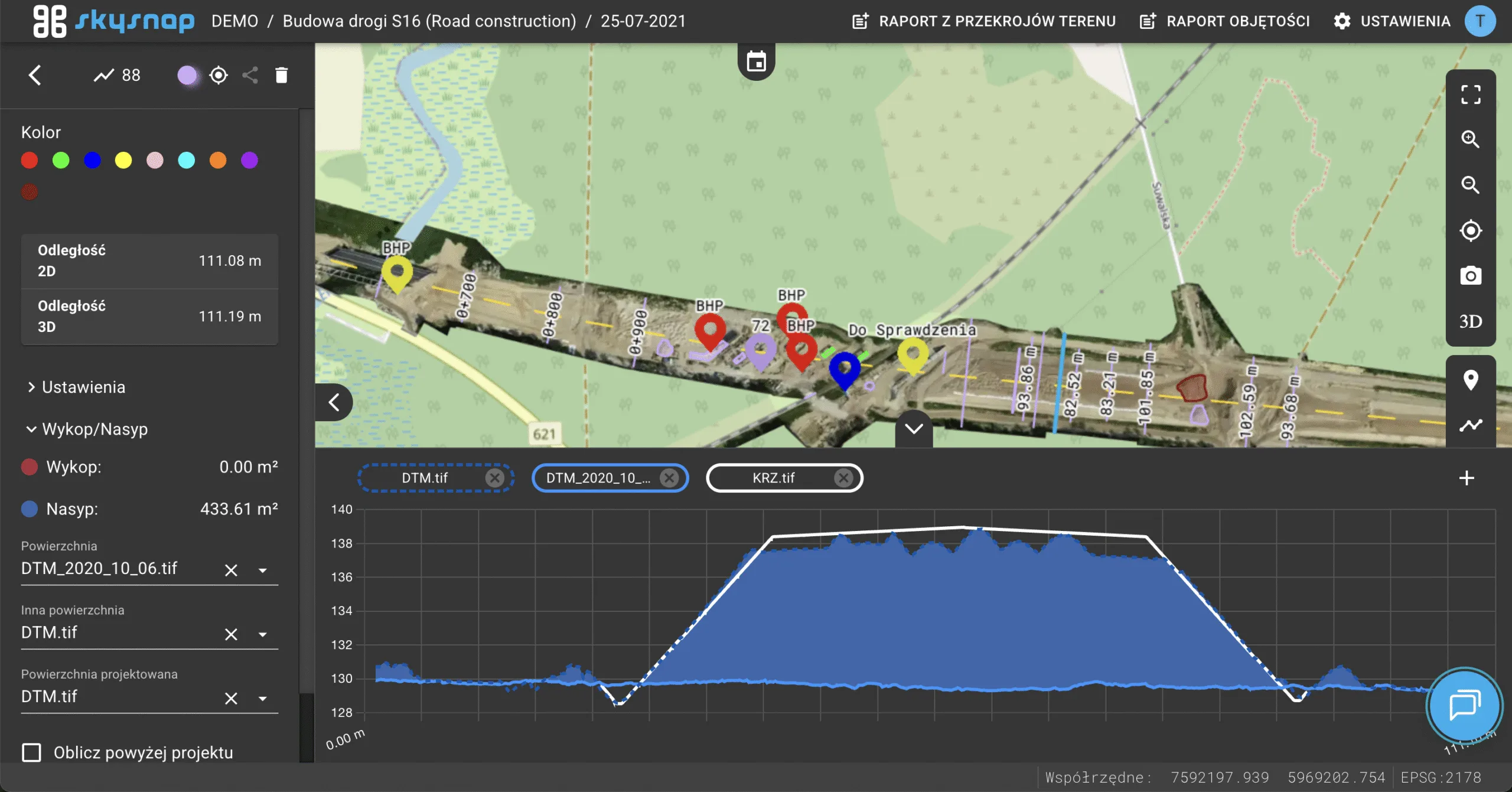
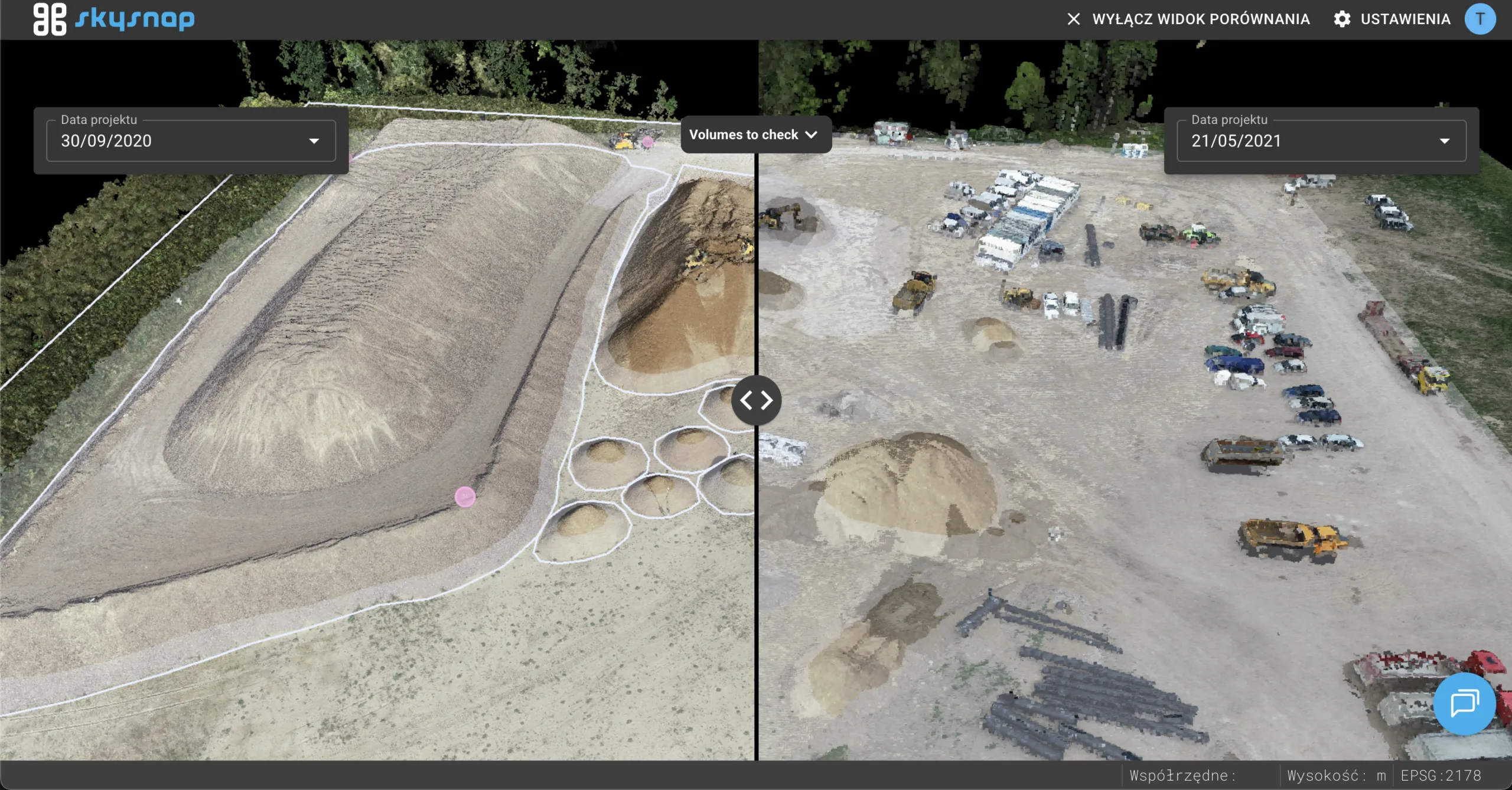
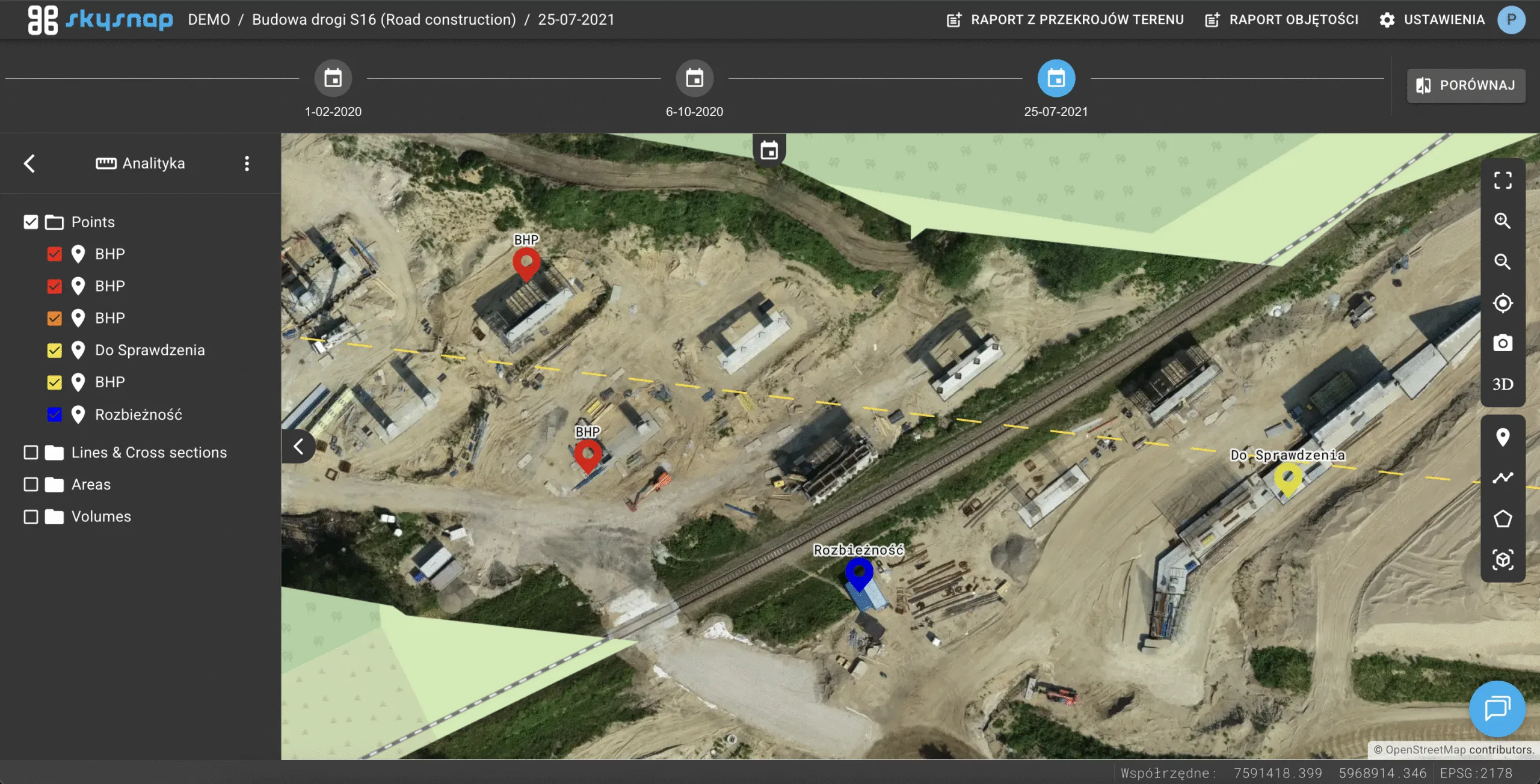
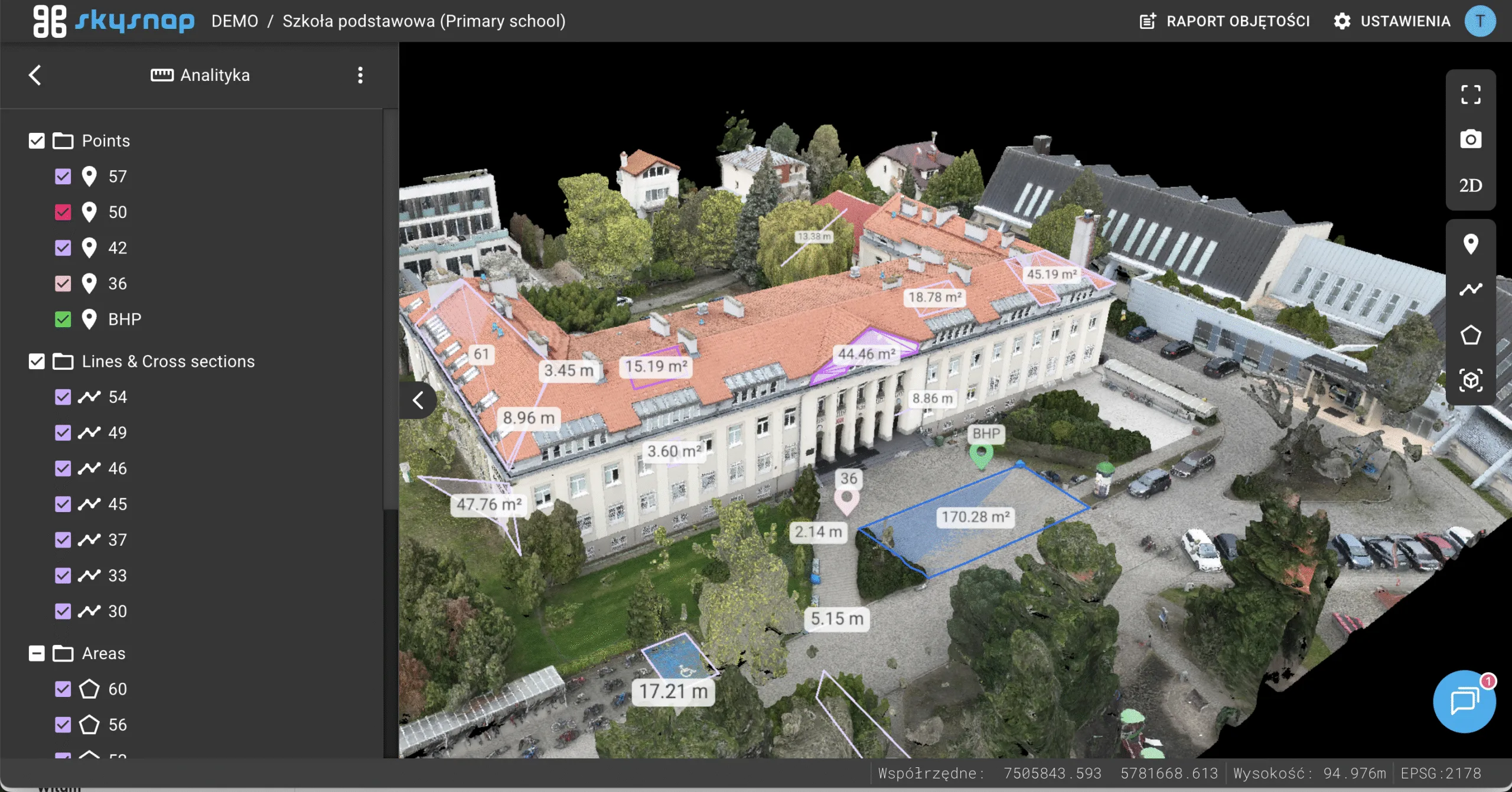
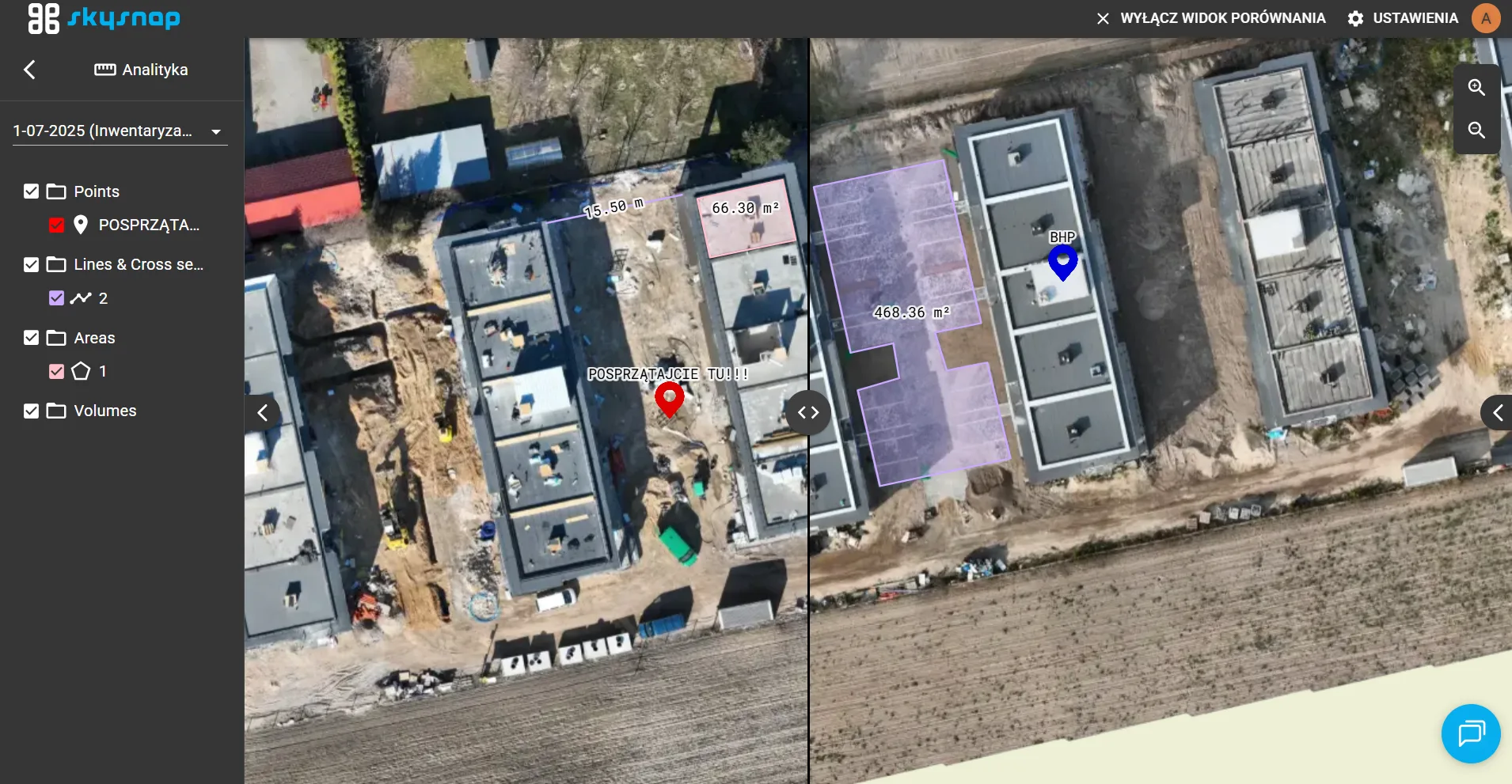
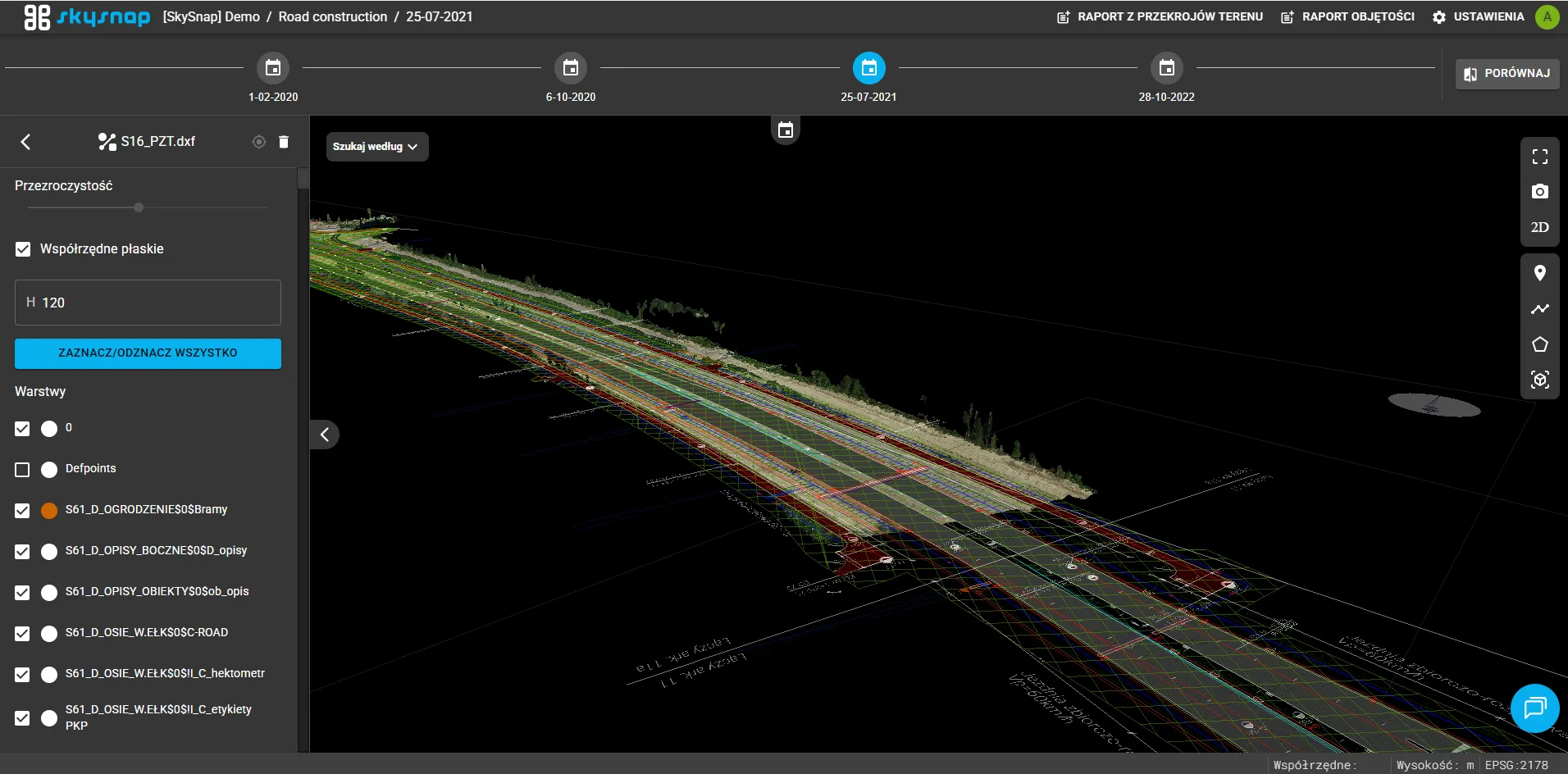
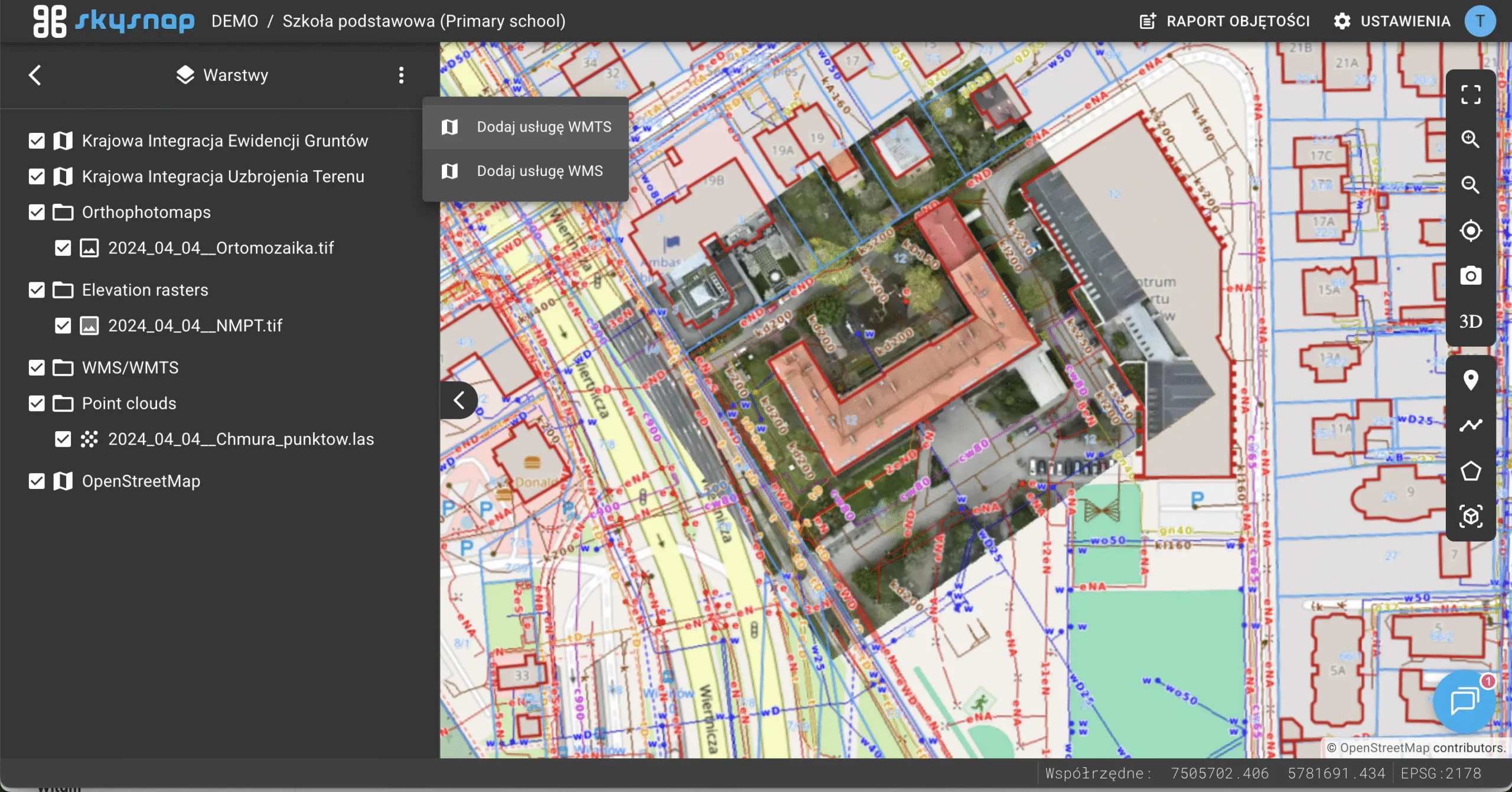
Survey drones play a key role in field mapping and spatial analysis. With precision mapping capabilities, these drones collect data from areas that are difficult to access or too extensive for traditional surveying methods. Using advanced camera systems and LiDAR sensors, survey drones generate accurate 3D models and orthophotos, which are extremely valuable for spatial planning and environmental studies. Analysis of the collected data makes it possible to identify changes in the terrain, monitor soil erosion or assess natural hazards. In addition, the rapid processing of the data allows surveyors to make decisions in real time, making projects more efficient. The drones also enable high-resolution mapping, which is invaluable in many industries, from construction to precision agriculture.
Inventory of natural resources
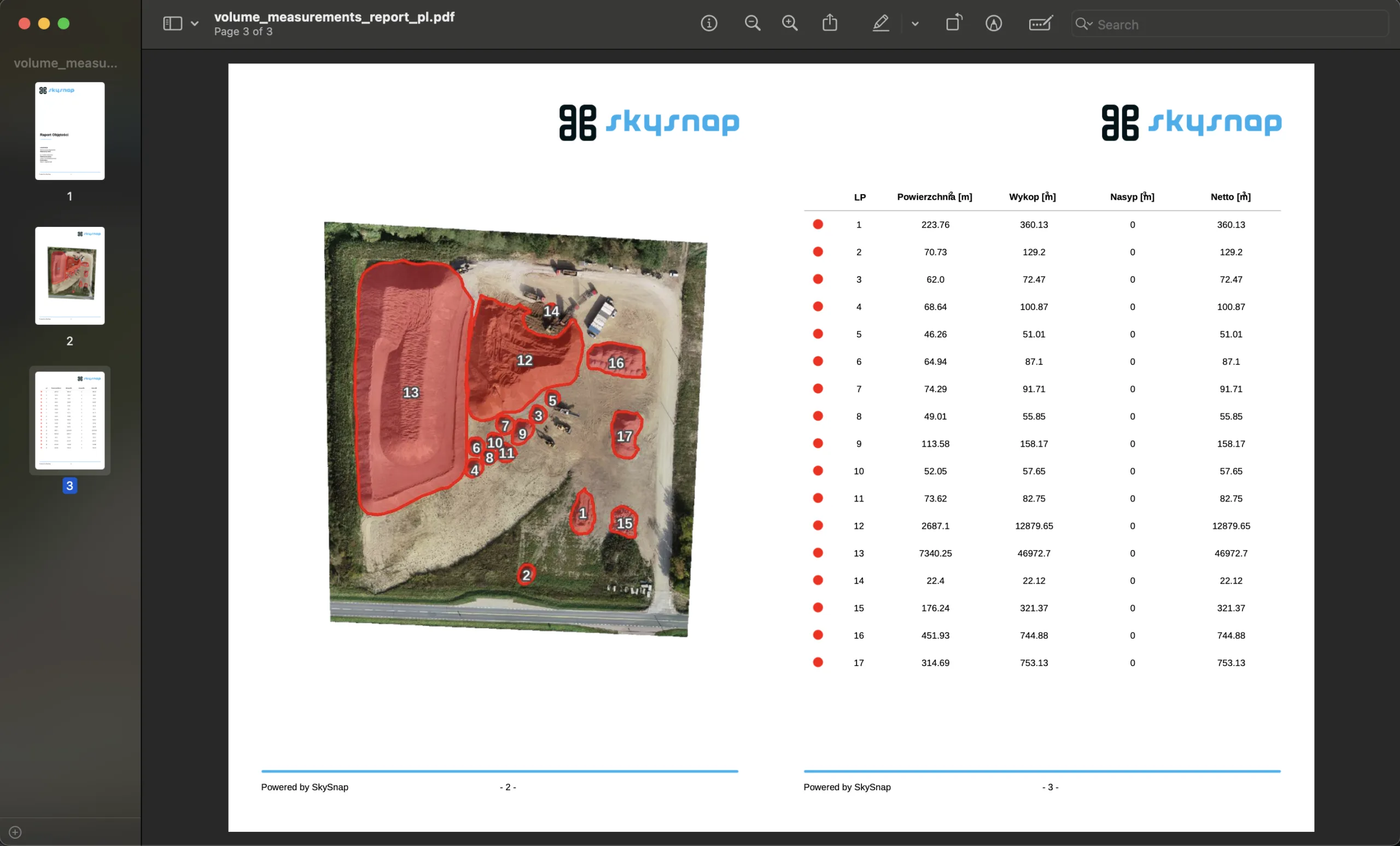
Survey drones are an invaluable aid to natural resource inventories, offering fast and accurate data collection. Thanks to modern technologies such as multispectral cameras and LiDAR sensors, drones can effectively identify and assess resources such as forests, water resources and mineral deposits. They make it possible to create detailed land cover maps, analyze vegetation health, and monitor changes in ecosystems. Drones allow for regular surveys of large areas, which is essential for managing resources in a sustainable manner. Thanks to rapid data processing, the results are available almost instantly, enabling quick and informed decisions. Their use in inventories contributes to a better understanding and protection of the environment, enabling effective management of natural resources in an era of growing environmental challenges.
Choosing the right surveying drone
Key features to consider
Choosing the right surveying drone requires considering several key features that will affect the efficiency and accuracy of surveys.
- First of all, attention should be paid to the range and flight time of the drone, which determines its ability to cover large areas without frequent recharging.
- Another important aspect is the quality of the cameras and the availability of additional sensors, such as LiDAR, which increase the accuracy of the data collected.
- GPS stability and precision also play a key role, ensuring accurate positioning and mapping.
- It is also important that the drone is equipped with the appropriate data analysis software to facilitate the processing and interpretation of the results.
- Not to forget the ease of use and availability of technical support, which is especially important for novice users.
All these elements should be carefully considered to ensure the optimal choice of a surveying drone.
The best models on the market
There are many models of surveying drones on the market, which differ in their specifications and range of applications.
- Among the most popular are drones from DJI, such as the Phantom 4 RTK, which combines an affordable price with advanced surveying features.
- The DJI Matrice 300 RTK, on the other hand, offers greater versatility and the ability to integrate various sensors, making it an ideal choice for professionals.
- WingtraOne drones are prized for their long flight time and ability to take off and land vertically, which is especially useful in difficult terrain.
- Another notable model is the eBee X from SenseFly, which stands out for its precision and versatility in terrain mapping applications.
Each of these drones offers unique capabilities, so choosing the right model should depend on the specific needs and requirements of the surveying project.
Safety and regulation
Regulations on drone use
The use of geodetic drones involves compliance with certain legal regulations that are designed to ensure safety in the airspace. In Poland, these regulations are governed by the Civil Aviation Authority (ULC) and include rules for registering drones, obtaining operator licenses and observing no-fly zones. Any person operating a drone should have a certificate of competence, and for larger drones, permits are also required. It is important to study maps of restriction zones and obtain the necessary approvals from local authorities before starting flight operations.
Additionally, drone operators must comply with privacy and data protection regulations, especially when collecting visual data. Understanding and complying with these regulations is key to avoiding legal sanctions and ensuring safe use of surveying drones.
How to ensure safe operations
The safety of surveying drone operations is key to avoiding accidents and ensuring the protection of people and property.
- First and foremost, operators should regularly check the condition of the drone, including batteries, navigation systems and cameras. Before each flight, it is advisable to perform a thorough inspection of the equipment and conduct a test flight at low altitude.
- It is also important to plan flights taking into account current weather conditions, which can affect the stability of the drone.
- Operators should be aware of signal coverage limitations and avoid flying near obstacles such as trees or power lines. Using an app to monitor the airspace can help avoid collisions with other aircraft.
- In addition, it is always a good idea to have a contingency plan and know the emergency landing procedures, which increases the safety of any mission.
The future of surveying drones
New technologies and opportunities
The future of surveying drones is bright, thanks to the rapid development of new technologies that expand their capabilities.
- The introduction of artificial intelligence into data analysis makes it possible to automatically detect and classify objects on maps, which greatly speeds up decision-making processes.
- The rise in popularity of LiDAR technology is contributing to even more precise terrain mapping, even in densely forested areas.
- In addition, the development of 5G communication technology allows real-time data transmission, which increases the efficiency of operations and enables remote control of drones over long distances.
- Innovations in battery performance lead to longer flight times, enabling coverage of larger areas during a single mission.
These new technologies not only improve the quality and precision of data, but also open the door to new drone applications in surveying, increasing their role in various economic sectors.
Impact on the surveying industry
Surveying drones are having a significant impact on the surveying industry, transforming traditional work methods and introducing new standards of efficiency. With the ability to collect and analyze data quickly, drones are speeding up surveying processes, reducing the time it takes to complete projects. This leads to lower operating costs and enables surveyors to complete more complex tasks in less time.
In addition, drones allow surveys to be taken in hard-to-reach or dangerous areas, making the work safer. The growing availability of drones and technological advances are making them an increasingly common tool in the daily work of surveyors. This makes the surveying industry more innovative and flexible, ready to meet the challenges of the modern world. As a result, surveying drones not only increase productivity, but also expand the range of professional opportunities in surveying.

Free E-book
Learn how to use drones in BRD analysis, environmental monitoring or resource distribution. Check out proven deployment models and key digital tools for local government.
Table of Contents:
Do you like the article? Share it with others!
Do you like the article? Share it with others!
Tips, news, insights
Related articles
Check out our articles and get the latest industry news.