Introduction to LiDAR technology
LiDAR, or Light Detection and Ranging, technology is gaining popularity, especially in drone applications. It allows us to obtain detailed and precise terrain maps, which are invaluable in many fields such as surveying, agriculture and environmental protection. LiDAR from a drone is a practical tool for collecting data from hard-to-reach locations, and its use is becoming increasingly widespread. In this guide, we’ll take a look at how drone-mounted LiDAR works, its advantages, and how it can be used in various fields. We invite you to discover the amazing possibilities of this technology.
What is LiDAR?
LiDAR, or Light Detection and Ranging, is an advanced technology for measuring distances to objects using laser light.
The LiDAR system emits short laser pulses that bounce off the surface and return to the sensor. The time it takes for the pulse to return is measured, making it possible to accurately determine the distance to an object. This makes it possible to create detailed three-dimensional maps of the area.
LiDAR is used in many fields, including surveying, archaeology, forestry and urban planning. It is indispensable wherever accurate analysis of topography or terrain structure is needed. Unlike traditional surveying methods, LiDAR enables rapid and precise data collection, making it an invaluable tool in modern space management and scientific research.
History and development of LiDAR
The history of LiDAR technology dates back to the 1960s, when it was first applied to atmospheric research. At that time, laser pulses were used to measure distances to clouds and other objects in the atmosphere.
The real development of this technology, however, did not occur until the 1980s and 1990s, when it began to be used in surveying and mapping. Over the years, LiDAR became more and more advanced, and its applications began to include new fields such as archaeology and environmental protection.
Today, LiDAR is an indispensable tool in scientific and technological research, and its capabilities are constantly evolving. Thanks to advances in drone technology and the miniaturization of equipment, LiDAR has gained mobility and accessibility, allowing it to be used in hard-to-reach places and on a large scale.
Why LiDAR from a drone?
LiDAR from a drone combines precision surveying technology with the mobility and flexibility offered by drones. While traditional LiDAR systems are mounted on aircraft or ground vehicles, drones can reach hard-to-reach areas, making them ideal for tasks requiring detailed terrain data. LiDAR-enabled drones can collect data quickly and efficiently over large areas, significantly reducing project costs and time.
In addition, drones can operate in conditions where other technologies may have difficulty, such as dense forests or rugged terrain. LiDAR from a drone allows for detailed, three-dimensional terrain mapping, which is crucial for surveying, precision agriculture or environmental monitoring. For this reason, it is becoming increasingly popular in many industries, offering new opportunities and improvements to projects.
Principles of LiDAR
How does LiDAR work?
LiDAR works on the principle of emitting laser pulses in the direction of an object and measuring the time it takes for these pulses to reach the object and return to the sensor. Each laser pulse, after bouncing off a surface, returns to the device, allowing it to precisely determine the distance to a given point. This process makes it possible to create accurate three-dimensional models.
LiDAR systems can emit thousands of pulses per second, allowing for fast and accurate terrain mapping. This information is then processed by software that generates detailed maps and spatial models. LiDAR is capable of operating in a variety of weather and lighting conditions, making it a versatile tool for terrain analysis and monitoring. Thanks to its high precision and speed, LiDAR is used in a wide range of fields, from engineering to environmental protection.
Key components of the LiDAR system
The LiDAR system consists of several key components that work together to provide precise measurements.
- The first component is a laser source that emits light pulses. These pulses bounce off objects and return to the sensor.
- The detector, another key component, picks up these reflected pulses and measures their return time to determine the distance to the object.
- Another important component is the GPS system, which provides information about the exact location of the LiDAR system at the time of measurement.
- It works with an IMU (Inertial Measurement Unit) system that monitors the orientation and movement of the device, which is crucial for precise positioning.
All of these components are integrated with software that processes the data and creates 3D terrain maps. Each of these components plays a key role in ensuring the accuracy and efficiency of the LiDAR system.
LiDAR data processing and analysis
LiDAR data processing and analysis are the key steps to transform raw measurements into useful information. Once the data is collected using laser pulses, the information is sent to a computer for further processing.
- The first step is to filter the data to eliminate noise and errors, ensuring greater accuracy.
- The data is then classified to distinguish between different elements, such as trees, buildings or the ground surface.
- Another important process is the generation of three-dimensional models that depict the topography of the area.
- Ultimately, advanced software enables data analysis to draw conclusions and make decisions based on the information obtained.
LiDAR data processing and analysis are essential in fields such as urban planning, environmental monitoring and civil engineering, providing detailed and precise spatial information.
Obtaining Licenses and Permits
Terrain mapping and topography
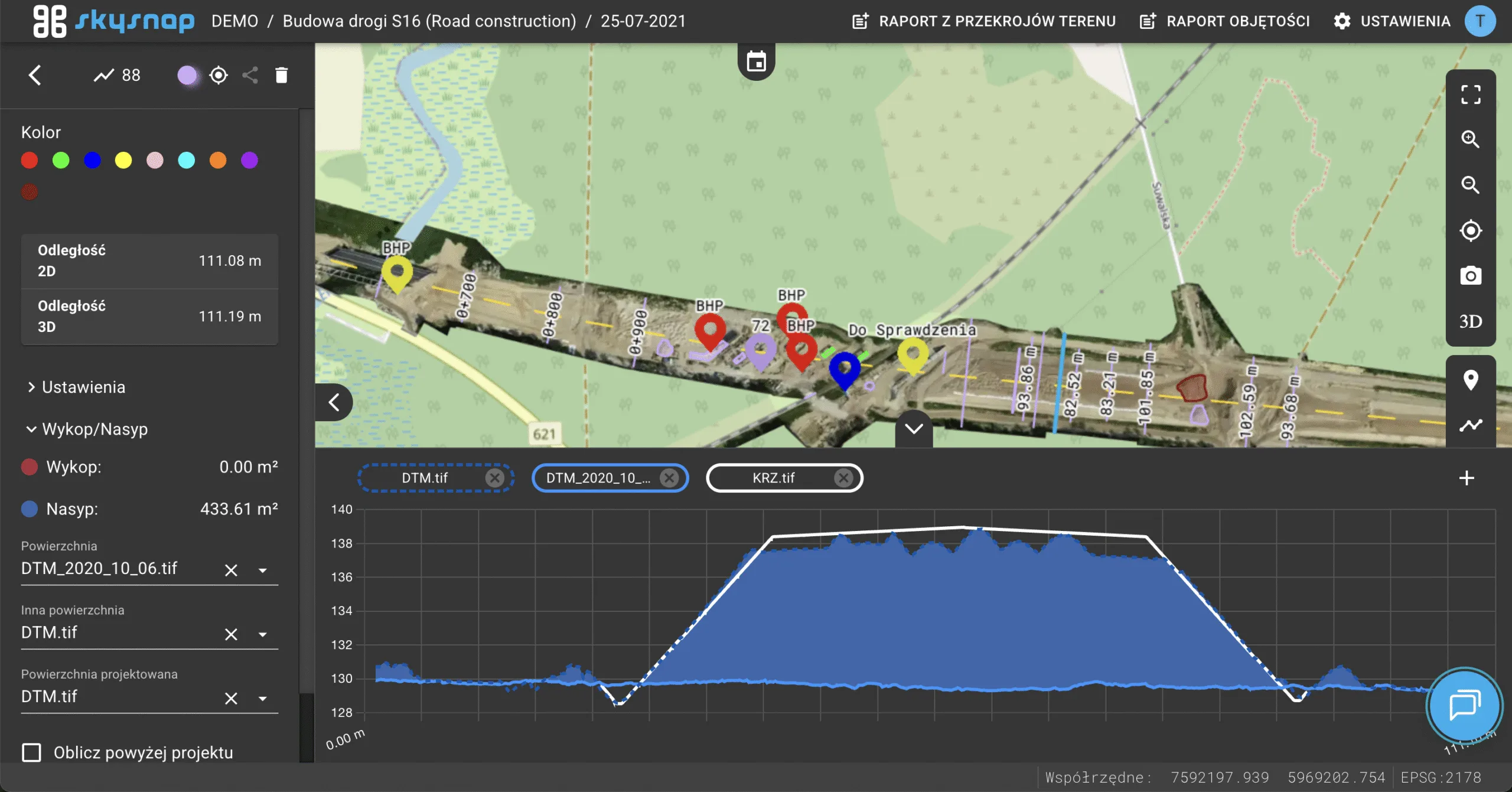
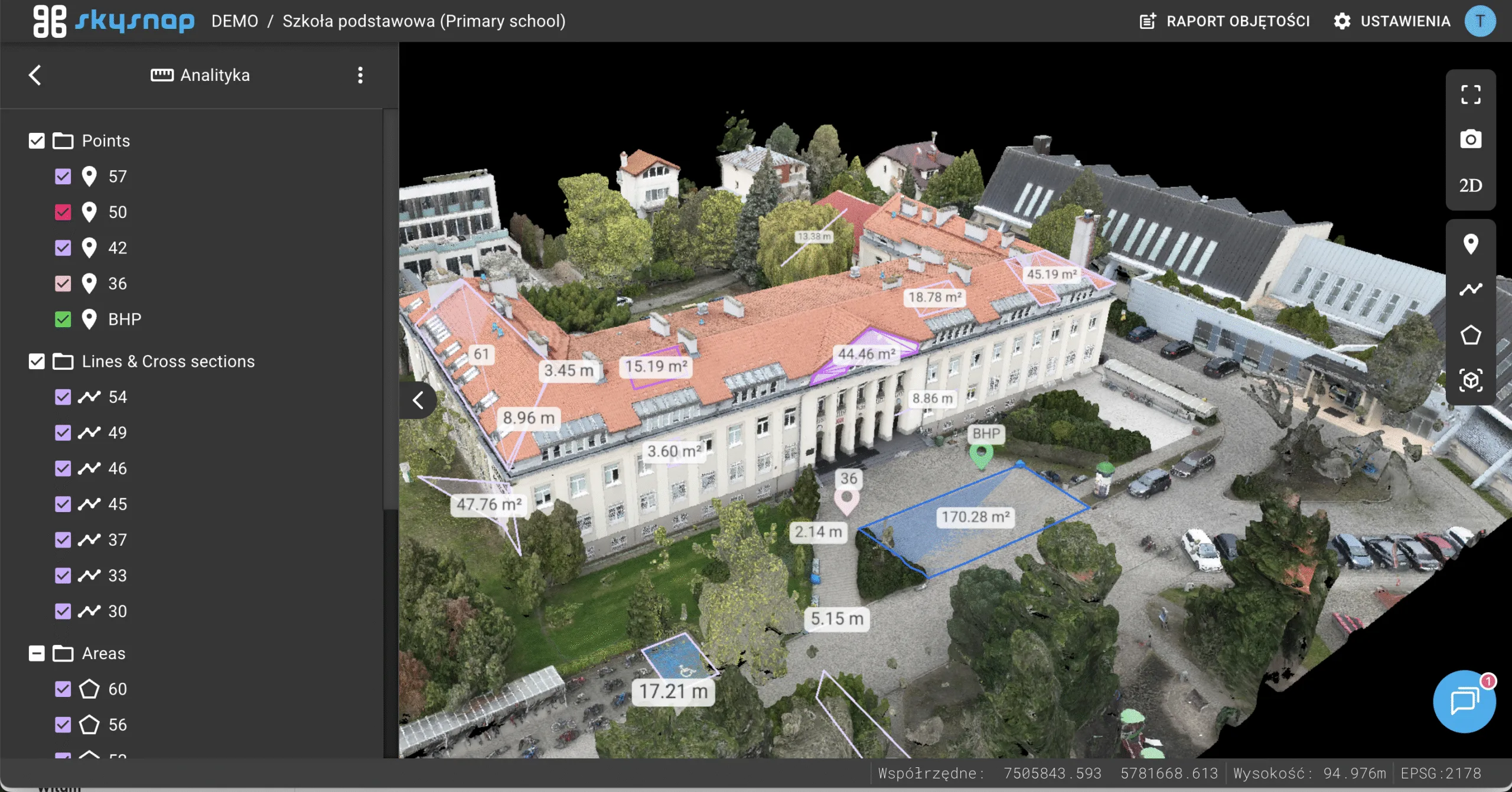
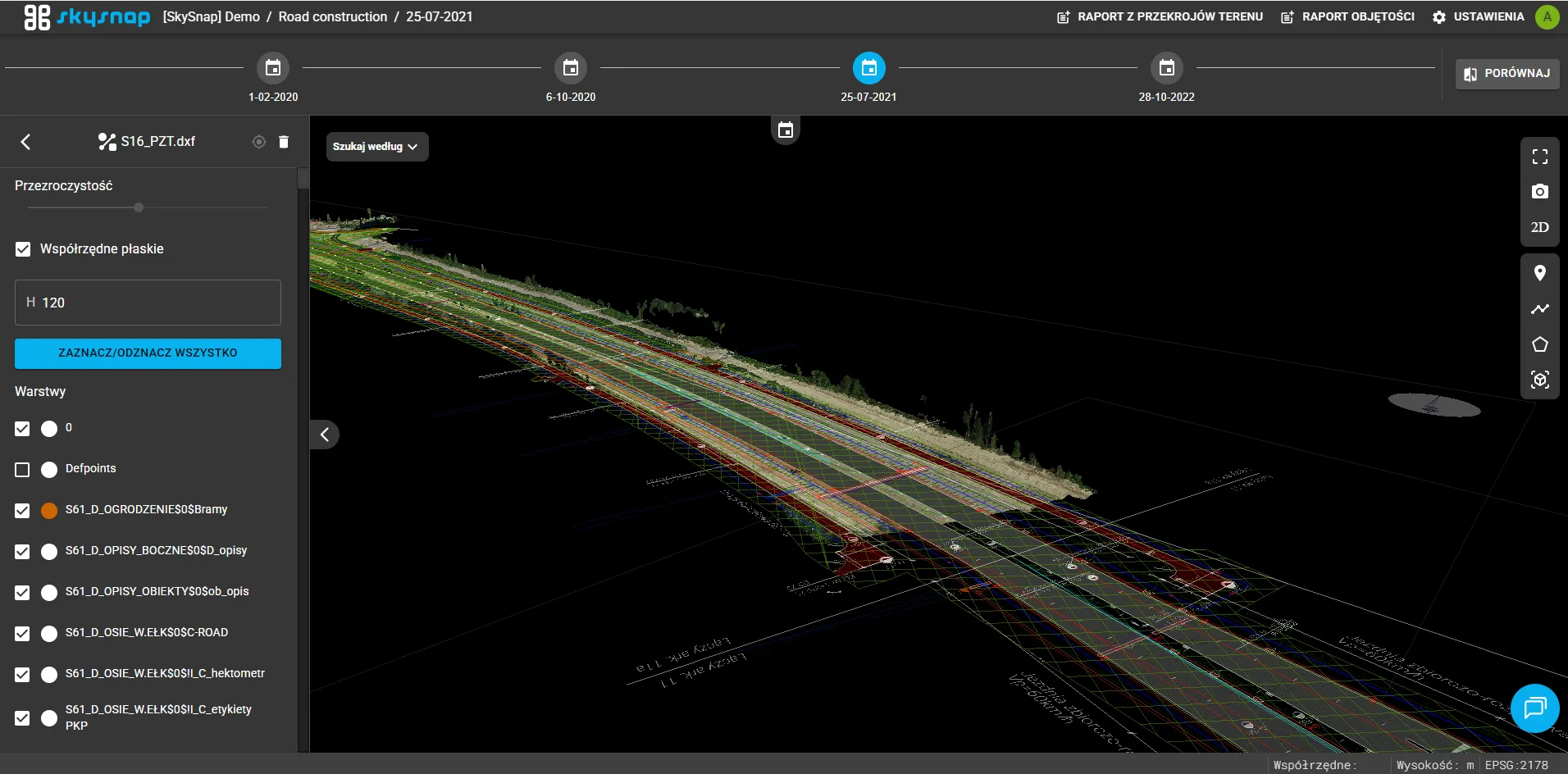
Land mapping and the creation of detailed topographic models is one of the most common applications of LiDAR from a drone. The technology can produce accurate 3D models of the earth’s surface, which are essential for urban planning, civil engineering and infrastructure design. Drones equipped with LiDAR can map large areas quickly and accurately, which is crucial for projects that require terrain analysis. Compared to traditional surveying methods, LiDAR from a drone offers much greater precision and time and cost savings.
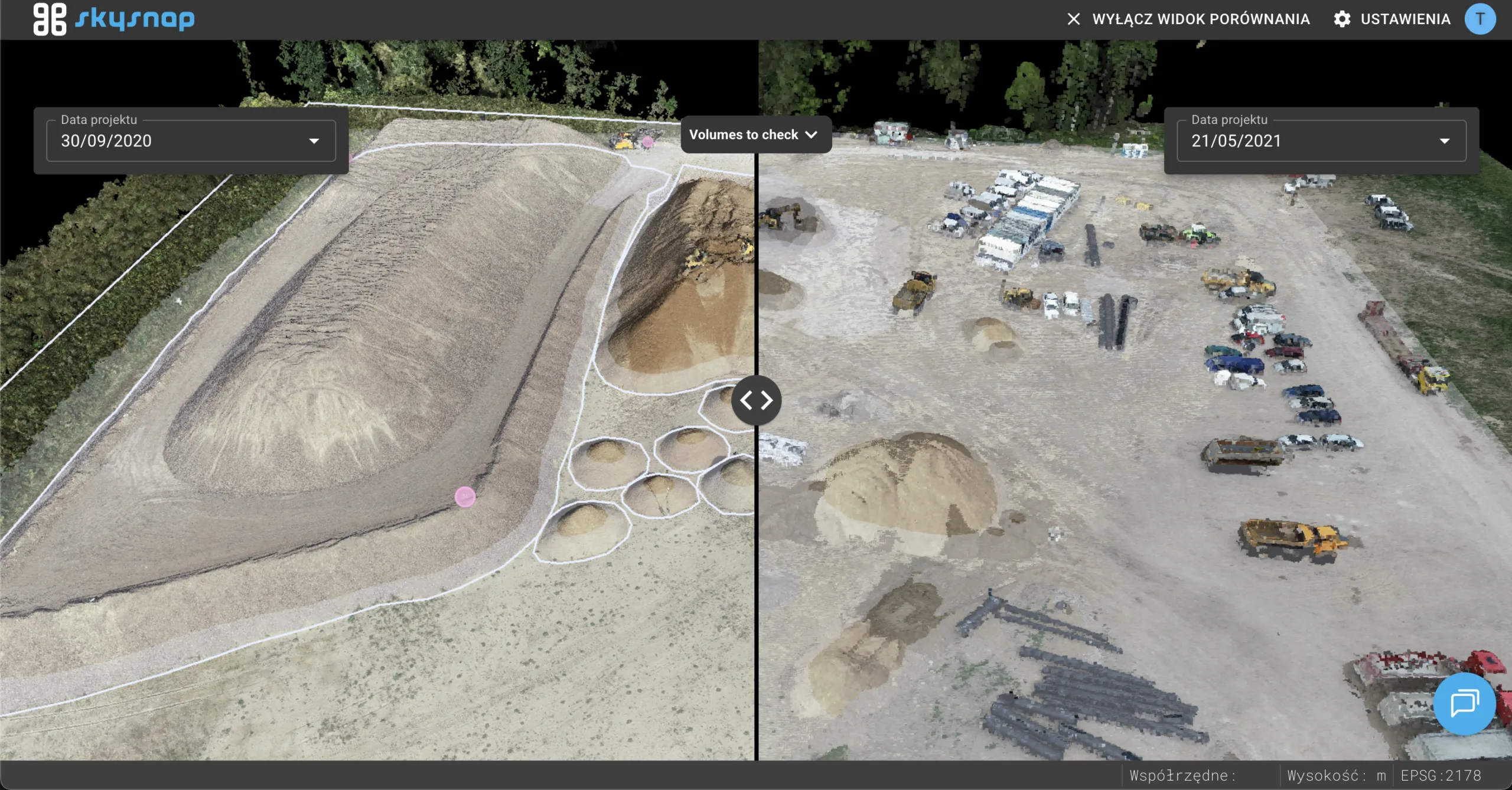
The technology is also extremely useful in monitoring topographic changes such as erosion and landslides, which is important for risk management in vulnerable areas. With its advantages, LiDAR from a drone is becoming an invaluable tool in modern terrain mapping and geographic research.
Use in agriculture
LiDAR from a drone is finding increasing use in agriculture, where precise data on terrain and vegetation condition are key to optimizing production. With LiDAR technology, farmers can obtain detailed information on plant height and density, making it easier to monitor crop growth and identify problem areas. The data can be used to create crop maps that help plan irrigation, fertilization and crop protection.
In addition, LiDAR makes it possible to detect differences in terrain, which is important for managing water resources and minimizing the risk of erosion. With this technology, precision farming becomes more efficient, resulting in increased yields and reduced production costs. LiDAR from a drone also supports conservation efforts, enabling more sustainable management of agricultural land.
Application in construction and architecture
LiDAR from a drone plays a significant role in construction and architecture, offering the precise data needed to plan and execute construction projects. With the ability to generate detailed 3D models of terrain and existing infrastructure, designers and engineers can better understand local conditions and potential terrain challenges. LiDAR also makes it possible to evaluate existing structures, which is crucial during renovation or retrofit work. In the design process, new buildings can be better aligned with their surroundings, resulting in improved energy efficiency and aesthetics.
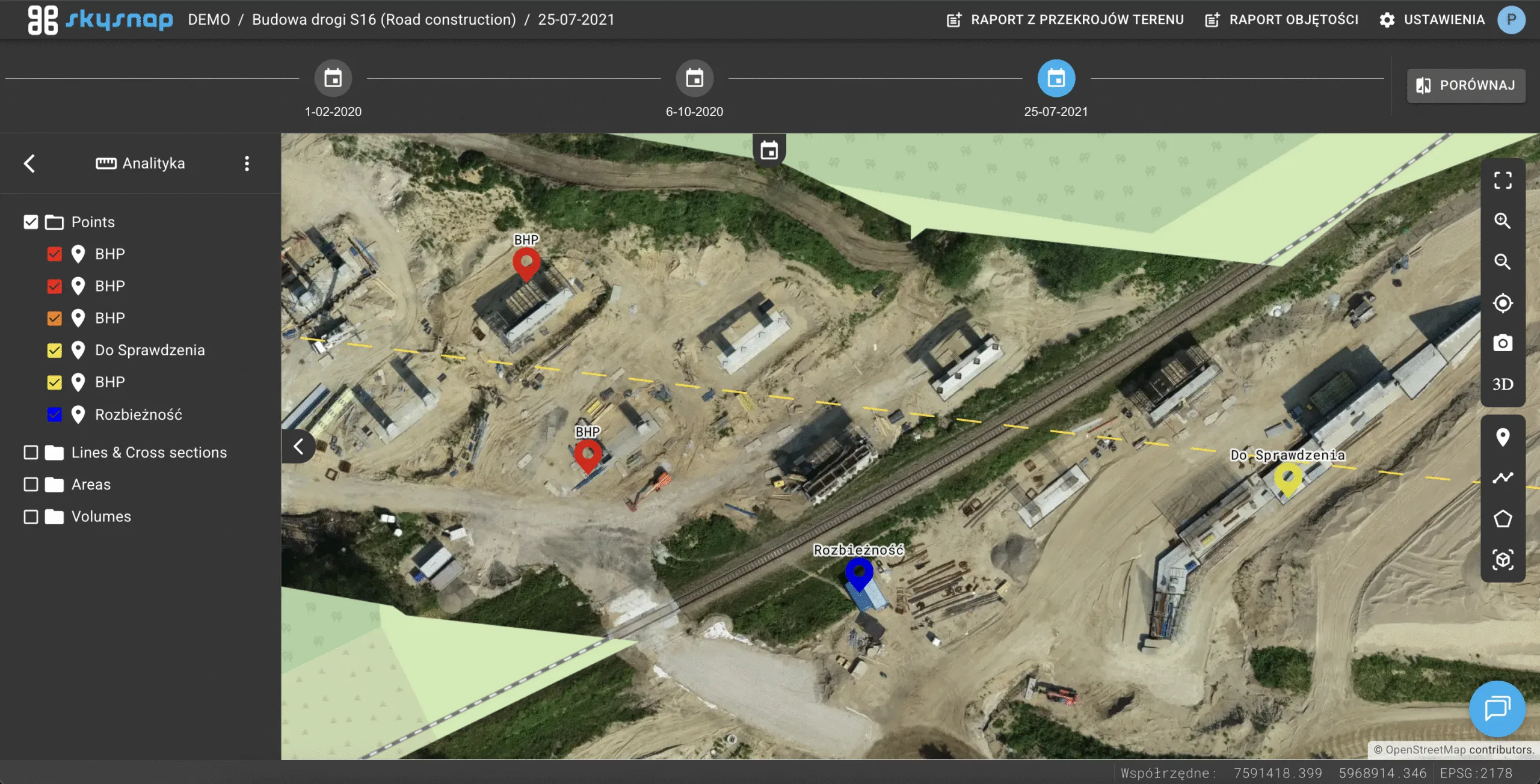
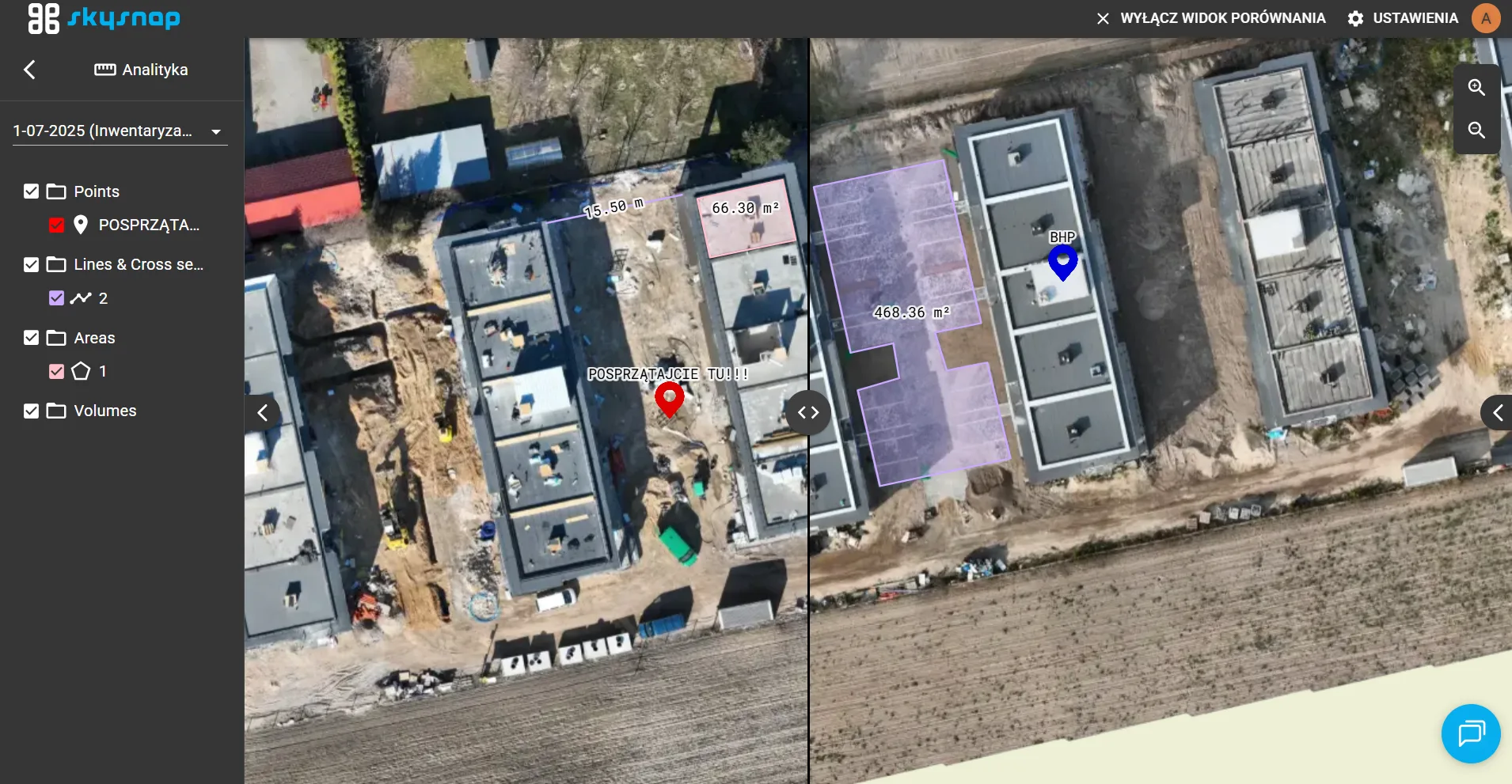
In addition, LiDAR from a drone allows construction progress to be monitored in real time, making it easier to manage the project and identify potential problems at an early stage. By collecting data quickly and accurately, LiDAR contributes to efficiency and sustainability in the construction sector.
Choosing the right LiDAR equipment
Criteria for selecting a drone
Choosing the right drone for LiDAR tasks requires considering several key criteria to ensure the efficiency and precision of operations.
- First of all, the carrying capacity of the drone is important, as LiDAR systems can be relatively heavy. Therefore, the drone must be able to safely carry all the survey equipment.
- Another important aspect is flight time, which determines how long a drone can operate on a single battery charge. Longer flight time allows for more efficient use of time in the air and coverage of larger areas.
- Stability and precision in navigation are also key, especially in difficult terrain.
- It is important that the drone is equipped with advanced GPS and IMU systems to ensure accurate positioning and flight stability.
- Finally, the ease of use and availability of technical support can significantly affect the operational efficiency and effectiveness of the overall LiDAR system.
Different types of LiDAR sensors
Choosing the right LiDAR sensor is crucial to the efficiency of data collection and precision of measurements. Various types of LiDAR sensors are available on the market, each with its own specific features and applications.
- Pulsed sensors are one of the most common types, which emit short laser pulses and measure their return time. They are ideal for detailed terrain mapping and 3D modeling.
- Another type is phase sensors, which measure the phase shift of the emitted and reflected laser signal. These sensors are known for their high accuracy, but have a shorter range, making them more suitable for applications in smaller areas.
- There are also time and space sensors that integrate different measurement technologies, offering versatility and flexibility in a variety of conditions.
When choosing a LiDAR sensor, it is important to take into account the specifics of the project, the precision required and the budget, which will allow you to optimally match the equipment to your needs.
How to choose the right system for your needs
Selecting the right LiDAR system for specific needs requires careful consideration of several factors.
- First of all, the specifics of the project should be determined, including the type and size of the area to be scanned. Projects requiring detailed topographic data may require high-resolution systems, while for larger areas, longer-range systems may be more appropriate.
- It is also necessary to take into account the field and weather conditions in which the system will operate in order to select equipment that is resistant to these factors.
- It is also important to understand the project budget, as LiDAR systems can vary greatly in price. No less important is the ease of integrating the system with existing operational processes and software.
The data provided must be compatible with the analysis and processing software used. Ultimately, the selection of a suitable LiDAR system should take all of these aspects into account to ensure its efficient and cost-effective use in a given project.
Practical tips for using LiDAR
Mission preparation and flight planning
Mission preparation and careful flight planning are key steps to ensure the success of a drone-based LiDAR operation.
- First, it is necessary to conduct a thorough analysis of the area to be scanned, including its terrain, environmental conditions and possible obstacles.
- Then, based on the collected information, a detailed flight plan can be developed, taking into account the route of flight, altitude and speed of the drone.
- It is important to set the right parameters for the LiDAR system, such as pulse frequency and operating range, for optimal data collection.
- Before starting a mission, make sure the drone is fully charged and in working order.
- It’s also worth checking the weather forecast to avoid unforeseen disruptions.
A systematic approach to flight planning and mission preparation minimizes the risk of errors and ensures the high quality of LiDAR data collected, which is crucial to the success of the entire project.
Data analysis and interpretation
Analysis and interpretation of LiDAR data is a key process that transforms raw measurements into valuable information. Once the mission is completed, the collected data is transferred to analysis software, where processing begins.
- The first step is data cleaning, which involves eliminating noise and errors that can affect the accuracy of the results.
- The data is then classified, allowing the identification and separation of different elements, such as vegetation, buildings or terrain.
- On this basis, detailed 3D models can be created, which are crucial for mapping or engineering projects.
LiDAR data analysis also enables the detection of changes in topography, which is important for environmental monitoring or resource management. Interpretation of the results requires specialized knowledge, but allows informed decision-making based on precise spatial data, which significantly increases the efficiency and effectiveness of project activities.
The most common challenges and how to overcome them
The use of LiDAR from a drone brings with it some challenges that can affect the quality and efficiency of the data acquired.
- One of the most common problems is the effect of atmospheric conditions, such as rain, fog or strong wind, on the accuracy of measurements. To prevent this, it is advisable to plan missions carefully, taking into account weather forecasts and choosing optimal conditions for flight.
- Another challenge is managing the huge amount of data generated by LiDAR systems, which requires the right software and computing resources to process it. A good solution is to invest in powerful data analysis tools and train the team to use them.
- Finally, calibration and maintenance of LiDAR equipment are key to maintaining its precision and reliability. Regular maintenance and following the manufacturer’s recommendations can significantly minimize the risk of failure and ensure the accuracy of results.

Free E-book
Learn how to prepare a mission step-by-step, avoid raid mistakes and create accurate orthophotos and 3D models. The perfect guide before your first commercial assignments.
Table of Contents:
Do you like the article? Share it with others!
Do you like the article? Share it with others!
Tips, news, insights
Related articles
Check out our articles and get the latest industry news.