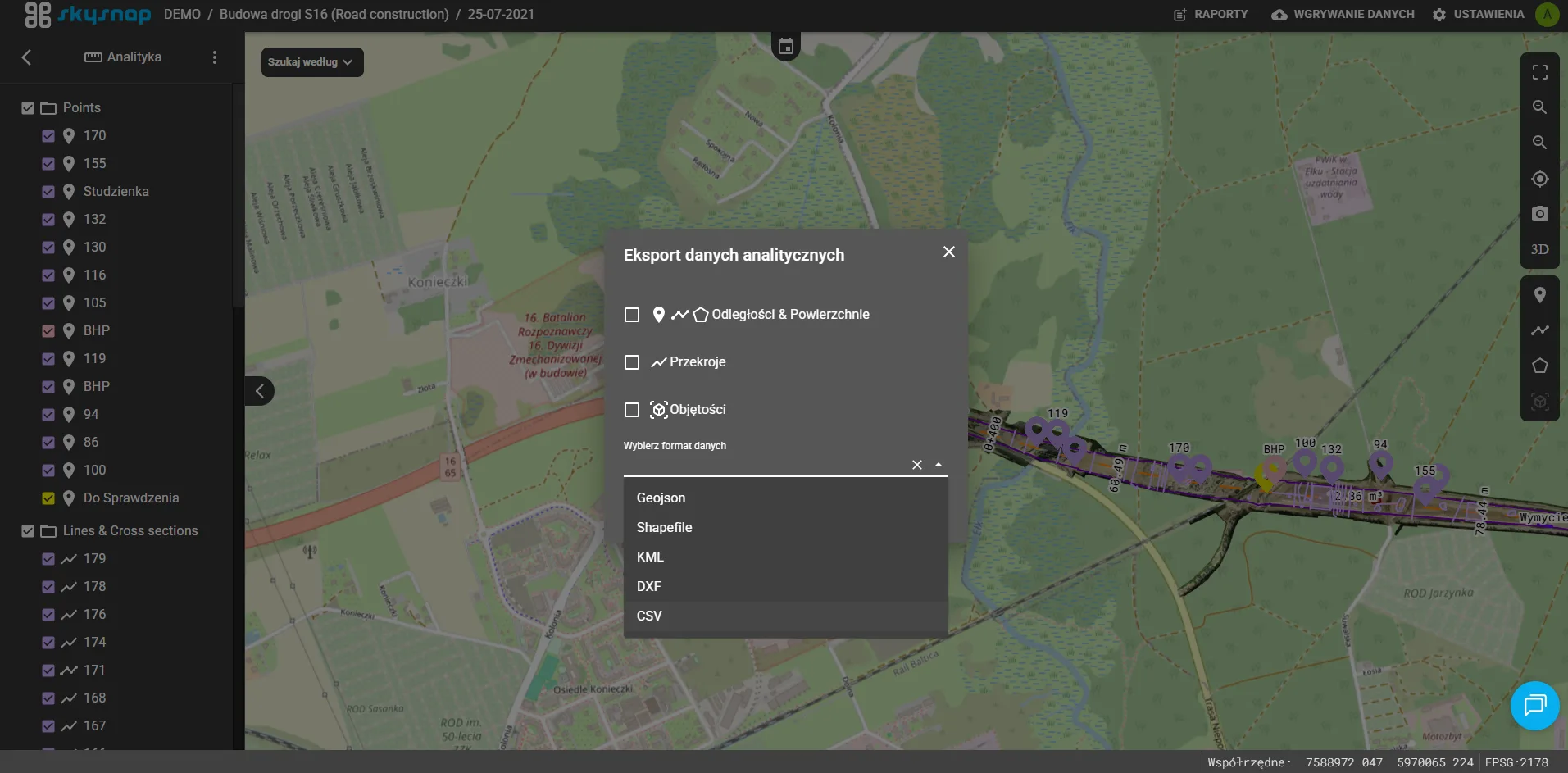
Understanding the concept of denivelization
Land denivelment is a process that plays a key role in shaping the landscape. It involves leveling the surface of the land, which is necessary when planning various construction projects, such as roads, residential buildings or industrial facilities. Denivelization is important not only for aesthetic reasons, but also for practical reasons such as safety and functionality of the space in use. In this text we will take a closer look at what land denivelization is, what applications it has, and why it is so important in the context of both urban planning and environmental protection.
Definition and basics
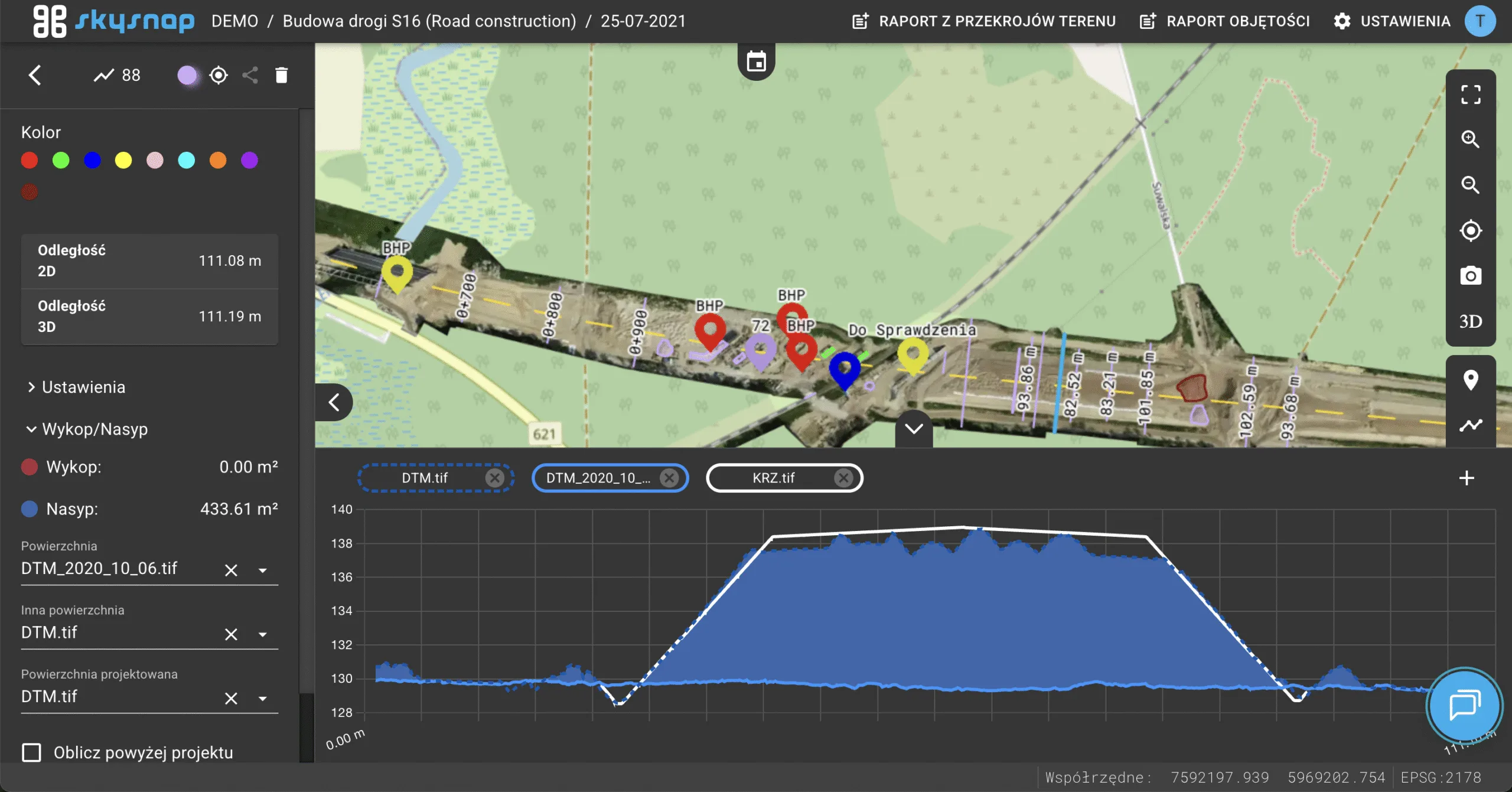
Terrain denivelization is the process of leveling out differences in elevation in a given area. It is an important tool in civil engineering, enabling site preparation for a variety of construction projects. Denationalization can range from leveling hills to filling in valleys to create a flat surface. The process requires precise planning and the use of specialized equipment such as dozers and excavators. In practice, denationalization is often the first stage of construction work that enables further activities, such as foundation or road laying. Properly carried out denationalization is crucial to ensure the stability and durability of the structure, as well as to minimize the risk of flooding or erosion in the future.
History and development of technology
Land denivelization, while it may seem like a modern development, has its roots in antiquity. Even in ancient times, civilizations such as the Egyptians and Romans used basic land leveling techniques to build roads and aqueducts. In the Middle Ages, denivelization was crucial in establishing cities and fortifications. The development of technology accelerated in the 19th century with the Industrial Revolution. The introduction of steam engines increased the efficiency of the work, making larger engineering projects possible.
Today’s leveling techniques rely on advanced technology, including GPS and drones, which allow for precise measurements and planning. The evolution of equipment such as bulldozers and graders has significantly improved leveling processes, making them more accurate and environmentally friendly. As a result, leveling has become an integral part of modern construction projects around the world.
The process of land denationalization
Stages and methods of work
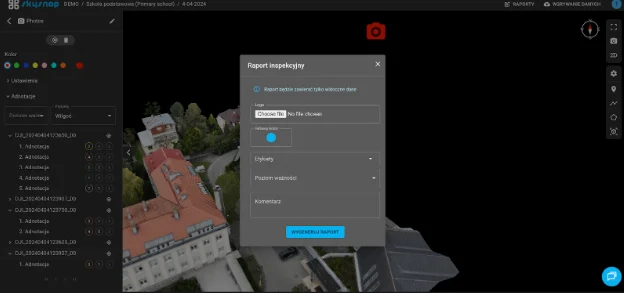
- The process of land denivelization begins with a thorough topographical analysis of the area. This uses modern surveying technologies, such as drones and GPS systems, which provide data on height differences and soil structure.
- An alignment plan is then created, taking into account both the needs of the project and natural environmental conditions.
- The next step is site preparation, which includes removing vegetation and obstacles.
- The actual leveling process then proceeds, which can be carried out by various methods, depending on the characteristics of the terrain. The most commonly used techniques are leveling with bulldozers, excavators and bulldozers.
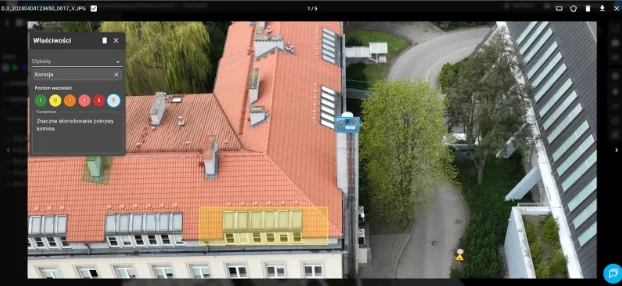
- Quality control is also an important aspect, ensuring that the site has been leveled according to plan.
- The entire process ends with the stabilization of the ground, which ensures the durability and safety of future structures.
Tools and technologies
The modern process of land leveling is based on advanced tools and technologies that allow for precise and efficient surface leveling.
- The key machines used in this process are bulldozers, excavators and graders. They make it possible to move large masses of earth quickly and accurately.
- In addition, the use of laser machine guidance systems allows precise control of the ground level.
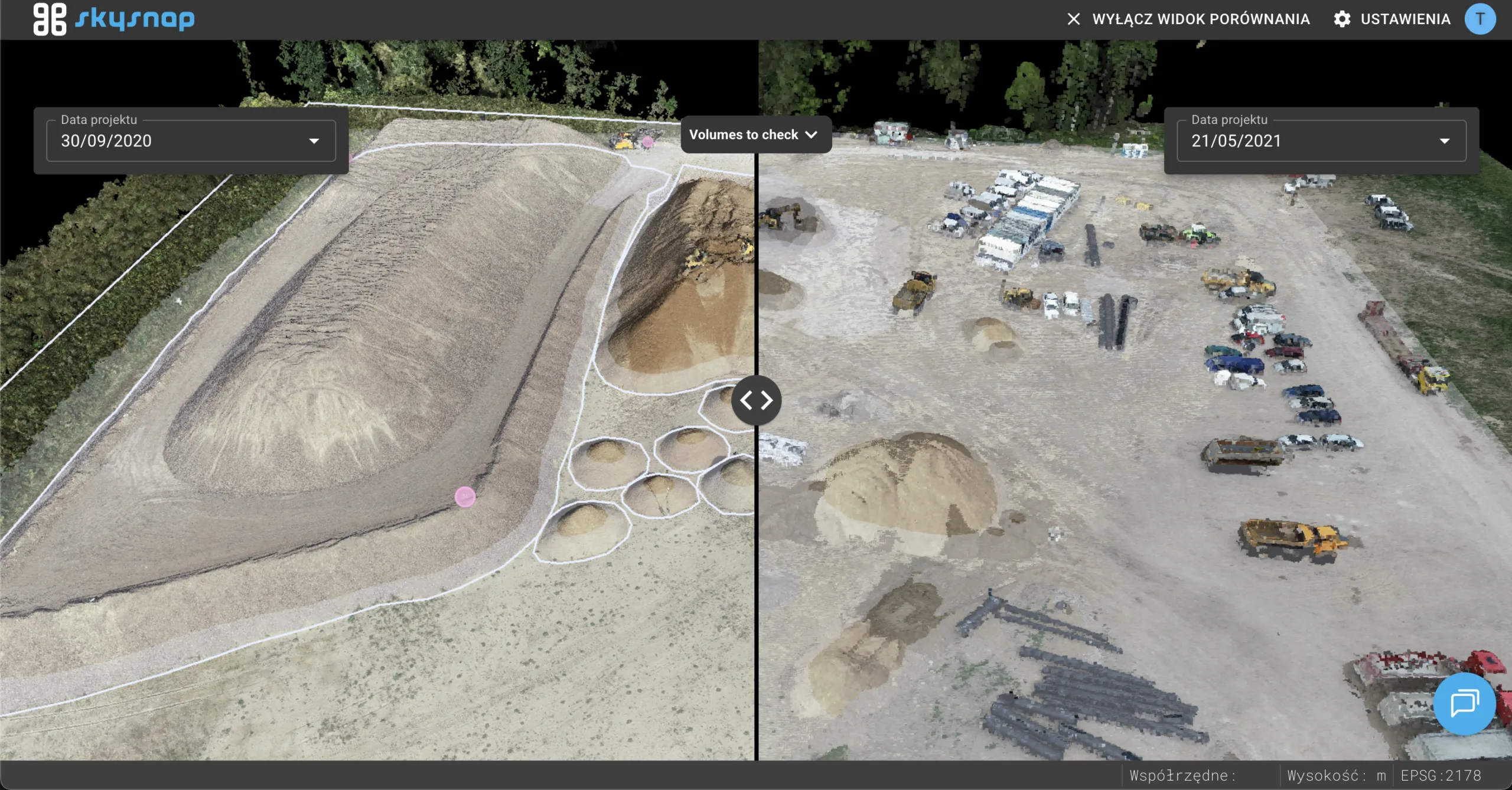
- Increasingly, drones are also being used in the denudationalization process to provide detailed topographic data. GPS systems make it possible to accurately map the terrain and track the progress of work in real time.
The use of these technologies not only increases the accuracy of the work, but also reduces its environmental impact. They make the denudation process more sustainable and environmentally friendly, which is important in the context of modern ecological requirements.
Why is denivelization important?
Environmental benefits
Although primarily associated with preparing land for construction projects, land denivelization also has important environmental benefits.
Above all, leveling the land helps to better manage rainwater, reducing the risk of flooding and soil erosion. By profiling the surface properly, water can be drained more efficiently, minimizing the negative impact on local ecosystems.
Denivelization also makes it possible to create green spaces and rehabilitate degraded areas, which promotes the preservation of biodiversity. The use of modern technology in the denivelization process allows minimizing exhaust emissions and noise, which is beneficial to nearby flora and fauna. Thus, the process not only supports infrastructure development, but also contributes to the conservation and sustainable management of natural resources.
Impact on urbanization
Land denivelization plays a key role in the urbanization process, enabling cities and settlements to develop in a sustainable and efficient manner. By leveling the surface, rational land use is possible, facilitating the planning of infrastructure such as roads, sidewalks and water and sewage networks. The process also helps improve the aesthetics of cities by eliminating uneven terrain that could be an obstacle to urban development. Denivelization also enables efficient use of available land, which is crucial in the context of increasing population density and the need to optimize urban space. In addition, leveled areas are more friendly to residents, increasing the comfort of life through easier movement and better accessibility to public facilities. Thus, denivelization not only supports infrastructure development, but also improves the quality of life in urban areas.
Challenges and limitations
Technical problems
Land denivelization, despite its many advantages, comes with a number of technical challenges that can affect the efficiency and cost of project implementation.
- One of the most important problems is the need for a thorough geological analysis of the site to avoid unforeseen difficulties, such as the presence of rocks or unstable soils.
- Weather conditions can also be problematic, affecting the pace and quality of work. Intense rainfall can lead to erosion of freshly leveled surfaces, and extreme temperatures can hamper the operation of machinery.
- In addition, precise ground level control requires sophisticated equipment, the operation of which requires specialized knowledge.
Proper planning and the use of modern technology can help overcome these problems, but it is also necessary to constantly monitor the progress of the work to ensure compliance with design intent and meet safety standards.
Legal and regulatory aspects
In the process of land denudation, legal and regulatory aspects that can significantly affect project implementation are a significant challenge.
Every project requires obtaining the appropriate permits and administrative approvals, which can be time-consuming and complicated. Environmental regulations may impose additional restrictions, especially if the project involves protected areas or has a potential impact on local ecosystems.
The need for environmental impact assessmentscan further increase preparation time. In addition, the variety of local and regional regulations requires a thorough knowledge of the law in a given area, which can be challenging for investors.
It is important that all activities comply with applicable safety and health standards. Effective regulatory management requires working with experienced legal teams and consultants to minimize legal risks and ensure a smooth denotification process.
The future of denivelization
New trends and innovations
As technology advances, the process of land denudation is becoming more advanced and efficient. One of the latest trends is the integration of artificial intelligence and machine learning to support the planning and optimization of field work. They can anticipate potential problems and better manage resources.
The use of drones for mapping and monitoring the progress of work is another innovation that significantly increases precision and reduces project time. Also, environmentally friendly technologies, such as electric or hybrid equipment, are gaining popularity, minimizing the negative impact on the environment. In addition, methods are being developed to recycle materials excavated during denitrification, which promotes sustainability. In the future, we can expect even more integrated systems that will support real-time decision-making processes, contributing to more efficient and environmentally friendly land leveling.
Role in sustainable development
Land denivelization plays an important role in achieving the Sustainable Development Goals, influencing the way we plan and implement construction projects. With precise land alignment, the environmental impact of projects can be minimized, reducing the destruction of ecosystems and promoting efficient resource management. Modern denationalization methods allow optimizing the use of raw materials, which is in line with the principles of a circular economy. In addition, sustainable denationalization practices support the creation of more resilient cities, capable of adapting to changing climatic conditions. The implementation of environmentally friendly technologies and innovative solutions reduces greenhouse gas emissions and energy consumption. In this way, denationalization contributes to building a future that is not only functional but also environmentally responsible, supporting long-term economic and social development.
Free E-book
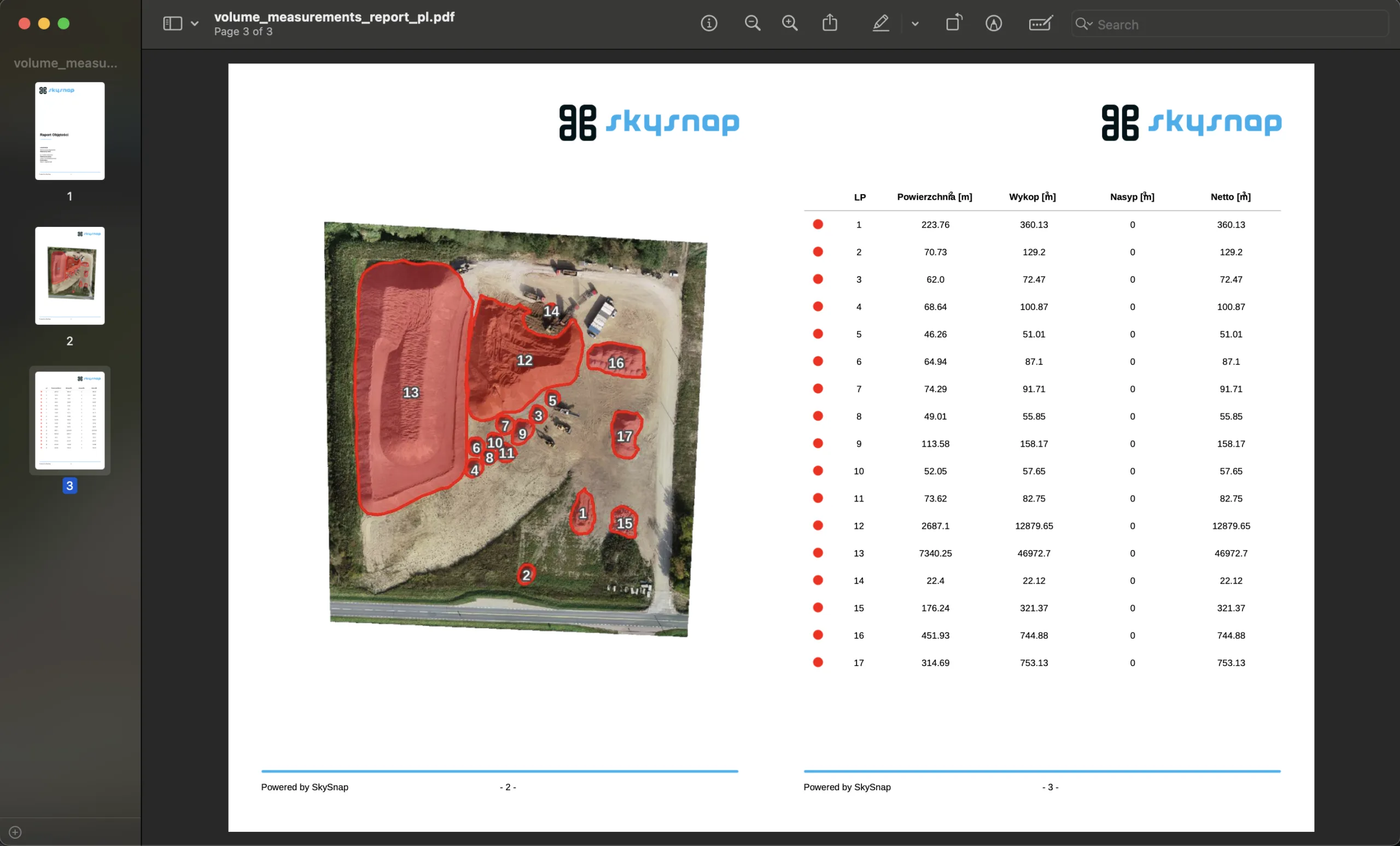
Measuring the volume of materials, aggregates and earthworks on a construction site is one of the most important uses of drones. Why? Because it’s time and money! Download our short e-book and learn how you can monetize your passion with drones.
Table of Contents:
Do you like the article? Share it with others!
Do you like the article? Share it with others!
Tips, news, insights
Related articles
Check out our articles and get the latest industry news.