What is an orthophoto?
Orthophotos created with drones have become a revolutionary tool that is changing the way we view the world around us. Thanks to precise technology, drones make it possible to create extremely detailed maps that are not only more accurate, but also available in less time than traditional mapping methods.
These advanced images offer new insights into landscapes, cities and rural areas, opening up myriad possibilities in many fields such as urban planning, environmental protection and agriculture. In this article, we will take a look at how drone orthophotos affect our daily lives, what benefits they bring, and what challenges they may present.
Definition and meaning
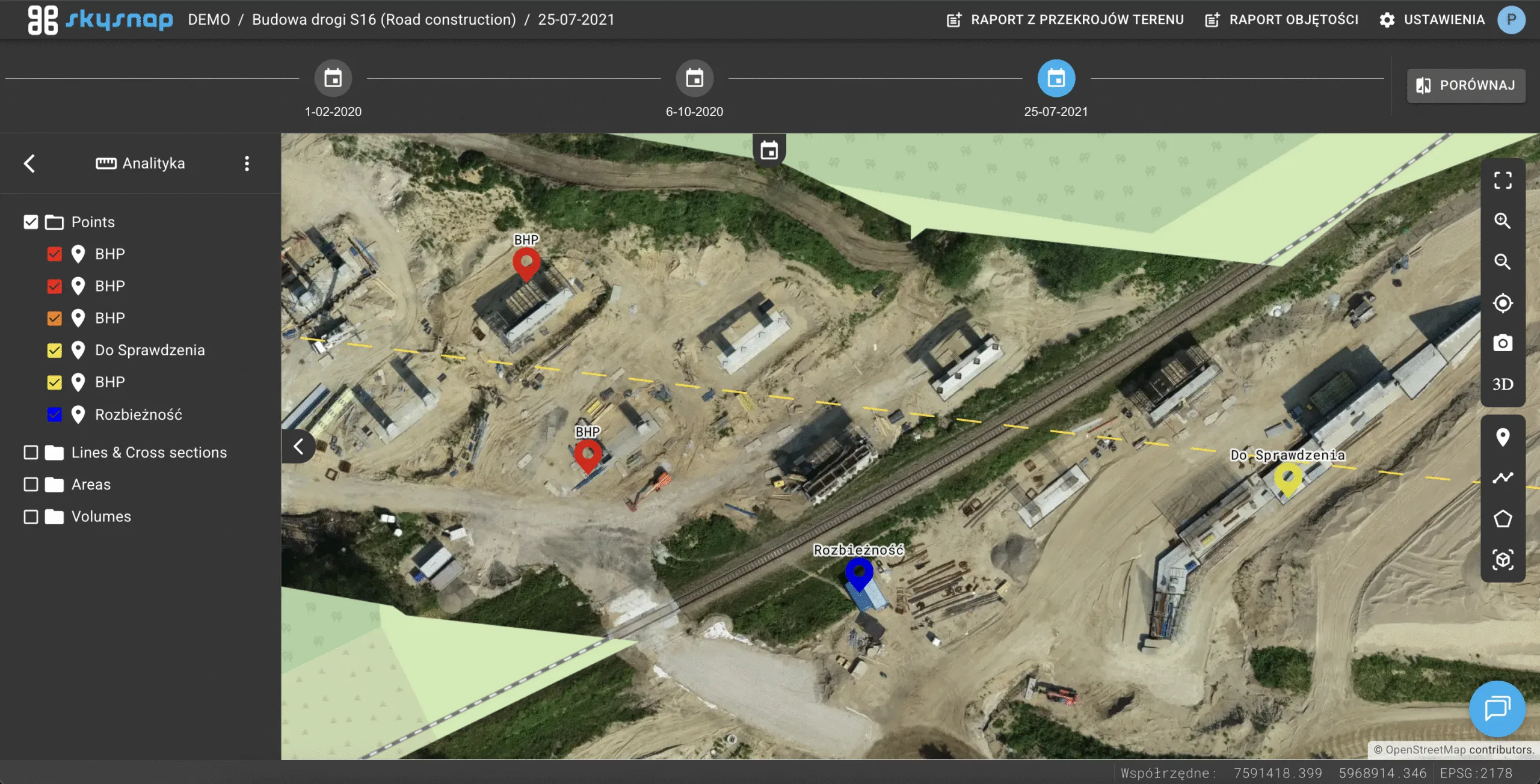
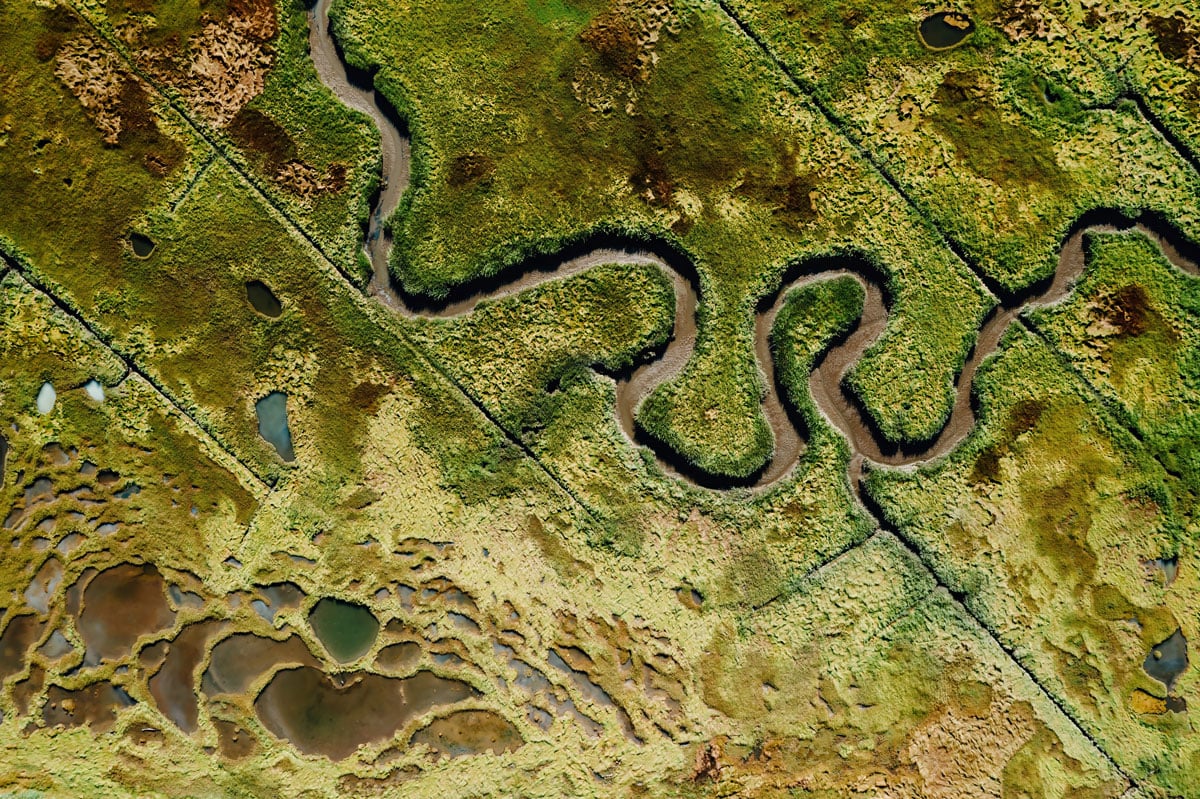
Orthophotomap is a special type of photographic map that combines the features of an aerial photo with the accuracy of a geographic map. Thanks to the use of advanced technology and specialized software, each photo taken from the air is transformed to eliminate distortions due to perspective and slope. The result is an image that reflects real distances and proportions, making orthophotos extremely useful in many fields.
The importance of orthophotos lies in their ability to accurately depict the earth’s surface, which is crucial for land use planning, geographic research and environmental analysis. Compared to traditional maps, orthophotos offer a higher level of detail and timeliness, allowing for a better understanding and analysis of the study area.
History and development of technology
Orthophotos have their roots in aerial photography, which began to develop in the early 20th century, mainly for military and cartographic purposes. Initially, the process of creating orthophotos was time-consuming and required manual processing of images, which limited their widespread use.
However, over the years, with advances in computer and digital technology, the process has become more automated and precise. The introduction of drones has revolutionized the field, making it possible to collect data from the air quickly and efficiently. Drones equipped with advanced cameras and GPS systems can provide high-quality images in a short period of time, greatly speeding up the entire process of creating orthophotos. As a result, orthophotos have become more accessible and popular, finding applications in a wide range of fields, from urban planning to environmental protection.
Why do we use drones?
Drones have become an ideal tool for creating orthophotos for several key reasons.
- First, their ability to move quickly and precisely over an area allows them to collect data in less time than traditional aerial methods.
- Secondly, drones are much more economical to operate than airplanes or helicopters, which lowers the cost of the whole process.
- In addition, drones can fly at lower altitudes, providing higher resolution images and greater accuracy of orthophotos.
- Another advantage is their ability to work in hard-to-reach or dangerous areas where other methods may be risky or inapplicable.
All this makes drones an indispensable tool for creating modern, accurate and up-to-date orthophotos, which are invaluable in many industries.
Drone technology in orthophotos
How drones work
Drones, also known as unmanned aerial vehicles (BSPs), operate through advanced technology that combines elements of mechanics, electronics and software.
- Equipped with high-resolution cameras, the drones are capable of capturing detailed images from the air.
- Built-in GPS and gyroscopes provide stability and precise positioning, which is crucial for accurate data.
During flight, the drone takes a series of images, which are later combined into a unified orthophoto using specialized software. This process includes correcting distortions due to perspective and taking into account the topography of the terrain. This results in an accurate representation of the actual dimensions and shapes of objects. Drones can be programmed to fly autonomously according to a predetermined route, which increases their efficiency and minimizes the risk of human error. All this makes them invaluable for creating precise orthophotos.
Advantages of using drones
The use of drones in the creation of orthophotos brings many advantages that contribute to their growing popularity.
- Above all, drones allow for rapid data collection, which is important in situations that require up-to-date information, such as monitoring land changes or responding to natural disasters.
- In addition, drones are more flexible than traditional aerial methods, and can operate at low altitudes and in hard-to-reach areas, making it possible to obtain detailed images.
- The operating costs of drones are also much lower than renting aircraft or helicopters, making them a more cost-effective solution for companies and institutions.
- In addition, drones minimize the risk to humans by eliminating the need for an airborne crew.
With all these advantages, drones are a modern and effective tool that is revolutionizing the process of creating orthophotos and opening up new opportunities in many industries.
Precision and accuracy of measurements
Precision and accuracy of measurements are among the most important advantages of using drones to create orthophotos. Drones equipped with advanced GPS satellite navigation systems can precisely map the location of each image. As a result, the resulting orthophotos offer terrain mapping with accuracy to within a few centimeters. These systems are supported by specialized software that eliminates distortions due to slope and perspective.
In addition, drones can be equipped with additional sensors, such as LiDAR, which allows for even more accurate terrain mapping, especially in forested or built-up areas. The high resolution of the images makes it possible to distinguish even small objects and details, which is crucial for surveying, urban planning and environmental analysis. This makes drones an indispensable tool in places where precision and accuracy of data are crucial.
Applications of orthophotos
Urban and regional planning
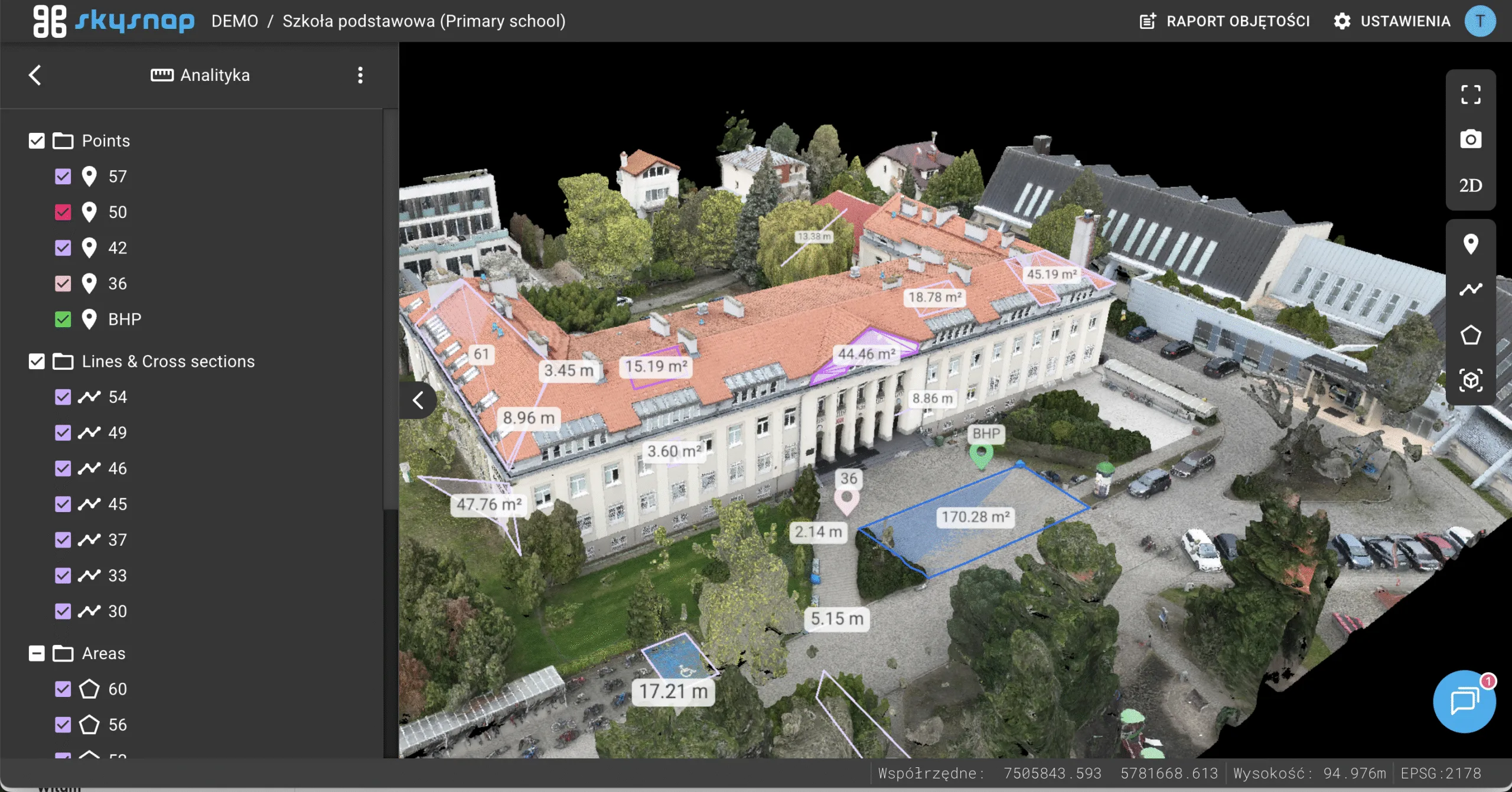
Orthophotos play a key role in urban planning and city planning, providing accurate and up-to-date information about the structure of cities and suburban areas. They enable urban planners to better understand existing infrastructure, street layout, building distribution and green spaces. This detailed data helps make informed decisions about urban development, infrastructure upgrades and the development of new land. Orthophotos also allow monitoring land use changes and assessing the impact of planned developments on the environment and the community.
In addition, due to their high accuracy, orthophotos are an invaluable tool in the process of negotiation and public consultation, enabling visualization of urban planning projects for residents and other stakeholders. All this makes orthophotos an indispensable component of modern urban planning that takes into account both development and environmental protection needs.
Agriculture and resource management
Orthophotos offer farmers a modern tool for effective resource management and production optimization. They make it possible to precisely monitor the condition of crops, identify areas in need of intervention and plan agricultural work. Drones that provide detailed orthophotos can detect changes in soil moisture,plant growth or pest incidence. This allows the use of precision agriculture, which reduces the use of fertilizers and pesticides while maximizing yields.
In natural resource management, orthophotos make it possible to assess the condition of forests, monitor water bodies and identify areas particularly vulnerable to erosion. As a result, environmental institutions and organizations can make more informed decisions on natural resource management. In this way, orthophotos contribute to sustainable development by combining modern technology with traditional agricultural and resource management practices.
Environmental protection and research
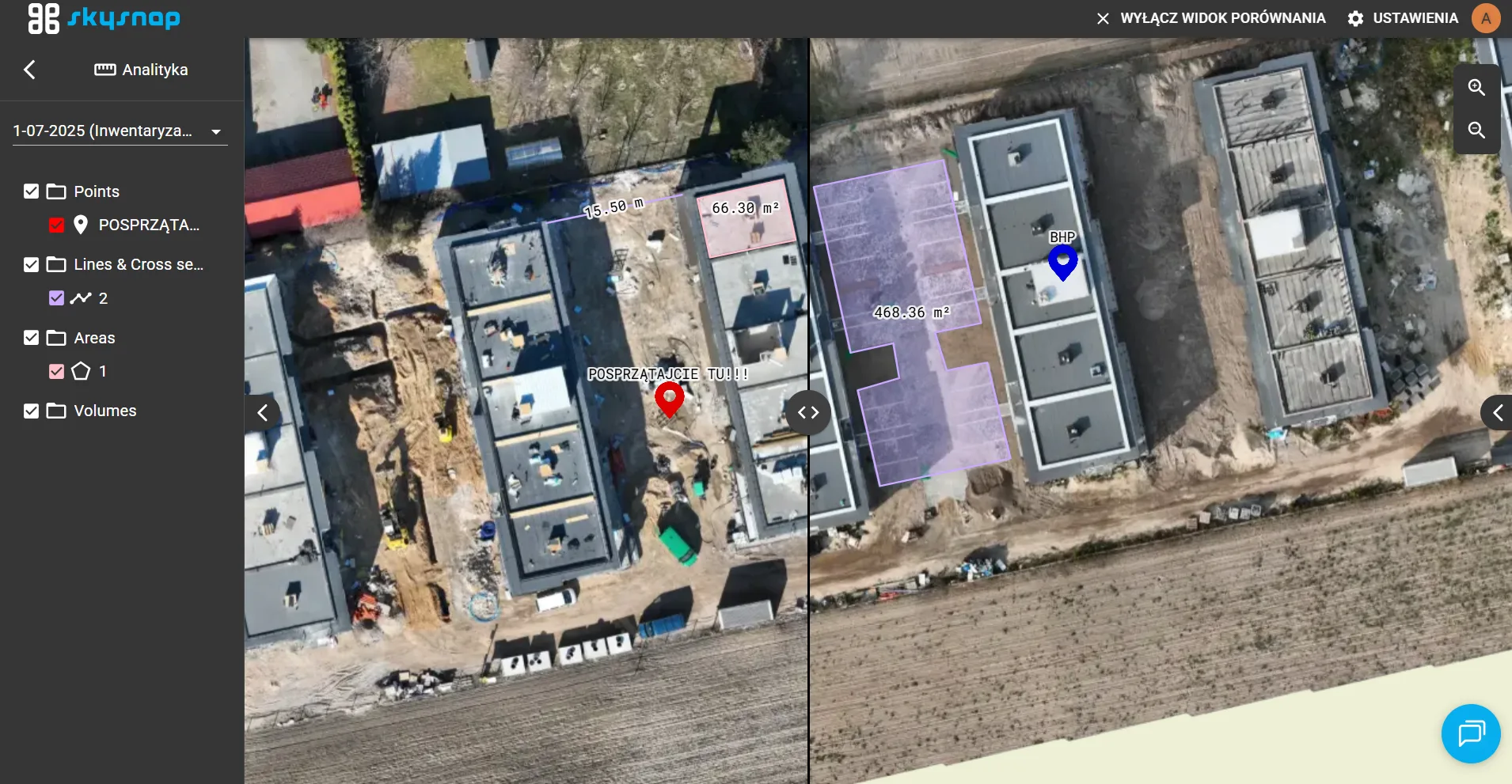
Orthophotos provide vital data for environmental protection and scientific research, enabling detailed analyses of changing ecosystems. With precise terrain mapping, scientists can monitor changes in vegetation cover, track wildlife migrations or assess the effects of human activities on nature. Orthophotos are also invaluable in climate change research, enabling analysis of water retention, glacier melt or coastal erosion.
In terms of environmental protection, orthophotos make it possible to identify threats, such as water pollution or deforestation, so that preventive measures can be taken quickly.
In addition, these maps support environmental planning processes, helping to identify protected areas and plan ecological corridors. By providing accurate and up-to-date data, orthophotos support scientific research and environmental protection efforts, contributing to the sustainable management of natural resources.
The future of orthophotos with drones
Technological innovations
The future of drone orthophotos looks promising, thanks to the rapid development of the technology.
- The introduction of drones with greater autonomy and advanced AI systems will allow even faster and more accurate data collection.
- Work is currently underway to integrate multispectral and hyperspectral sensors, which will enable more comprehensive site analysis. Such innovations will make it possible to identify vegetation health, analyze soils and detect pollution.
- In addition, the development of cloud technologies will facilitate real-time data processing and sharing, which is key to responding quickly to environmental changes or urban needs.
As drones become more advanced, their applications will expand into new fields, such as infrastructure inspection and rescue. These innovations will not only increase the efficiency and accuracy of orthophotos, but also contribute to their widespread availability and use in various sectors.
Challenges and limitations
Despite its many advantages, the use of drones to create orthophotos also comes with some challenges and limitations.
- One of the main problems is the regulation of drone flights, which varies from country to country and can restrict their use in certain areas.
- In addition, drones can have limited flight time and range, requiring frequent battery recharging or the need to use several devices to cover larger areas.
- Another challenge is the processing of the huge amounts of data generated by the drones, which requires sophisticated software and high computing power.
- Weather conditions, such as high winds and rainfall, can also affect a drone’s ability to perform precision flights.
Regardless of these challenges, technological advances and regulatory developments will be key to the continued development and implementation of drones in the creation of orthophotos.
Anticipated trends and developments
Several key trends in the development of drone-based orthophotos can be expected in the future.
- First, the rapid development of artificial intelligence and machine learning can greatly improve the analysis of data collected by drones, enabling automatic detection of patterns and anomalies on maps.
- Second, the integration of IoT (Internet of Things) technology will allow for even more advanced applications, such as real-time change monitoring.
- Another trend will be miniaturization and increased sensor performance, which will enable more detailed and accurate analysis. As the cost of technology decreases, orthophotos will become more accessible to smaller companies and organizations.
- In addition, the development of blockchain technology may provide secure and transparent management of geographic data in the future.
All these directions point to the growing role of orthophotos in various fields, which will certainly contribute to their further development and application.
Free E-book
Learn proven methods for pricing jobs: From building structures to large linear and space raids. This guide will help you earn effectively and confidently.
Table of Contents:
Do you like the article? Share it with others!
Do you like the article? Share it with others!
Tips, news, insights
Related articles
Check out our articles and get the latest industry news.