Orthophoto Drone: How to create an orthophoto with a drone – A practical guide – SkySnap
Orthophotomapping from a drone is a modern method that is gaining popularity in various fields, from urban planning to agriculture. Thanks to the precise aerial photos that a drone can take, it is possible to create accurate maps of the area that reproduce reality with all the proportions and details. In this guide, we will discuss the step-by-step process of creating orthophotos, from choosing the right equipment, to planning the flight, to processing the collected data. Our goal is to provide practical tips that will allow even novice drone users to effectively create their own orthophotos.
Introduction to orthophotos
What is an orthophoto?
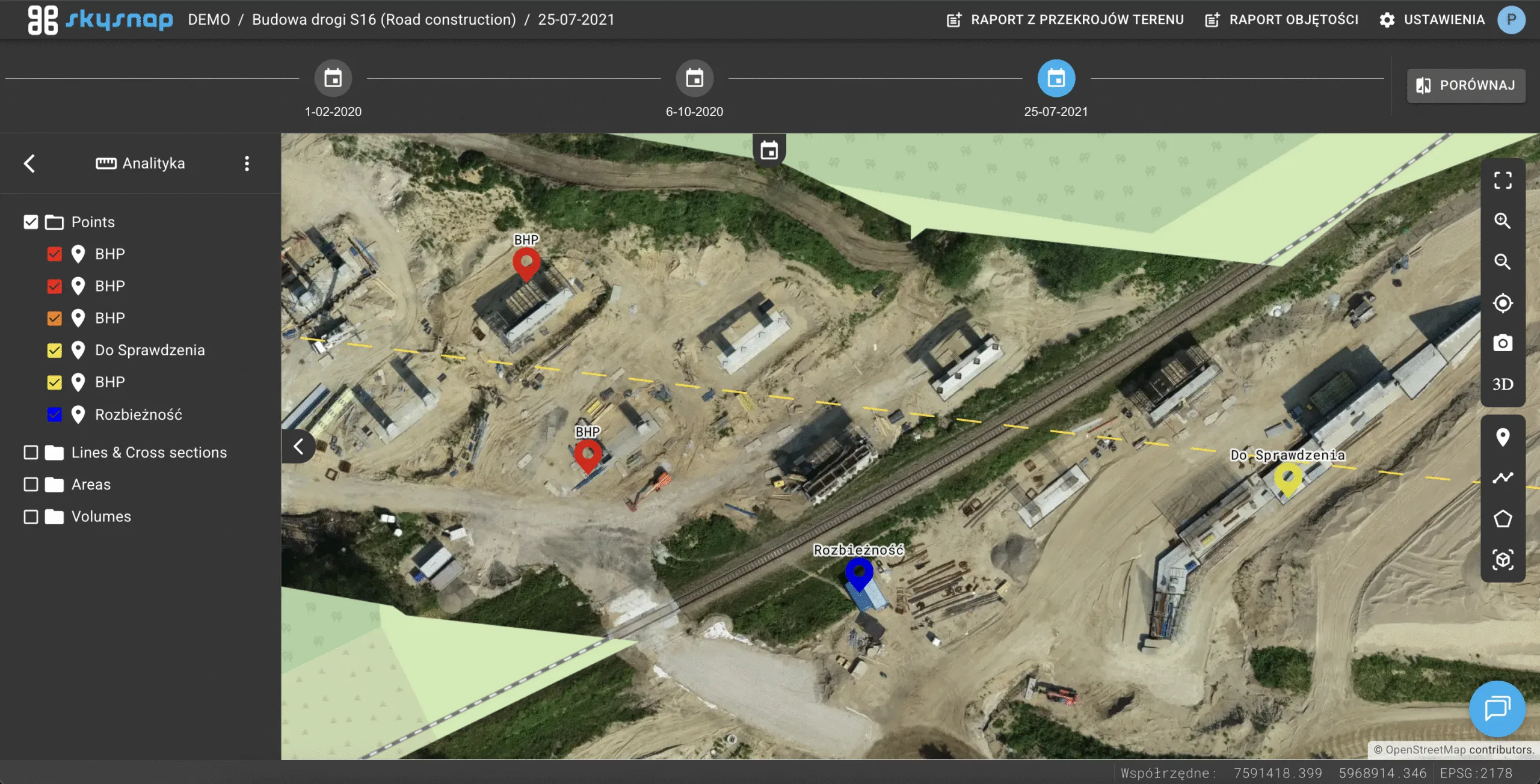
An orthophoto is a special type of map that is created from photographs by processing aerial or satellite images. A unique feature of orthophotos is that they are an accurate representation of the terrain, in which all elements are depicted without perspective distortion. This means that the distances and dimensions on an orthophoto reflect the actual proportions on the ground. Such maps are invaluable in many fields, such as surveying, urban planning and natural resource management. Thanks to drone technology, the creation of orthophotos has become more accessible and efficient. Drone images are precisely processed using specialized software to create the most accurate maps of the area. This makes orthophotos an ideal tool for businesses and institutions in need of detailed spatial analysis.
Applications of orthophotos in practice
Orthophotos are widely used in various fields.
- In urban planning, they allow a thorough analysis of land for development, taking into account existing infrastructure and environmental conditions.
- In precision agriculture, they help monitor crop health and optimize the use of pesticides and fertilizers, resulting in increased yields and savings.
- Forestry uses them to manage forest resources, monitoring changes in forest cover and assessing the effects of conservation efforts.
- In surveying and cartography, orthophotos are used to create detailed maps and terrain models.
- In the construction industry, orthophotos from a drone are gaining popularity, enabling precise planning and monitoring of construction progress.
- In addition, in emergency management, such maps are used to plan evacuations or analyze the effects of natural disasters.
Thanks to their versatility and precision, orthophotos are an invaluable tool to support decision-making in many economic sectors and administrative activities.
Choosing the right drone
Key features of the drone
Choosing the right drone to create orthophotos is crucial to obtaining high-quality data.
- First of all, the drone should be equipped with a high-resolution camera to provide detailed and sharp images.
- Flight stability is equally important, so the drone should have advanced stabilization and GPS navigation systems.
- Flight time is another important aspect – the longer the drone can stay in the air, the larger the area it can photograph on a single charge.
- The drone should also be equipped with automatic flight planning features, which will allow precise route planning and minimize human error. Performing an airstrike before launching a flight mission is crucial to make sure all systems are working properly and the route is properly planned.
- In addition, resistance to weather conditions such as wind and rain is important so that the drone can operate in a variety of environments.
When choosing a drone, it is also worth paying attention to technical support and the availability of spare parts.
Recommended drone models
There are many drone models on the market that are great for creating orthophotos.
- One of the more popular choices is the DJI Phantom 4 RTK, known for its navigational precision and high-quality camera. With its built-in RTK system, the Phantom 4 provides accurate geolocation data, which is extremely important in photogrammetry.
- Another recommendable model is the Parrot Anafi USA, which offers excellent image quality and long flight time. It also has the advantage of being compact and weatherproof.
- The SenseFly eBee X is another option, particularly valued in professional applications due to its performance and ability to cover large areas, which is crucial in photogrammetry.
- For users looking for more economical solutions, the DJI Mavic Air 2 may be the right choice, offering good performance at an affordable price.
The selection of an appropriate model should take into account the project’s specific needs and budget.
Air mission planning
Site preparation and weather conditions
Preparing the terrain before an aerial mission is crucial to obtaining accurate and useful orthophotos.
The first step is to review the area to be photographed to identify any obstacles such as power lines, trees or buildings. This is important for developing a safe and efficient flight path. Prior to the start of construction, drone raids allow us to examine the condition of the construction site and verify compliance with design plans.
Next, weather conditions must be carefully analyzed, as they directly affect the quality of the images. The ideal conditions are cloudless skies and no wind, which allows for the clearest images. It is advisable to avoid flying in rain or strong winds, as they can disrupt flight stability and damage equipment. Checking the weather forecast for the day of the planned flight and preparing the equipment for possible atmospheric surprises will help avoid problems and ensure the success of the mission.
Drone and software settings
Before launching an aerial mission, proper drone and software settings are essential to obtain precise data. First, set up the drone’s camera. Settings such as image resolution and white balance should be adjusted according to lighting conditions to ensure the best quality photos.
Then, in the flight planning software, it is useful to precisely define the flight route, taking into account the altitude of the flight and the overlapping of images (so-called overlapping), which allows to obtain a consistent set of data for further processing.
Automatic functions such as return-to-home can be useful in case of signal loss. It’s also a good idea to run a test flight to verify the settings and make sure everything is working properly.
Properly configuring the drone and software is key to minimizing errors and achieving the best results in creating orthophotos.
The process of creating orthophotos
Aerial data collection
Collecting aerial data is a key step in the process of creating orthophotos. After the drone takes off and sets up the appropriate route, the device begins taking images of the target area. It is important that the images overlap appropriately, which means that each successive shot should overlap the previous one by about 60-80%. This makes it possible to accurately assemble the images later into a single, consistent orthophoto. During the flight, it is also important to pay attention to the stability of the drone and the quality of the captured images. Any unexpected movement of the drone, for example due to strong winds, can affect the quality of the data. Once the mission is completed and the drone has landed safely, the collected data is verified for completeness and quality. This ensures that the processing and creation of orthophotos goes smoothly, and the resulting maps are an accurate representation of reality.
Data processing in software
Once the aerial data is collected, the next step is to process it in specialized software for creating orthophotos.
- The process begins with loading the photos into the program, which automatically recognizes the points of commonality between them.
- The software then calibrates the images, eliminating any perspective distortion. An important step is the creation of a point cloud, which allows the construction of a three-dimensional terrain model.
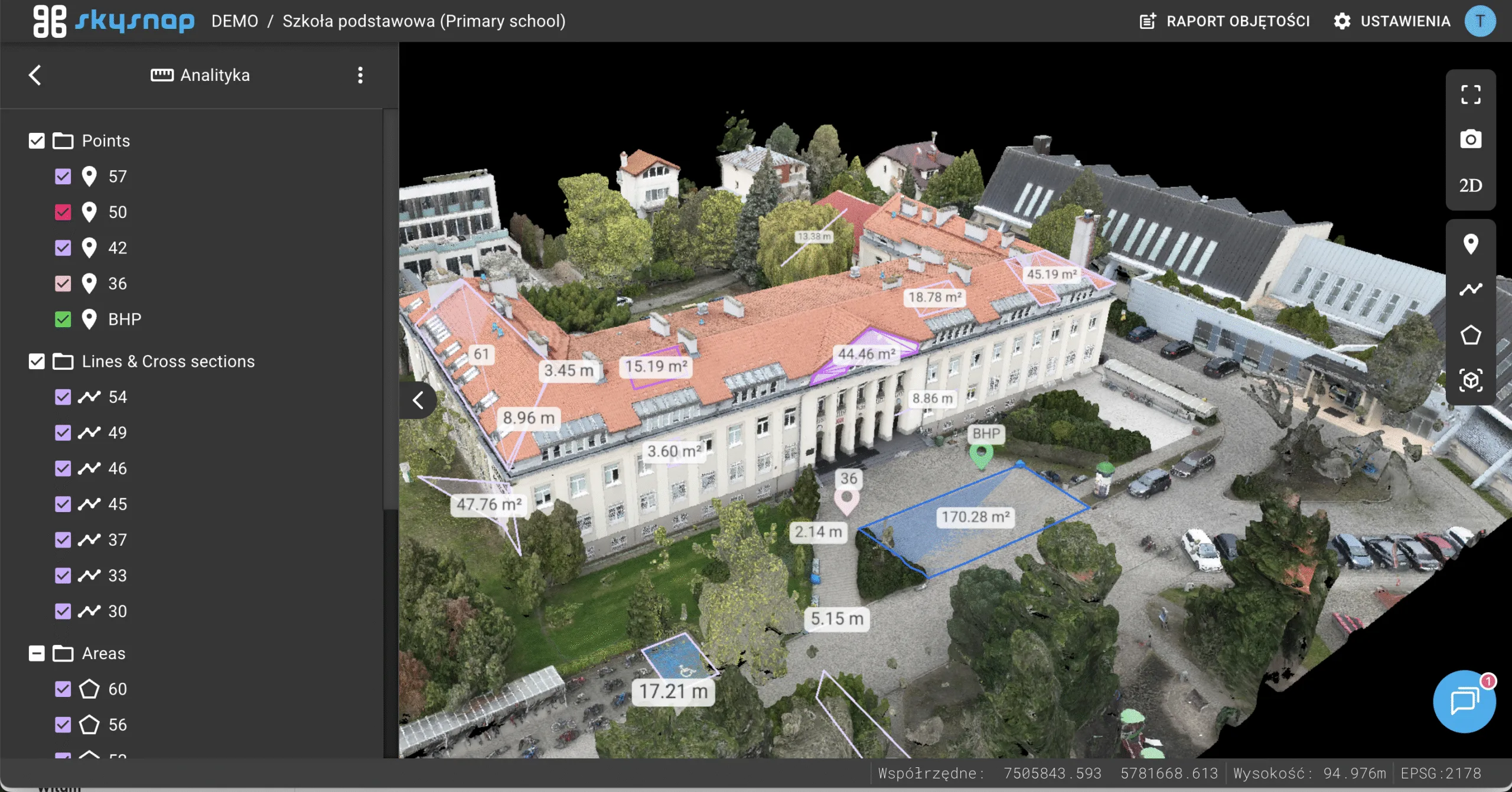
- The next step is to generate a numerical terrain model (NMT) and overlay it with textures from the original images, leading to the final orthophoto. The whole process requires precision and adequate computing power, so advanced computers or cloud computing are often used.
- After processing, the maps are verified for accuracy and can be exported to various formats, ready for further analysis and use in practice as a finished product.
Analysis and verification of results
Interpretation of the finished orthophoto
Interpretation of the finished orthophoto is a key step that allows it to be used in practical applications. An orthophoto, as an accurate representation of the terrain, allows analysis of various elements of the natural environment and infrastructure.
For example, in urban planning, the distribution of buildings, roads and green spaces can be assessed, which facilitates urban planning.
In agriculture, the map makes it possible to identify the condition of crops and potential problems such as plant diseases or excessive crop density.
However, interpreting the data requires sufficient knowledge and experience to correctly read the information and draw conclusions from it. It is worth using additional GIS tools that can enrich the analysis through complex measurements and comparisons. Orthophotos can also be presented on multimedia devices, allowing them to be easily viewed and analyzed by users on different platforms. By accurately interpreting orthophotos, more informed decisions can be made that benefit the management and planning of various projects.
Checking for accuracy and corrections
Checking the accuracy of the orthophoto is crucial to ensure that the data obtained is reliable and useful.
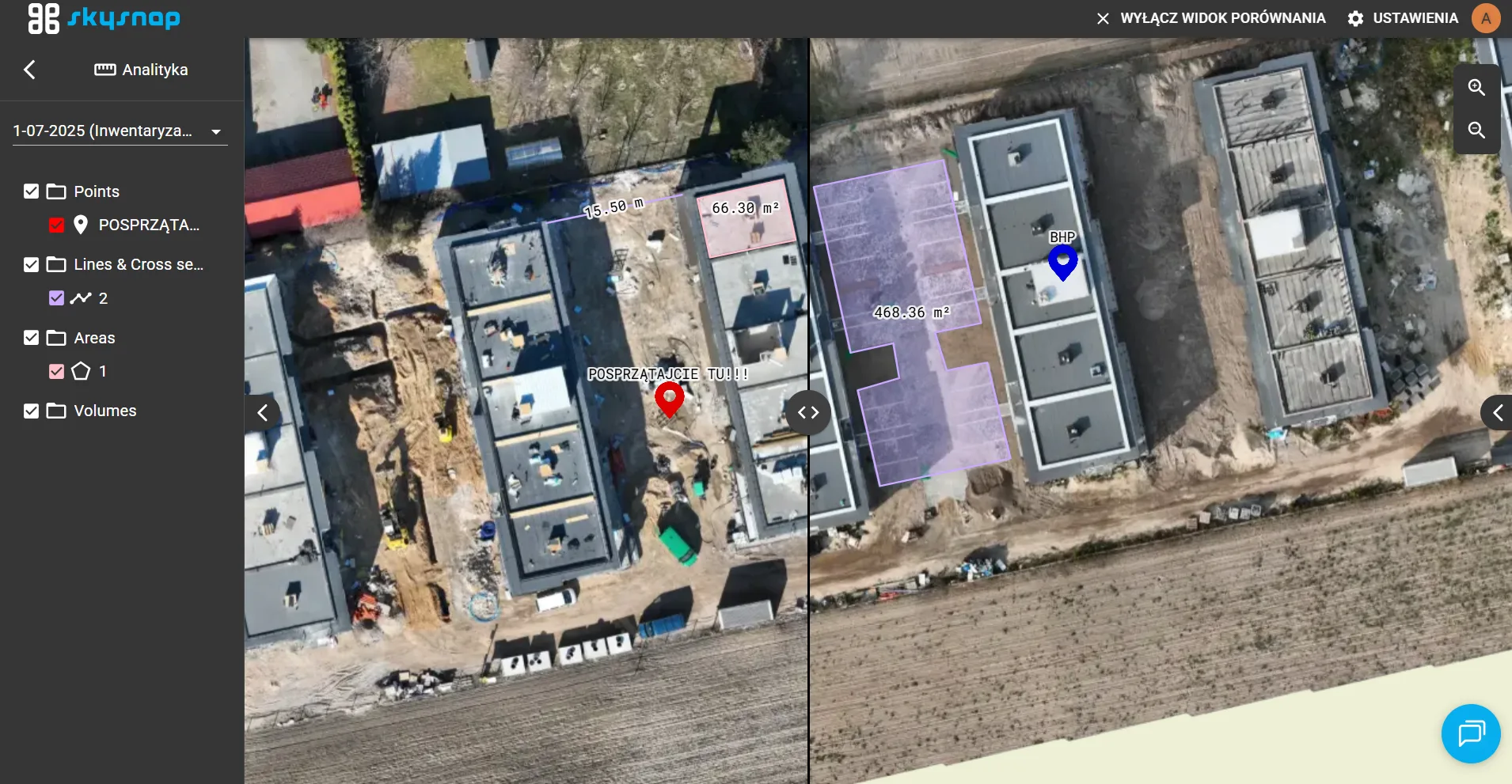
- The process begins by comparing the orthophoto with reference data, such as geodetic maps or GPS data, to detect any deviations. Any differences may indicate the need for corrections.
- The next step is to analyze the accuracy of mapping details, such as parcel boundary lines, which must be consistent with reality. If errors are detected, appropriate adjustments should be made to the software, which may include reprocessing the data or adjusting the terrain model.
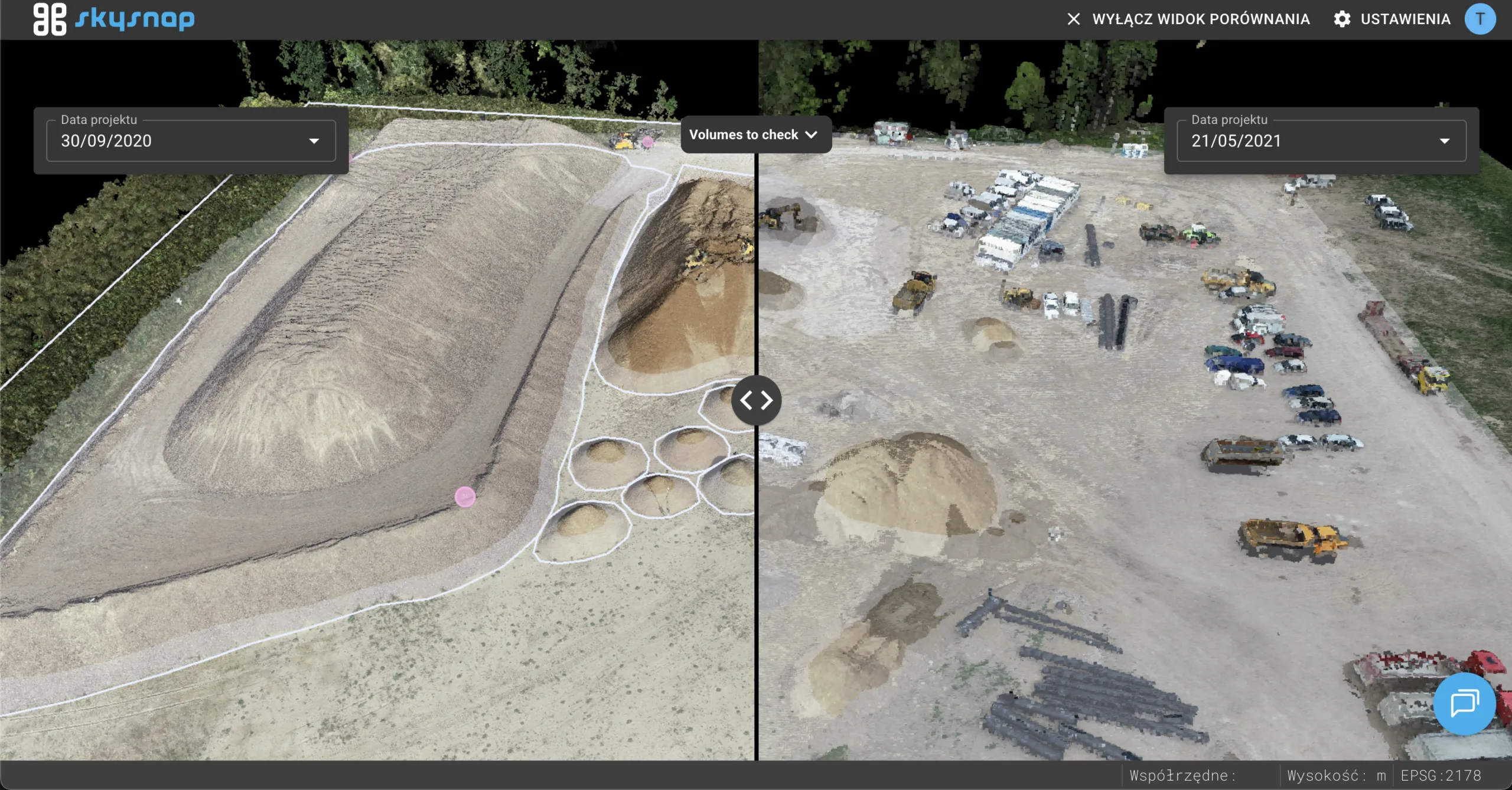
Map accuracy is particularly important in engineering and planning applications, where even small errors can lead to undesirable consequences. Regular checking and updating of the orthophoto ensures that it is useful and consistent with actual field conditions. This makes it possible to make sure that the work has been carried out according to plan, and orthophotos from the drone make it possible to verify the progress of construction work in real time and reveal any discrepancies with the project.
Various fields of application
Orthophotos from a drone are widely used in various industries, such as surveying, construction, agriculture, forestry and natural resource management. With the ability to take precise measurements and create detailed maps, orthophotos from a drone are indispensable in many fields. They can be used to create orthophotos, take aerial photographs, measure surfaces and take aerial photographs.
Examples of applications in various industries
In surveying, orthophotos from a drone are used to create detailed maps and terrain models. With precise measurements, surveyors can accurately map the shape of the terrain, which is invaluable for planning new developments or infrastructure upgrades.
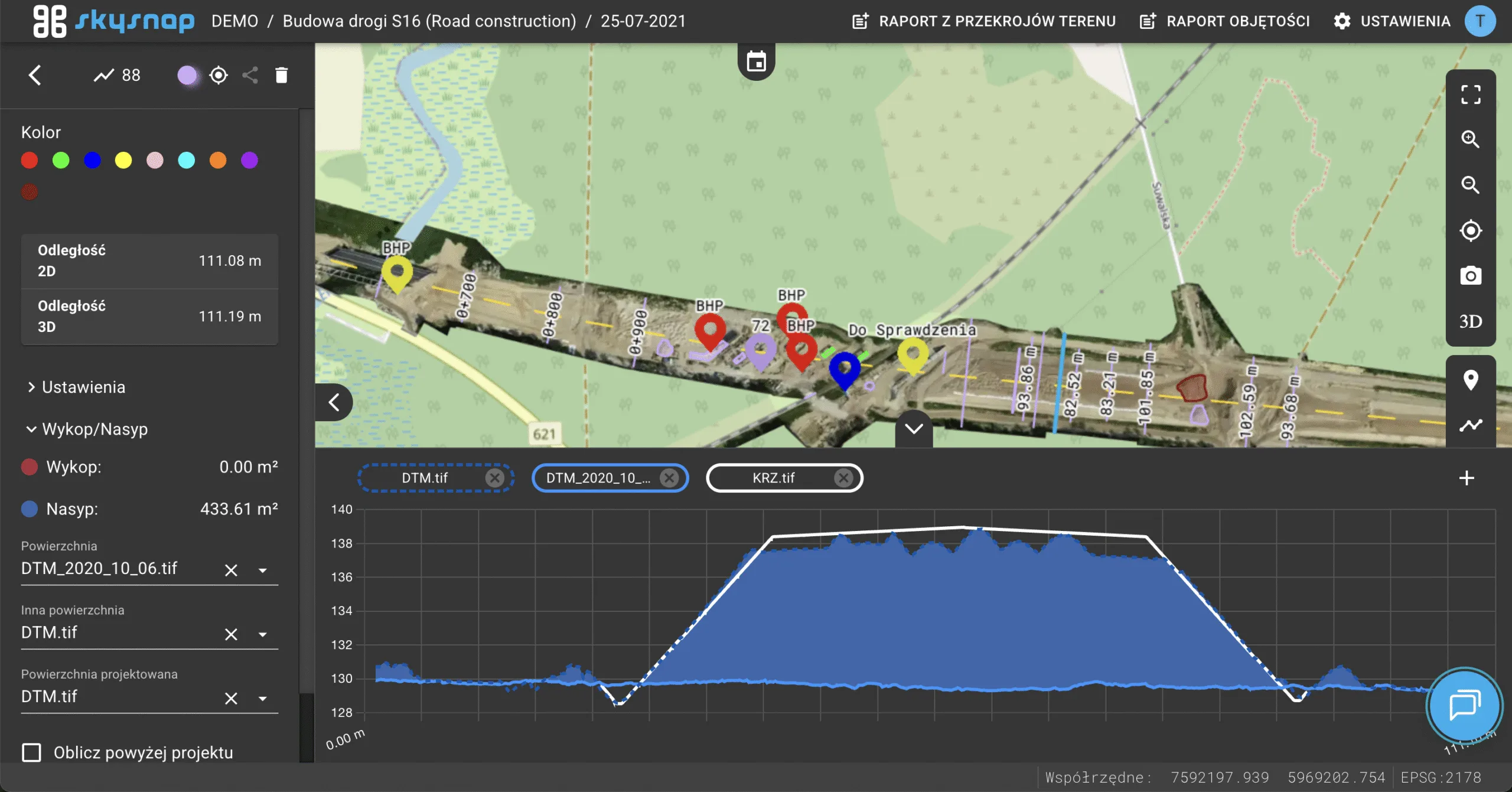
In the construction industry, orthophotos are used to monitor the progress of construction work and create site plans. They make it possible to keep track of changes on the construction site and adjust plans to actual site conditions.
In agriculture, orthophotos from a drone are used to monitor crop health and optimize the use of pesticides and fertilizers. With accurate maps, farmers can better manage their fields, resulting in higher yields and lower production costs.
In forestry, orthophotos are used to manage forest resources and monitor forest condition. They allow assessing the health of the stand, identifying areas in need of intervention and planning conservation measures.
Summary
Orthophotos from a drone are indispensable in many fields, thanks to their ability to take precise measurements and create detailed maps. They are used in surveying, construction, agriculture, forestry and natural resource management. With orthophotos from a drone, it is possible to obtain accurate data on the condition of the land, allowing for more informed decision-making.
Key findings and recommendations
To obtain accurate data on the condition of the land, orthophotos from a drone should be used. It is crucial to pay attention to the quality of the equipment and software used to create orthophotos. It is worth using professional companies that specialize in creating orthophotos from a drone. This will provide you with high-quality data that will allow you to make more informed decisions. Regularly updating the orthophotos and checking their accuracy will ensure that they always reflect actual field conditions, which is crucial for planning and managing various projects.
Free E-book
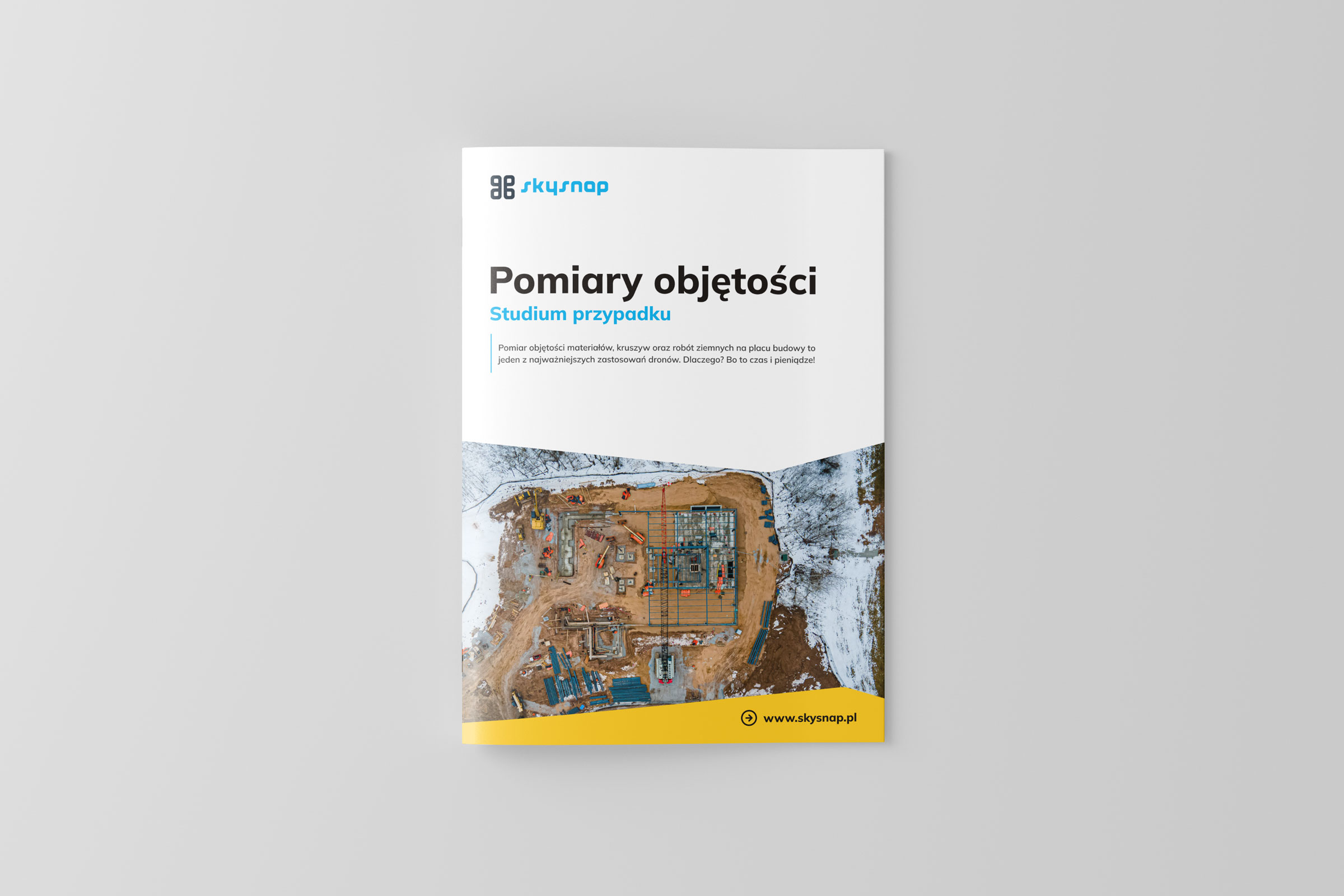
Learn how to prepare a mission step-by-step, avoid raid mistakes and create accurate orthophotos and 3D models. The perfect guide before your first commercial assignments.
Table of Contents:
Do you like the article? Share it with others!
Do you like the article? Share it with others!
Tips, news, insights
Related articles
Check out our articles and get the latest industry news.