Demand for drone services: How they are changing everyday life – A guide for everyone – SkySnap
Drone services are growing in popularity and are increasingly becoming an integral part of our daily lives. Thanks to their multifunctionality, drones are transforming the way we perform a variety of tasks – from package delivery to crop monitoring to rescue operations. Their use is not limited to the technology or logistics industries; drones are also successfully entering the private sphere, offering new opportunities for entertainment and security. In this guide, we will take a look at how these flying devices affect our environment and the benefits they can bring to various aspects of daily life.
Introduction to the world of drones
The world of drones is a rapidly growing industry that offers many new opportunities and applications in various fields. Unmanned aerial vehicles, commonly known as drones, are used in filmmaking, photography, agriculture, construction and many other sectors. The drone operator, or the person responsible for controlling this advanced device, plays a key role in this industry. The job of a drone operator requires specialized knowledge and skills, as well as several years of experience in various fields. As a result, drone operators can effectively perform tasks that were previously difficult or even impossible to perform.
Development of drone technology
History and evolution of drones
The origins of drone technology date back to the 20th century, when the first unmanned flying apparatuses were developed during World War I. Their development accelerated during World War II, when they began to be used for reconnaissance tasks.
In the 1960s and 1970s, drones became an integral part of military reconnaissance operations. Over time, the technology has evolved, allowing greater access to unmanned devices.
In the 21st century, drones began to gain popularity outside the military sector, entering the civilian market. Thanks to the miniaturization of technology and falling production costs, drones have become available to a wide range of users.
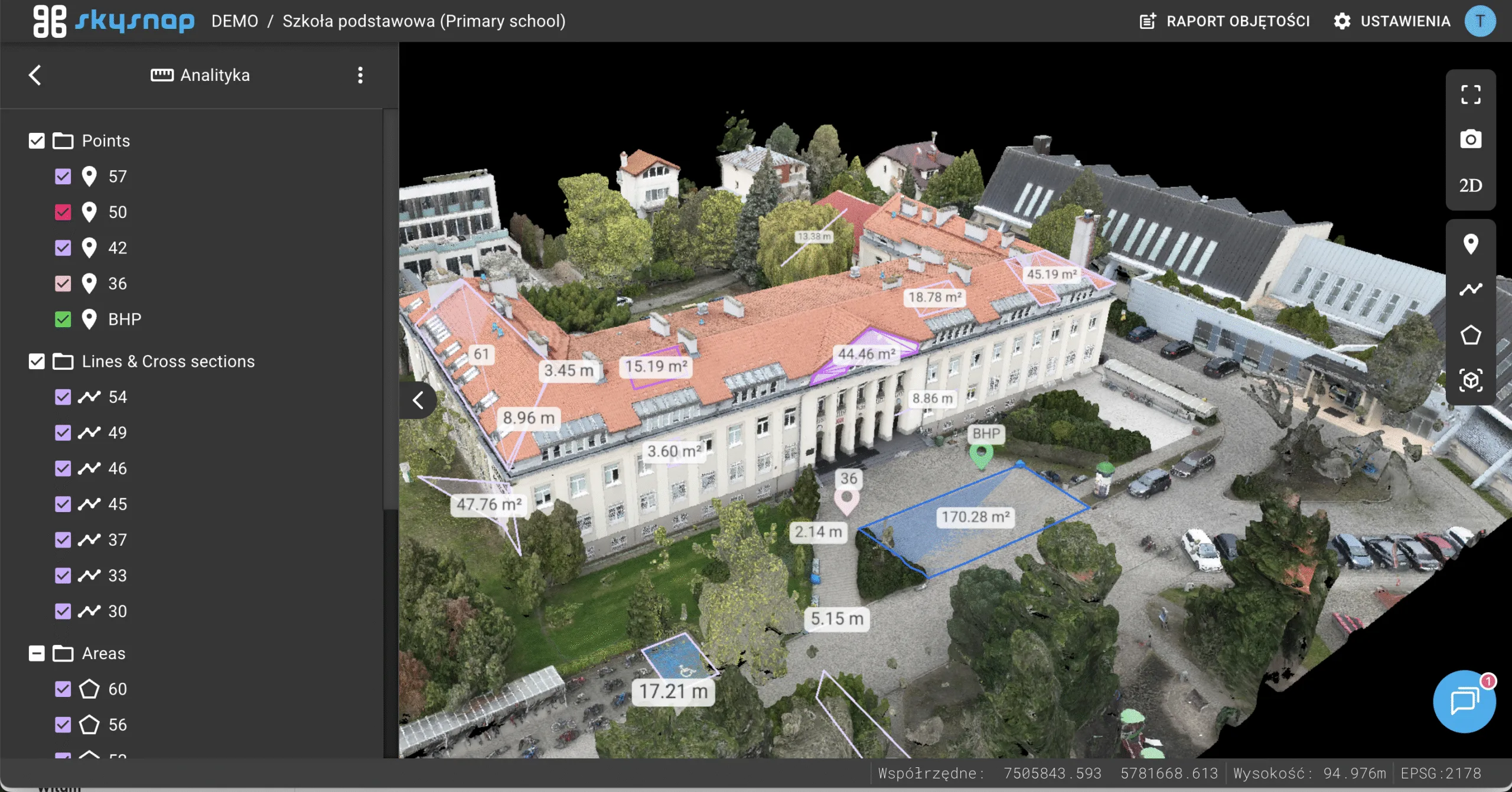
Today, they are used in a variety of fields, from photography and filming to goods delivery and environmental monitoring. Their versatility and innovation continue to drive the growth of this dynamic industry. Photogrammetry is one example of professional drone applications, used in fields such as photography, infrastructure inspection and surveying.
Modern drone applications
Drones have found many modern applications that are changing our daily lives.
In logistics, they act as fast suppliers, delivering packages directly to customers’ doors, which is especially useful in hard-to-reach areas.
In agriculture, drones equipped with cameras and sensors help monitor crops, allowing for precise resource management and increased yields.
In the film and photography industry, drones make it possible to create spectacular aerial shots that were previously unattainable.
In emergency services, drones are used to quickly search areas for missing persons, greatly improving the efficiency of search operations.
Also in the environmental sector, drones play an important role in monitoring endangered ecosystems.
Thanks to their versatility and advanced technology, drones continue to find new areas of application, affecting different areas of our lives.
The future of drone technology
The future of drone technology looks extremely promising, with many innovations on the horizon. Advances in artificial intelligence and machine learning will enable the creation of more autonomous drones capable of making complex decisions in real time.
The development of 5G technology will increase the range and reliability of communication between drones and their operators. In the coming years, we can also expect drones to become further widespread in urban spaces, such as in the form of flying cabs, which will revolutionize personal transportation.
Integration of drones with other technological systems will also be an important development, allowing more efficient management of urban infrastructure and airspace. At the same time, the growing importance of privacy and regulation will become key challenges that will shape the future of this rapidly growing industry.
Everyday uses of drones
Drones in delivery and logistics
Drones have revolutionized the delivery and logistics sector, introducing new options for transporting goods. Their ability to deliver packages quickly and accurately makes them ideal for companies seeking to reduce delivery times. With the ability to bypass traffic jams and hard-to-reach areas, drones can deliver shipments more efficiently than traditional methods.
In addition, the use of drones in logistics reduces operating costs and emissions, which has a positive impact on the environment. In the future, we can expect more and more integration of drones with intelligent warehouse management systems and delivery fleets, which will further improve logistics processes. The use of drones in logistics not only makes deliveries faster and easier, but also contributes to innovation throughout the supply chain.
Drones in agriculture
Drones are playing a key role in modern agriculture, bringing innovative solutions to farmers. With advanced cameras and sensors, drones can monitor the condition of crops in real time, providing accurate data on plant health, soil moisture and the presence of pests. The drone pilot, responsible for directly managing the drone flights, plays a key role in accurately monitoring and managing crops. Such analysis allows precise application of fertilizers and crop protection products, which increases production efficiency and minimizes environmental impact.
Drones in agriculture can also help manage large areas of land by providing detailed maps and data for crop planning. With them, farmers can make better decisions about managing their resources. As drone technology continues to evolve, their use in agriculture will become even more widespread, contributing to the productivity and sustainability of the agricultural sector.
Drones in photography and filming
Drones have revolutionized the photography and filming industry, offering new perspectives and creative opportunities. Taking bird’s-eye photos during special events such as weddings is becoming increasingly popular, attracting the attention of professionals and amateurs alike. With them, photographers and filmmakers can capture spectacular aerial shots that were previously available only to productions with big budgets. Drones make it possible to capture dynamic scenes, both in urban environments and in nature, adding visual dynamism to artistic and commercial projects. Equipped with high-quality cameras, drones deliver images with pristine sharpness and color.
Their maneuverability and ease of use make them usable in hard-to-reach places, opening up new possibilities for creative expression. As technology develops, drones are becoming increasingly accessible to amateurs, democratizing access to professional photographic tools. Their role in photography and filmmaking will continue to grow, inspiring new generations of artists to explore uncharted horizons.
Professional drone services
Professional drone services are gaining popularity among clients looking for modern and innovative solutions. Drones equipped with cameras and other advanced devices can be used to take photos and videos from a bird’s eye view, providing a unique perspective and opening up new creative possibilities. Drone operators provide services in a variety of industries, including film, advertising and construction. Thanks to drones, it is possible to create spectacular shots that were previously only available to productions with big budgets. Professional drone services allow projects to be completed at the highest level, providing clients with exceptional and unique footage.
Applications in various industries
Drones are widely used in a variety of industries, bringing benefits in many fields.
In agriculture, drones are used to monitor crops and detect diseases, allowing for precise resource management and increased yields.
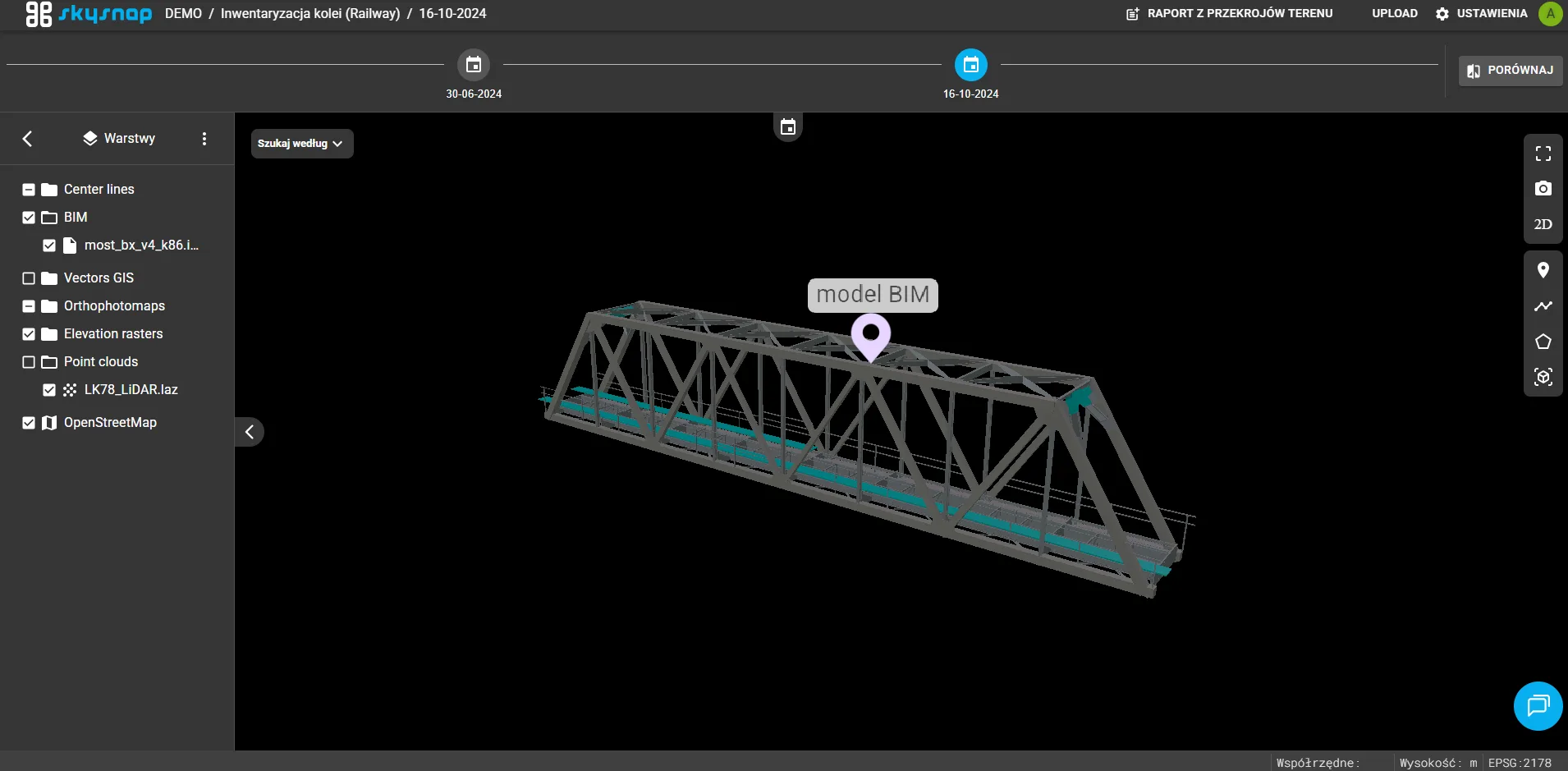
In the construction industry, drones can be used to inspect buildings and bridges, enabling quick detection of damage and failures.
In rescue, drones play a key role in delivering aid to hard-to-reach areas, greatly increasing the efficiency of rescue operations.
Thanks to their versatility, drones are becoming an invaluable tool in many industries, bringing innovative solutions and improving the efficiency of operations.
Examples of innovative projects
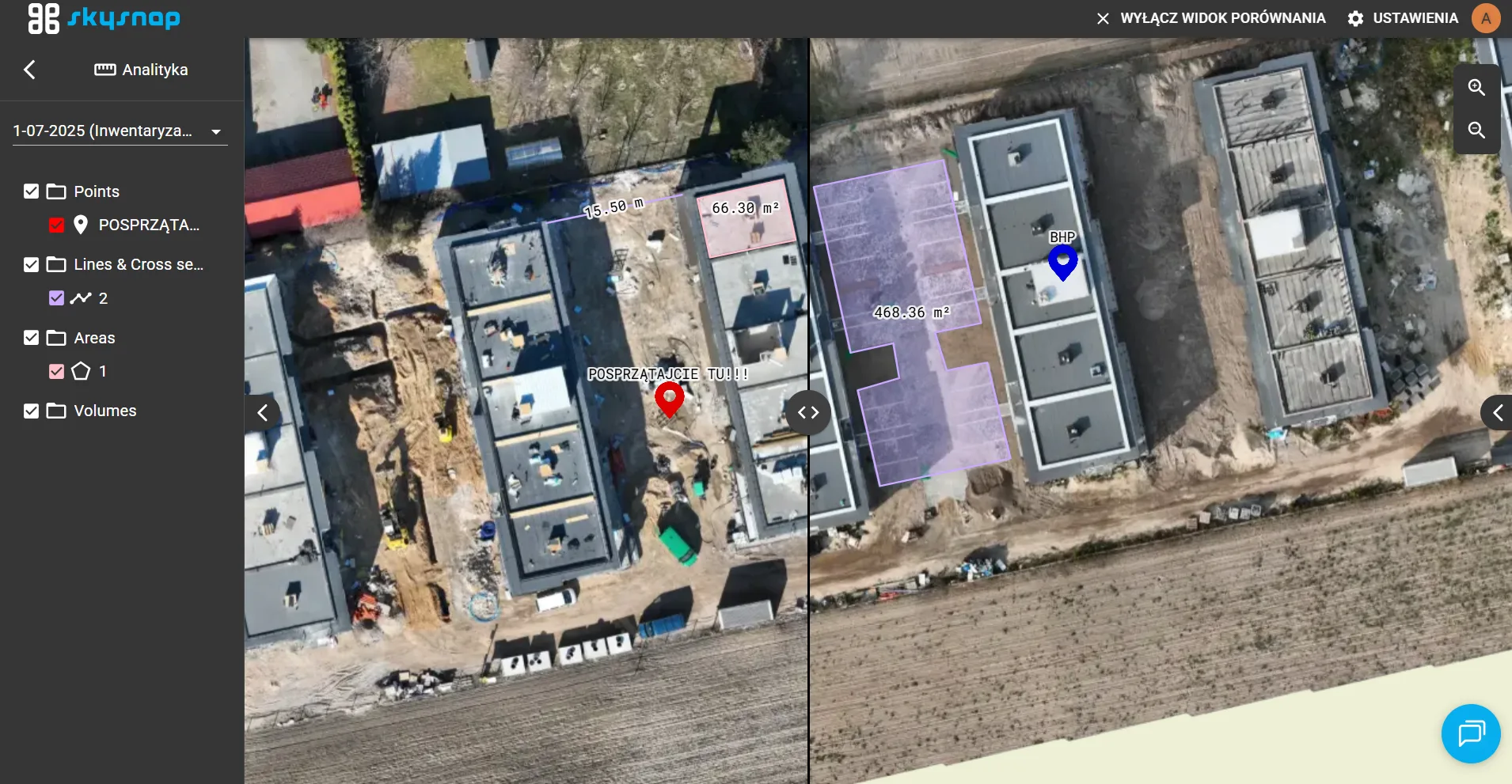
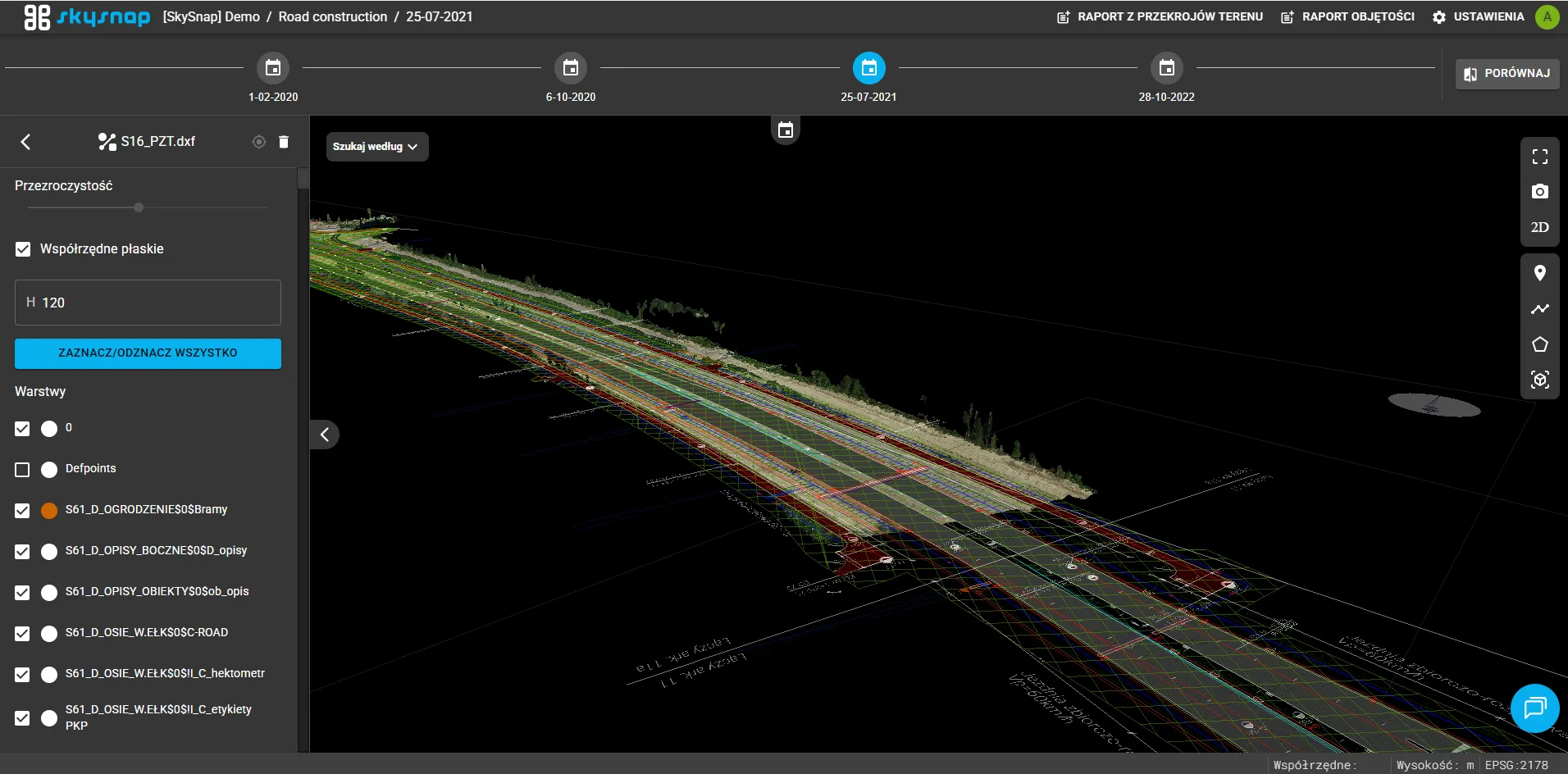
There are many examples of innovative projects in which drones play a key role. For example, drones can be used to create detailed maps and 3D models, allowing for better planning and space management. In environmental monitoring, drones provide valuable data, making it possible to detect changes and failures in ecosystems. With advanced technologies, drones can also support scientific research by providing information from hard-to-reach locations. Innovative projects using drones are opening up new opportunities and contributing to the development of many fields.
Impact of drones on society
Changes in workplaces
The introduction of drones into various industries is significantly changing the workplace landscape. Drones are automating many tasks that previously required human labor, which could lead to job losses in some sectors, such as logistics and construction. However, at the same time, they are creating new employment opportunities in fields related to their operation, maintenance and programming.
The growing demand for drone professionals is creating new career paths that require new skills and training. The job of drone pilot is a dynamic and promising career that combines innovative technologies and a variety of applications, such as filming, infrastructure inspection and data management, and requires appropriate qualifications and knowledge of the regulations governing the profession. Drones also improve workplace safety by eliminating the need for humans to perform dangerous tasks, such as when inspecting structures at high heights or in hard-to-reach areas. As drone technology continues to evolve, its impact on the labor market will deepen, transforming traditional employment models and posing new challenges for adapting to changing professional conditions.
Security and privacy
With the growing popularity of drones, security and privacy issues are becoming increasingly important. Drones, with their ability to record video and audio, have the potential to violate individuals’ privacy, raising concerns among the public. In response to these challenges, many countries are introducing regulations to protect citizens’ privacy, limiting the ability to record without consent. In addition, placing the operator’s number on the device when the drone is used for private purposes or borrowed for an extended period of time ensures the identification of the person responsible and promotes compliance with regulations, making drone use safer.
On the other hand, the safety associated with drone use is crucial, especially in crowded urban spaces, where possible malfunctions can endanger people and property. This calls for the establishment of strict operational standards and the implementation of modern safety technologies. In addition, it is necessary to educate drone operators on the responsible use of these devices. Balancing the benefits of drones with the potential risks to safety and privacy will be key to their further development and public acceptance.
Drone regulations
With the development of drone technology, regulation of their use is becoming an essential element to ensure safety and order in the airspace. Many countries have developed detailed regulations on where and how drones can be used. These regulations often include device registration, operator training, and restrictions on flying in populated areas and near airports. In addition, regulations are designed to protect the privacy of citizens by limiting the ability to monitor without the consent of those involved. The introduction of these regulations helps minimize the risk of collisions and other incidents related to drone use. At the same time, these regulations need to be flexible to keep up with rapid technological advances. Therefore, it is crucial that lawmakers remain in dialogue with drone manufacturers and users, adapting the law to changing technological needs and capabilities.
Drones and environmental protection
Monitoring climate change
Drones are playing an increasingly important role in monitoring climate change, providing valuable data to scientists and environmentalists. With advanced sensors and thermal imaging cameras, drones are able to collect information on temperature, humidity and other environmental parameters from hard-to-reach areas such as Arctic regions and tropical jungles.
Drone flights within line-of-sight are classified as open flights, which is important for monitoring the environment, while flights beyond that range require special qualifications and compliance with regulations. This makes it possible to observe processes, such as glacial melting or deforestation, with unprecedented accuracy. Drones also allow rapid response to natural disasters, such as forest fires, by monitoring their spread and assessing damage. With these capabilities, drones are becoming an invaluable tool in climate change research and environmental efforts. Their role is sure to grow as technology continues to develop, enabling even more comprehensive and precise research.
Saving wildlife
Drones are playing an important role in saving wildlife, offering new opportunities to monitor and protect endangered species. Increasingly, drones are being used for these purposes, allowing for more effective tracking and protection. Thanks to their ability to move through hard-to-reach areas, drones can track animals’ movements and observe their natural habitat without disturbing them. They are used to locate and monitor populations of endangered species, which helps make decisions about conservation efforts. In addition, drones can be used to detect and prevent illegal activities such as poaching and logging. Equipped with thermal imaging cameras, they are able to identify nocturnal activities that are invisible to the human eye. In this way, they help protect wildlife and preserve biodiversity. As drone technology continues to develop, their use in wildlife conservation will become even more widespread and effective.
Sustainable development through drones
Drones contribute to sustainable development by offering innovative solutions for environmental protection and sustainable resource management.
Their use in precision agriculture optimizes the use of water, fertilizer and pesticides, resulting in a lower environmental burden.
In logistics, drones can reduce carbon emissions by replacing traditional delivery vehicles, especially over short distances.
In the energy sector, drones are being used to inspect wind and solar farms, allowing for faster and more efficient fault detection.
In addition, drones are supporting restoration initiatives in degraded areas by monitoring restoration processes and natural habitat restoration. Through these applications, drones are becoming a key tool in sustainability efforts, helping to create a greener and more sustainable future. As technology develops, their role in this regard will become even more significant.
Jobs in the drone industry
Drone work is a rapidly growing field that offers many new opportunities and applications. Drone operators must have specialized skills and knowledge, as well as several years of experience in various fields. Working in the drone industry requires continuous training and development to stay abreast of new technologies and trends. Drone operators have the opportunity to work in various sectors, from agriculture to construction to the film industry. This allows them to carry out a variety of projects, gaining valuable experience and developing their skills. Working in the drone industry is not only a challenge, but also an opportunity to develop a career in a modern and innovative field.
The future with drones
New opportunities and challenges
The development of drone technology is opening up new opportunities while posing challenges that we must overcome. On the one hand, drones offer tremendous potential in many areas of life, from revolutionizing transportation and logistics, to advanced scientific research, to innovative medical applications, such as delivering medical equipment to hard-to-reach places. On the other hand, the growing number of drones in the airspace requires the development of effective regulations and traffic management systems to ensure public safety. Executing planned missions and ensuring safety during flights are key tasks for drone operators.
In addition, issues of privacy, cybersecurity and liability for potential harm present new challenges, requiring cooperation between governments, technology companies and the public. As drones become more integrated into our daily lives, it will be necessary to balance their potential with the need to protect societal and individual interests.
Drones in education and science
Drones bring a new perspective to education and science, offering innovative tools for teaching and research. In education, drones can be used to teach programming, engineering and math, engaging students through hands-on experiences and projects. Drones, or drones used to learn how to fly and inspect buildings, are becoming increasingly popular in schools and universities. Their use in schools and universities not only stimulates creativity, but also promotes the development of technical skills that are essential in the modern world.
In the natural sciences, drones enable ecological and geographic research, providing data from hard-to-reach locations and allowing observation of natural phenomena in a non-invasive manner. With them, it’s possible to monitor environmental changes and collect data that can aid in making conservation decisions. As drone technology continues to develop, their role in education and science will gradually increase, contributing to the discovery of new horizons of knowledge.
Innovative drone projects
Innovative drone projects are gaining popularity, transforming a vision of the future into reality. One such project is the development of drones to deliver medicine and medical equipment to remote and hard-to-reach regions, which could greatly improve access to healthcare.
Another promising area is the use of drones for infrastructure construction and maintenance, where they can inspect bridges, towers and other structures, minimizing risks to workers.
In the urban transportation sector, passenger drones have the potential to revolutionize the way people travel in cities, reducing congestion and cutting travel times.
In addition, precision agriculture projects enable more efficient management of resources, which contributes to increased yields and environmental protection.
As drone technology evolves, innovative designs will continue to open up new opportunities, offering solutions to the challenges of today’s world.

Free E-book
Measuring the volume of materials, aggregates and earthworks on a construction site is one of the most important uses of drones. Why? Because it’s time and money! Download our short e-book and learn how you can monetize your passion with drones.
Table of Contents:
Do you like the article? Share it with others!
Do you like the article? Share it with others!
Tips, news, insights
Related articles
Check out our articles and get the latest industry news.