How are surveying maps from a drone changing surveying? – SkySnap
Surveying maps from a drone is revolutionizing the way we view and use surveying. Thanks to advanced technology, drones make it possible to quickly, accurately and efficiently create maps that previously required complex equipment and lengthy processes. The use of drones in surveying not only speeds up the entire process, but also increases the precision of measurements, which is extremely important in fields such as construction, urban planning and environmental protection. In this article, we’ll take a look at how drone surveying maps are impacting modern surveying, what benefits they bring, and what challenges they may present. We invite you to discover this modern technology that is changing the face of traditional surveying.
Introduction to surveying maps from a drone
What are surveying maps from a drone?
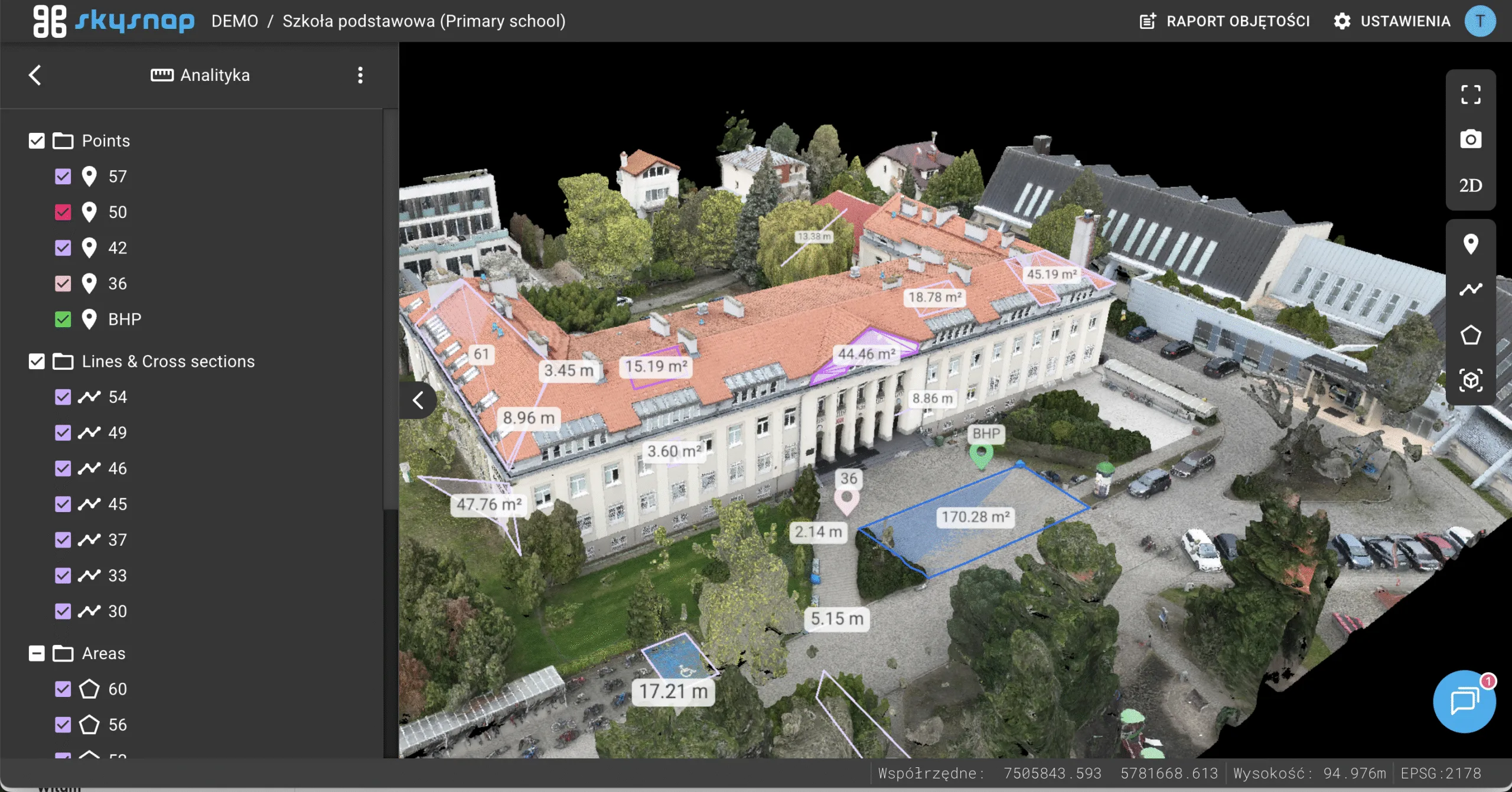
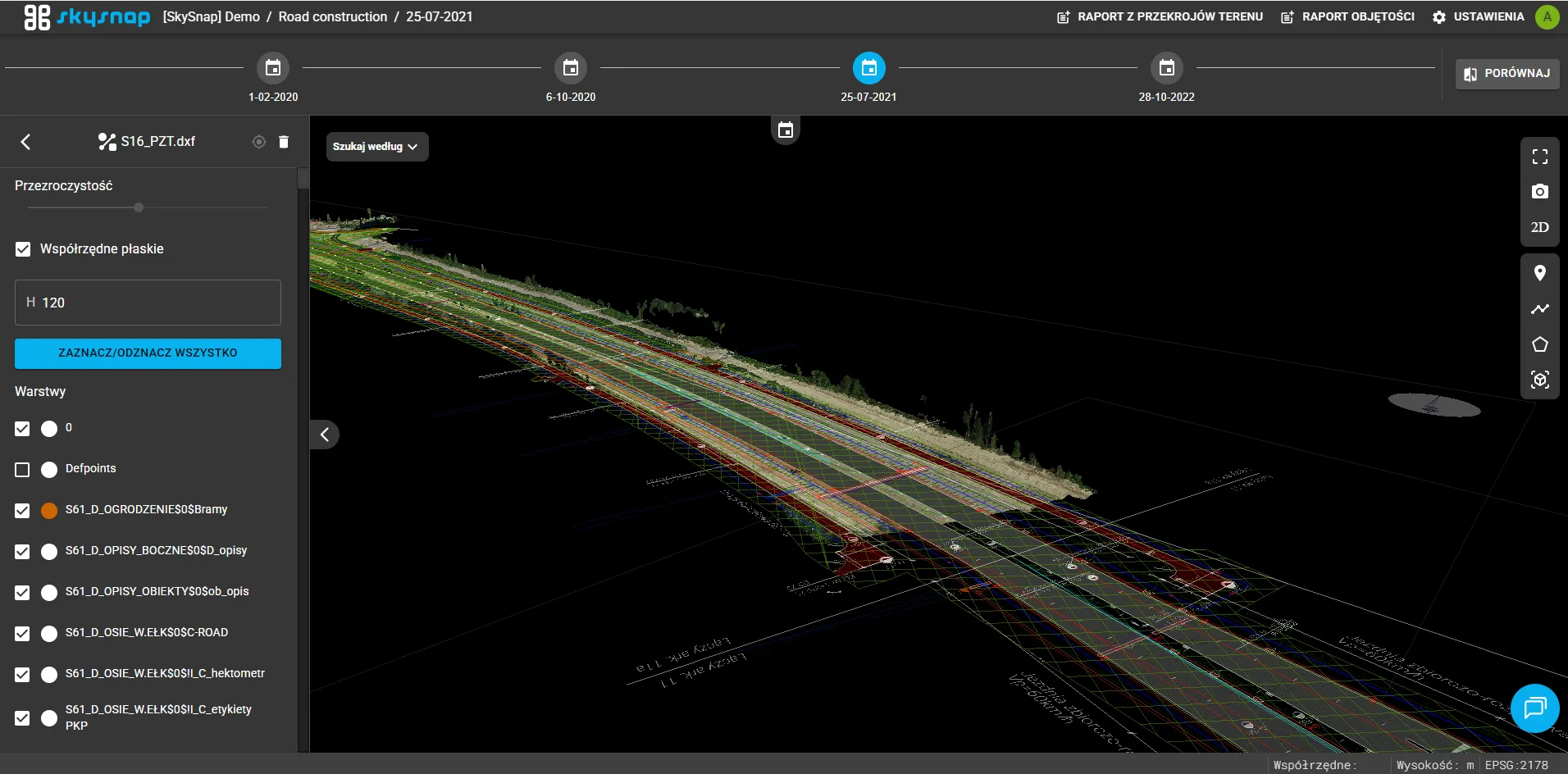
Surveying maps from a drone is a modern tool that uses unmanned aerial vehicles to create accurate terrain models. Drones are equipped with advanced sensors and cameras that capture data about the earth’s surface with high precision. The collected information is then processed using specialized software that generates detailed 3D maps. Such maps make it possible to analyze the land from a perspective that was previously difficult to achieve with traditional surveying methods. This makes it possible not only to collect data quickly and efficiently, but also to interpret it accurately and apply it to various projects. These maps are finding applications in fields such as construction, agriculture, and environmental management, offering new opportunities for development and process optimization.
History and development of drone technology
Drone technology has its roots in military applications from the early 20th century, when the first prototypes were used for reconnaissance purposes. Over the years, the technology has evolved, becoming more accessible and versatile.
In the 1980s and 1990s, drones began to be used for civilian purposes, mainly in photography and surveillance.
The breakthrough came at the beginning of the 21st century, when technological advances allowed miniaturization and lower production costs, paving the way for widespread use of drones in various fields, including surveying.
Today, drones are integral to many industries, enabling precision mapping, infrastructure inspection, and environmental analysis. Their development is still ongoing, and new technologies such as artificial intelligence and machine learning promise even greater possibilities in the future.
Why drones in surveying?
Drones have gained popularity in surveying for a number of reasons.
- Above all, they offer significant time and cost savings compared to traditional measurement methods.
- Thanks to their mobility and ability to cover large areas quickly, drones can collect data in just a few hours, which previously took days or even weeks.
- Their high-precision sensors and cameras allow the creation of accurate 3D models, which are essential for planning and implementing construction projects. Drones offer precise measurements that are crucial in construction and engineering projects.
- Drones also allow access to hard-to-reach areas, making surveyors’ work safer by eliminating the need to physically be in potentially dangerous areas.
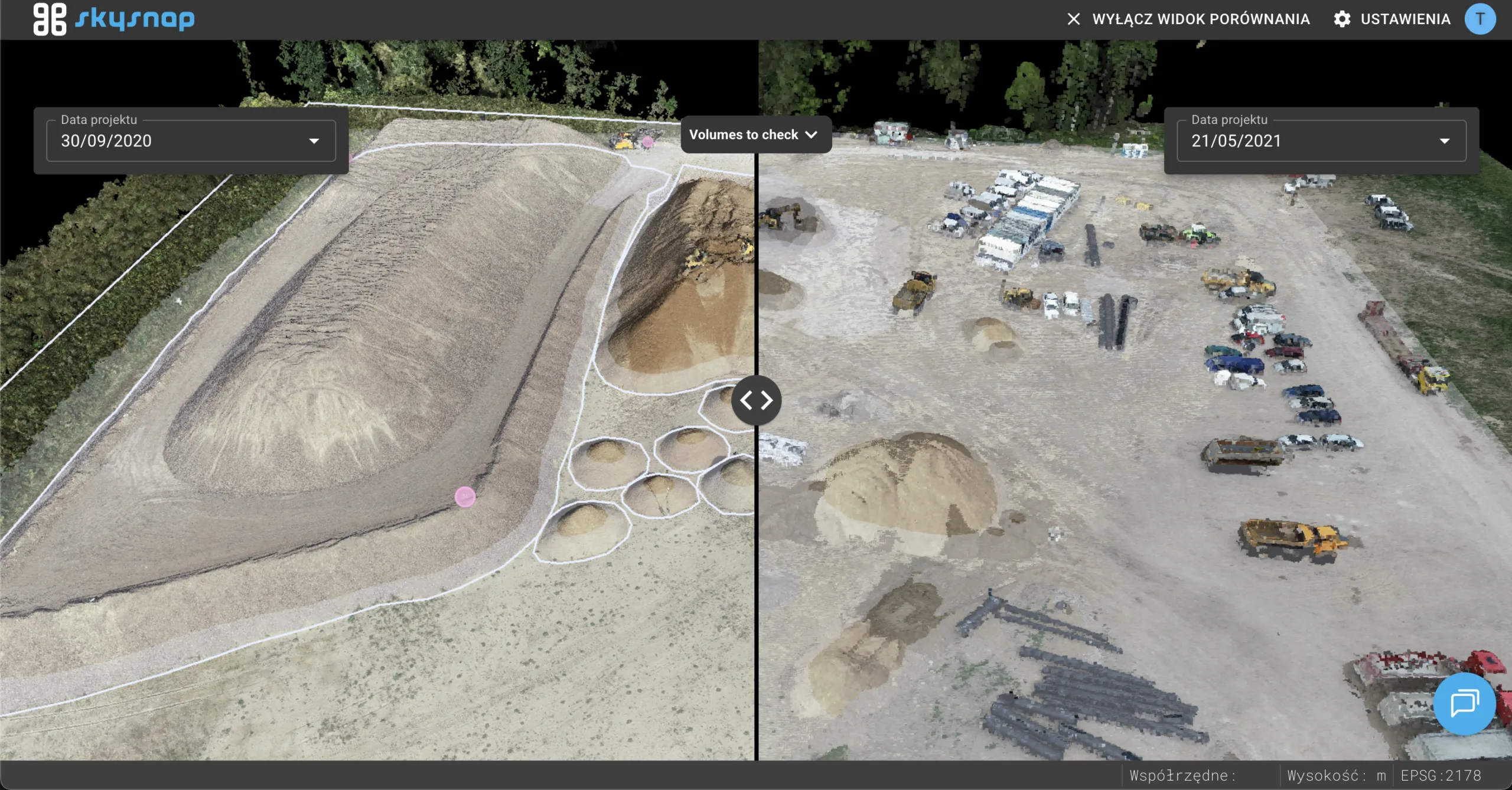
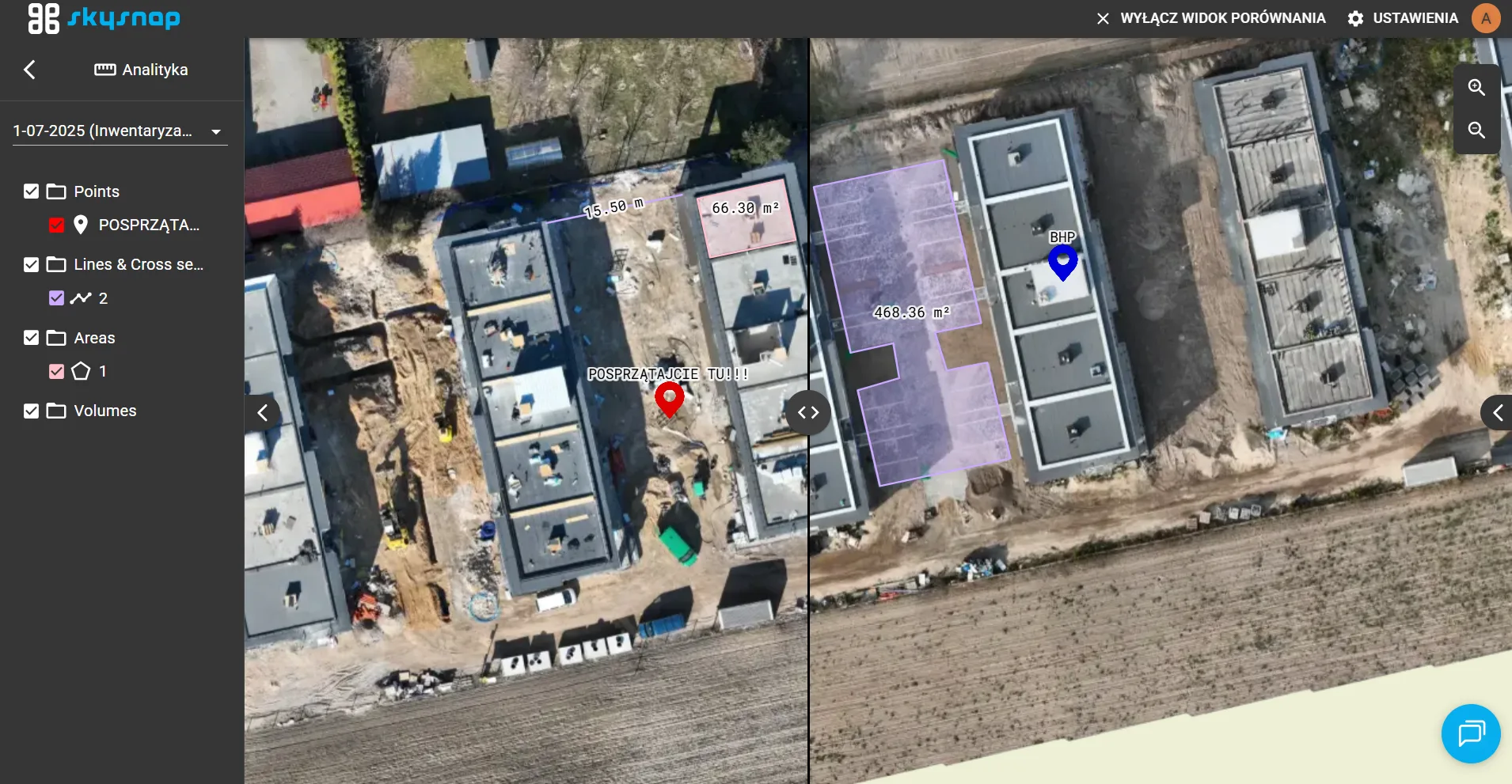
- In addition, drones offer the ability to regularly monitor changes on the ground, which is crucial for managing natural resources or infrastructure.
All these factors make drones an invaluable tool in modern surveying.
Advantages of using drones in surveying
Speed and efficiency of measurements
Drones significantly increase the speed and efficiency of surveying in surveying, which is one of their key advantages. Traditional measurement methods often require complicated logistics and considerable human labor. Drones, on the other hand, can collect data from large areas in a short period of time, saving both time and money. Because drones can fly at low altitude, they enable the collection of detailed data that is precise and timely.
The automation of flights and the ability to program a route reduce the time needed to prepare and execute surveys, which is especially important for projects that require a quick response. Thus, the use of drones in surveying not only speeds up processes, but also increases the productivity of surveying teams, enabling them to complete more projects in less time.
High precision and accuracy of data
Drones offer extremely high precision and data accuracy, making them indispensable tools in surveying. Drones offer high accuracy in creating maps and terrain models. Equipped with advanced sensors and cameras, drones are able to capture even the smallest details of the terrain, which is crucial for creating accurate 3D models. Thanks to GPS technology and navigation systems, drones are able to pinpoint their location, which translates into the quality of the data they collect. Compared to traditional surveying methods, which can be prone to human error, the use of drones minimizes the risk of mistakes.
In addition, drones can take measurements in hard-to-reach areas, providing comprehensive data where traditional methods fail. The high accuracy of drone data supports decision-making processes in construction, urban planning and environmental management, enabling projects to be implemented with greater confidence and precision.
Reduction of operating costs
The use of drones in surveying leads to a significant reduction in operating costs. Traditional surveying methods often require a large number of personnel, specialized equipment, and long lead times, resulting in high costs. Drones eliminate many of these requirements, as they require fewer personnel to operate and the time required to complete surveys is significantly shorter.
In addition, drones can be deployed quickly in the field, reducing costs associated with logistics. With their ability to collect accurate data in a short period of time, companies can reduce expenses on equipment rentals and extended projects.
Additionally, by minimizing the risk of human error and being able to regularly monitor the progress of projects, drones help avoid costly corrections and delays, ultimately leading to more efficient management of financial resources. Drones also allow for quick response to potential problems, which increases efficiency and saves time in surveying projects.
Applications of geodetic mapping from a drone
Urban planning and infrastructure
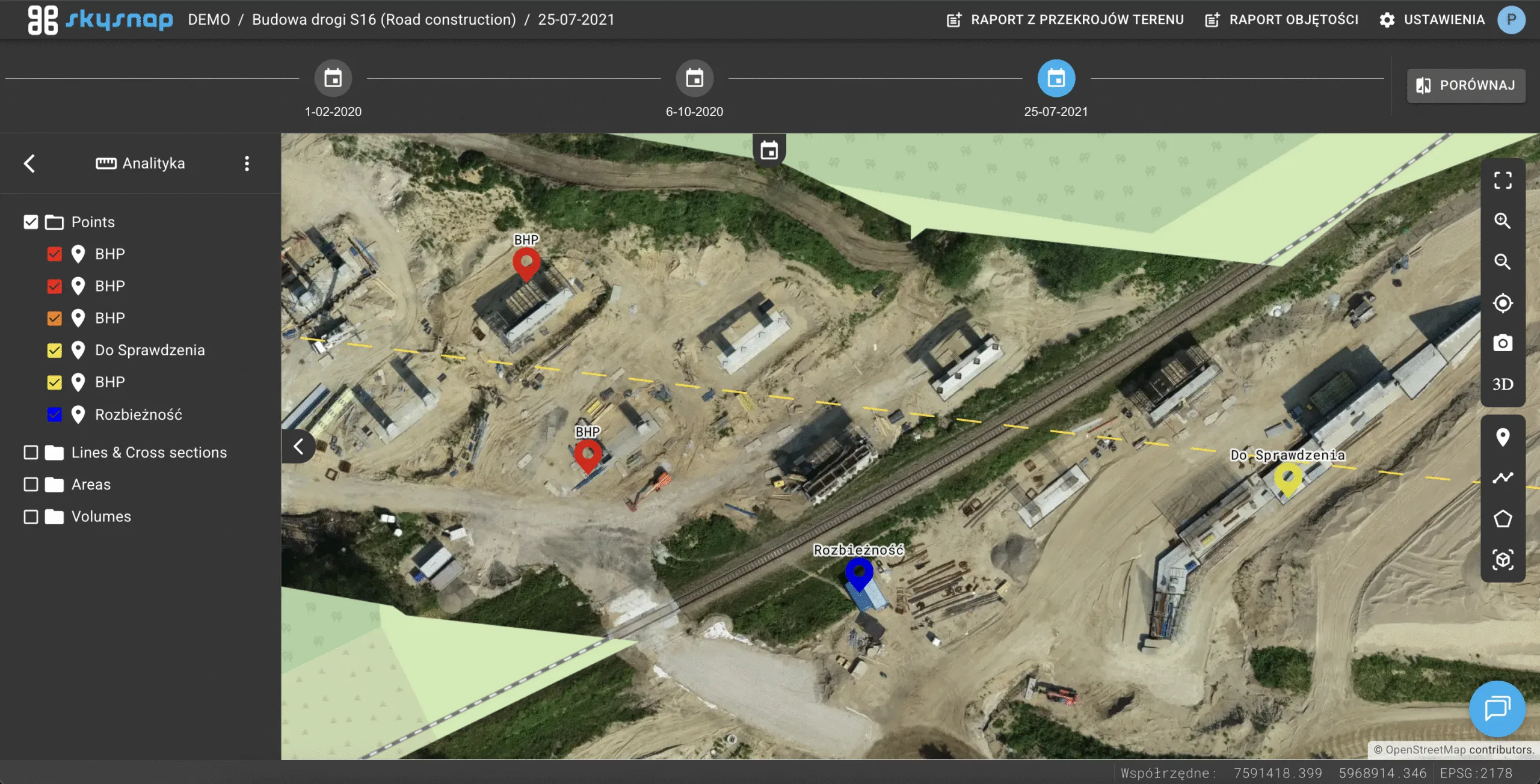
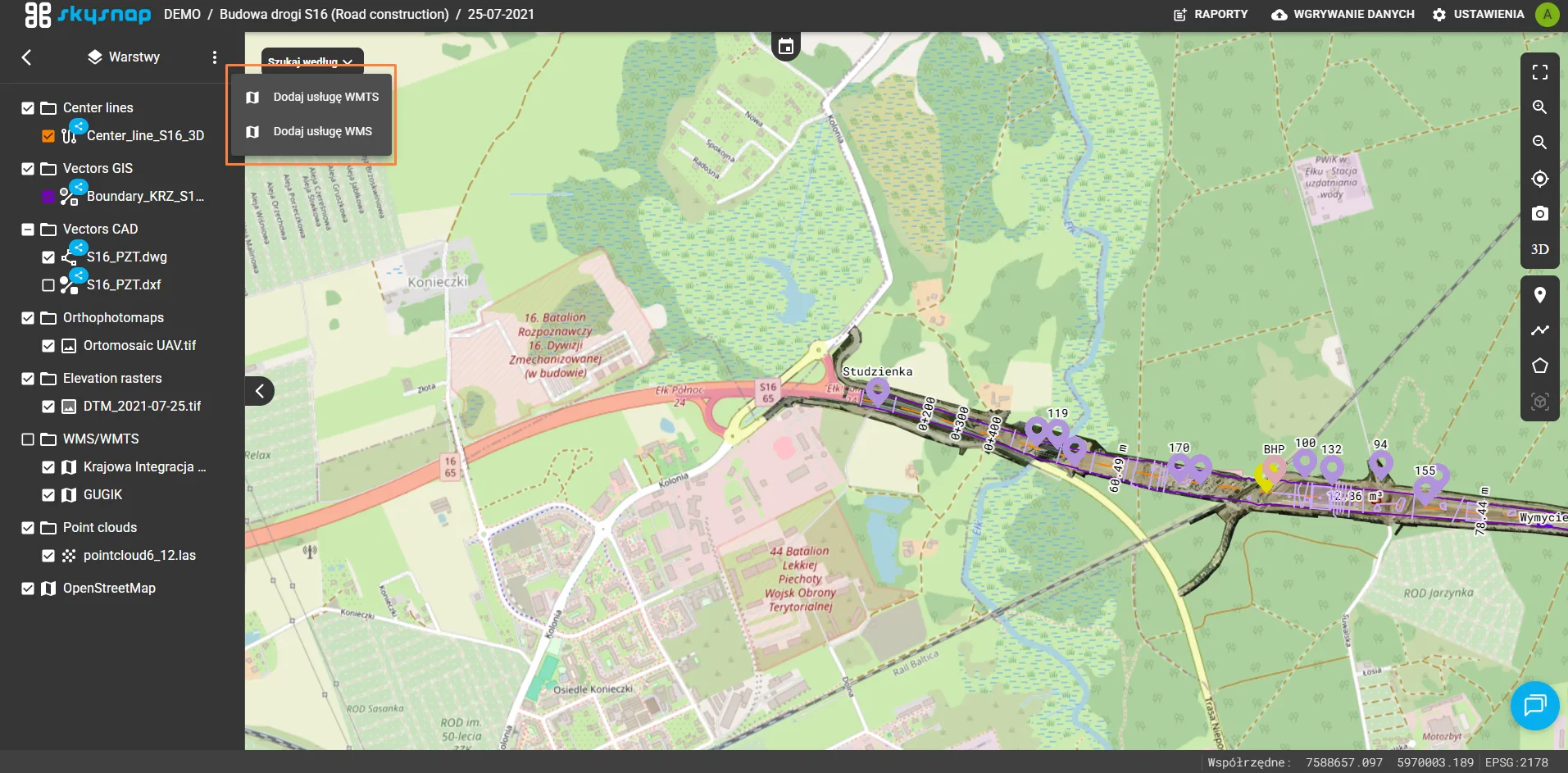
Survey maps from a drone are widely used in urban planning and infrastructure development. Orthophotos from a drone are used for design and planning purposes, especially in the context of major construction projects. With the ability to create accurate 3D models of the area, drones provide invaluable data that support decision-making processes in urban planning. They allow assessment of site conditions, identification of obstacles and analysis of potential sites for development.
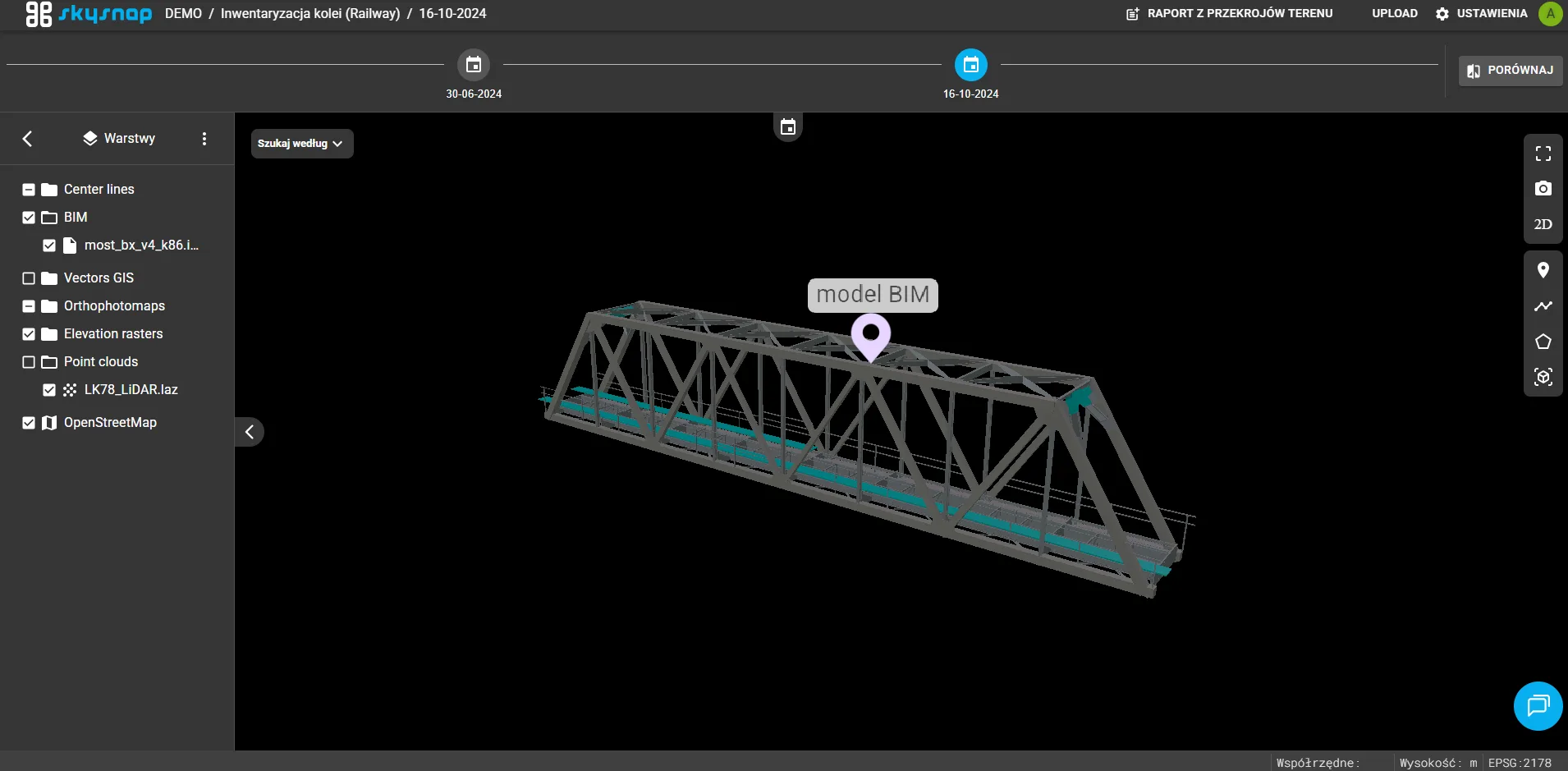
In the context of infrastructure, drones make it possible to continuously monitor the condition of roads, bridges and other structures, which is crucial for keeping them in proper working order. With regular inspections, it is possible to quickly detect damage and plan maintenance work, which translates into increased public safety.
In addition, maps from the drone support the design of new developments, enabling their precise location and optimizing the use of space. As a result, urban planning and infrastructure management become more efficient and based on reliable data.
Natural resource management
Surveying maps from a drone plays a key role in natural resource management. Drones create detailed terrain models using point clouds, which is important for planning and analyzing areas. With the precise data that drones collect from large areas, it is possible to monitor and analyze the state of the environment in real time.
- They make it possible to map forests, assess tree health, track changes in vegetation cover or detect illegal logging.
- In agriculture, drones help monitor crops, assess their performance and identify areas in need of intervention, which supports sustainable farming practices.
- In the context of water management, drones make it possible to monitor water levels, assess the condition of reservoirs and identify flood risks.
With these capabilities, the management of natural resources becomes more efficient and based on up-to-date data, which supports environmental protection and sustainable development efforts.
Monitoring environmental changes
Drones equipped with advanced sensors and cameras are extremely effective in monitoring environmental changes. In addition, drones enable terrain visualization, which supports topographic analysis and urban planning. Regular drone flights make it possible to track ecosystem dynamics, such as changes in vegetation cover, soil erosion and the condition of water bodies. As a result, scientists and environmentalists can quickly respond to adverse changes such as droughts, floods or degradation of green spaces. Drones also make it possible to assess the effects of human activity, such as by monitoring the effects of industrial activity or urbanization. The data collected is invaluable for forecasting long-term environmental trends and making conservation decisions. With precise and frequent measurements, appropriate corrective actions can be implemented and sustainable development strategies can be planned. In this way, drones are becoming a key tool in the fight for ecological sustainability and environmental protection.
Orthophotos from a drone
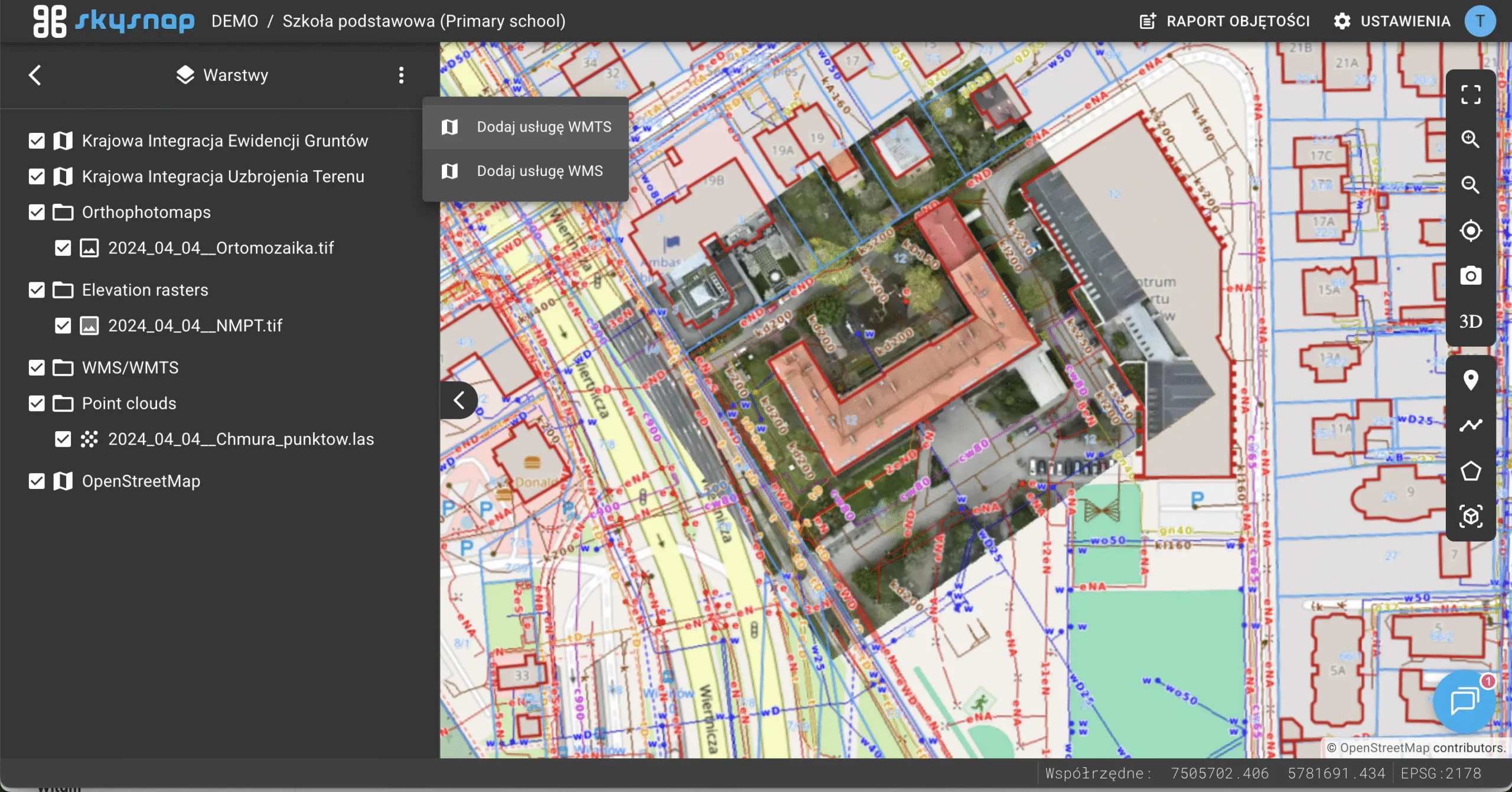
Orthophotos from a drone are a modern tool used in surveying, civil engineering and urban planning. With the use of drones, it is possible to collect data from large areas quickly and efficiently, resulting in time and cost savings. Orthophotos from a drone are widely used in various fields such as construction, agriculture, environmental protection and natural resource management. Through the use of drones, it is possible to obtain detailed and precise maps, which are invaluable in decision-making and planning processes. The use of orthophotos from a drone allows for accurate analysis of terrain, identification of potential problems and optimization of projects, which is crucial for effective management of space and resources.
Production of orthophotos
Taking an orthophoto from a drone is a multi-step process.
- The first step is to perform a raid over the selected area, during which the drone captures aerial photos.
- Then, the collected data is processed using specialized software to create a precise and detailed orthophoto.
- Orthophotos from a drone are characterized by high accuracy and resolution, which allows them to be used for design and planning purposes.
- Thanks to advanced processing algorithms, it is possible to obtain an orthophoto that faithfully represents the real state of the terrain, which is extremely important in surveying, civil engineering and urban planning.
The use of drones to create orthophotos allows for quick and efficient data collection, saving time and resources.
Numerical terrain models
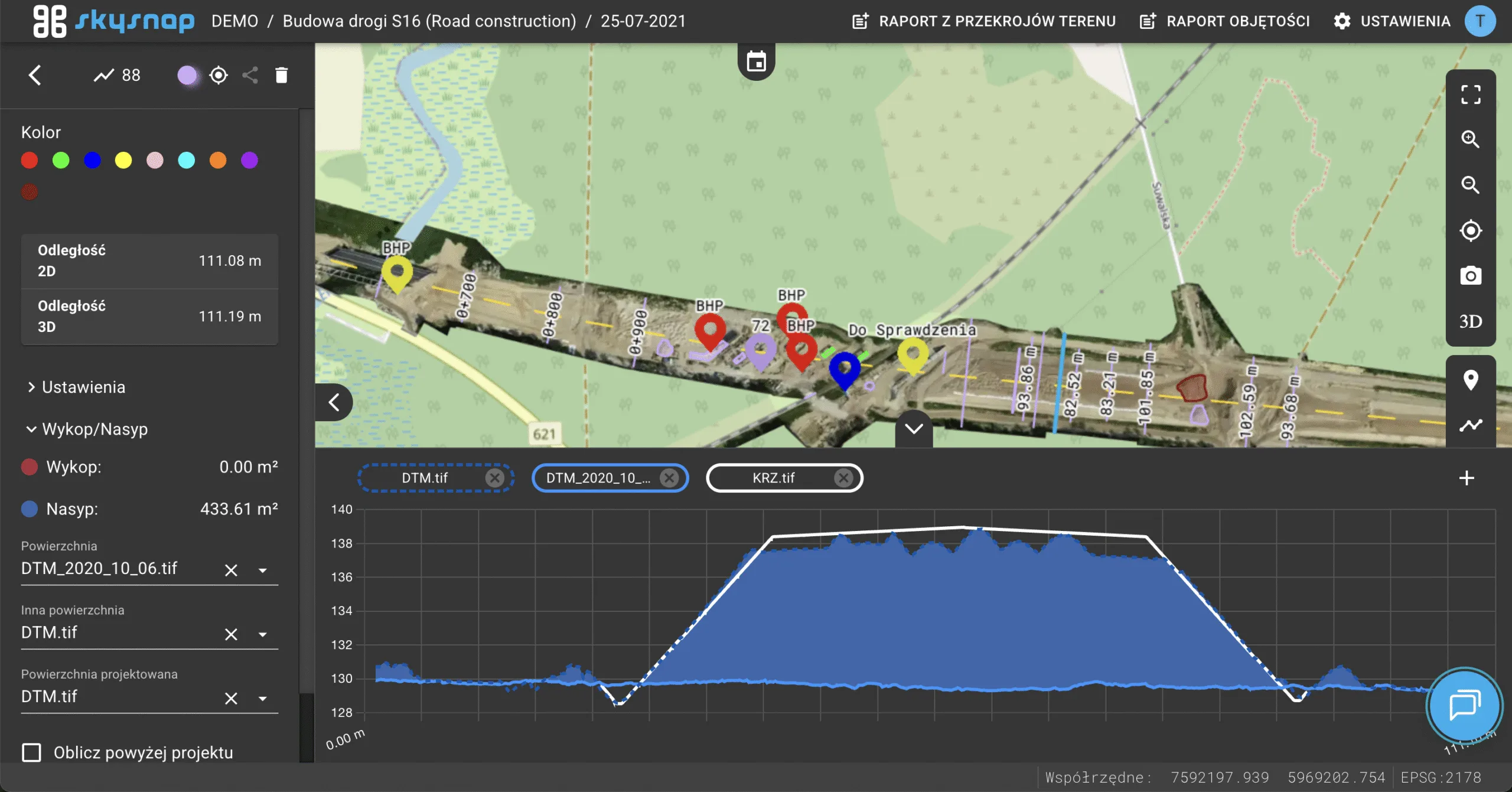
Numerical terrain models (NMT) are one of the products that can be obtained using orthophotos from a drone. NMTs are digital representations of the land surface that reflect its elevation and terrain. Numerical terrain models are used in surveying, civil engineering and urban planning because they enable precise analysis and simulation.
Through the use of NMT, it is possible to obtain detailed terrain information, which is indispensable in projects requiring high precision. Numerical terrain models make it possible to accurately represent the topography of the land, which is crucial in design processes such as the construction of roads, bridges and other infrastructure facilities. The use of drones to create NMT enables fast and efficient data collection, which saves time and resources and increases the precision of measurements.
Tools and software
In order to take orthophotos from a drone, it is necessary to use specialized tools and software. Drones equipped with cameras and sensors are an essential piece of equipment.
In addition, data processing software such as Dji Terra is used to create accurate orthophotos and numerical terrain models. The use of modern technology and software makes it possible to obtain high-quality data and complete projects in a short time. Thanks to advanced processing algorithms, it is possible to obtain detailed and precise maps, which are invaluable in decision-making and planning processes.
Drone data processing tools and software enable fast and efficient data collection, saving time and resources and increasing the precision of measurements.
The future of surveying using drones
Innovative technologies and tools
The future of surveying with drones is inextricably linked to the development of innovative technologies and tools. Drones provide up-to-the-minute data on the progress of the work, allowing for ongoing verification of compliance with project plans.
The integration of artificial intelligence (AI) and machine learning allows automatic processing and analysis of data, which significantly increases operational efficiency.
Drones equipped with LiDAR technologies enable even more accurate terrain mapping, capturing even small irregularities in the ground surface.
In addition, the development of cloud technology makes it easy to store and share the vast amounts of data collected by drones, facilitating collaboration and project planning.
Innovative 3D visualization software enables the creation of detailed terrain models that can be used in simulations and analysis.
These cutting-edge technologies not only speed up and simplify surveying processes, but also open up new possibilities for drone applications in surveying, making them an even more versatile tool of the future.
Anticipated trends in applications
Drone applications in surveying are expected to continue to grow in the coming years, driven by new technologies and changing market needs.
- One of the main trends will be the integration of drones with other monitoring systems, allowing for the creation of more comprehensive and integrated databases.
- There will also be an increase in the use of drones in climate change monitoring and emergency management, where precise data can support rescue efforts and the planning of sustainable adaptation strategies.
- The development of autonomous drones that can operate without human supervision will further reduce costs and increase operational efficiency.
- In addition, growing environmental awareness will drive drone applications in redevelopment and environmental projects.
All these trends indicate that drones will become an even more crucial element of modern surveying, offering new opportunities and increased value in various sectors of the economy.
Challenges and technological limitations
Despite its many advantages, the use of drones in surveying also faces some challenges and technological limitations.
- One of the main problems is the drones’ limited flight time due to battery capacity, which can be an obstacle when mapping large areas.
- In addition, drones are susceptible to atmospheric conditions, such as high winds and rainfall, which can affect measurement accuracy and flight safety.
- Another challenge is the processing of the huge amounts of data that drones are able to collect in a short period of time. This requires sophisticated software and powerful data storage and analysis systems.
- For commercial applications, drone flight regulations can also be a constraint, especially in the context of airspace.
These challenges require continued development of the technology and adaptation to changing conditions to fully realize the potential of drones in surveying.
Applications
Summary of benefits
The use of drones in surveying brings numerous benefits that significantly affect the efficiency and precision of projects.
- First of all, drones speed up the data collection process, saving time and resources.
- Their ability to map hard-to-reach areas increases work safety and minimizes the risk of errors.
- Drones provide precise data that is crucial for accurate planning and implementation of construction projects and natural resource management.
- With advanced sensors and data processing capabilities, drones enable ongoing monitoring of environmental and infrastructure changes. The drones enable ongoing tracking and assessment of the progress of the work, allowing problems to be identified faster and necessary corrections to be made.
- In addition, the reduction in operating costs resulting from their use makes them an attractive option for many industries.
All these aspects make drones an invaluable tool in modern surveying, offering wide-ranging capabilities and real benefits in various fields.
Industry development prospects
The future of the surveying industry using drones is full of promising prospects. Drones offer high accuracy in data collection, which increases operational efficiency. As technology advances, drones will become even more advanced, offering greater functionality and precision in data collection.
- Integration with technologies such as artificial intelligence and machine learning will automate many analytical processes, increasing operational efficiency.
- In addition, the development of LiDAR technology and other sensors will open up new possibilities in mapping and monitoring land.
- As regulations become more favorable to commercial drone use, the industry will be able to grow even more rapidly.
- The importance of drones in the context of sustainable development will also increase, where their use will help protect the environment and manage natural resources.
All these factors indicate that drones will play a key role in the future of surveying, bringing new opportunities and challenges to the industry.
Free E-book
Learn proven methods for pricing jobs: From building structures to large linear and space raids. This guide will help you earn effectively and confidently.
Table of Contents:
Do you like the article? Share it with others!
Do you like the article? Share it with others!
Tips, news, insights
Related articles
Check out our articles and get the latest industry news.