Introduction to drone software
Advanced drone software is playing an increasingly important role in our daily lives, affecting a wide variety of fields. Drones, once mainly associated with entertainment or specialized military applications, are now being used in agriculture, logistics, rescue, and even everyday package deliveries. Thanks to technological advances in software, drones have become more autonomous, precise and versatile. In this publication, we take a look at how these innovative tools are changing our lives, simplifying many processes and introducing new opportunities that seemed beyond our reach just a few years ago.
What is drone software?
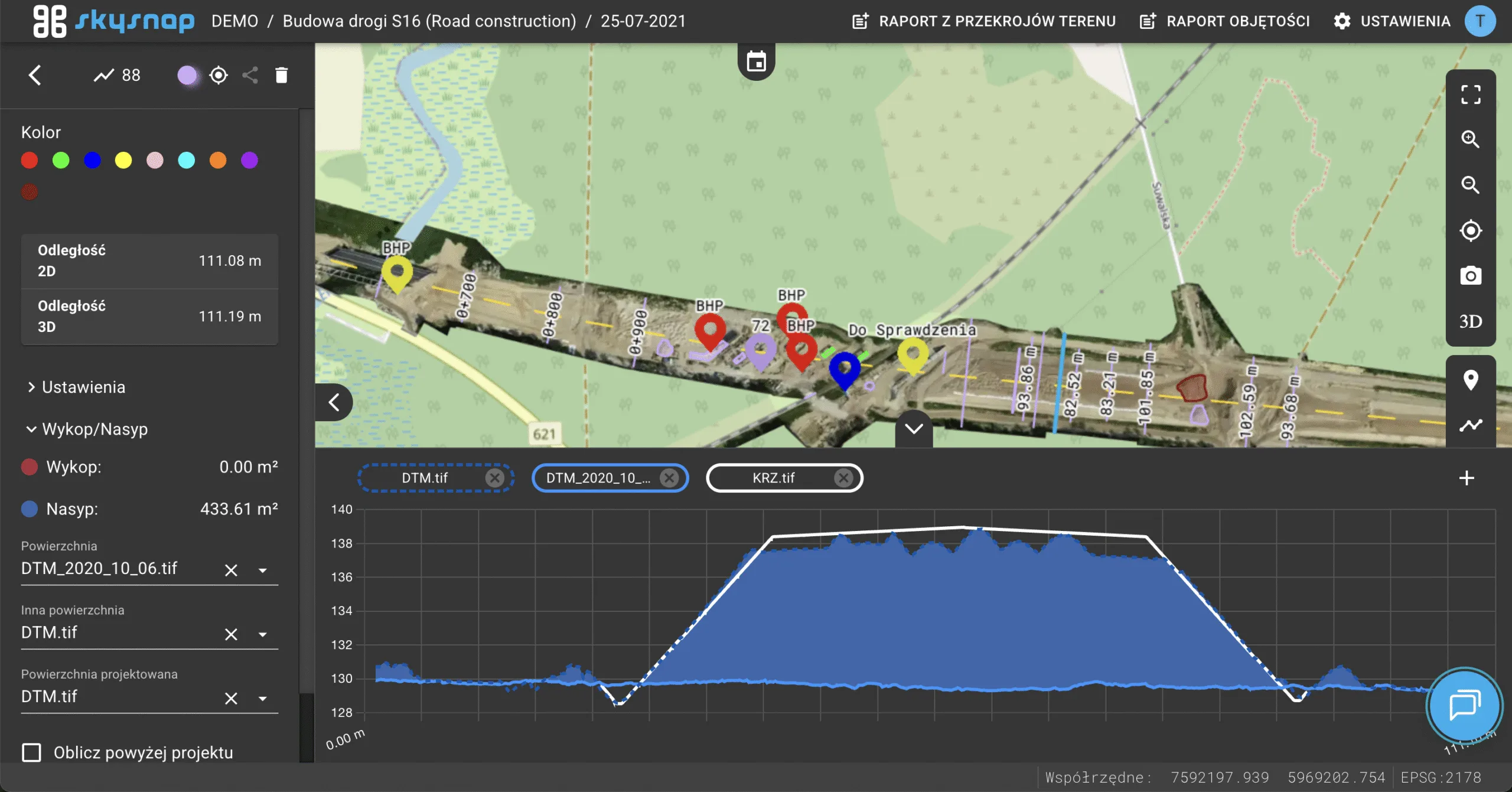
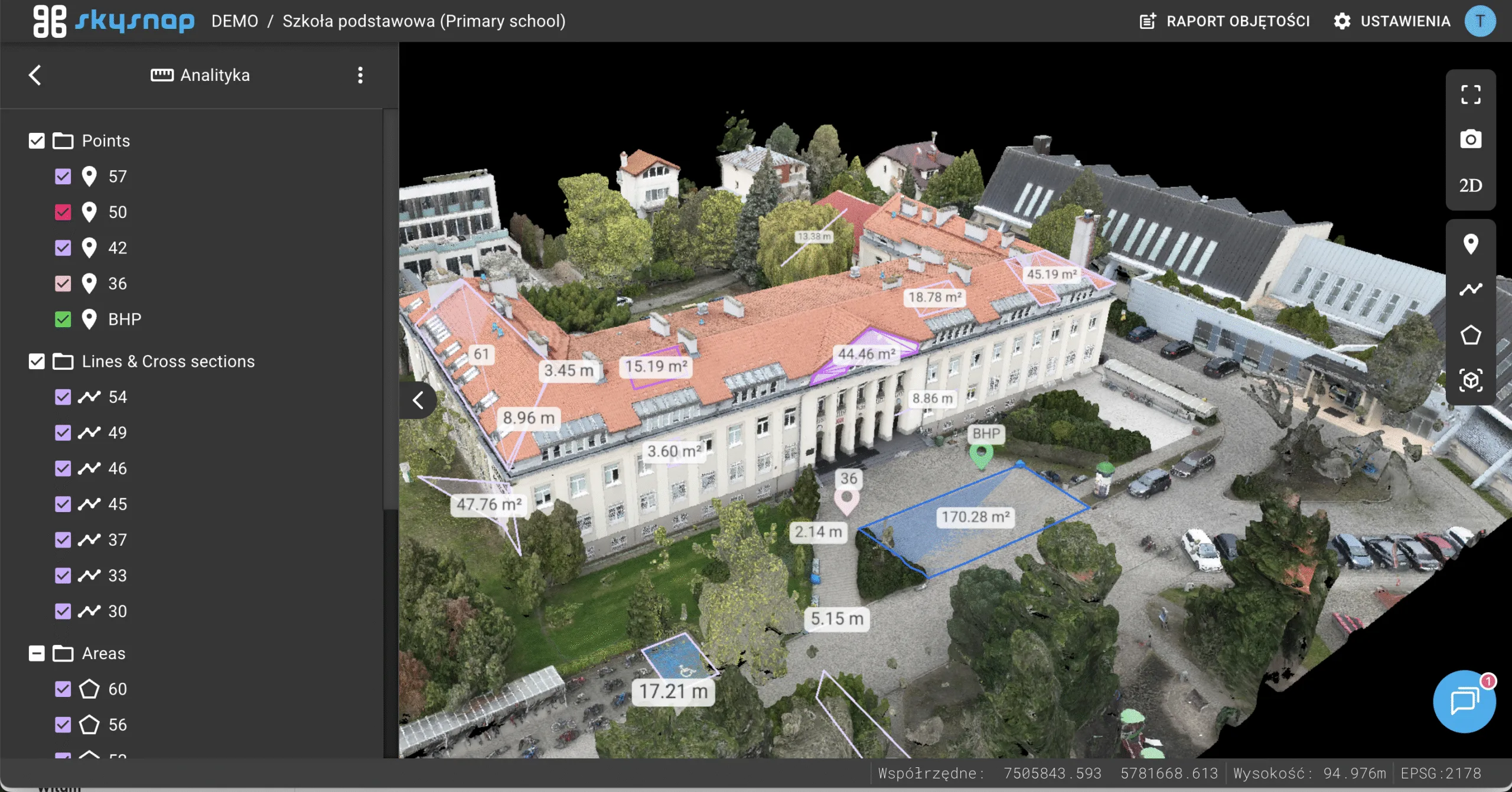
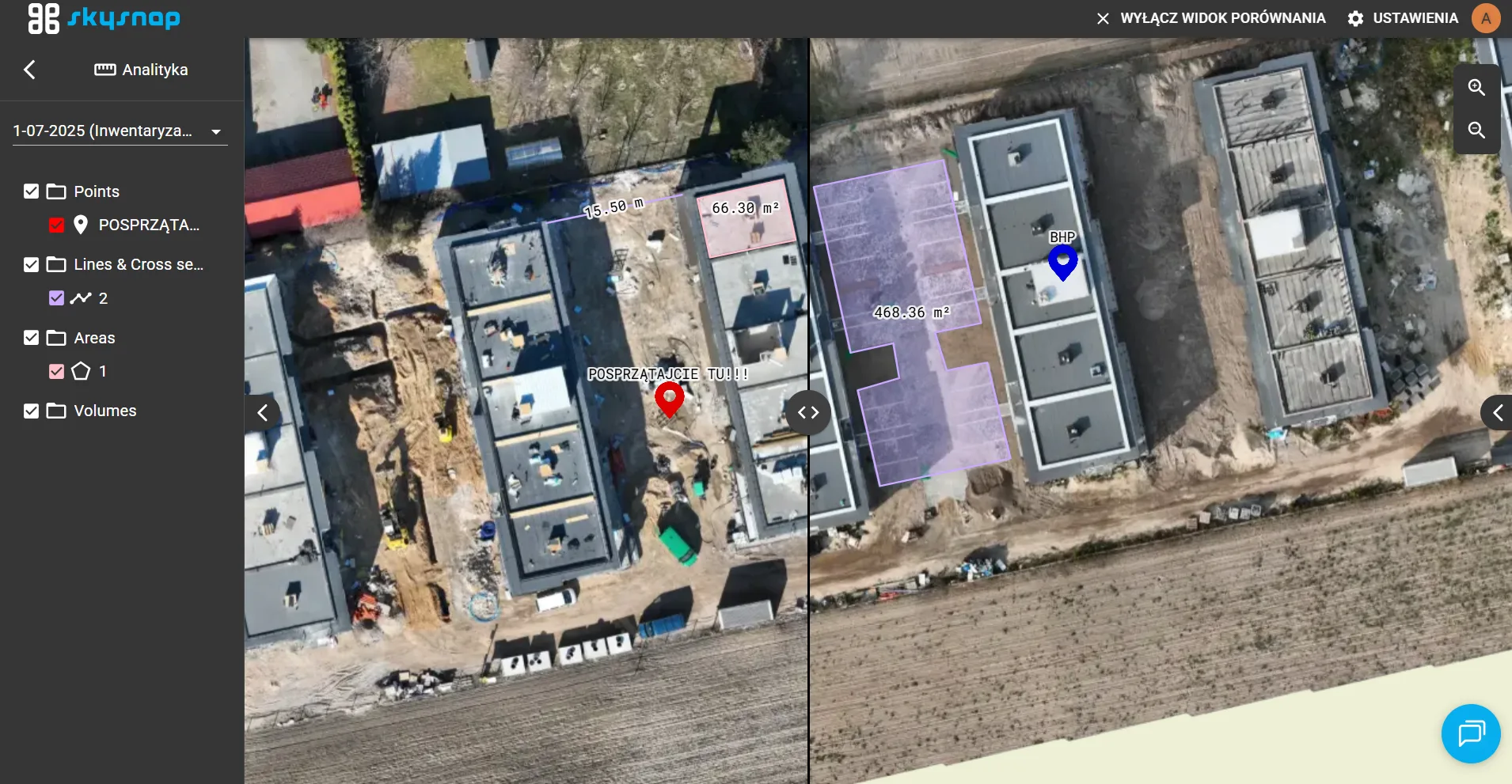
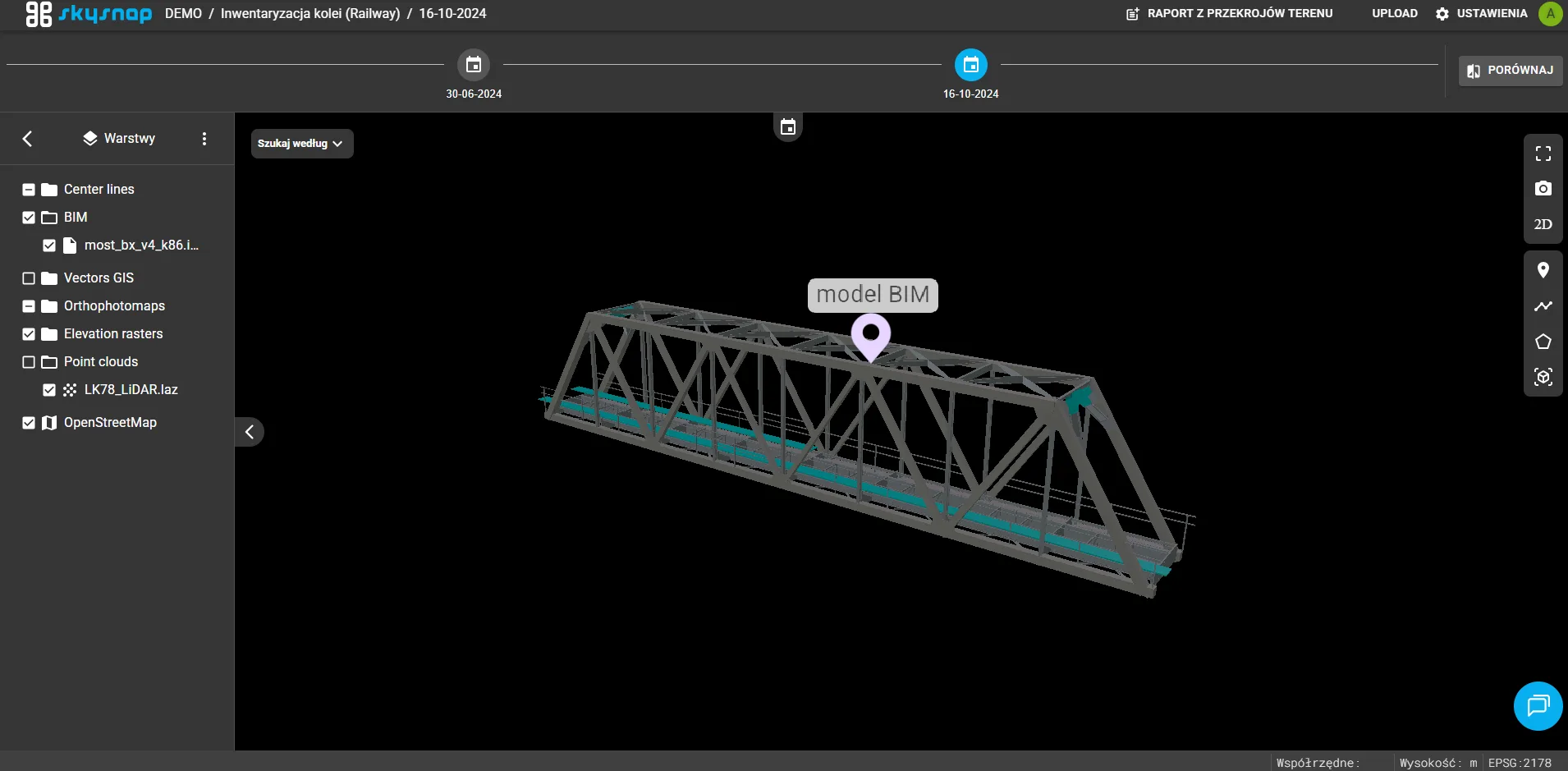
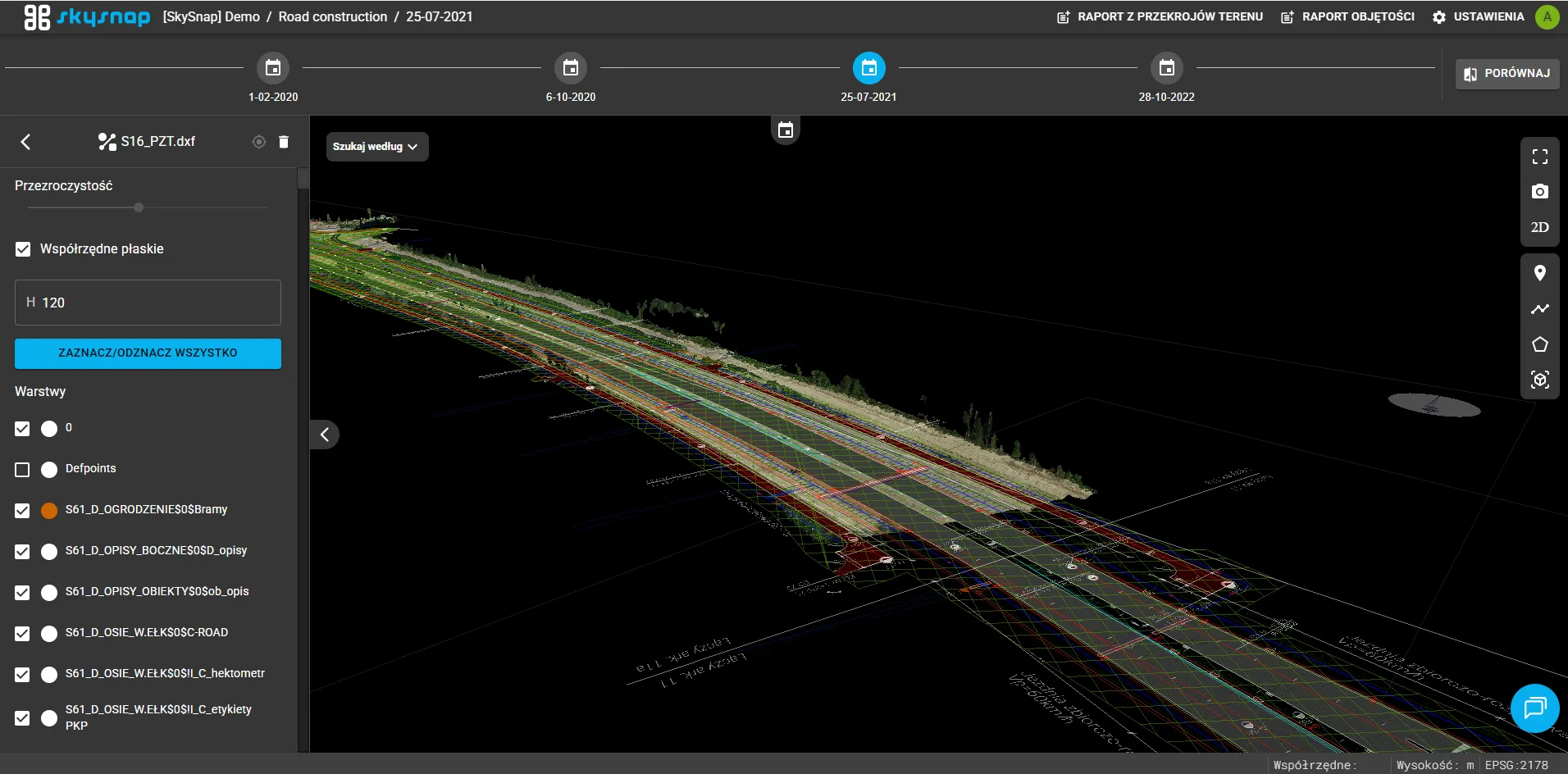
Drone software is a set of computer programs that control drone functions and operations. Its main purpose is to enable drones to fly autonomously, navigate and perform tasks according to specific instructions. This software includes both flight control systems and analytical applications for processing data collected by the drone’s sensors.
This enables drones to perform complex maneuvers, avoid obstacles and respond to changing environmental conditions. In addition, modern software often integrates with GPS systems and cameras, allowing precise mapping of terrain or real-time monitoring of objects. As technology advances, drone software is becoming more advanced, opening up new opportunities for various sectors of the economy.
A brief history of drone development
The development of drones dates back to the early 20th century, when the first unmanned aerial vehicles were used primarily for military purposes. The first models were simple and mechanical, with limited control capabilities.
As technology advanced in the 1960s and 1970s, drones began using more advanced electronic systems, which increased their precision and range.
In the 1990s. there has been a significant breakthrough with the introduction of global positioning systems (GPS) and modern communication systems. This has allowed the development of more complex models capable of carrying out advanced missions.
In recent years, with the development of digital and mobile technologies, drones have become more accessible to a wider range of users. Drone software has evolved, enabling applications in fields ranging from agriculture to rescue, making them an integral part of modern technology.
Why is software crucial?
Drone software is a key element that determines the functionality and versatility of drones. Without the right software, drones would be mere remote-controlled devices with limited capabilities to perform complex tasks. The software allows autonomous flight, real-time data analysis and decision-making based on the collected information. Thanks to advanced algorithms, drones can avoid obstacles, land in precise locations and adapt to changing weather conditions.
In addition, the software allows integration with other systems, such as GPS, cameras and sensors, making them more useful in various industries. It’s also key that the software can be upgraded, allowing the drones’ functions to be constantly improved and adapted to new user needs. This is why software is the heart and brain of any advanced drone.
Drones in everyday life
Deliveries and logistics
Drones are revolutionizing the delivery and logistics sector, offering fast and efficient solutions for transporting goods. With advanced software, drones can autonomously navigate pre-planned routes, delivering packages directly to customers. This solution is particularly beneficial in areas with limited road infrastructure, where traditional delivery methods are inefficient. Drones can also help reduce operating costs by eliminating the need for drivers and reducing fuel consumption. Logistics companies are increasingly investing in drone technology to reduce delivery times and increase customer satisfaction.
In addition, drones can be equipped with tracking and cargo management systems, allowing real-time monitoring of shipment status. The integration of drones in logistics is a step toward a faster, greener and more flexible delivery future.
Photography and filming
Drones have revolutionized the world of photography and filmmaking, offering new opportunities to capture images from previously unattainable perspectives. Thanks to them, photographers and filmmakers can realize bird’s-eye shots, adding dynamism and modernity to visual materials. Advanced drone software allows for image stabilization and precise camera control, which is essential for professional quality photos and videos.
Drones are used not only in film production, but also in reports, nature documentaries and large-scale events. They also make it possible to create panoramas and 360-degree photos, which enriches the experience of virtual reality users.
In addition, drones are increasingly being used in the real estate industry to create compelling presentations of properties. Thanks to drones, the art of photography and filming has become more accessible and creative than ever before.
Agriculture and crop monitoring
Drones play a key role in modern agriculture, enabling farmers to manage crops more efficiently. With advanced software and equipped with multispectral cameras, drones can monitor plant health, identify diseases and assess soil moisture levels. This allows them to respond quickly to problems and optimize cultivation processes, resulting in higher yields.
Drones can also help accurately apply fertilizers and pesticides, minimizing their use and environmental impact. Regular drone surveys of crop acreage also make it possible to track changes over time, which is invaluable for long-term farm planning and management. In this way, drones are becoming an integral tool in agriculture, supporting modern food production methods and contributing to the sustainability of the sector.
Security and regulation
Principles of drone use
The use of drones involves adherence to certain rules and regulations designed to ensure safety in the airspace and protect privacy. In Poland, drone use is regulated by the Aviation Law and regulations of the Civil Aviation Office (ULC). Every drone operator must familiarize himself with the applicable regulations, which specify, among other things, flight altitudes, distance from buildings and zones where flying is prohibited.
In addition, drones weighing more than 250 grams require registration, and operators must undergo appropriate training and pass an exam. It is also important to follow data protection rules when capturing images. For drones used for commercial purposes, additional authorizations are required. Following these rules not only ensures safety, but also avoids financial and legal penalties.
Privacy and drones
Protecting privacy is one of the key challenges associated with the growing popularity of drones. With the ability to capture images and data from the air, drones have the potential to violate the privacy of individuals who have not consented to being filmed. In Poland, data protection is regulated by the RODO, which imposes certain obligations on drone users, especially in the context of personal data processing. Operators must ensure that their actions do not violate the privacy of others, and any recorded data should be properly secured and used in accordance with the law.
In addition, it is important that drones are not used for unauthorized recording or monitoring of individuals on private property. Awareness of the legal and ethical aspects of drone use is key to maintaining a balance between technological innovation and protecting the rights of individuals.
The future of drone regulation
Drone regulations will have to evolve with the rapid development of technology and the growing popularity of these devices in various sectors. Future regulations will have to take into account new applications, such as medical transport and autonomous delivery drones, which are growing in importance.
A key aspect will be the creation of a legal framework to safely integrate drones into traditional air traffic, which will require international cooperation.
Changes to privacy protections are also possible, especially in light of the growing number of drones equipped with advanced video recording systems. Regulations may also include new requirements for operator training and certification to ensure safety and minimize the risk of accidents. In addition, the development of anti-drone technology and systems for detecting unauthorized flights will become an important component of future regulations, with the goal of protecting airspace and strategic facilities.
The future of drone technology
Innovations in drone software
Innovations in drone software play a key role in shaping the future of drone technology.
- Increasingly sophisticated algorithms enable drones not only to navigate autonomously, but also to make real-time decisions.
- Artificial intelligence and machine learning allow drones to analyze the environment, anticipate obstacles and adapt to dynamically changing conditions.
- Future software will also be increasingly integrated with IoT, allowing drones to communicate with other devices and management systems.
- The development of cloud technologies will allow the storage and processing of huge amounts of data collected by drones, which will translate into more efficient operations.
- In addition, innovations in software security will become a priority to protect drone systems from cyber attacks.
All these advances in software will contribute to even wider use of drones in various industries and daily life.
Integration with smart cities
The integration of drones into smart cities is a forward-looking development that can significantly impact the efficiency and quality of life in urban areas. Drones can support the management of urban infrastructure, monitor traffic, and provide the data needed for real-time decision-making.
By connecting with IoT systems, drones can communicate with other devices in the city, such as smart streetlights and environmental sensors, enabling better management of urban resources. In the context of security, drones can patrol urban areas, supporting law enforcement in monitoring and responding quickly to threats.
Additionally, in cities of the future, drones could play a key role in parcel delivery, helping to reduce traffic congestion and the burden on traditional transportation infrastructure. Integrating drones into smart cities is a step toward a more sustainable and functional urban environment.
Challenges and opportunities for the future
The future of drone technology faces many challenges, but also offers numerous opportunities for growth.
- One of the main challenges is ensuring safety in the airspace, especially in the context of integrating drones with other space users. This requires the development of advanced drone traffic management systems and effective collision prevention technologies.
- Another challenge is data protection and privacy, especially with the growing number of drones capturing visual and sensory data.
- On the other hand, drone technology offers tremendous opportunities, such as optimizing urban logistics, supporting emergency services and monitoring the environment.
Developments in battery technology and energy-efficient systems also have the potential to significantly increase the range and operating time of drones. The future of drones also holds the potential to create new jobs in the area of manufacturing, management and maintenance of these devices, contributing to the development of an innovation-driven economy.
Summary and conclusions
Key changes in our lives
Drones, through advanced software, are becoming an integral part of our lives, bringing significant changes to various aspects of daily life.
- In logistics and delivery, they speed up transportation processes, reducing waiting times for packages and increasing operational efficiency.
- In agriculture, they are contributing to increased yields and sustainability through their ability to monitor crops and precisely manage resources.
- The photography and filming sector has gained new creative opportunities, which has affected the quality and diversity of visual productions.
- Drones also support rescue operations and environmental monitoring, enabling faster and more precise responses to threats.
In the future, drones will play an even greater role, contributing to smart cities and supporting innovative technological solutions. These changes are shaping our lives, making them more integrated with modern technologies.
How can drones still change the world?
Drones have the potential to change the world even more, innovating in areas that were previously unattainable.
- In the humanitarian sector, they can play a key role by delivering aid to hard-to-reach places, especially in emergencies and natural disasters. This will improve rescue operations and help save lives.
- In the environmental field, drones can monitor climate change, track animal migrations and assess the impact of human activities on ecosystems.
- In the future, drones could also become part of the public transportation system, offering high-speed, unmanned passenger transport over crowded cities.
- In medicine, their uses can include the delivery of laboratory samples and emergency drugs.
- Drones can also support precision agriculture, further automating processes related to irrigation, fertilization and crop protection.
We face the prospect of a world in which drones will become an integral part of everyday life.
Reflections on the future of drones
Looking to the future, drone development raises both hopes and challenges. Their potential to change our lives is enormous, but it requires a responsible approach and compliance with regulations. As drones become more integrated into various aspects of our lives, we must take care to balance technological advances with privacy and security. The development of drones holds the promise of increasing efficiency, improving quality of life and protecting the environment.
However, their use also requires addressing airspace traffic management and cyber threats. Sustainable development of this technology depends on cooperation between governments, industry and society. The future of drones is full of exciting possibilities, but it also requires thoughtful consideration so that they can become a positive force that changes the world for the better.
Free E-book
Learn how to prepare a mission step-by-step, avoid raid mistakes and create accurate orthophotos and 3D models. The perfect guide before your first commercial assignments.
Table of Contents:
Do you like the article? Share it with others!
Do you like the article? Share it with others!
Tips, news, insights
Related articles
Check out our articles and get the latest industry news.