How advanced drone software is changing the aviation technology industry
Drones have fascinated both technology enthusiasts and professionals in various industries for years. Their ability to carry out complex tasks with extreme precision has greatly increased thanks to advanced drone software. Today’s software allows not only precise mission planning, but also automatic obstacle avoidance and real-time data analysis. As aerial technology advances at a dizzying pace, drones are becoming an indispensable tool in agriculture, logistics and even rescue. In this post, we’ll take a look at how these cutting-edge solutions are changing the face of the aviation industry, bringing new opportunities and challenges.
Introduction to Drone Software
Drone software has become an integral part of modern aviation technology. From mission planning to data analysis, drones offer a wide range of capabilities. In this chapter, we take a look at how drone software has evolved and what key features today’s technology offers.
History and Development of Drone Technology
The history of drone technology dates back to the time when the first prototypes were used for military purposes. As the technology developed, drones began to find applications in the civilian sphere as well. Initially simple devices, over time they became advanced tools capable of performing complex tasks.
A key moment in the history of drones was the introduction of advanced software that enabled the automation of many processes, including obstacle avoidance and autonomous flight. Since then, the technology has been developing at a dizzying pace, finding applications in ever new areas.
Today, drones are used in both industry and everyday life. From package delivery to environmental monitoring, the possibilities are almost endless. The development of drone technology shows how quickly innovative ideas can be transformed into practical solutions.
Key Features of Modern Software
Modern drone software is characterized by a number of features that make it much easier to use. One of the most important features is the ability to remotely control and plan missions. Drones can be programmed to perform tasks autonomously, which significantly increases their efficiency.
Another important feature is the obstacle avoidance system. Thanks to advanced sensors, drones can independently identify and avoid obstacles in their path. This increases safety and minimizes the risk of collisions.
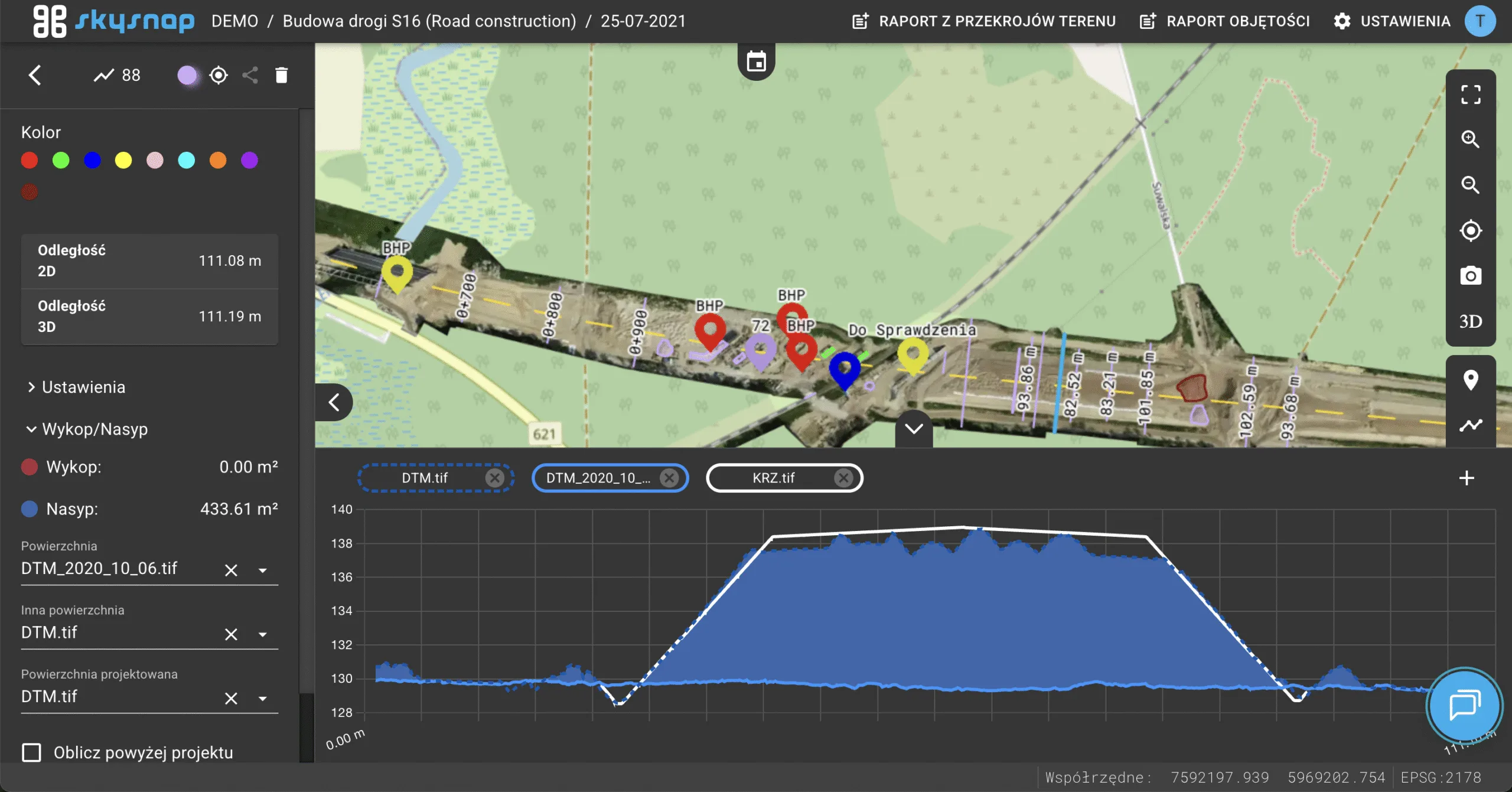
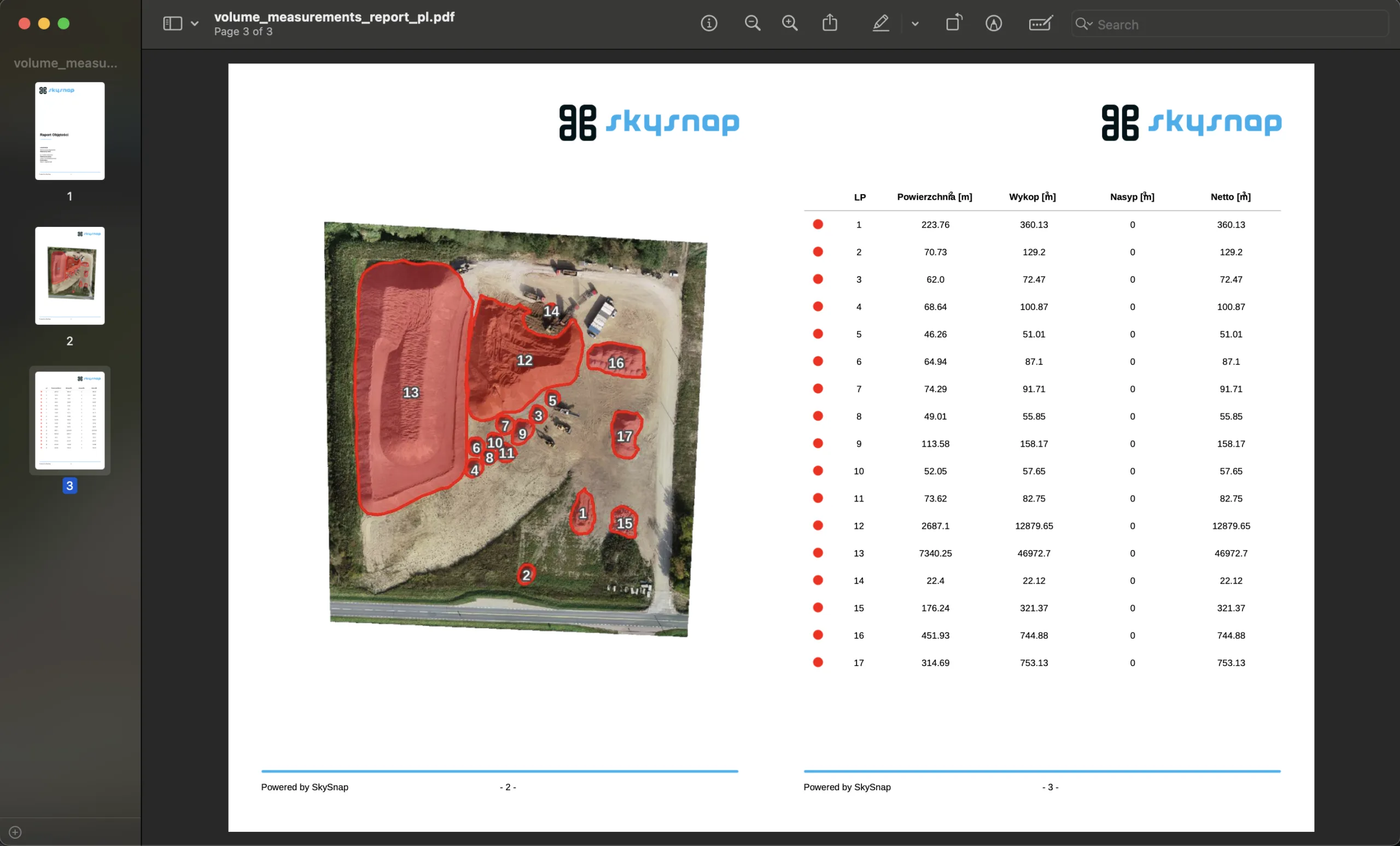
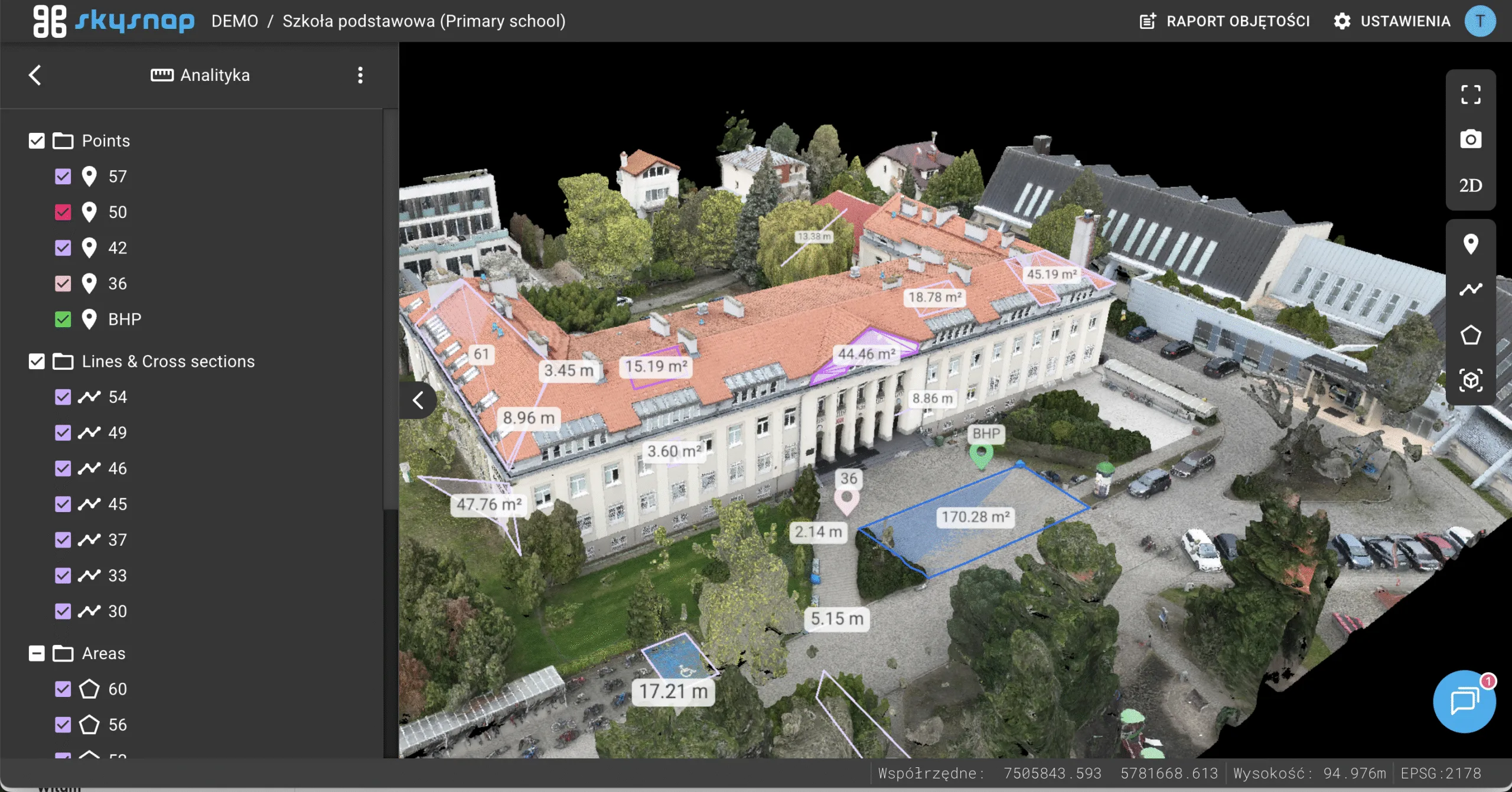
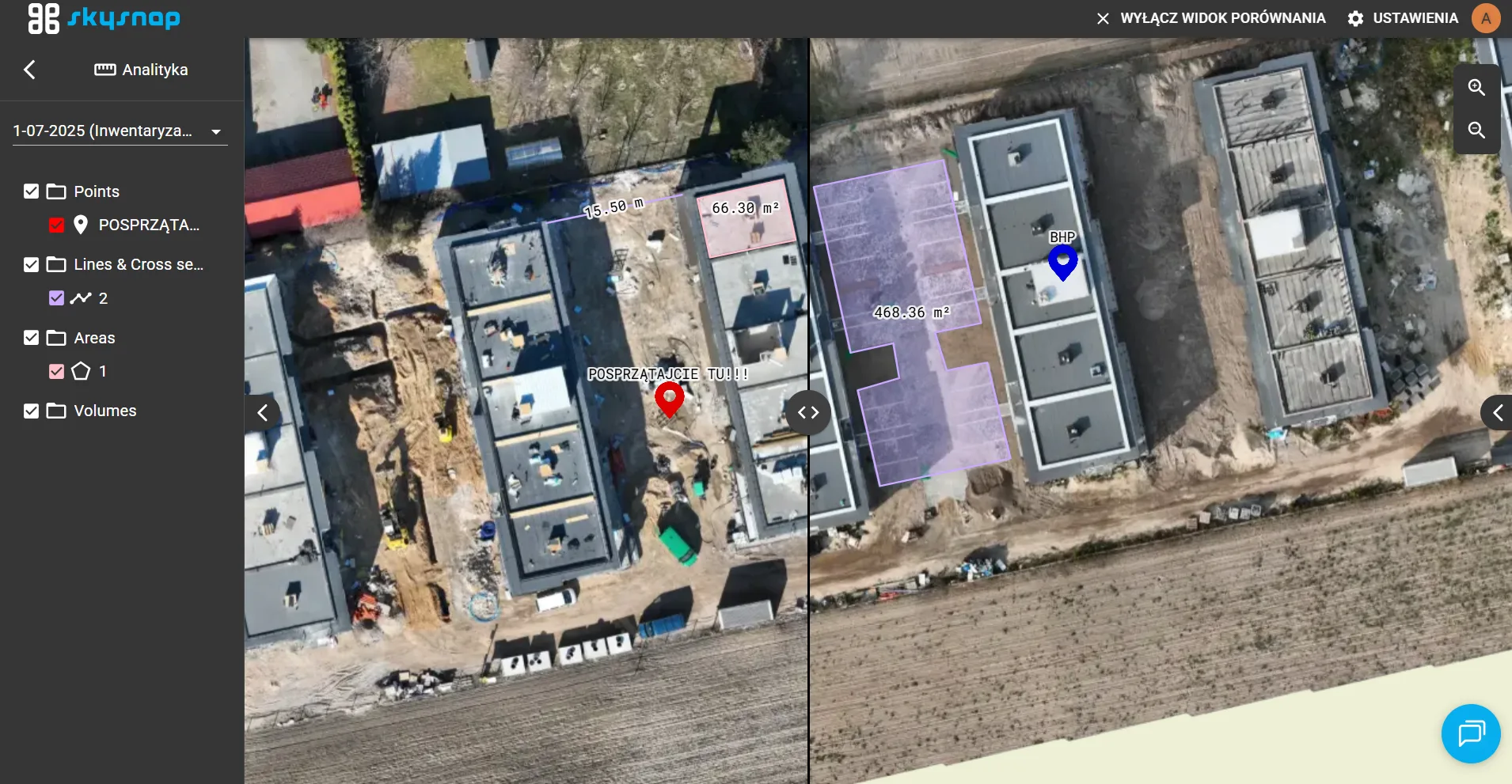
Modern drone software also offers advanced data analysis tools. Drones can collect and analyze data in real time, allowing for quick decision-making. This is especially important in situations that require quick action, such as rescue operations.
Drone Applications in the Aerospace Industry.
Drones are used in a wide range of industries, each using the unique characteristics of these devices to achieve their goals. Here are some key areas where drones play a special role.
Infrastructure Monitoring and Inspections
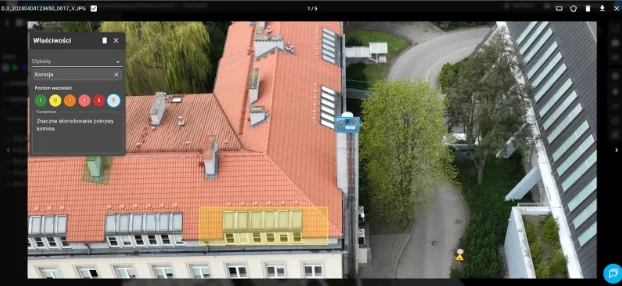
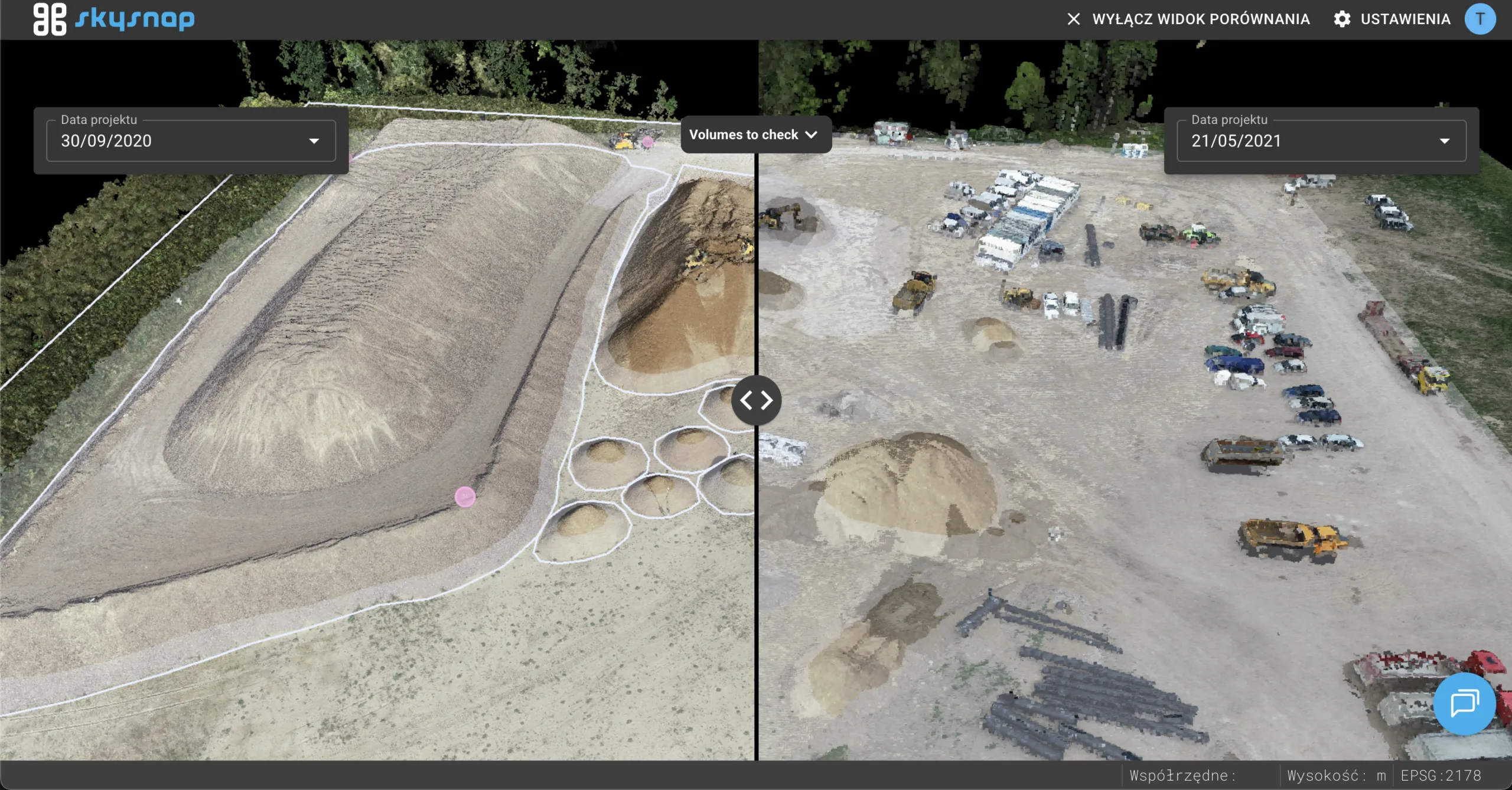
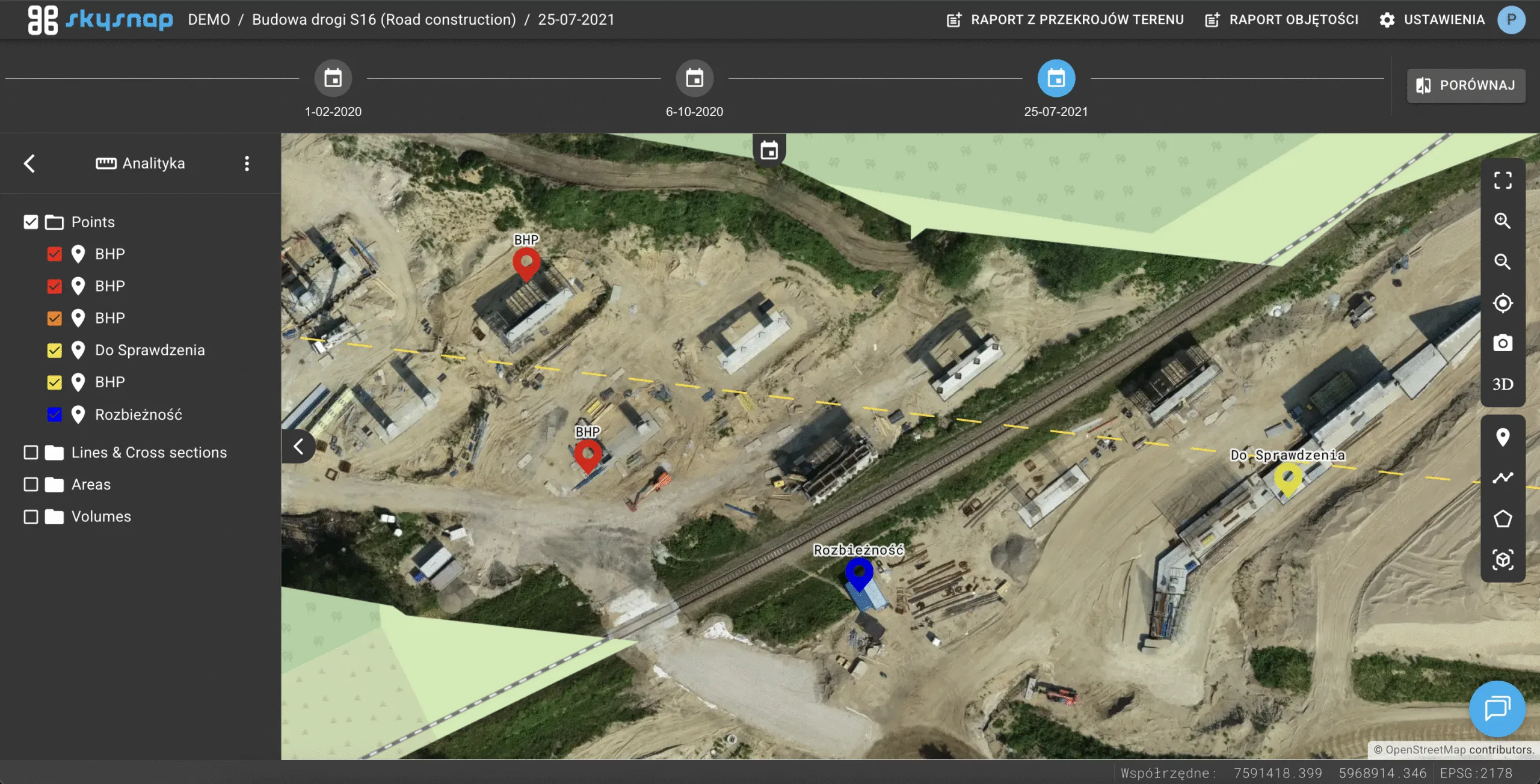
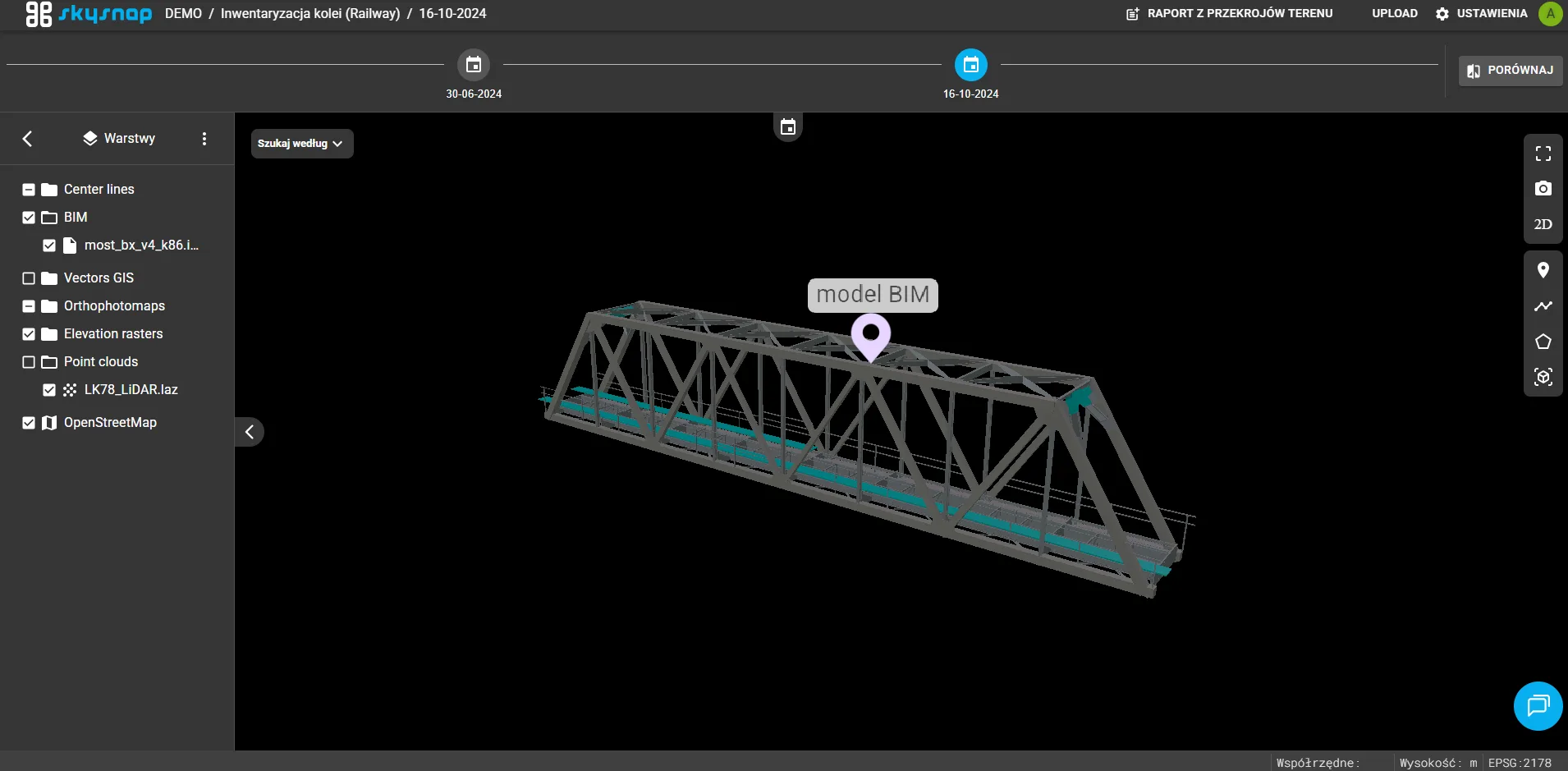
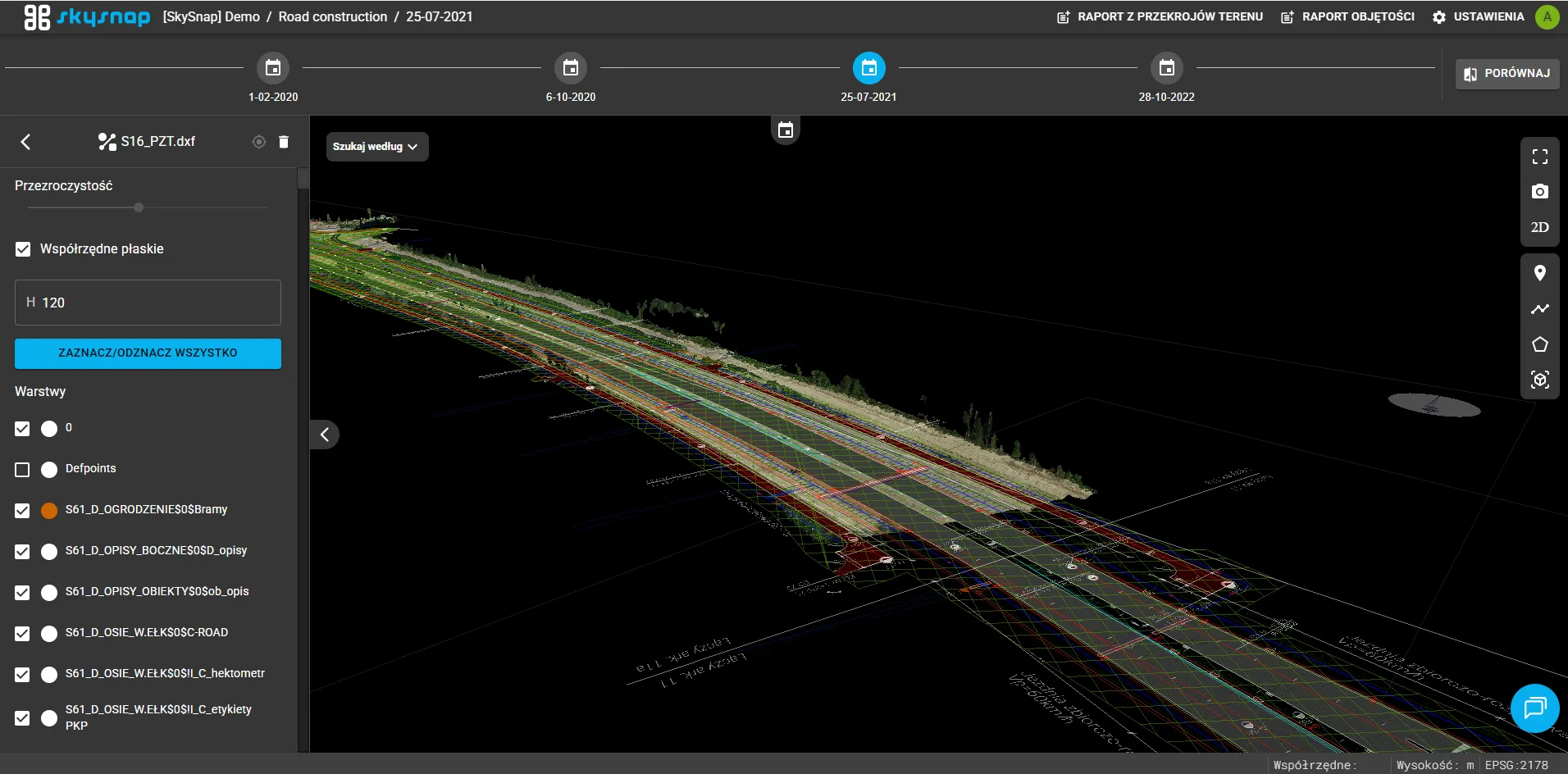
Drones are an excellent tool for monitoring and inspecting infrastructure. Their ability to reach hard-to-reach places makes them ideal for inspecting bridges, power lines or telecommunications towers. Advanced cameras and sensors enable accurate data collection that can be analyzed to detect potential problems.
- Enable fast and efficient inspections.
- They minimize the risk to employees who would have to perform inspections in person.
- Reduce inspection and maintenance costs.
The use of drones in infrastructure inspection not only increases efficiency, but also improves safety and reduces operational costs.
Applications in Rescue and Security.
Drones play a key role in rescue and security operations. Their ability to reach the scene quickly makes them invaluable in emergency situations. Advanced camera and sensor systems allow them to carry out accurate search and rescue missions.
- Drones can quickly locate missing persons in difficult terrain.
- They support firefighters in monitoring fires and assessing the situation.
- They help police monitor crowds and manage traffic during major events.
The use of drones in rescue and security shows how modern technology can support efforts to protect human life.
Advanced Technologies in Drone Software
Advanced technologies such as artificial intelligence and the Internet of Things are playing a key role in drone software development. They make it possible to achieve new levels of autonomy and efficiency.
Artificial Intelligence and Autonomy
Artificial intelligence is one of the most important components of modern drone software. With AI, drones can learn and adapt to changing conditions. Artificial intelligence algorithms allow automatic decision-making, which increases their autonomy.
- AI enables drones to interpret data on their own.
- Improves safety through better obstacle avoidance.
- It allows for more efficient mission planning.
The use of artificial intelligence is making drones increasingly autonomous, opening up new possibilities for their use.
Integration with IoT and Big Data
The integration of drones with the Internet of Things (IoT) and Big Data allows for even more advanced analysis and monitoring. Drones can collect huge amounts of data, which are then uploaded to the cloud and analyzed to draw valuable conclusions.
- Enables real-time monitoring.
- Supports data-driven decision-making.
- Facilitates integration with other IoT systems.
This integration opens up new possibilities for monitoring and analysis, making drones an invaluable tool in many industries.
Impact on the Technology Industry
Drones are having a significant impact on the technology industry, introducing new opportunities and challenges. In this section, we take a look at how drones are changing the face of technology and what developments can be predicted.
New Opportunities and Challenges
Modern drones offer many new opportunities, but also pose a number of challenges. One of the biggest challenges is regulating and controlling their use in the airspace. As the number of drones increases, new regulations and safety standards are needed.
- The possibility of using drones in new areas, such as delivery or environmental monitoring.
- The need to develop new regulations.
- Privacy and data protection challenges.
Despite these challenges, drones offer great potential that will continue to be used in many fields.
Future and Development Directions
The future of drones is full of promise and innovation. The technology continues to evolve and we can expect to see further growth in their applications. Technological innovations are opening up new directions, such as increased autonomy and integration with other systems.
- Further development of artificial intelligence and autonomy.
- Potential for expanded use in medicine and logistics.
- Integration with other technologies, such as augmented reality.
These developments show that drones will continue to play a key role in the transformation of the technology industry.
Conclusions and Reflections
Drones are having a huge impact on modern technology, introducing new opportunities and challenges. In this section, we will summarize key findings and consider future prospects for drones.
Summary of Key Findings
In summary, drones have revolutionized many industries with innovative solutions and effective tools. Key lessons include their ability to increase efficiency and safety in a variety of applications. However, regulatory and privacy challenges remain.
- Drones contribute to faster and more efficient execution of tasks.
- They require appropriate regulations and safety standards.
- They offer new opportunities that can be further developed.
Forecasts and potential development directions
Predictions for the future of drones are optimistic, and their potential development directions are extremely diverse. As drone technology evolves, we can expect to see new applications and solutions.
- Delivery of goods: Drones could become a common means of delivering shipments, especially in hard-to-reach areas.
- Rescue and humanitarian aid: Drones can be used in rescue and humanitarian operations, delivering vital supplies quickly.
- Environmental protection: Drones can monitor and protect the environment by collecting data on climate change and biodiversity.
The potential for drone services is enormous, and their future looks extremely promising, with many new opportunities and challenges to explore.
Future Prospects for Drones
The outlook for drones is promising, with further developments in technology and new applications. The future of drones includes integration with other technologies for even greater efficiency. Technology development will be key to their continued use.
- Ability to increase autonomy and integration with IoT.
- Potential to expand use in new industries.
- Increasing importance in rescue operations and logistics.
The future of drones is full of possibilities, and their development will continue to shape the way we use technology.

Free E-book
Measuring the volume of materials, aggregates and earthworks on a construction site is one of the most important uses of drones. Why? Because it’s time and money! Download our short e-book and learn how you can monetize your passion with drones.
Table of Contents:
Do you like the article? Share it with others!
Do you like the article? Share it with others!
Tips, news, insights
Related articles
Check out our articles and get the latest industry news.