Surveying with a drone: What you need to know before you start – SkySnap
Drone surveys are becoming increasingly popular in many fields, from surveying to agriculture. Thanks to advanced technology, drones offer fast and precise data collection, which is invaluable for land analysis or crop monitoring. However, before you embark on your drone surveying adventure, it’s worth understanding the basic principles and technical requirements associated with their use. In this article, we take a look at what you need to know about drone surveying, from choosing the right equipment to understanding flight regulations. Get the knowledge you need to get the most out of drones in your work. It’s also worth noting the prices associated with drone surveying, including the cost of equipment and training services, which can vary depending on the number of participants and the scope of the training.
Introduction to drone surveying
Why use drones
Using drones in measurements brings many benefits that are difficult to achieve with traditional methods. Drones offer much more accurate measurements compared to traditional methods.
- Above all, drones make it possible to cover large areas quickly and efficiently, which is especially useful in surveying and agriculture. They can provide detailed and timely data, which is crucial for accurate analysis.
- Drones are also flexible – they can fly in hard-to-reach places, making it much easier to monitor areas with complex topography.
- Moreover, their use is often more cost-effective than traditional surveying methods, reducing labor and time costs. Drones equipped with high-resolution cameras and GPS systems provide precise data, which is invaluable for accurate land mapping.
All these aspects make drones an indispensable tool in modern field measurements.
A brief history of drone measurements
The origins of drone surveying date back to the 1980s, when the first unmanned systems began to be used for military purposes. As technology progressed, drones gained popularity for civilian applications as well.
At the beginning of the 21st century, developments in GPS technology and the miniaturization of cameras and sensors opened up new opportunities for drones in the field of surveying.
The turning point came in 2010, when drones began to be widely used in surveying, construction, agriculture and environmental protection. The introduction of modern software for analyzing drone data made it possible to use them more precisely and efficiently.
Today, drones are a key tool in many industries, offering advanced solutions for site monitoring and analysis. Their history shows how dynamic and innovative the development of technology in this field is.
Equipment and technology
Choosing the right drone
Choosing the right drone for surveying depends on the specifics of the project and the user’s expectations.
- First of all, it is worth paying attention to the range and flight time of the drone, which are crucial for large areas to cover.
- Another important element is the type and quality of the mounted camera, as the precision of the data obtained depends on this. Drones equipped with high-resolution cameras provide better results in detailed terrain mapping. Different models of drones offer different functions and capabilities, allowing you to customize the equipment to meet the specific needs of your project.
- You should also consider whether the drone is equipped with additional sensors, such as LiDAR or thermal imaging, which can be invaluable for specific applications, such as vegetation analysis or building structure surveys.
- Drones also differ in terms of ease of use and data analysis software, which can make a difference, especially for novice users.
Choosing the right equipment is crucial for optimal use of drones in surveying.
Key features and accessories
Survey drones are equipped with a variety of features and accessories to make them more effective and useful.
- One of the most important features is the GPS system, which provides accuracy in navigation and positioning.
- Many models also offer an automatic flight and route planning function, making it easier to work in the field.
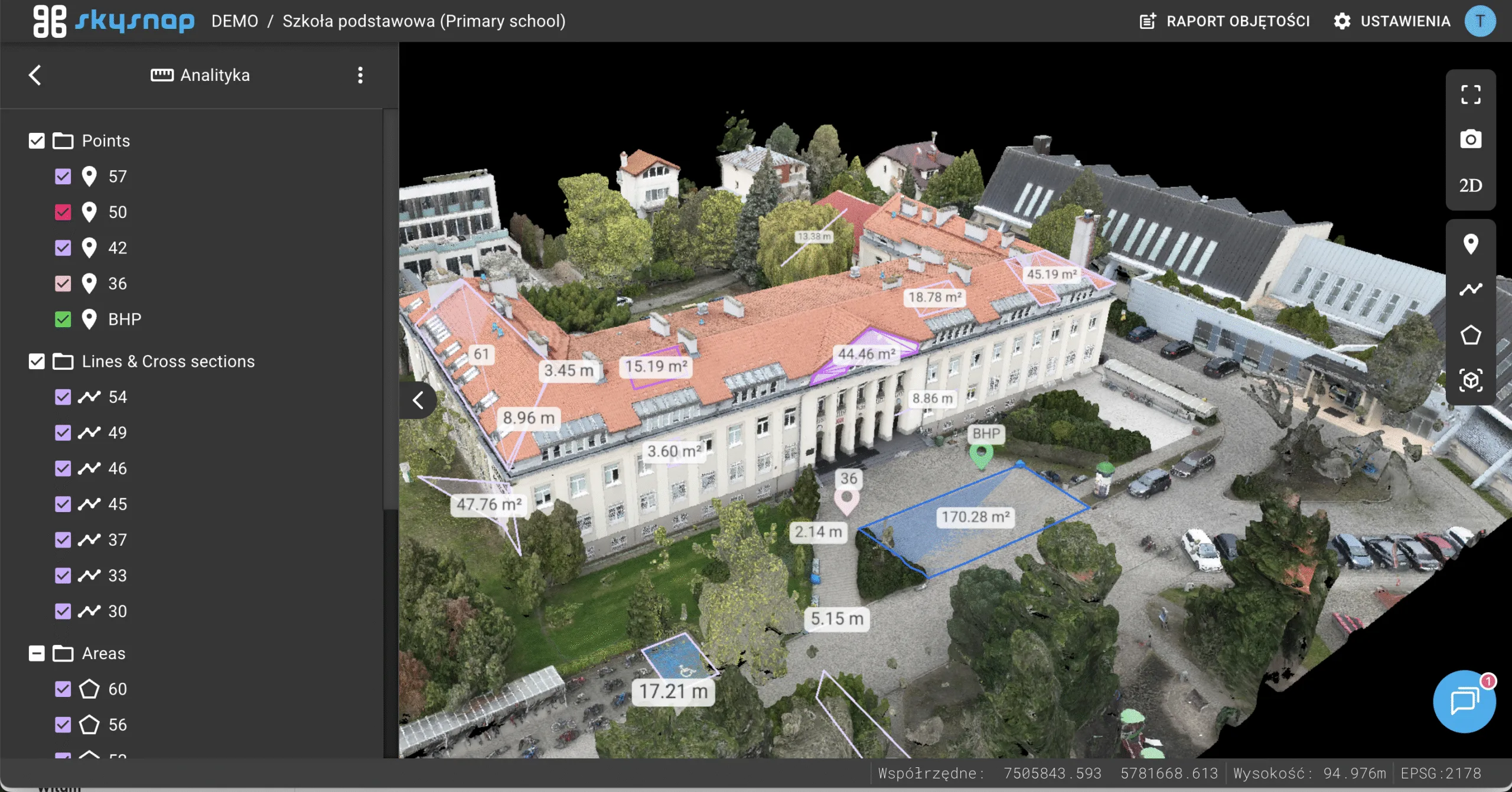
- High-resolution cameras are standard, but additional sensors, such as LiDAR, allow precise height measurements and the creation of 3D terrain models. A numerical terrain model is essential for creating terrain visualizations and image projection surfaces.
- Thermal imaging can be useful for crop condition monitoring or building energy analysis. Drones with interchangeable accessories give more flexibility to adapt to specific project needs.
- Another useful feature are base stations and signal boosting antennas that extend the drone’s range.
Choosing the right features and accessories is crucial to the successful use of drones in various applications.
Data analysis software
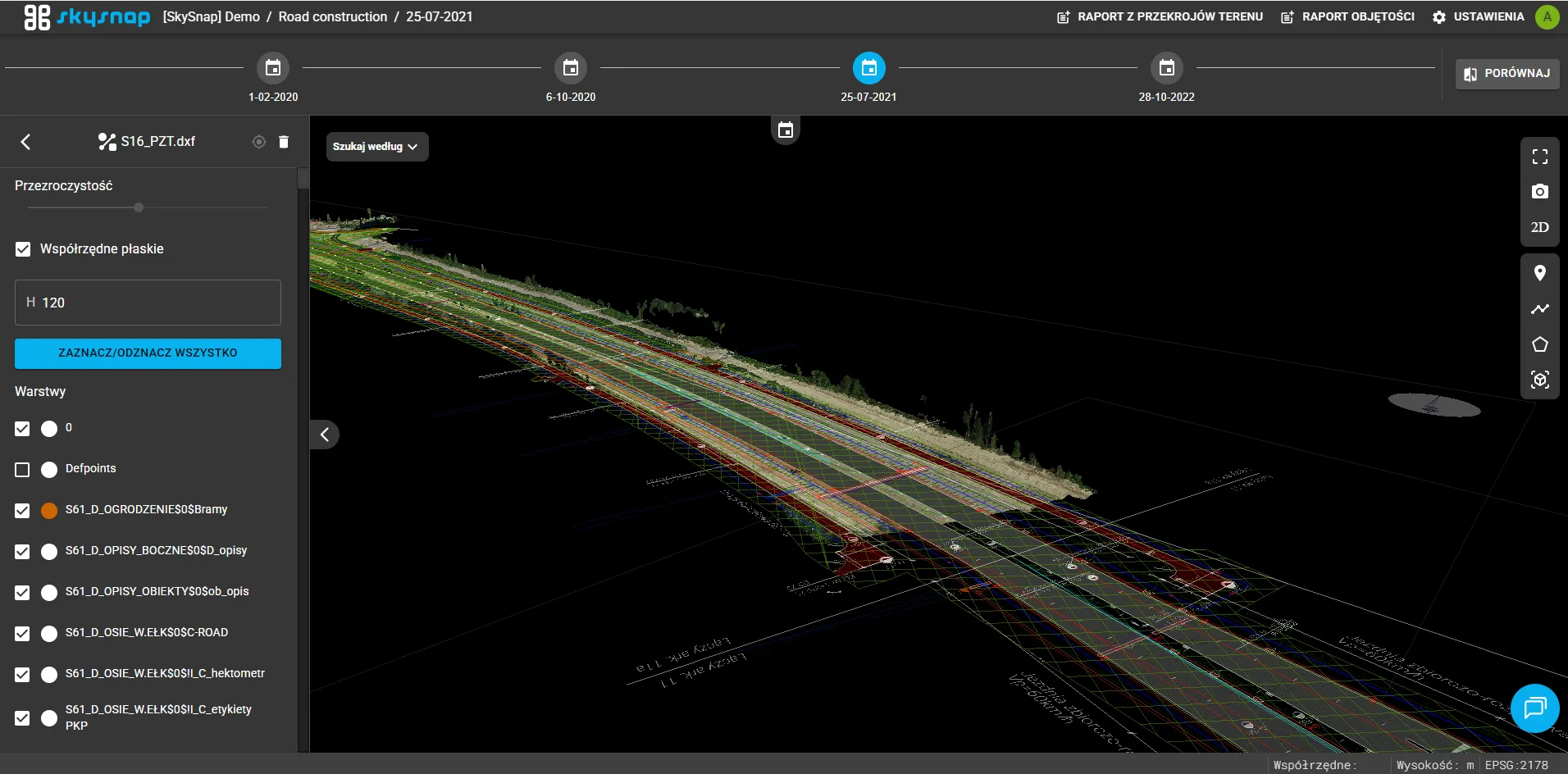
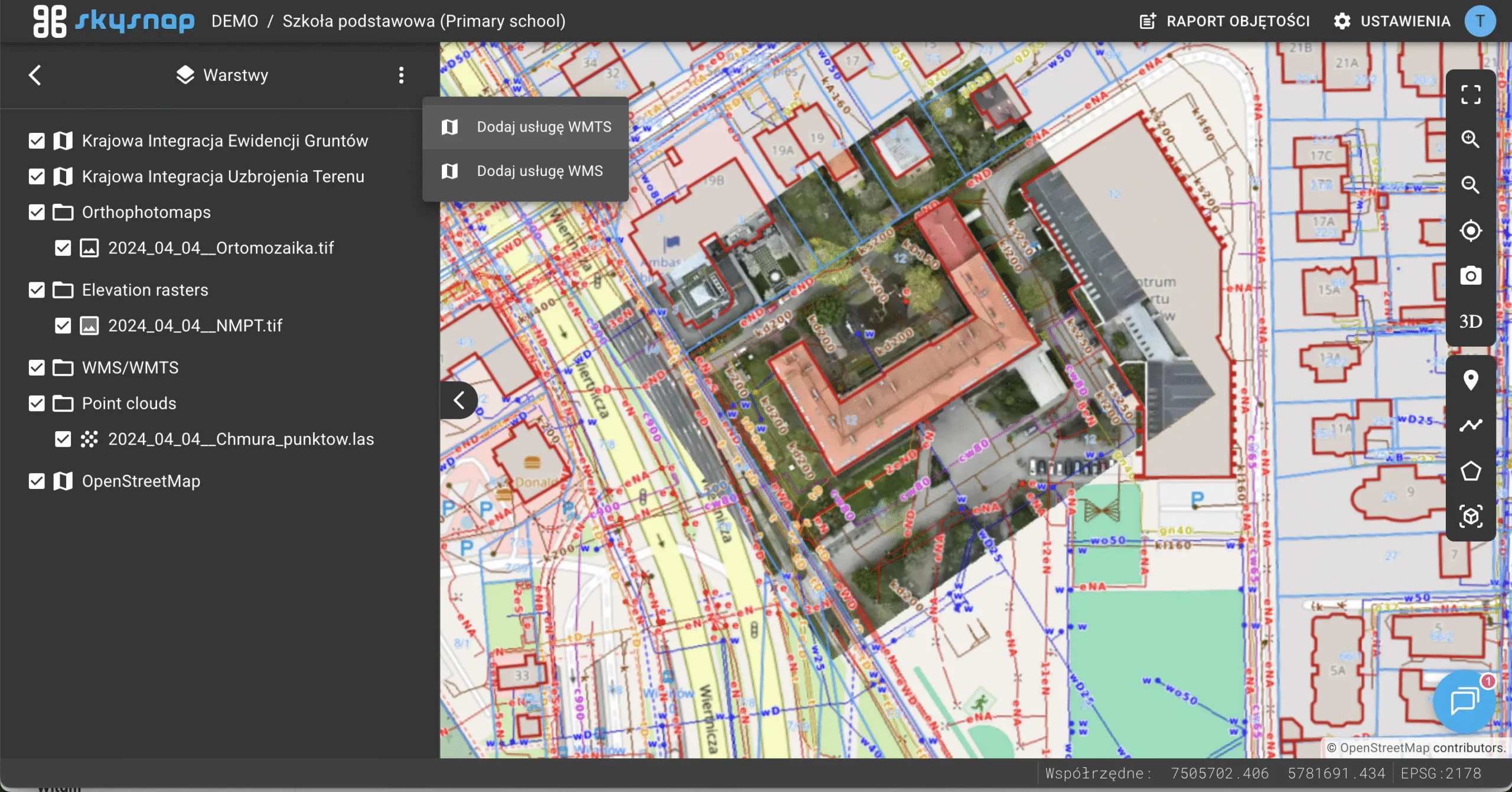
Data analysis software is an integral part of the drone surveying process. It enables the processing and interpretation of data collected by drones, turning it into useful information.
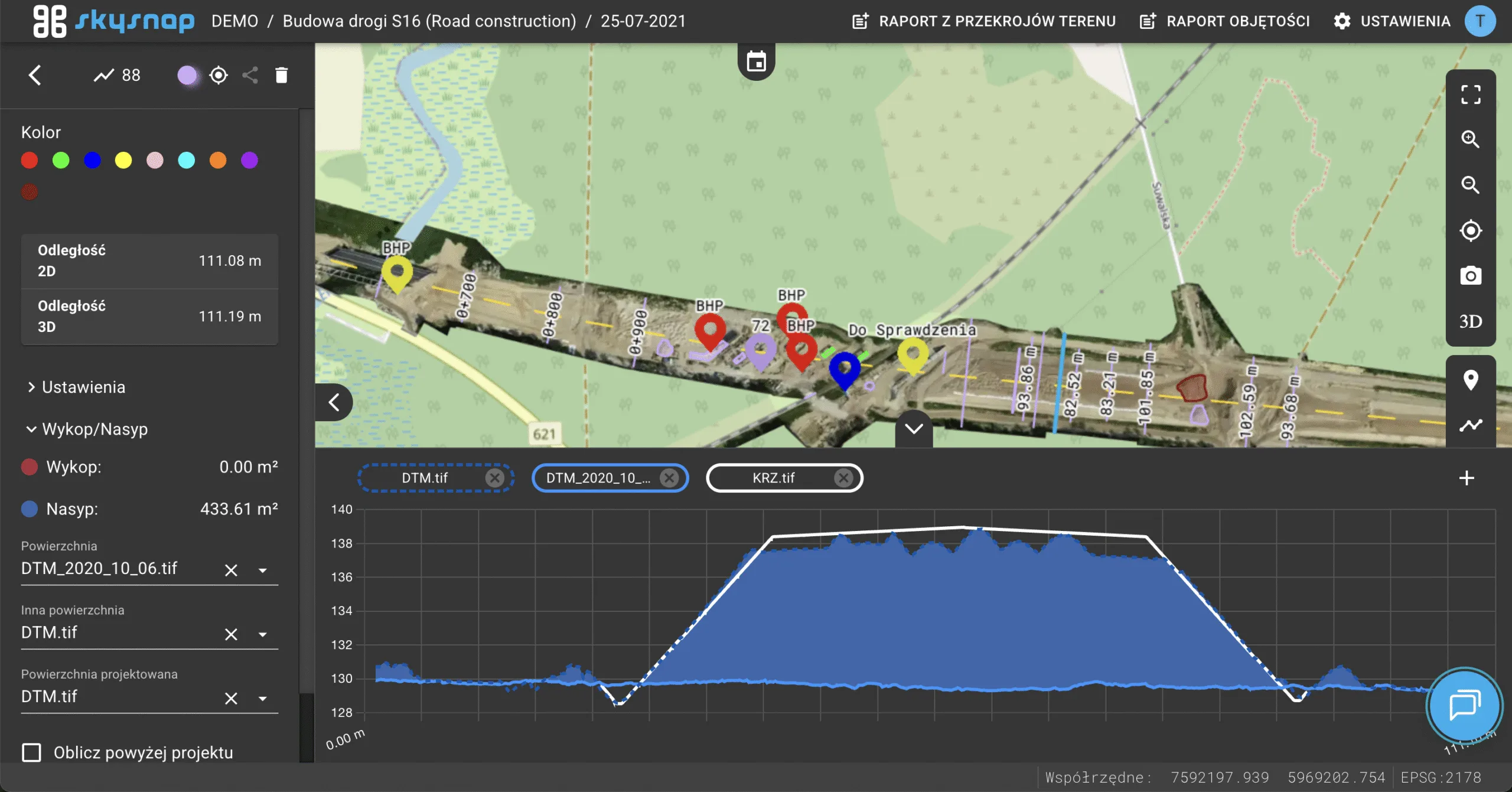
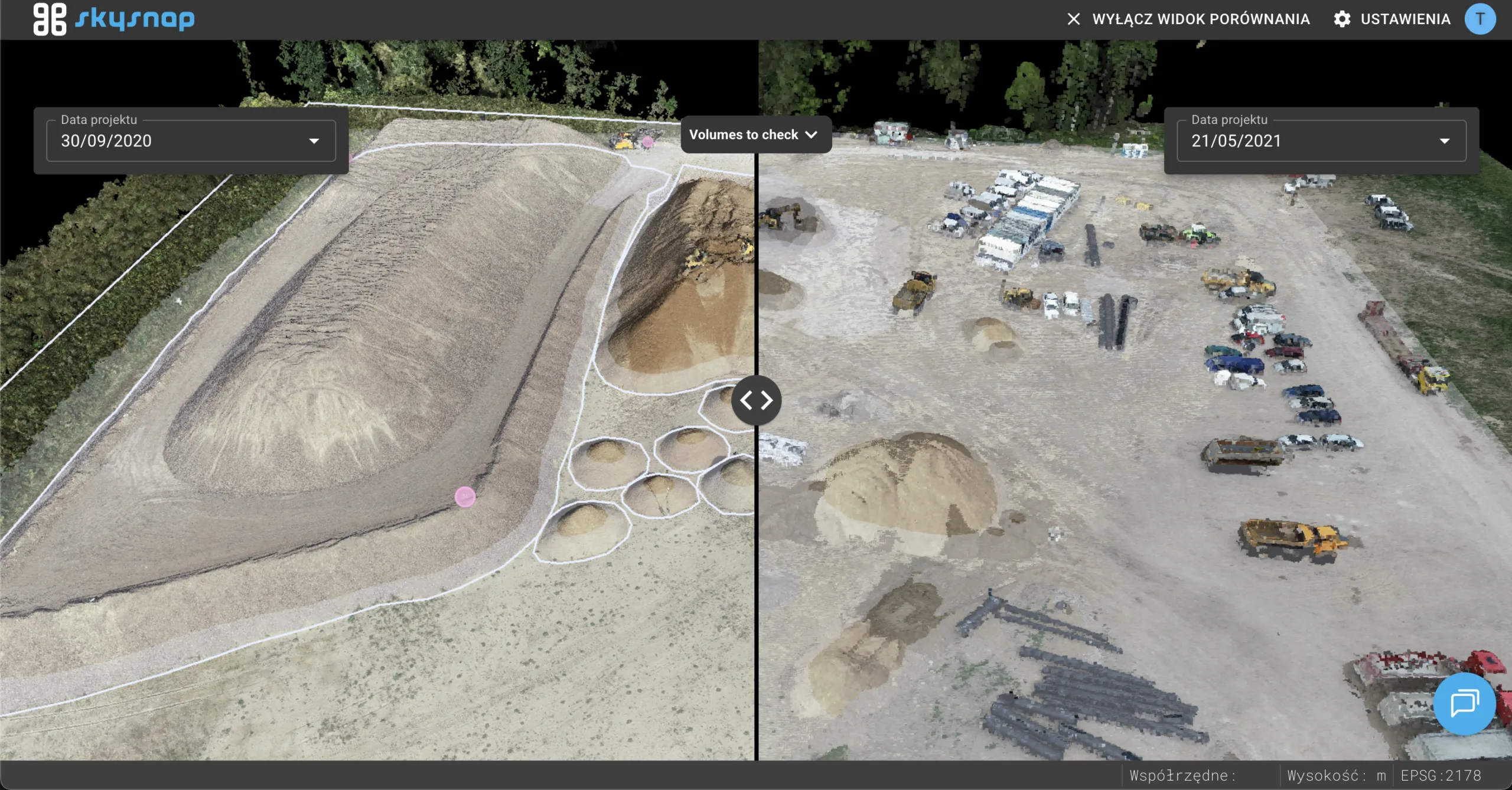
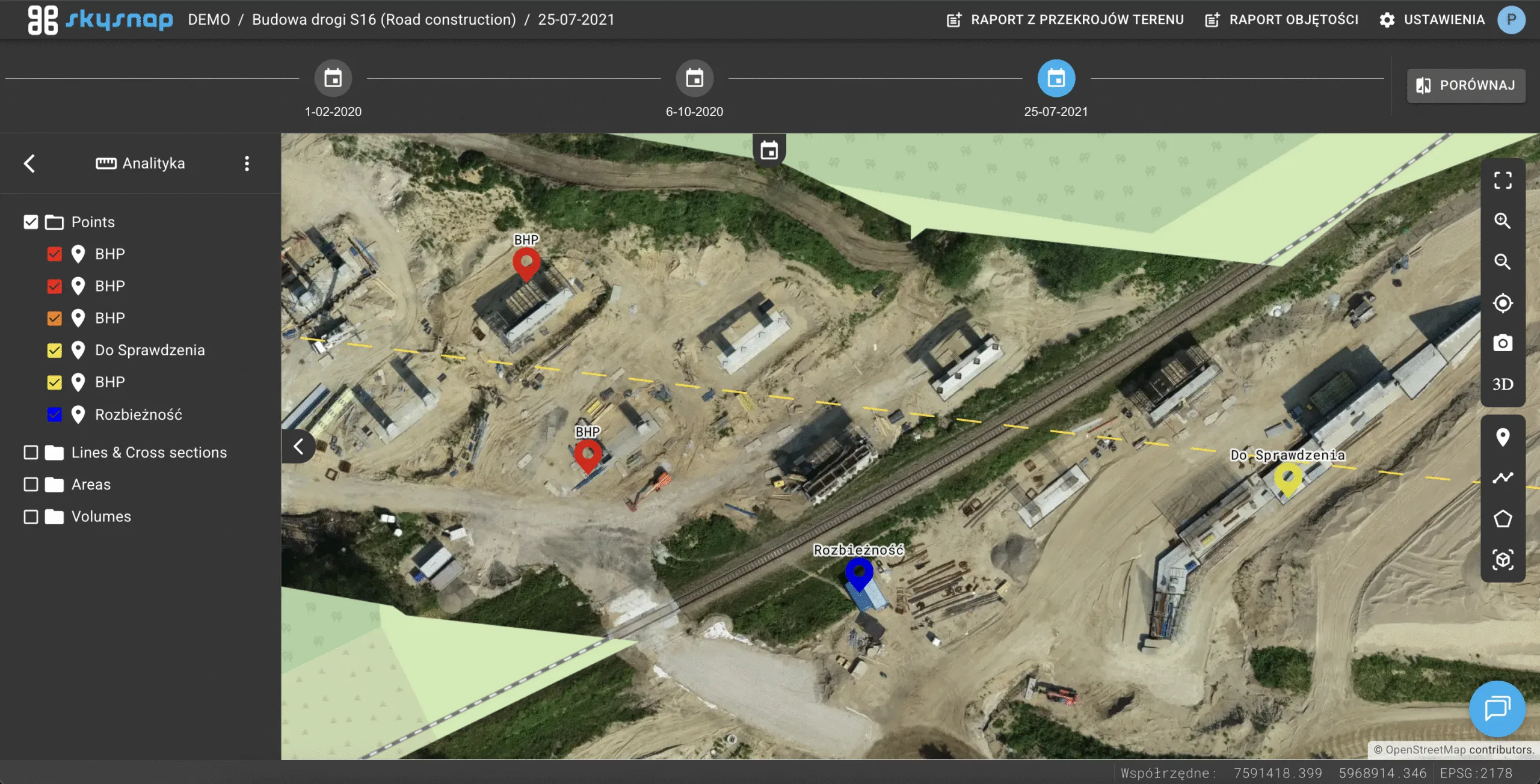
One of the key tools in this regard is 3D mapping and modeling platforms, which allow the visualization of terrain in 3D. They allow users to accurately analyze topography and plan construction or agricultural projects.
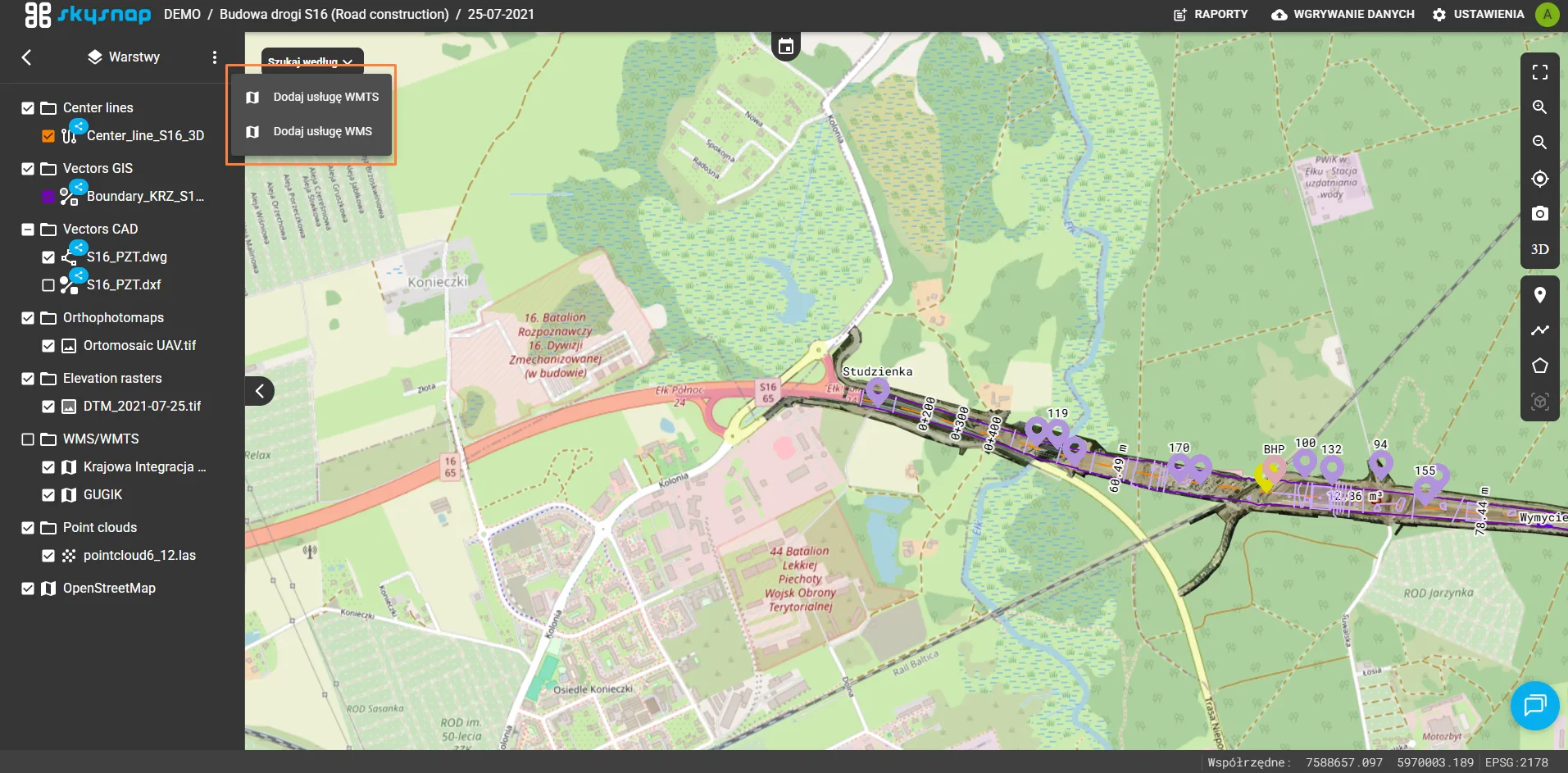
Many programs also offer spectral analysis functions, which is useful for monitoring vegetation health. The software often integrates with GIS systems, enabling comprehensive analysis of spatial data.
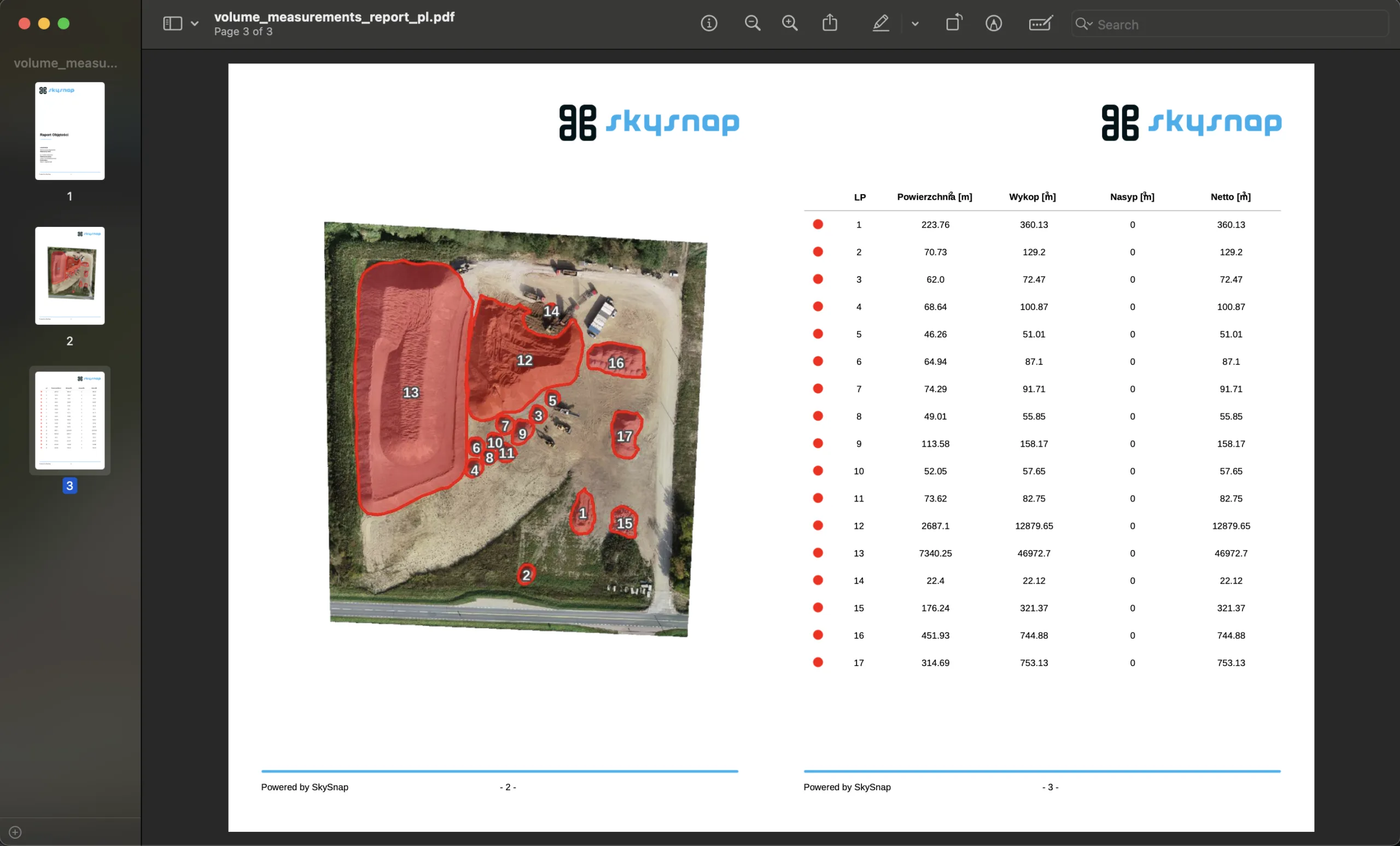
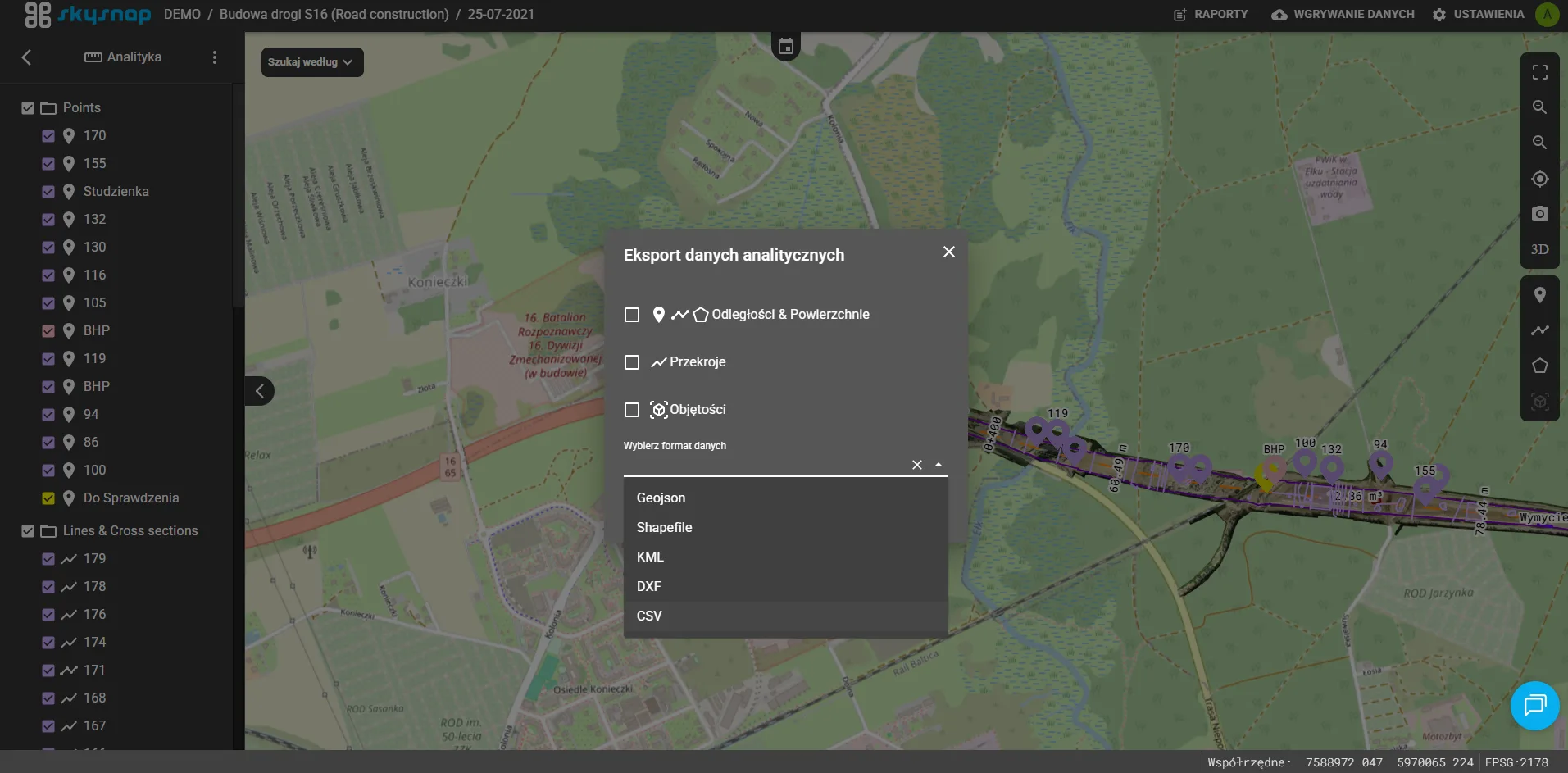
The ability to automatically generate reports and export data to various formats makes it easy to share and collaborate with other professionals.
Choosing the right software can significantly increase the efficiency and precision of drone measurements.
Applications of drone measurements
Construction and engineering
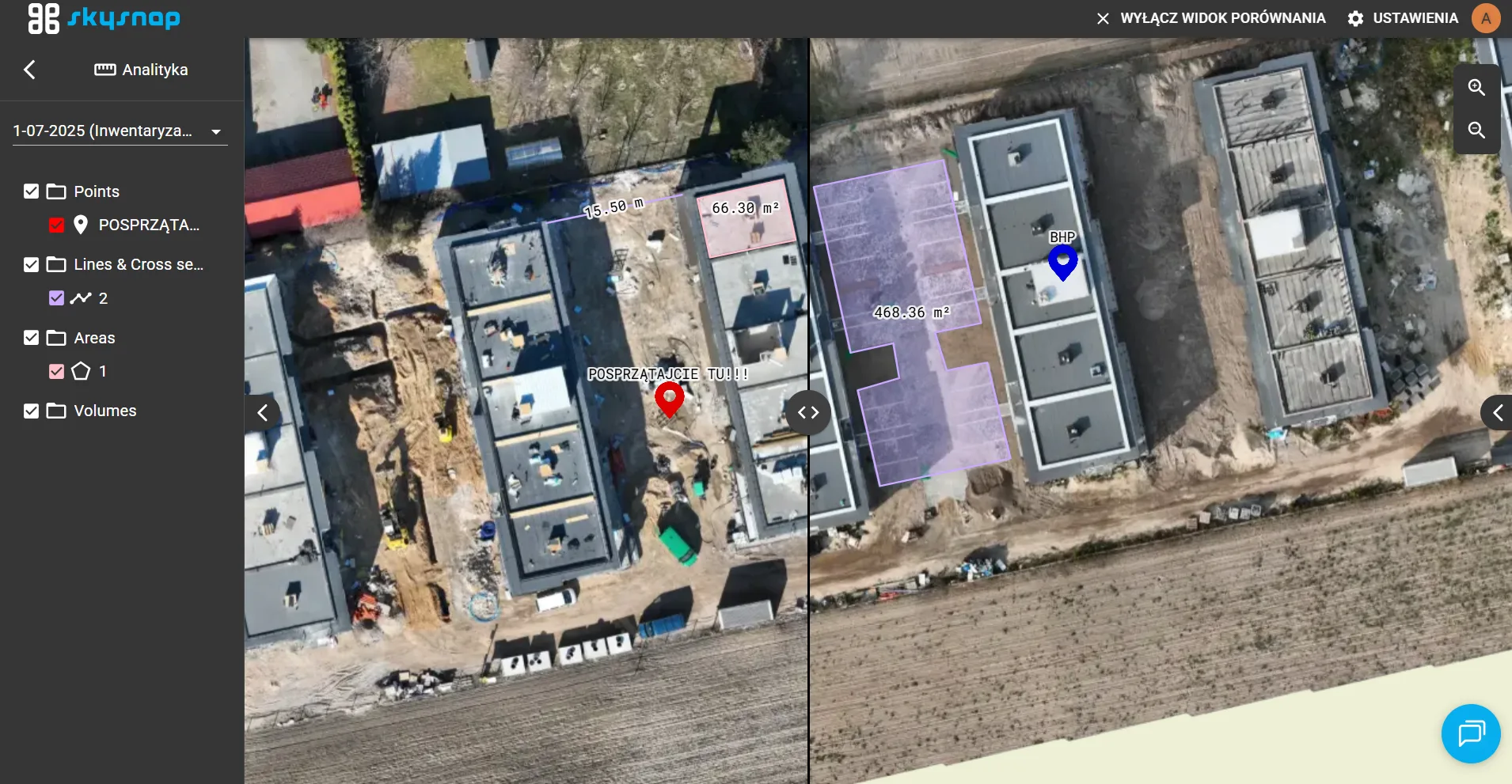
In the construction and engineering industry, drones play a key role in optimizing processes and increasing work efficiency. They make it possible to quickly and accurately map terrain, facilitating investment planning and assessing geographic conditions. Orthophotos from drones provide precise information on construction progress and analysis of construction projects. Drones can also monitor the progress of construction work, allowing projects to stay on track and identify any delays or problems. With thermal imaging cameras, drones are able to detect heat loss in buildings, which is invaluable in energy retrofit efforts.
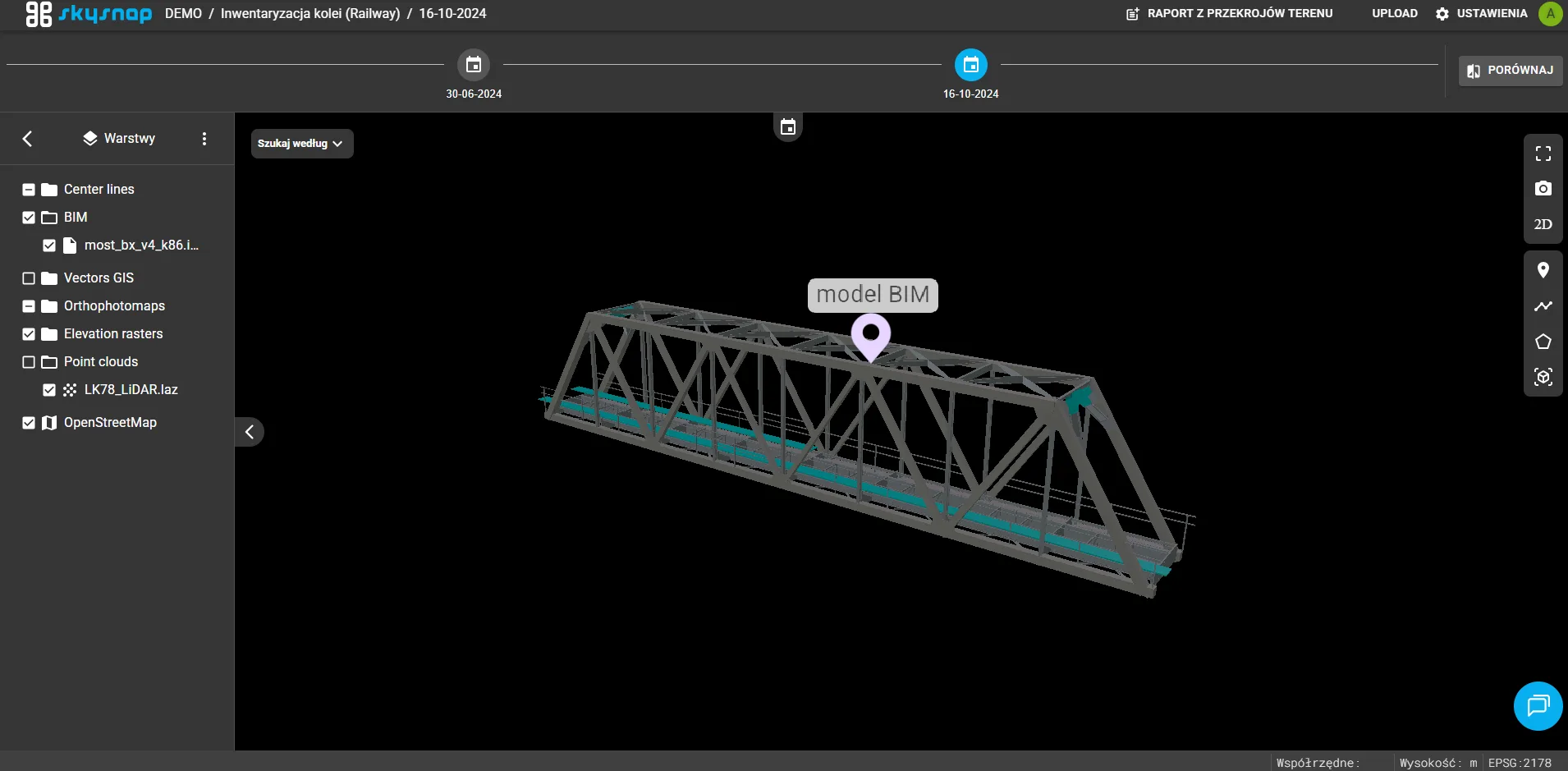
In bridge engineering, drones make it possible to inspect structures that are difficult to access or dangerous. Their use contributes to work safety by reducing the need to send people to potentially dangerous places. In this way, drones are becoming an indispensable tool in modern construction and engineering.
Precision agriculture
Precision agriculture uses drones to optimize crops and increase yields through detailed data analysis. Drones equipped with multispectral cameras allow farmers to monitor crop health, identifying areas in need of fertilization, irrigation or pest control. Precise images from the drones make it possible to monitor crop health and identify areas that need intervention. This allows for quick and informed farm management decisions. Drones provide up-to-date and accurate information about the condition of crops, which is invaluable for planning field work.
They can also monitor changes in the environment, such as soil erosion and weed growth. Analyzing data from drones enables the precise application of crop protection products, leading to reduced costs and minimized environmental impact. As a result, precision agriculture using drones increases the efficiency of agricultural production, contributing to sustainable development and conservation of natural resources.
Environmental protection and field research
Drones play an important role in environmental protection and field research, offering tools for precise monitoring of ecosystems. Drone surveys are easy and safe, making them an attractive alternative to traditional methods. With the ability to fly at high altitudes and in hard-to-reach areas, drones allow observation of areas that are inaccessible to traditional survey methods.
In wildlife conservation , drones are used to track animal migrations and identify threats such as illegal hunting or deforestation. With thermal and multispectral cameras, vegetation changes can be monitored to help assess the health of ecosystems. Drones are also useful in geological surveys, where they can map landslides and erosion, supporting natural risk management. In this way, they contribute to a better understanding of dynamic processes in nature and support environmental decision-making. With drones, researchers can acquire accurate data quickly and safely.
Rules and regulations
Aviation law for drones
Aviation law regarding drones is crucial to their safe and legal use. In Poland, as in many other countries, drone operations are regulated by national aviation agencies, which set rules for drone registration, certification and use. Operators usually have to obtain the appropriate licenses and undergo training to prove their competence. The process of obtaining a license is described step-by-step, dispelling doubts about the process. The regulations also include restrictions on flight altitude, distance from people and buildings, and prohibitions on flying in certain zones, such as airports or military areas.
The purpose of the regulation is to ensure safety in the airspace, protect privacy and minimize the risk of collisions. The introduction of drone airspace recognition systems (UTM) is intended to facilitate the management of drone traffic. Understanding and complying with aviation laws is essential for anyone who wants to legally and safely use drones for their work or recreation.
Security and privacy policies
Safety and privacy are key aspects to consider for drone operations. First and foremost, operators must follow rules for safe flight, such as keeping the drone in sight and avoiding flying in dangerous weather conditions. It is also important that drones are regularly serviced and checked for maintenance.
In terms of privacy, operators should be aware of data protection laws. Filming and photographing people without their consent can lead to violations of the law. To ensure privacy, it is advisable to avoid flying over private areas and in areas where people may be present.
In addition, having liability insurance can protect against potential claims. Compliance with security and privacy rules is essential to avoid legal problems and ensure protection for both the operator and third parties.
Obtaining licenses and permits
Obtaining licenses and permits for drone operations is a key step for any operator who wants to legally use this type of equipment. In Poland, the process is regulated by the Civil Aviation Authority (ULC), which requires operators to have the appropriate certificates to prove their competence. To obtain a license, it is necessary to undergo theoretical and practical training, culminating in an exam.
The courses cover flight rules, regulations and safety rules. Drone operators must also register their devices, especially if they are used for commercial purposes. In addition, depending on the type of operation, additional permits may be required, such as for flying in controlled zones or at higher altitudes. Compliance with these requirements is essential to ensure compliance and avoid legal sanctions.
Practical tips
Air mission planning
Planning a drone flight mission is crucial to its success and safety.
- First of all, it is necessary to carefully define the purpose of the mission and the area to be explored.
- It is important to take into account weather conditions, which can affect the stability of the flight and the quality of the collected data.
- Before flying, it’s a good idea to conduct a site inspection to identify potential obstacles and hazards.
- It is also useful to use flight path planning apps to help determine the optimal path and control flight altitude.
- Planning should also include a time schedule, taking into account flight time and any downtime for battery replacement.
- Do not forget to check the technical condition of the drone and its equipment before takeoff.
A well-prepared aerial mission minimizes the risk of errors and ensures that the drone is used effectively to achieve its objectives.
Best practices in the field
When working in the field with a drone, following best practices is key to carrying out missions safely and efficiently. Thanks to modern technology, drones contribute to cost savings in survey processes, speeding up data collection and increasing precision.
- First and foremost, before each flight, the drone’s condition should be thoroughly checked, including batteries, propellers and navigation systems.
- It is a good idea to make sure that all software updates are installed.
- When flying, it is important to keep the drone in sight and avoid flying over people or animals.
- In the field, it is a good idea to carry spare batteries and spare parts with you, allowing you to react quickly to any problems.
- It’s also a good idea to keep flight records, recording mission parameters and any comments on conditions and obstacles.
- After the flight, inspect the drone to make sure there is no damage.
Following these practices enhances the safety and effectiveness of drone operations.
Data analysis and interpretation
Analyzing and interpreting the data collected by drones is key to obtaining valuable information from an airborne mission. Drone data analysis offers much more accurate results compared to traditional methods.
- After the flight, the data should be ripped from the device and secured.
- Then, using the appropriate software, their analysis can proceed. Depending on the purpose of the mission, the analysis may include the creation of maps, 3D models or assessment of vegetation condition based on multispectral images. It is important to pay attention to the quality of the data – to check that it is complete and free of noise.
- Interpretation of the results should be carried out in the context of the objectives of the study, which will allow to draw correct conclusions.
- It can be facilitated by generating reports that summarize key findings and recommendations.
Regular analysis of drone data allows for real-time adjustments of operational strategies and optimization of processes in fields ranging from agriculture to engineering.
Free E-book
Learn what services to offer, who to sell them to, and how to write an effective offer email. Ready-made templates, tips and examples of campaigns that really work.
Table of Contents:
Do you like the article? Share it with others!
Do you like the article? Share it with others!
Tips, news, insights
Related articles
Check out our articles and get the latest industry news.