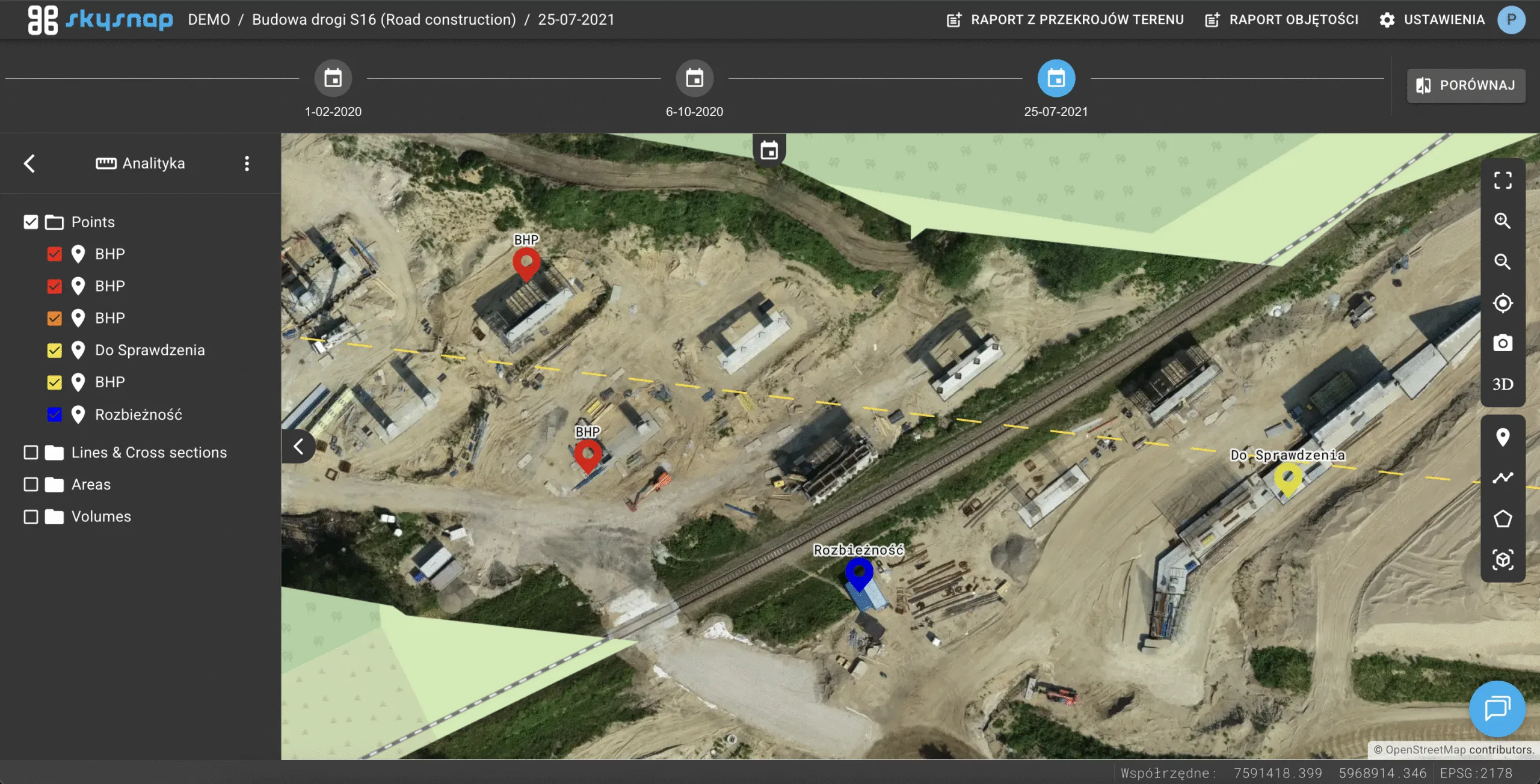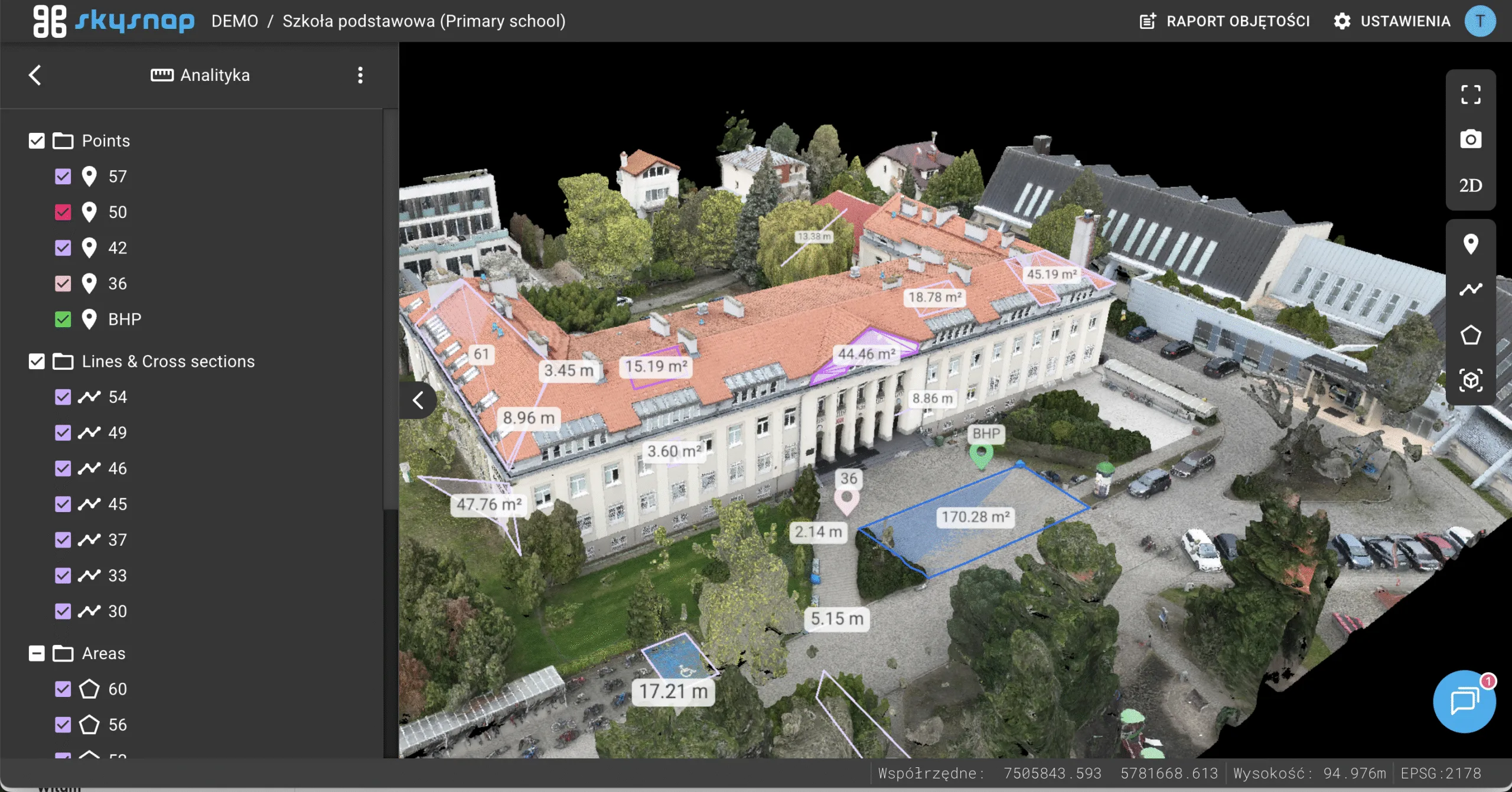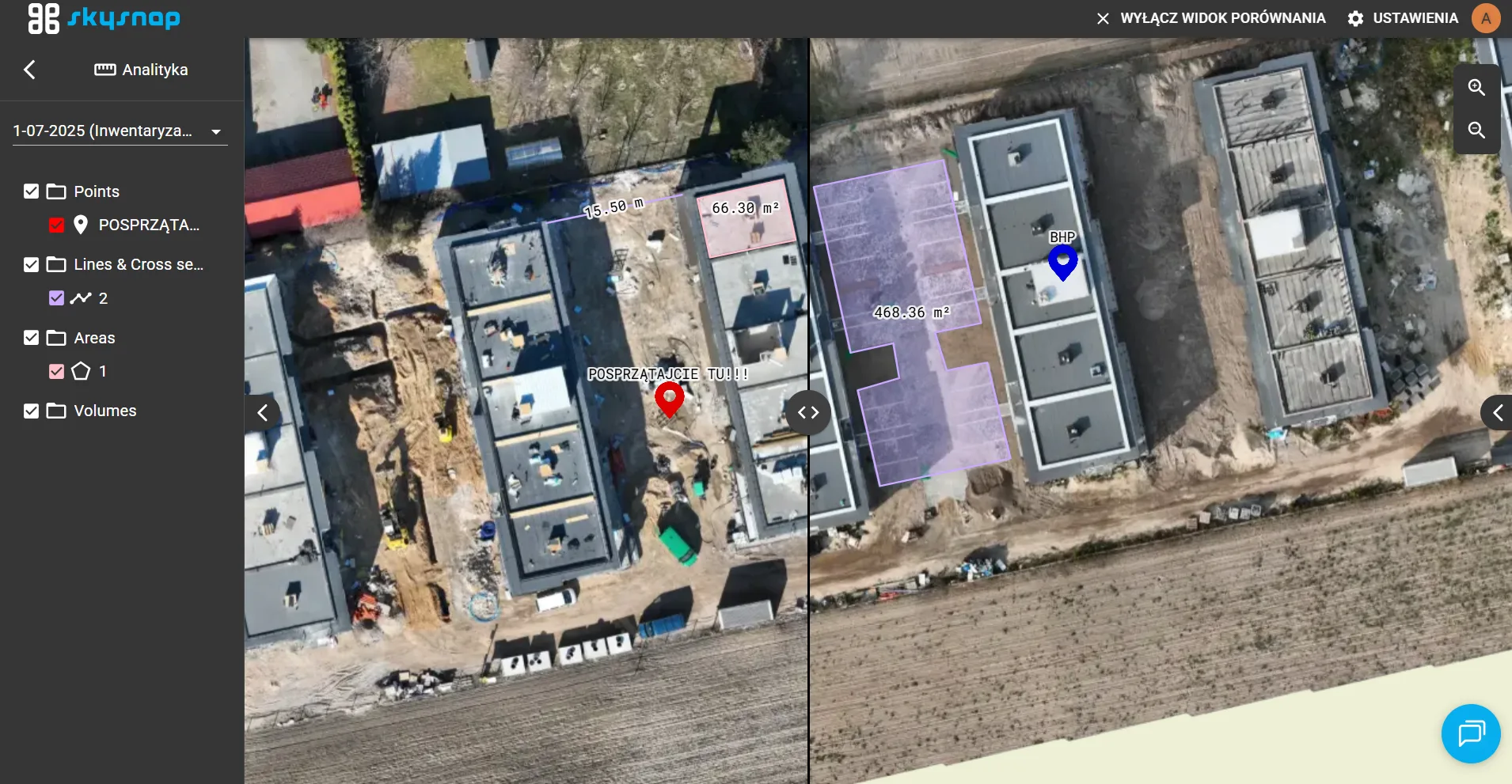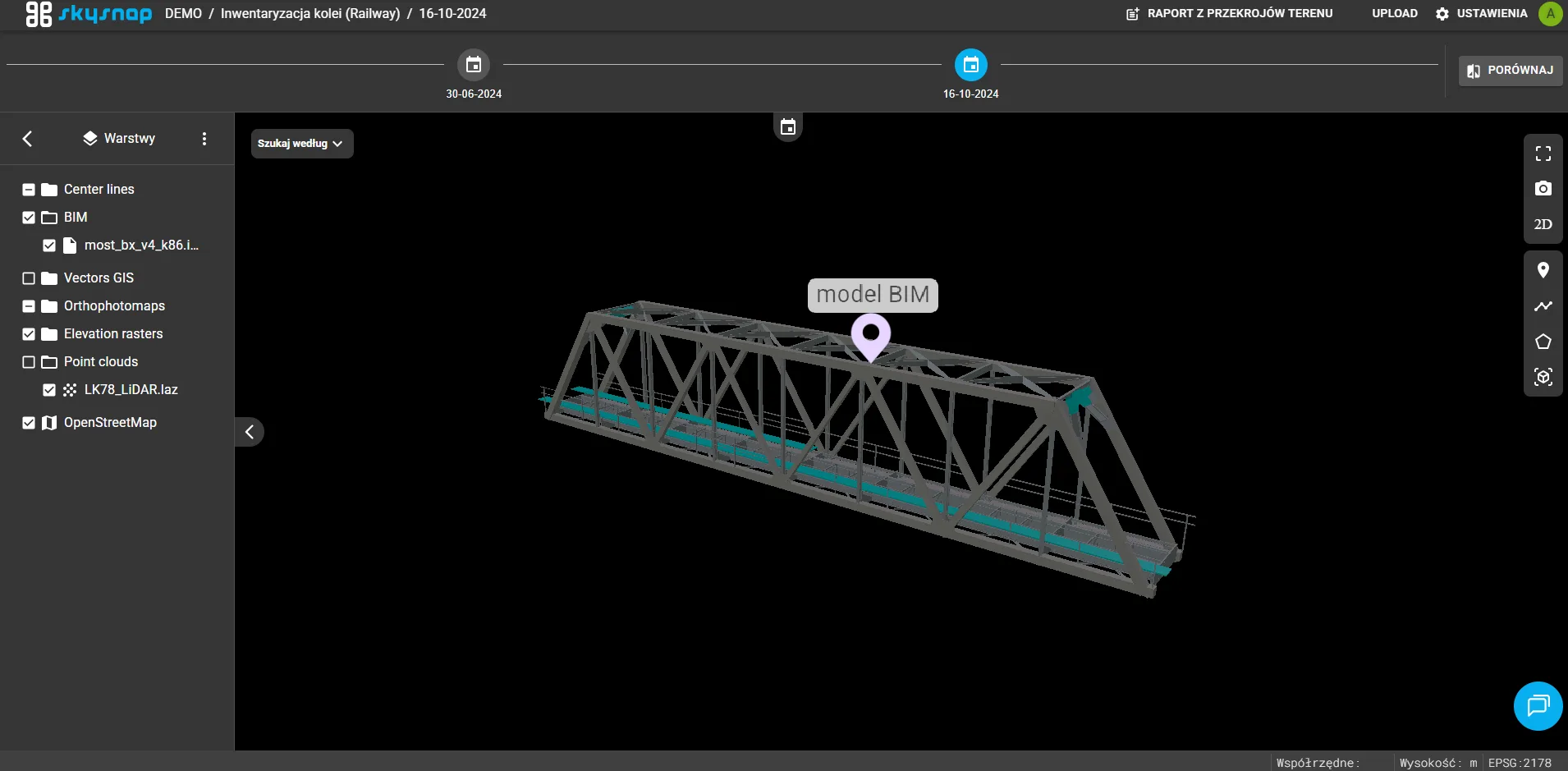
Introduction to surveying
In recent years, drones have become an integral part of modern technology, including in surveying. Thanks to their capabilities, drones allow for quick and precise field measurements, which significantly improves the data collection process. The use of drones in surveying offers many benefits, such as saving time, reducing costs, and increasing the accuracy of measurements. In this guide, we’ll take a look at exactly how surveying with drones works, what technologies are involved, and their practical applications in various fields. Let’s learn more about this fascinating topic and how drones are changing the face of modern surveying.
What are surveying measurements?
Surveying is the process of collecting data about the earth, which is essential for mapping, construction planning and monitoring environmental changes. Surveyors use a variety of techniques and tools to accurately determine the location of points on the earth’s surface.
- Traditional surveying methods include the use of theodolites, levelers and GPS systems.
- Contemporary approaches are increasingly integrating modern technologies such as laser scanning and photogrammetry.
This provides more precise and comprehensive data. Surveying plays a key role in many fields, such as construction, civil engineering, agriculture and environmental protection. They allow the creation of accurate terrain models and the analysis of any changes in the landscape. The introduction of drones into this field is another step towards increasing the efficiency and precision of measurements.
History and development of technology
The history of surveying dates back to ancient times, when civilizations such as Egypt and Mesopotamia used rudimentary methods to delineate the land. Over time, developing societies began to need more precise techniques. In the Middle Ages, the first optical instruments appeared, which allowed for more accurate observations.
A revolution occurred in the 19th century with the invention of the theodolite, enabling precise angular measurements. Another breakthrough came with the introduction of GPS technology in the 20th century, which greatly increased the accuracy and efficiency of measurements. Today, with the integration of modern technologies such as drones and laser scanning, surveying is able to provide even more detailed data.
These innovations not only streamline surveying processes, but also expand the applicability of geodesy in various areas of life, from urban planning to environmental management.
Relevance in the modern world
In today’s fast-paced world, surveying plays a key role in many sectors of the economy. First and foremost, they are indispensable in construction and civil engineering, where accurate terrain data enables the planning and implementation of complex infrastructure projects. Surveying also supports urban development by providing precise information necessary for urban space management.
- In agriculture, precise maps help optimize crops and manage natural resources.
- In addition, in an era of climate change and increasing natural disasters, surveying plays an important role in monitoring and analyzing environmental changes.
- Modern technologies, such as drones, make it possible to collect data quickly and efficiently on a large scale, which is invaluable in emergency situations.
In this way, geodesy not only supports economic development, but also contributes to the sustainable management of our planet’s resources.
The role of drones in surveying
How are drones changing surveying?
Drones have ushered in a revolution in surveying, offering new opportunities for surveying and data collection. Traditional surveying methods, while effective, were often time-consuming and expensive. Drones are changing that, allowing quick and precise data collection from hard-to-reach areas. They allow surveyors to scan large areas in a short period of time, which is particularly useful for monitoring environmental changes or planning investments.
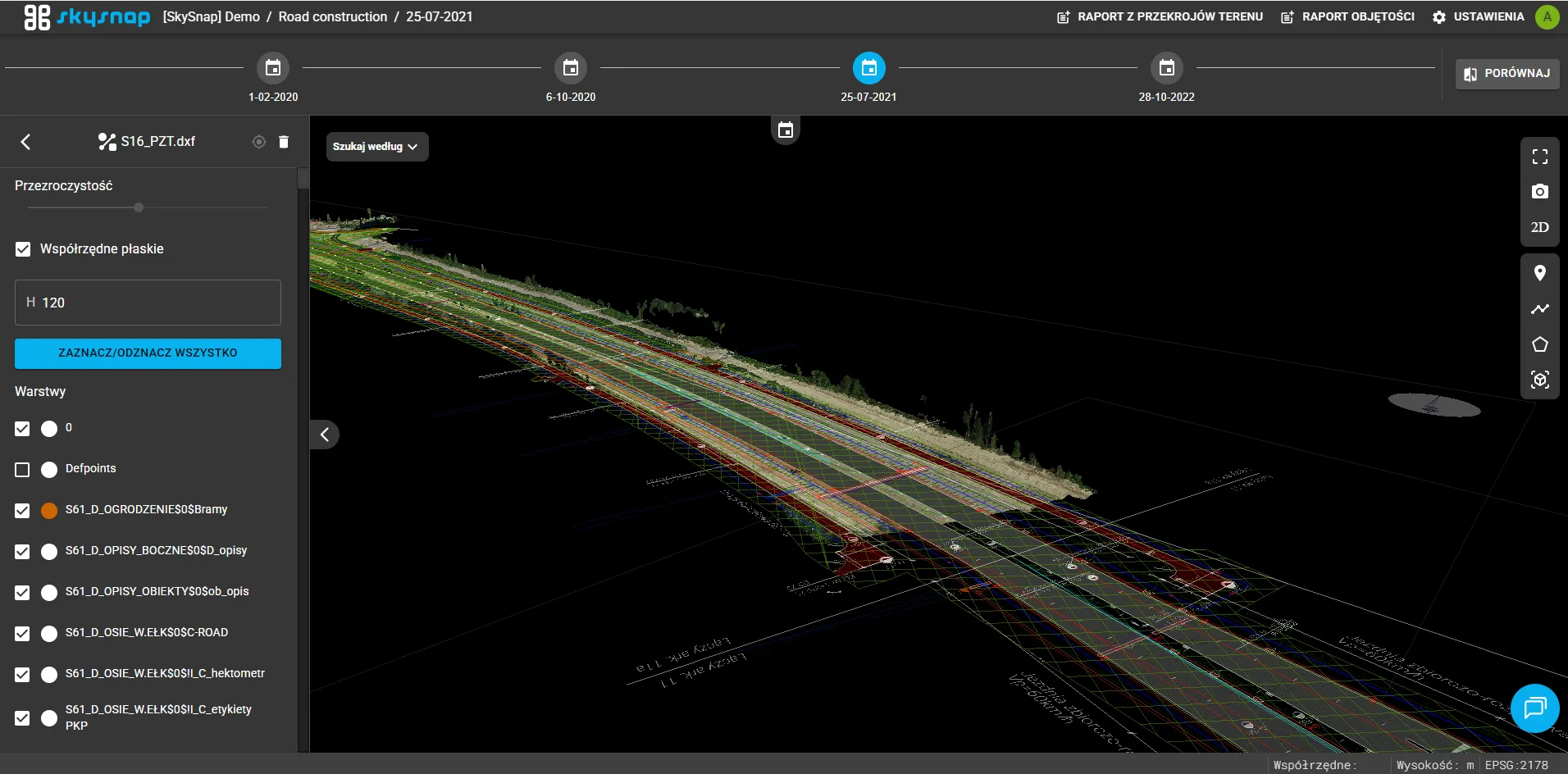
The drones are equipped with state-of-the-art cameras and sensors to create detailed 3D maps and terrain models. Moreover, thanks to the automation of flights, the risk of human error is minimized. The use of drones also increases the safety of surveyors’ work, eliminating the need to work in dangerous conditions. Thus, drones not only increase the efficiency of surveying processes, but also open up new prospects for the field.
Advantages of using drones
The use of drones in surveying brings many benefits that significantly affect the efficiency and accuracy of surveys.
- First of all, drones allow for quick coverage of large areas, which is especially important for large-scale projects.
- With the ability to operate in rugged terrain, drones can deliver data from locations where human access is limited or unsafe.
- Equipped with advanced sensors such as high-resolution cameras and lidars, the drones enable the creation of precise 3D models, making it easier to visualize the site and plan investments.
- In addition, the automation of drone flights minimizes the risk of errors, resulting in higher quality data collected.
Compared to traditional methods, the use of drones in surveying is more economical, reducing project costs and speeding up project implementation.
Examples of practical applications
Drones in surveying are used in many practical situations that require precise and fast measurements.
- One of their main areas of use is land mapping, where drones provide up-to-date and accurate maps of areas, supporting planning processes in construction and urban planning.
- In precision agriculture, drones help monitor the condition of crops, identifying areas in need of irrigation or fertilization to optimize resource management.
- Another example is their role in monitoring infrastructure, such as bridges and high-voltage power lines, where drones can conduct inspections without taking facilities out of service.
- In emergency situations such as floods and landslides, drones enable rapid data collection, which is crucial for emergency planning and damage assessment. In this way, drones make an important contribution to the effective management of various aspects of the modern world.
How do drone measurements work?
Technology and equipment used in drones
Drones used in surveying use advanced technology that enables precise data collection.
- The main component of such a drone is a high-quality camera, often with high resolution, which allows it to take detailed pictures of the area.
- Many drones are also equipped with lidar, a sensor that uses a laser to measure distance. Lidar provides accurate terrain data, which is invaluable for creating 3D models.
- Survey drones are also often equipped with GPS, which ensures that the location of the drone and the data collected is precise.
- In some cases, additional sensors such as multispectral cameras are used to analyze vegetation.
- All of the collected data is processed using specialized software to create maps and models. Thanks to this technology, drones are becoming an indispensable tool in modern surveying.
The process of collecting geodetic data
The process of collecting geodetic data using drones consists of several key steps.
- At the outset, the flight mission should be carefully planned, taking into account the specifics of the terrain and the purpose of the measurements. Planning includes the selection of appropriate routes and flight altitudes, which allows optimizing the quality of the collected data.
- The drone, equipped with appropriate sensors such as cameras or lidar, then begins collecting data, making a series of flights over the designated area. During the flight, the drone records images and other data, which are automatically stored in its memory.
- Once the mission is completed, the data is sent to the ground station, where preliminary analysis takes place.
- The next step is to process the data in specialized software to create accurate maps and 3D models.
- The entire process ends with an evaluation of the quality of the collected information and its integration with other geodetic data for practical use.
Processing and analysis of collected data
After an aerial mission, the collected drone data requires careful processing and analysis.
- The process begins with the pre-processing of raw data, such as images or point clouds from lidar, which are synchronized and calibrated for spatial consistency.
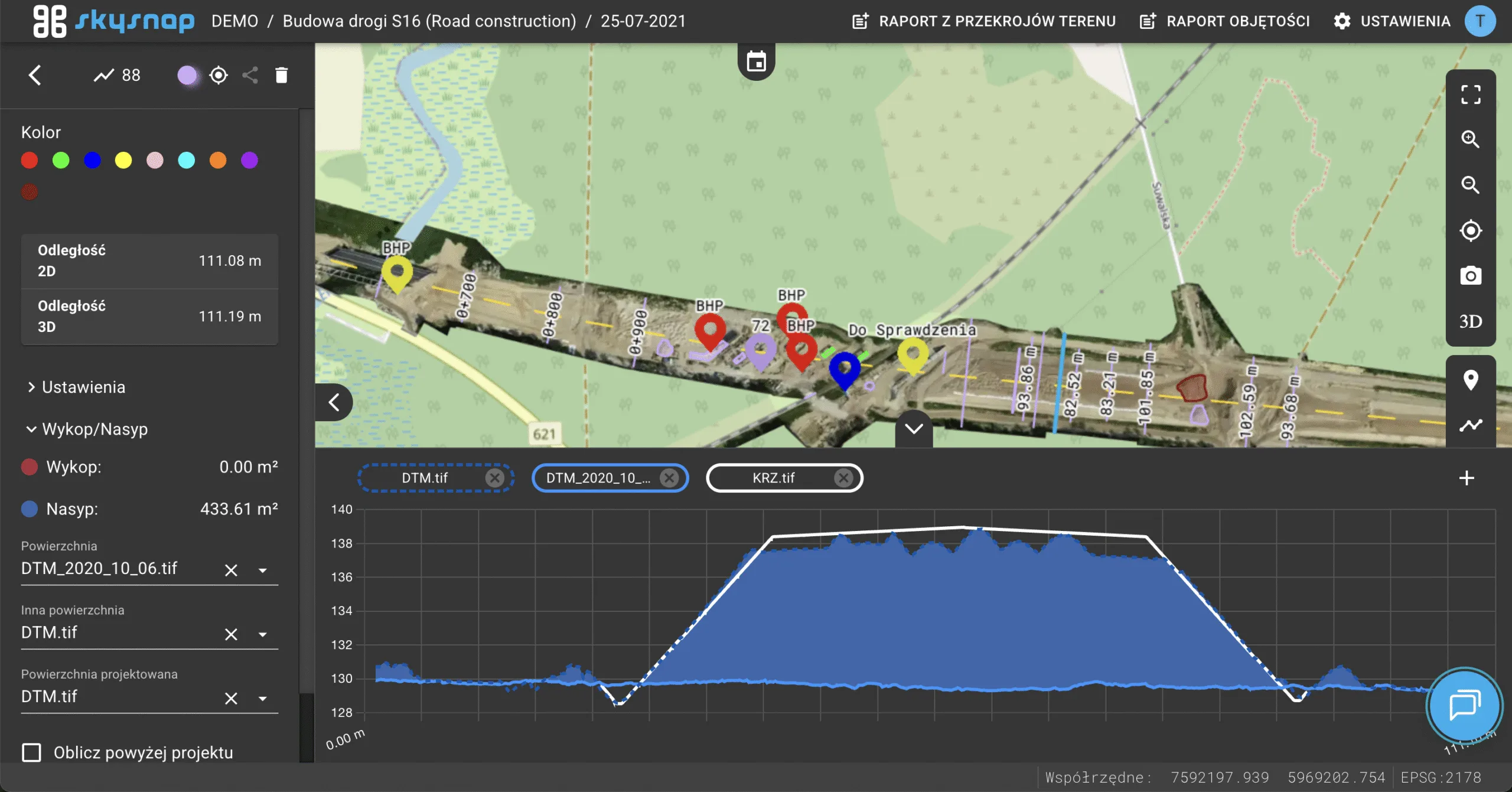
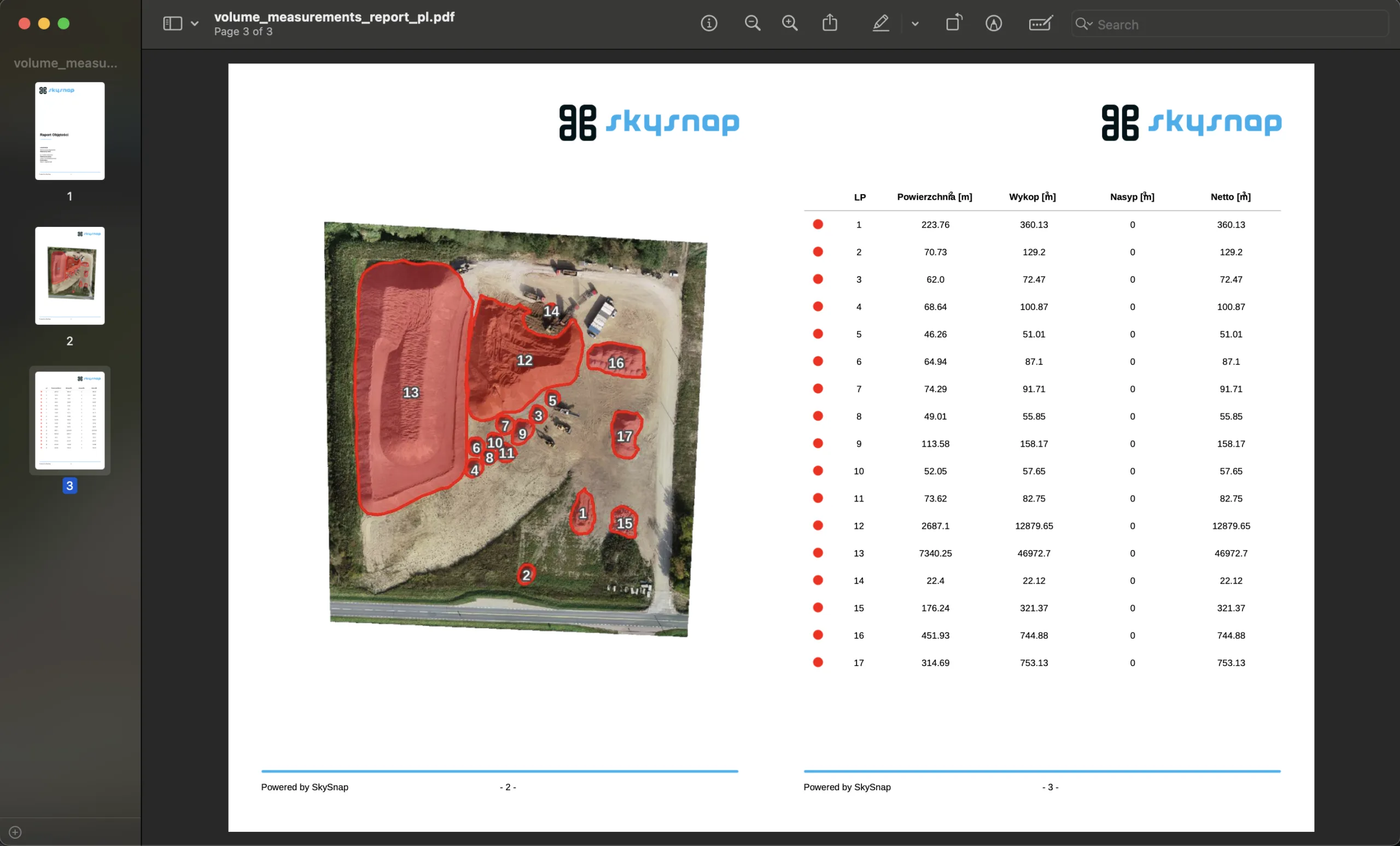
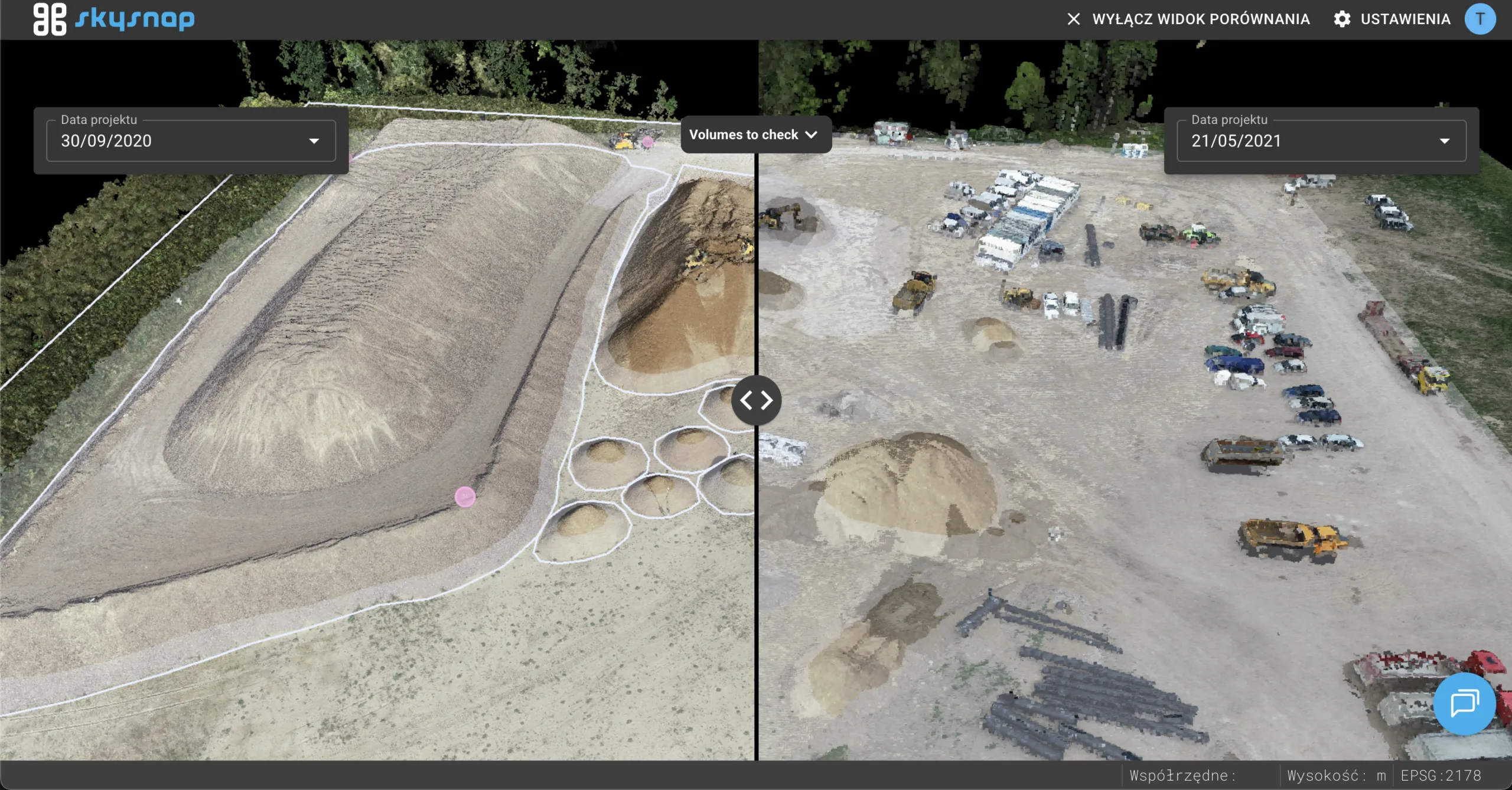
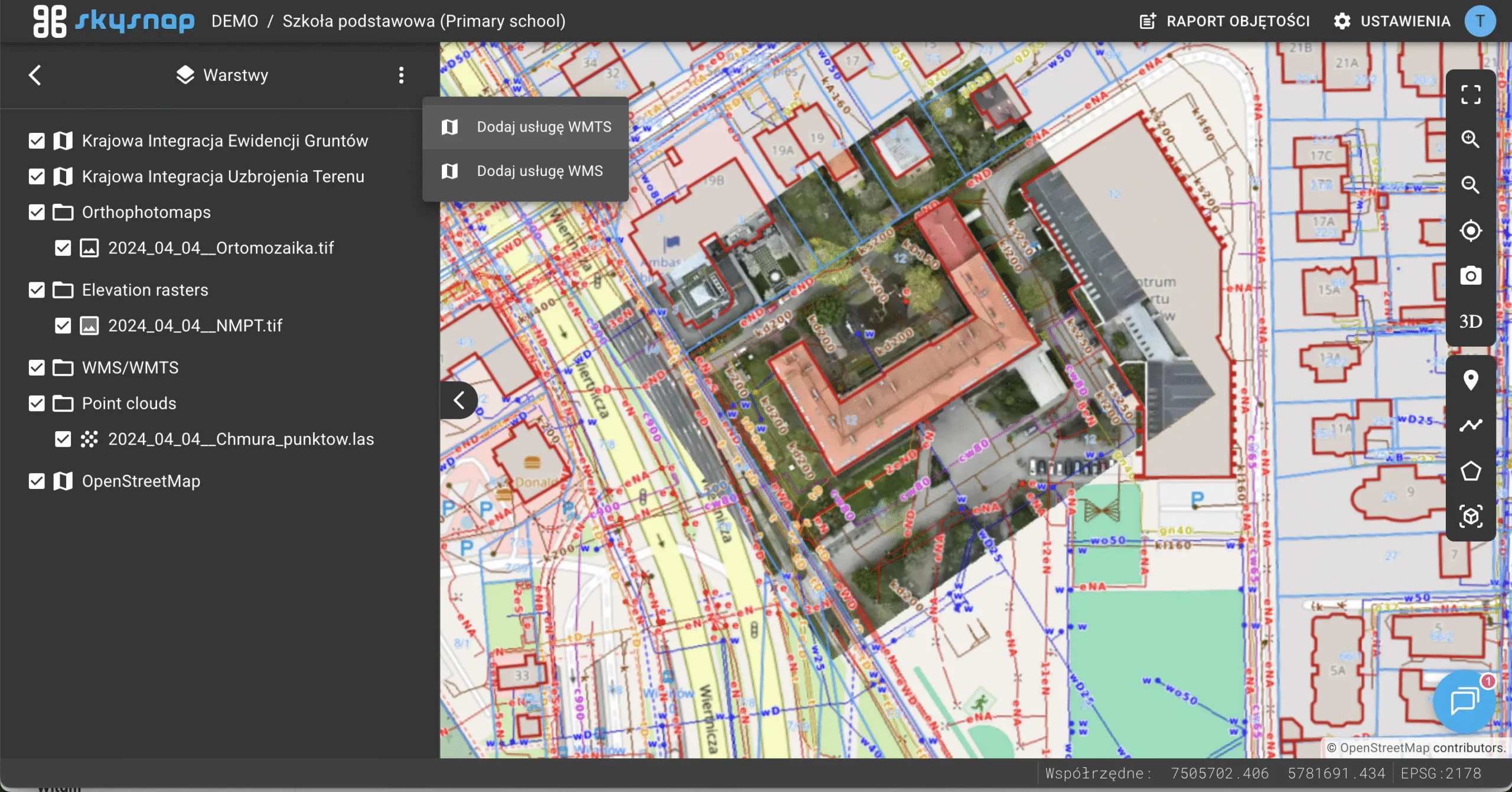
- The data is then entered into advanced surveying software, which enables the creation of orthophotos and three-dimensional terrain models. This makes it possible to accurately map the land surface with high precision. Data analysis can include identification and classification of objects, evaluation of changes in the terrain or delineation of parcel boundaries.
- A key step is also the integration of the collected data with existing geo-information databases for use in further analysis and planning.
Thanks to modern analytical tools, drone data is quickly and efficiently transformed into valuable information to support a variety of decision-making processes.
Challenges and the future of technology
Limitations and technical problems
Despite its many advantages, the use of drones in surveying faces some limitations and technical problems.
- One of the main challenges is the limited flight time due to battery capacity, which can limit the extent of one-time data collection.
- Drones are also susceptible to atmospheric conditions such as high winds, rain or fog, which can affect the quality of the data collected and the safety of the flight.
- In addition, some areas, especially near airports or military zones, have restrictive regulations on drone flights, which may require additional permits.
- Another challenge is processing the large amount of data collected, which can require significant computing resources and sophisticated software.
Despite these limitations, drone technology is constantly evolving, and future innovations could significantly reduce current problems, making drones an even more effective tool in surveying.
Ethical and legal aspects of drone use
The use of drones raises a number of ethical and legal issues that must be carefully considered.
- One of the main concerns is privacy protection. Drones, by virtue of their ability to capture aerial imagery, can inadvertently violate people’s privacy, requiring strict regulation and compliance with data protection laws. Many countries already have restrictive rules on drone flights, including the need to obtain proper permits to fly in populated areas or near critical infrastructure.
- In addition, safety aspects are key – operators must follow the rules to minimize the risk of collisions and accidents.
- Another challenge is to ensure that drones are used in accordance with ethical principles, especially in the context of monitoring and data collection.
As technology evolves, regulations will need to be continually adjusted to ensure proper and safe drone use.
Future directions of technology development
The future of drone technology in surveying promises to be promising, with many developments that could revolutionize the way we collect and analyze field data.
- One of the key areas is to increase the autonomy of drones, which, thanks to artificial intelligence, will be able to plan and execute missions on their own, minimizing the need for human intervention.
- The development of battery technology will allow longer flights, which will increase the efficiency of operations over large areas.
- Sensor innovations, such as advanced lidar and multispectral cameras, will enable even more accurate and comprehensive analysis.
- In addition, the integration of drones with other technologies, such as IoT and big data, will open up new opportunities in environmental monitoring and resource management.
- Another important aspect will be the development of data analysis software, which will be able to provide even more precise geodetic information through the use of machine learning and image processing algorithms.
Practical tips for beginners
How to choose the right drone?
Choosing the right drone for surveying purposes requires considering several key factors.
- First of all, it is necessary to determine the purpose and scope of the tasks the drone is to perform. For smaller projects, consumer drones with good cameras may be sufficient, but for more advanced surveying tasks, professional models with lidar and advanced sensors may be necessary.
- Flight time is also an important consideration – for large areas, drones with longer battery life will work better.
- You should also pay attention to the stability of the drone and the quality of the gimbal, which affects the quality of the data collected.
- It is also worth considering the possibility of easy integration of the drone with surveying software, which will facilitate further data analysis.
- When choosing a drone, operating costs and the availability of technical service are also important to ensure the long-term reliability of the equipment.
Basic safety rules
Safety is a key aspect when operating drones, especially in surveying, where precision and reliability are essential.
- First and foremost, drone operators should be familiar with local regulations on unmanned flight, including no-fly zone restrictions and altitude and distance requirements.
- It is important to regularly check the condition of the drone before each flight, including batteries, motors and sensors, to prevent failures.
- During flight, the operator should always maintain visual contact with the drone and avoid obstacles such as trees, power lines or buildings.
- Weather conditions should also be taken into account – strong wind, rain or fog can significantly affect the stability and effectiveness of flight.
- Using the function to automatically return to the starting point in case of GPS signal problems can further enhance the safety of operations.
Best practices and usage tips
To realize the full potential of drones in surveying, it’s worth following a few proven usage practices.
- First and foremost, it’s a good idea to regularly update your drone’s software and related applications to ensure you have access to the latest features and security patches.
- It is also important to carefully plan the flight route before each mission, taking into account the specifics of the terrain and potential obstacles.
- Regular training of drone operators and updating their knowledge of new technologies and regulations is crucial for effective and safe use of the equipment.
- It’s also a good idea to keep a flight log to record the details of each mission, which will make it easier to analyze any problems and optimize future operations.
- Taking care of the equipment, including regular maintenance and storing the drone in proper conditions, will prolong its life and reliability.

Free E-book
Find out how UAV and AI support investment supervision, facilities management and the daily work of engineers. Learn about real-world applications of technology in construction and real estate.
Table of Contents:
Do you like the article? Share it with others!
Do you like the article? Share it with others!
Tips, news, insights
Related articles
Check out our articles and get the latest industry news.