Introduction to Commercial Drones
Commercial drones are gaining popularity in a variety of industries, offering new capabilities and solutions that can significantly impact the growth of companies. Thanks to advanced technology, these drones allow efficient execution of tasks that previously required more time and resources. From aerial photography to infrastructure monitoring to goods delivery, commercial drones are opening the door to innovative ways of doing business. In this article, we’ll take a look at how drones can revolutionize your business, making you more efficient and competitive in the marketplace.
What are commercial drones?
Commercial drones are unmanned aerial vehicles that are used for business and industrial purposes. They are equipped with advanced technologies such as high-resolution cameras, sensors, GPS and navigation systems. These drones are used in various industries, including construction, agriculture, logistics and media. Their main purpose is to increase operational efficiency and reduce costs.
In agriculture, for example, drones can monitor crops and provide data on plant health, allowing for faster decision-making.
In logistics, they can make deliveries in hard-to-reach places, greatly speeding up delivery processes. Thanks to their versatility, commercial drones are becoming an indispensable tool of the modern economy.
History of drones in business
The history of drones in business goes back several decades, when their first applications were in the military sector. As time passed, drone technology began to penetrate the commercial sphere. The turning point was the introduction of new regulations and the development of technologies that enabled their safe and effective use in the civilian world.
At the beginning of the 21st century, drones began to be used in agriculture and aerial photography, which initiated their rapid development. Over the years, their use has spread to other industries, such as construction, logistics, and media.
Today, commercial drones are an invaluable tool for companies looking to increase their productivity and innovation.
Drone Applications in Business
Logistics and delivery
Commercial drones are increasingly being used in logistics and deliveries, revolutionizing traditional distribution methods. They make it possible to make deliveries in hard-to-reach places, and significantly reduce transportation time.
Drones can successfully deliver packages to customers, especially in rural or disaster-affected areas, where traditional transportation methods are sometimes unreliable. In addition, the use of drones in warehouses allows for faster tracking and movement of goods, which increases operational efficiency. It is also worth noting that drones can be used to monitor the supply chain in real time, significantly improving resource management and planning.
In the long term, drones could become a key element in the logistics strategy of companies seeking to optimize processes and reduce costs.
Photography and filming
Commercial drones have significantly changed the face of photography and filming, offering new perspectives and creative possibilities. They make it possible to create spectacular bird’s-eye shots that were previously only available using helicopters or other expensive means. Drones make it possible to capture sweeping landscapes, dynamic scenes and hard-to-reach locations, which is especially appreciated in industries such as real estate, tourism and film production. In addition, drones make it possible to create professional video and photography content, thanks to advanced image stabilization features and high-resolution cameras. As a result, drones have become an indispensable tool for photographers, filmmakers and advertising agencies seeking to innovate and stand out in the market.
Benefits of Drone Use
Increase operational efficiency
The use of commercial drones in business contributes to a significant increase in operational efficiency. Drones can perform tasks faster and more precisely than traditional methods, saving time and resources.
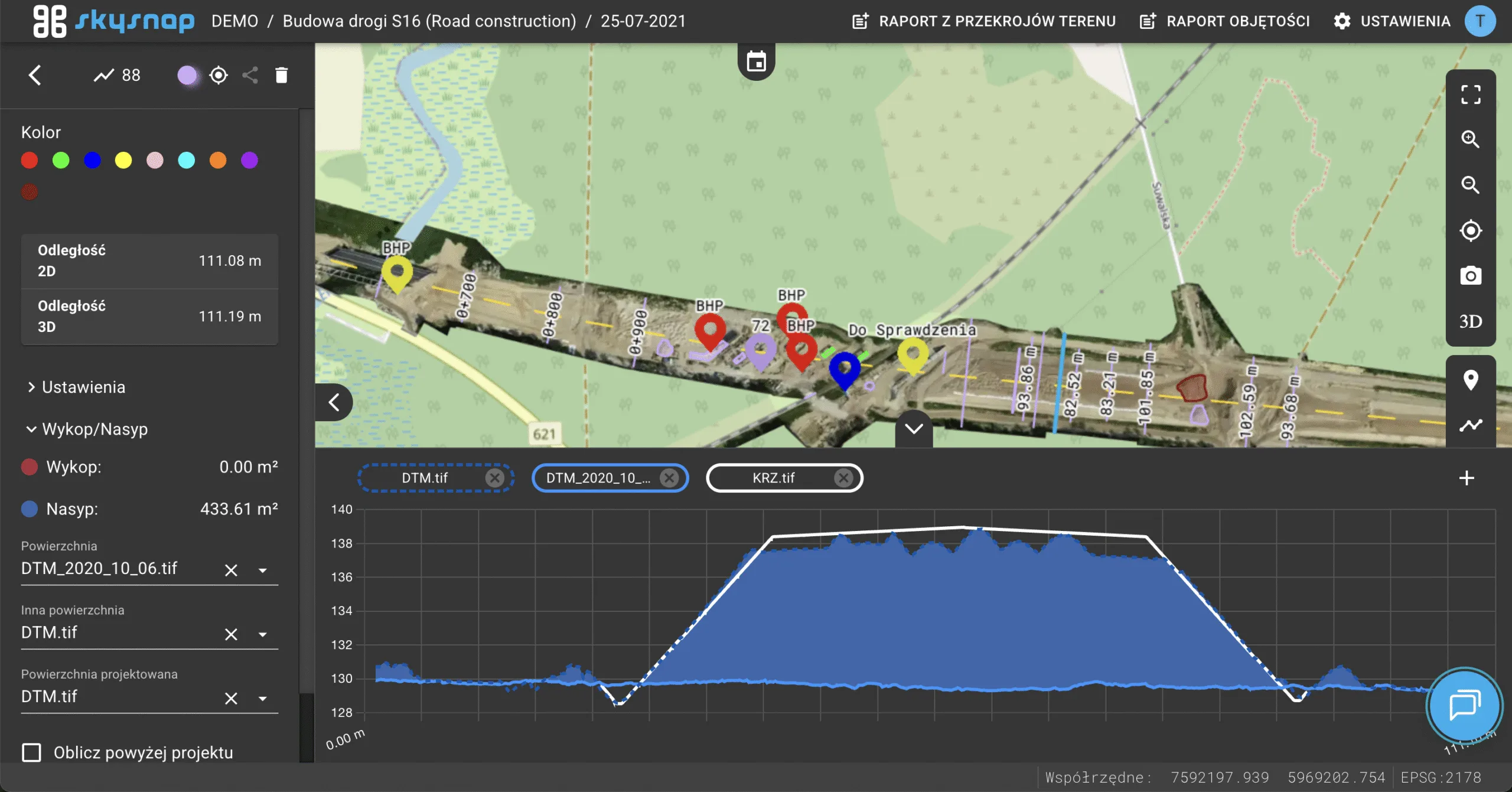
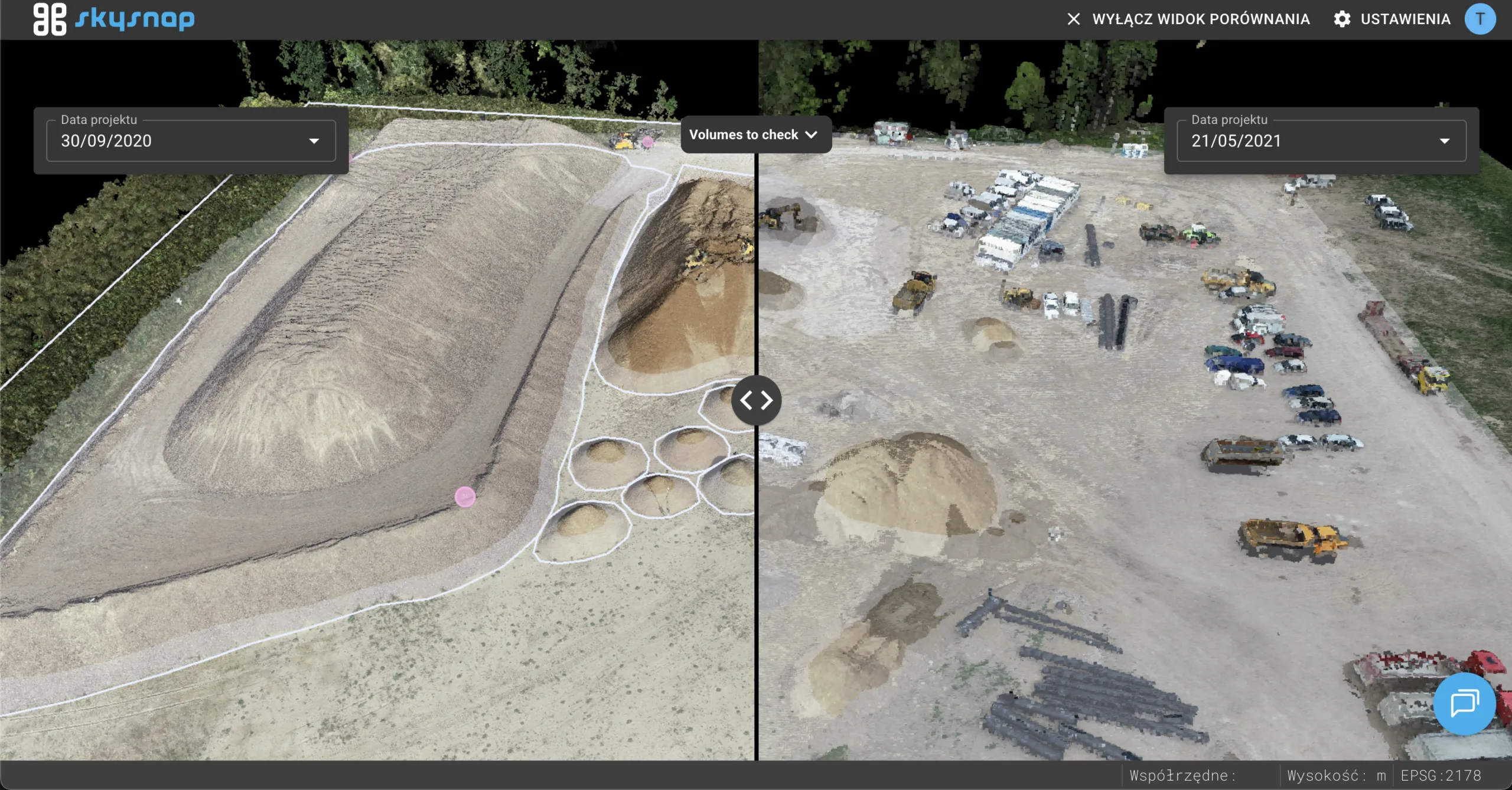
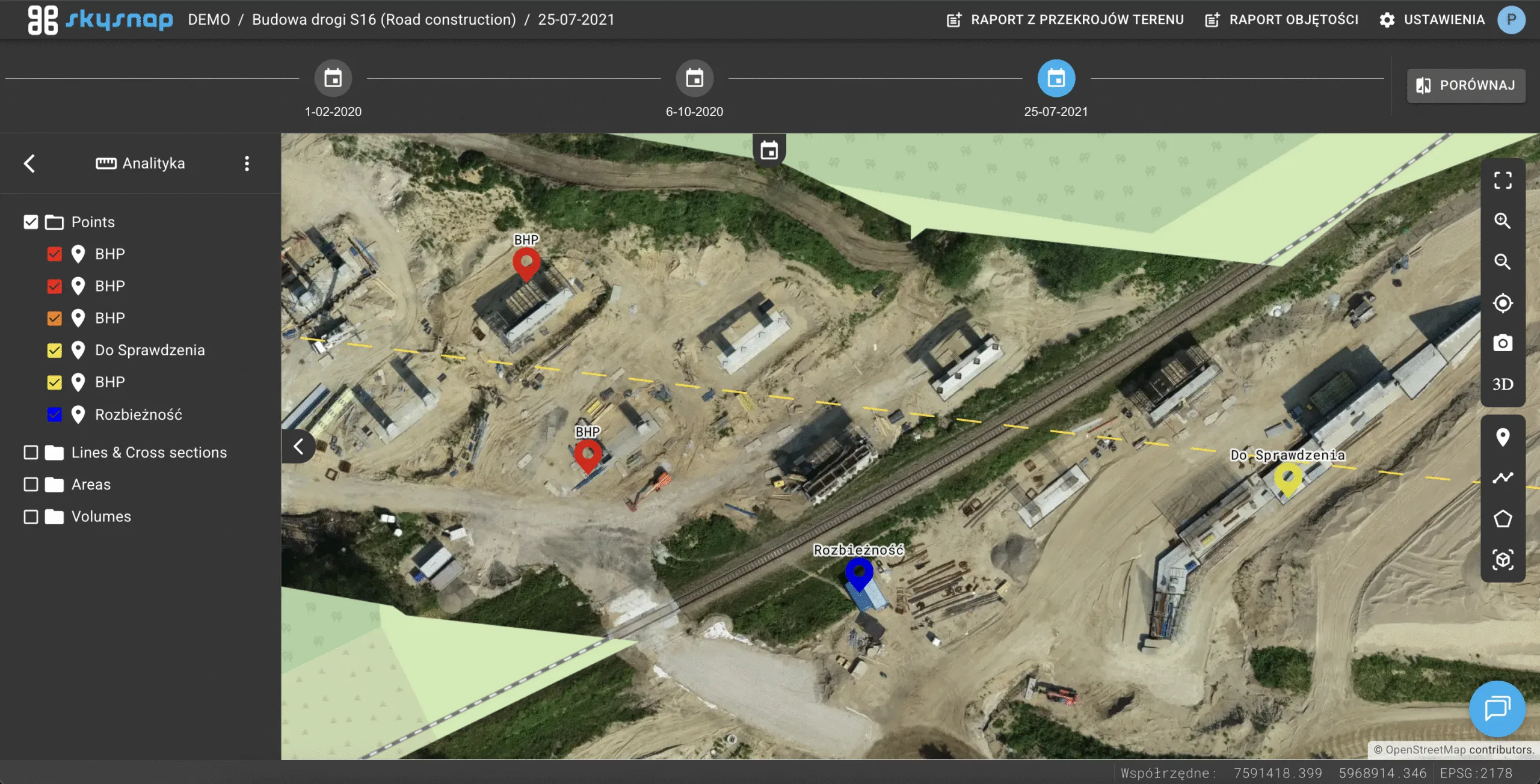
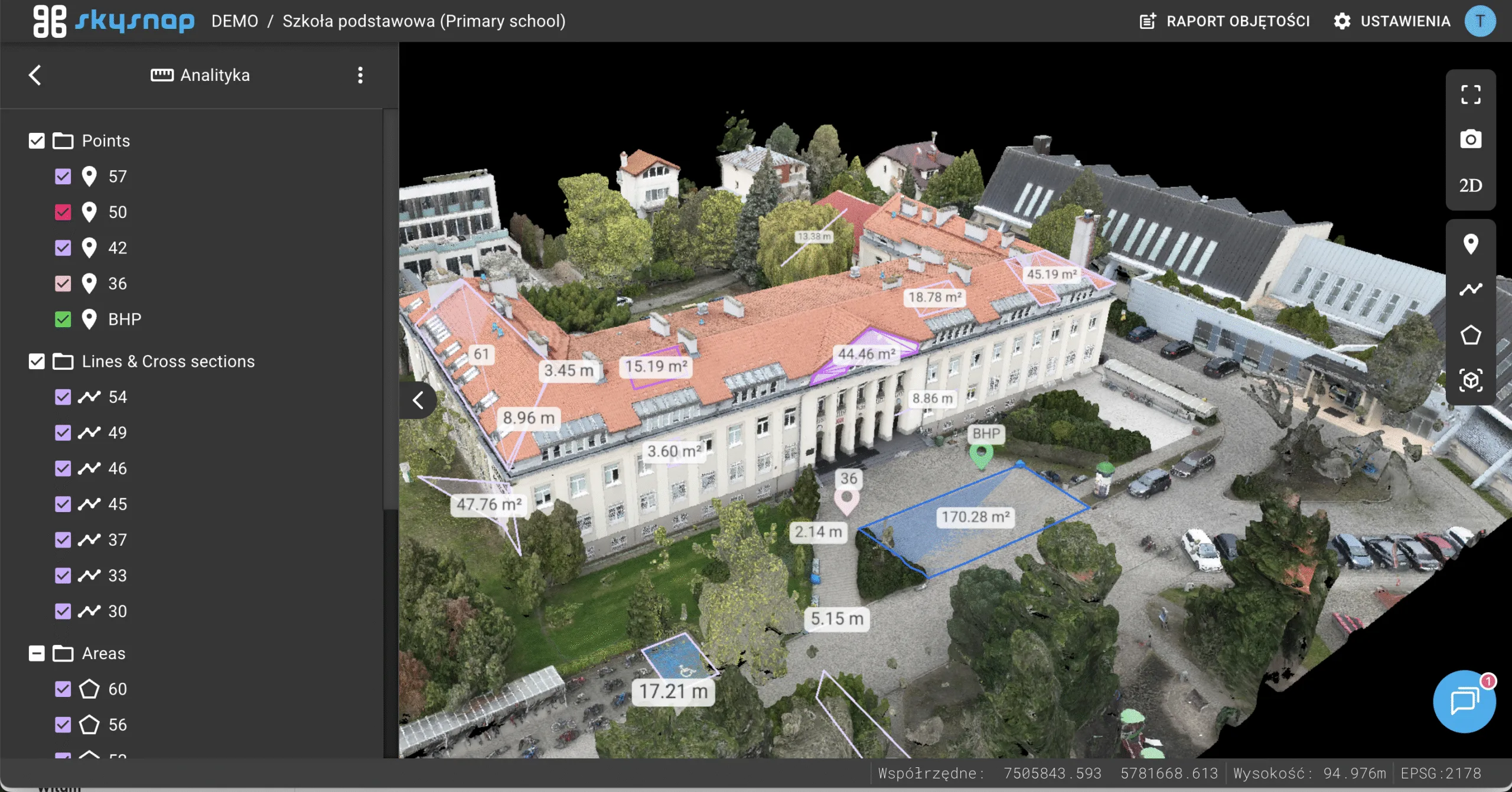
In the construction sector, for example, drones are being used to inspect facilities and sites, allowing faster detection of potential problems and reducing downtime.
In agriculture, in turn, they make it possible to monitor large areas of crops, which speeds up decisions on irrigation or fertilization.
Moreover, in logistics, drones can streamline warehouse and delivery processes, minimizing errors and increasing accuracy. With them, companies can better manage their resources and optimize operations, leading to improved profitability and competitiveness.
Reduction of operating costs
Commercial drones offer significant reductions in operating costs for companies in various industries. Their use eliminates the need for expensive resources and traditional work methods, such as hiring helicopters for inspections or employing large numbers of workers to monitor vast areas.
In the power industry, for example, drones enable fast and accurate inspections of transmission lines without the need to send out maintenance crews, significantly reducing costs associated with outages and repairs.
In agriculture, they can reduce spending on crop protection products by precisely spraying only selected areas.
Drones also minimize the risk of accidents in hard-to-reach areas, which translates into potential safety savings. With drones, companies can not only save money, but also improve their efficiency and competitiveness in the market.
Challenges and Limitations
Regulations and security
Regulations and security issues pose significant challenges to the deployment of commercial drones. Many countries have specific regulations on drone use to ensure the safety of airspace and protect citizens’ privacy.
These rules include restrictions on flight altitudes, prohibited zones and licensing requirements for drone operators. Failure to comply with these rules can lead to serious legal and financial consequences, which in turn can discourage companies from investing in the technology.
In addition, the safety of drone operations is crucial to avoid collisions with other aircraft or obstacles. Therefore, companies need to invest in personnel training and the development of safety systems, which can generate additional costs.
Despite these challenges, commercial drones remain a promising tool that can bring many benefits. Learn more about drone regulation.
Technological limitations of drones
Despite the rapid development of drone technology, there are still some technological limitations that affect their use in business.
- One of the main challenges is limited flight time due to battery capacity. Most commercial drones can only fly for a few tens of minutes, which can be a problem for long-term operations.
- In addition, drones can have difficulty operating in harsh weather conditions, such as high winds or rain, which limits their reliability.
- Another challenge is navigation accuracy and obstacle avoidance, especially in complex urban environments. The development of sensor technology and AI systems is still a work in progress to improve drone autonomy and safety.
Despite these limitations, technological advances are continuous, and future innovations could greatly enhance their functionality and application.
The Future of Commercial Drones
Technological innovations
Technological innovations are crucial to the future of commercial drones, opening up new opportunities and applications.
The development of battery technology has the potential to significantly increase flight time, which will increase the operational efficiency of drones and allow for more complex tasks.
At the same time, advances in artificial intelligence and autonomous systems could improve drones’ ability to avoid obstacles and make real-time decisions.
The next step is to integrate drones with 5G networks, which will enable more reliable and fast data transfer.
In addition, innovative materials used to build drones can make them lighter and more weatherproof. As these technologies develop, commercial drones have the potential to become an even more versatile tool that will revolutionize many industries.
Development of new markets and sectors
Commercial drones have great potential to influence the development of new markets and economic sectors. As drone technology becomes more advanced and accessible, new opportunities are emerging in industries such as education, environmental protection and rescue.
- In education, drones can be used to teach programming and engineering, offering hands-on experience with modern technology.
- In the environmental sector, drones help monitor ecosystems, pollution and wildlife, offering precise data for analysis.
- In rescue, drones can quickly deliver essential medical supplies to hard-to-reach areas or take part in search operations.
The development of new drone-related markets will not only contribute to economic growth, but will also improve the quality of life.

Free E-book
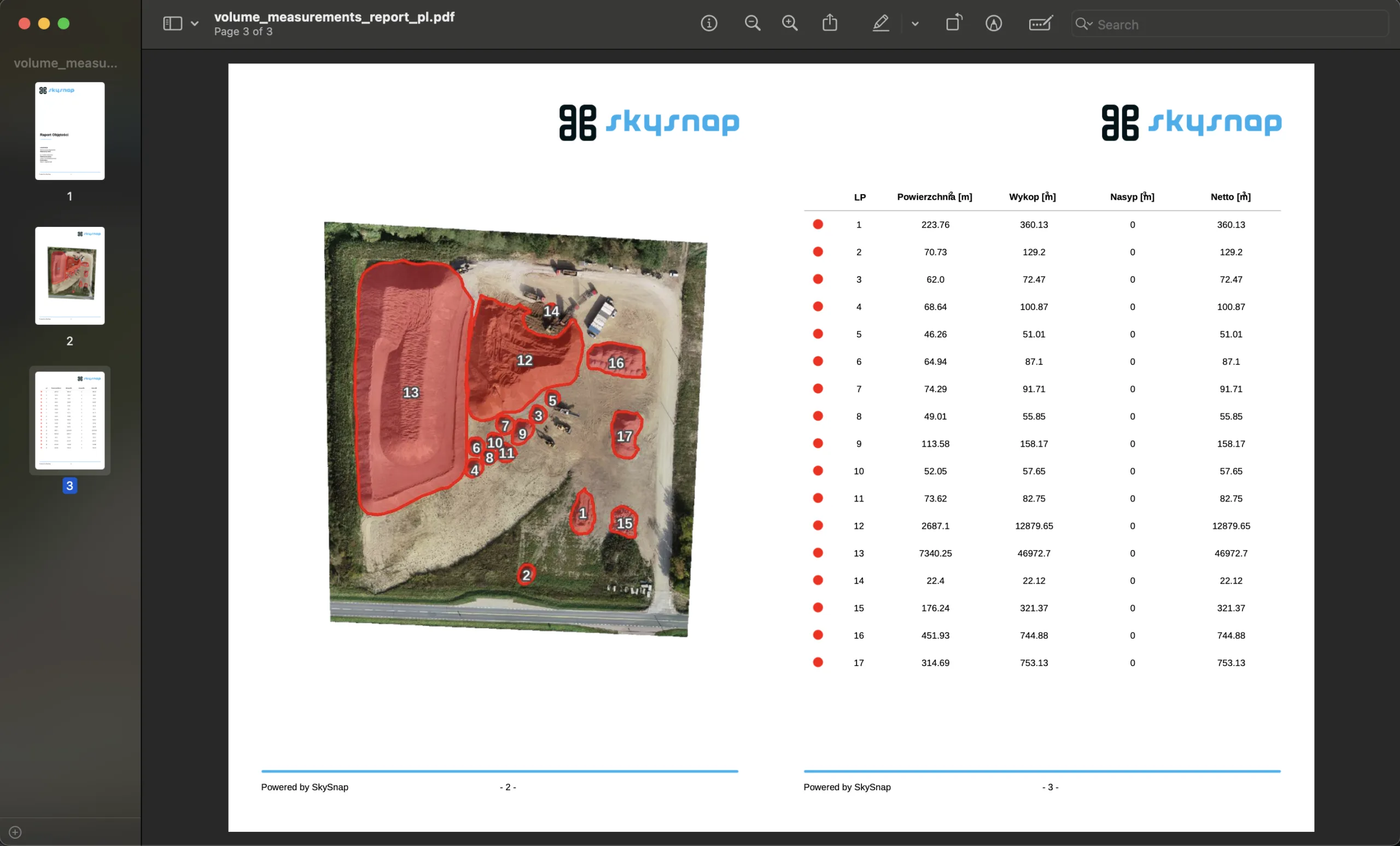
Measuring the volume of materials, aggregates and earthworks on a construction site is one of the most important uses of drones. Why? Because it’s time and money! Download our short e-book and learn how you can monetize your passion with drones.
Table of Contents:
Do you like the article? Share it with others!
Do you like the article? Share it with others!
Tips, news, insights
Related articles
Check out our articles and get the latest industry news.