Introduction to drone filming
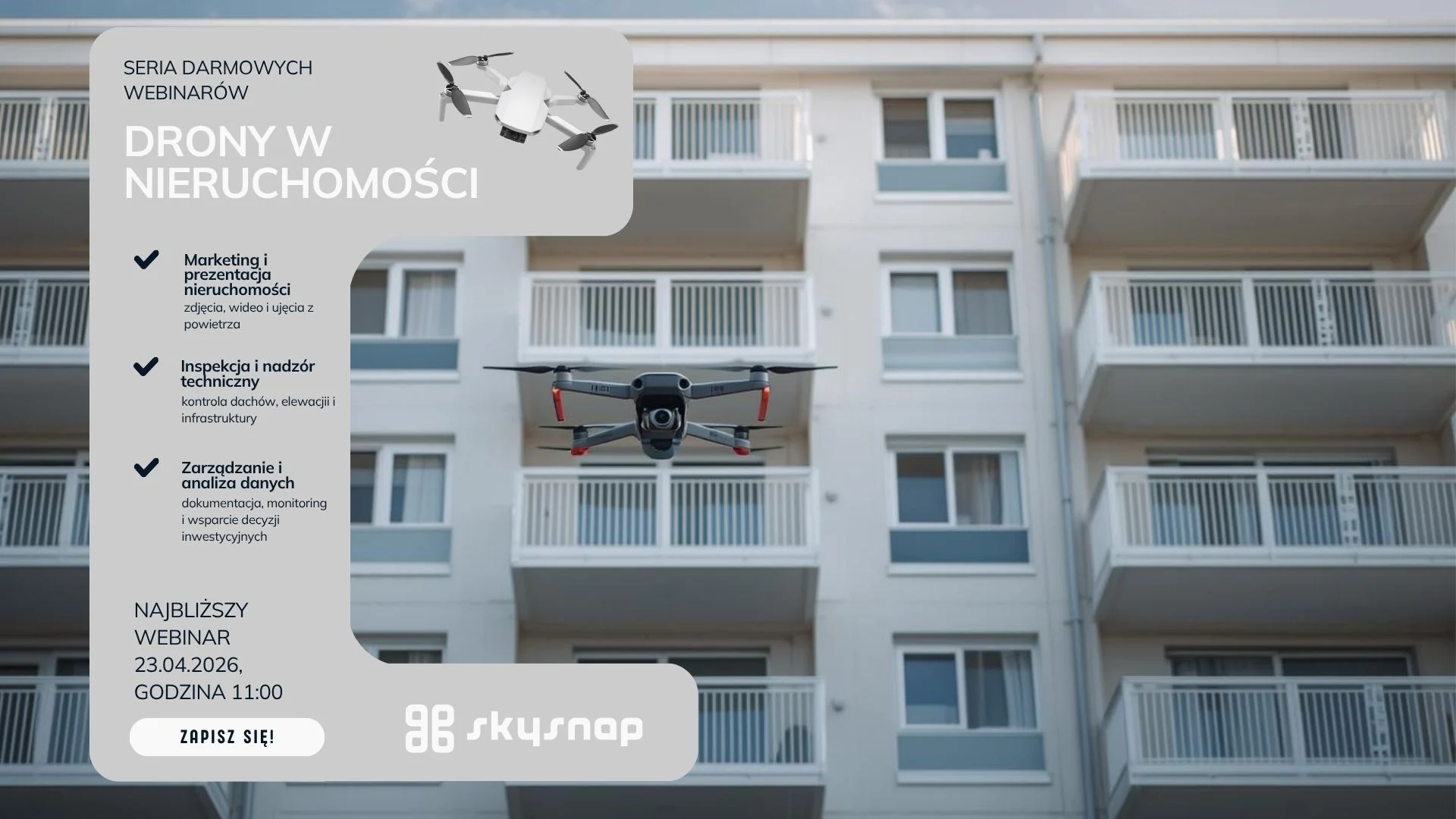
Drone filming is a modern and innovative method of creating video and photographic footage from the air. With the use of drones, it is possible to achieve unique and spectacular shots that are not possible with traditional filming methods. Drone filming services are becoming increasingly popular in various industries, such as construction, tourism, real estate advertising and many others. Drones allow you to capture exceptional bird’s-eye shots, making them the perfect tool for creating unforgettable memories and professional footage.
How drone filming is revolutionizing construction projects
Drone filming has become a key tool in the construction industry, bringing revolutionary changes in the way projects are planned and executed. Thanks to modern drones, it is possible to obtain detailed photos and videos from hard-to-reach areas, allowing for a more accurate analysis of the site. It is worth noting that drone operators must have the required certifications to ensure regulatory compliance and safety of operations. As a result, architects and engineers can better visualize their plans, identify potential problems and make more informed decisions. Drone filming also improves safety on construction sites, allowing progress to be monitored without having to be physically present in dangerous areas. In this article, we’ll take a look at how drone technology is changing everyday construction practice and the benefits it brings to all parties involved.
Why drone filming is popular
Drone filming is popular because of the many advantages it offers. First and foremost, drones allow for unique bird’s-eye shots that are extremely attractive and impressive. In addition, drone filming is relatively inexpensive compared to traditional filming methods, such as helicopters or airplanes. In addition, drones are able to obtain footage in hard-to-reach areas, making them ideal for filming in difficult terrain. With drones, operators can create advertising and promotional videos that stand out from the competition, offering a new perspective and unique shots.
Modern drone applications
Drones in the construction industry are becoming increasingly indispensable due to their versatility. Their use goes beyond traditional methods, offering new opportunities for inspection, mapping and documentation. In this section, we take a look at how modern drones can be used in construction projects. Drone filming includes a wide range of services, such as commercial videos, live broadcasts and filming in various conditions.
Types of filming services
Istnieje wiele rodzajów usług filmowania dronem, w tym:
- Filmy reklamowe: Tworzenie materiałów wideo reklamowych dla firm i produktów, które przyciągają uwagę potencjalnych klientów.
- Filmy promocyjne: Tworzenie materiałów wideo promocyjnych dla wydarzeń, imprez i produktów, które pomagają w budowaniu marki i zwiększaniu jej rozpoznawalności.
- Inspekcje dronem: Wykonywanie inspekcji obiektów i terenów za pomocą dronów, co pozwala na szybkie i dokładne oceny stanu technicznego.
- Zdjęcia z drona: Wykonywanie zdjęć z lotu ptaka za pomocą dronów, które oferują nową perspektywę i wyjątkowe ujęcia.
- Panoramy sferyczne: Tworzenie panoram sferycznych obiektów i terenów za pomocą dronów, co pozwala na pełne zobrazowanie przestrzeni w 360 stopniach.
Wszystkie te usługi są dostępne w naszej ofercie, a ceny zależą od rodzaju usługi i skali projektu. Dzięki różnorodności usług filmowania dronem, możemy dostosować nasze rozwiązania do indywidualnych potrzeb każdego klienta, zapewniając najwyższą jakość i profesjonalizm.
Inspection and monitoring of construction sites
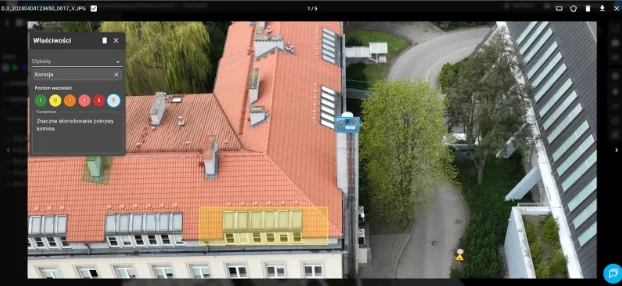
Drony umożliwiają przeprowadzanie inspekcji placów budowy w sposób szybki i efektywny. Filmy z drona umożliwiają szczegółową analizę stanu technicznego obiektów, co jest nieocenione w inspekcjach budowlanych. Dzięki nim można zidentyfikować potencjalne problemy bez potrzeby przerywania prac budowlanych. Kamery o wysokiej rozdzielczości pozwalają na szczegółowe przeglądy, które wcześniej wymagałyby znacznych nakładów czasu i zasobów.
Inspekcje dronowe mogą być realizowane regularnie, zapewniając aktualne informacje o stanie budowy. To umożliwia szybszą reakcję na ewentualne problemy, co przekłada się na redukcję opóźnień w realizacji projektów.
Dzięki dronom, zespoły budowlane mogą poprawić swoje procedury bezpieczeństwa, identyfikując zagrożenia z góry i minimalizując ryzyko wypadków.
Creating advanced terrain maps
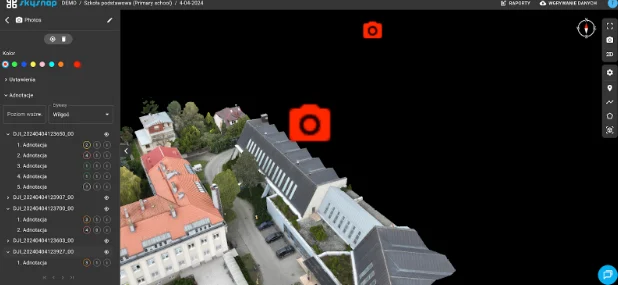
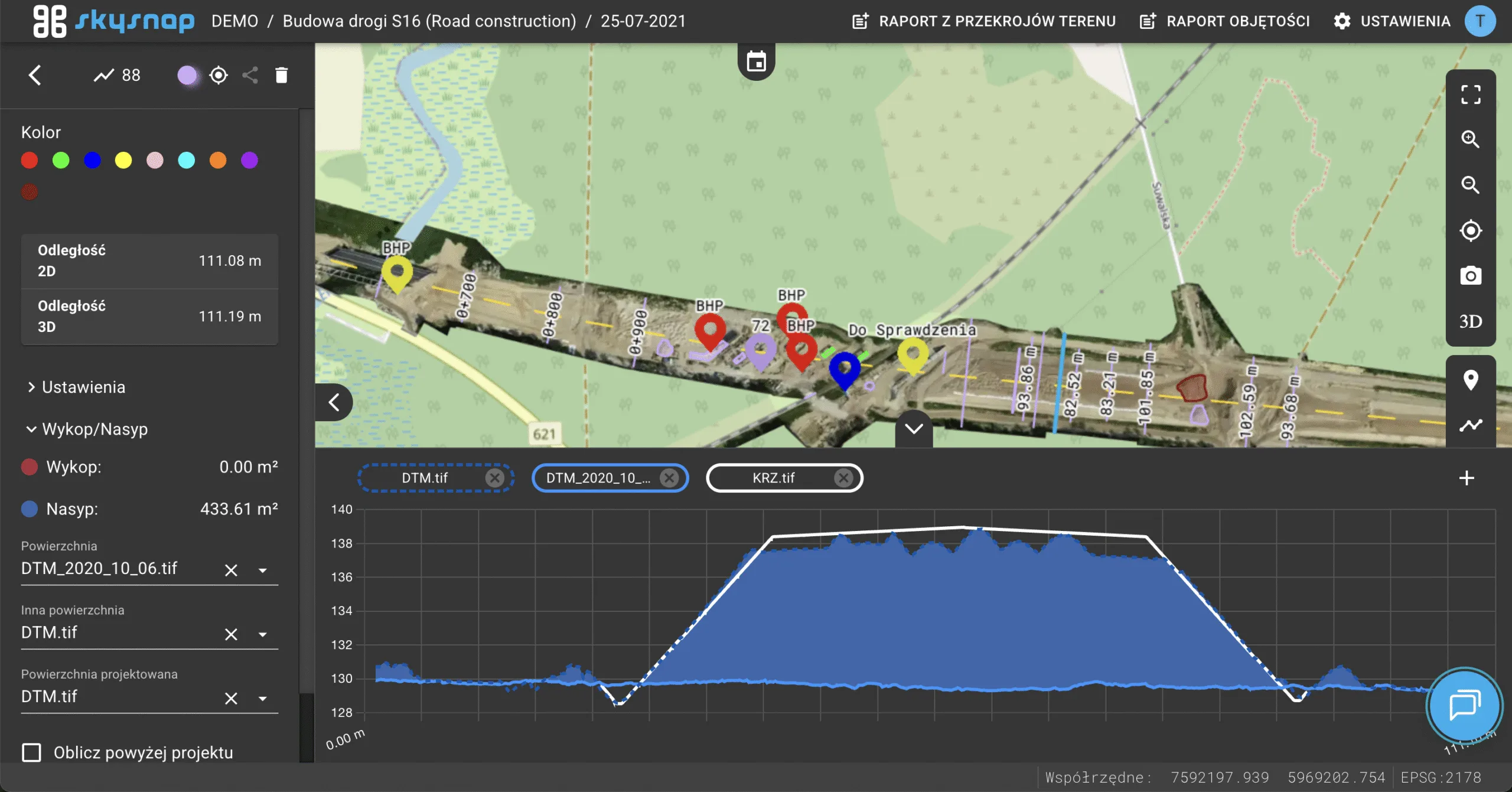
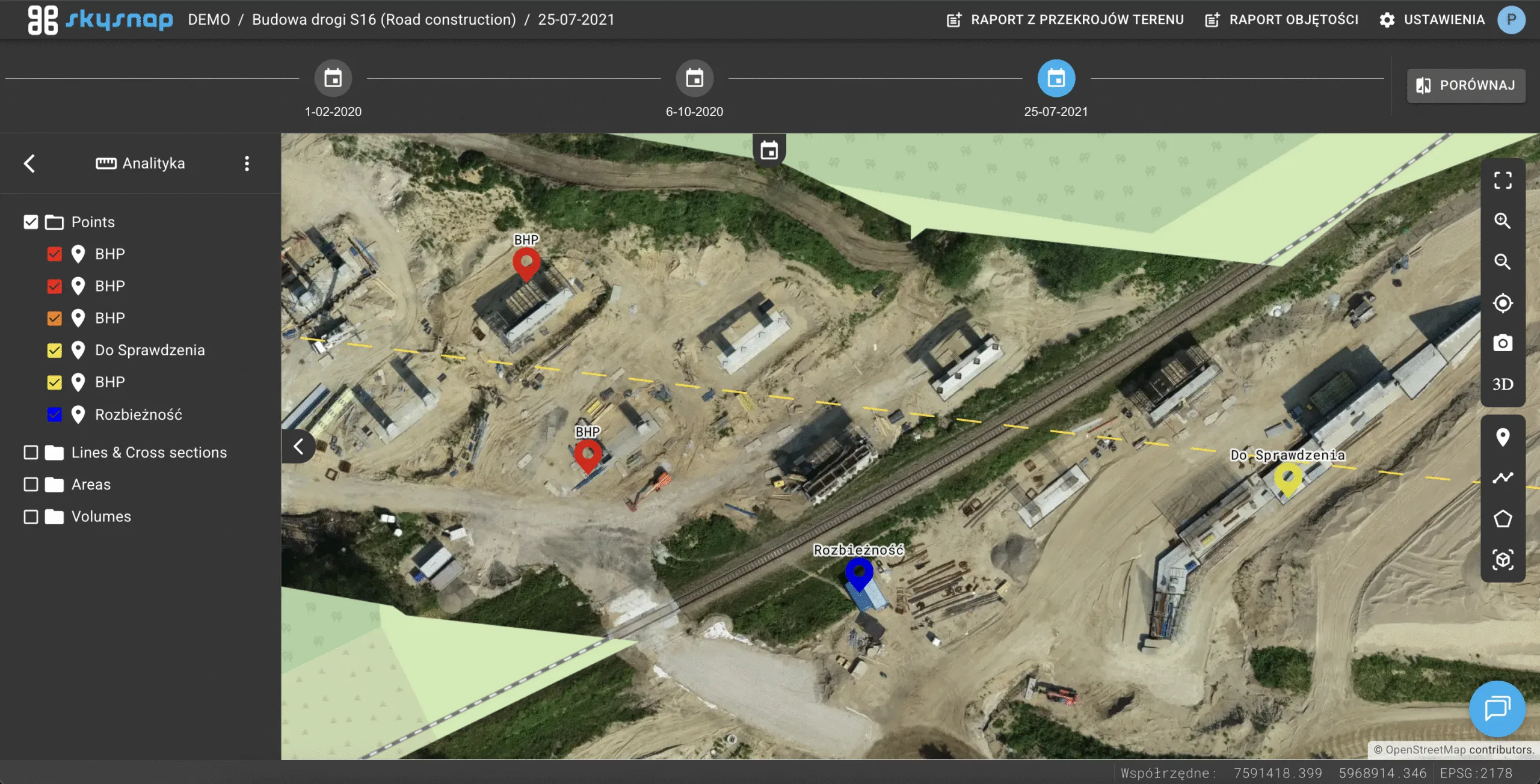
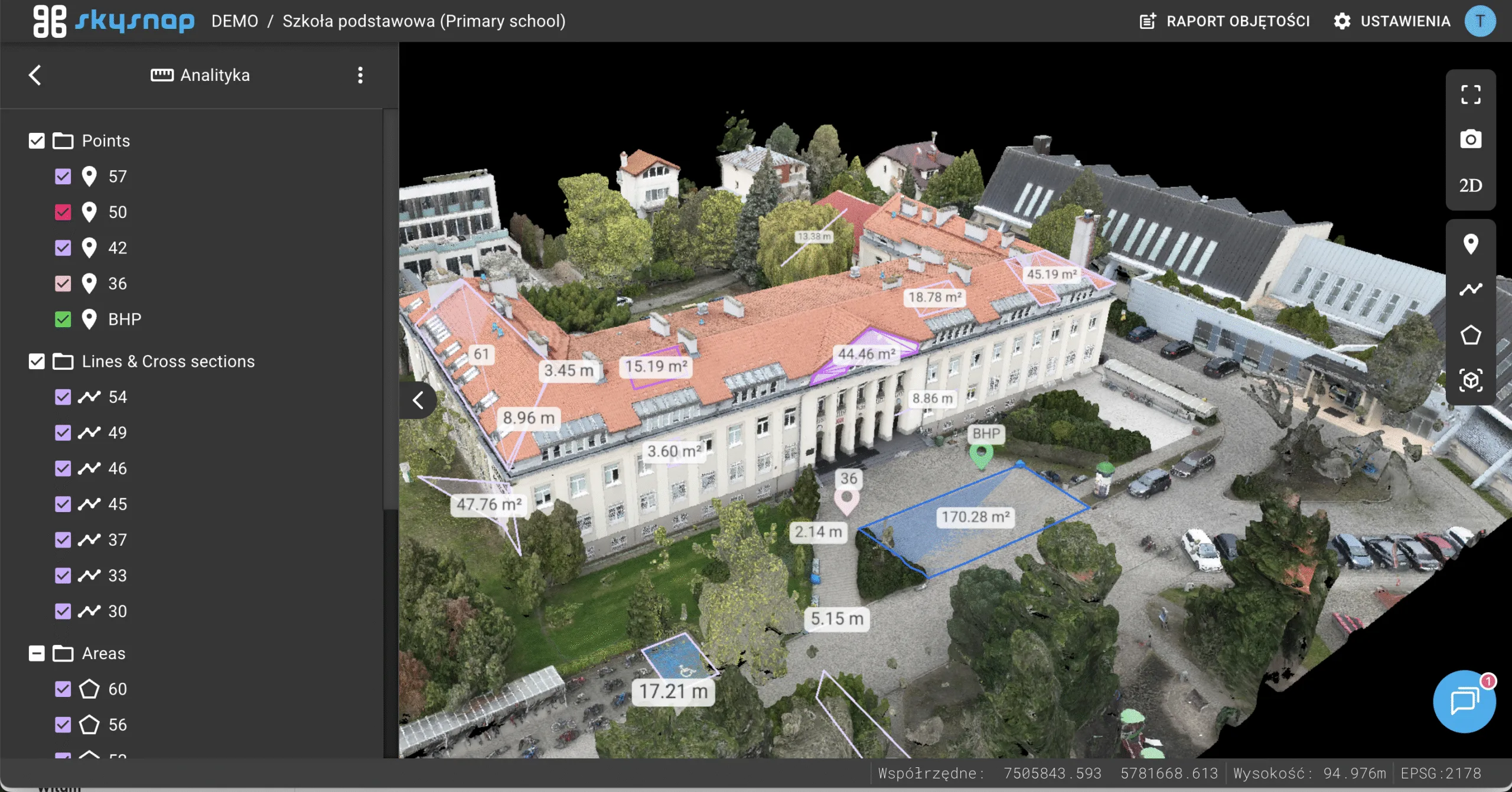
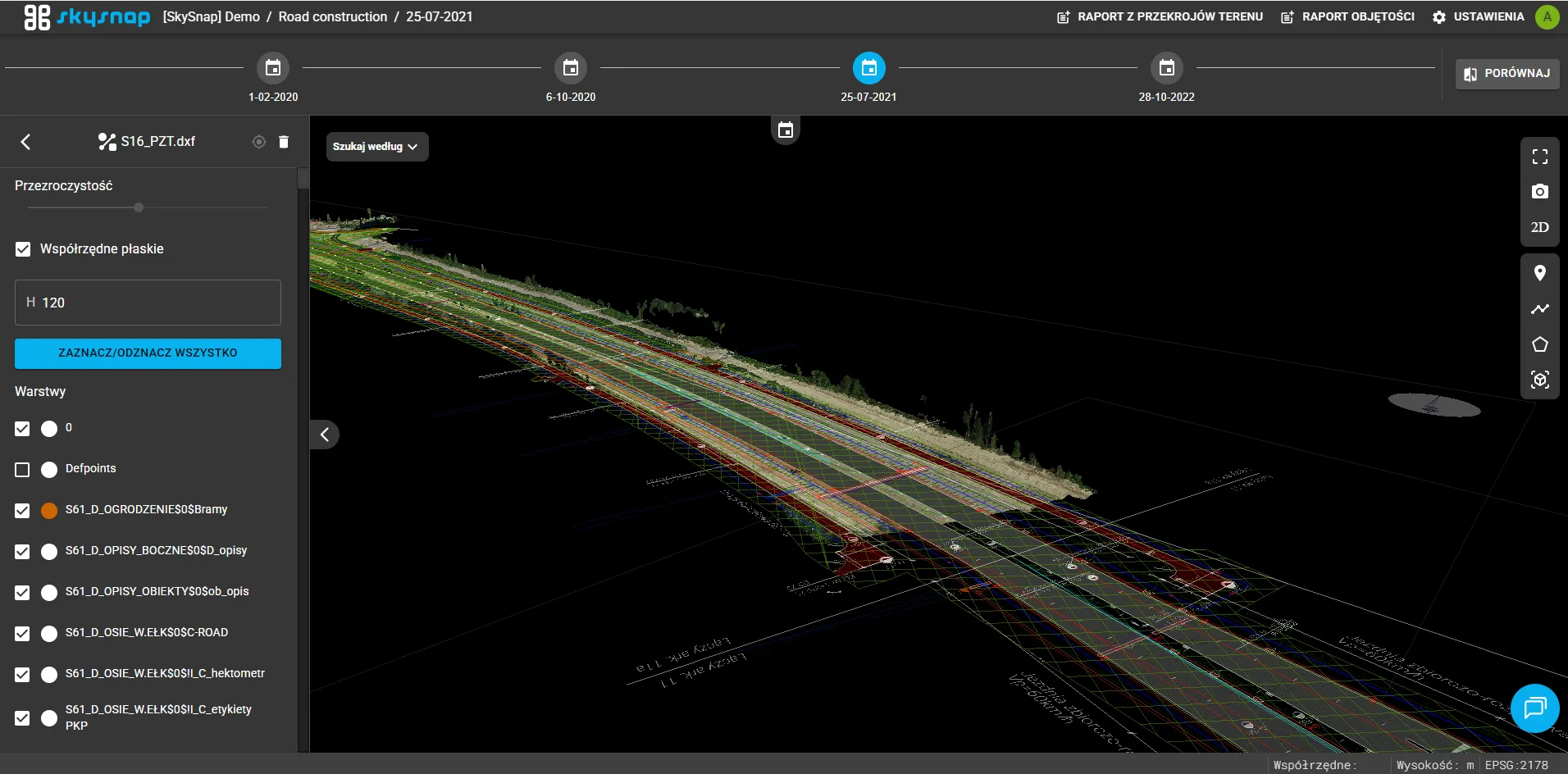
Drones are revolutionizing the way we create terrain maps for construction projects. Thanks to photogrammetry technology, it is possible to generate three-dimensional terrain models that are extremely accurate.
3D maps allow architects and engineers to better understand the topography of the site and identify the best construction solutions. This allows them to better plan the placement of buildings and infrastructure.
Such advanced maps also help predict drainage or soil stability problems. This allows more informed decisions to be made early in the project.
Documentation of work progress
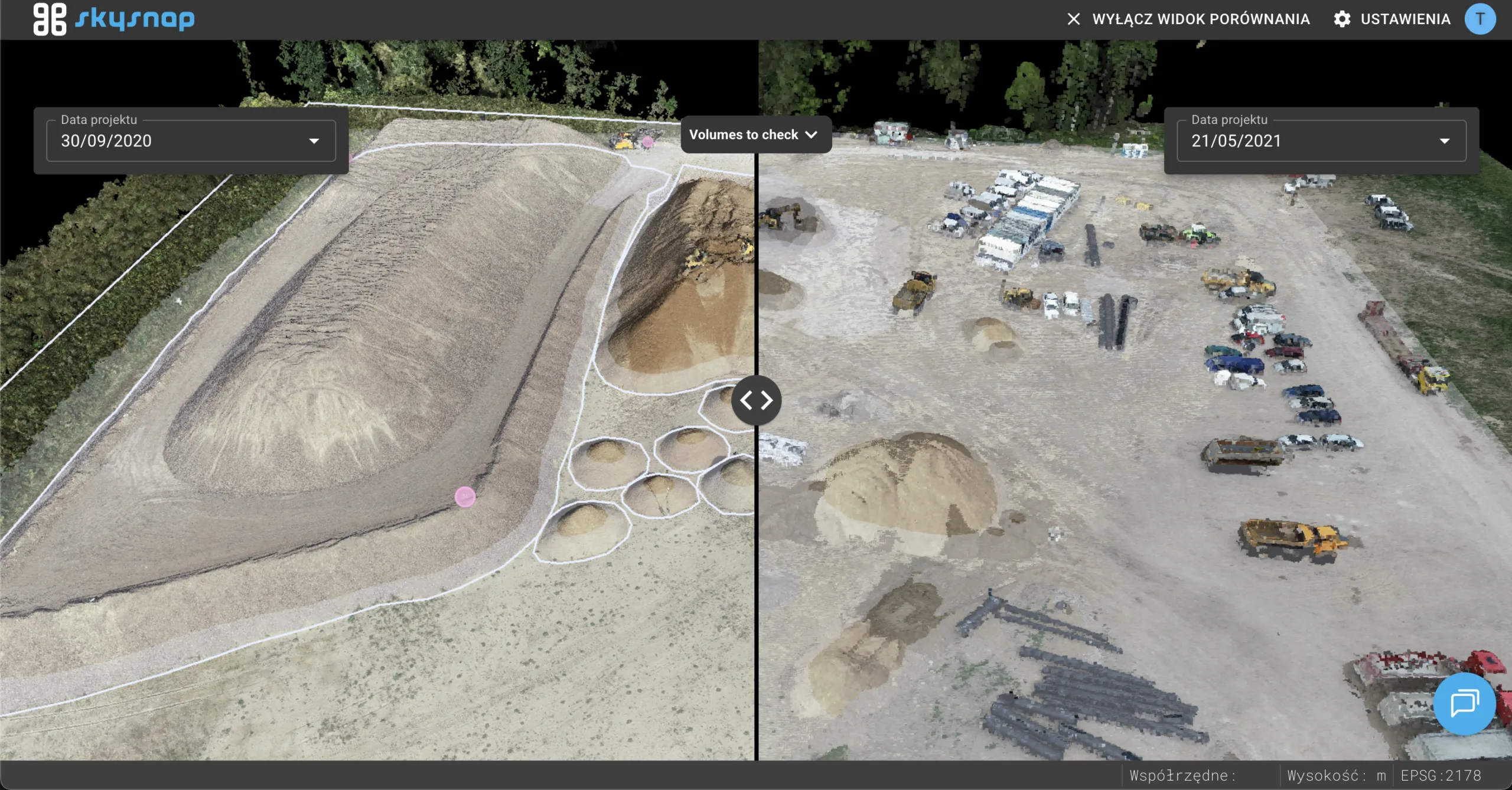
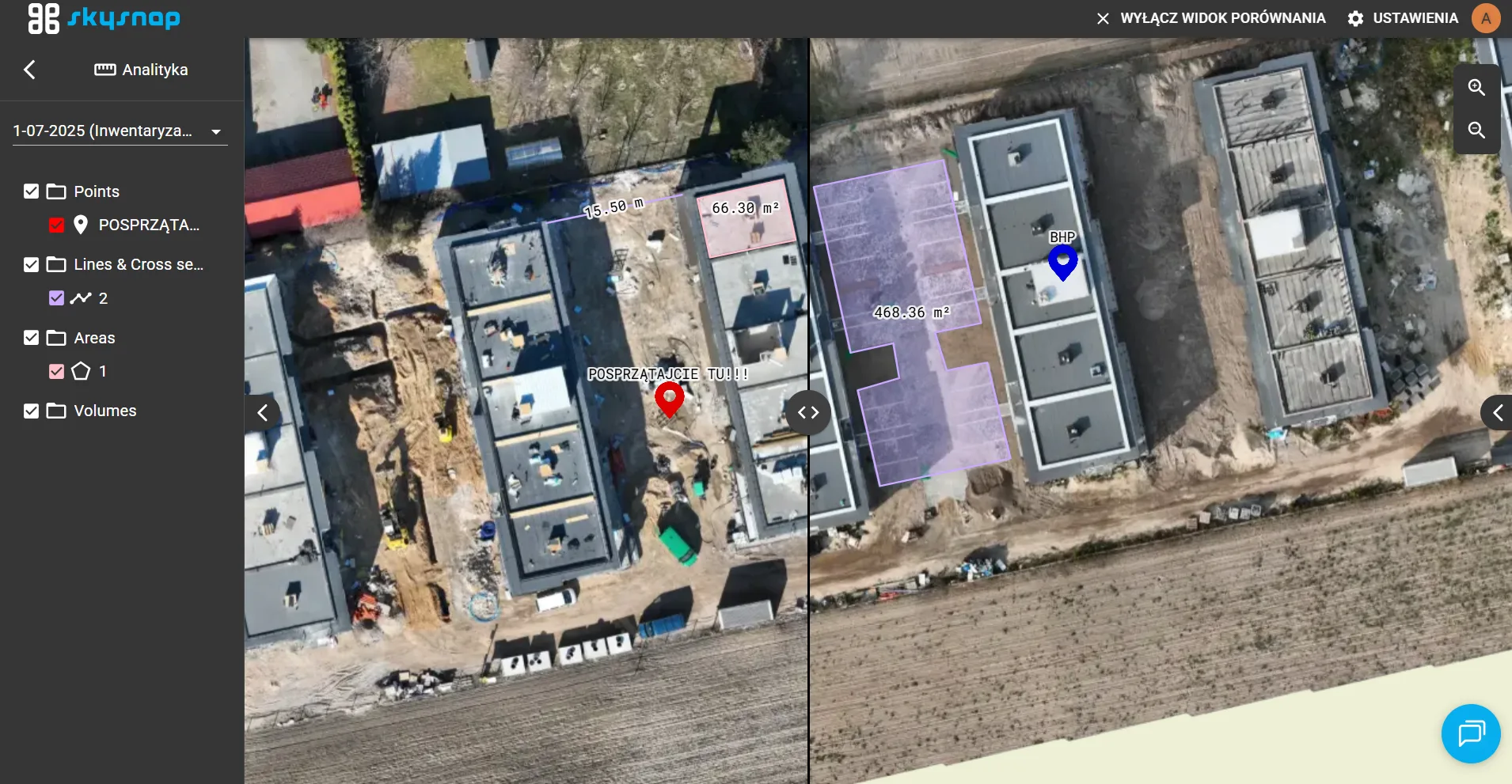
Regularly documenting the progress of work with drones is an important part of construction project management. Videos from a drone are an ideal tool for documenting the progress of work, offering high quality and detailed footage. Drones can quickly and accurately record changes on a construction site, which is crucial for ongoing control and reporting.
Photos and videos from drones can be used to create reports for investors and stakeholders. This allows for transparency and building trust in the ongoing project.
With drone documentation, it’s also easier to keep track of how the completed work complies with the plans, which helps avoid costly rework.
Benefits of using drones in the construction industry
The use of drones in construction brings many benefits, both financially and in terms of safety. They make the construction process more efficient and safer. In this section, we will look at the main advantages that drones bring to the construction industry.
Cost and time reduction
Drony umożliwiają znaczną redukcję kosztów i oszczędność czasu w projektach budowlanych. Filmowanie dronem stanowi doskonałe rozwiązanie dla firm budowlanych, które chcą zoptymalizować swoje procesy i zredukować koszty. Dzięki możliwości szybkiej inspekcji i mapowania terenu, procesy, które wcześniej wymagały wielu zasobów, mogą być zrealizowane znacznie szybciej.
- Szybsze inspekcje: Wykorzystanie dronów pozwala na szybkie przeprowadzenie inspekcji, co minimalizuje czas przestojów.
- Oszczędności na sprzęcie: Drony eliminują potrzebę używania drogiego sprzętu do inspekcji z powietrza.
- Zmniejszenie liczby błędów: Dokładne mapy i dokumentacja pozwalają na lepsze planowanie i redukcję błędów.
Dzięki dronom inwestorzy mogą liczyć na zwrot z inwestycji poprzez optymalizację procesów budowlanych.
Increase worker safety
Bezpieczeństwo jest priorytetem w każdej branży budowlanej, a drony odgrywają kluczową rolę w jego poprawie. Dzięki możliwości zdalnego monitorowania placu budowy, ryzyko związane z pracami na wysokościach i w niebezpiecznych miejscach jest znacznie zmniejszone.
Zdalne inspekcje pozwalają na identyfikację zagrożeń bez narażania pracowników na niebezpieczeństwo. To oznacza, że mniej osób musi wykonywać ryzykowne zadania osobiście.
Drony mogą również monitorować przestrzeganie zasad bezpieczeństwa na miejscu pracy, co pomaga w zapobieganiu wypadkom i poprawie ogólnego poziomu bezpieczeństwa.
Facilitate collaboration with stakeholders
With drones, communication and collaboration with stakeholders becomes more effective. With the help of drone photos and videos, stakeholders can follow the progress of construction in real time, which facilitates decision-making and problem-solving.
Visual documentation allows for a better understanding of the project by those not directly involved in construction. This in turn strengthens transparency and builds trust in the project team.
Regular visual reports can also help ensure compliance with schedule and budget, which is critical to project success.
Technology and drone equipment
Drone technology is constantly evolving, offering increasingly advanced solutions. Modern drones are equipped with interchangeable lenses that allow the equipment to be customized to meet specific project needs. In this section, we will discuss the key elements of drone technology that are applicable to construction, such as modern cameras, data analysis software, and choosing the right drone for a project.
Modern cameras and sensors
Cameras and sensors in drones are key components that enable precise data collection from construction sites. Today’s drones are equipped with high-resolution cameras and various types of sensors, such as lidar and thermal imaging.
Lidar sensors allow the creation of detailed 3D models of terrain, which is extremely useful for complex projects or in difficult terrain. Thermal imaging cameras can detect problems with insulation or energy flow.
With such advanced technologies, construction teams can gather data that was previously out of their reach, allowing them to better plan and execute projects.
Data analysis software
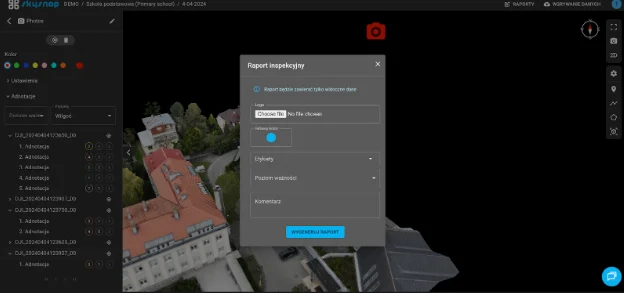
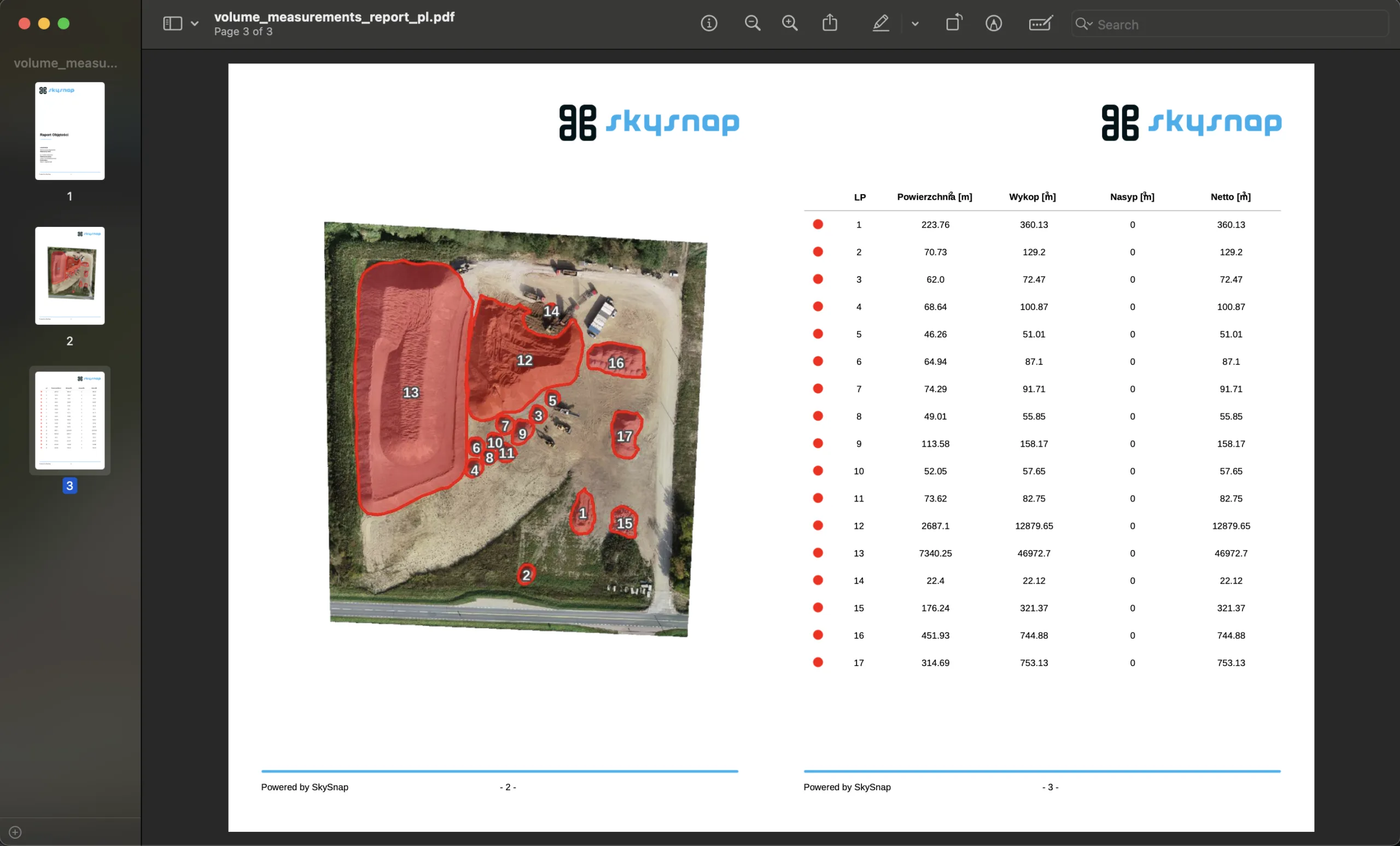
Data analysis software is essential for processing and interpreting information collected by drones. With it, reports and visualizations can be created to support decision-making in construction projects.
Modern analytical tools allow drone data to be processed quickly and generate useful information. This enables construction teams to better understand and predict various aspects of a project.
Using the software, it is also possible to track the progress of the work, which allows you to react to possible problems in real time and optimize construction processes.
Choosing the right drone for the project
Choosing the right drone is crucial to the success of a construction project. There are many types of drones, each with its own unique features and applications.
- Drones with high-resolution cameras are ideal for detailed visual documentation.
- Drones with lidar are best for creating precise terrain maps.
- Thermal imaging drones work well for detecting problems with insulation or energy flow.
When choosing a drone, it is important to determine the project requirements and tailor the choice to specific needs.
Challenges and limitations
While drones offer many benefits, they also come with some challenges and limitations. In this section, we will discuss the most important of these, such as regulations, data security and the impact of weather conditions on drone flights.
Regulations and licenses
Regulating drone use is a key aspect that must be considered in construction projects. Many countries require appropriate licenses and approvals for drone flights, especially in urban areas.
Additionally, drone operators must carry liability insurance to ensure protection in case of unforeseen circumstances. Compliance is essential to avoid legal sanctions and ensure that drone operations are conducted in a safe and legal manner.
It is important for construction companies to stay abreast of regulations and invest in drone operator training to ensure compliance with current regulations.
Data security and privacy
Aerial data collection brings challenges related to data security and privacy. Drones can collect large amounts of information, which must be properly stored and protected from unauthorized access.
Privacy protection is particularly important for flights over populated areas, where there is a risk of invading the privacy of third parties.
Companies must implement appropriate security measures to protect the data collected and ensure compliance with data protection regulations.
Weather conditions and their impact on flights
Weather conditions are another factor that can affect drone operations in construction. Strong wind, rain or fog can hinder drone flights and affect the quality of data collected.
Flexibility in flight planning is crucial to adjust operations to changing weather conditions. Drones must also be properly protected from adverse weather conditions.
Companies should be prepared for weather-related delays and factor them into project schedules.
The future of drones in construction
The future of drones in the construction industry looks exciting, with many novel applications waiting to be discovered. In this section, we will discuss how drones can be integrated with AR/VR technologies, automate construction processes and develop innovative drone solutions.
Integration with AR/VR technologies
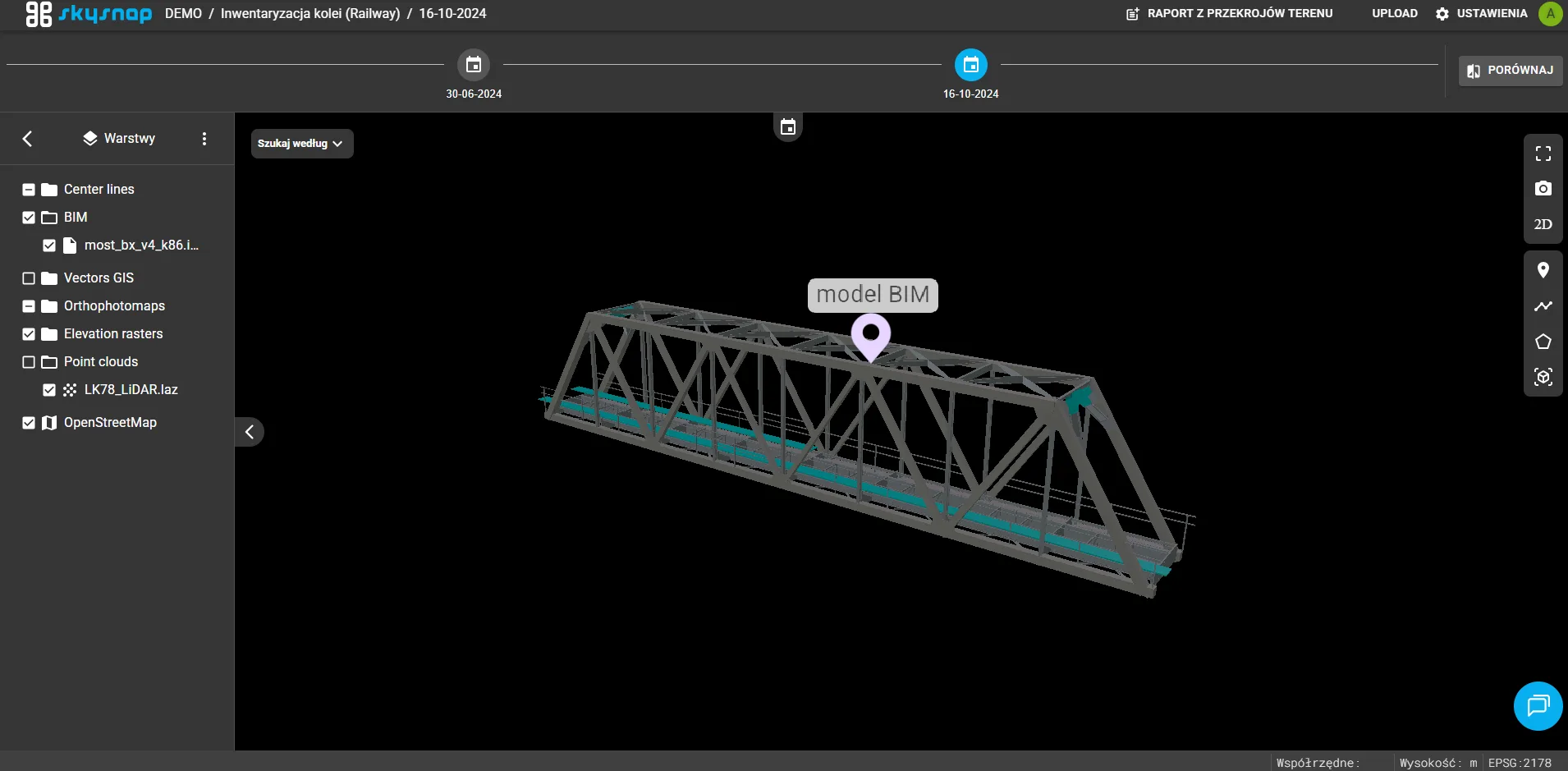
The integration of drones with AR/VR technologies is opening up new possibilities in the design and implementation of construction projects. With augmented and virtual reality, drone data can be visualized in a way that enhances project understanding.
AR/VR technologies allow for more interactive planning, enabling project teams to better understand the space and its capabilities.
With this integration, different scenarios can be tested and more informed decisions can be made, resulting in better quality and efficiency in construction projects.
Automation of construction processes
Automatyzacja procesów budowlanych za pomocą dronów staje się coraz bardziej realna. Drony mogą być wykorzystywane do wykonywania powtarzalnych zadań, takich jak inspekcje, co pozwala na redukcję kosztów pracy i zwiększenie efektywności.
Automatyzacja pozwala także na lepsze zarządzanie zasobami i monitorowanie postępów projektów w czasie rzeczywistym. Dzięki temu możliwe jest szybsze reagowanie na zmiany i optymalizacja procesów budowlanych.
W przyszłości drony mogą stać się integralną częścią zautomatyzowanych systemów budowlanych, co otworzy nowe możliwości dla branży.
Development of innovative drone solutions
The development of innovative drone solutions continues to gain momentum. State-of-the-art drones offer advanced features that enable even more precise and efficient management of construction projects. Innovations in drone technology, such as increased flight autonomy and new applications in various phases of construction projects, will continue to transform the industry.
New technologies will allow even more precise and efficient management of construction projects. This in turn will affect the quality, safety and cost of project implementation.
As drone technology continues to evolve, we can expect to see more and more advanced applications that will benefit all participants in the construction process.

Free E-book
Find out how UAV and AI support investment supervision, facilities management and the daily work of engineers. Learn about real-world applications of technology in construction and real estate.
Table of Contents:
Do you like the article? Share it with others!
Do you like the article? Share it with others!
Tips, news, insights
Related articles
Check out our articles and get the latest industry news.