Drone use in surveying: How the drone is changing the future of surveying – Practical applications and benefits – SkySnap
Drones are becoming an increasingly integral part of modern surveying, bringing with them revolutionary changes in the way we collect data and analyze terrain. With their ability to take measurements from the air quickly, accurately and safely, drones are opening up new opportunities for surveyors, enabling more accurate and detailed mapping than ever before. Drone applications in geodesy include the creation of orthophotos, 3D terrain modeling and monitoring of environmental changes, among others. In this article, we will look at the practical applications of drones in geodesy and the benefits of their use in this field.
Introduction to surveying and drones
Surveying is the science that deals with measuring and analyzing the shape and size of the Earth, as well as its gravitational field. The use of drones in surveying contributes to the precision of measurements and the efficiency of surveyors. Surveying drones are used for a variety of tasks, such as mapping, terrain modeling and progress monitoring. Thanks to modern technology, drones allow for faster and more accurate data acquisition, which is crucial for construction and urban planning projects. The use of drones in surveying makes it possible to obtain detailed maps and terrain models, which significantly facilitates the work of surveyors and contributes to better management of natural resources.
Revolution in surveying thanks to drones
Why drones in surveying?
The use of drones in surveying has revolutionized the way professionals do their work. Traditional surveying methods were often time-consuming and required significant human and financial resources.
- Drones eliminate many of these limitations, offering a fast and efficient way to collect data. With the ability to fly at various altitudes and in hard-to-reach areas, drones can provide the accurate and detailed information needed to create precise maps and 3D models.
- In addition, drones equipped with modern technology, such as LIDAR, allow even more advanced analysis of the land surface.
- The use of drones also enhances workplace safety by reducing the need for people to be present in potentially dangerous areas.
All this makes drones an indispensable tool in modern surveying. Drones influence the development of surveying, increasing the precision of measurements and the efficiency of surveyors.
History of drone use
The history of drone use in surveying dates back to the early 21st century, when the first unmanned aerial vehicles began to be used for civilian purposes. Initially, drones were used mainly for military purposes, but their potential was quickly recognized in other fields, including surveying. Over the years, drone technology has undergone significant development, allowing them to be used en masse in a variety of surveying projects. Early drone models were limited in range and precision, but technological advances, such as the introduction of advanced GPS and sensor systems, have revolutionized their operation.
Today, drones are widely used to create orthophotos, 3D maps and monitor environmental changes. Their role in surveying continues to grow, and their use continues to expand, offering new opportunities for data analysis and visualization. Surveying with a drone has become a modern method of acquiring spatial data that allows for fast and accurate mapping of areas.
Comparison of traditional methods
Traditional surveying methods, such as total station or leveling, require the presence of specialists in the field and the use of specialized equipment. The process is often time-consuming and expensive, especially for large or hard-to-reach areas.
In contrast, drones offer the ability to quickly collect data from the air, greatly speeding up the entire process. With them , data collection time can be reduced from several days to just a few hours.
In addition, drones can reach areas that are unsafe or difficult for humans to traverse, making surveyors’ work safer.
While traditional methods still have their place in surveying, especially for detailed point measurements, drones undoubtedly offer a number of advantages that make them an attractive tool for many surveying tasks. They make it possible to obtain more comprehensive data in less time.
Compared to traditional surveying methods, drones offer much greater flexibility and efficiency.
Surveyors’ work with drones
Surveyors’ work with drones requires specialized knowledge and skills. Surveyors must be able to operate drones and interpret data obtained with them. The use of drones in surveying allows surveyors to work more efficiently and respond more quickly to potential problems. Drones are used to monitor the progress of work and create detailed maps of the area, which is especially useful in hard-to-reach areas. Thanks to drones, surveyors can better plan and execute construction or infrastructure projects, saving time and resources. The use of drones in surveying allows for precise data, which is essential for making informed decisions in surveying projects.
Practical applications of drones in surveying
Terrain mapping with drones
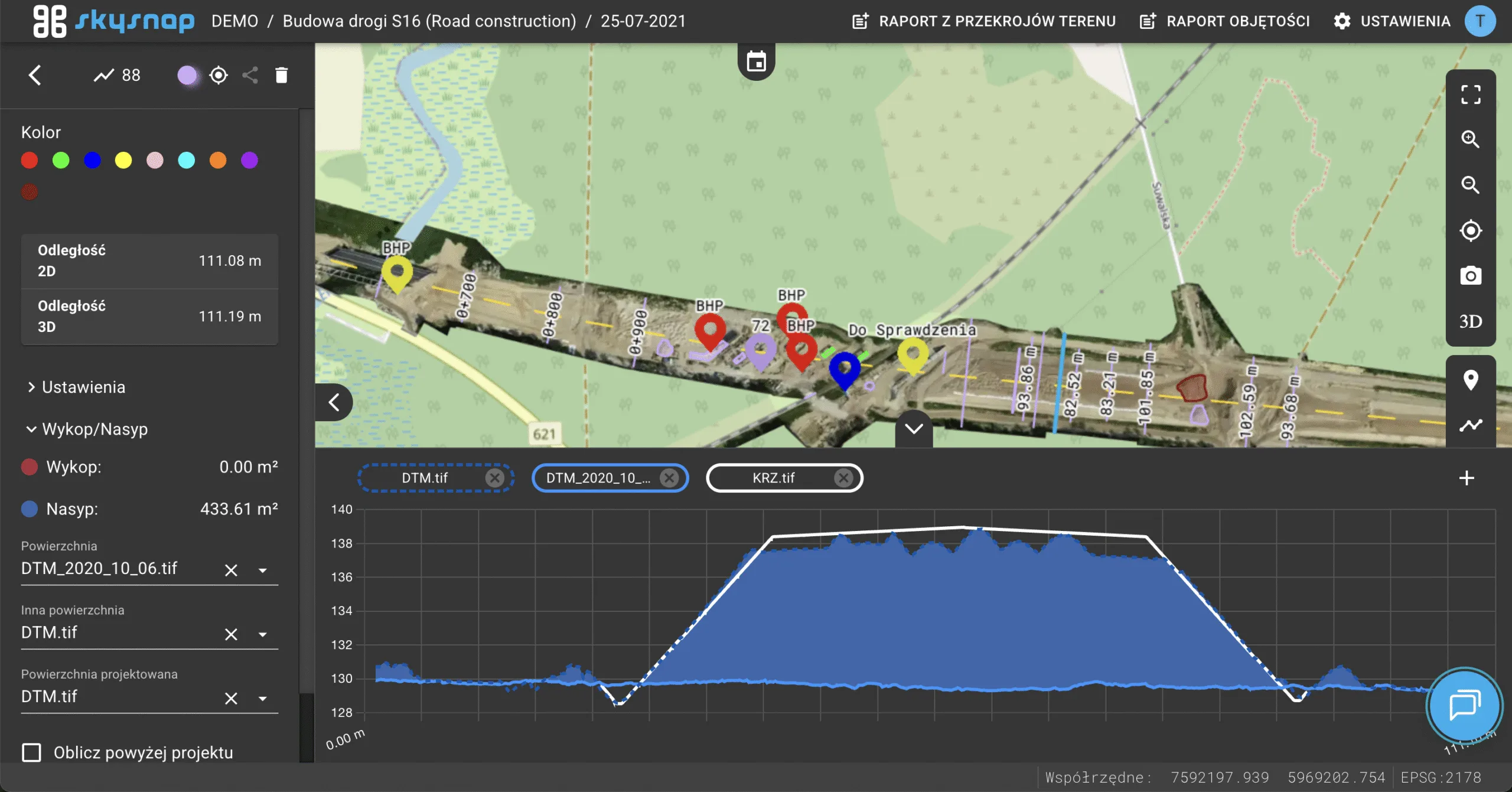
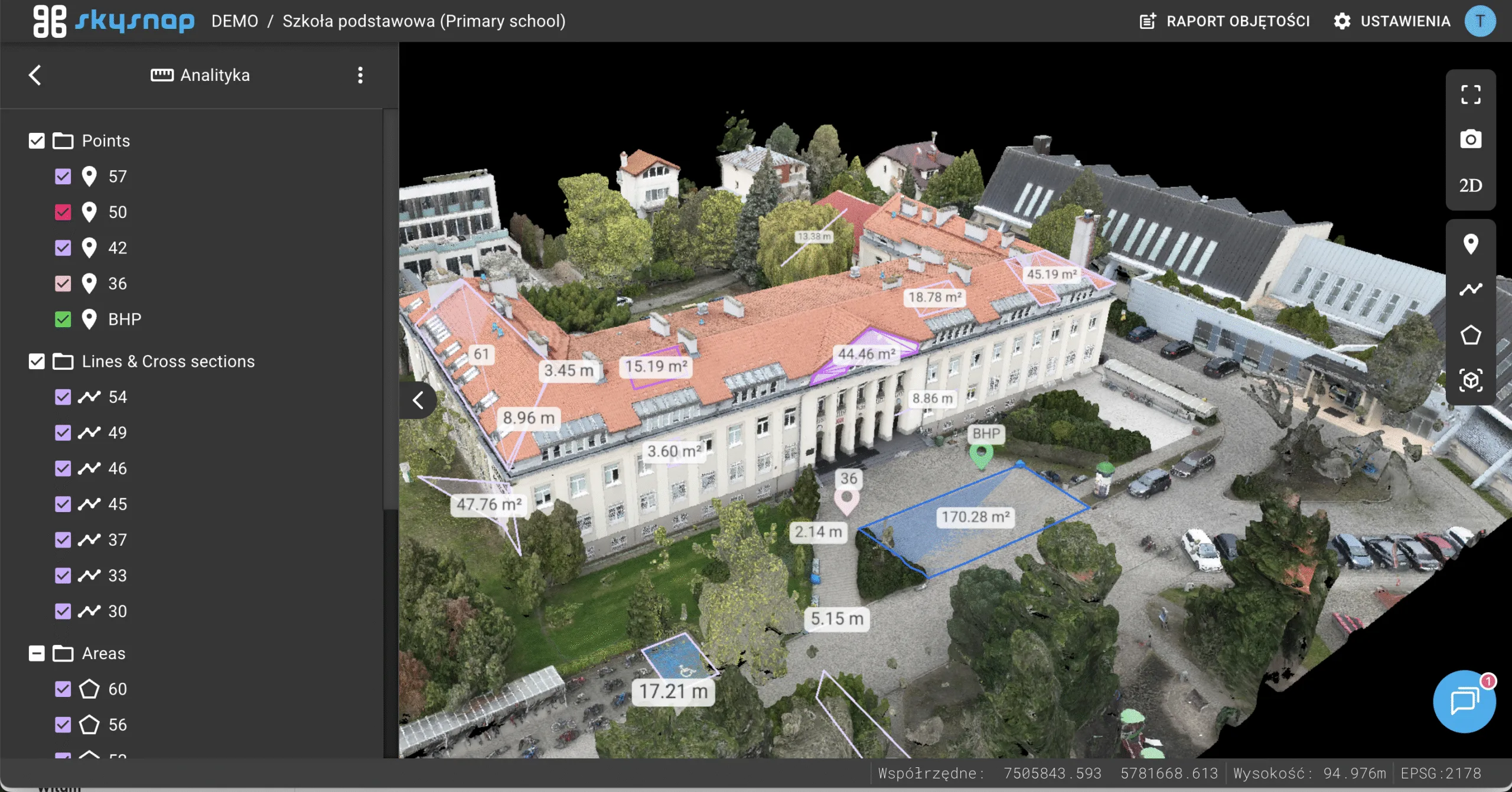
Terrain mapping using drones has become one of the most important applications of this technology in surveying. Drones equipped with high-quality cameras and sensors allow the rapid and accurate collection of terrain data. The collected information can be transformed into detailed orthophotos and 3D models, which are extremely useful in urban planning, architecture or construction.
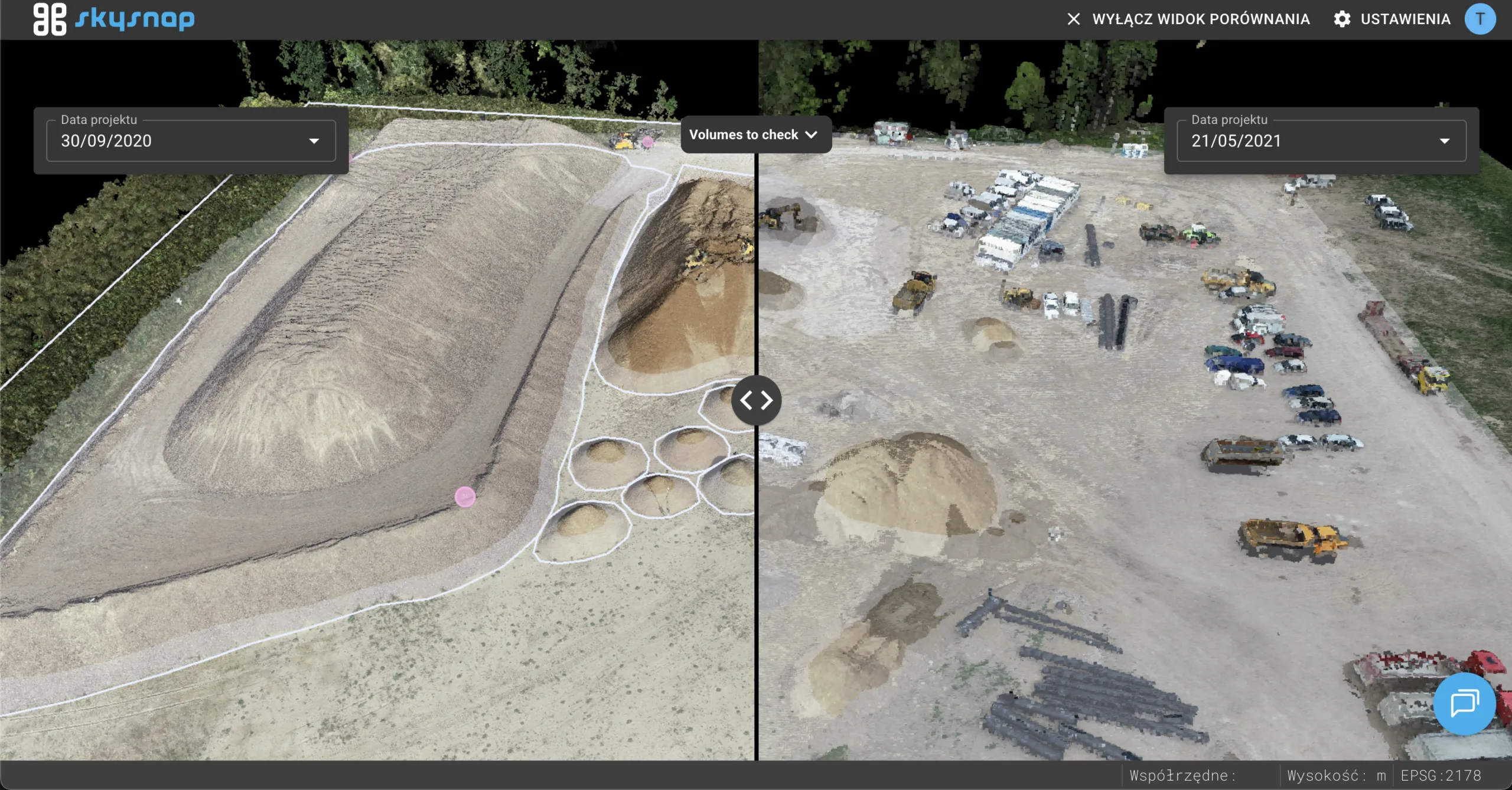
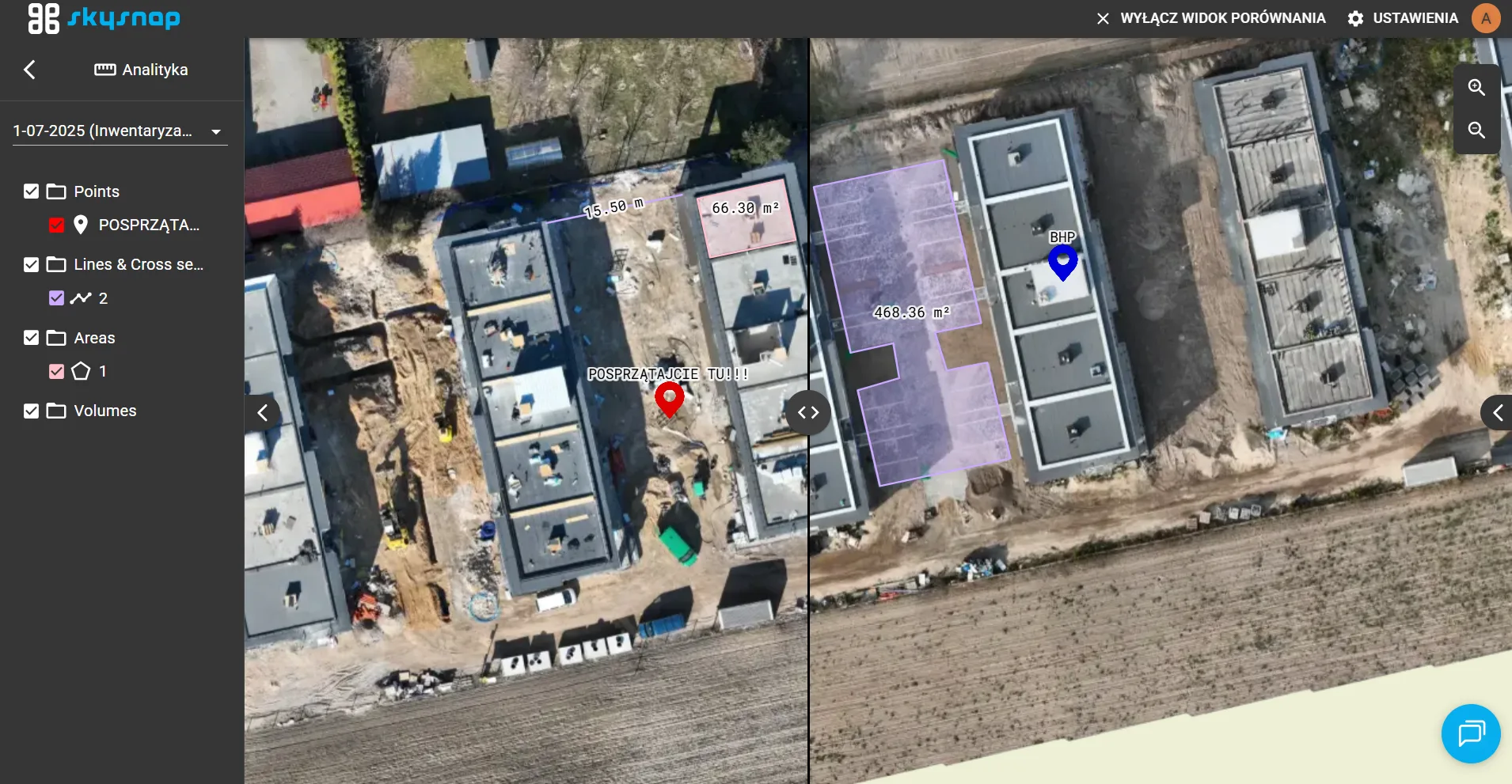
Drones also make it possible to record changes in the terrain at regular intervals, which is crucial for monitoring construction projects and the environment. With precise aerial measurements, surveyors can create comprehensive topographic analyses that help identify potential terrain issues. Drones also enable analysis of the shape and contour of the terrain to effectively identify objects in an area. Compared to traditional mapping methods, drones offer much greater flexibility and efficiency, making them an invaluable tool in the daily work of surveyors.
Inspection and monitoring of infrastructure
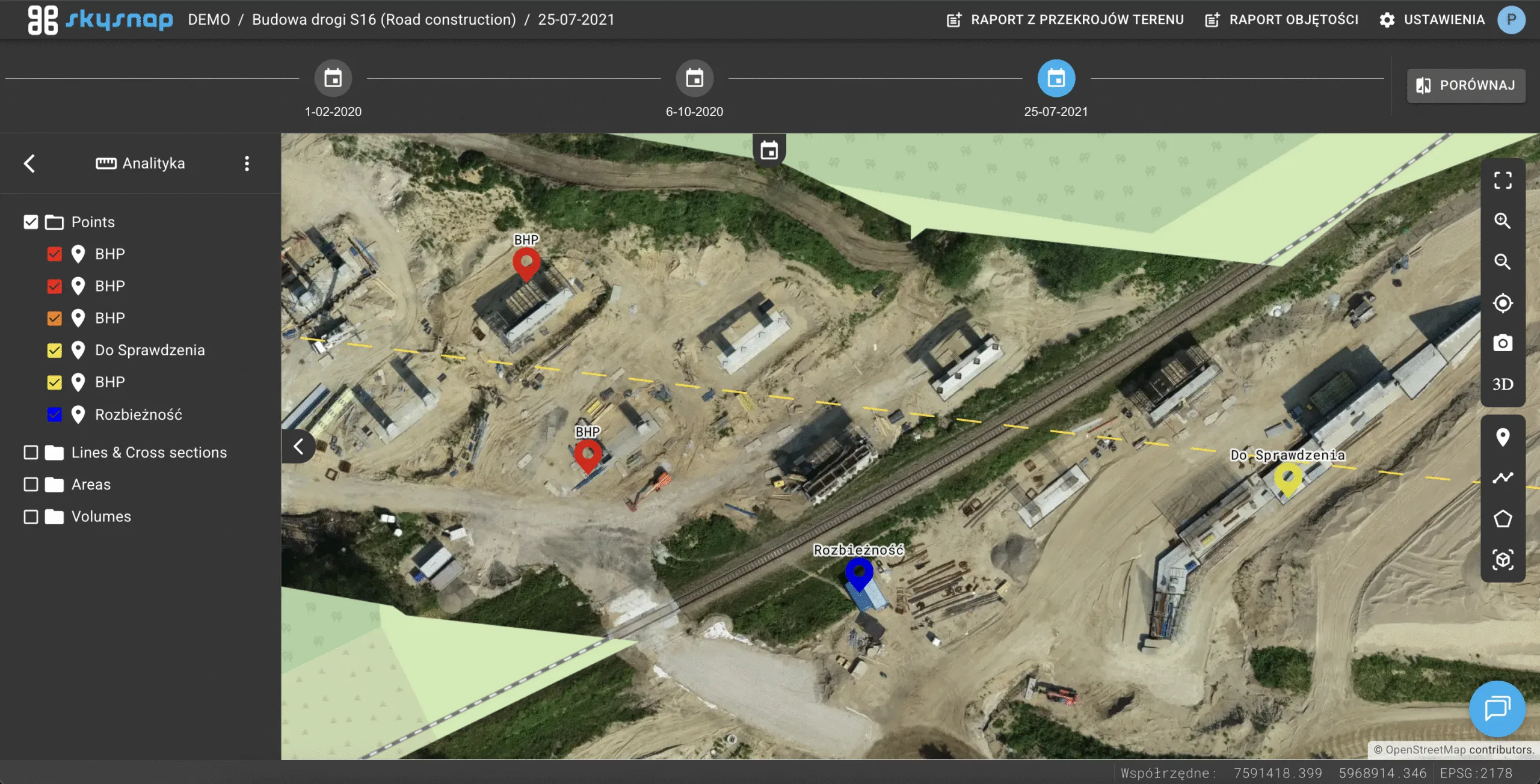
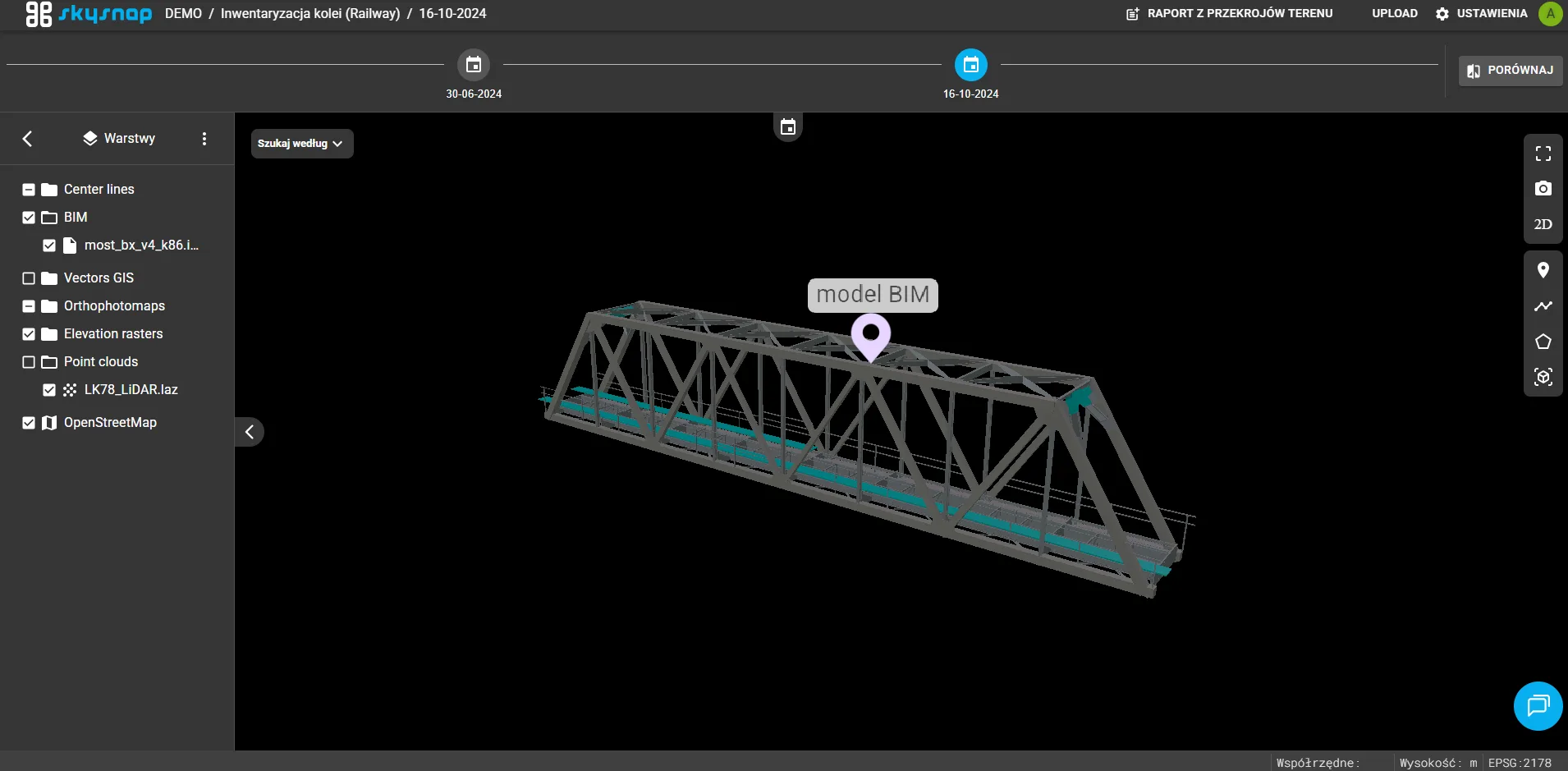
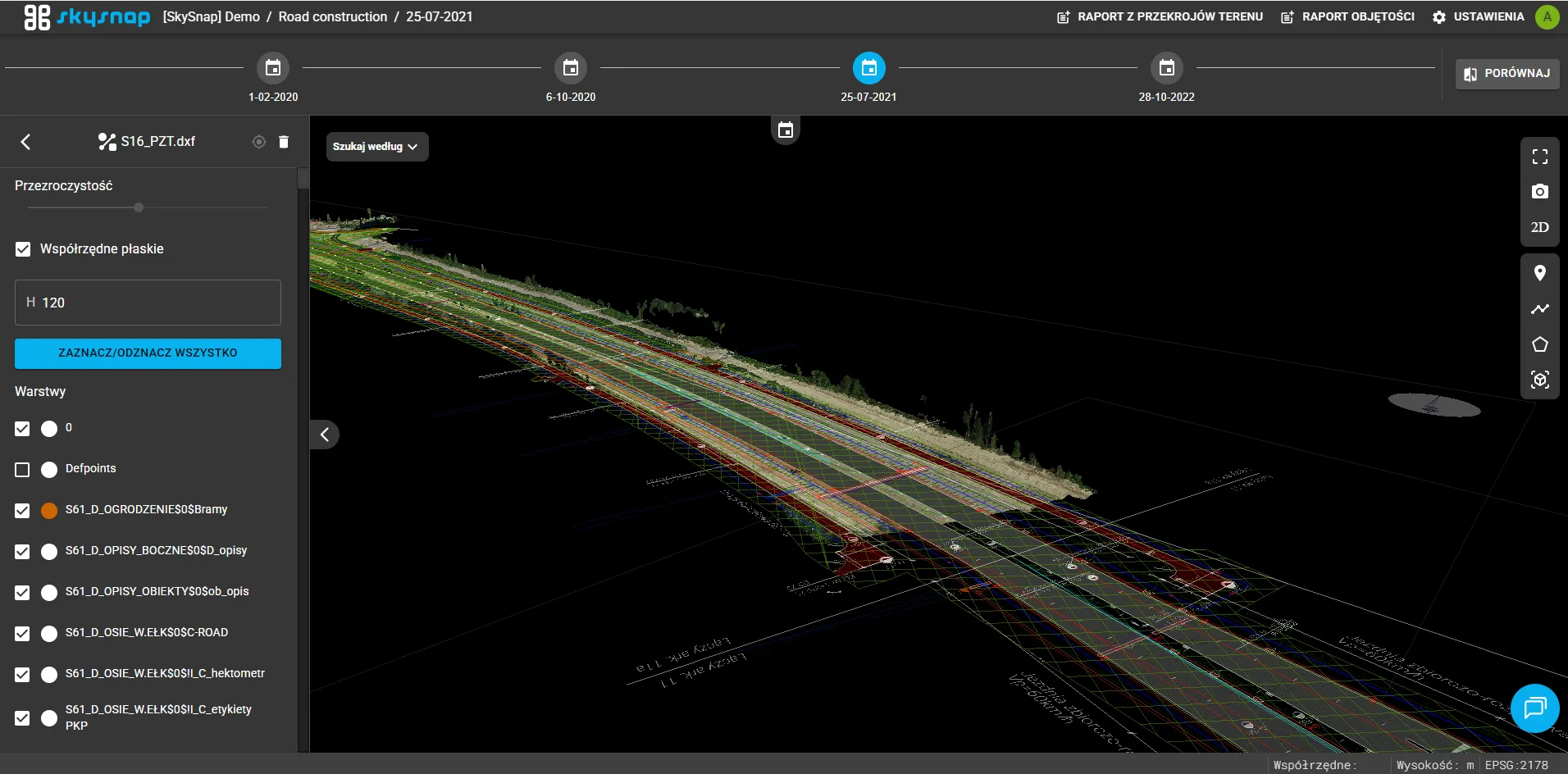
Drones are playing an increasingly important role in infrastructure inspection and monitoring, offering a quick and safe method of assessing the condition of facilities. Equipped with high-resolution cameras and sensors, drones can accurately record the condition of roads, bridges, power lines or rail networks. They make it possible to identify damage or wear and tear that may require immediate intervention, which is key to preventing breakdowns and ensuring public safety.
Drones also offer the ability to monitor infrastructure on a regular basis, which allows for tracking changes over time and making decisions based on real data. Compared to traditional inspection methods, which often require taking facilities out of service and involving large teams of people, drones offer a more efficient and cost-effective solution. They allow inspections to be carried out faster, safer and with minimal impact on infrastructure operations. Drones are particularly useful in difficult terrain where traditional inspection methods can be dangerous or impossible.
Documentation and data analysis
Drones offer an extremely efficient method of documenting and analyzing survey data, changing the way surveyors work. With the ability to capture high-quality aerial images and videos, drones allow the creation of detailed terrain visualizations that are invaluable for spatial analysis and planning.
The collected data can be processed using advanced software, making it possible to create precise 3D models and orthophotos. Such solutions are particularly useful in site inventory, environmental impact assessment of investments or urban planning.
Drones also make it possible to monitor changes over time on a regular basis, which is crucial for long-term resource and project management. Compared to traditional documentation methods, the use of drones allows for the collection of more comprehensive and timely data, resulting in better quality analysis and decision-making in surveying projects.
Choosing a surveying drone
The choice of a surveying drone should depend on the specific needs and requirements of the project. Survey drones should provide detailed spatial data and have high stability.
Before buying, it is worthwhile to analyze technical parameters such as stability and control functions to ensure the highest quality of measurements. Survey drones should be equipped with an RTK system that allows measurements with an accuracy of up to 1 cm of horizontal error, which is crucial for precise surveying.
The choice of a surveying drone should also depend on the experience and skills of the surveyor to maximize the potential of modern technology in surveying projects.
Benefits of using drones
Improved precision and accuracy
One of the key advantages of using drones in surveying is their ability to provide high precision and accurate measurements. Thanks to modern technologies such as GPS and high-resolution and advanced sensors, drones can capture data with accuracy that is difficult to achieve using traditional methods. This makes drones indispensable for projects that require detailed analysis, such as 3D modeling or the creation of orthophotos.
Precise data collected by drones minimizes the risk of errors, which is crucial in the planning and execution of construction projects. In addition, the ability to take measurements in hard-to-reach places increases the scope and quality of available information. As a result, surveyors can make more informed decisions, as well as reduce the time it takes to complete projects. The increased precision and accuracy of drones benefit time and resource savings, making them an invaluable tool in surveying.
Time and cost savings
The use of drones in surveying contributes to significant time and cost savings for projects. Traditional surveying methods often require large teams of specialists and equipment, resulting in higher operating costs. Drones eliminate the need for lengthy fieldwork, enabling quick and efficient aerial data collection. As a result, a measurement process that could take days can be completed in a matter of hours. Thanks to drones, a survey process that could take several days can be completed in a short period of time.
In addition, fewer people involved in a project means lower expenses for salaries and equipment. Operating costs are also reduced due to the ability to quickly detect and resolve potential problems early in the project. Time savings translate into faster decision-making and investment implementation, which is particularly important in a rapidly changing business environment. As a result, drones are becoming not only an efficient, but also a cost-effective solution in modern surveying.
Security and accessibility
Work safety and accessibility to hard-to-reach areas are other significant advantages of using drones in surveying. Traditional surveying methods often require surveyors to be present in areas that can be dangerous or difficult to access, such as steep slopes, wetlands or construction sites. Drones eliminate the need for a human to be physically present in such places, which significantly increases work safety.
Operating a drone from the ground minimizes the risk of accidents and protects the health and lives of workers. In addition, drones can easily reach areas that are inaccessible to traditional survey equipment, providing necessary data without the need to build temporary infrastructure. Drones can easily reach hard-to-reach areas, providing essential data without the need to build temporary infrastructure.
This allows surveyors to collect data with a high degree of precision and in a safe manner, which is crucial in potentially hazardous locations. The use of drones in these aspects significantly raises safety and efficiency standards in surveying.
Challenges and the future of drone technology
Technological limitations
Despite the numerous benefits that drones bring to surveying, there are also some technological limitations that can affect their effectiveness.
- One of the main challenges is the limited flight time due to current battery capabilities. Most drones can operate in the air for a limited amount of time, which may not be sufficient for large surveying projects.
- Another challenge is vulnerability to weather conditions. Strong wind, rain or fog can impede flight and data collection, requiring operators to be more cautious.
- The precision and accuracy of the data are also dependent on the quality of the equipment used, which means that investments in modern and high-tech drones can be costly.
- In addition, regulatory issues, such as obtaining permits to fly in certain zones, can pose additional challenges.
Despite these limitations, technological advances are constantly working to overcome them, opening up new prospects for this rapidly developing technology. Drones equipped with RTK can significantly increase the precision of measurements, which is crucial in surveying.
Laws and regulations
Laws and regulations pose significant challenges to the widespread use of drones in surveying. Many countries have strict regulations on drone operations to ensure the safety of airspace and protect citizens’ privacy. This means that drone operators must obtain the appropriate licenses and permits to fly, which can be time-consuming and costly.
In addition, restrictions on flight altitudes, areas in which drones can operate, and distances from human concentrations may limit the use of this technology in some surveying projects. While these regulations are necessary to ensure safety, they can be a barrier to the rapid implementation of drones in surveying.
In response to the growing interest in drone technology, regulatory authorities around the world are working to update and align regulations with the booming market, which could facilitate their future use. With the help of drones, accurate data and visualizations can be obtained, affecting effective planning and natural resource management.
Technology development and innovation
Technological developments and innovations in the field of drones are constantly expanding their capabilities and applications in surveying.
- Technology companies are investing in research and development to improve battery performance, resulting in longer flight times and longer range.
- The introduction of advanced sensors, such as LIDAR or multispectral cameras, allows for more accurate and comprehensive detection and analysis of field data.
- In addition, the development of drone data analysis software enables more complex interpretation and visualization of the results, which supports decision-making.
- Innovations also include autonomous flight systems that can reduce the need for manual control and increase the precision of data collection.
- Advances in artificial intelligence and machine learning are opening up new opportunities for automating the data analysis process.
These dynamic technological changes are helping to overcome current limitations and are creating new prospects for the future of drones in surveying. Aerial photogrammetry using drones allows for accurate spatial analysis and assessment of terrain conditions.
New opportunities in surveying
As drone technology advances, new opportunities are opening up in the field of surveying that could revolutionize the way field surveys and analysis are conducted.
- One of the most important aspects is the integration of drones with other modern technologies, such as the Internet of Things (IoT) and blockchain, enabling more automated and secure data management.
- The introduction of 5G technology can, in turn, speed up data transmission and increase the operational range of drones, which is crucial for real-time monitoring and terrain analysis.
- Drones can also support more complex surveying projects, such as managing natural resources or forecasting environmental changes.
- More effective methods of analyzing drone data can lead to more precise mapping and spatial planning, which is invaluable in urban planning and environmental protection.
These innovations indicate that the future of surveying with drones will bring new standards of efficiency and accuracy.
Integration with other technologies
Integrating drones with other technologies opens up new opportunities for surveying, increasing precision and efficiency.
- Collaboration with technologies such as artificial intelligence (AI) and machine learning makes it possible to automate data analysis and extract key information from large data sets.
- With IoT, drones can be part of a network of sensors that collect data in real time, allowing dynamic monitoring of changes in the environment.
- Blockchain can ensure the security and transparency of stored surveying data, which is important for managing infrastructure projects.
- Integration with GIS (Geographic Information Systems) enables the creation of more complex and interactive maps that can be used in spatial planning and resource management.
With these connections, drones are becoming a key component of modern surveying solutions, expanding their scope and increasing the value of the data provided. Data collected by drones can be processed with the help of specialized software, leading to the creation of precise terrain models and maps.
Visions for the future of surveying
The future of surveying with drones is painted in bright colors, thanks to the rapid development of technology and the growing availability of modern solutions. As drones become more advanced, their use in surveying may include even more complex and precise tasks. Visions of the future include full automation of surveying processes, where drones will be able to independently plan flight paths and analyze collected data in flight.
The development of virtual and augmented reality (VR/AR) technology will enable the creation of interactive 3D models to facilitate urban planning and project management.
In addition, a global drone network can support climate change monitoring and natural resource management on an unprecedented scale.
Through innovation and adaptation of new technologies, surveying can become even more precise, efficient and sustainable, contributing to a better understanding and management of the space we live in. Through innovation and adaptation of new technologies, drones are becoming an indispensable tool in modern surveying.
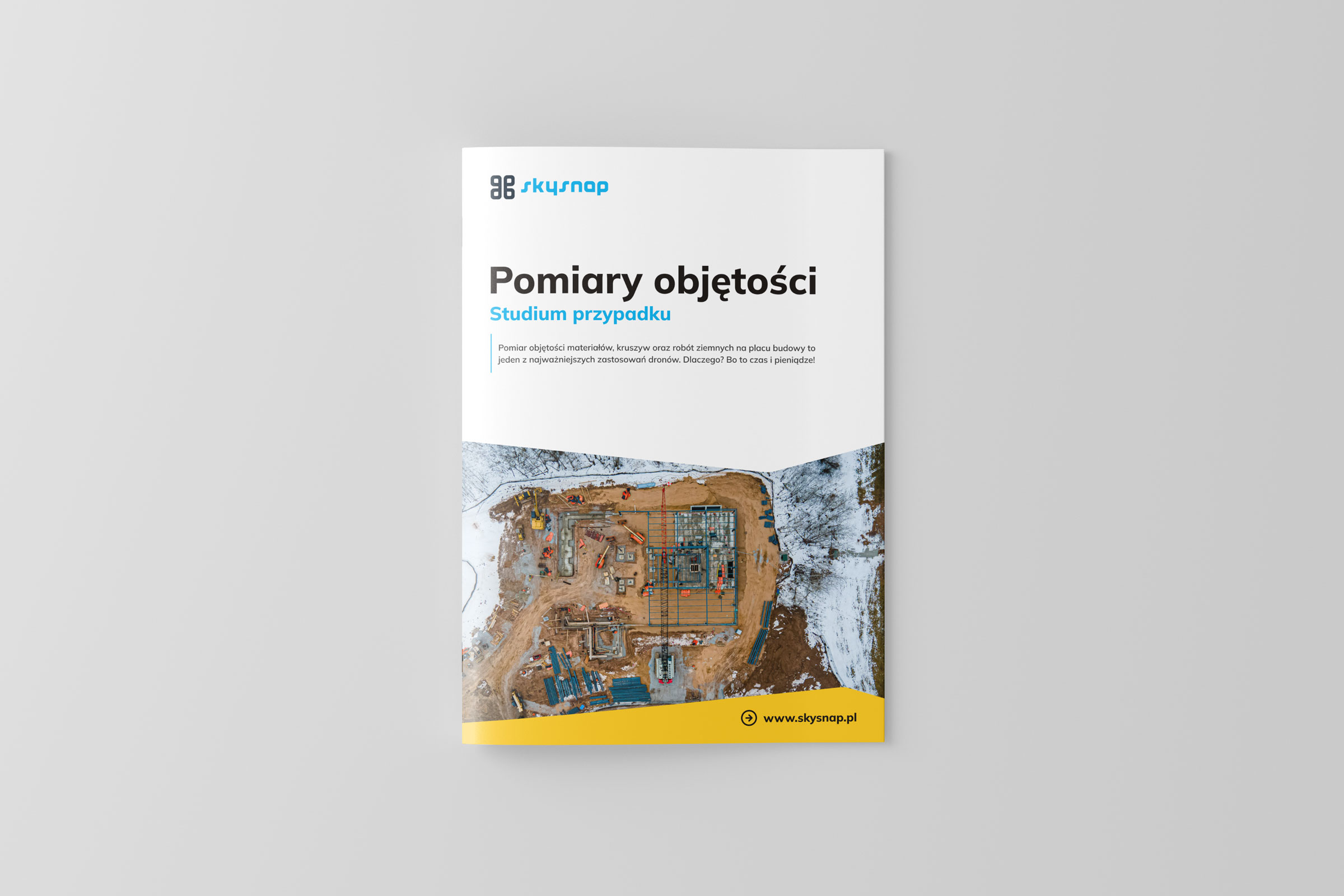
Free E-book
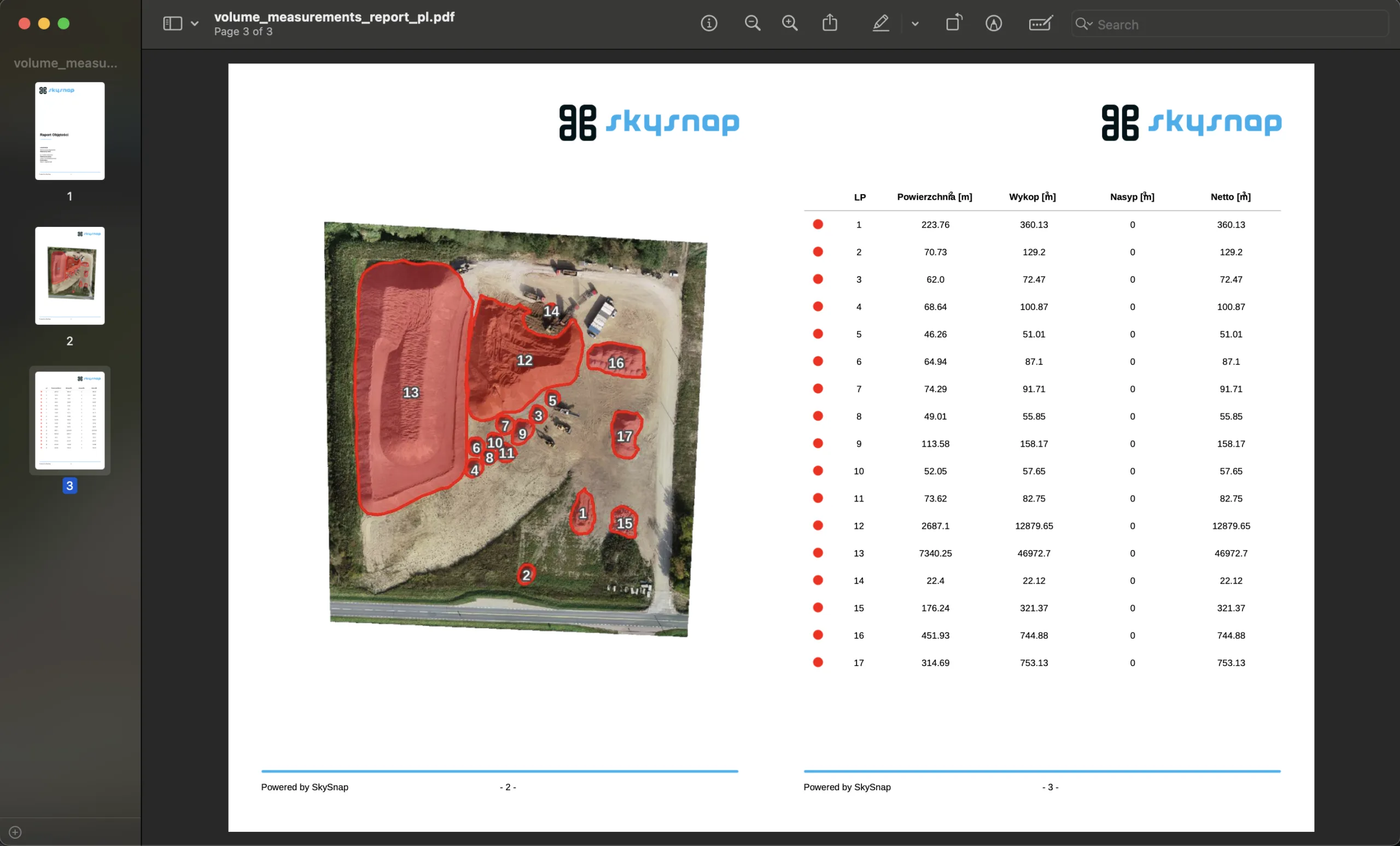
Measuring the volume of materials, aggregates and earthworks on a construction site is one of the most important uses of drones. Why? Because it’s time and money! Download our short e-book and learn how you can monetize your passion with drones.
Table of Contents:
Do you like the article? Share it with others!
Do you like the article? Share it with others!
Tips, news, insights
Related articles
Check out our articles and get the latest industry news.