Introduction to drone technology
Construction site inventory by drone is a modern approach that is revolutionizing the way we manage and monitor construction work. Drones, with their ability to gather data quickly and accurately, are becoming an invaluable tool in this field. They provide fast and accurate site measurements for better planning and control of work progress. In this article, we will take a look at how drone construction site inventory can contribute to efficiency and accuracy in the construction industry. We’ll discover the benefits of this innovative solution and how it can impact the future of construction project management.
The origins of drone use
The origins of drone use date back many decades, when they were mainly used for military and research purposes. Over the years, the technology has evolved into a tool with broad civilian applications.
The first civilian drones were simple devices that were primarily used for aerial photography and recreation. Over time, with advances in technology, they have become more advanced and available to a wider range of users. Their versatility and ability to accurately collect data have led to their use in many industries, including construction site inventory.
Nowadays, drones are widely used to map the site, monitor construction progress and ensure safety on construction sites, making them an indispensable tool in modern construction project management.
Development of drone technology
The development of drone technology in recent years has made these devices not only more advanced, but also more accessible. Drones have come a long way, evolving from simple flying devices to complex machines equipped with advanced GPS systems, high-resolution cameras and a variety of sensors. These technological innovations have allowed drones to be used in an increasingly wide range of applications, from agriculture to rescue operations.
In the context of construction site inventory, drones offer a new perspective, enabling accurate mapping and monitoring of projects in real time. The technology is evolving rapidly, and subsequent improvements, such as better batteries, longer range and artificial intelligence, continue to expand drone applications. As a result, drones have become a key element in modern construction site management, revolutionizing the way inventory is conducted.
Drone applications in various industries
Drones, thanks to their versatility, have found their way into many different industries.
- In agriculture, they are used to monitor crops and assess plant health.
- In the energy industry, drones are used to inspect high-voltage lines and wind turbines, enabling safe and quick inspections.
- The emergency sector uses drones during search and rescue operations, where their ability to reach hard-to-reach areas is invaluable.
- In the film and photography industry, drones are revolutionizing the way images are captured, offering unique aerial shots.
The use of drones in construction site inventory allows for accurate mapping of the site and monitoring of the progress of work, which significantly affects the efficiency of project management. It is this versatility that makes drones an indispensable tool in an increasing number of sectors, bringing innovative solutions to various areas of life.
Benefits of using drones on construction sites
Efficiency and time savings
The use of drones on construction sites significantly contributes to efficiency and time savings. Traditional inventory methods often require large amounts of manpower and equipment. The process can be time-consuming and costly. Drones offer an alternative that allows for quick and accurate site surveys. With the ability to fly over an entire construction site, drones can collect detailed data in just minutes, which would take hours in the traditional way.
In addition, drones can perform their tasks on a regular basis, so project managers have constant access to up-to-date information on the progress of the work. This continuous availability of data allows for faster decision-making and better management of resources. As a result, the use of drones on construction sites contributes to streamlining project management processes while reducing operational costs.
Accuracy and precision of measurements
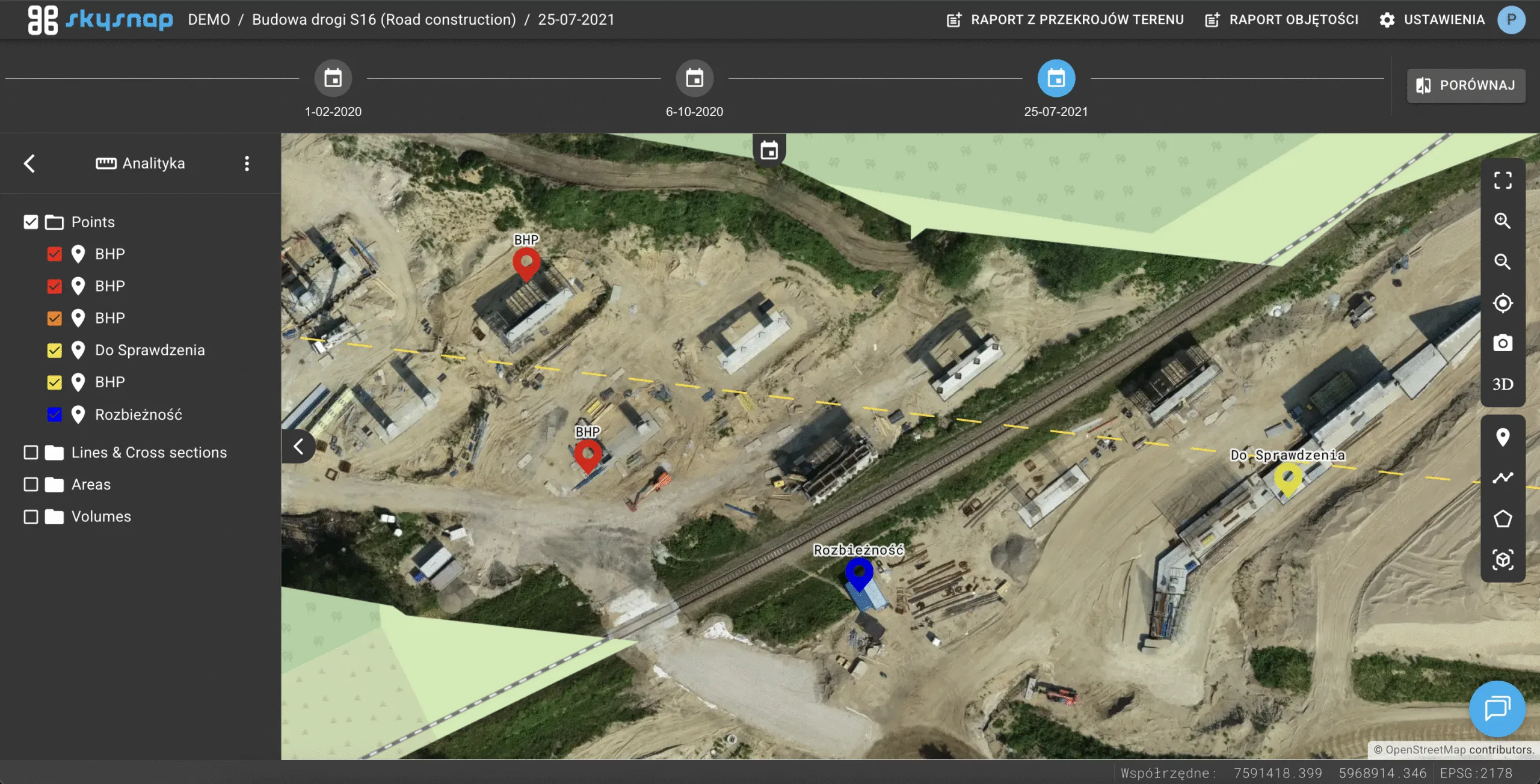
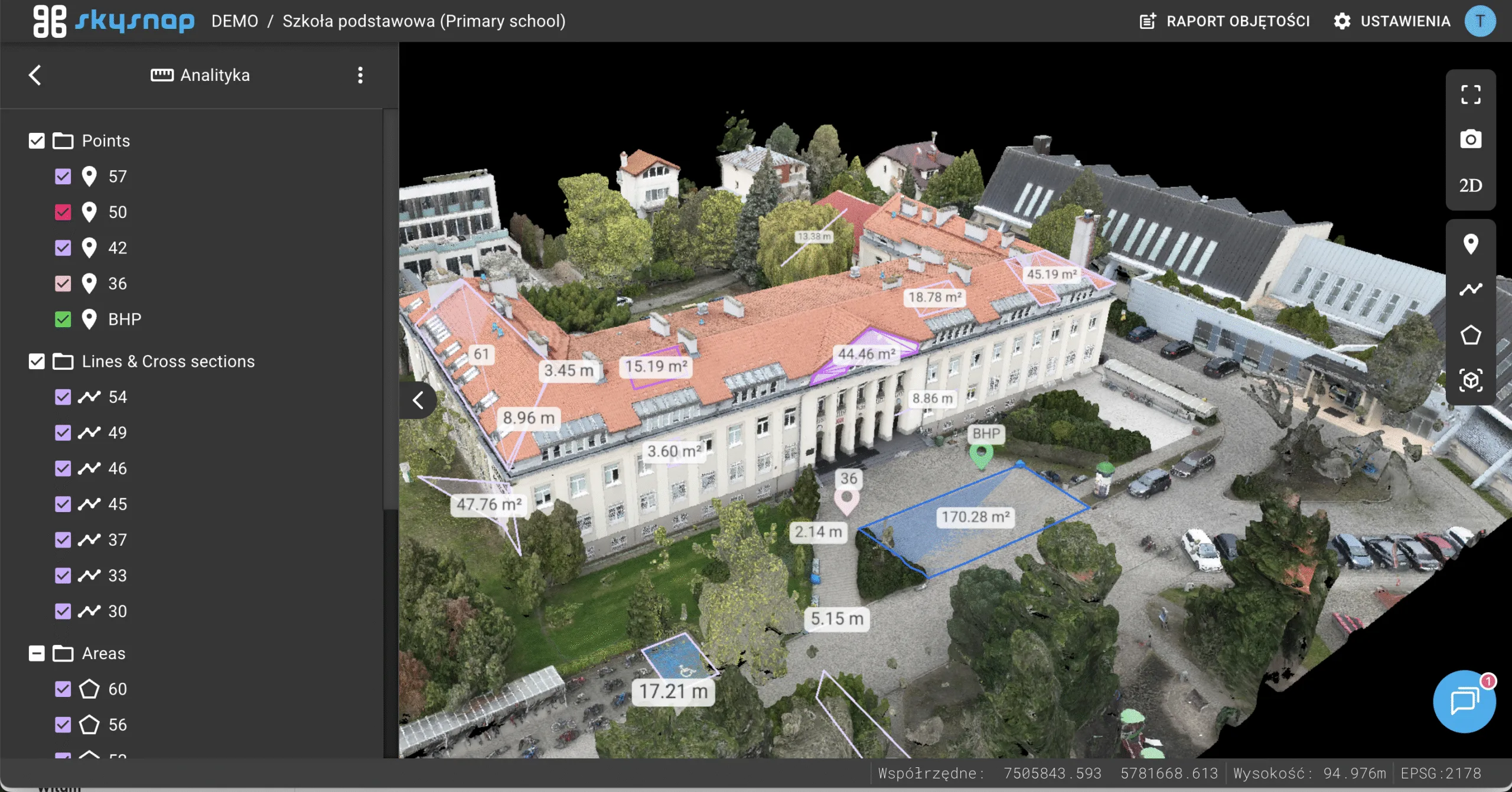
Drones offer exceptional accuracy and precision in construction site measurements, which is difficult to achieve with traditional methods. Equipped with advanced GPS systems and sensors, drones can record data with exceptional accuracy, which is crucial for precise planning and monitoring of construction projects. With the ability to scan the site from the air, drones are able to pick up the smallest details that may escape attention during ground inspections. This precision allows for the creation of accurate 3D models and site maps that can be used to analyze and assess the progress of work.
In addition, the ability to update data on a regular basis ensures that all decisions are made based on the latest information. As a result, the use of drones on construction sites not only increases the accuracy of measurements, but also minimizes the risk of errors, saving time and resources.
Safety on the construction site
Construction site safety is one of the key aspects that drones have a significant impact on. Traditional inspection methods often require people to be present in potentially dangerous areas, increasing the risk of accidents. Drones eliminate the need to involve workers directly in risky activities, allowing inspections to be conducted from the air. This allows hard-to-reach areas to be monitored without putting anyone in danger. Drones are also used to quickly identify potential hazards, such as unstable structures or moving machinery, allowing quick response and preventing accidents.
In addition, the ability to regularly monitor a construction site in real time makes it possible to assess changing conditions and adjust safety procedures in real time. As a result, the use of drones on construction sites not only increases the level of safety, but also contributes to a safer work environment.
Construction site inventory process by drone
Preparing to fly the drone
Preparing to fly a drone is a key step in construction site inventory that ensures the accuracy and safety of the entire process.
- The first step is to plan the flight route in detail and determine the areas to be recorded. To do this, specialized software is used to help program the route and flight parameters.
- Next, before taking off, it is important to carefully check the drone’s technical condition, including battery level, sensor and camera operation. It’s also important to make sure the drone is operating in compliance with local regulations on unmanned flight.
- The next step is to conduct a brief inspection of the site to identify any obstacles or hazards.
Once all safety requirements are met, the drone is ready to fly, allowing the construction site inventory to be carried out efficiently and safely.
Collecting data from the air
Collecting data from the air using a drone is a key step in construction site inventory. Equipped with advanced cameras and sensors, the drone executes a planned flight path, capturing detailed images and data from across the site. With the ability to fly at different altitudes, the drone can capture both wide views of the construction site and detailed close-ups of key construction elements. The data collected in this way includes images, videos and sensor information to create accurate 3D models and site maps.
In addition, drones can be equipped with technologies such as LIDAR, so they can collect data even in difficult weather conditions. The collected information is then sent for analysis, allowing for ongoing monitoring of the progress of the work and identification of any problems. Collecting data from the air with a drone significantly increases the precision and efficiency of the entire inventory process.
Analysis and interpretation of the collected data
Analyzing and interpreting the collected data from the drone is a key step to realize the full potential of construction site inventory.
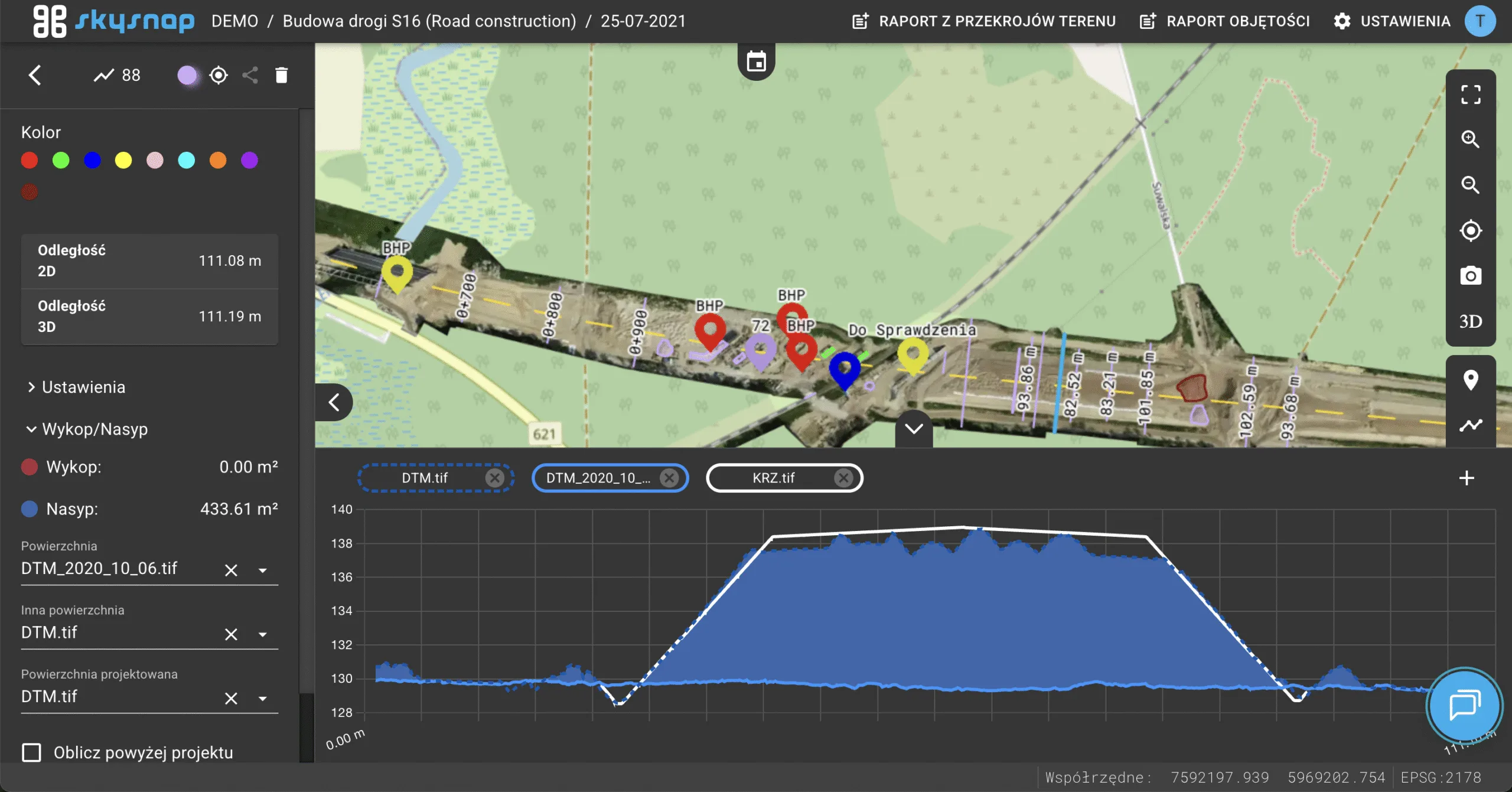
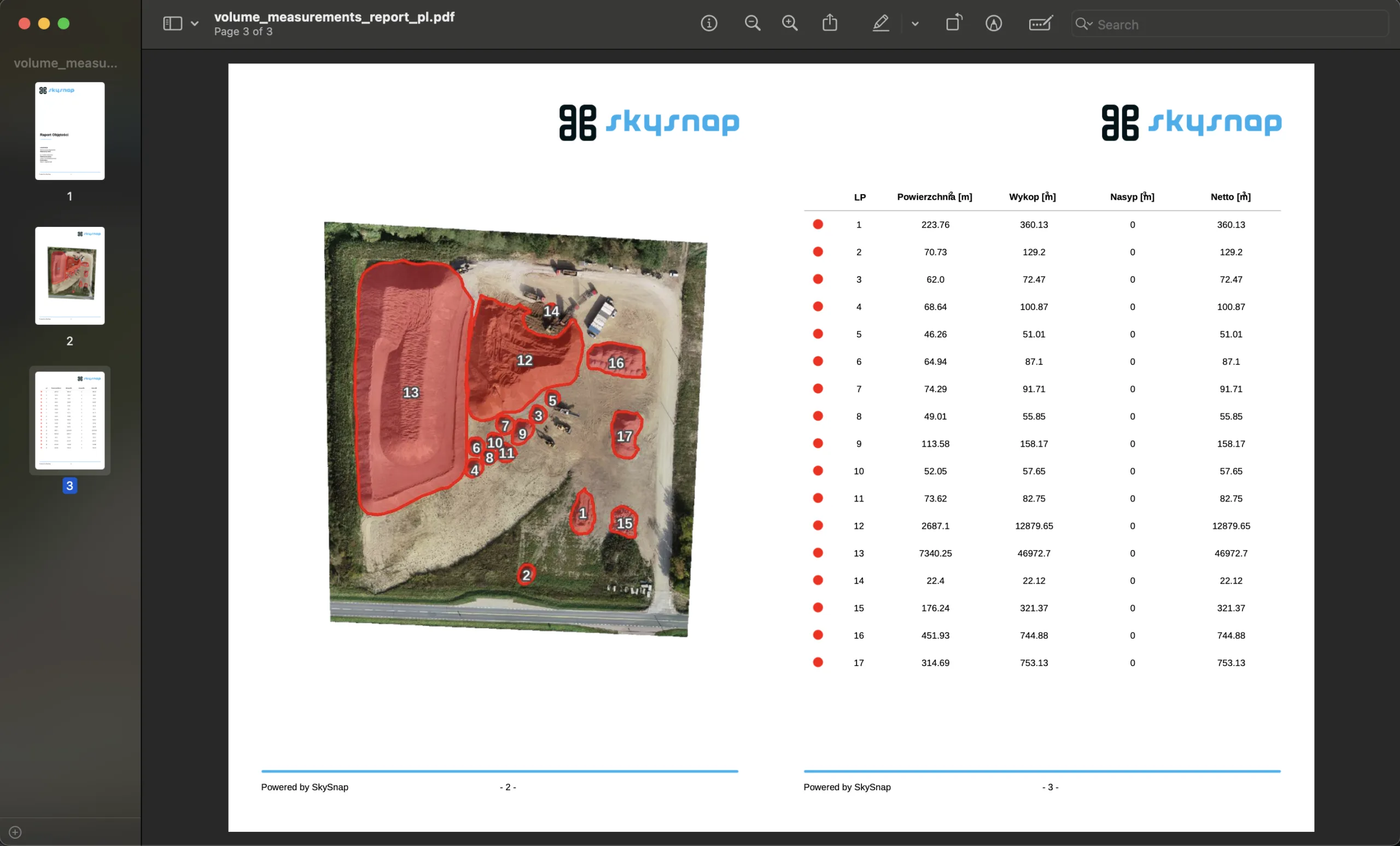
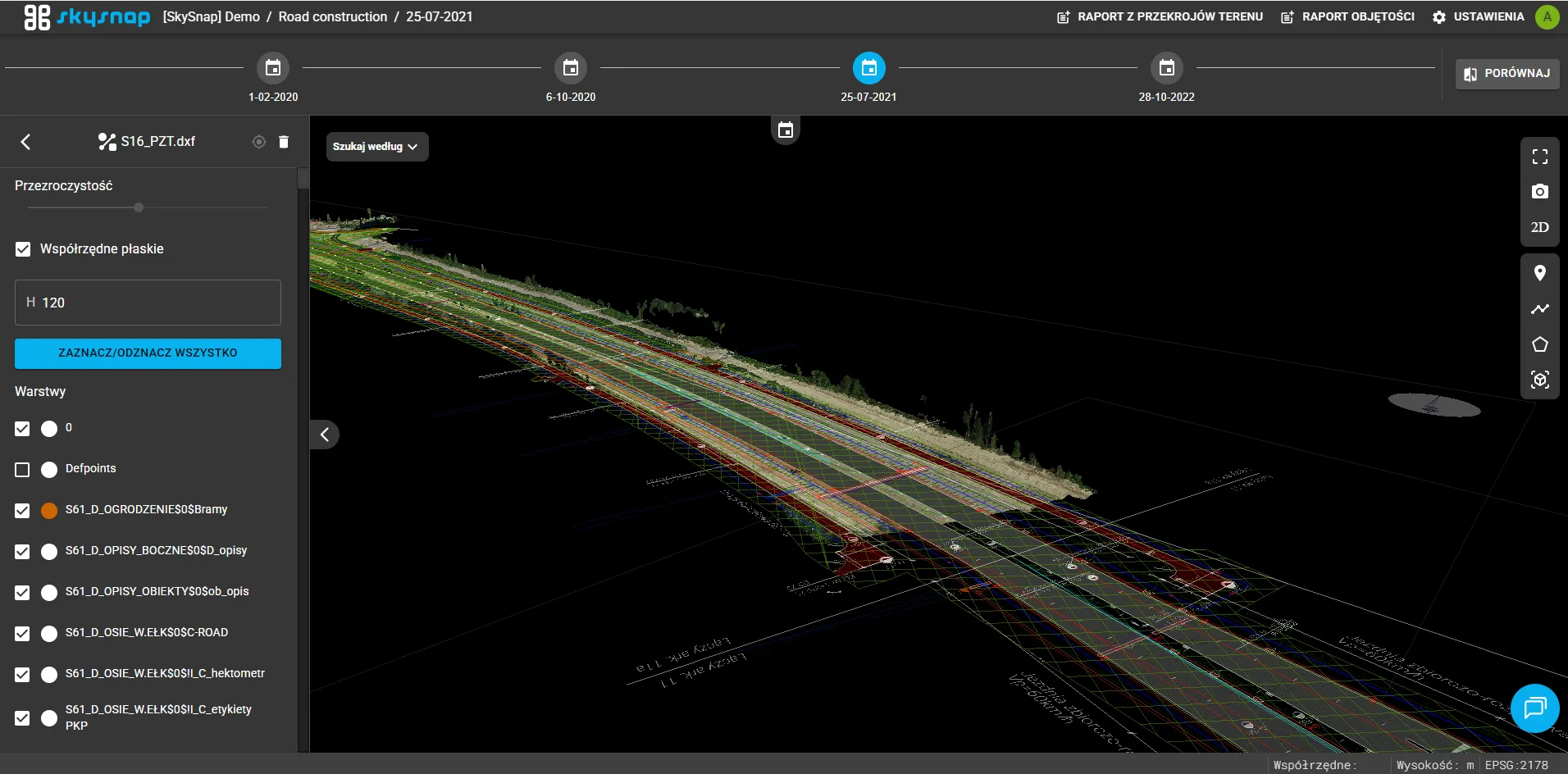
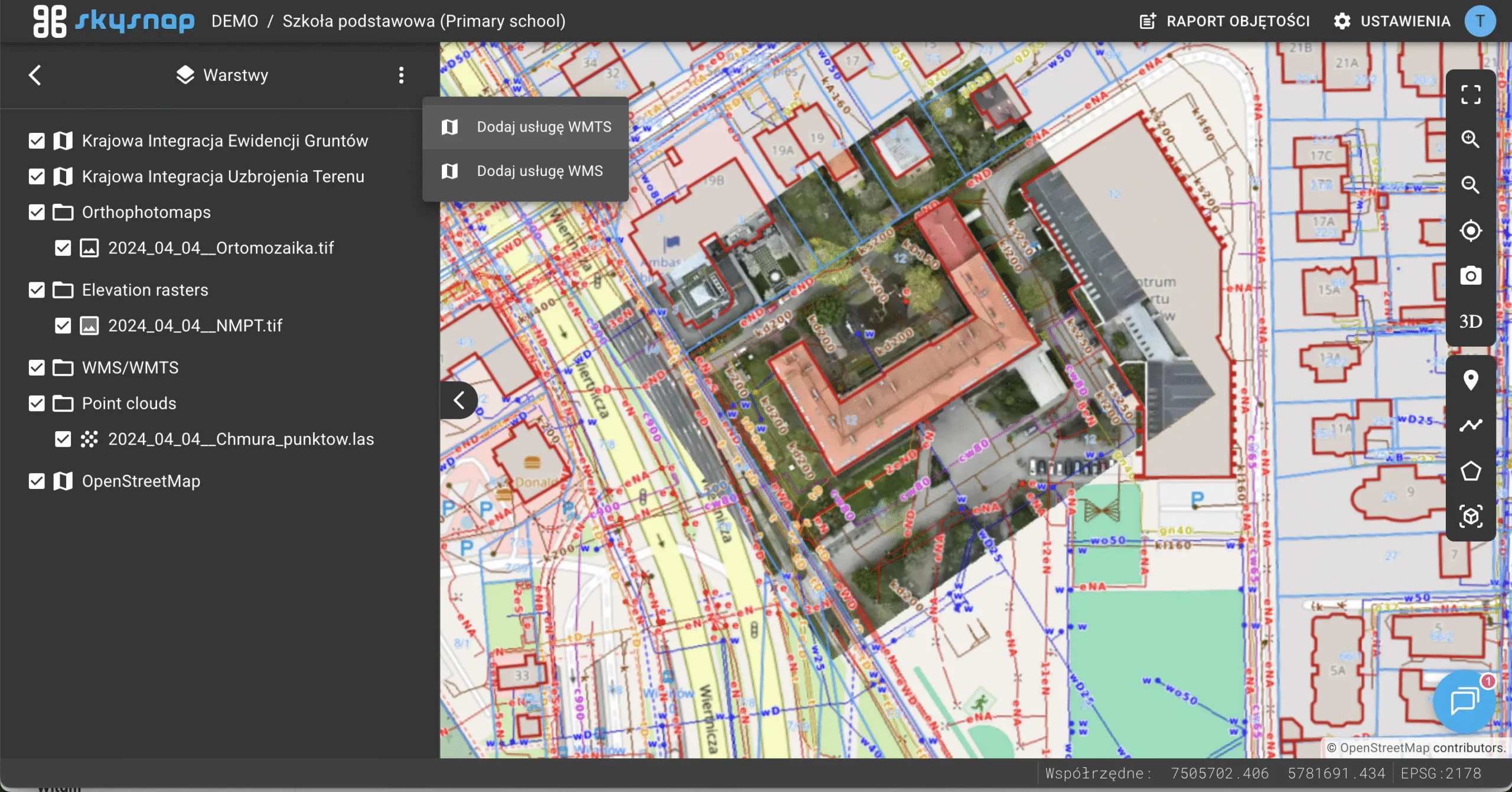
After the flight, the data is sent to specialized software, where it is analyzed in detail. Thanks to advanced algorithms, it is possible to process high-resolution images and sensor data into three-dimensional models and maps. Analysis of this data makes it possible to assess the progress of the work, identify inconsistencies with plans and detect potential construction problems.
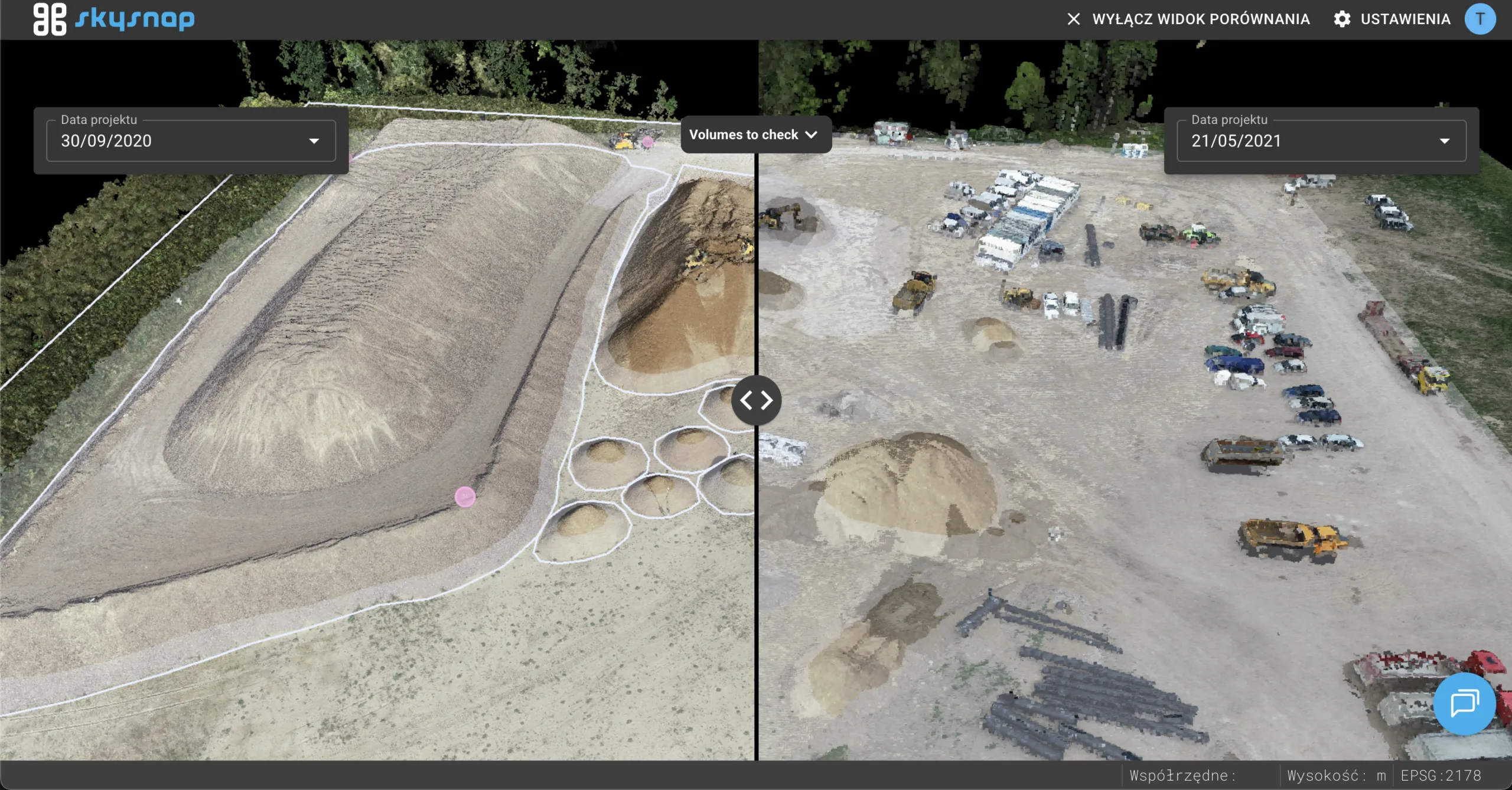
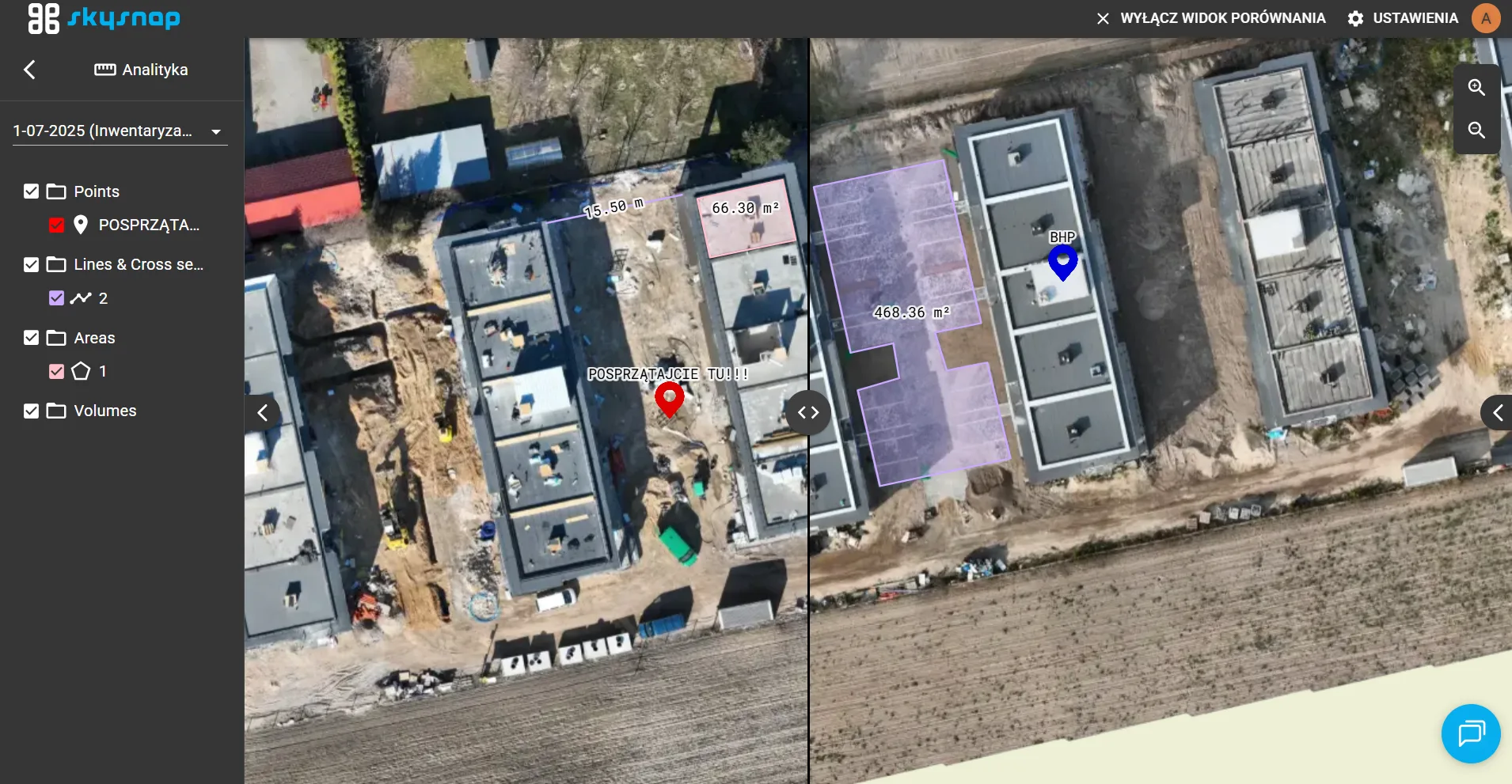
In addition, regular interpretation of the data allows monitoring changes over time and making quick decisions when deviations from the schedule are detected. The results of the analysis are crucial for project management teams, providing them with the accurate information they need to effectively plan and execute construction. This process not only increases management efficiency, but also minimizes the risk of costly errors and delays.
Challenges and limitations of drone technology
Regulations and legislation
Regulations and laws regarding the use of drones pose significant challenges to their deployment on construction sites. In many countries, drones are subject to strict regulations aimed at ensuring safety in the airspace and protecting privacy. These regulations often require that proper permits be obtained for flights, especially in urban areas or near airports.
In addition, drone operators must be qualified and licensed, which entails additional costs and time for training.
In addition, regulations may limit the flight altitude, range and duration of drone operations, which can affect the efficiency of construction site inventory. Due to the rapid development of drone technology, these regulations are frequently updated, requiring construction companies to stay abreast of legal changes. Despite these challenges, compliance with regulations is key to legal and safe drone use.
Technical and weather limitations
Technical and weather constraints pose significant challenges to the effective use of drones on construction sites.
One of the main technical limitations is limited battery life, which affects flight time and may require frequent breaks for recharging. Drones can also have limitations in communication range, which affects the distance they can be operated from the operator. In addition, as electronic devices, drones are susceptible to electromagnetic interference, which can affect the precision of the data collected.
Weather conditions, such as high winds, rain or fog, can significantly hinder or even prevent drone flights, affecting their stability and the quality of information collected. In extreme cases, adverse weather can lead to damage to the device. In order to minimize these risks, it is essential to plan flights appropriately and use equipment that is adapted to work in different weather conditions.
Implementation and maintenance costs
The cost of deploying and maintaining drones poses a significant challenge for construction companies that want to use the technology.
- Initial investments include the purchase of the equipment itself, which must be of high quality to meet the demands of the construction site. Prices for professional drones can be significant, plus they require specialized software for data analysis.
- Another factor affecting costs is the expense of training employees to become qualified to operate drones.
- Maintaining a fleet of drones also generates regular costs, including servicing, parts replacement and software updates.
- In addition, companies must bear the costs of obtaining the required licenses and insurance.
Although drone deployment involves significant financial outlays, the benefits of drones, including increased efficiency and precision, can outweigh the initial costs, yielding long-term savings.
The future of drones in construction
New technologies and innovations
New drone technologies and innovations will significantly impact the future of construction, opening up entirely new opportunities.
- One of the key developments is the integration of artificial intelligence and machine learning to automate data analysis and decision-making on the construction site.
- Drones of the future will be able to identify problems, such as structural damage, on their own and propose solutions.
- Also, the development of LiDAR technology, which enables precise 3D terrain scanning, will greatly increase the accuracy and efficiency of construction inventories.
- Power innovations, such as longer-lasting batteries and solar charging systems, will extend the drones’ operating time, reducing the need for frequent servicing.
- Finally, the development of hybrid drones, which combine the functions of different types of drones, will enable more complex tasks.
With these new technologies, drones will become an integral part of the modern construction process.
Integrated management systems
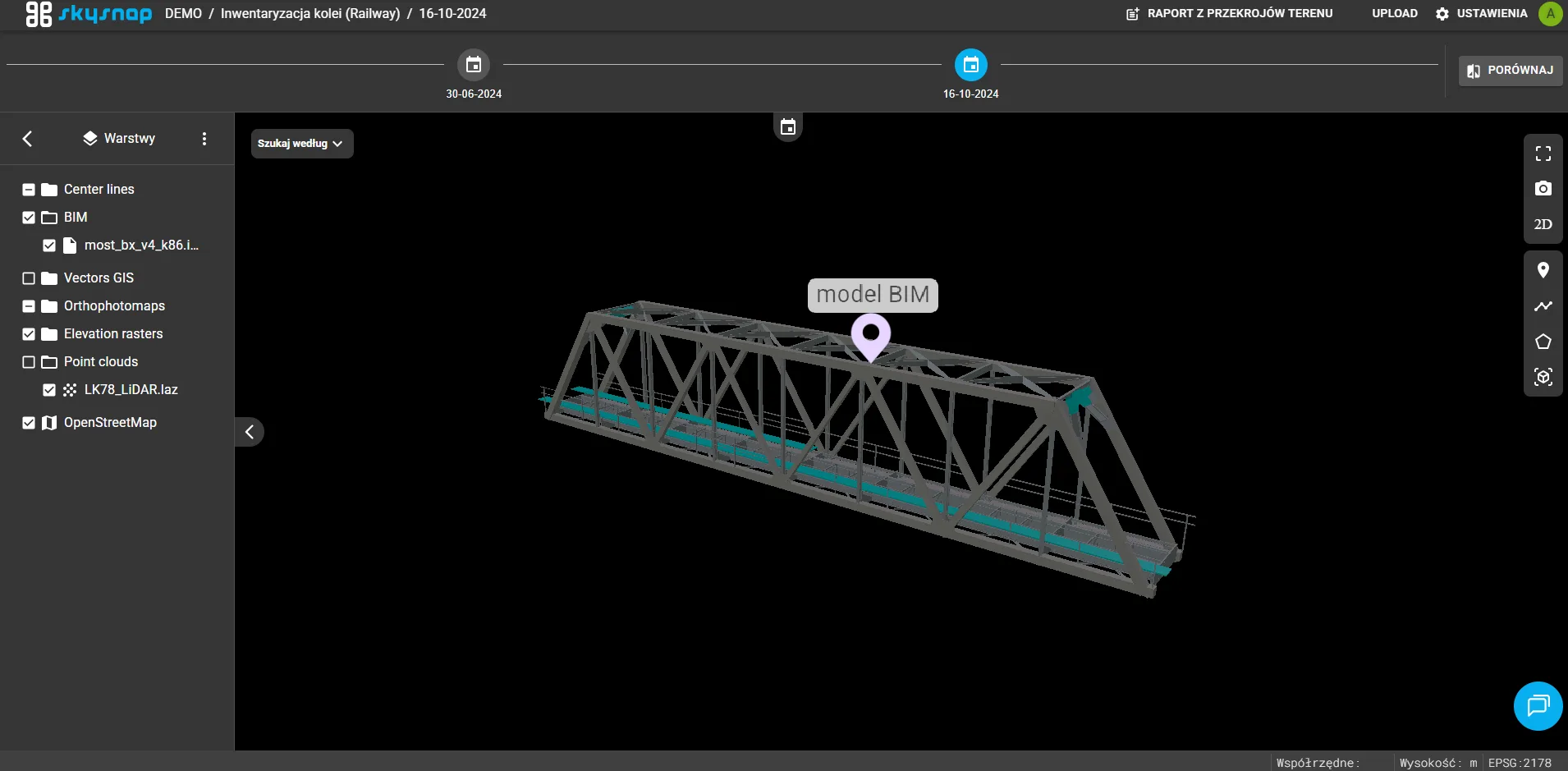
Integrated management systems are the future of construction site management with drones set to become a key element in the modern construction technology ecosystem. Integrating drones with other project management systems, such as BIM (Building Information Modeling) and ERP (Enterprise Resource Planning) systems, will create a unified work environment where data collected by drones will be directly integrated into current construction plans and schedules. This will make it possible to automatically update 3D models and schedules, increasing transparency and efficiency in decision-making processes. Integrated management systems will also enable better management of resources, optimization of costs and minimization of the risk of errors. What’s more, by connecting to the cloud, construction site data will be available in real time to all stakeholders, improving communication and coordination of activities at various stages of the project.
Anticipated trends and market development
Predicted trends and developments in the construction drone market point to rapid growth and increasing importance of this technology in the industry.
- Drones are expected to be increasingly used in the coming years for tasks such as safety inspections, monitoring the progress of work, and checking the quality of workmanship.
- As the technology becomes more advanced and accessible, the costs associated with purchasing and maintaining drones will gradually decrease, which will contribute to their more widespread use.
- At the same time, the development of regulations and safety standards will facilitate the integration of drones into everyday construction operations.
- In terms of the market, demand for services related to the analysis of data collected by drones and for specialized modeling and project management software is forecast to increase.
As a result, drones will become an integral part of modern construction, contributing to the efficiency and innovation of the entire sector.

Free E-book
Learn how to prepare a mission step-by-step, avoid raid mistakes and create accurate orthophotos and 3D models. The perfect guide before your first commercial assignments.
Table of Contents:
Do you like the article? Share it with others!
Do you like the article? Share it with others!
Tips, news, insights
Related articles
Check out our articles and get the latest industry news.