How drones are revolutionizing land mapping: A Practical Guide – SkySnap
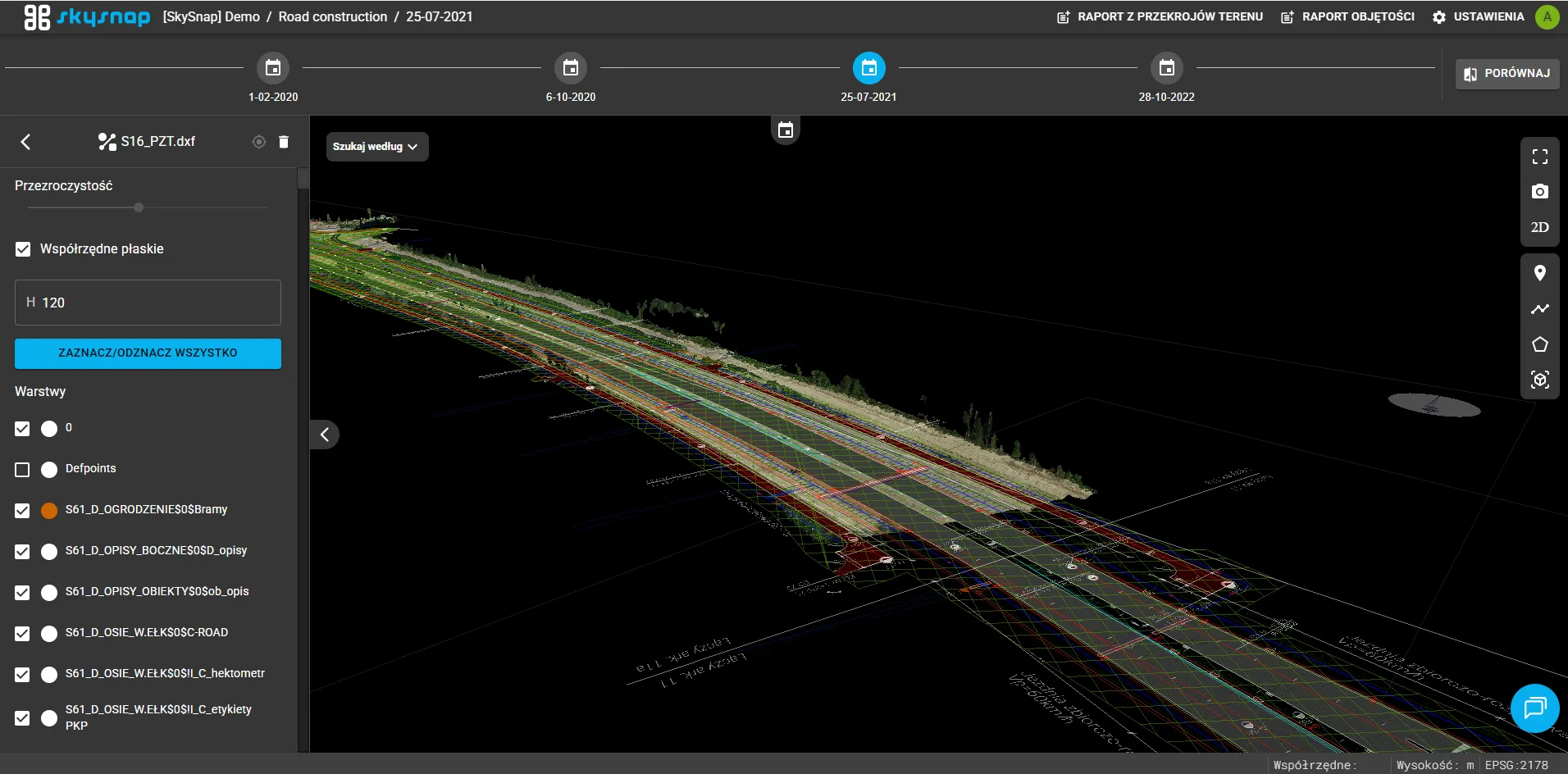
Terrain mapping with drones has become one of the newest and most innovative methods of acquiring detailed geographic data. Thanks to advanced technology, drones offer fast and precise solutions that far surpass traditional mapping methods. The use of drones in mapping opens up new opportunities in many fields, from agriculture to architecture to environmental monitoring. In this guide, we take a look at how drones are changing the way we perceive and analyze the space around us, and the benefits of using them in practice. We invite you to explore the fascinating world of aerial mapping. As a key service for professional developers, photogrammetry plays a vital role in geotechnical site development, enabling the conversion of images into 3D models and integration with geographic information systems.
Introduction to drone mapping
History and development of drone technology
Drone technology has its roots in military applications dating back to the early 20th century, when the first unmanned aircraft were used for surveillance purposes. Over the years, technological developments and the miniaturization of components have contributed to the proliferation of drones in various civilian fields.
In the 21st century, drones have become available to a wide range of users, both businesses and hobbyists. Technological developments in cameras, GPS navigation systems and sensors have made drones an invaluable tool in mapping.
Companies and institutions have begun to recognize the potential of drones, using them to collect data quickly, economically and precisely. As a result, drones have gained popularity in fields such as mapping, precision agriculture, and infrastructure inspection.
Impact on traditional mapping methods
The introduction of drones for mapping has significantly impacted traditional mapping methods, which were time-consuming and expensive. Traditional mapping often required large teams and specialized equipment, such as aircraft or satellites, with high operational costs. Drones, with their mobility and flexibility, can quickly provide data from hard-to-reach areas, which is invaluable in situations that require rapid response, such as natural disasters.
In addition, drones offer much greater precision, enabling the creation of high-resolution maps, which was previously unattainable by traditional methods. As a result, many industries have begun to integrate drones into their processes, leading to reduced project costs and time. Traditional mapping methods are still being used, but drones are becoming an increasingly popular choice thanks to their many advantages.
Drone applications in mapping
Agriculture and land management
Drones play a key role in modern agriculture, enabling precise crop management and yield optimization. With advanced cameras and sensors, drones can collect detailed data on the condition of vegetation, soil moisture levels or the presence of pests. Drone mapping allows farmers to closely monitor the health of their crops and take swift action when problems are detected.
In addition, drones enable the creation of field maps that help in planning irrigation, fertilization and other agronomic activities. In farm management, drones support the processes of inventorying and assessing natural resources, which is particularly important in the context of sustainable development. As a result, farmers can increase production efficiency while minimizing the negative impact on the environment. Drones are becoming an invaluable tool in the quest for more precise and responsible management of agricultural resources.
Construction and urban planning
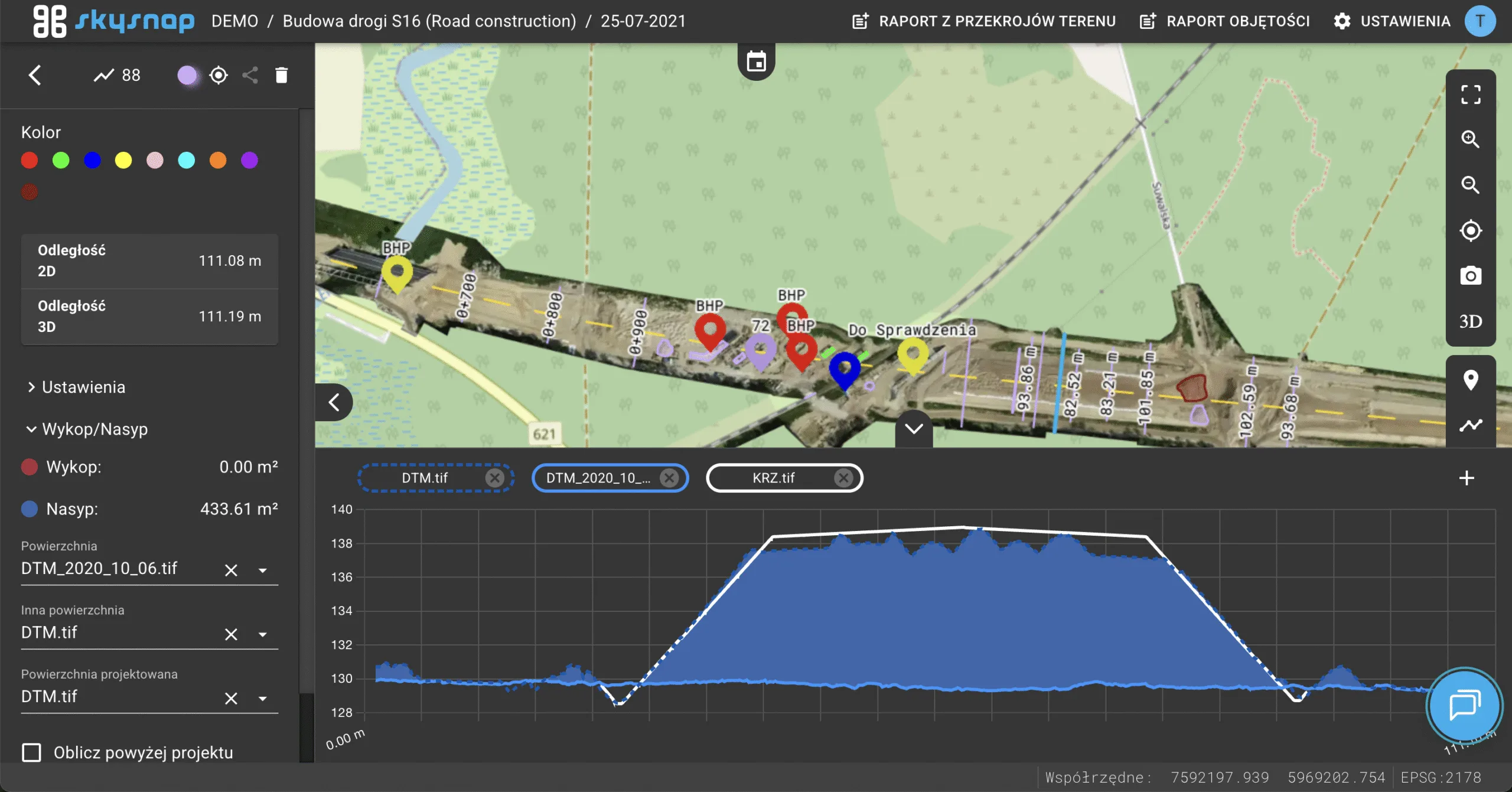
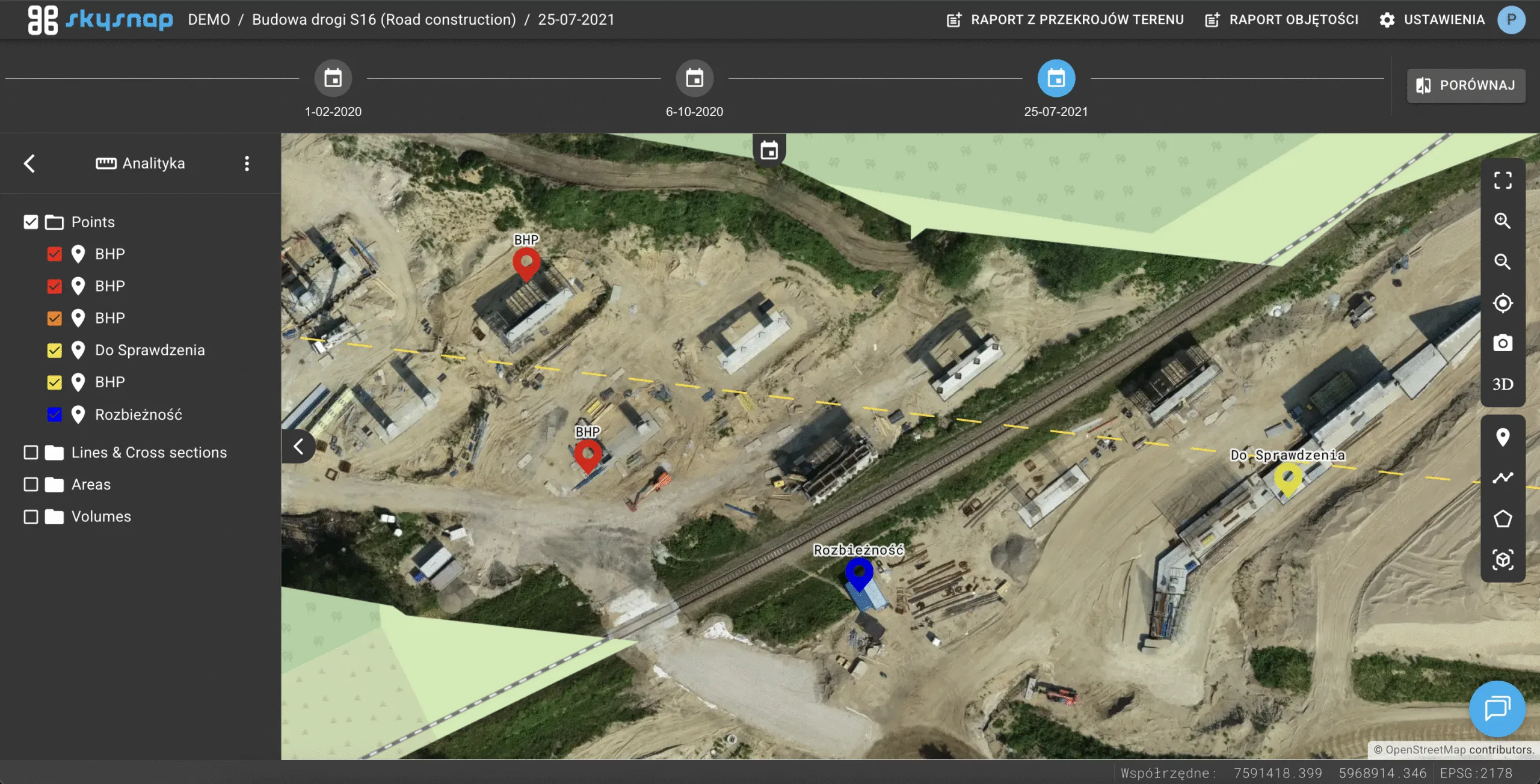
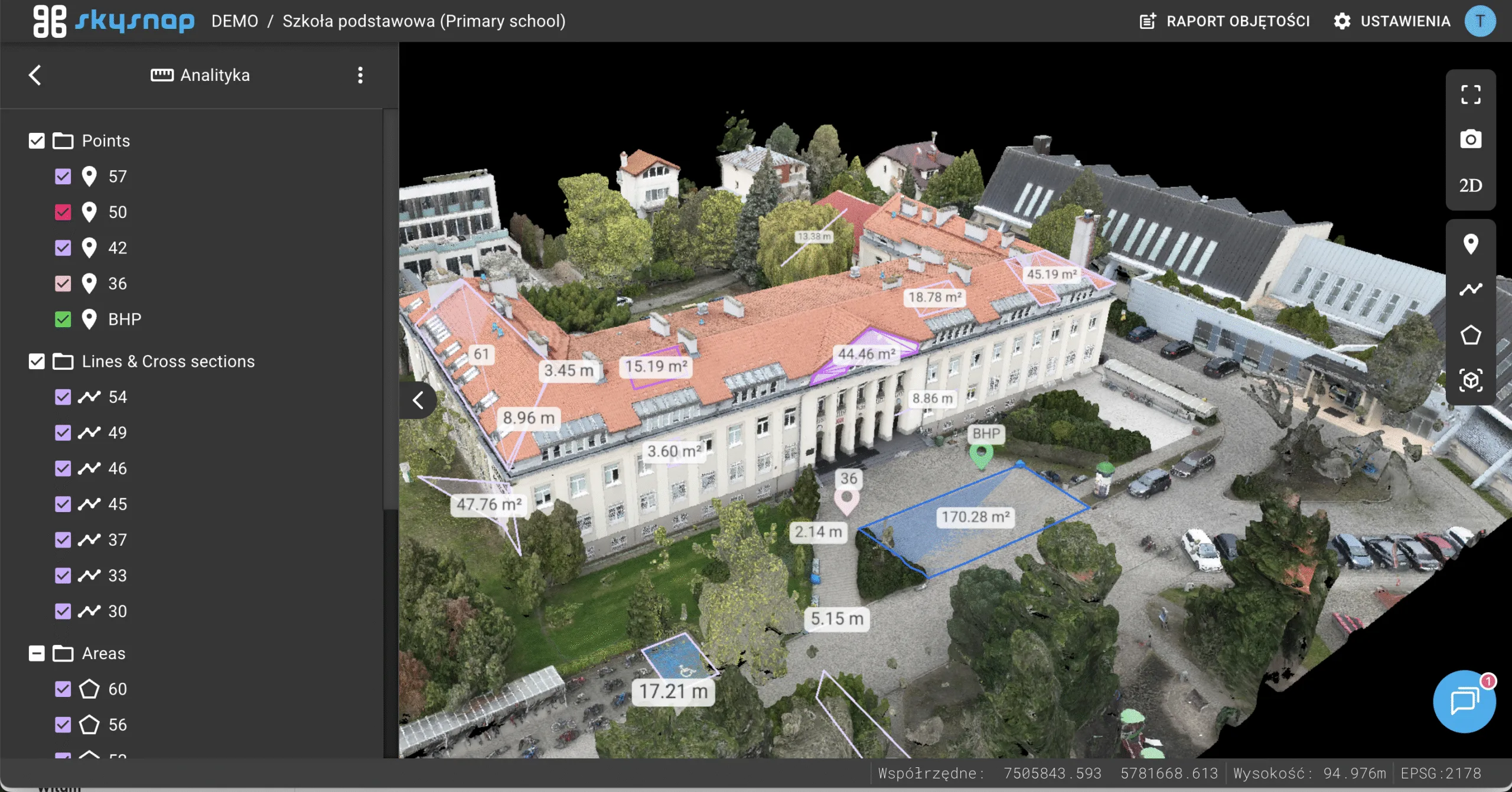
Drones in construction and urban planning contribute to a more efficient and accurate design and development process. With the ability to collect precise data from the air, drones make it possible to create detailed 3D models of sites that help architects and engineers visualize projects. This, in turn, makes it easier to identify potential problems while still in the planning stage, allowing them to be resolved earlier. During construction projects, drones can be used to monitor the progress of work and inspect hard-to-reach areas, making operations safer and more efficient. In the context of urban planning, drones help in the spatial analysis of cities, identifying areas for development and assessing the impact of new developments on existing infrastructure. As a result, the planning process becomes more sustainable and tailored to the needs of the community.
Point cloud
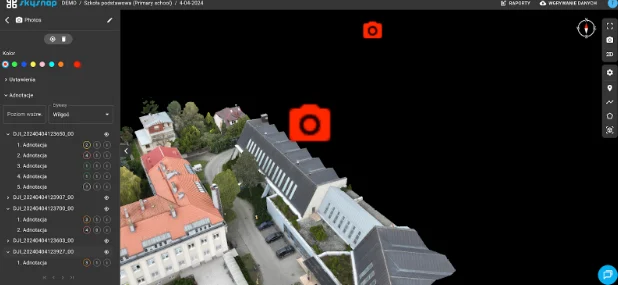
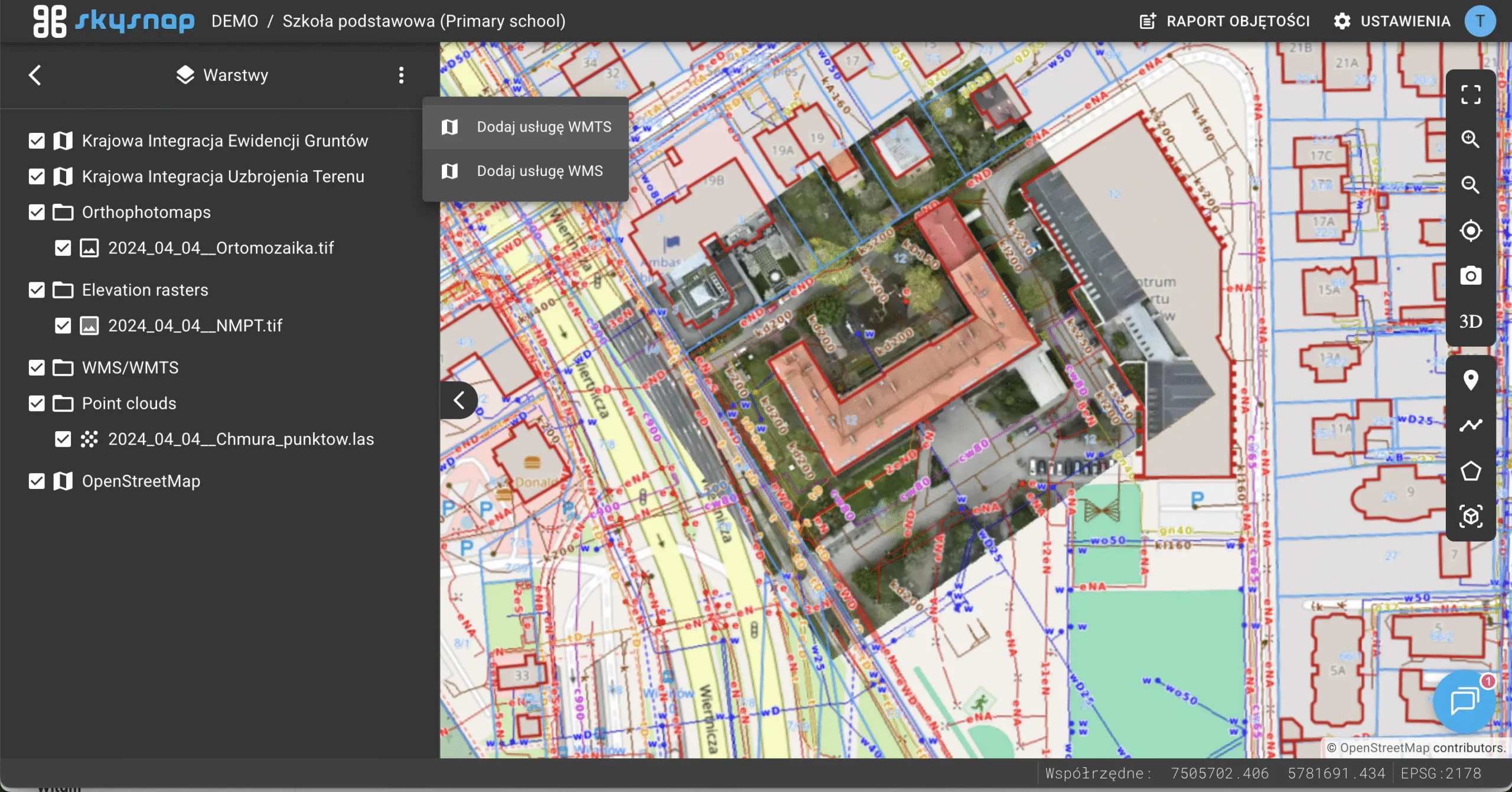
A point cloud is a collection of spatial data that is used in the process of land mapping. Based on the collected data, the point cloud allows the creation of an accurate terrain model that can be used in various fields, such as surveying, architecture or agriculture. The use of drones in terrain mapping makes it possible to obtain high-resolution data, which is especially important for field mapping. Drones help provide accurate field condition data to optimize fertilization and increase crop efficiency.
Preparing for the mapping mission
Preparing for a mapping mission is a key step in the land mapping process. The use of drones requires proper preparation, includingchoosing the right high-resolutioncamera and establishing a flight path. Field mapping also requires consideration of weather conditions, such as temperature and humidity, which can affect data quality. With the use of advanced tools such as data analysis programs, it is possible to obtain accurate data on the condition of the field, allowing quick action to be taken when problems arise.
Benefits of using drones
Time and cost savings
The use of drones in land mapping significantly reduces both the time and costs associated with traditional mapping methods.With drones, the process of collecting data from large areas can be done much faster and more efficiently. Drones are able to reach hard-to-reach areas without the need for large teams or heavy equipment, reducing operational costs.
In addition, the automation of flight and data processing using modern software simplifies the entire mapping process, eliminating the need for lengthy manual analysis. As a result, drones allow for quick, detailed and accurate results, which is crucial for industries that need to respond dynamically to changes, such as agriculture, construction and emergency management. With time and cost savings, drones are becoming an attractive alternative to traditional methods, enabling more efficient use of resources. Developing detailed design plans and analyzing the site with drones allows for optimized construction conditions and faster and more precise decision-making.
Precision and accuracy of data
Drones stand out for their exceptional precision and accuracy in data collection, making them an invaluable tool in terrain mapping. Equipped with state-of-the-art high-resolution cameras and advanced sensors, drones are able to provide detailed images and measurements with minimal deviations.
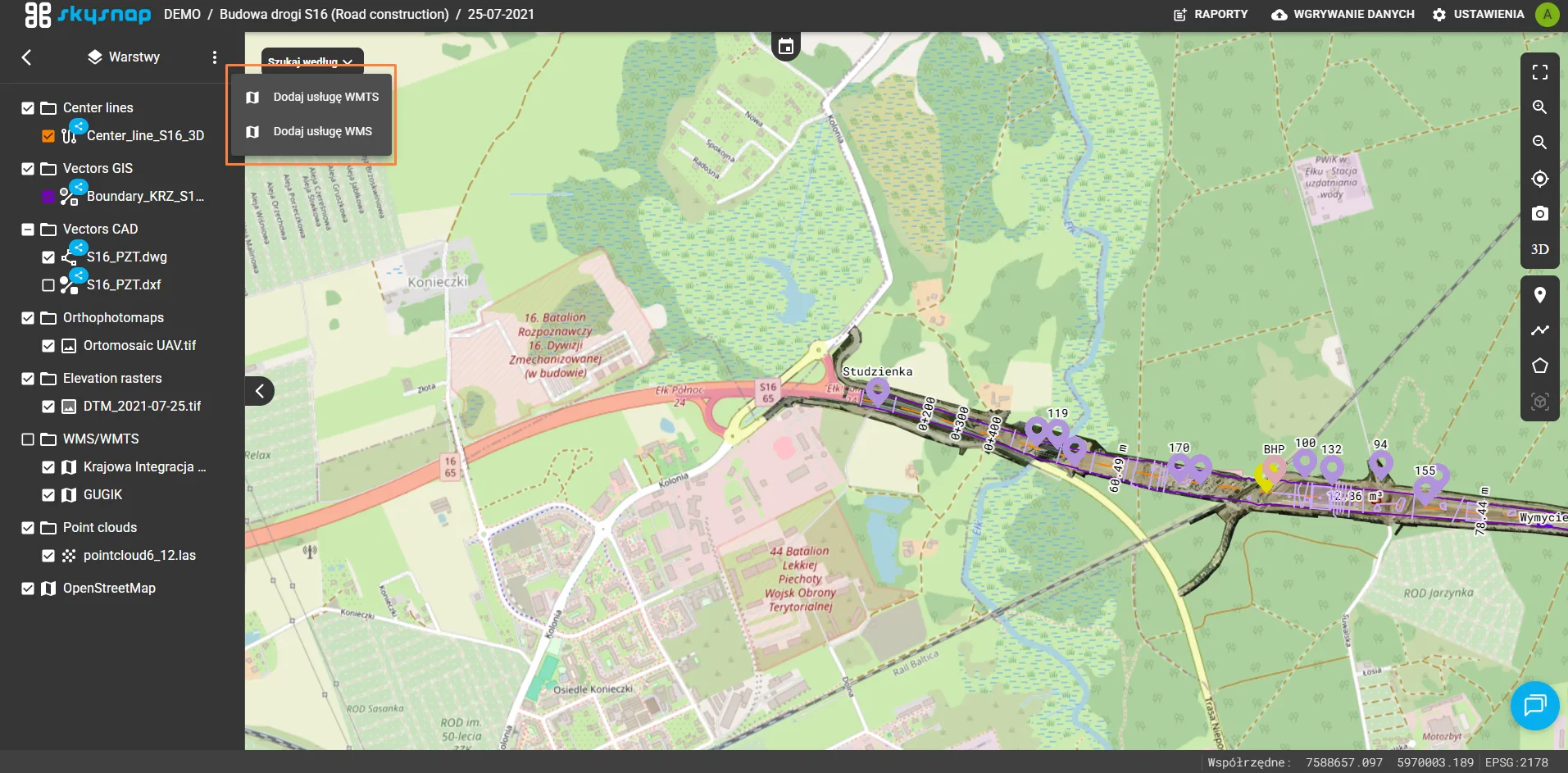
The GPS technology that drones work with enables precise positioning, which is crucial for creating accurate maps and 3D models. In addition, the use of orthophotos is crucial for creating high-resolution maps that support planning and space management in densely urbanized areas. As a result, users can obtain reliable data that is essential for making accurate decisions in fields ranging from agriculture to infrastructure management.
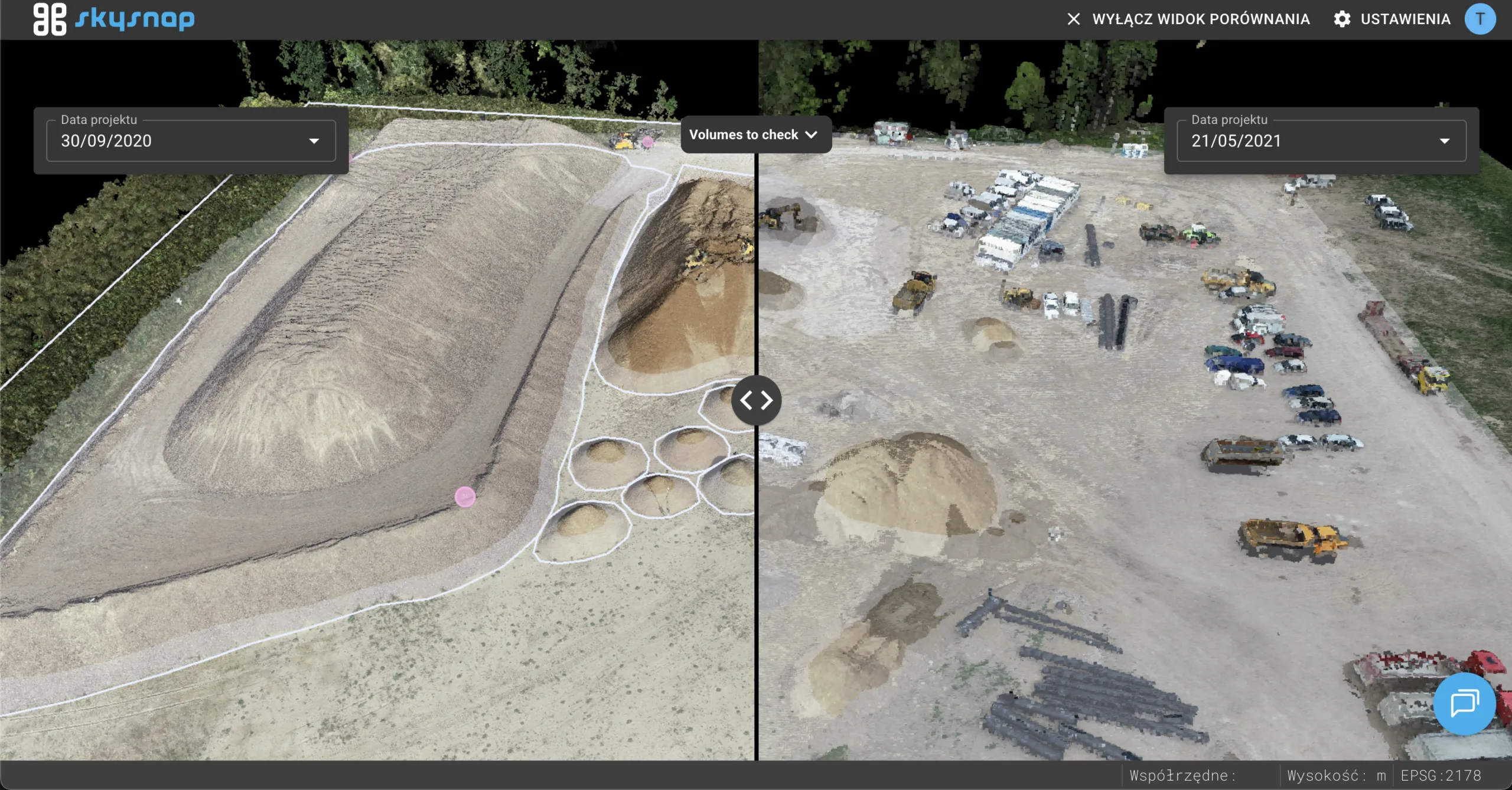
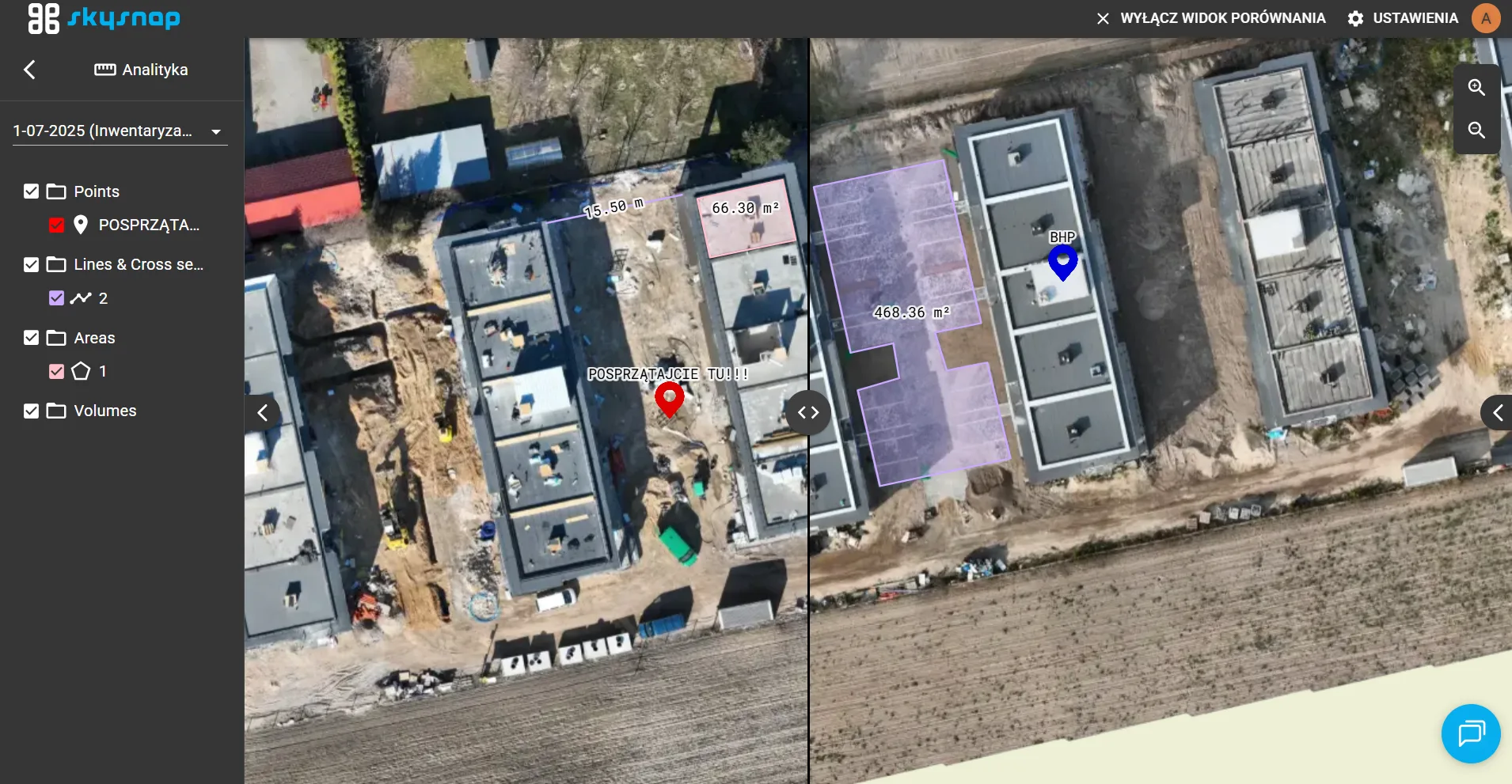
Drones can also visit the same areas repeatedly, ensuring consistency of data over time, which is important for monitoring environmental changes or progress in construction projects. The high precision of the data acquired by drones helps improve the quality of analysis and action planning.
Challenges and limitations of technology
Laws and regulations
One of the main challenges of drone use in mapping is laws and regulations, which vary from country to country and region to region. Drone operations are subject to strict controls to ensure the safety of airspace, protect citizens’ privacy and minimize the risk of collisions.
In many cases, users must obtain the appropriate licenses and permits to fly drones, as well as follow designated rules regarding flight altitudes, no-fly zones or distances from airports.
In addition, operators must meet certain requirements, such as weather conditions that may affect the performance of raids, and obtaining approvals from relevant institutions in the case of special zones.
Operators must also be aware of local data protection regulations, especially in the context of recording and processing images and personal data. Failure to comply with applicable regulations can lead to financial penalties or restrictions on operational capabilities.
Therefore, knowledge of and compliance with regulations is a key aspect in planning and implementing drone projects.
Technical limitations and solutions
Despite their many advantages, drones face some technical limitations that can affect their effectiveness.
One of the key problems is limited flight time due to battery capacity, which can be a challenge when mapping large areas. The solution may lie in the development of hybrid drones that combine the advantages of different power sources.
Another challenge is the ability of drones to operate in harsh weather conditions, such as high winds, rain or extreme temperatures, which can affect the quality of data collected. In response, manufacturers are working to design more robust models and advanced stabilization systems.
The bandwidth and range of data transmission is also an important limitation, which affects the ability to transmit large amounts of information in real time.
Before carrying out photogrammetric flights, it is also important to check the air zones in which such raids can be carried out, and to obtain permission from the relevant institutions in cases where flights take place in special zones, which requires additional paperwork to check.
Solutions such as 5G technologies and the development of satellite communication systems may alleviate these problems in the future, improving the operational efficiency of drones.
The future of drones in mapping
New technologies and innovations
The future of drones in mapping is inextricably linked to the rapid development of technologies and innovations that can significantly enhance their capabilities.
One of the most promising directions is the integration of artificial intelligence (AI) and machine learning, which will enable more autonomous drone operations and better data processing. AI can support real-time analysis of collected images, identifying key elements and patterns, which in turn will speed up decision-making.
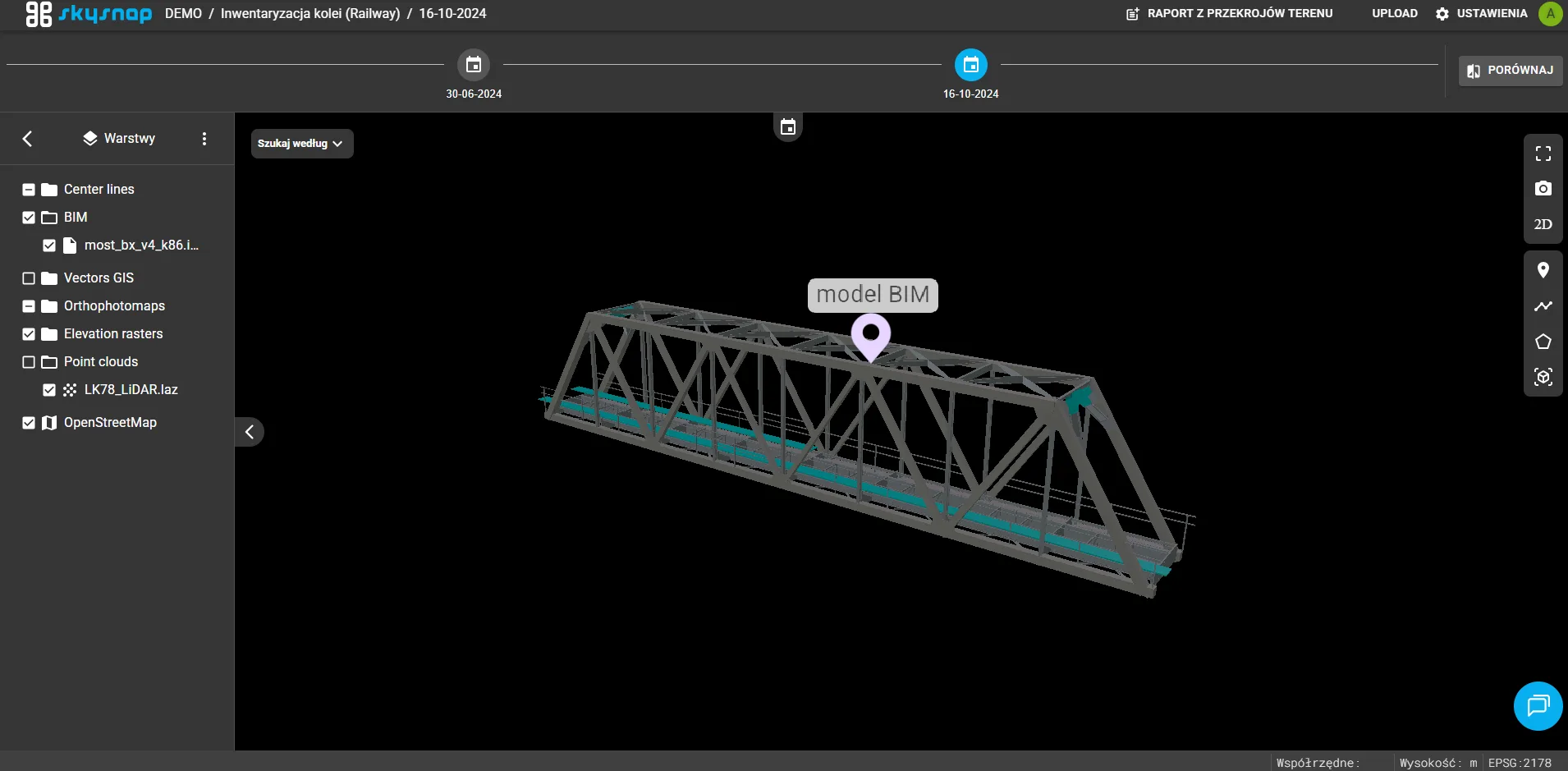
Another important trend is the development of LiDAR technology, which makes it possible to create precise 3D models even in difficult lighting conditions. In addition, the growing importance of 5G connectivity can significantly improve data transmission and operational range of drones.
In the future, we can also expect to see advances in battery durability and the development of hybrid drones, which will allow for even longer and more efficient mapping missions. Establishing the right parameters for construction using modern technologies such as drones is key to reducing investment costs and ensuring compliance with design requirements.
Potential market developments
The drone market in mapping promises to be a booming sector, with many potential directions for expansion. On the one hand, increased interest in sustainability and environmental protection is fostering the use of drones in climate change monitoring and natural resource conservation.
Drone capabilities are finding applications in new areas such as smart cities, where they can support urban infrastructure management and transportation optimization.
On the other hand, the development of drone technology is creating opportunities for innovative business models, such as on-demand drone services that offer access to precise data without the need to own the equipment outright.
Drones could also find applications in industries such as industrial inspection, energy and precision agriculture, offering new opportunities for businesses. Regulatory developments that could open up new markets and opportunities for drone operators around the world will also be a key factor.
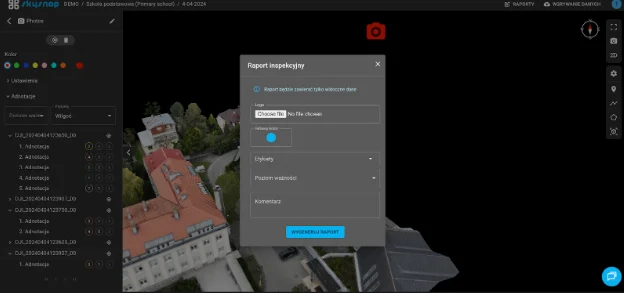
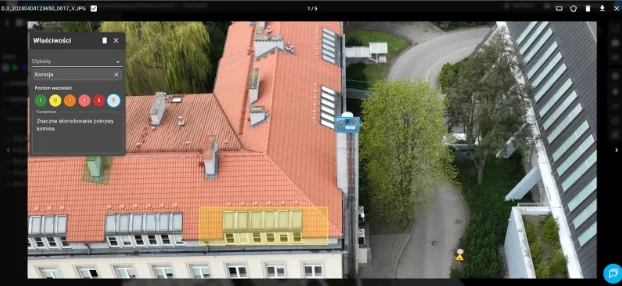
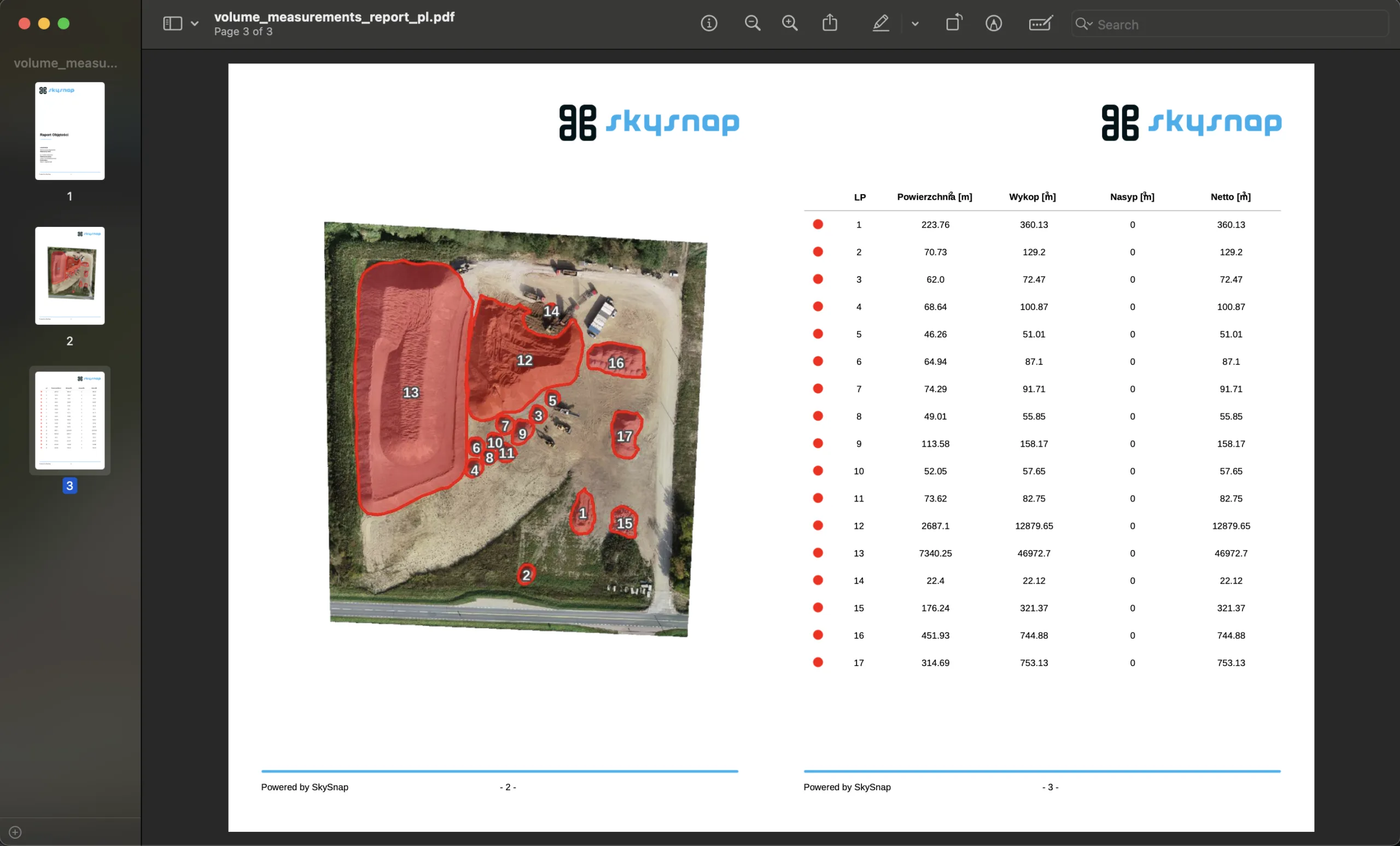
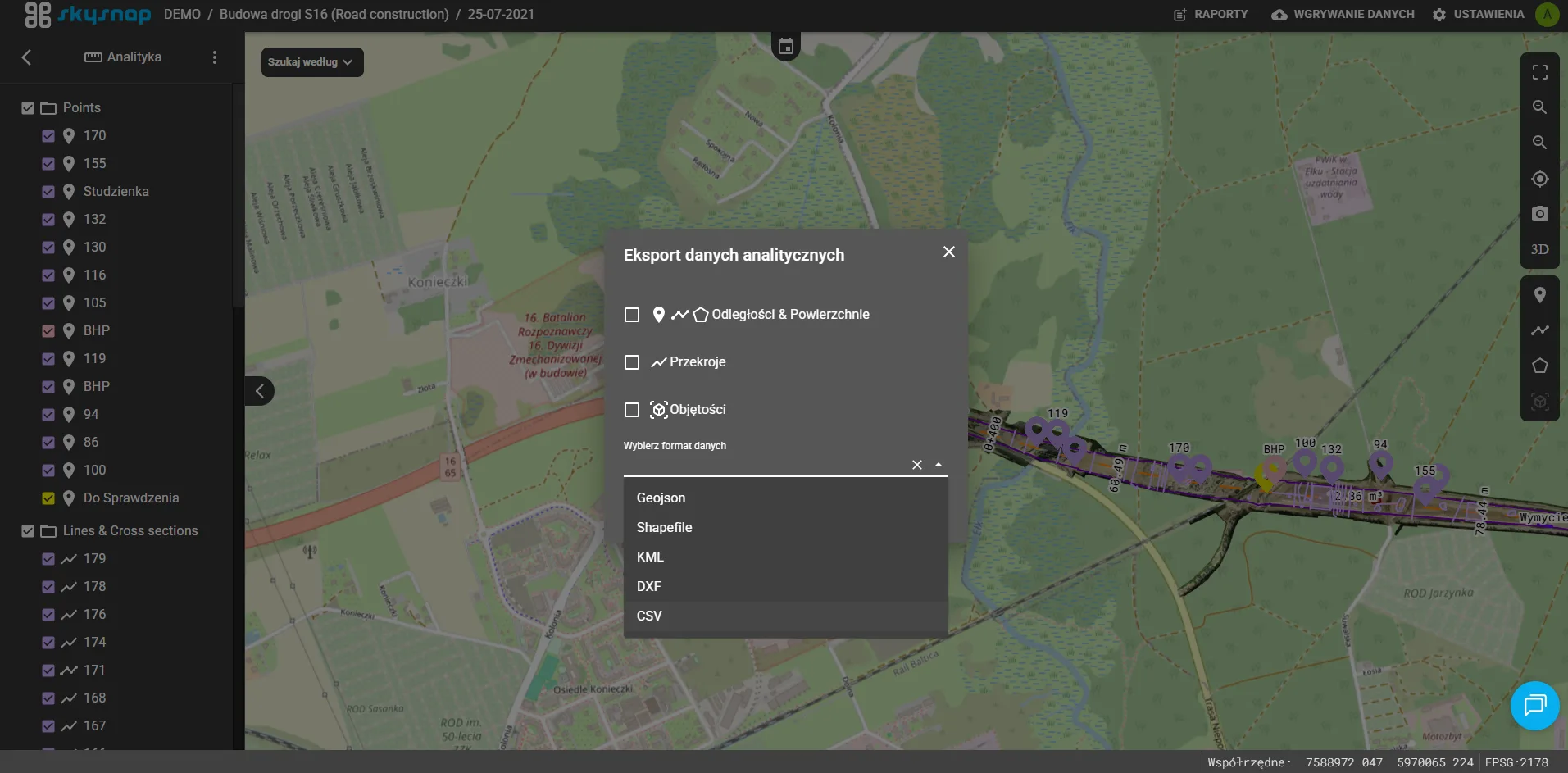
An important aspect will be the generation of reportsthat include detailed analysis, digital maps and GIS files, which supports accurate mapping and better crop management decisions.

Free E-book
Learn what services to offer, who to sell them to, and how to write an effective offer email. Ready-made templates, tips and examples of campaigns that really work.
Table of Contents:
Do you like the article? Share it with others!
Do you like the article? Share it with others!
Tips, news, insights
Related articles
Check out our articles and get the latest industry news.