Survey Drone: Best Drones for Surveying – Beginner and Advanced Guide – SkySnap
Drones are revolutionizing the way we view and execute surveying projects, offering modern tools for precise land surveying and mapping. With the development of technology, drones are becoming more and more accessible to both novice and advanced surveyors. In this guide, we’ll look at the most important features to consider when choosing the best drones for surveying, as well as discuss which models can meet a variety of user needs. Regardless of experience level, everyone will find practical tips and information to help make an informed decision. Also worth noting are technical publications and articles on surveying drones, which provide essential information on current trends and regulations.
Introduction to drones in surveying
Why are drones crucial?
Drones play a key role in surveying due to their ability to provide detailed and accurate data in a short period of time. Traditional survey methods often require a lot of time and effort, while drones can quickly fly over large areas, collecting precise data from the air. This allows surveyors to create accurate maps and 3D models of the area, which is invaluable for infrastructure planning and asset management. Drones also allow access to hard-to-reach areas, minimizing risks to people and reducing the time it takes to obtain data. In addition, their use in surveying leads to a reduction in operating costs, which is important for many companies. As technology evolves, drones are becoming an increasingly indispensable tool in the surveying industry.
How do drones work in surveying?
Drones in surveying work by collecting data using various sensors, such as cameras, lidar and GPS. Various types of sensors are used in surveying drones, including high-resolution sensors that ensure stability and accuracy of measurements. Once a flight path is programmed, the drone autonomously flies over a designated area, recording images and measurements.
- High-resolution cameras allow the creation of orthophotos, which are essential for land analysis and planning infrastructure projects.
- Lidar, or laser scanning technology, makes it possible to create detailed 3D models, which is crucial in surveying.
- The GPS data provides precise localization of the collected information, which enables accurate representation of the real world in digital form.
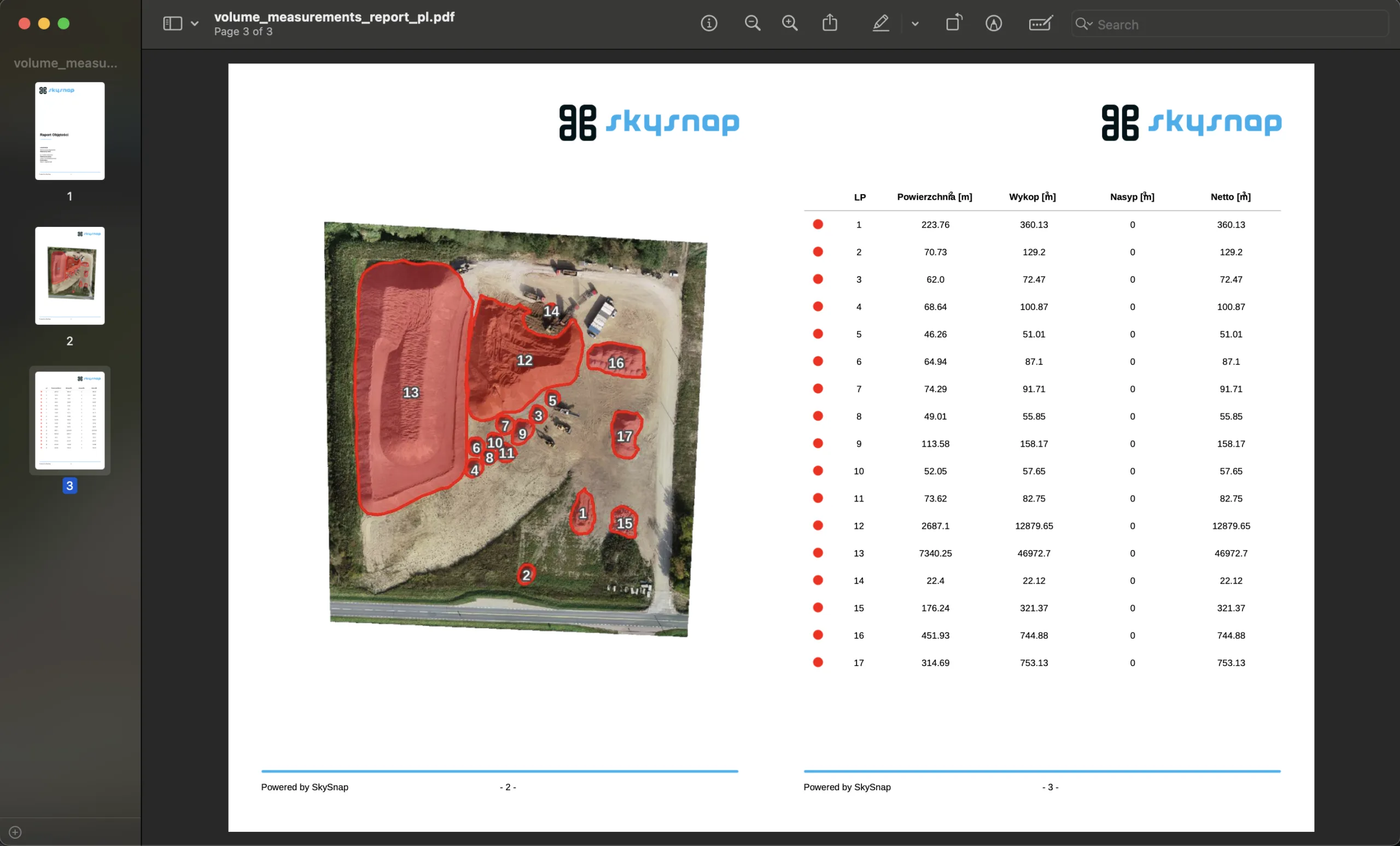
After the flight, the data is processed with specialized software, creating various types of maps and models. Thanks to this technology, drones significantly increase the efficiency and accuracy of surveying work, making them an invaluable tool in this field.
Best drones for surveying
Models for beginners
For those starting out with drones in surveying, it’s important to choose models that are easy to use and offer the basic functions needed to take precise measurements.
Models such as the DJI Phantom 4 RTK are often recommended to novice surveyors. This drone offers simplicity of use while incorporating advanced features such as RTK (Real-Time Kinematic) for high accuracy data. The drone is also equipped with a stable camera that enables the creation of detailed orthophotos. It is important to choose models that have technical support and access to online training, which will make it easier to learn and operate the equipment.
Beginners should also look out for drones with automatic return to base functions in case of low battery levels, which increases safety of use. In addition, consider models with expandable accessories, such as an RTK module, which expand the drone’s capabilities and increase its versatility.
Models for advanced users
For advanced users who need more specialized equipment for surveying, there are drones that offer advanced features and better performance.
Models like the DJI Matrice 300 RTK are an ideal choice for professionals. This drone features a long flight time, allowing it to cover larger areas without frequent landings. It is equipped with advanced sensors, such as lidar and multispectral cameras, which allow the creation of highly accurate 3D models and analysis of data from multiple sources. Also important for advanced users are integration options with data analysis software and cloud platforms, making it easier to manage and process large amounts of information. With such features, drones for advanced users are a key tool in the implementation of complex surveying and infrastructure projects.
Enterprise models, such as the DJI Matrice 300 RTK, offer advanced features that are reliable in a variety of industries, thanks to their high-quality cameras and precision measurement capabilities.
Drones with RTK module
Drones with an RTK (Real-Time Kinematic) module are equipped with a system that enables precise real-time measurements.
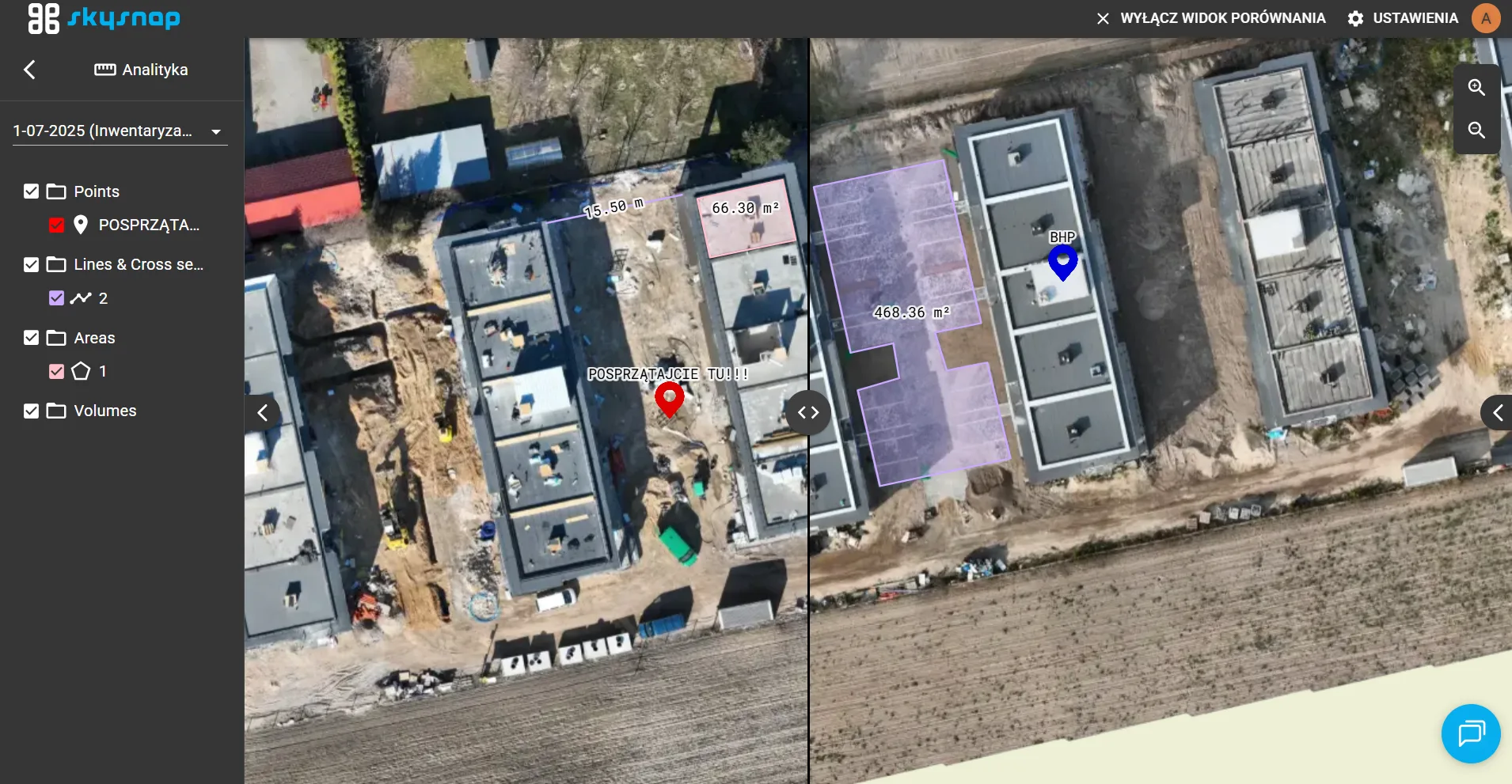
The RTK module is extremely important in surveying, as it allows for accurate data on the location and elevation of objects. Thanks to this technology, drones with an RTK module can provide data with centimeter-level accuracy, which is crucial for creating detailed maps and site plans. These drones are ideal for surveying tasks such as site inventory, monitoring changes in topography or infrastructure planning. The high precision of measurements achieved with the RTK module makes these drones indispensable for professional surveying applications.
Drones with thermal imaging camera
Thermal imaging drones are equipped with a specialized camera that can take infrared images and videos. Thermal imaging cameras are useful in surveying to detect and locate objects, such as pipes or cables, that are hidden beneath the surface. With the ability to monitor the temperature of objects, drones with a thermal camera can also detect thermal anomalies, which is important for infrastructure diagnostics and asset management. The use of drones with a thermal imaging camera allows inspections to be carried out quickly and efficiently, minimizing the risks and costs associated with traditional methods. As a result, these drones are becoming increasingly popular in the surveying industry, offering new opportunities for surveying and monitoring.
Choosing the right drone
Key technical features
When choosing a drone for surveying, it is important to pay attention to a few key technical features that affect surveying performance and accuracy.
- First, the presence of advanced navigation systems such as RTK and PPK (Post-Processed Kinematic), which provide high precision localization, is important.
- Another important aspect is the quality of the camera and the ability to mount additional sensors, such as lidar, which allows the creation of detailed 3D models and terrain analysis.
- The drone should also have a long flight time, allowing it to effectively cover large areas.
- In addition, features such as weather resistance and safety systems such as automatic return to base are important.
These technical features are crucial for professionals who need reliable equipment for complex surveying tasks.
Budget vs. quality
When choosing a drone for surveying, it is extremely important to understand the relationship between budget and equipment quality.
While cheaper drones can be tempting for beginners, they often come with limitations in terms of features and data quality.
Investing in more expensive models, such as those with advanced navigation systems and sensors, usually translates into better precision and reliability, which is crucial in surveying.
Many users can take advantage of drone leasing options, allowing them to use high-quality equipment without having to spend a lot of money at once.
It is also worth considering the purchase of used models from reputable suppliers, which can be a compromise between cost and quality. Ultimately, the decision to choose a drone should take into account the specific needs of the project and the available budget to ensure optimal use of resources. It’s also worth taking advantage of support in the drone purchasing process to make the best choice.
Advanced control systems
Advanced control systems are extremely important in surveying, as they enable precise drone control and accurate data. These systems are equipped with features such as automatic route and flight planning, allowing for maximum efficiency and accuracy in surveying. Good drones for surveying are equipped with advanced control systems that allow for high-quality data. Thanks to them, surveyors can focus on analyzing the collected information instead of manually controlling the drone. Automating surveying processes increases work efficiency and minimizes the risk of errors, which is crucial in professional surveying applications.
Regulatory compliance
Regulatory compliance is extremely important in surveying, as drones must meet certain security and data protection requirements.
Surveying drones must comply with regulations for flying unmanned aerial vehicles, such as the regulation of the Ministry of Development. When ordering a drone, make sure it meets all regulatory requirements and complies with surveying standards.
Compliance with regulations ensures not only the safety of operations, but also the legitimacy of the data collected, which is crucial in professional applications. That’s why it’s important to thoroughly familiarize yourself with the current regulations before purchasing a drone and choose equipment that meets all legal requirements.
Drone applications in surveying
Measurement of terrain and topography
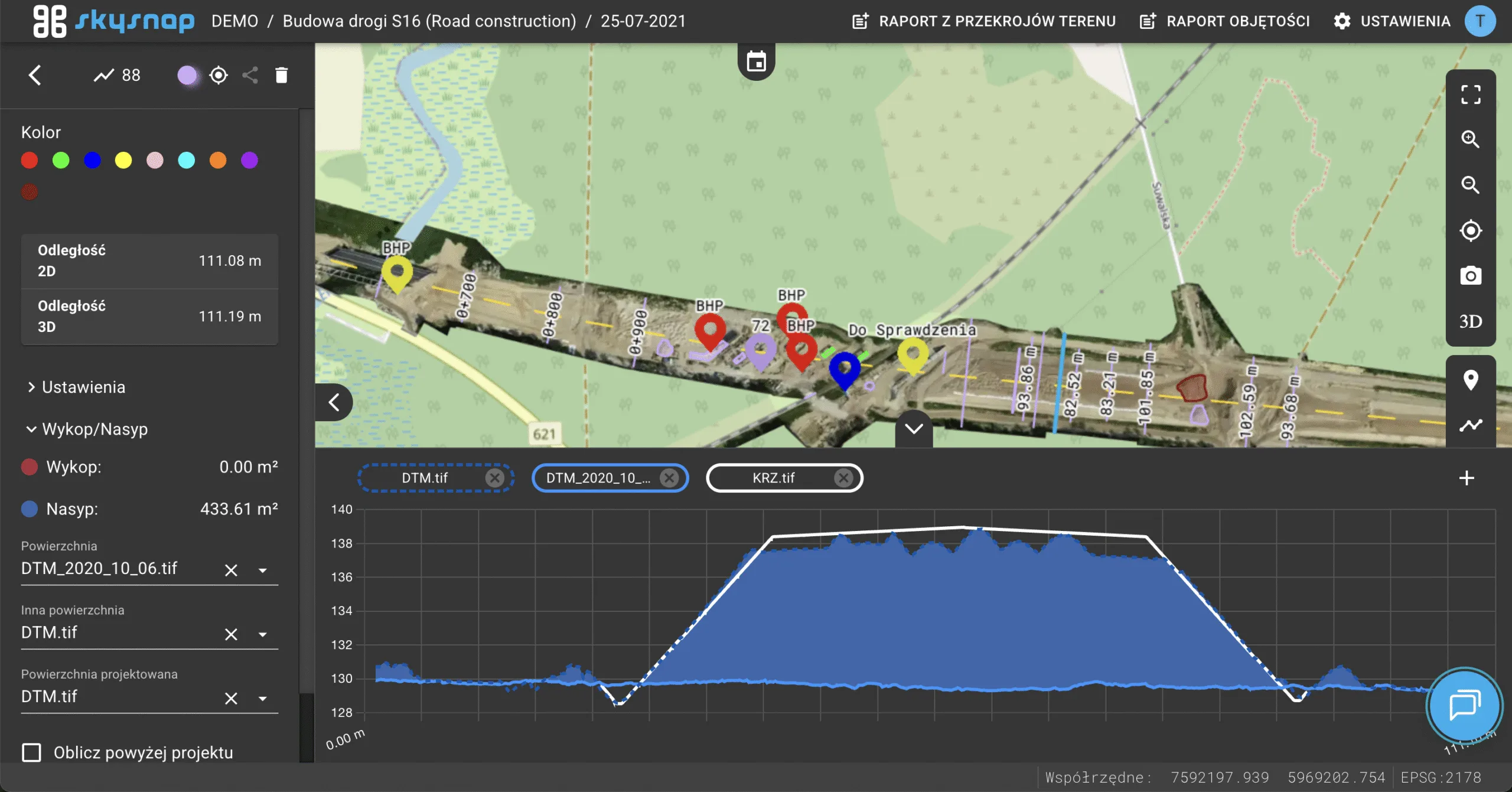
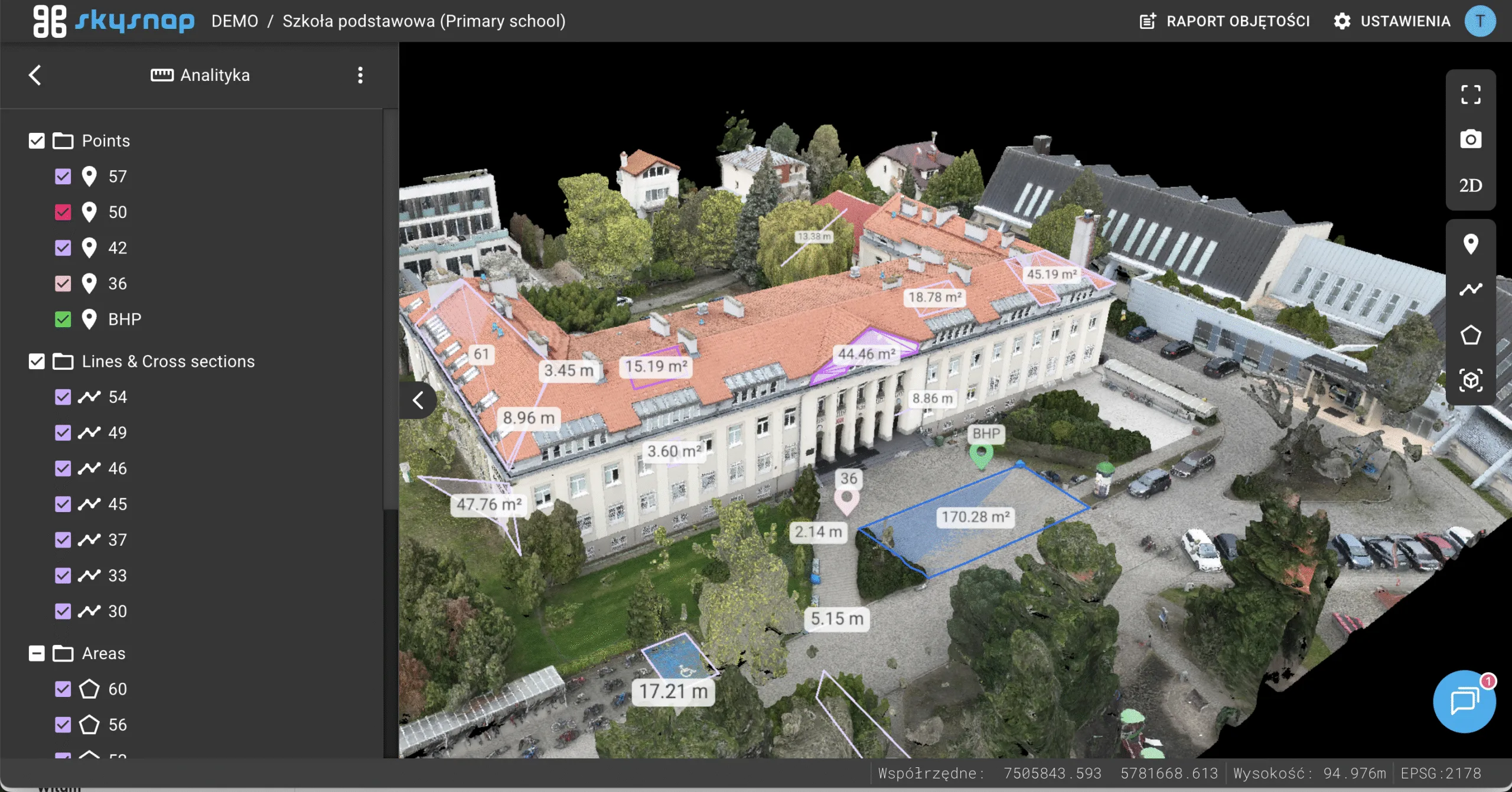
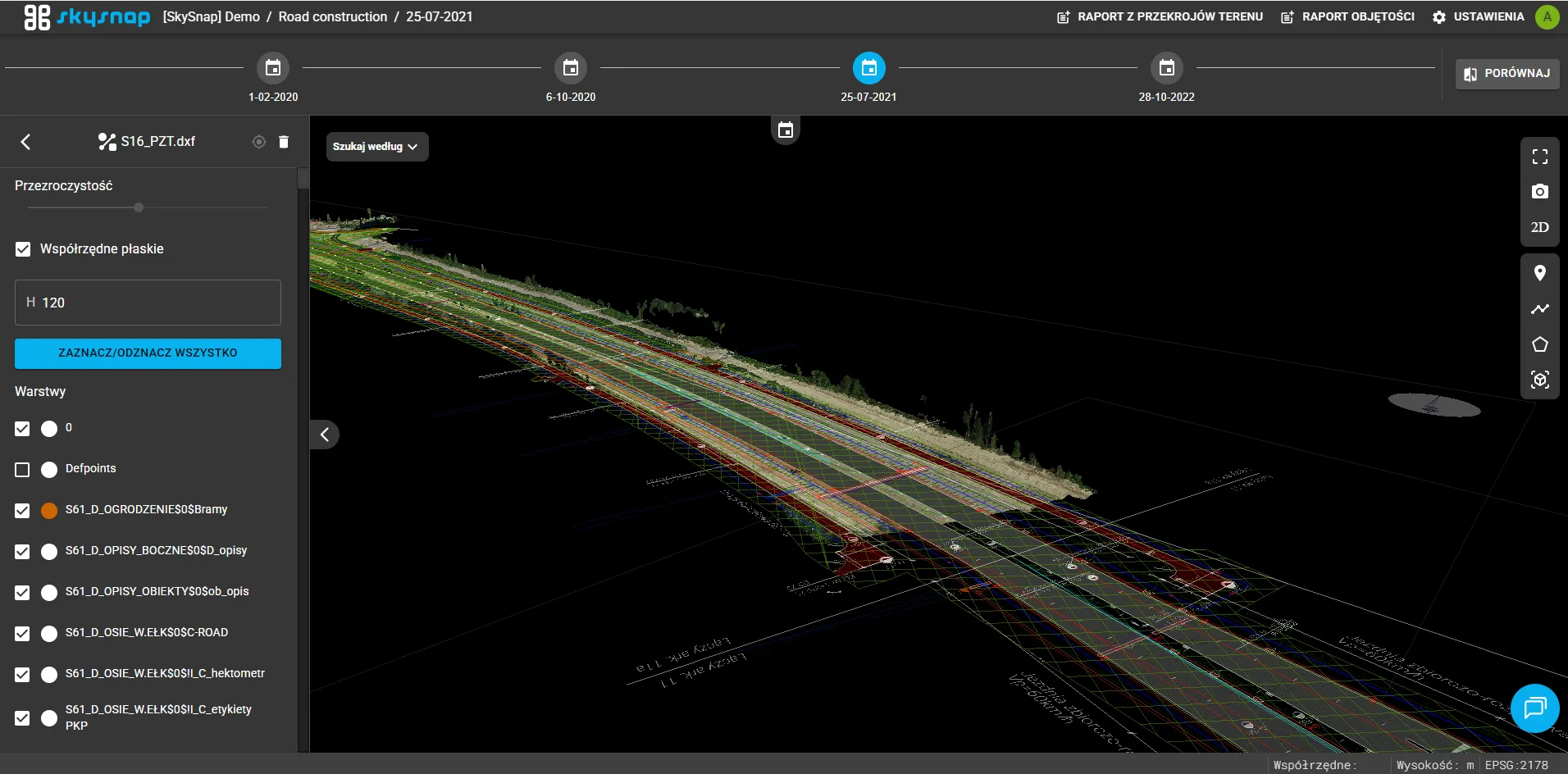
Drones are an invaluable tool in land surveying and topography, enabling rapid and accurate data collection over large areas. Using advanced technologies such as lidar and photogrammetry, drones can create detailed 3D models of terrain, which is crucial for infrastructure design and urban planning.
Compared to traditional methods, drones allow for a significant reduction in project time and operational costs. Their ability to fly at low altitudes and in hard-to-reach areas makes them ideal for surveying in mountainous or forested areas.
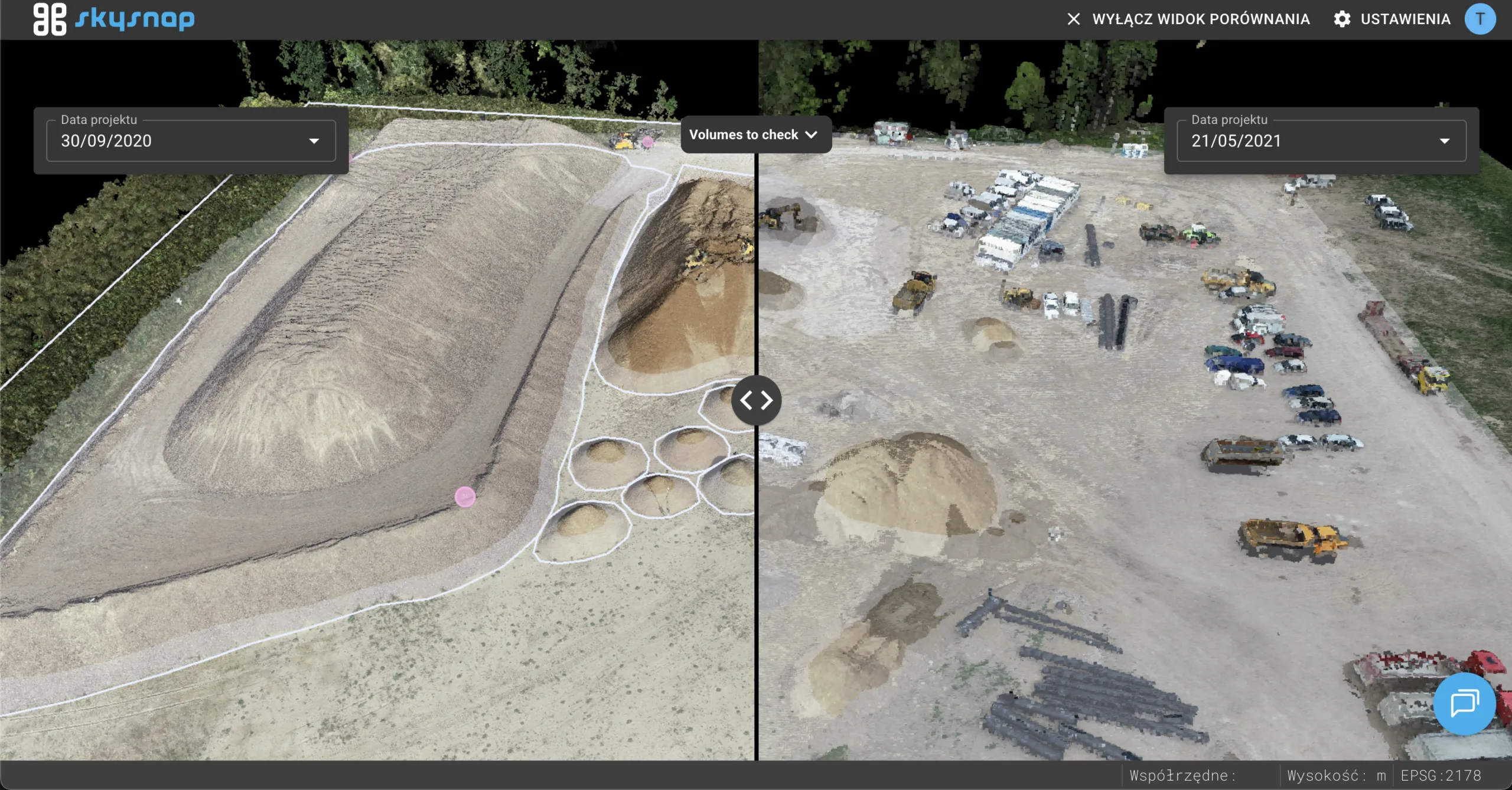
In addition, drones can be used to monitor changes in topography, which is important in natural resource management and environmental protection. With these capabilities, drones are becoming increasingly common in the surveying industry, offering reliable and efficient surveying solutions.
Surveying drones are particularly useful in challenging terrain, where advanced technologies make it easier to carry out work on varied terrain.
Infrastructure monitoring
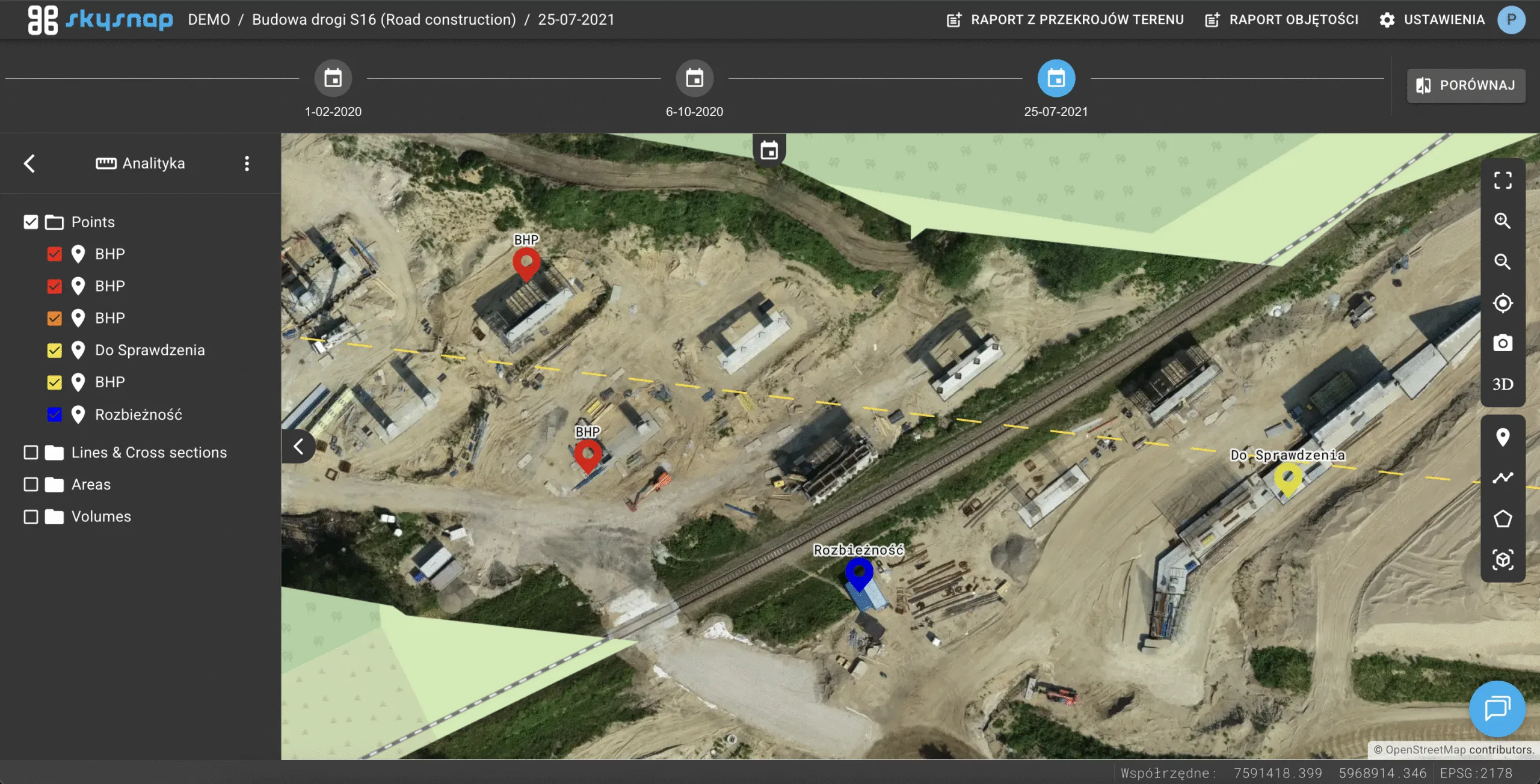
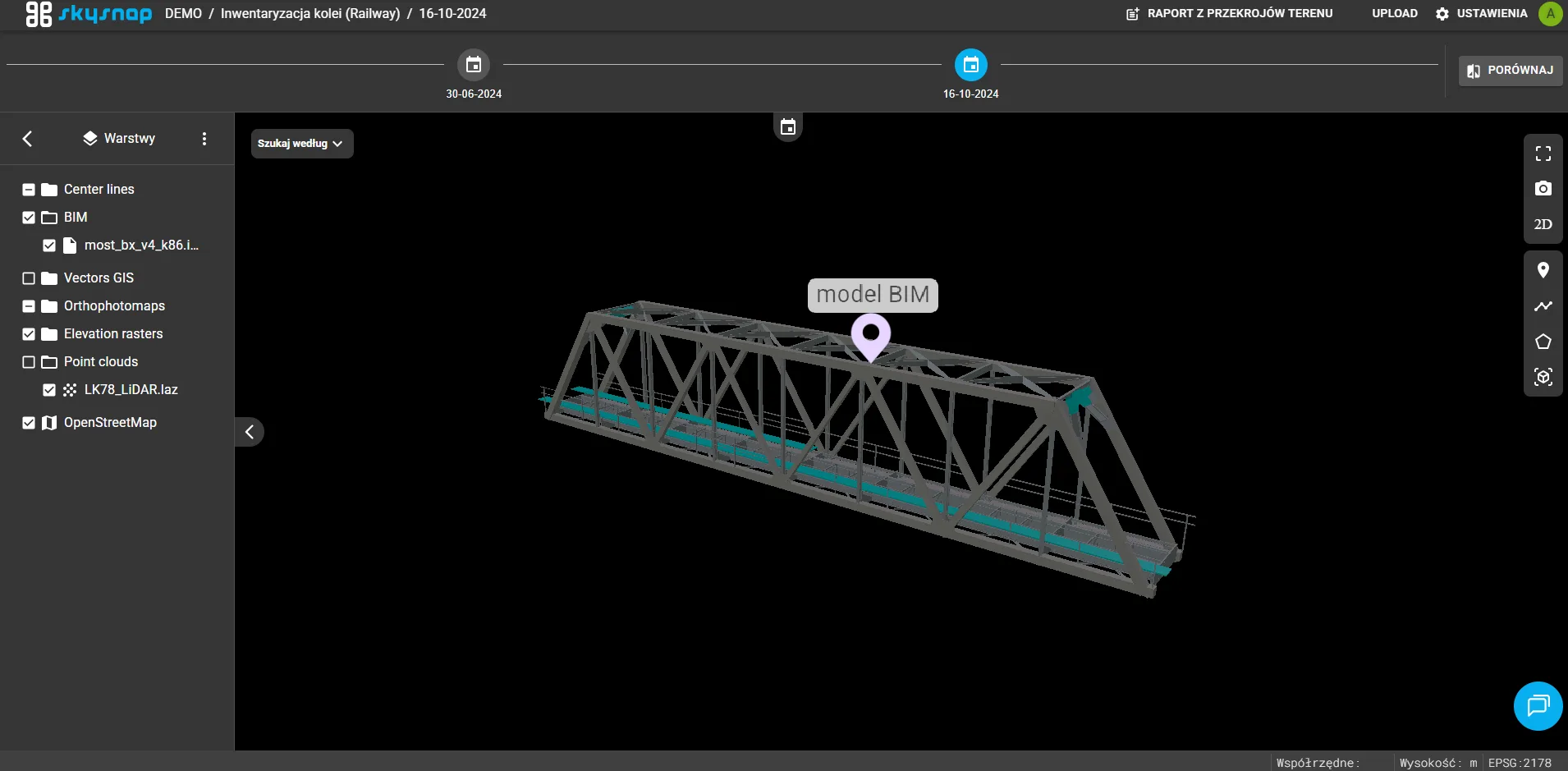
Drones play a key role in infrastructure monitoring, offering efficient and accurate ways to assess the condition of structures. They make it possible to regularly track the condition of bridges, roads, power lines and other infrastructure structures without the need for large human and equipment resources.
Using high-resolution cameras and thermal imaging technology, drones can identify potential damage or areas in need of repair, allowing for quick response and necessary maintenance work. Regular drone inspections also help plan repairs and upgrades, minimizing the risk of failure and extending the life of infrastructure. Thanks to their mobility, drones can reach hard-to-reach areas, making inspections more efficient and safer.
Their use in infrastructure monitoring brings tangible benefits, supporting the management and maintenance of key assets. Additionally, equipping drones with a thermal imaging camera is extremely useful for taking precise measurements in a variety of conditions, making them ideal for infrastructure inspection and terrain modeling.
The future of drones in surveying
New technologies and innovations
The future of drones in surveying abounds with cutting-edge technologies and innovations that promise even greater precision and efficiency.
- One development is autonomous drones equipped with artificial intelligence that can independently analyze collected data and make real-time decisions.
- Another innovation is the integration of drones with the Internet of Things (IoT), which allows data to be sent directly to the cloud and analyzed instantly.
- In the future, we can also expect the development of lidar and multispectral camera technology, which will allow even more detailed measurements and terrain analysis. Work on increasing the flight time and range of drones is also underway, which will broaden their range of applications.
These new technologies and innovations will significantly affect the way surveying work is carried out, making it more automated and integrated with digital data management systems. Combined with technologies such as automation and RTK, these drones will speed up and simplify surveying work, while the integration of camera functions and smart modes will allow for high-quality images in difficult lighting conditions.
Challenges and opportunities for growth
Despite its enormous potential, drones in surveying face a number of challenges, which at the same time present opportunities for development.
- One of the main problems is airspace regulations, which often limit the operational capabilities of drones. As the technology evolves, regulations need to be adjusted to allow for greater drone use.
- Another challenge is the integration of data from different sources, which requires sophisticated software and data analysis skills. Developments in these areas, however, could lead to more sophisticated systems for managing geodetic information.
- In addition, advances in drone batteries and flight range will open up new possibilities for covering larger areas and longer operating times. The use of drones in surveying is constantly evolving, and overcoming current challenges will contribute to an even greater revolution in the field.
Survey drones such as the DJI Matrice 4 Thermal are among the best available on the market today, highlighting their importance and professional use in the surveying and inspection industry.

Free E-book
Learn how to prepare a mission step-by-step, avoid raid mistakes and create accurate orthophotos and 3D models. The perfect guide before your first commercial assignments.
Table of Contents:
Do you like the article? Share it with others!
Do you like the article? Share it with others!
Tips, news, insights
Related articles
Check out our articles and get the latest industry news.