How drones are changing the face of surveying: A modern approach to surveying
Surveying, as one of the oldest engineering sciences, is currently undergoing a revolution thanks to modern technology. Drones, which were once mainly associated with toys or a tool for photographers, are gaining prominence in the field of land surveying and mapping. They make it possible to quickly and accurately collect data from hard-to-reach places, which significantly speeds up surveying work and increases its accuracy. In this article, we take a look at how drones are changing traditional surveyors’ work methods and the benefits they bring to the industry.
Introduction to drones in surveying
In recent years, drones have gained popularity in many fields, including surveying. This modern tool enables more efficient and accurate land surveys. In this section, we take a look at how drones have revolutionized surveying, replacing traditional methods.
History and technological development
Drones were initially used mainly for military purposes. Over time, their use has expanded to other sectors. They began to be used in surveying in the early 21st century. With the rapid development of technology, drones have become more accessible and functional.
Today, drones are equipped with advanced cameras and sensors to collect high-resolution data. Their history shows how technology can transform traditional industries.
The introduction of drones into surveying has brought new opportunities, reducing the time needed for measurements and increasing their accuracy. Thanks to rapidly developing technology, drones are becoming increasingly reliable and precise.
Dlaczego drony w geodezji?
Drones offer numerous benefits in the field of surveying. First of all, they allow quick and precise data collection from hard-to-reach areas. This allows surveyors to do their work more efficiently and safely.
Drones also make it possible to reduce costs associated with traditional surveying methods. Their use is less time-consuming, which translates into lower operating costs.
In addition, drones eliminate the risks associated with working in difficult terrain. They allow surveyors to work remotely, which increases safety and comfort.
Application of drones in measurements
Drony w geodezji znajdują zastosowanie w wielu dziedzinach pomiarowych. Dzięki nim, mapowanie i inspekcje infrastrukturalne stają się szybsze i bardziej precyzyjne. W tej sekcji omówimy, jak drony są wykorzystywane w praktyce.
Terrain mapping from the air
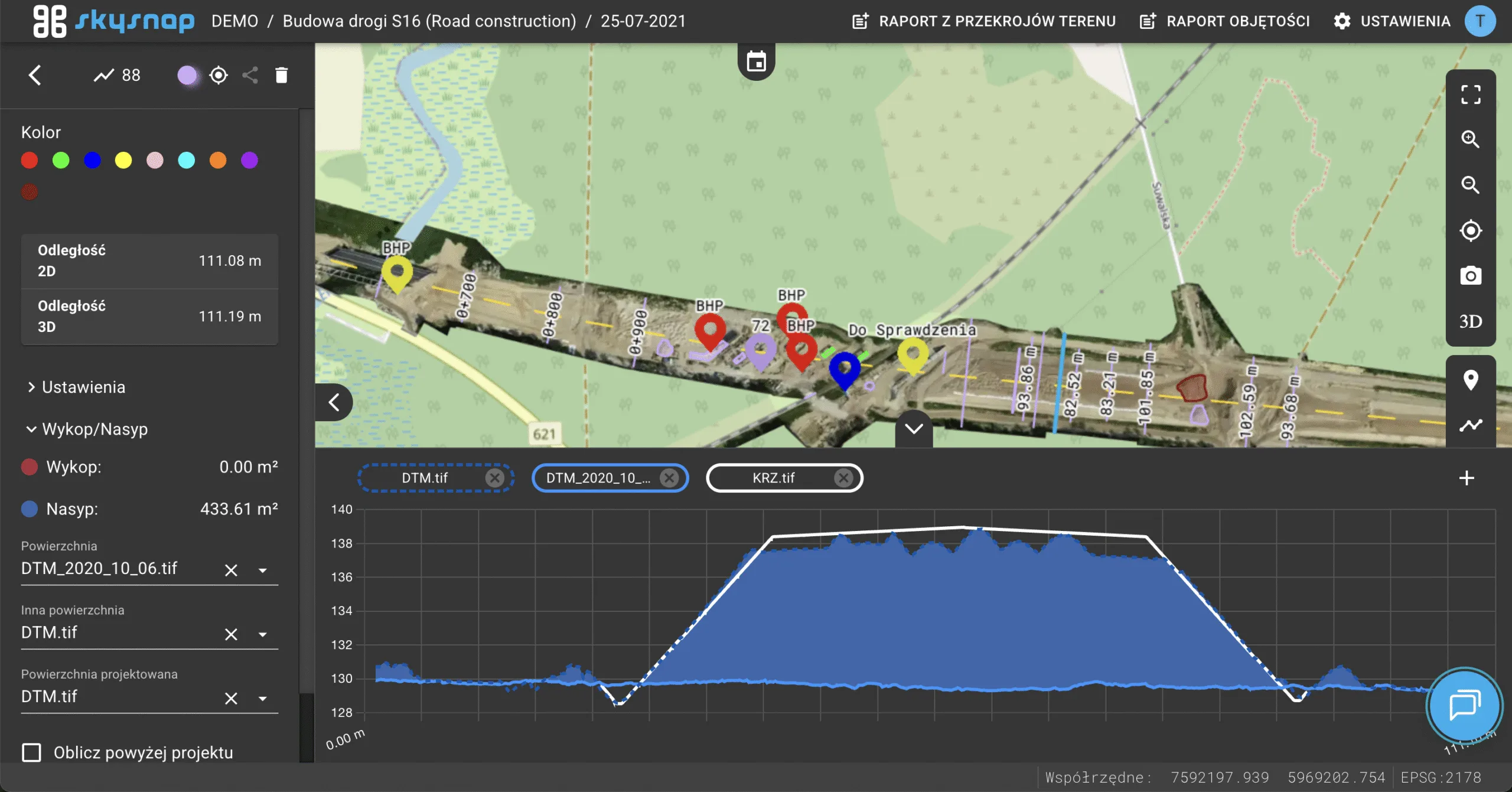
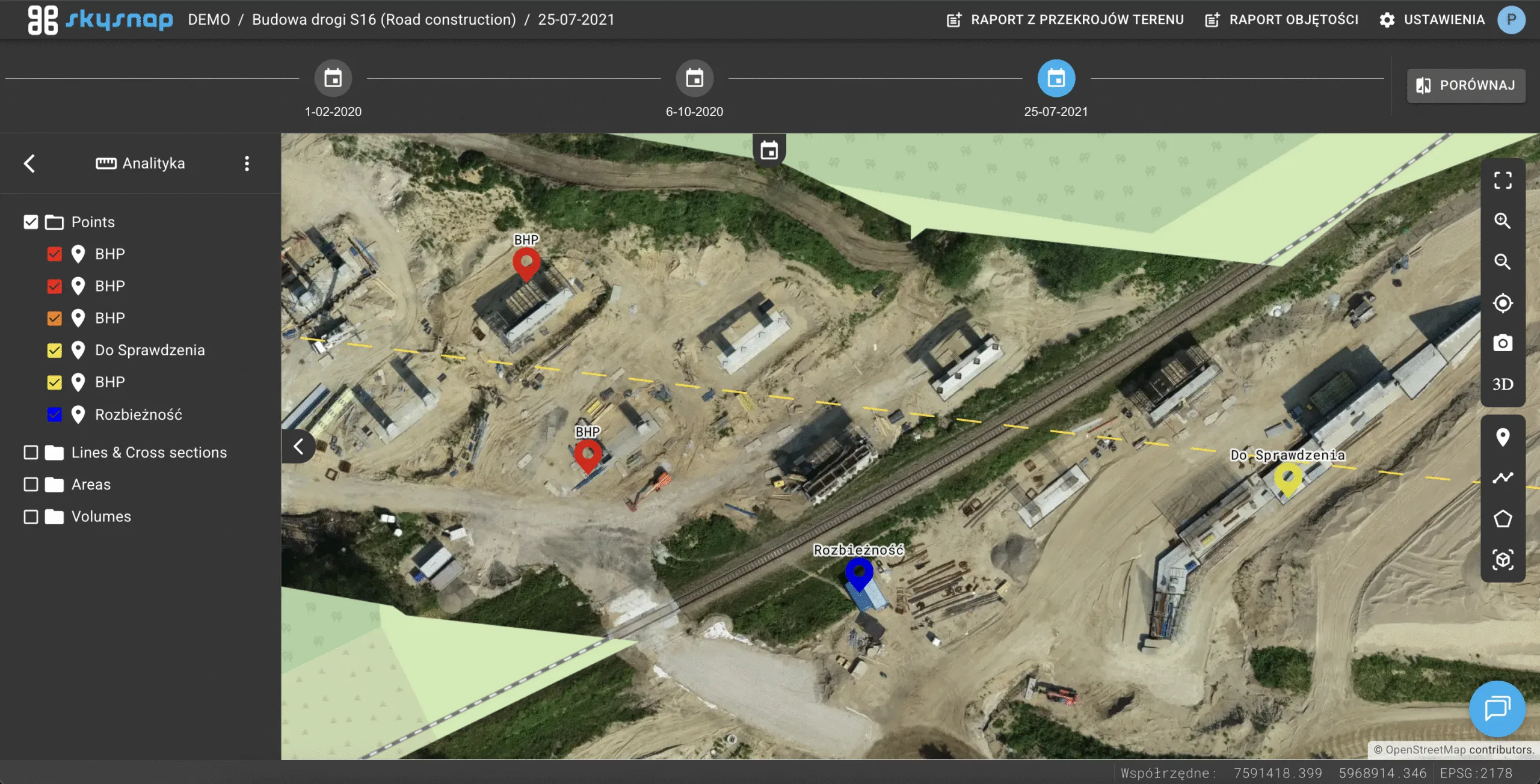
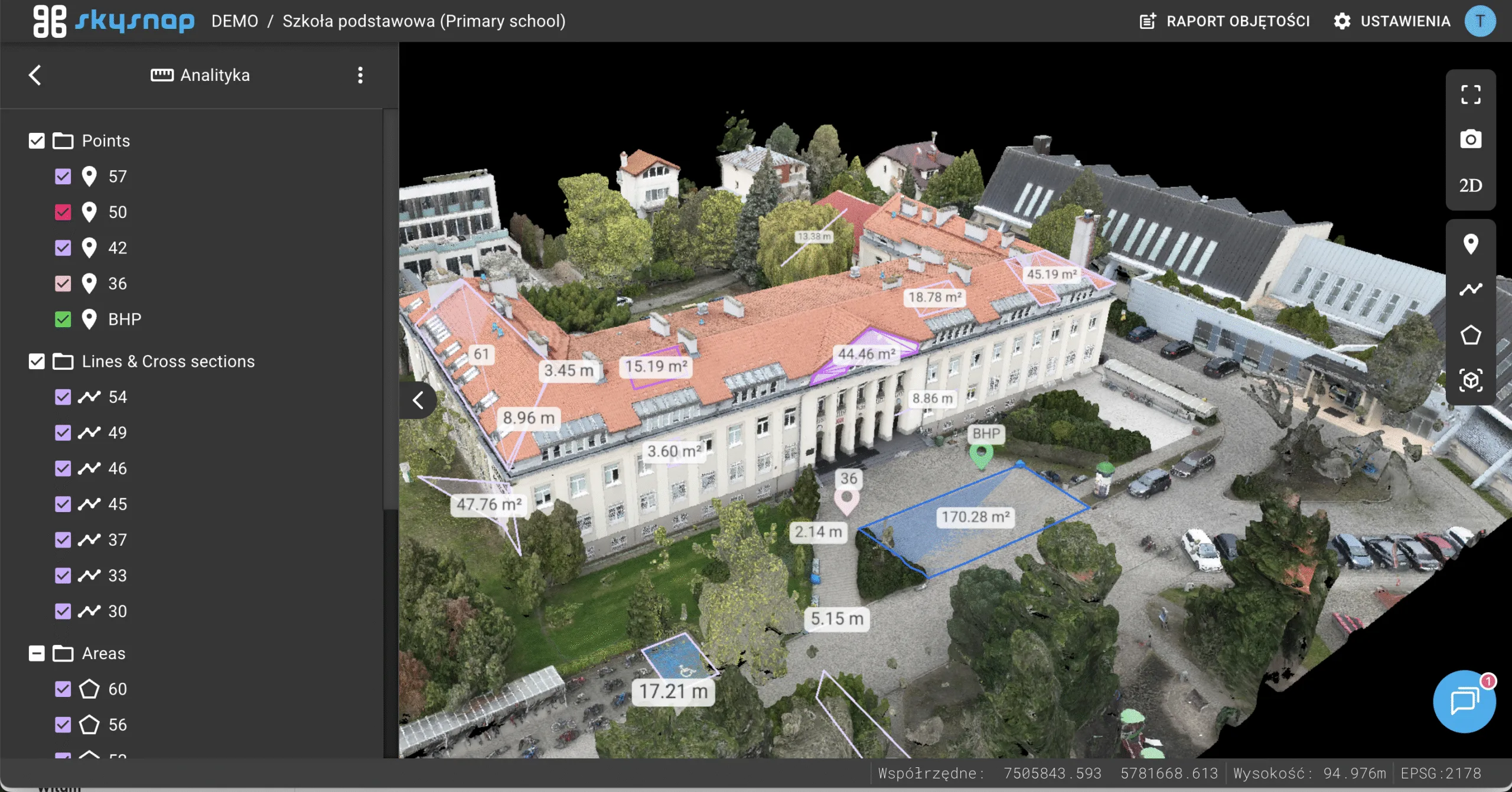
Aerial mapping with drones is one of the most important uses of them in surveying. Drones equipped with high-resolution cameras can quickly collect data from large areas.
- Initially, the drone makes a flight over a designated area.
- During the flight, it captures images that are later processed in specialized software.
- The end result is a detailed map of the area.
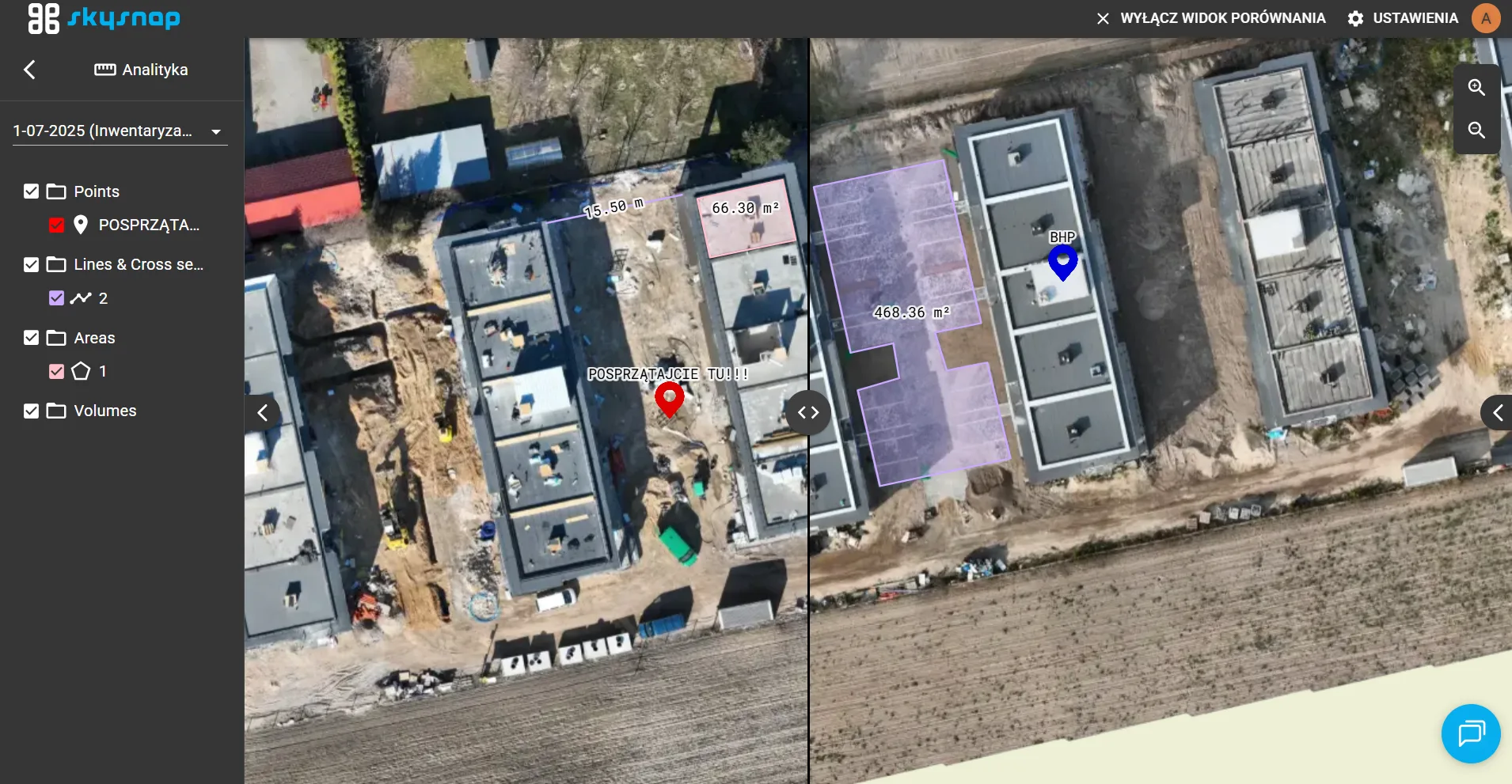
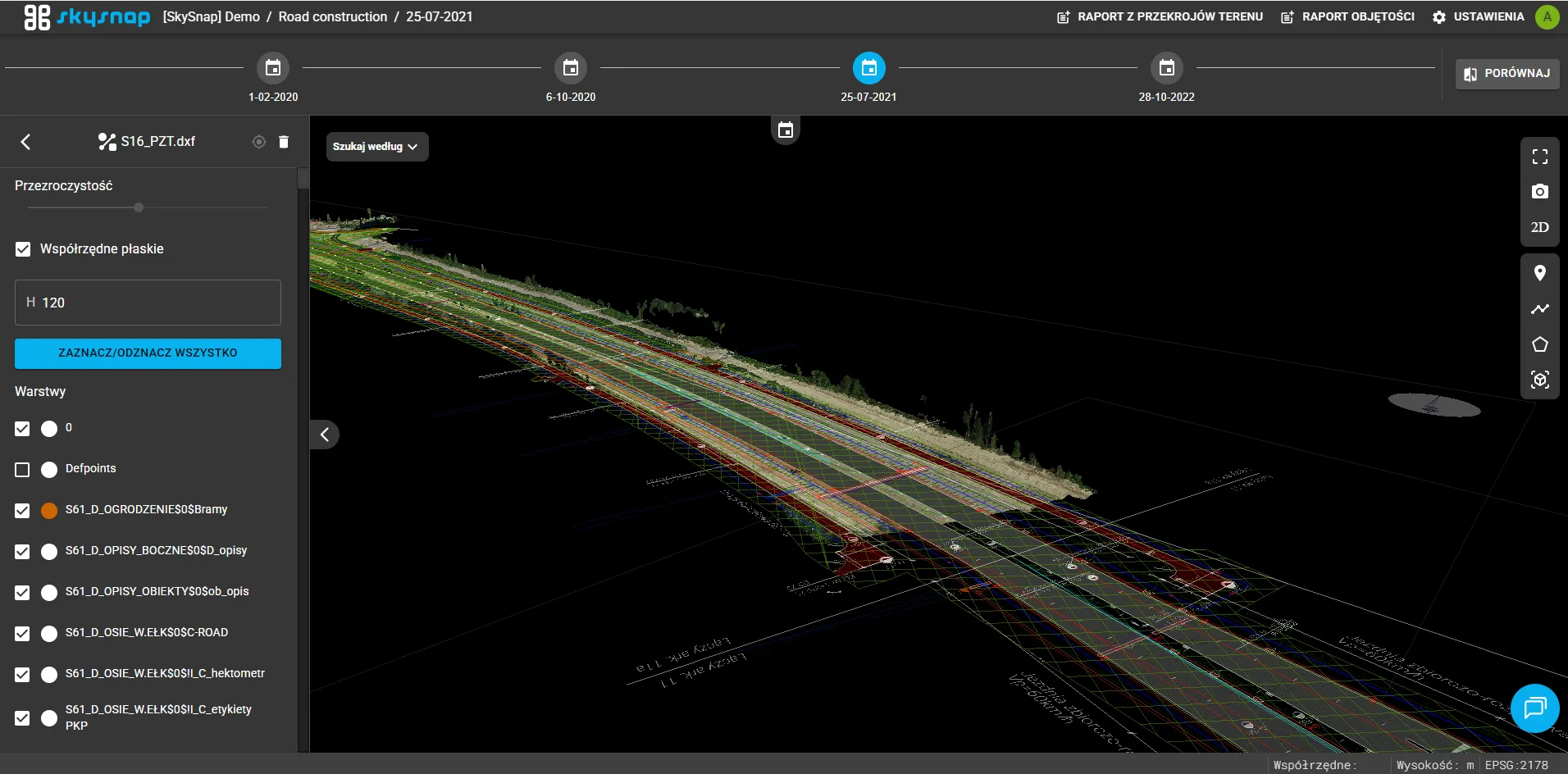
The process can provide an accurate representation of the topography of the terrain, which is crucial in many engineering projects. Maps created with drones are not only accurate, but also up-to-date, which is a major advantage over traditional methods.
Infrastructure inspections
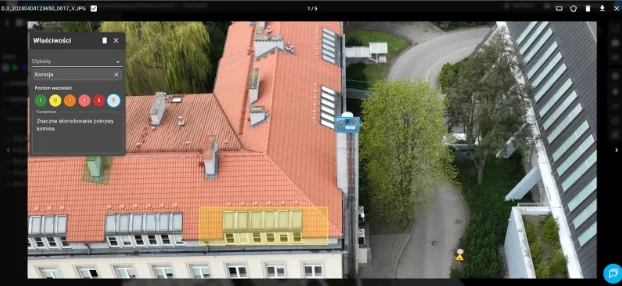
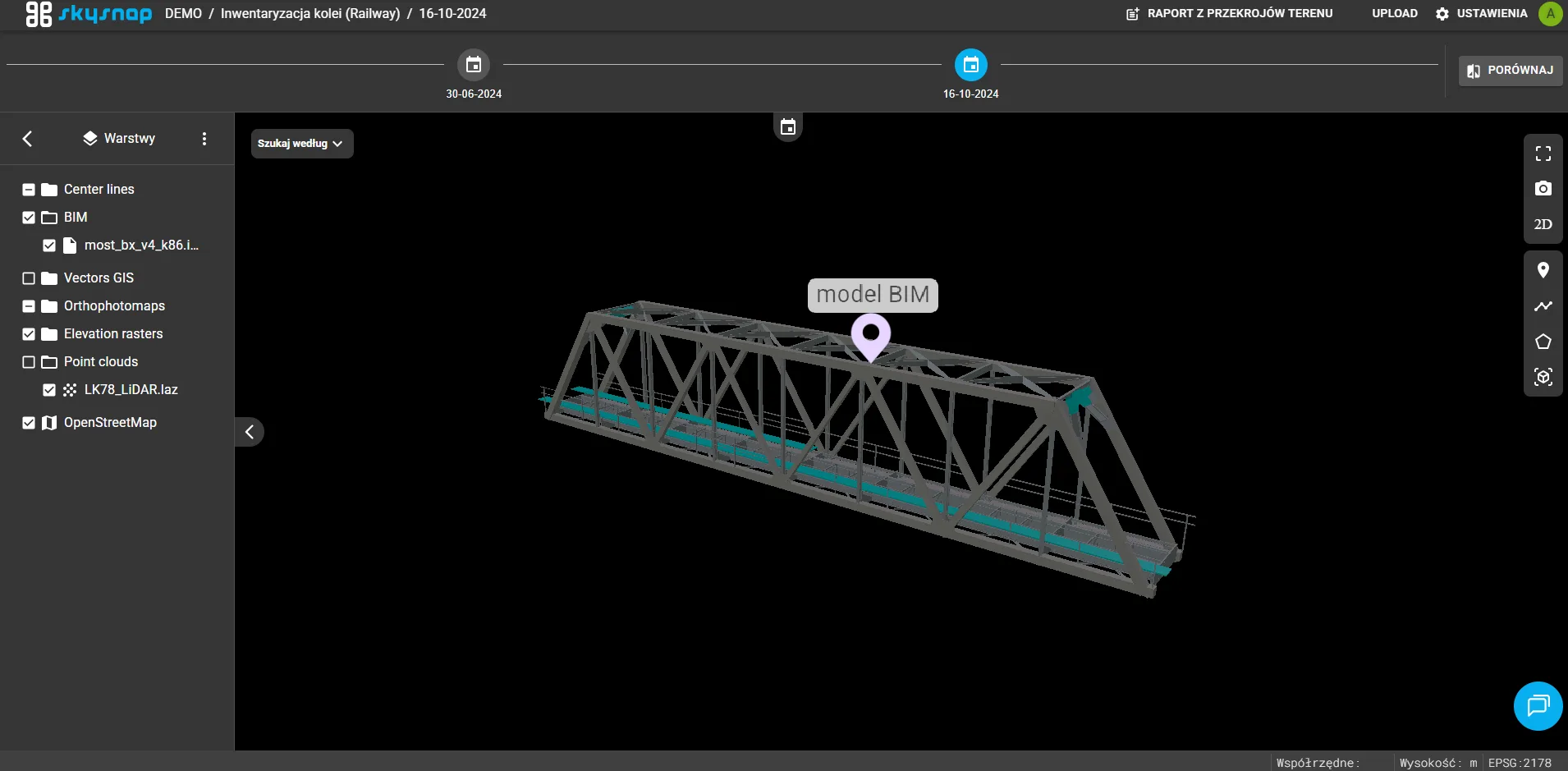
Drones are also used for infrastructure inspections, such as bridges, power lines and pipelines. They make it possible to conduct fast and safe inspections.
Use of drones in inspections:
- Allows quick detection of damage or defects.
- Reduces risk to workers by eliminating the need to work at heights.
- Allows visual documentation of the state of the infrastructure.
Drones provide essential information that helps plan necessary repairs or upgrades. With them, inspections become more efficient and accurate.
Advantages of drones in surveying
The use of drones in surveying has many benefits. In this section, we will discuss what advantages they bring in terms of time savings, cost savings, and precision in surveying.
Time and cost savings
Drones greatly speed up the data collection process, leading to time savings. Traditional surveying methods can be time-consuming and costly, especially over large areas.
- Faster data collection means faster completion of projects.
- Fewer field personnel are needed, which reduces operating costs.
- Reduced costs associated with the rental of heavy equipment.
Significant savings can be achieved with drones, making them an attractive choice for many surveying companies.
Precision and accuracy of measurements
Precision of measurements is another important advantage of drones. Modern drones are equipped with advanced sensors that make it possible to obtain data with high accuracy.
Advantages of precise measurements:
- Improved mapping accuracy.
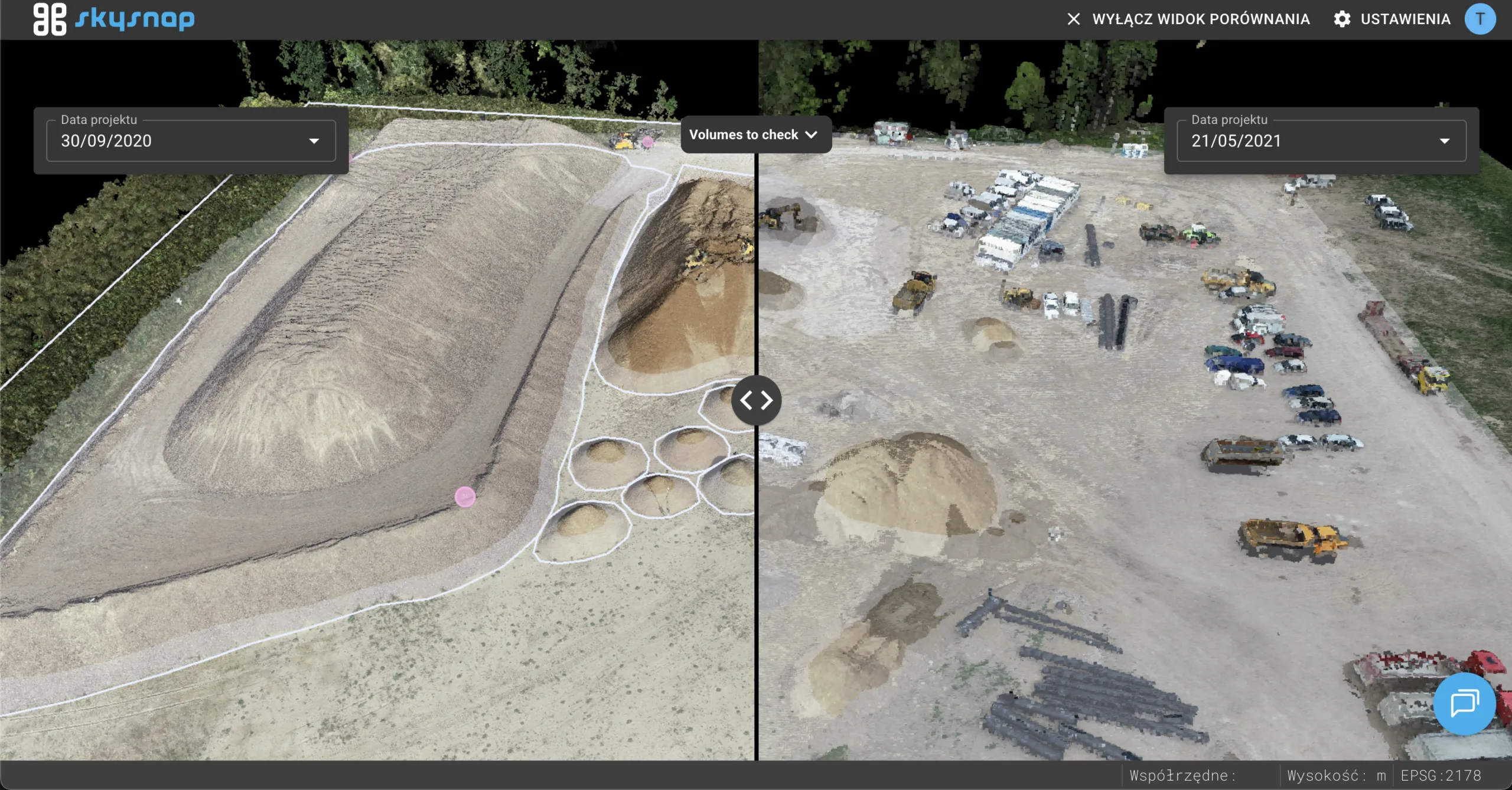
- Ability to identify minor changes in topography.
- Better quality data for analysis and planning.
Drones allow for accurate results, which is crucial in many engineering and construction projects. With them, surveyors can provide more precise and reliable measurements.
Challenges in drone use
Mimo wielu zalet, wykorzystanie dronów w geodezji nie jest pozbawione wyzwań. W tej sekcji omówimy przepisy prawne oraz ograniczenia, które mogą wpływać na ich użycie.
Laws and regulations
The use of drones in surveying requires compliance with certain laws that govern their use. Drone regulations can be complex and vary from country to country.
- Licenses and permits for drone flights are required.
- There are restrictions on altitude and flight areas.
- Need to know security and privacy rules.
Compliance with regulations is key to avoiding potential legal problems. Proper understanding and compliance with regulations is essential for any drone operator.
Technical and environmental constraints
Drones also have some technical and environmental limitations that can affect their performance. Atmospheric conditions such as rain, high winds and low temperatures can make flying difficult or impossible.
- Limited battery life, which limits flight time.
- Influence of field conditions on the quality of collected data.
- Potential for GPS signal interference.
Despite these limitations, drones are still a valuable tool, but their effective use requires consideration of these factors.
The future of drones in surveying
The future of drones in surveying looks promising. In this section, we will discuss possible innovations and developments in drone technology that could further revolutionize the field.
Innovation and new opportunities
Drone technology is developing rapidly, opening up new opportunities in surveying. Technological innovations can increase the scope and efficiency of their application.
- Development of sensors with higher precision and resolution.
- Integration with artificial intelligence systems for data analysis.
- Enhanced flight autonomy with advanced navigation algorithms.
New technologies can allow even more accurate and faster measurements, which will contribute to the further development of the surveying industry.
Predictions for the development of drone technology
Z prognoz wynika, że zastosowanie dronów w geodezji będzie nadal rosło. Eksperci przewidują dalsze inwestycje w rozwój technologii dronów i ich integrację z innymi systemami pomiarowymi.
- Zwiększenie zakresu zastosowań w różnych branżach.
- Dalszy rozwój technologii łączności i przetwarzania danych.
- Większa dostępność dronów dla małych i średnich przedsiębiorstw.
Drony będą odgrywać coraz większą rolę w geodezji, co przyniesie korzyści związane z oszczędnością czasu i kosztów oraz zwiększoną precyzją pomiarów.
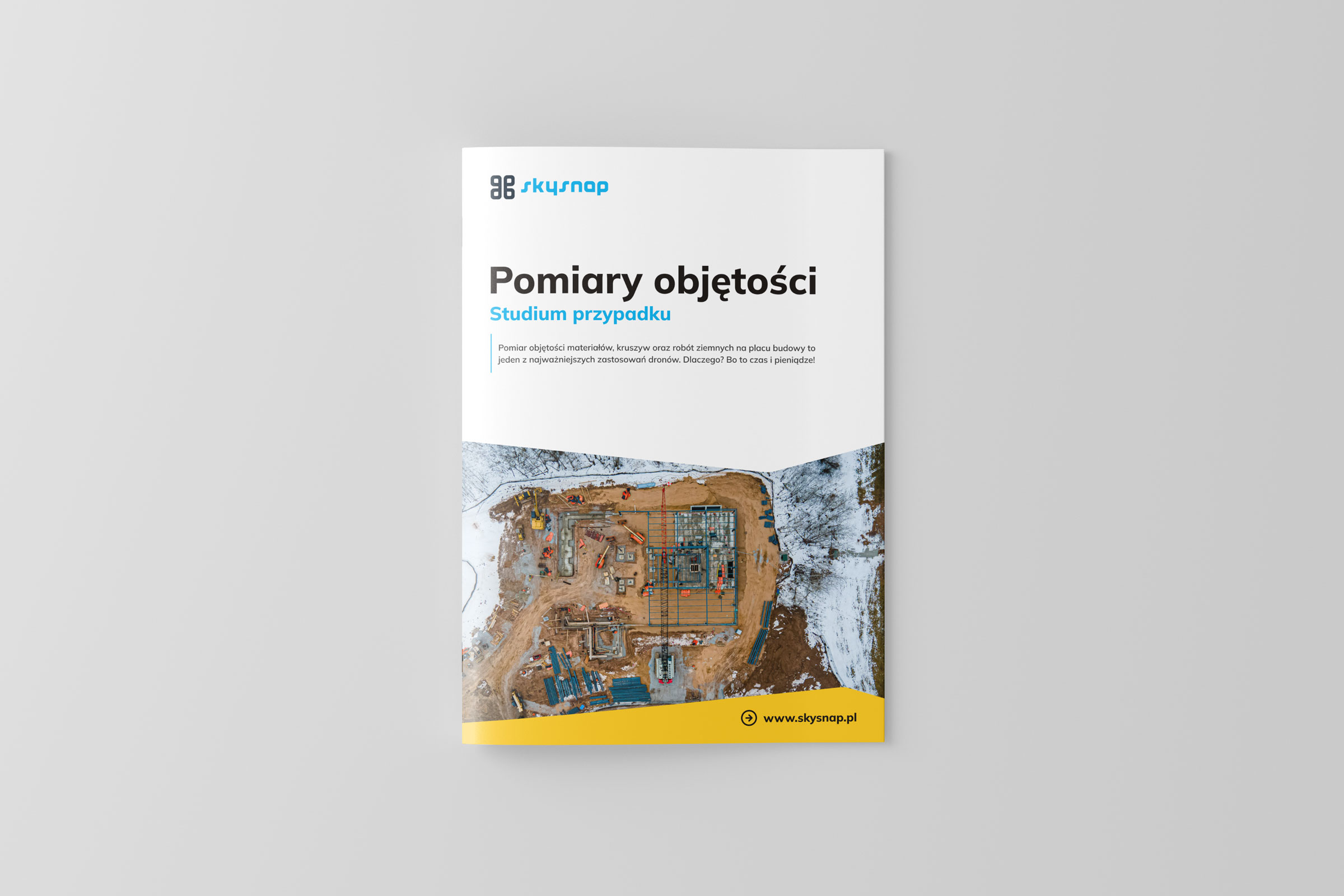
Free E-book
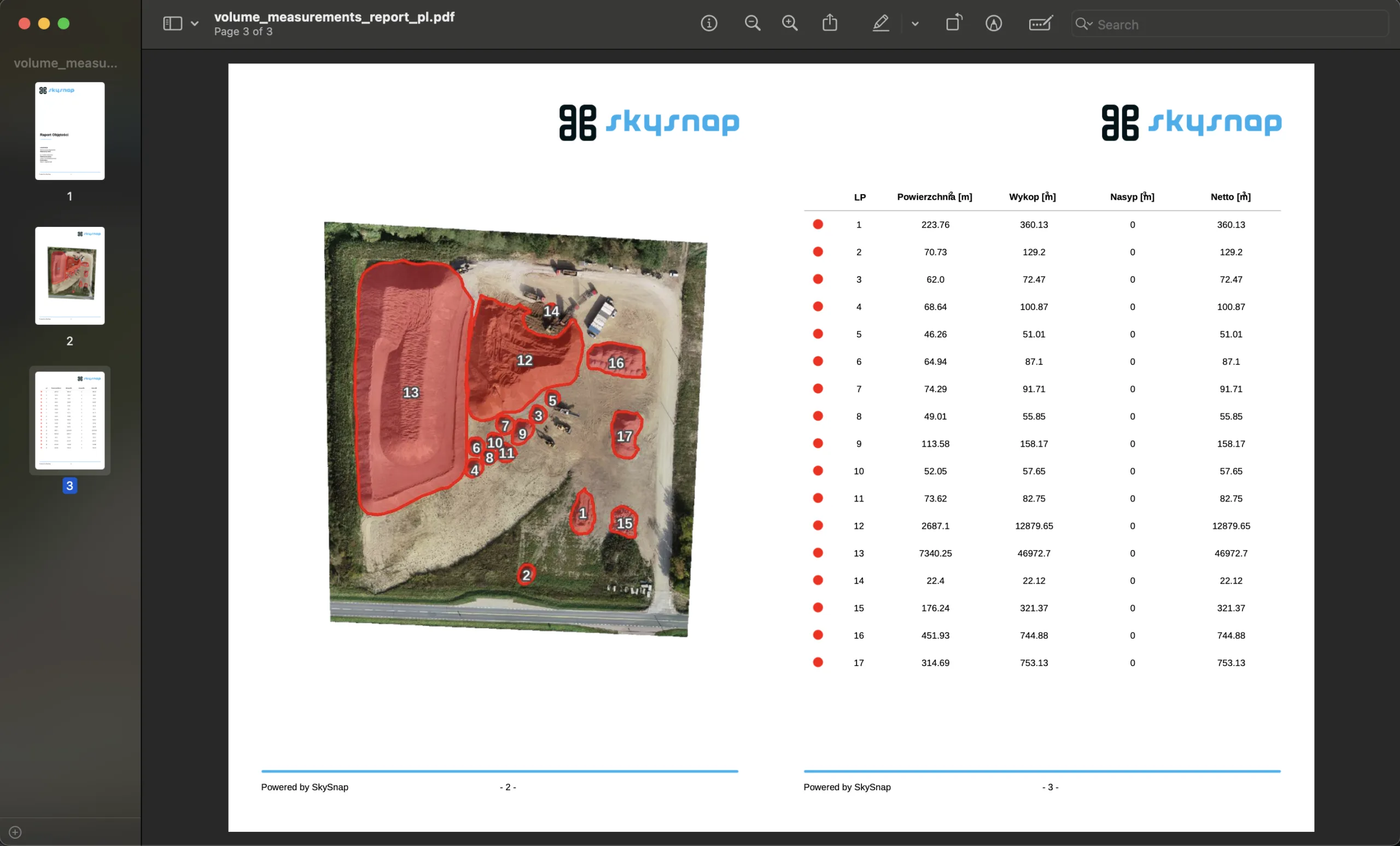
Measuring the volume of materials, aggregates and earthworks on a construction site is one of the most important uses of drones. Why? Because it’s time and money! Download our short e-book and learn how you can monetize your passion with drones.
Table of Contents:
Do you like the article? Share it with others!
Do you like the article? Share it with others!
Tips, news, insights
Related articles
Check out our articles and get the latest industry news.