Introduction to drone services
Drone services are becoming increasingly widespread and affecting various aspects of our daily lives. Thanks to the rapid development of technology, drones have gained a wide range of applications, from delivering packages to monitoring agricultural crops. In cities, they help inspect infrastructure, which contributes to safety and efficiency. In this article, we’ll take a look at how drones can not only make everyday tasks easier, but also introduce innovative solutions that make life easier for ordinary people. Learn about the benefits of using drones in various fields and how they can affect your everyday life.
History and development of drones
The history of drones dates back to the early 20th century, when they were mainly used for military purposes. The first unmanned aerial vehicles were simple designs intended for reconnaissance tasks. Over the years, drone technology has evolved, gaining in functionality and precision.
In the 1980s and 1990s, drones also began to be used in civilian applications, including aerial photography and filming.
The breakthrough came in the 21st century, when the development of technology and the miniaturization of components allowed the widespread use of drones in many areas of daily life.
Today, drones are used in logistics, agriculture, rescue and many other industries. The rapid development of this technology is making drones increasingly accessible to a wide range of users, innovating everyday activities.
Today’s drone applications
Drones have found applications in many fields, making them extremely versatile tools.
- In logistics and delivery, drones can transport packages quickly and efficiently, especially in hard-to-reach areas.
- In agriculture, they help monitor the condition of crops, enabling precise fertilization and irrigation, increasing production efficiency.
- In the film and photography industry, drones make it possible to create spectacular aerial shots that were previously impossible to achieve without a lot of money.
- Drones are also used in rescue work, where they can quickly deliver medical equipment or locate missing people in hard-to-reach areas.
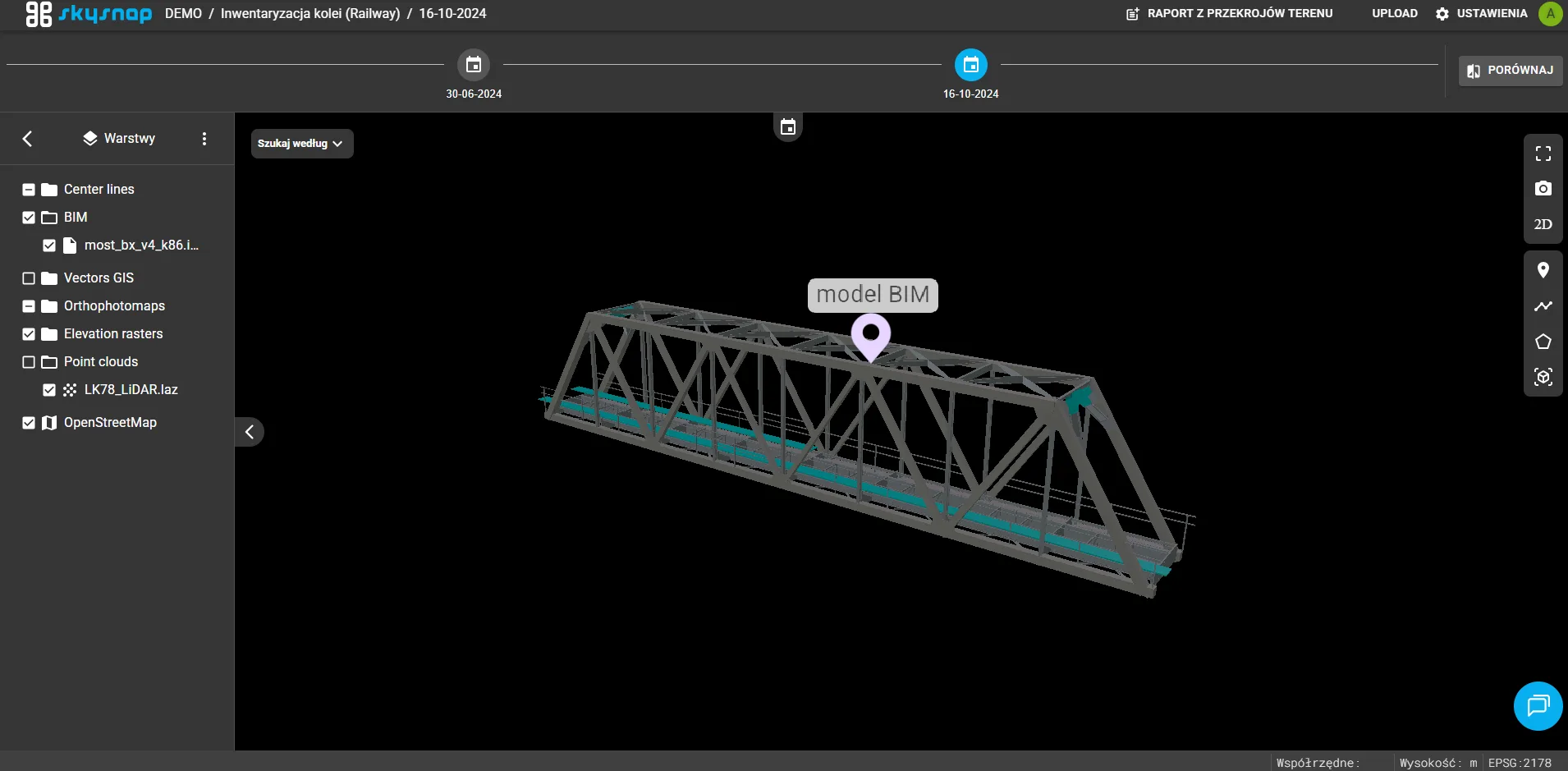
- In addition, drones play a key role in inspecting infrastructure such as bridges and power lines, ensuring accuracy and safety in challenging conditions.
With these applications, drones are becoming an indispensable part of many modern processes.
How drones are changing our lives
Drones are significantly impacting our daily lives, offering a range of innovative solutions.
- In cities, drones can deliver packages directly to the door, reducing wait times and traffic.
- In the agricultural sector, drones help farmers manage their crops with precision, resulting in higher yields and less consumption of natural resources.
- In areas affected by natural disasters, drones are being used to quickly assess damage, improving rescue and relief operations.
- In addition, in the environmental field, drones monitor pollution levels and the state of ecosystems, which supports sustainability efforts.
Thanks to drones, many tasks that previously required a lot of time and resources can now be done faster and cheaper. In this way, drones are becoming a key component of the modern economy and society, transforming our approach to many daily activities.
Applications of drones in everyday life
Drones in deliveries
Drones are revolutionizing the way deliveries are made, offering efficient and fast logistics solutions. They make it possible to deliver packages directly to customers’ homes, reducing delivery times and easing the burden on traditional means of transportation. Drones are particularly useful in hard-to-reach areas where standard delivery methods are impractical or time-consuming.
Technology and logistics companies are intensively testing and implementing drone delivery systems, which could revolutionize the entire e-commerce sector in the future. Delivery drones can also play an important role in emergency situations, delivering essential medicines or medical equipment to cut-off locations. Introducing drones for deliveries not only speeds up the process, but also contributes to reducing CO2 emissions by reducing the need to use internal combustion vehicles, which has a positive impact on the environment.
Inspections and security
Drones play a key role in inspections and ensuring safety in various sectors. With built-in high-resolution cameras and sensors, the drones can closely monitor infrastructure such as bridges, telecommunications towers and power lines. This allows quick detection of potential damage or threats, which is invaluable for maintaining service continuity and security.
In addition to inspections, drones are also used in monitoring urban and industrial areas, where they help prevent crime and respond to emergency situations. Due to their speed and mobility, drones are able to provide real-time data, which definitely facilitates decision-making in emergency situations. Their use in inspections and monitoring not only increases the efficiency of such activities, but also enhances public and infrastructure security.
Photography and videography
Drones have revolutionized the photography and videography industry, offering new perspectives and creative opportunities. They make it possible to capture spectacular aerial shots that were previously only available with expensive platforms such as helicopters. Photographers and filmmakers use drones to create dynamic shots that add visual appeal and uniqueness to productions. Drones are used in both theatrical productions and amateur projects, allowing anyone to experiment with high-altitude shots.
In addition, with advanced image stabilization and high-quality cameras, drones can capture footage of unprecedented quality. This type of footage is used in commercials, nature documentaries, as well as in wedding reportage, where it adds emotion and preserves memories from a new perspective. Drones have opened up new possibilities for artists and creators that were previously unattainable.
Drones in agriculture and environmental protection
Precision farming with drones
Drones play a significant role in precision agriculture, which is focused on increasing efficiency and sustainable use of resources. Thanks to advanced sensors and cameras, drones can monitor the condition of crops in real time, providing farmers with detailed information on plant health, soil moisture levels or the presence of pests. Such data allows them to respond quickly to problems, resulting in higher yields and lower losses.
Drones can also be used for precision fertilization and irrigation, reducing the use of chemicals and water. This makes farming greener and more economical. Drones also enable land mapping and spatial planning, which is invaluable for optimizing planting and managing large areas. The technology supports sustainable farming practices, which are not only good for the environment, but also increase farm profitability.
Environmental monitoring and protection
Drones are extremely useful in environmental monitoring and protection, offering new tools for analyzing and managing natural resources. With the ability to collect data from hard-to-reach locations, drones can monitor the condition of forests, rivers, lakes or protected areas, helping to detect illegal activities such as logging and poaching. Sensors mounted on the drones also allow the measurement of air and water pollution levels, which is crucial for environmental assessment and corrective action.
Drones also support research work, allowing observation of wild animals without disturbing their natural habitat. With regular flights, it is possible to track changes in ecosystems and respond to threats quickly and efficiently. The use of drones in environmental protection contributes to better management of natural resources and long-term conservation of nature.
Forestry applications
Drones are becoming an invaluable tool in forestry, enabling effective management and protection of forests. With the ability to collect detailed data from the air, drones can monitor stand health, identify threats such as pests or diseases, and assess the impact of natural disasters such as fires and storms.
The use of drones to map forest areas allows for precise planning of activities, such as logging and reforestation, which contributes to the sustainable management of forest resources.
In addition, drones can support conservation efforts by helping to monitor protected areas and reserves. With drones , foresters can collect data faster and more accurately, which is invaluable for making forest management decisions. The use of this technology contributes to the long-term health and biodiversity of forests, and supports sustainability efforts.
Challenges and the future of drone technology
Regulations
The regulation of drones poses significant challenges to their widespread use. As the popularity of drones has grown, it has become necessary to develop regulations to ensure safety in the airspace and protect the privacy of citizens. Many countries have made it mandatory to register drones and obtain licenses to use them, in order to control their use and minimize the risk of collisions with other aircraft.
In addition, regulations include restrictions on flight altitudes, prohibited areas and rules for use in urban spaces. Introducing such regulations is necessary to balance the benefits of drone technology with the need to ensure public safety. As the technology evolves, these regulations will need to be adjusted to keep up with the dynamic changes and new opportunities offered by drones.
Security and privacy
Security and privacy are key issues related to the growing presence of drones in public spaces.
One of the main challenges is the protection of personal data that can be collected by drones equipped with cameras and other sensors. There is a risk of unauthorized monitoring or invasion of citizens’ privacy, which requires strict regulations and standards for data processing and storage.
In addition, the security issue also includes threats related to the possibility of using drones for criminal activities, such as smuggling or espionage. In response to these challenges, technologies are being developed to identify drones and monitor their movement in the airspace.
Going forward, it will be crucial to develop effective privacy mechanisms and preventive measures to ensure the safe use of drones while minimizing the risks associated with their abuse.
Future innovations and prospects
The future of drone technology holds many exciting innovations and prospects. As the technology advances, drones are becoming more autonomous, allowing them to be more widely used in various sectors. Drones are expected to be increasingly used in smart cities to monitor traffic, manage infrastructure or deliver public services.
The development of artificial intelligence and machine learning technologies will enable drones to make more complex decisions in real time, increasing their efficiency and safety.
In addition, innovations in batteries and propulsion will allow for longer flights and greater energy efficiency.
Looking further into the future, drones could become an integral part of transportation systems, delivering people and goods in a fast and environmentally friendly manner. As the technology evolves, its impact on various aspects of daily life will be increasingly felt.
How to get started with drone services
Choosing the Right Equipment
Choosing the right drone is crucial to effectively using its capabilities. Before buying, it is worth considering your needs and expectations.
For beginners who plan to use a drone for recreational flying or basic photography, models with simpler designs that offer ease of use and low cost will be a good choice.
Professionals, on the other hand, looking for advanced features such as high-quality cameras, image stabilization and long flight times, should consider buying more advanced equipment.
Another important aspect is the range of the drone’s features, such as flight range, battery life and the availability of additional accessories.
Before making a purchase, it is advisable to read the reviews of other users and test the chosen model, if possible. Choosing the right drone will allow you to take full advantage of its potential and customize it to your individual needs.
Training and certification
Training and certification are key elements in preparing for safe and effective drone use. In many countries, in order to fly a drone legally, completion of an appropriate course is required, culminating in certification. These training courses cover both theoretical aspects, such as the principles of aviation law, navigation and meteorology, and practical aspects, including drone operation and emergency procedures. Through them, users acquire the necessary knowledge and skills to safely operate a drone in a wide variety of conditions.
Certification is also important for future employers, who often require operators to confirm their qualifications. Investing in training and certification not only improves flight safety, but also opens up new career opportunities, making it possible to work in the booming drone industry.
Finding drone services on the market
Finding the right drone services on the market can be crucial for those who want to take advantage of the technology without having to buy their own equipment. It’s worth starting by identifying your needs, such as the type of service you want, whether it’s aerial photography, inspections infrastructure, or agricultural monitoring.
Then you can start searching for companies that offer such services. The Internet is an excellent source of information where you can find listings of local companies that specialize in drone service. Reviews from other customers and testimonials are valuable tips to help you choose a trusted provider.
It is also worth noting the company’s experience, certifications held and equipment used, which can affect the quality of services provided. Comparing different offers in terms of price and range of services will help to make an informed choice that best suits our requirements.
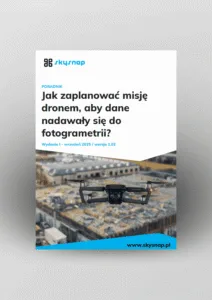
Free E-book
Learn how to prepare a mission step-by-step, avoid raid mistakes and create accurate orthophotos and 3D models. The perfect guide before your first commercial assignments.
Table of Contents:
Do you like the article? Share it with others!
Do you like the article? Share it with others!
Tips, news, insights
Related articles
Check out our articles and get the latest industry news.