Introduction to drone technology
Drone services are becoming increasingly popular and are being used in many fields, revolutionizing the way different industries operate. Due to their versatility and ease of use, drones have gained prominence in areas such as agriculture, construction, filming and even package delivery. These small, remote-controlled devices make it possible to perform tasks that were previously difficult or even impossible. In this article, we will take a closer look at how drones are changing traditional approaches in various sectors, offering new opportunities and streamlining daily operations.
History and development of drones
The history of drones dates back to the first half of the 20th century, when the technology was mainly used for military purposes. Initially, drones served as unmanned aircraft designed for surveillance and reconnaissance purposes. Over time, their use began to expand into other areas.
The potential for commercial use of drones was recognized in the 1980s, but the real breakthrough did not come until the 21st century. Developments in technology and the miniaturization of electronic components have made drones more accessible and functional.
Nowadays, with advanced features such as GPS navigation, high-resolution cameras and remote control, drones are finding applications in many industries. Their rapid development indicates that they will play an increasingly important role in the future of technology and industry.
Basic drone functions and capabilities
Drones are extremely versatile devices, equipped with a range of features that allow them to be used in a variety of applications.
- The primary function of any drone is the ability to fly unmanned, allowing it to perform tasks in areas that are difficult to access or dangerous for humans.
- With advanced GPS systems and sensors, drones can accurately navigate and maintain stability in the air, which is crucial for many commercial applications.
- Another important feature is the ability to capture images with high-resolution cameras, allowing real-time visual data collection.
- Drones can also be equipped with additional modules such as temperature sensors, humidity sensors or chemical analyzers, expanding their application to fields such as precision agriculture and environmental monitoring.
The transformation of these devices into multifunctional tools makes them invaluable in the modern technological world.
Industrial drone applications
Infrastructure inspections
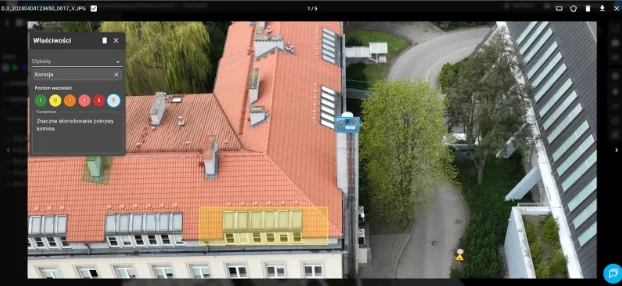
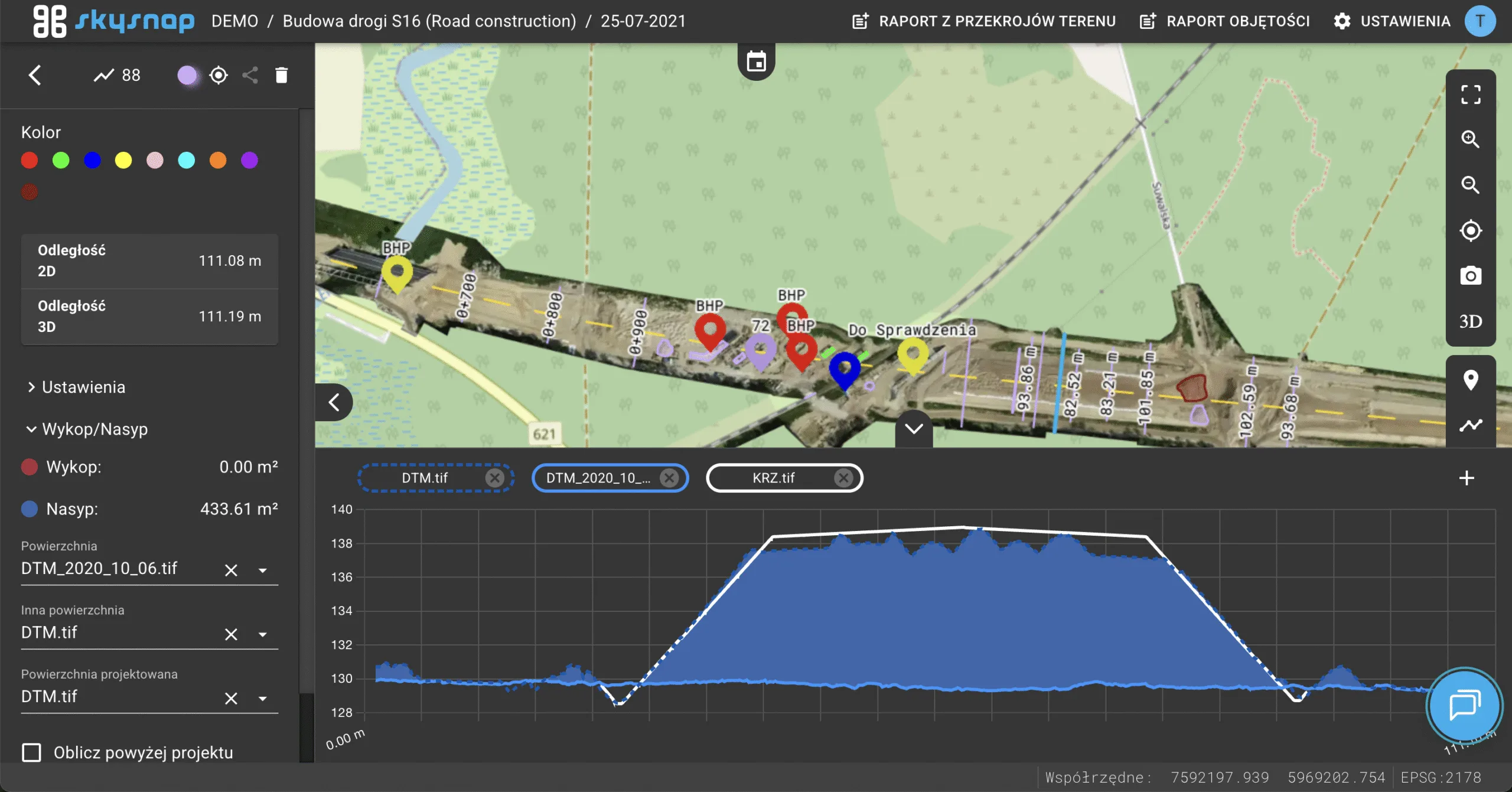
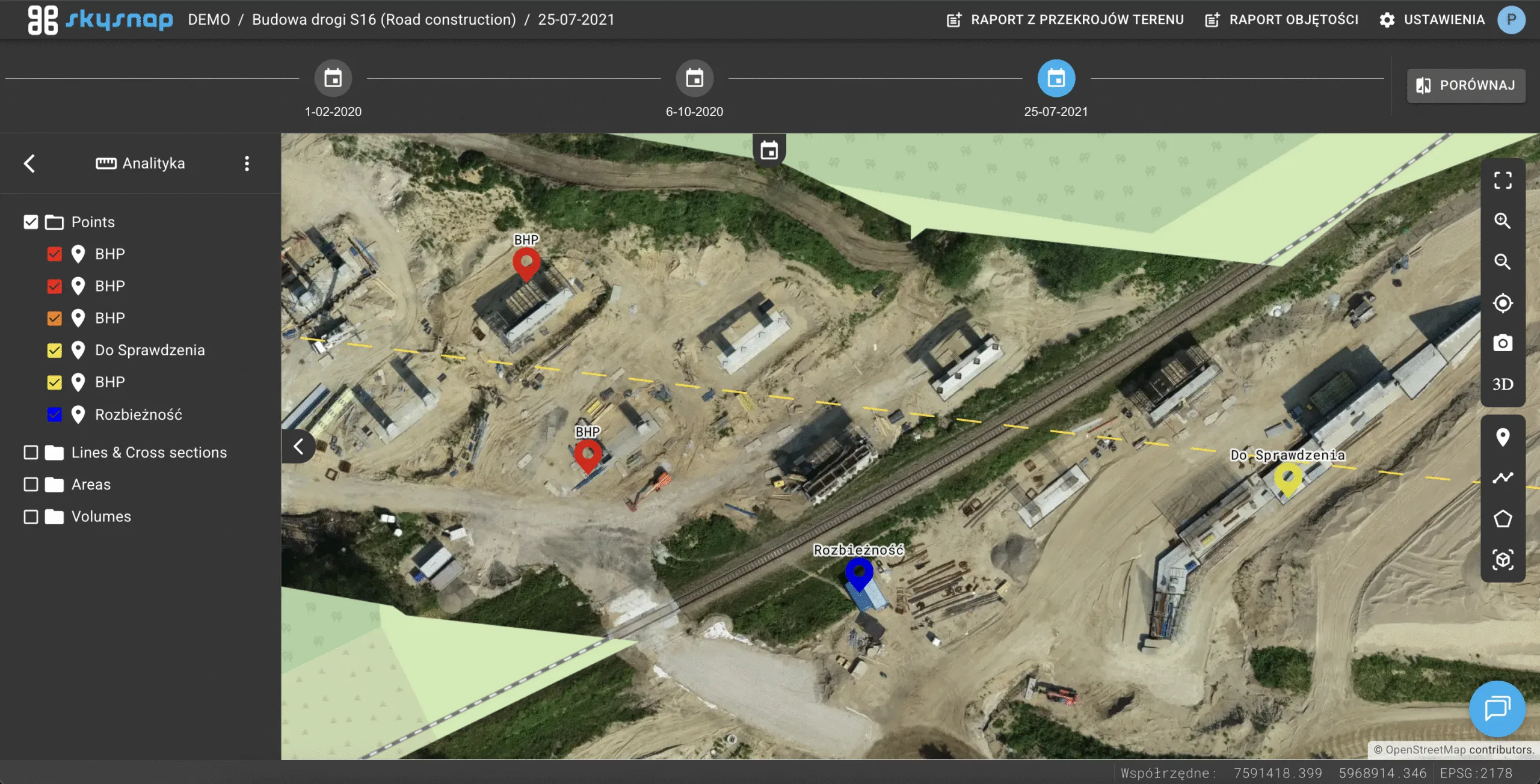
Drones are gaining prominence in infrastructure inspection, offering quick and efficient methods for assessing the condition of various facilities. Unmanned aerial vehicles can be used to monitor power lines, bridges, roads and other structures that require regular inspection. With high-resolution image capture capabilities and the use of thermal imaging cameras, drones are able to detect damage and anomalies that may not be visible to the naked eye. This allows faster detection of potential hazards and planning of necessary repair work.
The use of drones in infrastructure inspection not only reduces the cost and time required for traditional inspections, but also minimizes the risk to employees who would otherwise have to perform these tasks manually. As a result, companies can manage their resources more efficiently and keep infrastructure in better condition.
Agriculture and crop management
In agriculture, drones are playing a key role, bringing new standards to crop management. Theyallow farmers to monitor the condition of their fields more efficiently and precisely. Drones equipped with multispectral cameras make it possible to assess plant health, detecting nutrient deficiencies or signs of water stress. This information allows them to optimize irrigation and fertilization, resulting in higher yields and resource savings.
In addition, drones can be used to map terrain, making it easier to plan seeding and harvesting. The use of drones in precision agriculture not only increases production efficiency, but also contributes to more sustainable management of natural resources. Thanks to these technologies, farmers can make more informed decisions, which in the long run contributes to the sustainability of the agricultural industry.
Drones in media and entertainment
Filming and photography
Drones have revolutionized the film and photography industry, offering new opportunities to capture spectacular aerial shots. They allow filmmakers to create dynamic shots that were previously difficult to produce without helicopters or specialized equipment. The drones are equipped with advanced high-definition cameras, allowing them to create professional footage and photography.
In addition, the ability to stabilize images with gimbals makes shots smooth and clear even in difficult weather conditions. In photography, drones make it possible to capture unique perspectives that capture the attention of viewers. Their versatility makes them used in film productions, commercials, as well as by amateurs looking to enhance their portfolios. This approach to creating visual content opens up new horizons for creativity and innovation in media and entertainment.
Live broadcasts and events
Drones are playing an increasingly important role in live broadcasts and events, offering new ways to engage viewers. They allow events to be recorded from different perspectives and broadcast to a wide audience in real time. Sporting events, concerts or festivals gain traction with dynamic, aerial shots that allow viewers to feel as if they are participating in the event on the spot. Drones, equipped with advanced cameras and transmission systems, can transmit images in high quality, which is crucial for professional live coverage.
In addition, their ability to move quickly and their flexibility in setting up frames make it possible to capture key moments from an unusual perspective. The use of drones in live broadcasts not only enriches the viewers’ experience, but also reduces the production costs and logistics associated with traditional filming methods.
Drone applications in logistics
Delivery of parcels and packages
Drones are beginning to play a key role in logistics, especially in the area of package and parcel delivery. They enable faster and more efficient delivery of goods, especially in hard-to-reach areas. Unmanned aerial vehicles can cover considerable distances without the constraints of road infrastructure, thus reducing delivery times.
Drones are particularly useful in emergency situations, such as delivering medicines or medical supplies to remote regions. Their use in logistics also helps reduce operating costs by eliminating the need to hire a large number of employees to make deliveries. Logistics companies are increasingly investing in drone technology, seeing it as the future for sustainable development and optimization of delivery processes. As a result, customers can expect faster and more reliable parcel delivery services.
Monitoring and management of warehouses
Drones bring a new quality to warehouse management, offering innovative solutions for monitoring and organizing warehouse space. The use of drones makes it possible to carry out fast and accurate inventory, significantly reducing the time and costs associated with traditional manual methods. Unmanned aerial vehicles, equipped with cameras and barcode scanners, can autonomously move around the warehouse, recording inventory levels and product locations. This allows for real-time control of inventory levels and quick response to any shortages.
In addition, drones can be used to monitor warehouse conditions, such as temperature and humidity, which is crucial for storing certain goods. Integrating drones into the warehouse management process leads to increased operational efficiency, minimized inventory errors and optimized space, resulting in better supply chain management.
The future and innovation in drones
Development of autonomous technologies
Autonomous drone technology is gaining traction, promising to revolutionize many sectors by making operations more efficient and safer. Autonomous drones are designed to perform tasks without human intervention, made possible by advanced artificial intelligence and machine learning algorithms. These drones can navigate autonomously, avoid obstacles and make decisions in real time, enhancing their ability to operate in dynamic environments.
In the future, developments in autonomous technology could lead to widespread use of drones in transportation, environmental monitoring, or search and rescue operations. Integration with 5G and IoT networks will further improve communication and synchronization of operations between drones and other systems. While autonomous technology faces regulatory and safety challenges, advances in the field point to enormous potential to transform the way we use drones on a daily basis.
Impact of regulations and laws on the drone industry
Regulations and laws play a key role in shaping the future of the drone industry, affecting how these devices can be used.
On the one hand, regulations are necessary to ensure safety and protect privacy, which is especially important in the context of the increasing number of drones in public spaces.
On the other hand, overly restrictive regulations can stifle innovation and technology development. A number of countries are working to create balanced regulations that will enable safe and responsible drone use while promoting economic development.
Key issues such as drone registration, operator certification, and the designation of no-fly zones are being discussed in the context of developing new regulations. As drone technology continues to evolve, adaptation of regulations will be necessary to keep up with technological advances and ensure a balance between innovation and public safety.
Free E-book
Learn how to prepare a mission step-by-step, avoid raid mistakes and create accurate orthophotos and 3D models. The perfect guide before your first commercial assignments.
Table of Contents:
Do you like the article? Share it with others!
Do you like the article? Share it with others!
Tips, news, insights
Related articles
Check out our articles and get the latest industry news.