Introduction to drone surveillance
Monitoring construction progress with drones is becoming increasingly popular and accessible, especially for novice users. Thanks to modern technology, drones not only offer a bird’s-eye view, but also provide precise data that can be crucial in managing a construction project. In this guide, we’ll outline the basic steps that will help you effectively use a drone to monitor construction. We’ll discuss what to look for when choosing equipment, best practices when flying, and how to analyze the information collected to get a complete picture of the progress of the work.
Why monitor construction with a drone?
Monitoring construction with drones brings many benefits that traditional methods are often unable to provide.
First and foremost, drones enable the rapid and efficient collection of data from different perspectives, which allows for accurate tracking of work progress. As a result, project managers can identify potential problems and inconsistencies with the construction plan in real time.
In addition, drones allow access to hard-to-reach areas, which significantly increases safety on the construction site. Photos and videos taken from the air can be used to create detailed visual reports that facilitate communication among various project stakeholders.
Additionally, drone monitoring is often more cost-effective and less time-consuming than traditional methods, making it an attractive solution for construction companies of all sizes.
The main advantages of using drones
The use of drones in construction monitoring brings many benefits that significantly improve the project management process.
- First and foremost, drones allow you to quickly take aerial photos and videos, giving you a complete picture of the construction site in a short period of time. As a result, it’s easier to assess whether the work is proceeding on schedule and identify areas that require adjustments.
- Another advantage is the ability to measure and update data on a regular basis, which allows you to keep track of progress and avoid costly delays.
- Drones are also more flexible and less invasive than traditional monitoring methods, making them ideal for complex construction projects.
- In addition, the data collected can be easily shared and analyzed, increasing transparency and facilitating decision-making by all parties involved.
What technical requirements do you have to meet?
To effectively use a drone for construction monitoring, several key technical requirements must be met.
- First of all, you need a suitable drone model equipped with a high-quality camera that will allow you to capture detailed images and videos. The drone should also have a GPS function, which allows you to accurately track its location and makes it easier to plan flights.
- Another important element is to have a stable connection with the controller to ensure safe and precise flight.
- In addition, it is worth investing in drone data analysis software to process and interpret the collected information.
- And don’t forget to comply with legal requirements for drone use, such as registering the device and obtaining the appropriate licenses and permits, which can vary by country and region.
Choosing the right drone
Key features of the surveillance drone
Choosing the right drone for construction site monitoring is key to getting the best results.
- First of all, the drone should be equipped with a high-resolution camera, which will allow it to capture clear and detailed images.
- Image stabilization is another important feature that ensures that photos and videos will be sharp even in windy conditions.
- The drone should also have a long flight time to cover large areas without having to recharge frequently.
- Also important is the GPS function and the ability to plan automatic flight routes, which makes it easier to systematically monitor progress at the construction site.
- In addition, the drone should be weatherproof, allowing it to be used in all weather conditions.
- It is also worth noting the possibility of expanding with additional accessories that can increase its functionality.
Comparison of popular models
There are many drone models on the market that vary in functionality and price, which can make it difficult to choose the right device for construction monitoring.
- Among the popular models, consider the DJI Phantom 4, which offers excellent image quality thanks to its 4K camera and advanced stabilization.
- Another noteworthy model is the Parrot Anafi, which stands out for its compact design and the ability to take pictures in RAW format, which is useful for professional analysis.
- For those looking for a drone with longer flight time, the DJI Mavic Air 2 may be the right choice, offering up to 34 minutes of flight time on a single battery.
- If budget is a key factor, it’s worth looking at the Ryze Tello model, which, despite its lower price, offers the basic features needed for monitoring.
Each of these models has its own unique features that can suit different user needs.
What to look for when buying?
When purchasing a drone for construction site monitoring, it is worth paying attention to several key aspects that can affect the effectiveness and comfort of the device.
- First and foremost, the quality of the camera is important, and it should be able to capture high-resolution images to get detailed visual data.
- Next, consider the drone’s flight time, as longer time on a single charge allows for more efficient monitoring of large areas.
- Another important factor is the control range, which determines how far the drone can move away from the operator.
- Adequate image stabilization and wind resistance are additional features that can affect the quality of the collected data.
- Ease of operation, especially for novice users, and the availability of service and spare parts are also important considerations.
- Finally, it is worth noting the drone’s compatibility with data analysis software.
Monitoring process and flight planning
How to plan efficient flights?
Scheduling effective drone flights is key to obtaining valuable data on construction progress.
- First of all, it’s a good idea to start by carefully defining your monitoring goals. Is the priority to track progress throughout the construction site, or to focus on specific areas?
- Then, plan the flight route, taking into account the terrain, obstacles and zones where flying is prohibited.
- It’s also a good idea to choose optimal times of day, when natural light is conducive to getting the best quality photos.
- The next step is to determine the frequency of flights, which will allow regular updates.
- It’s also worth paying attention to weather conditions, which can affect the flight quality and safety of the drone.
- When preparing for a flight, it is also important to ensure that the batteries are fully charged and that the equipment is checked to avoid unforeseen interruptions in monitoring.
Best practices for data collection
Collecting data from drones requires diligence and following a few proven practices to get accurate and useful information.
- First of all, before flying, the route should be carefully planned to cover all relevant construction areas.
- The key is to maintain a constant flight altitude, which ensures consistency in visual data and facilitates later analysis.
- Avoid fast maneuvers and sudden changes in direction, which can affect the quality of your photos.
- Calibrate the camera and sensors regularly to ensure the highest precision measurements.
- It’s also a good idea to take advantage of auto-flight features that help keep routes stable and repeatable.
- After the flight is completed, it is important to safely rip and secure the collected data. Check that all files are complete and undamaged.
- Data analysis should be systematic, and each discrepancy or anomaly should be documented and evaluated in detail.
How to avoid potential problems?
Avoiding potential problems during drone surveillance requires careful planning and following a few basic rules.
- Above all, always check the weather forecast before each flight to avoid unfavorable conditions, such as high winds or rainfall, which can affect flight stability and drone safety.
- Update your drone’s software regularly, which will ensure optimal performance and remove any bugs.
- Before each flight, make a thorough inspection of your equipment, paying attention to the condition of batteries, propellers and camera. Plan flight paths taking into account prohibited zones and terrain obstacles to avoid collisions.
- Also, remember tocomply with local laws and regulations on drone flight.
- It’s also a good idea to have a backup plan in case of signal loss or other unexpected situations.
- Regular maintenance and servicing of the drone will ensure its long and trouble-free operation.
Analysis of the collected data
How to process data from a drone?
Processing the data collected by the drone is a key step that allows the recorded information to be put into practice.
- First, all files should be ripped onto a computer and organized for easy access and analysis.
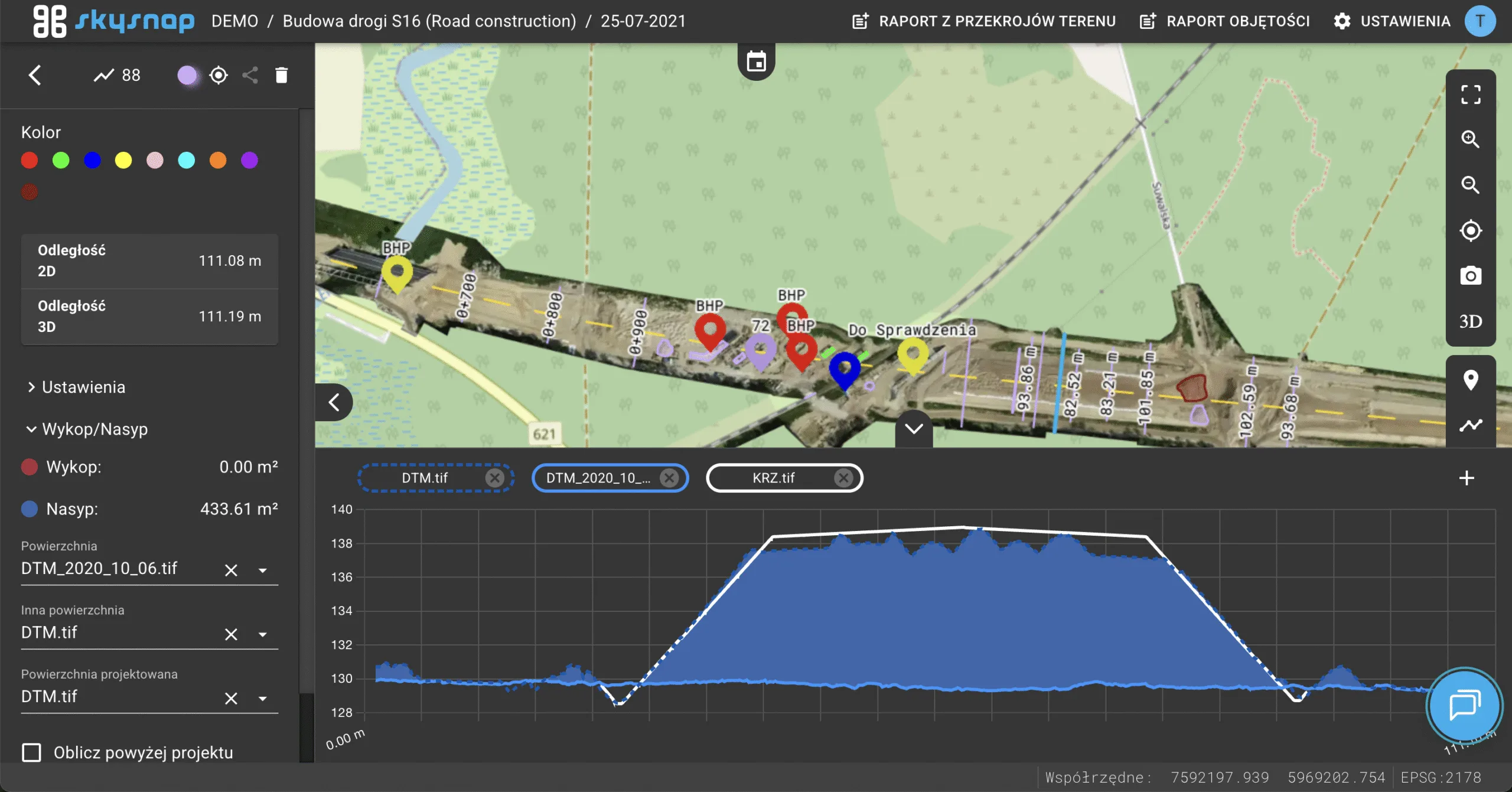
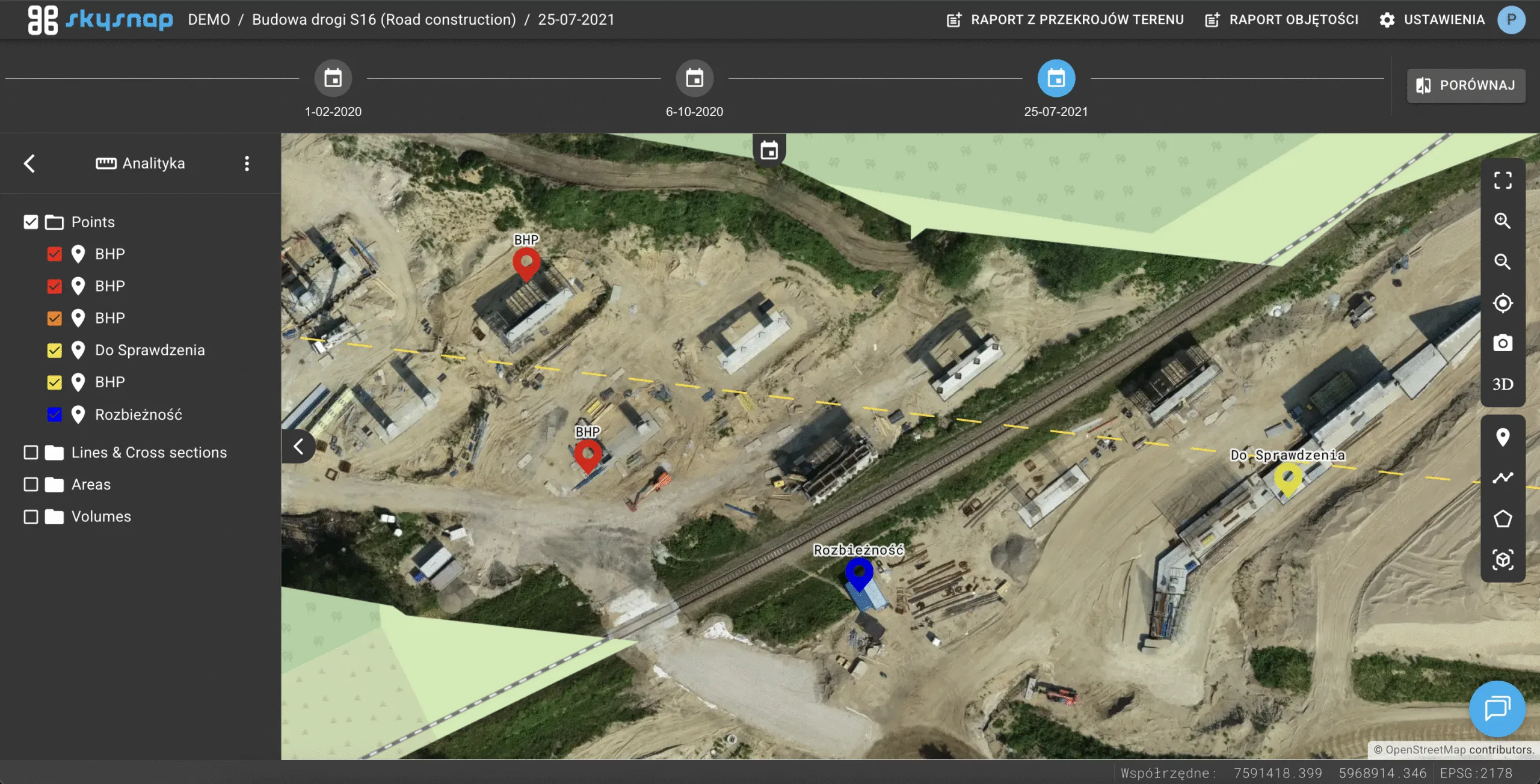
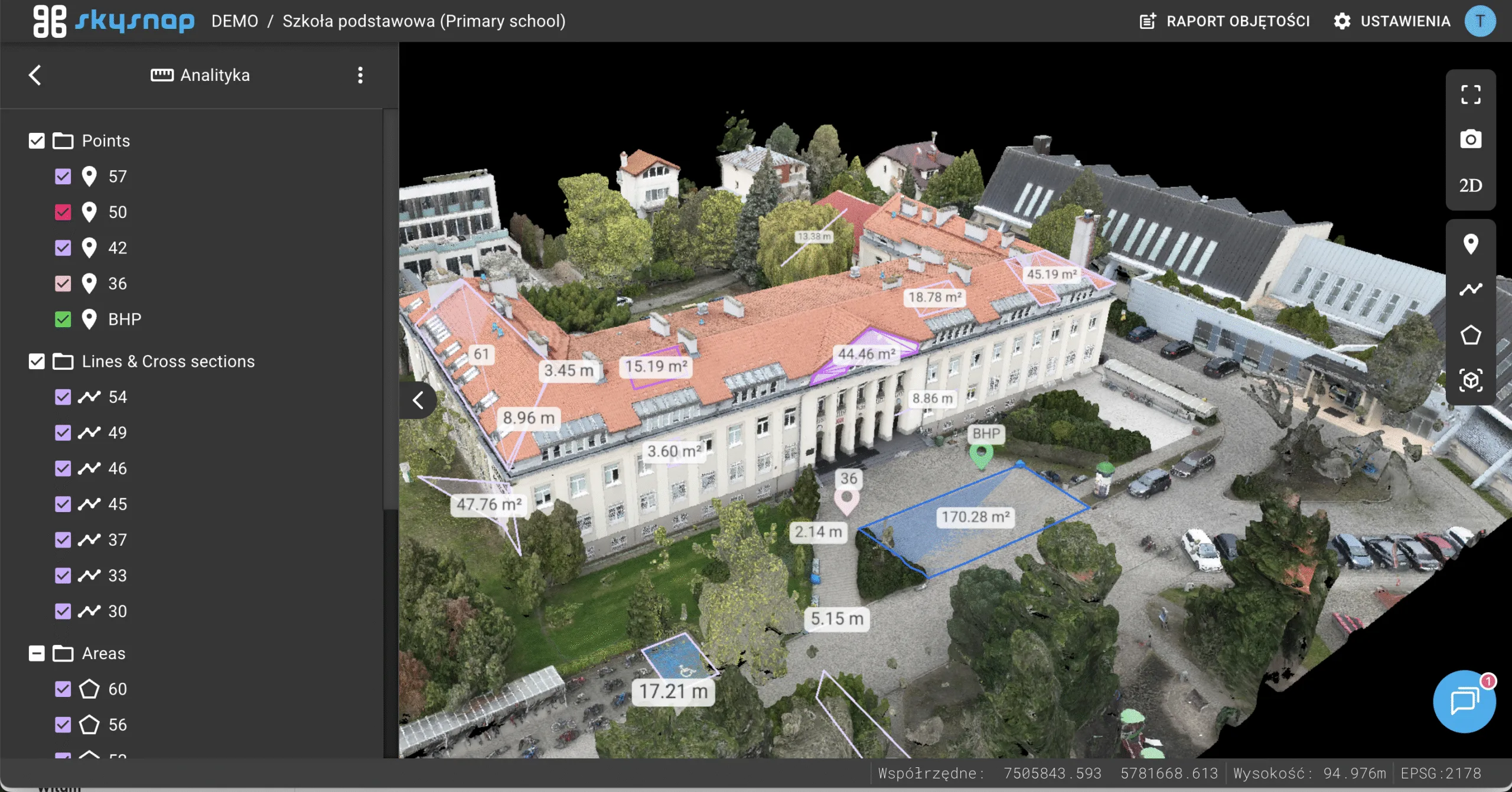
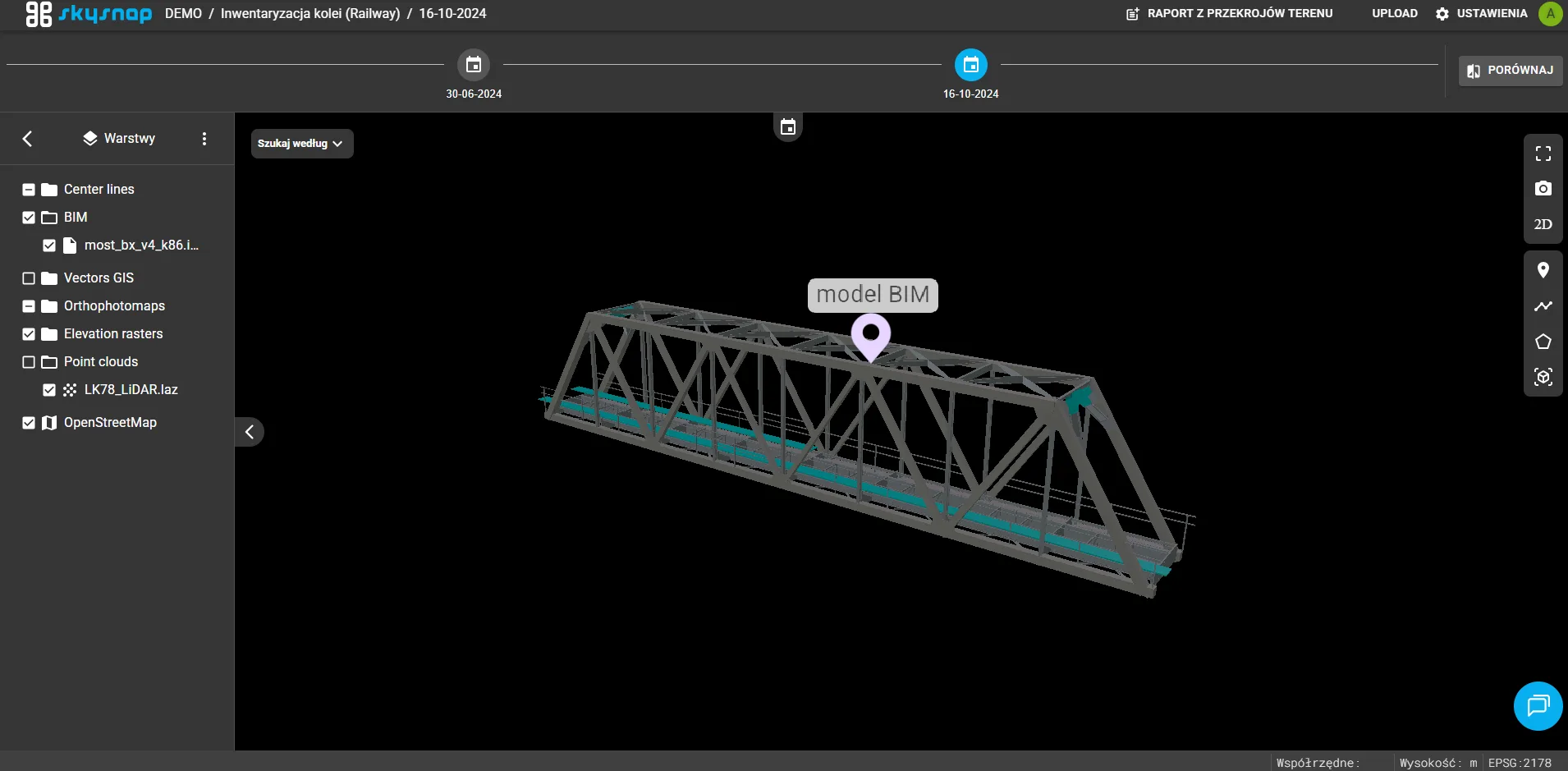
- Next, it’s a good idea to use data analysis software to process photos and videos, create 3D models and generate orthophoto maps. Programs such as Pix4D, DroneDeploy and Agisoft Metashape offer advanced data processing and spatial analysis tools.
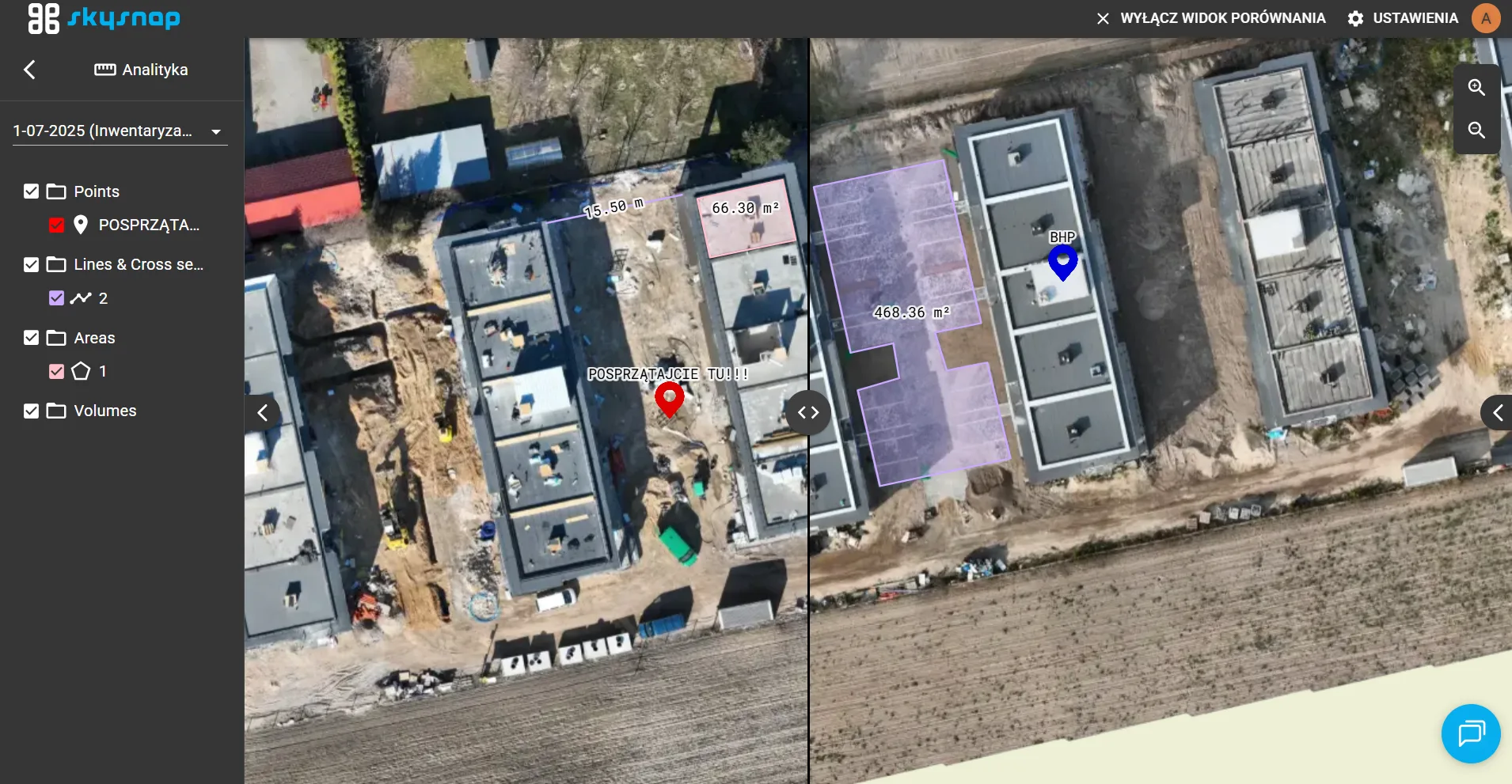
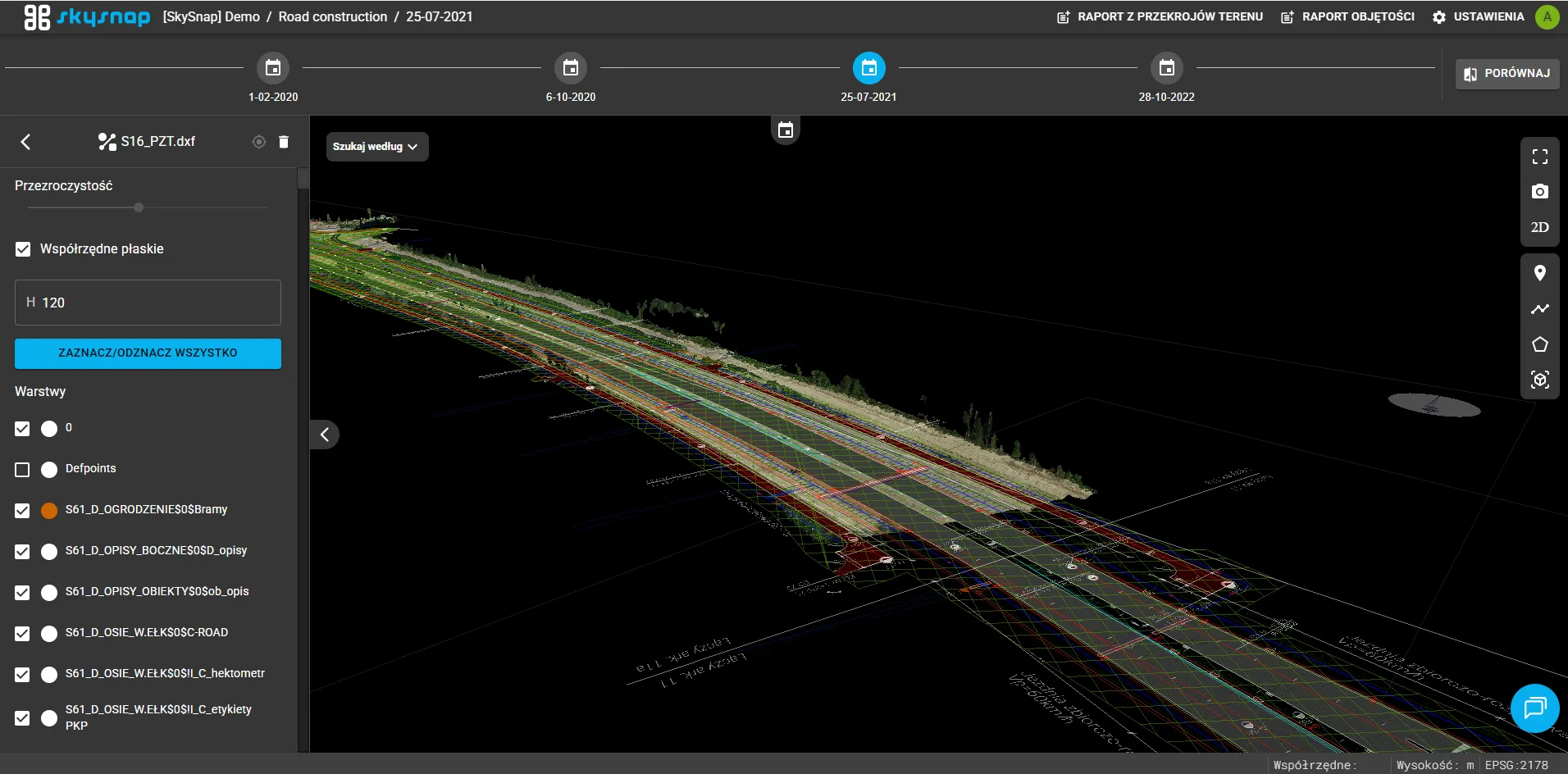
- It is also crucial to compare the collected data with the construction plans to identify any discrepancies and delays.
- Regular data processing enables monitoring of progress and informed management decisions.
- Care should also be taken to archive the collected materials for later use and reporting.
Tools for analyzing results
Tools for analyzing drone results play a key role in processing and interpreting the collected data.
- Among the popular solutions, it is worth mentioning Pix4D, which offers advanced capabilities for creating 3D models and orthophoto maps, allowing to visualize the site and accurately assess the progress of construction.
- DroneDeploy is another tool that enables real-time data analysis and integration with other project management platforms.
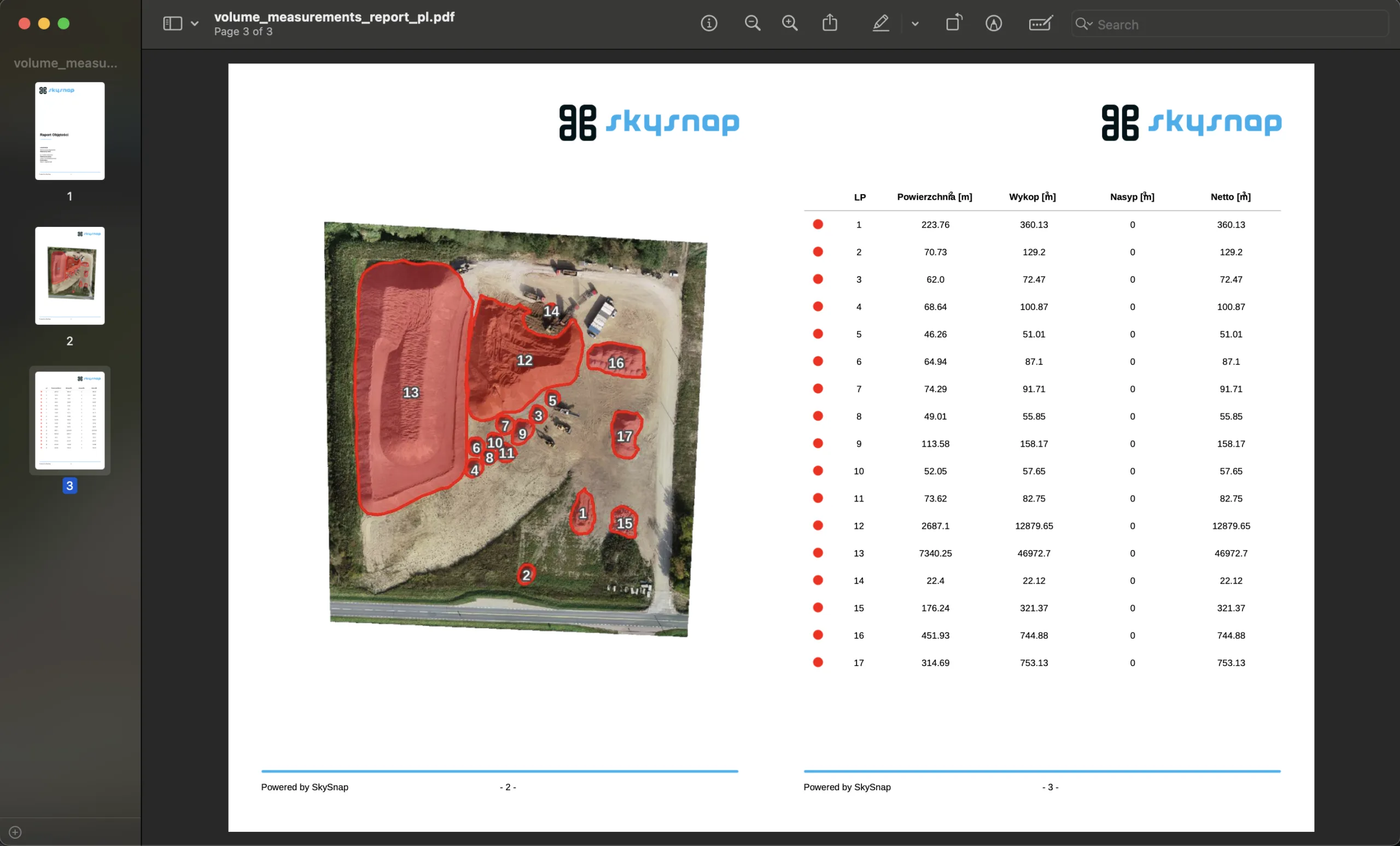
- Agisoft Metashape stands out for its advanced photogrammetry features, which is especially useful for more complex projects. The software can generate detailed reports that can be shared with the project team and stakeholders.
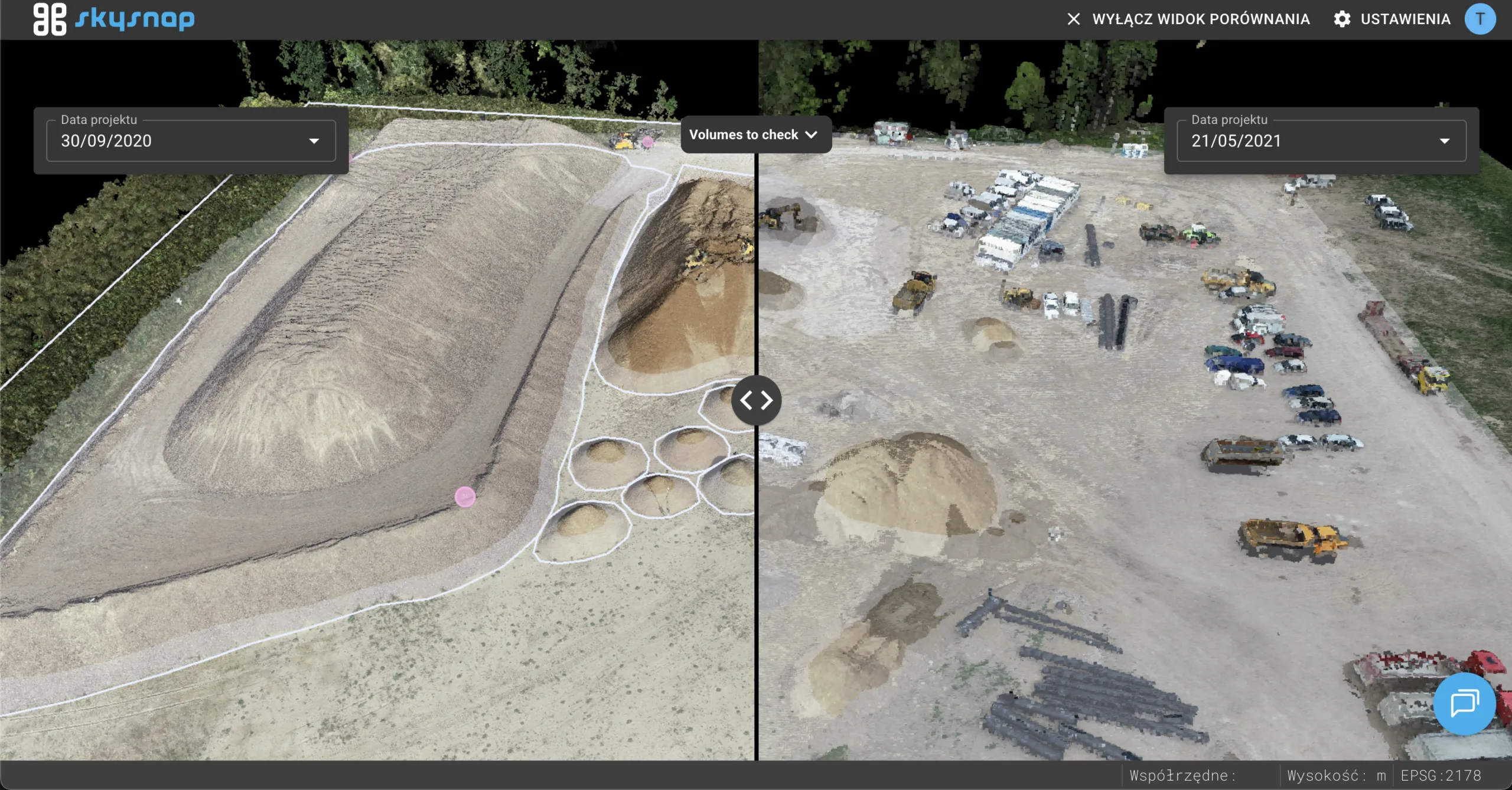
In addition, these tools often offer the ability to compare historical data, making it easier to track changes over time. The choice of the right tool should depend on the specifics of the project and the needs of the user.
How to interpret the data in the context of construction?
Interpreting the data collected by the drone in the context of construction requires an understanding of both the technical and operational aspects of the project.
First, it is important to compare current photos and 3D models with construction plans to identify any discrepancies and areas that need correction. Site visualizations also allow you to assess the availability and placement of construction materials and the efficiency of space use. Analyzing the data can reveal potential problems, such as time slips or improper workmanship, allowing earlier intervention and minimizing costs. Regular monitoring of progress allows work schedules and resource allocation to be adjusted in real time.
It is also important to take into account external factors such as weather conditions and their impact on the project Interpretation of the data should be part of the broader construction management process, ensuring that project objectives are met efficiently and on time.
Security and regulation
How to take care of flight safety?
Drone flight safety is a key aspect to consider when monitoring construction sites.
- First and foremost, before each flight, you should carefully check the drone’s condition, including the battery, motors and propellers, to ensure its reliability.
- It is also important that drone operators are properly trained and have current licenses to pilot the device.
- Flight planning should consider safe zones, avoid areas with heavy traffic and airspace over people.
- Always follow local laws and regulations on drone flight, which includes respecting prohibited zones and altitude restrictions.
- Monitoring the weather before takeoff is important to avoid flying in adverse weather conditions, which can affect the stability and control of the drone.
These measures minimize the risk of accidents and ensure safe site operations.
Regulations on the use of drones in Poland
In Poland, the use of drones is regulated by the Civil Aviation Authority (ULC) and EU regulations introduced by the European Aviation Safety Agency (EASA). Each drone must be registered with the ULC system, and operators must have the appropriate licenses, which vary depending on the category of flight.
Drones are divided into three risk categories: open, special and certified, with most construction operations falling into the open or special category. For the special category, operators must obtain additional permits and meet certain safety requirements.
Drone flights must take place within the operator’s line of sight and at an altitude not exceeding 120 meters above ground level. Additional restrictions apply in urban areas and over gatherings of people. Compliance with these regulations is key to ensuring safety and legal compliance during drone operations.
What are the potential risks and how to prevent them?
During drone operations on a construction site, there are a number of potential risks that can affect the safety of people and equipment.
- One of the main risks is losing control of the drone, which can be caused by technical failure or signal interference. To prevent this, perform regular maintenance on your drone and make sure all systems are fully operational before each flight.
- Another risk is collision with other objects, so it is important to plan flight routes that avoid obstacles and dangerous zones.
- Weather conditions, such as strong winds or rain, can also pose a risk, so always check the weather forecast before taking off.
- It is useful to have a contingency plan for unforeseen situations. Compliance with regulations and constant real-time monitoring of the situation are key actions that help minimize risks during drone operations.

Free E-book
Measuring the volume of materials, aggregates and earthworks on a construction site is one of the most important uses of drones. Why? Because it’s time and money! Download our short e-book and learn how you can monetize your passion with drones.
Table of Contents:
Do you like the article? Share it with others!
Do you like the article? Share it with others!
Tips, news, insights
Related articles
Check out our articles and get the latest industry news.