Introduction to drone training
In the technological era we live in, drone training is becoming an indispensable part of professional and personal development. Drones, once seen as a technological novelty, are now widely used in many fields, from agriculture to photography to goods delivery. The ability to operate these complex devices is opening up new career and innovation opportunities for people. In this article, we’ll take a look at why drone training is so important, how it affects different industries, and what benefits it can bring to participants. We invite you to discover how drones can become the key to success in the 21st century.
Why invest in drones?
Investing in drones is a step into the future with numerous benefits. First of all, drones are becoming an indispensable tool in many industries.
In agriculture, they help monitor crops and predict yields, making production more efficient. In the film and photography industry, they enable spectacular bird’s-eye shots, something previously available only to large productions. Drones are also being used in construction inspections, medical deliveries and even rescue.
Through drone training, users can gain the necessary skills to realize the full potential of these devices. What’s more, the growing drone industry offers new job opportunities, making it attractive to those seeking a dynamic career path. So it’s worth investing in drone training to not only gain new skills, but also to become part of a forward-thinking industry.
Development of drone technology
The development of drone technology in recent years has been impressive and is constantly accelerating. Initially, drones were mainly used for military purposes, but they quickly found applications in civilian sectors. Technological advances have made drones more accessible and versatile.
Modern drones are equipped with advanced GPS navigation systems, high-quality cameras and sensors that allow precise maneuvering and data collection. As technology becomes more advanced, drones are gaining importance in areas such as logistics, public safety, and environmental protection.
Drone training is adapting to these changes, offering courses that help users gain the skills necessary to operate modern devices. Without a doubt, the development of drone technology is opening up new opportunities that can be fully exploited by those trained to operate them.
Drone applications in various industries
The role of drones in agriculture
Drones in agriculture play a key role in increasing the efficiency and precision of agricultural production. With advanced sensors and cameras, drones can monitor the condition of crops in real time. They can assess plant health, detect weeds, and identify areas that need irrigation.
This information helps farmers make more informed decisions, leading to better resource management and increased yields. In addition, drones can be used to precisely apply pesticides and fertilizers, minimizing their impact on the environment.
The introduction of drones in agriculture also saves time and costs, as they replace traditional, more labor-intensive inspection and application methods. Drone training for farmers is therefore becoming invaluable, enabling the full potential of this technology to be realized and contributing to sustainable agricultural development.
Construction industry and drones
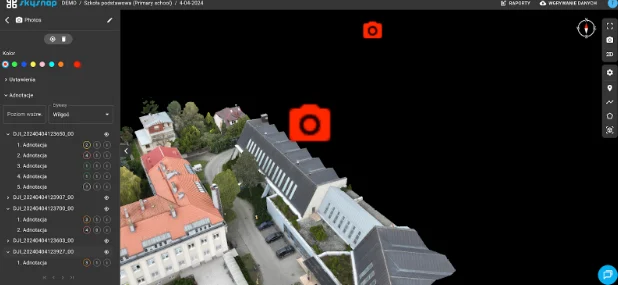
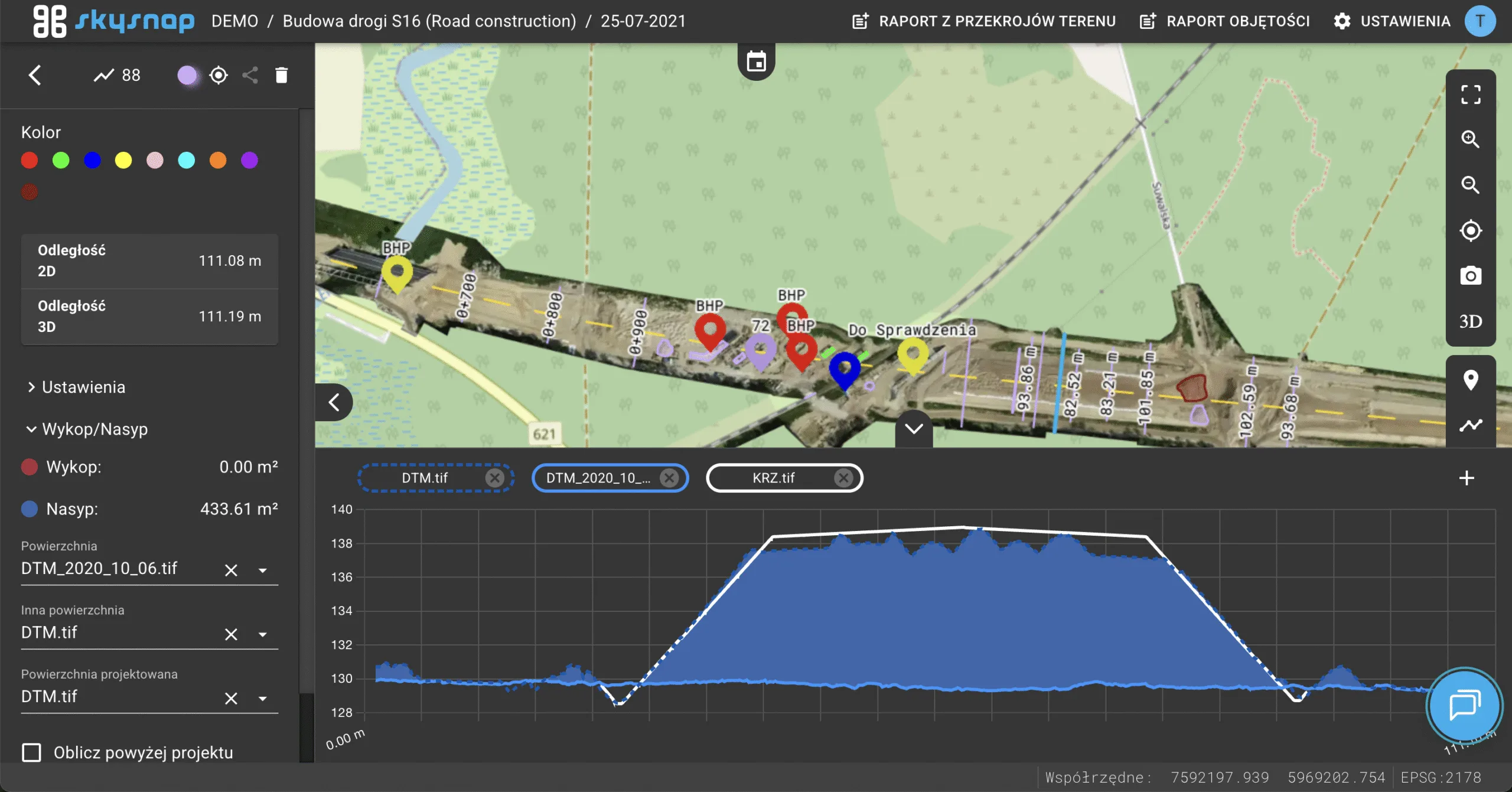
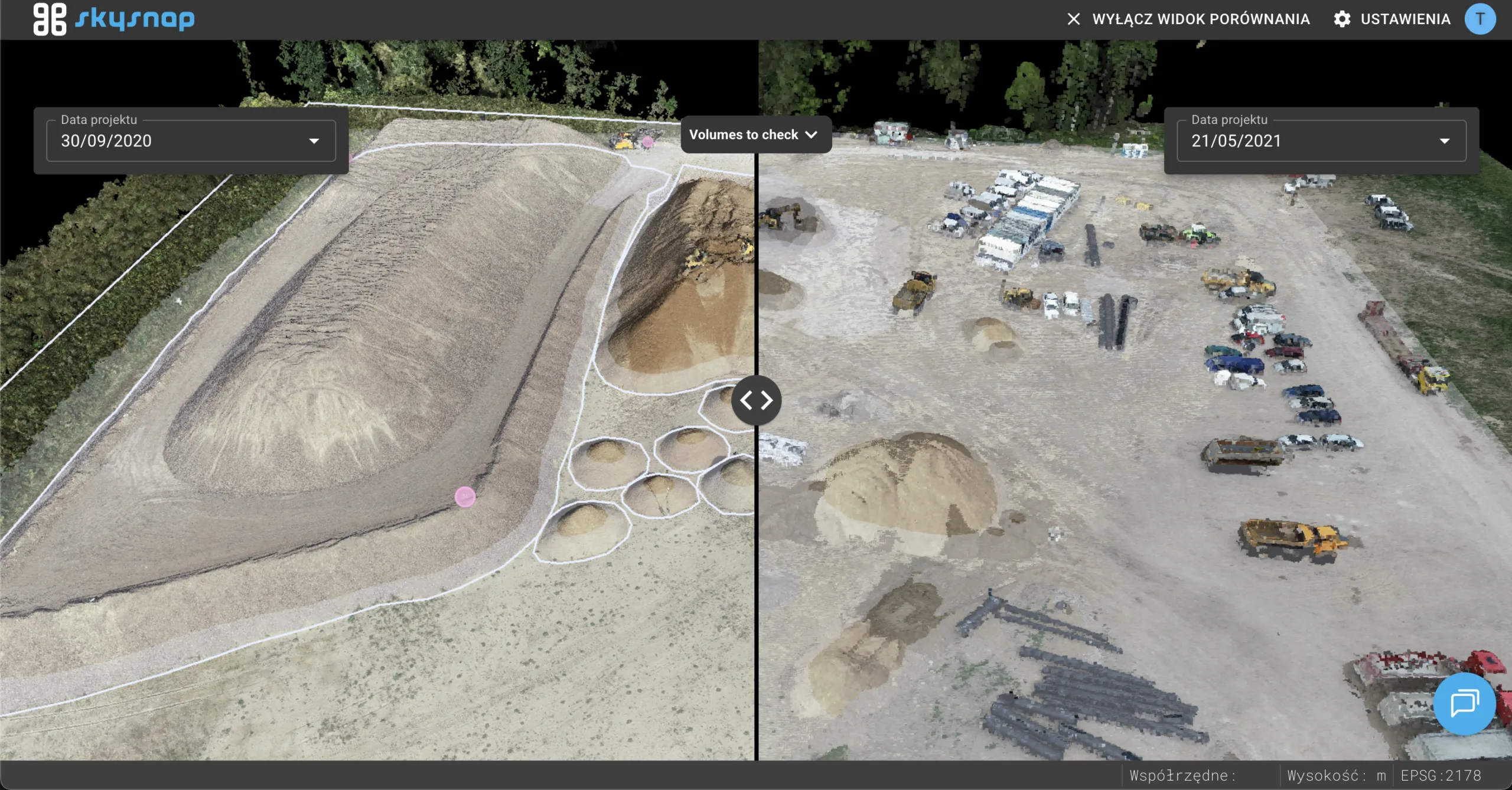
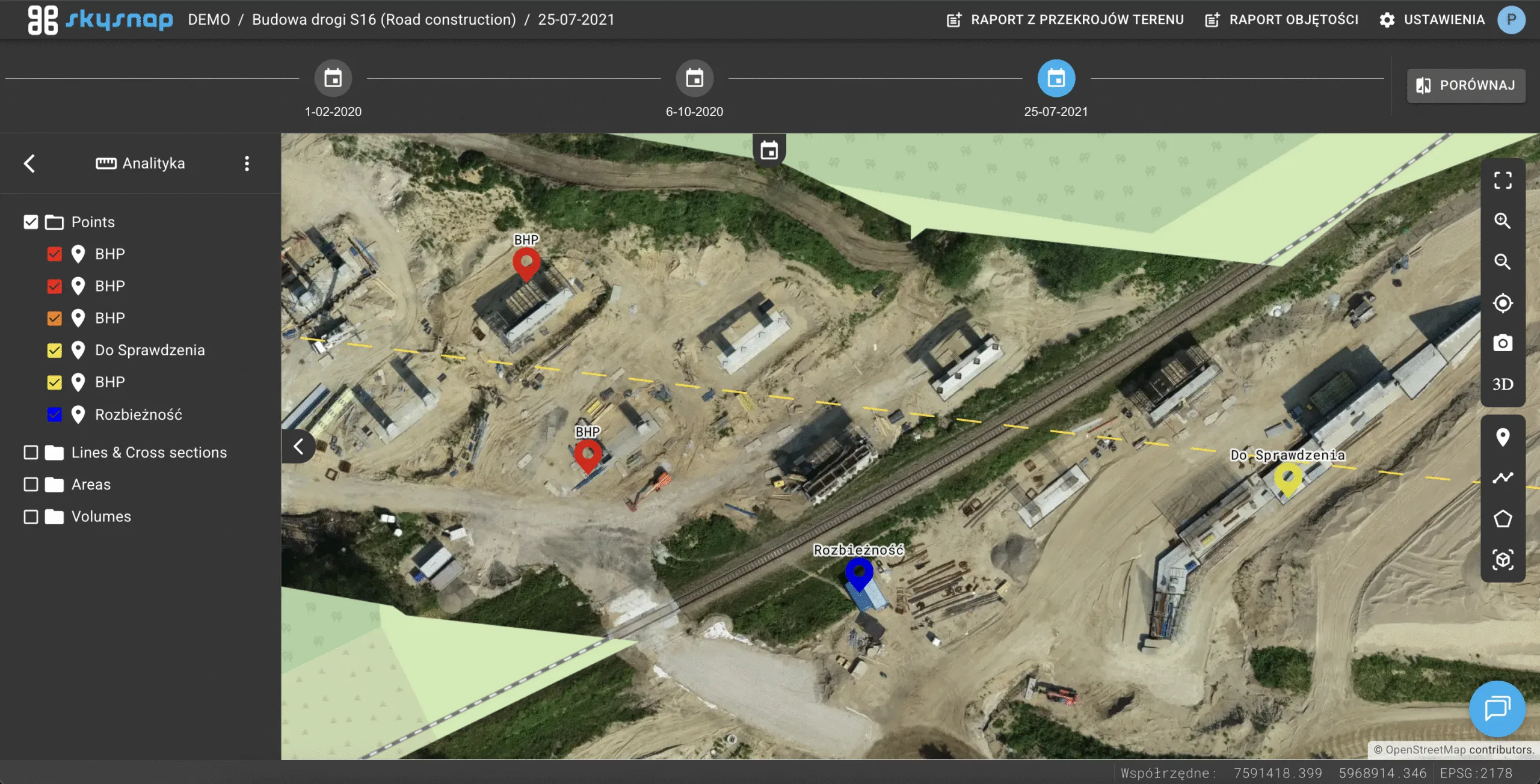
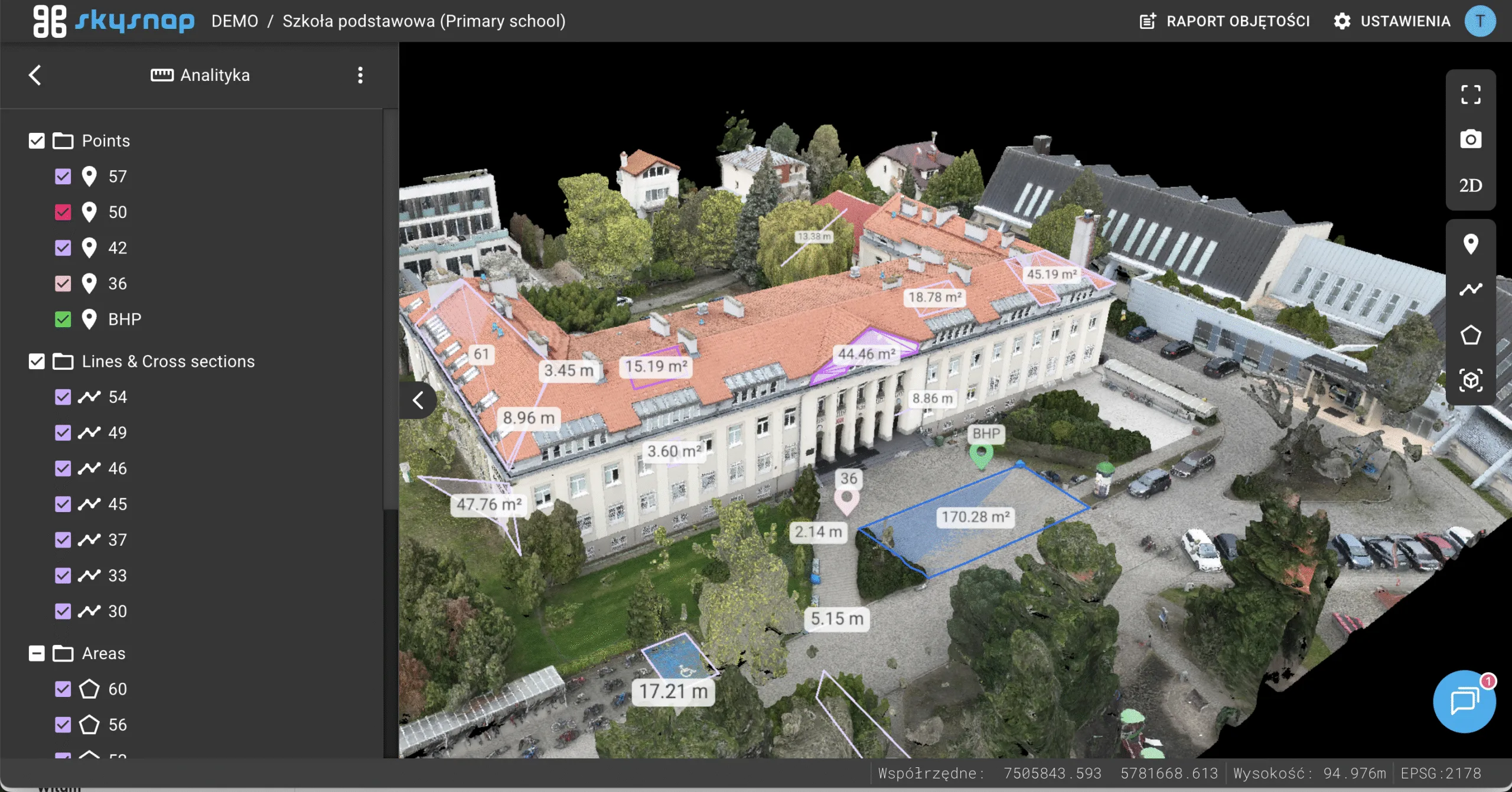
In the construction industry, drones have become an invaluable tool that greatly speeds up the processes involved in planning and implementing projects. The use of drones enables the creation of accurate site maps and 3D models, which is important at the design stage. This allows the construction team to better understand the topography of the site and plan the work with greater precision.
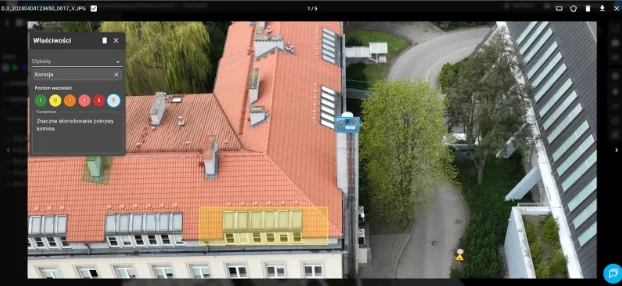
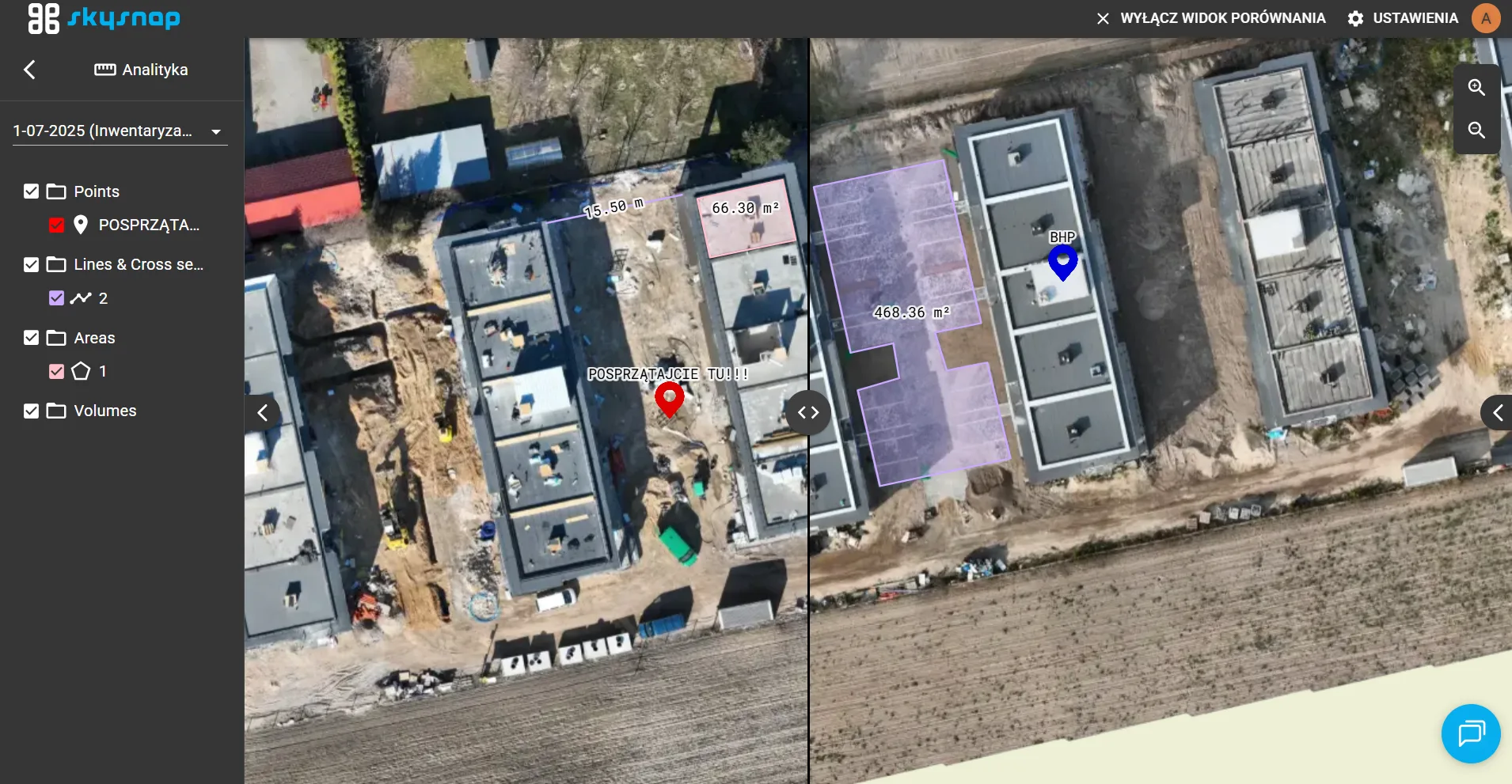
During construction, drones are used to monitor the progress of the work, allowing quick response to any delays or problems. Building inspections with drones are also safer and more efficient, eliminating the need for costly equipment such as cranes and scaffolding. With drone training, construction workers can acquire the skills necessary to operate these devices, increasing their value in the job market. Integrating drones into construction processes is a step toward modern, sustainable construction.
Benefits of participating in drone training
Increase professional skills
Participating in drone training is not only about gaining new technical skills, but also about significantly increasing your value in the job market. In this age of technological revolution, the ability to operate drones is becoming increasingly sought after in many industries.
Through such training , participants can learn how to plan missions, navigate and analyze data collected by drones. These competencies are valuable not only for technical staff, but also for project managers who can better oversee and optimize processes in their organizations.
In addition, having a certificate of completion of drone training can be an asset in job applications, showing potential employers your commitment to developing and adapting new technologies. These training courses prepare participants to effectively use drones in a variety of applications, which is key to career success in the 21st century.
Career opportunities in modern professions
Drone training is opening the door to many modern professions that were difficult to access or even non-existent just a few years ago. Drone specialists are in demand in industries such as logistics, agriculture, construction, media and even the public sector.
Drone operators are hired to perform infrastructure inspections, monitor crops or take aerial photos and footage. In addition, the growing drone industry offers job opportunities in the field of research and technology development, which is ideal for those with a technical bent. Drone training also offers opportunities for self-employment, such as by setting up companies that offer drone services.
With the increase in drone applications, drone operators are becoming indispensable in many sectors, making these professions promising and full of future opportunities. Attending training courses is an investment in career development in a booming job market.
The future of drone training
Trends and innovations in drone education
Drone education is constantly evolving, with new trends and innovations shaping its future. One of the key directions is the introduction of integrated curricula that combine theory and practice, giving participants the opportunity to acquire comprehensive knowledge and skills.
Virtual and augmented reality are also increasingly being used, making it possible to simulate various operational scenarios in a secure environment.
In addition, remote learning and online courses are growing in importance, allowing a wider range of participants to access training regardless of location. As drone technology evolves, training programs are being updated with the latest technological advances, such as artificial intelligence and big data analytics.
This kind of innovation makes drone education more accessible, flexible and tailored to the needs of today’s job market, preparing participants for the future.
How drone training is affecting the job market
Drone training is having a significant impact on the job market, transforming it and creating new employment opportunities. As drone technology becomes more advanced, there is a growing need for qualified drone operators in various sectors.
These transformations are leading to the emergence of new professions, such as drone data analysts, infrastructure inspectors anddrone safety specialists. Companies that are adopting drones for their operations are looking for employees with the right certifications and experience, making drone training a key component of professional development. The introduction of drones into daily business operations is also changing existing jobs, requiring employees to adapt to the new technology.
As a result, those with drone skills can look forward to better job prospects and higher wages, making drone training an important part of shaping the modern job market.
How to choose the right drone training?
Key criteria for course selection
Choosing the right drone training is crucial for skill and career development.
- First of all, you should pay attention to the certifications offered by the course. Make sure they are recognized in the industry and meet the standards of local regulations.
- Also check the curriculum to see if it includes both theory and hands-on exercises, which is essential to fully understand drone operations.
- Instructors should be experienced and qualified to guarantee a high level of teaching.
- Another criterion is the availability of educational resources, such as videos, textbooks or access to simulators. It is also worth considering the form of the course – whether it is available online, which may be more convenient for working people.
Finally, compare reviews and testimonials from other participants to make sure you choose the course that best suits your needs and career goals.
The importance of certification and licensing
Certification and licensing are key elements in the world of drone operations, directly affecting the ability to use drones legally and safely. Completing a course with the appropriate certification confirms that the operator has the necessary theoretical and practical skills to operate a drone. These certifications are often required by employers and are crucial for commercial assignments. A license to operate a drone is also required by regulations in various countries, making it essential to avoid legal problems. When choosing a drone training course, it’s a good idea to make sure that the course offered ends with a recognized certification that meets local and international standards. Having a certification and license not only increases an operator’s credibility, but also opens the door to more advanced projects and better career opportunities.

Free E-book
Learn how to prepare a mission step-by-step, avoid raid mistakes and create accurate orthophotos and 3D models. The perfect guide before your first commercial assignments.
Table of Contents:
Do you like the article? Share it with others!
Do you like the article? Share it with others!
Tips, news, insights
Related articles
Check out our articles and get the latest industry news.